Editor's Note: Take a look at our featured best practice, Digital Transformation Strategy (145-slide PowerPoint presentation). Digital Transformation is being embraced by organizations across most industries, as the role of technology shifts from being a business enabler to a business driver. This has only been accelerated by the COVID-19 global pandemic. Thus, to remain competitive and outcompete in today's fast paced, [read more]
* * * *
In 2025, user expectations for digital products are higher than ever. A slow-loading website, confusing navigation, or poor accessibility can cost a business both revenue and trust. That’s why conducting a website user experience audit has become a crucial step for companies striving to remain competitive. By leveraging professional UX audit services, businesses can identify pain points, optimize customer journeys, and ensure that every digital interaction strengthens brand loyalty.
This article explores the top reasons to conduct a UX audit in 2025, outlines best practices, and provides actionable insights supported by expert perspectives.
What Is a UX Audit?
A UX audit is a systematic evaluation of how users interact with a digital product, typically a website or application. The goal is to uncover usability issues, analyze user behavior, and recommend improvements. Unlike a redesign, a UX audit focuses on making data-driven, targeted changes that can significantly enhance performance without unnecessary costs.
According to digital strategist Laura Kim:
“A UX audit isn’t about tearing everything down; it’s about optimizing what you already have. Small, evidence-based improvements often bring the biggest wins.”
Why UX Audits Matter in 2025
User behavior has evolved rapidly in recent years, with 5G networks, AI-driven personalization, and rising accessibility standards reshaping expectations. Here are the primary reasons why audits are essential today:
Rising User Standards – People demand seamless experiences across devices.
Increased Competition – Nearly every industry is saturated with digital-first competitors.
Data Privacy Regulations – Compliance with accessibility and data handling laws is no longer optional.
Hiring professional UX audit services ensures that businesses get expert insights rather than relying solely on assumptions. Here are the top benefits:
AI-Driven Personalization – Adaptive content must be evaluated for fairness and inclusivity.
Voice-First Interfaces – Voice navigation requires different usability testing approaches.
Augmented Reality UX – AR shopping and immersive features demand intuitive interaction models.
Sustainability in Design – Energy-efficient websites are increasingly valued by eco-conscious users.
As tech analyst Priya Sharma highlights:
“In 2025, a UX audit is not just about usability—it’s about ensuring inclusivity, ethical design, and long-term sustainability.”
Real-World Examples of UX Audits
Many well-known companies have reaped significant benefits from conducting a website user experience audit. For instance:
E-commerce giant ZetaMart conducted a UX audit that revealed their checkout process had too many unnecessary steps. By simplifying the flow and introducing smart autofill features, they increased completed purchases by 28% within three months.
Travel booking platform FlyAway used UX audit services to identify issues in mobile navigation. Post-audit improvements, such as optimizing the search bar and streamlining filters, resulted in a 35% increase in mobile conversions.
Financial services company Credify leveraged a ux audit checklist to ensure accessibility compliance. Adjustments to color contrast, font sizes, and screen reader compatibility helped them expand their market to visually impaired users.
These cases demonstrate that UX audits are not merely theoretical exercises—they have tangible, measurable business impact.
How UX Audits Affect Marketing and SEO
A common misconception is that UX audits only improve usability. In reality, they also significantly influence marketing and SEO:
Reduced Bounce Rates – Search engines interpret engagement as a quality signal; better UX improves rankings.
Enhanced Mobile Optimization – Google’s mobile-first indexing makes responsive UX critical.
Higher Conversion from Paid Campaigns – Ads drive traffic, but only an optimized UX converts visitors into customers.
Brand Perception – Users equate smooth, intuitive design with credibility and professionalism.
Digital marketing consultant Ravi Singh emphasizes:
“A website user experience audit is the bridge between marketing investments and measurable returns. Ignoring UX often negates even the best campaigns.”
UX Audit and Future-Proofing Digital Products
The digital landscape in 2025 is evolving rapidly. Emerging technologies such as AI, AR/VR, and voice interfaces demand that UX design keeps pace. Regular UX audit services ensure:
Adaptability – Your website can accommodate new technologies without a complete overhaul.
Compliance – Accessibility and privacy regulations continue to tighten globally.
Scalability – Growth in traffic or features doesn’t compromise usability.
User Satisfaction – Consistently high-quality experiences foster loyalty and advocacy.
According to UX researcher Elena Petrova:
“Businesses that conduct periodic audits don’t just fix current issues—they anticipate future challenges. This is the key to sustainable digital growth.”
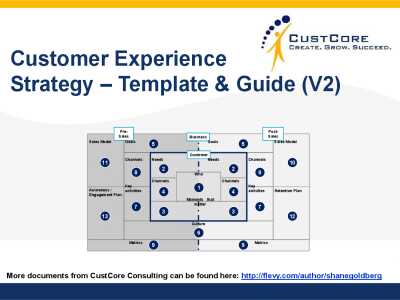
Customer Experience is fast becoming the key business battleground in many markets.
In order to be successful it is critical that all business create a Customer Experience Strategy, an all encompassing view of how they will deliver superb experiences to their customers. Having such a strategy [read more]
Do You Want to Implement Business Best Practices?
You can download in-depth presentations on Customer Experience and 100s of management topics from the FlevyPro Library. FlevyPro is trusted and utilized by 1000s of management consultants and corporate executives.
For even more best practices available on Flevy, have a look at our top 100 lists:
These best practices are of the same as those leveraged by top-tier management consulting firms, like McKinsey, BCG, Bain, and Accenture. Improve the growth and efficiency of your organization by utilizing these best practice frameworks, templates, and tools. Most were developed by seasoned executives and consultants with over 20+ years of experience.
Readers of This Article Are Interested in These Resources
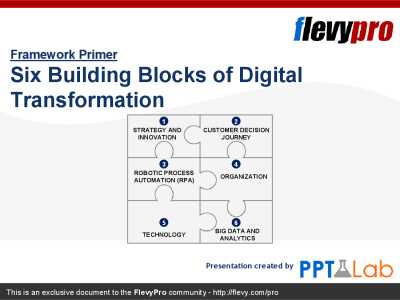
Digital Transformation touches practically every function in the entire organization. This thus requires an unprecedented amount of coordination among people, process, and technologies throughout the organization, leading to a difficult Transformation program.
The Six Building Blocks of [read more]
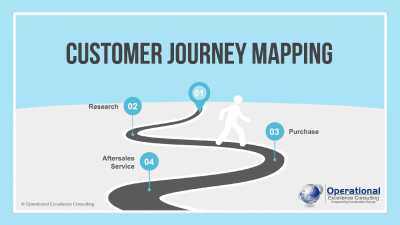
Customer Journey Mapping is the process of creating a graphical representation of the steps and stages a customer goes through to experience a product, service, an online experience, or any combination. It may focus on a particular part of the process or the end-to-end experience.
The journey [read more]
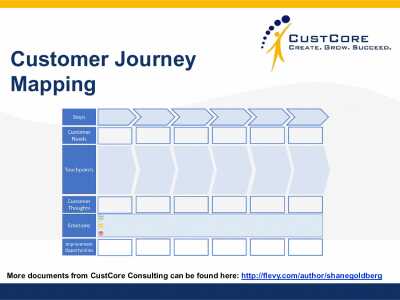
This Guide will take you through step-by-step detailed instructions to help you create a Customer Journey Map - a visual representation of the experience that customers have with your organisation, product or service.
The step-by-step guide includes a comprehensive outline and templates for use [read more]
Enhance your organization's CX with our Delivering Service Excellence PPT. Equip your staff with the skills to create quality customer experiences, differentiate from the competition, and build trust and long-term relationships. Learn to manage emotions, deliver personalized service, and apply the [read more]
 In 2025, user expectations for digital products are higher than ever. A slow-loading website, confusing navigation, or poor accessibility can cost a business both revenue and trust. That’s why conducting a website user experience audit has become a crucial step for companies striving to remain competitive. By leveraging professional