 A chargeback can feel like a random hit: one frustrated customer, one suspicious order, one dispute that slipped through. The real problem starts when the same kind of dispute shows up again. That’s when a bad transaction stops being an isolated loss and starts pointing to a broken process.
For founders, the first chargeback should trigger a post-mortem, not a shrug. Something happened before the dispute reached the bank: a weak refund policy, unclear billing descriptor, loose verification step, poor documentation, mismatched customer expectations, or a fraud signal that no one caught in time.
The First Chargeback Is a Warning Signal
The first mistake is treating a chargeback like a finished event. The money is gone, the dispute is filed, and the team moves on. That reaction clears the task list, but it leaves the original weakness untouched.
A useful post-mortem starts earlier in the order history. Did the customer recognize the billing descriptor? Was the refund policy visible before checkout? Did the order ship to an address that matched the customer’s profile? Were support messages slow, vague, or missing? Each answer shows whether the dispute came from fraud, confusion, poor communication, or a gap in the sales process.
One chargeback won’t always threaten the business. A repeat pattern can. Once the same failure appears twice, founders should treat it like an operating problem with a clear owner, a timeline, and a fix.
Count the Full Cost of the Bad Transaction
The disputed amount is only the visible loss. A $120 order can cost far more once the business adds the chargeback fee, shipping expense, inventory loss, support time, payment processing cost, and the hours spent gathering evidence.
That’s why chargebacks belong in the same category as other profit leaks. They drain cash quietly because each loss feels small enough to absorb. Over time, the pattern starts showing up in lower margins, slower support queues, tighter cash flow, and more pressure from the payment processor.
Founders should track the real cost of every dispute in one place. Record the original sale amount, fee, refund status, replacement cost, shipping cost, staff time, and outcome. The number that matters is the total hit to the business, not the transaction value printed on the dispute notice.
Find the Pattern behind the Dispute
A chargeback post-mortem should look for repetition. One customer saying they never received an order is a case to investigate. Five customers saying it points to a fulfillment problem, a tracking issue, or a communication gap hiding in plain sight.
Founders should group disputes by cause instead of date. Look for billing confusion, delivery complaints, refund delays, duplicate charges, suspicious order velocity, mismatched addresses, high-ticket orders from new customers, and vague “product not as described” claims. The pattern matters because fraud and preventable disputes often hide inside ordinary customer service language.
The cost lands closer to the business than many founders expect. In 2023, merchants absorbed 49.9% of covered debit-card fraud losses, which makes weak dispute tracking a cash-flow issue, not a back-office detail.
Fix the Controls before the Pattern Gets Flagged
Once disputes repeat, the fix has to move upstream. Waiting for the chargeback notice means the business is reacting after the money, product, and customer trust are already at risk.
Start with the rules around the transaction. High-value orders may need extra verification. First-time customers with unusual shipping details may need a closer review. Digital products, subscriptions, and services should have clear delivery records, visible billing terms, and fast support responses before a frustrated customer turns confusion into a dispute.
The goal is to make risky transactions easier to catch and legitimate transactions easier to defend. Stronger checkout rules, clearer refund triggers, better evidence capture, and fraud protection for merchants can help founders reduce repeat disputes before processors start treating the pattern as a bigger account problem.
Document Every Order Like You May Need to Defend It
A dispute is much harder to fight when the business has to reconstruct the order after the fact. Screenshots, scattered emails, and vague notes rarely hold up well when the clock is already running.
The better habit is to collect evidence as part of the normal sales process. Save order confirmations, delivery records, customer messages, refund requests, terms acceptance, subscription details, relevant technical records when appropriate, and proof that the product or service was delivered as promised. For service businesses, that may include signed agreements, appointment records, project approvals, or completion notes.
Good documentation improves the customer experience before a dispute begins. Clear receipts, recognizable billing descriptions, visible refund terms, and fast support replies reduce confusion. When a customer understands what they bought, when they were charged, and how to resolve a problem, fewer issues turn into bank disputes.
Make the Post-Mortem a Monthly Payment Review
A chargeback post-mortem should end with a change in behavior. If the same dispute type keeps appearing, the business needs a new rule, a clearer policy, better records, or a tighter review process.
Review disputes once a month and look for the few patterns that keep costing money. Which products create the most refund pressure? Which order types need extra verification? Which customer complaints appear before chargebacks? Which policies confuse buyers at checkout? The answers should lead to simple fixes the team can repeat.
Chargebacks rarely improve because someone hopes the next transaction goes better. They improve when founders treat each dispute as evidence, fix the weak point, and keep the payment system clean before one bad transaction becomes a pattern.
Do You Want to Implement Business Best Practices?
You can download in-depth presentations on Retail Strategy and 100s of management topics from the FlevyPro Library. FlevyPro is trusted and utilized by 1000s of management consultants and corporate executives.
For even more best practices available on Flevy, have a look at our top 100 lists:
These best practices are of the same as those leveraged by top-tier management consulting firms, like McKinsey, BCG, Bain, and Accenture. Improve the growth and efficiency of your organization by utilizing these best practice frameworks, templates, and tools. Most were developed by seasoned executives and consultants with over 20+ years of experience.
Readers of This Article Are Interested in These Resources
22-slide PowerPoint presentation
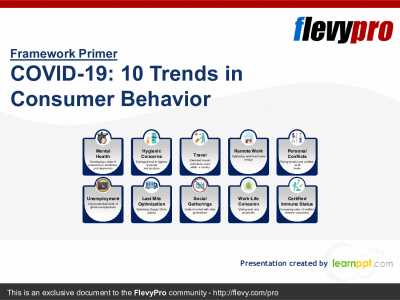
COVID-19 has taken the world by a storm. Financial markets, manufacturing, services, and tourism have been hit hard. In fact, it has also changed the way we work, communicate, interact, and shop more than any other disruption in the decade.
As a result, there have been key changes in Consumer
[read more]

18-slide PowerPoint presentation
This presentation discusses profit recovery for retailers. Profit recovery includes improving shrink along the entire enterprise and supply chain--e.g. inventory loss, damages, shipping errors, credit/debit card loss, coupon abuse, other store discounting, etc.
This document delves into the
[read more]
13-slide PowerPoint presentation
This is a sales presentation example for Consumer Driven Replenishment (CDR) project work. CDR is an analytical approach to supply chain integration between a consumer goods supplier and its customers.
This document provides a comprehensive overview of the Consumer-Driven Replenishment (CDR)
[read more]
25-slide PowerPoint presentation
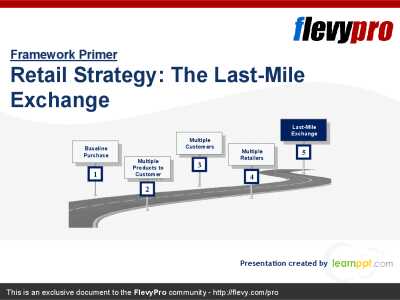
Keeping up with the growing volume of e-commerce will require delivery companies to disrupt their long-standing business model. All this growth can bring some peril.
Retailers and transportation companies are now faced with challenges in this fast-changing marketplace. With the boom in
[read more]