This presentation discusses profit recovery for retailers. Profit recovery includes improving shrink along the entire enterprise and supply chain—e.g. inventory loss, damages, shipping errors, credit/debit card loss, coupon abuse, other store discounting, etc.
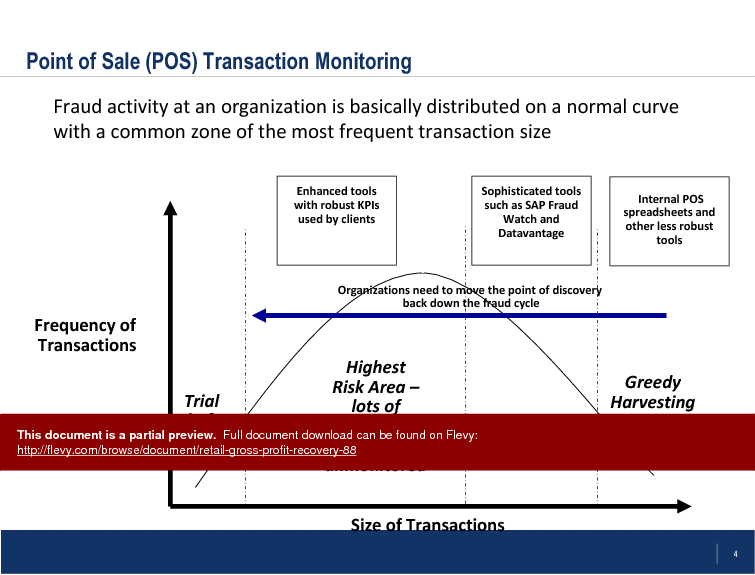
This document delves into the intricacies of Point of Sale (POS) transaction monitoring, highlighting the importance of moving the point of discovery back down the fraud cycle. It emphasizes the utilization of enhanced tools with robust KPIs and sophisticated tools like SAP Fraud Watch to mitigate risks in high-frequency transaction zones. The insights provided are crucial for organizations aiming to tighten their fraud detection mechanisms and safeguard their revenue streams.
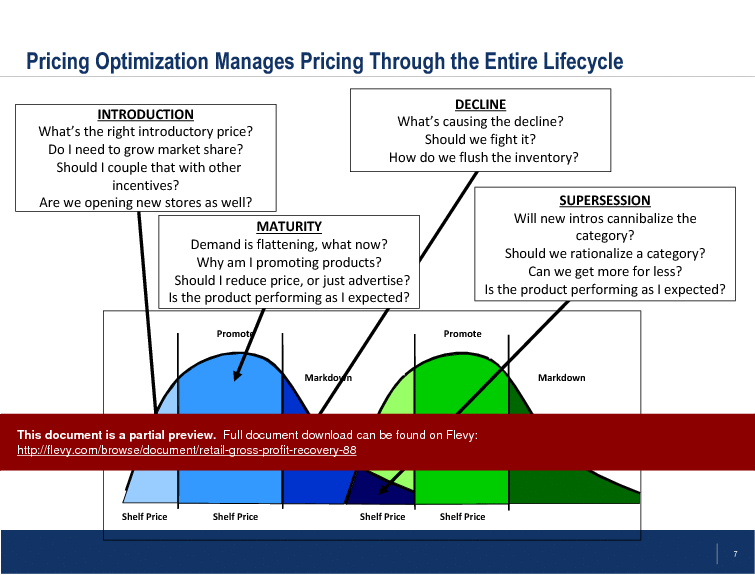
Pricing optimization is another critical focus, managing pricing through the entire product lifecycle. From the introductory phase to decline and supersession, the document outlines strategies for setting the right price, combating decline, and rationalizing categories. These strategies ensure that products are priced competitively while maximizing profitability and market share. The detailed lifecycle approach equips retailers with the knowledge to make informed pricing decisions at every stage.
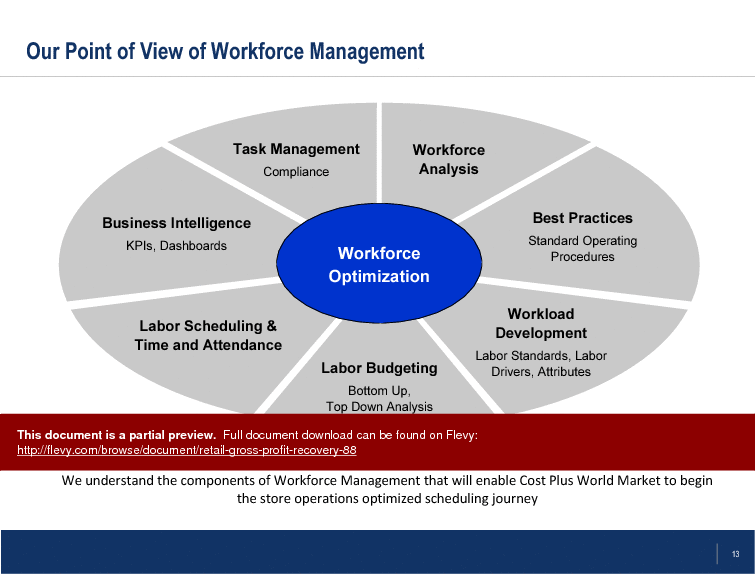
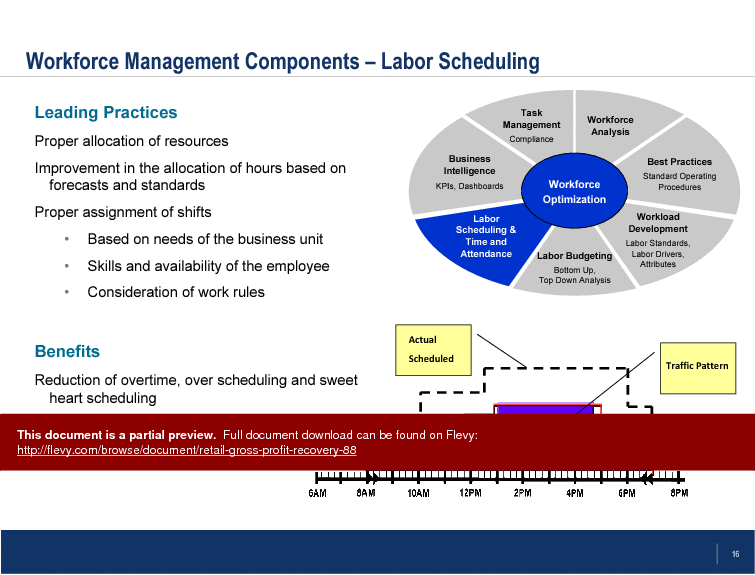
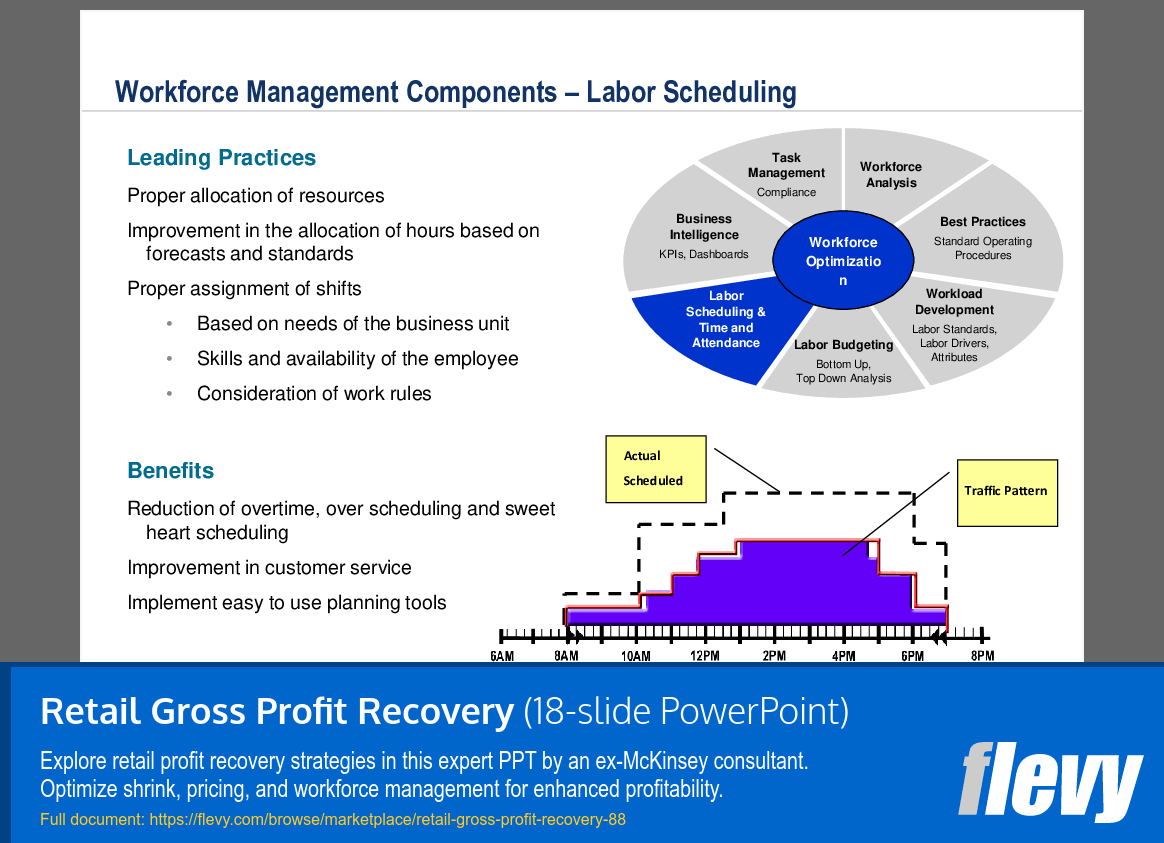
The document also covers workforce management, emphasizing the importance of proper labor scheduling and time attendance. It discusses leading practices for resource allocation, shift assignments, and workload development. By implementing these practices, retailers can reduce overtime, avoid overscheduling, and optimize labor costs. The comprehensive approach to workforce optimization ensures that retailers can maintain operational efficiency while meeting business unit needs.
Got a question about the product? Email us at support@flevy.com or ask the author directly by using the "Ask the Author a Question" form. If you cannot view the preview above this document description, go here to view the large preview instead.
Executive Summary
The Retail Gross Profit Recovery presentation is designed to equip retail executives and teams with actionable strategies to enhance gross profit margins. This comprehensive deck covers critical areas such as shrink management, price optimization, and workforce management, providing a structured approach to identify and recover lost profits. By leveraging data-driven insights and proven methodologies, users will be able to implement effective recovery strategies that align with their operational goals.
Who This Is For and When to Use
• Retail executives focused on profit recovery and operational efficiency
• Loss prevention teams aiming to reduce shrink and improve asset management
• Pricing analysts responsible for optimizing pricing strategies
• Workforce management leaders seeking to enhance scheduling and labor efficiency
Best-fit moments to use this deck:
• During quarterly financial reviews to assess profit recovery strategies
• When launching new pricing initiatives or promotions
• In training sessions for loss prevention and workforce management teams
• For strategic planning meetings focused on operational improvements
Learning Objectives
• Define key concepts related to gross profit recovery and shrink management
• Build a comprehensive shrink management strategy that includes all loss types
• Establish effective price optimization techniques to enhance profitability
• Implement workforce management best practices to improve scheduling efficiency
• Analyze data to identify trends and opportunities for profit recovery
• Develop a cross-functional approach to shrink improvement involving all departments
Table of Contents
• Introduction to Gross Profit Recovery (page 1)
• Understanding Shrink and Its Impact (page 3)
• Strategies for Price Optimization (page 6)
• Workforce Management Components (page 13)
• Effective Shrink Management Organization (page 5)
• Conclusion and Next Steps (page 17)
Primary Topics Covered
• Shrink Management - Strategies to identify and mitigate shrink across various retail functions, including inventory and loss prevention.
• Price Optimization - Techniques for adjusting pricing strategies based on consumer demand and competitive analysis to maximize profit margins.
• Workforce Management - Best practices for labor scheduling and performance tracking to enhance operational efficiency and reduce costs.
• Cross-Functional Collaboration - The importance of involving multiple departments in shrink management to achieve comprehensive improvements.
• Data-Driven Insights - Utilizing analytics to monitor performance and identify areas for profit recovery.
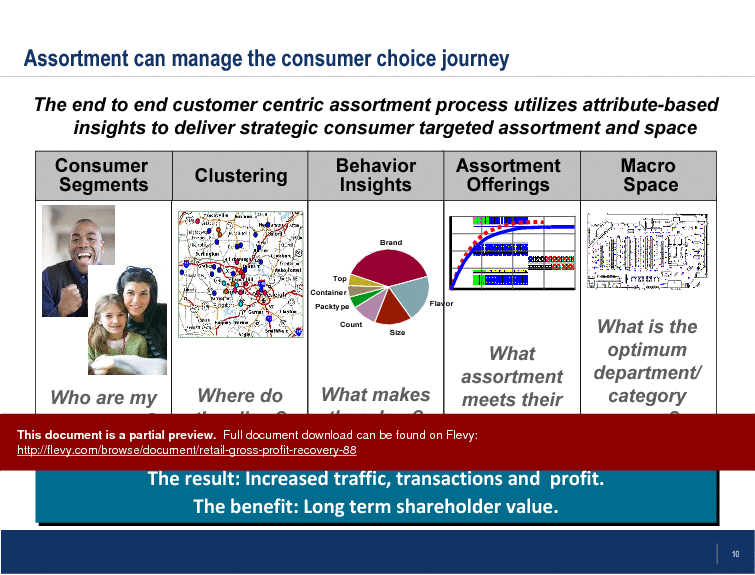
• Customer-Centric Assortment - Strategies for aligning product offerings with consumer preferences to drive sales and profitability.
Deliverables, Templates, and Tools
• Shrink management strategy template for cross-departmental collaboration
• Price optimization model to analyze pricing impacts on sales and profit
• Workforce scheduling template to improve labor allocation and efficiency
• KPI dashboards for real-time tracking of shrink and profit recovery metrics
• Compliance audit checklist to ensure adherence to loss prevention standards
• Performance scorecard for evaluating the effectiveness of shrink management initiatives
Slide Highlights
• Overview of shrink management strategies and their impact on gross profit
• Visual representation of price optimization workflows and decision points
• Key metrics for workforce management and their implications for operational success
• Framework for cross-functional collaboration in shrink improvement initiatives
• Case studies demonstrating successful profit recovery strategies in retail
Potential Workshop Agenda
Shrink Management Strategy Session (90 minutes)
• Review current shrink metrics and identify key areas for improvement
• Develop a cross-functional action plan for shrink reduction
• Assign responsibilities and set timelines for implementation
Price Optimization Workshop (60 minutes)
• Analyze current pricing strategies and their effectiveness
• Brainstorm potential adjustments based on market trends and consumer behavior
• Create a roadmap for implementing optimized pricing
Workforce Management Best Practices (60 minutes)
• Discuss current labor allocation and scheduling practices
• Identify opportunities for improvement based on performance data
• Develop a labor optimization plan with clear metrics for success
Customization Guidance
• Tailor the shrink management strategy to reflect specific organizational needs and challenges
• Adjust pricing models based on regional market conditions and consumer preferences
• Incorporate company-specific metrics into KPI dashboards for enhanced relevance
• Modify workforce management templates to align with existing scheduling systems and practices
Secondary Topics Covered
• Inventory management best practices for reducing shrink
• The role of technology in enhancing loss prevention efforts
• Customer behavior analysis for effective assortment planning
• Legal considerations in loss prevention and shrink management
• Financial implications of shrink on overall profitability
Topic FAQ
Document FAQ
These are questions addressed within this presentation.
What is shrink and why is it important?
Shrink refers to the loss of inventory due to theft, damage, or administrative errors. It significantly impacts gross profit and operational efficiency, making its management crucial for retail success.
How can price optimization improve profitability?
Price optimization allows retailers to adjust prices based on consumer demand and market conditions, maximizing sales and profit margins while maintaining competitive positioning.
What are the key components of effective workforce management?
Effective workforce management includes accurate labor scheduling, performance tracking, compliance with labor laws, and continuous improvement based on data analysis.
How can we measure the success of shrink management initiatives?
Success can be measured through KPIs such as shrink percentage, recovery rates, and improvements in inventory accuracy, along with financial metrics reflecting profit recovery.
What role does technology play in shrink management?
Technology enhances shrink management through tools for transaction monitoring, data analytics, and inventory management, enabling retailers to identify and address shrink issues proactively.
How often should we review our pricing strategies?
Pricing strategies should be reviewed regularly, ideally quarterly, to adapt to market changes, consumer behavior, and competitive pressures.
What are some common causes of shrink?
Common causes include employee theft, shoplifting, administrative errors, and damage during handling or transportation.
How can cross-functional collaboration enhance shrink management?
Involving multiple departments ensures a comprehensive approach to shrink management, leveraging diverse perspectives and expertise to identify and address root causes effectively.
Glossary
• Shrink - Loss of inventory due to theft, damage, or administrative errors.
• Price Optimization - Adjusting prices based on consumer demand and competitive analysis to maximize profit.
• Workforce Management - Strategies for effectively scheduling and managing labor resources.
• KPI - Key Performance Indicator used to measure the success of various business processes.
• Loss Prevention - Strategies and practices aimed at reducing shrink and protecting assets.
• Inventory Management - The process of ordering, storing, and using a company's inventory.
• Assortment Planning - The process of determining the optimal mix of products to meet consumer demand.
• Data Analytics - The process of examining data sets to draw conclusions about the information they contain.
• Compliance Audit - A review to ensure adherence to laws, regulations, and internal policies.
• Performance Scorecard - A tool used to evaluate the effectiveness of strategies and initiatives.
• Consumer Behavior - The study of how individuals make decisions to spend their available resources.
• Market Segmentation - The process of dividing a market into distinct groups of buyers.
• Transaction Monitoring - The process of tracking and analyzing transactions to detect anomalies or fraud.
• Operational Efficiency - The ability to deliver products or services in the most cost-effective manner.
• Profit Margin - The difference between revenue and expenses, expressed as a percentage of revenue.
• Forecasting - The process of estimating future trends based on historical data.
• SKU - Stock Keeping Unit, a unique identifier for each distinct product and service that can be purchased.
• Retail Analytics - The analysis of data related to retail performance to improve decision-making.
• Customer Segmentation - The process of dividing customers into groups based on common characteristics.
• Supply Chain Management - The management of the flow of goods and services from origin to consumer.
• Asset Control - Strategies and practices aimed at safeguarding a company's assets.
• Employee Training - Programs designed to enhance employee skills and knowledge related to their roles.
Source: Best Practices in Retail Strategy PowerPoint Slides: Retail Gross Profit Recovery PowerPoint (PPT) Presentation Slide Deck, alex
|
Download our FREE Strategy & Transformation Framework Templates
Download our free compilation of 50+ Strategy & Transformation slides and templates. Frameworks include McKinsey 7-S Strategy Model, Balanced Scorecard, Disruptive Innovation, BCG Experience Curve, and many more. |










