
 Click main image to view in full screen.
HR Coaching & Mentoring Strategy (PowerPoint PPTX Slide Deck)
PowerPoint (PPTX) 24 Slides


BENEFITS OF THIS POWERPOINT DOCUMENT
- Provide the Coaching & Mentoring Effective Strategy
- Provide a Framework of Coaching & Mentoring
- Provide a Caching & Mentoring Tools
COACHING PPT DESCRIPTION
COACHING
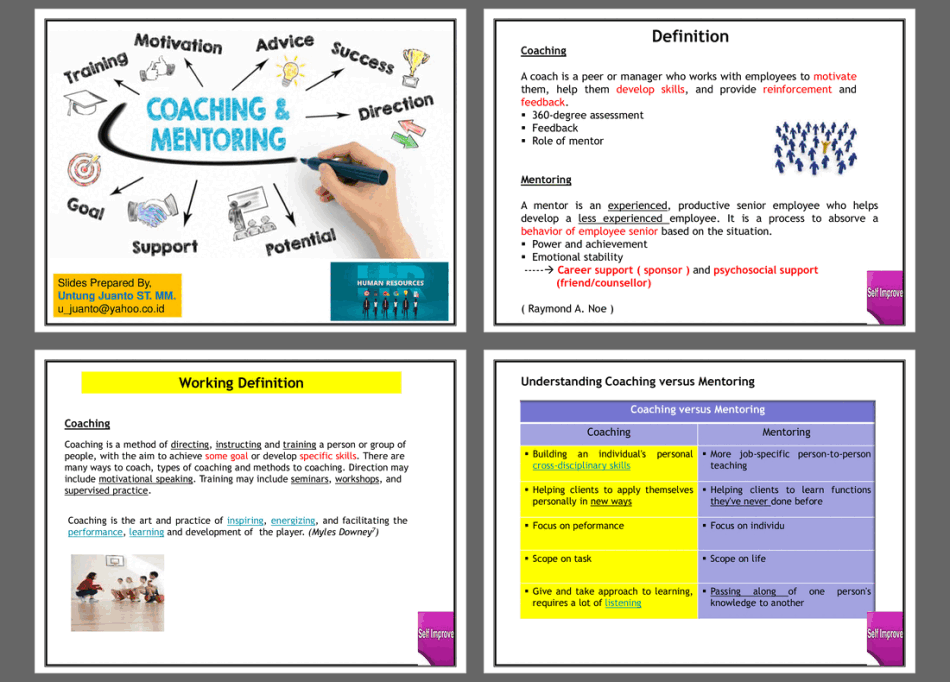
A coach is a peer or manager who works with employees to motivate them, help them develop skills, and provide reinforcement and feedback.
360-degree assessment
Feedback
Role of mentor
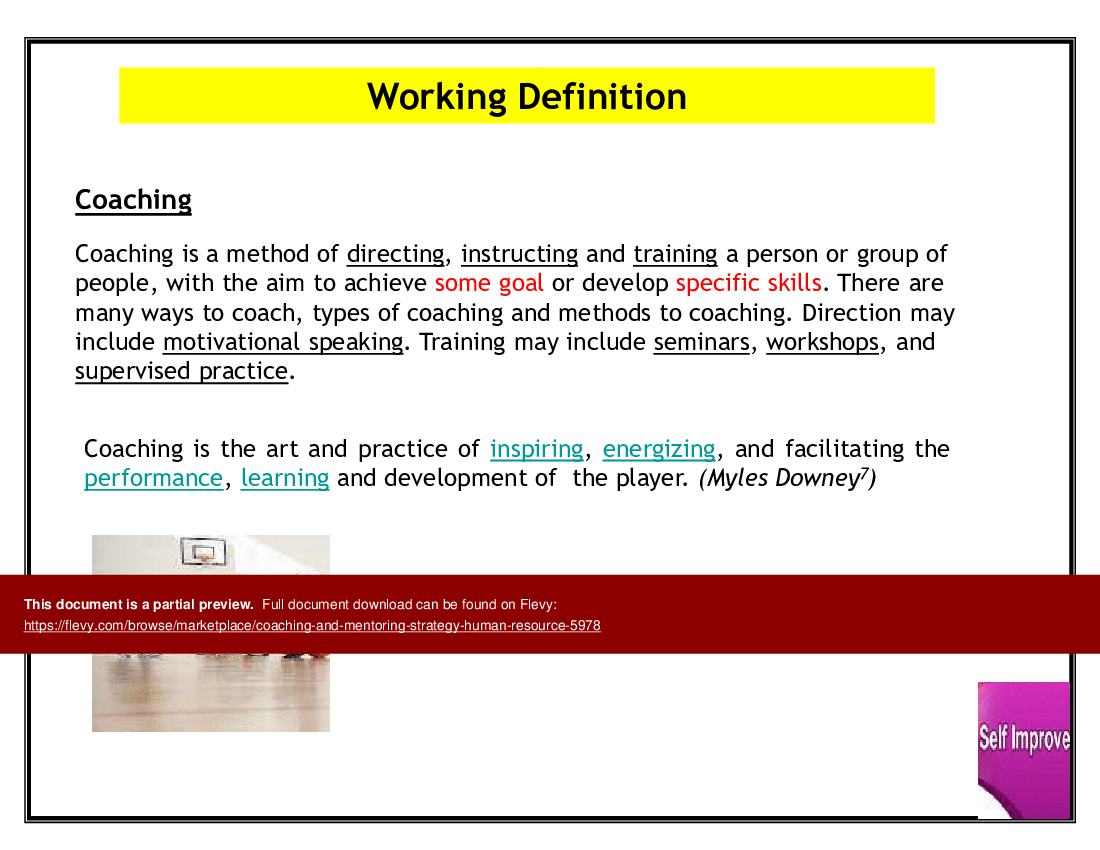
Coaching is a method of directing, instructing and training a person or group of people, with the aim to achieve some goal or develop specific skills. There are many ways to coach, types of coaching and methods to coaching. Direction may include motivational speaking. Training may include seminars, workshops, and supervised practice.
MENTORING
A mentor is an experienced, productive senior employee who helps develop a less experienced employee. It is a process to observe a behavior of employee senior based on the situation.
Power and achievement
Emotional stability
There exists several definitions of mentoring in the literature. Foremost, mentoring involves communication and is relationship based. In the organizational setting, mentoring can take many forms. One definition of the many that has been proposed, is "Mentoring is a process for the informal transmission of knowledge, social capital, and the psychosocial support perceived by the recipient as relevant to work, career, or professional development mentoring entails informal communication, usually face-to-face and during a sustained period of time, between a person who is perceived to have greater relevant knowledge, wisdom, or experience (the mentor) and a person who is perceived to have less (Bozeman, Feeney, 2007).
Got a question about the product? Email us at support@flevy.com or ask the author directly by using the "Ask the Author a Question" form. If you cannot view the preview above this document description, go here to view the large preview instead.
MARCUS OVERVIEW
This synopsis was written by Marcus [?] based on the analysis of the full 24-slide presentation.
Executive Summary
The HR Coaching & Mentoring Strategy presentation provides a comprehensive framework for implementing effective coaching and mentoring practices within organizations. This presentation equips HR leaders and managers with the tools to foster employee development, enhance performance, and build a supportive workplace culture. By leveraging various coaching methodologies and mentoring frameworks, organizations can improve employee engagement and retention, ultimately driving business success.
Who This Is For and When to Use
• HR professionals focused on employee development and engagement
• Managers seeking to enhance team performance through coaching
• Organizational leaders aiming to implement mentoring programs
• Training and development specialists designing learning initiatives
Best-fit moments to use this deck:
• During the rollout of new coaching and mentoring initiatives
• For training sessions aimed at enhancing leadership skills
• In workshops focused on employee development strategies
Learning Objectives
• Define the key differences between coaching and mentoring
• Build effective coaching frameworks tailored to organizational needs
• Establish mentoring programs that support employee growth
• Identify essential skills and qualities of effective coaches and mentors
• Develop strategies for measuring the impact of coaching and mentoring
• Create a supportive environment that fosters continuous learning
Table of Contents
• Introduction to Coaching and Mentoring (page 2)
• Definitions and Key Concepts (page 3)
• Understanding Coaching vs. Mentoring (page 7)
• Basic Tools of Coaching (page 9)
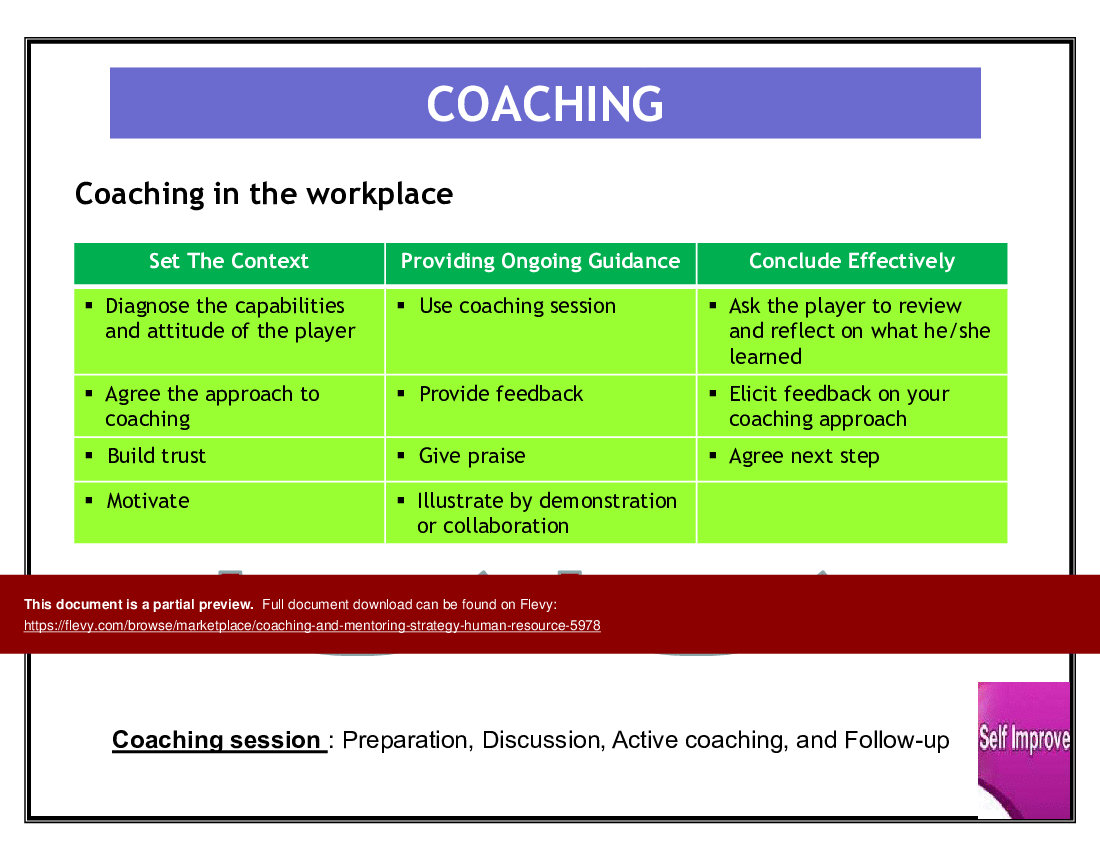
• Coaching in the Workplace (page 10)
• Coaching Models and Approaches (page 11)
• Qualities of a Good Mentor (page 14)
• Developing a Mentoring Program (page 15)
• Responsibilities of a Mentor (page 18)
• Do's and Don'ts for Mentors (page 19)
• Tips for Effective Listening (page 21)
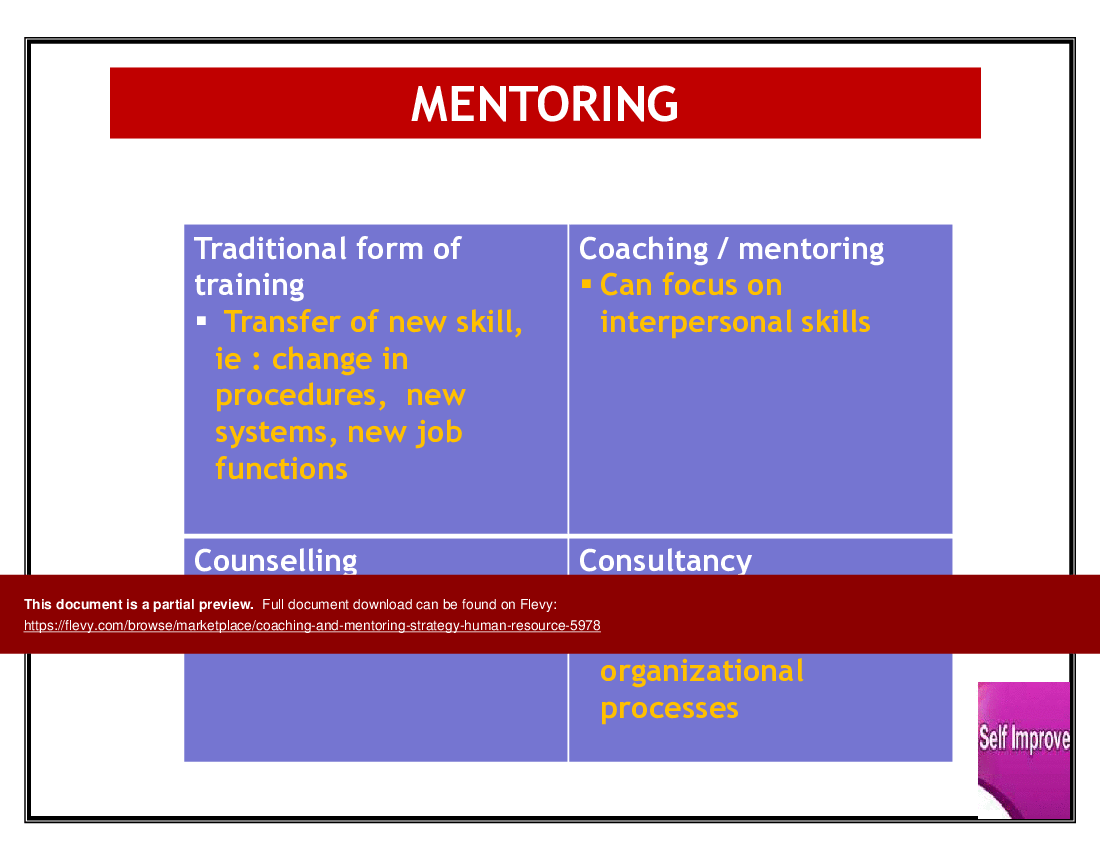
• Comparison of Training, Coaching, and Mentoring (page 22)
Primary Topics Covered
• Coaching Definition - Coaching is a method of directing and training individuals to achieve specific goals and develop skills through various techniques, including feedback and assessment.
• Mentoring Definition - Mentoring involves a relationship where an experienced individual supports a less experienced person in their professional development through guidance and knowledge sharing.
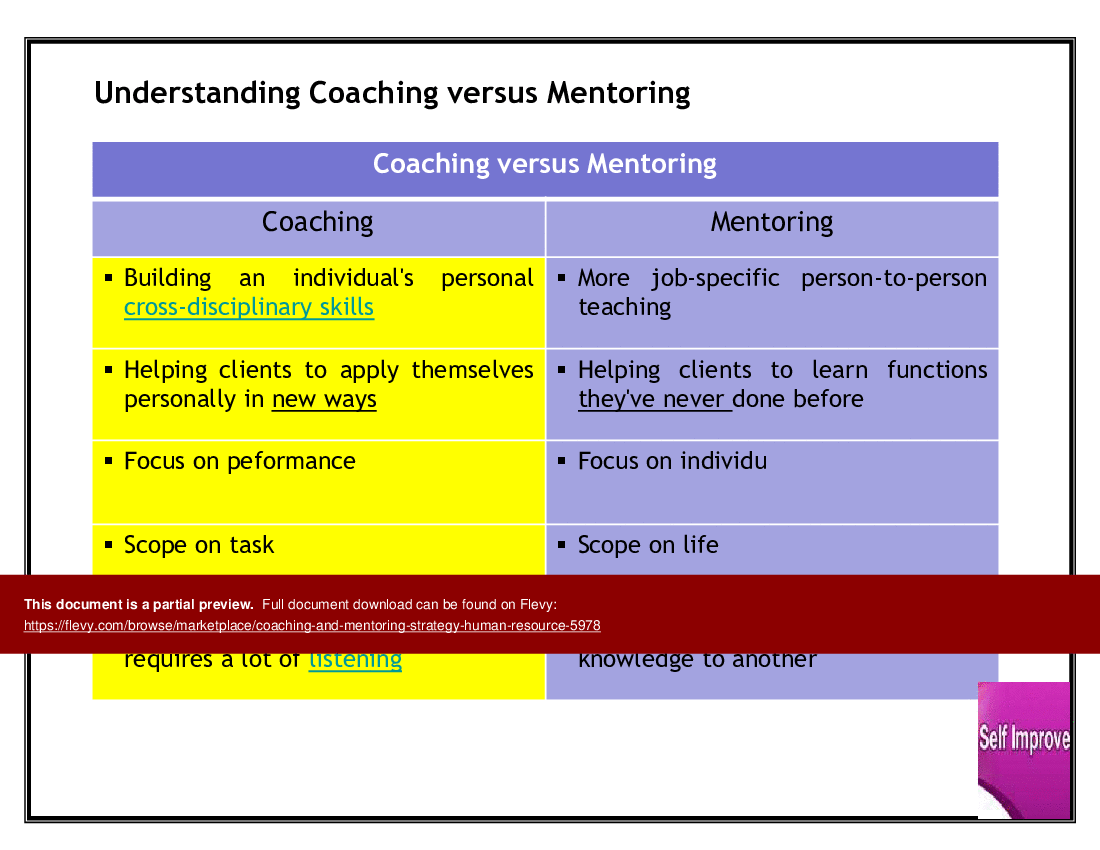
• Coaching vs. Mentoring - Coaching focuses on performance and skill development, while mentoring emphasizes personal growth and career guidance.
• Basic Coaching Tools - Effective coaching requires asking questions, active listening, providing constructive feedback, and organizing coaching sessions.
• Coaching Models - Various models exist to guide coaching practices, emphasizing goal setting, accountability, and support.
• Mentor Qualities - A good mentor should create opportunities, set a positive example, and foster independence in their mentees.
Deliverables, Templates, and Tools
• Coaching session templates for structured discussions
• Feedback forms for assessing coaching effectiveness
• Mentoring program outlines for implementation
• Guides on active listening techniques
• Checklists for mentor responsibilities
• Evaluation metrics for measuring coaching and mentoring success
Slide Highlights
• Overview of coaching and mentoring definitions and their significance
• Visual comparisons of coaching vs. mentoring and coaching vs. training
• Tools and techniques for effective coaching sessions
• Key qualities and responsibilities of mentors
• Practical tips for enhancing listening skills in coaching and mentoring
Potential Workshop Agenda
Introduction to Coaching and Mentoring (30 minutes)
• Define coaching and mentoring and their importance in HR
• Discuss the differences between coaching and mentoring
Coaching Techniques and Tools (60 minutes)
• Explore basic tools of coaching
• Engage in role-playing exercises to practice coaching skills
Mentoring Program Development (45 minutes)
• Outline steps for creating a mentoring program
• Discuss best practices for mentor-mentee pairings
Customization Guidance
• Adapt coaching session templates to fit specific departmental needs
• Modify mentoring program outlines to align with organizational culture
• Tailor feedback forms to assess unique coaching objectives
Secondary Topics Covered
• The role of emotional intelligence in coaching and mentoring
• Strategies for overcoming common challenges in coaching relationships
• The impact of organizational culture on coaching effectiveness
• Techniques for fostering a growth mindset among employees
Topic FAQ
What are the main differences between coaching and mentoring in the workplace?
Coaching is a directive, goal-focused method aimed at developing specific skills and improving performance through feedback and structured sessions, while mentoring is a relationship-based process where a more experienced employee supports career and personal development. The deck frames coaching as skill/performance-focused and mentoring as career-guidance focused, citing the GROW model.Which coaching models and assessment tools are commonly used for employee coaching?
Workplace coaching models emphasize goal setting, accountability, and support; commonly referenced tools include the GROW model for structuring conversations and 360-degree assessments for multi-rater feedback. The HR Coaching & Mentoring Strategy deck highlights model-driven coaching and use of assessments such as 360-degree feedback and the GROW model.How often should coaching sessions be scheduled to maintain development momentum?
Regular, recurring sessions are recommended to maintain momentum and reinforce skill development; typical cadences cited are bi-weekly or monthly meetings. The document notes that bi-weekly or monthly sessions help sustain progress and provide ongoing reinforcement, recommending a bi-weekly or monthly cadence.What methods can organizations use to measure the impact of coaching and mentoring programs?
Measurement approaches include structured feedback forms, performance metrics, and employee engagement surveys to assess outcomes and perceptions. The HR Coaching & Mentoring Strategy presentation specifically lists feedback forms and evaluation metrics as tools to track effectiveness, with feedback forms included as a measurement instrument.When evaluating a coaching and mentoring toolkit to purchase, what features should I prioritize?
Prioritize practical templates and tools that support rollout and measurement—coaching session templates, feedback forms, mentoring program outlines, active listening guides, checklists, and evaluation metrics. Flevy’s HR Coaching & Mentoring Strategy lists these exact deliverables, including coaching session templates, feedback forms, and mentoring program outlines.What time and resources are suggested for a basic coaching and mentoring workshop or rollout?
The sample workshop agenda in the deck outlines an introductory session (30 minutes), coaching techniques and role-play (60 minutes), and mentoring program development (45 minutes). Use HR and training specialists to facilitate and adapt templates and checklists; the workshop agenda totals 135 minutes.How can coaching and mentoring support employee integration after a merger or reorganization?
Use coaching to address immediate performance and skill gaps and mentoring to provide career guidance and relationship-based support during transition. Structured templates and program outlines help standardize pairings and expectations; the HR Coaching & Mentoring Strategy recommends using mentoring program outlines and coaching session templates.What common challenges arise in coaching relationships and how should organizations address them?
Typical challenges include miscommunication, differing expectations, and resistance to feedback; proactively clarifying roles, setting shared goals, and using structured feedback mechanisms helps mitigate these issues. The deck highlights these common problems and suggests addressing miscommunication, differing expectations, and resistance to feedback.Document FAQ
These are questions addressed within this presentation.
What is the primary difference between coaching and mentoring?
Coaching focuses on specific skill development and performance improvement, while mentoring emphasizes personal growth and career guidance through a supportive relationship.
How can I measure the effectiveness of coaching and mentoring programs?
Utilize feedback forms, performance metrics, and employee engagement surveys to assess the impact of coaching and mentoring initiatives.
What qualities should I look for in a mentor?
A good mentor should be supportive, knowledgeable, and able to create opportunities for their mentee while fostering independence and confidence.
How can I encourage participation in mentoring programs?
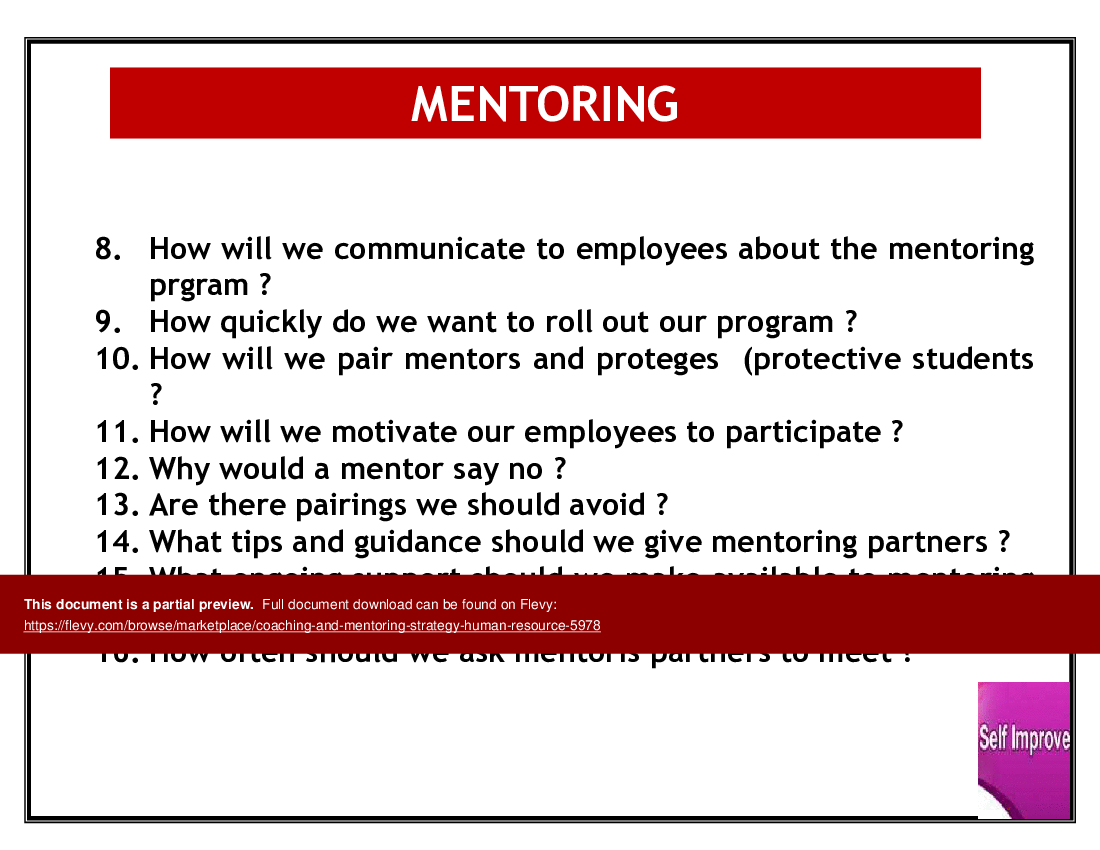
Communicate the benefits of mentoring, provide incentives, and create a structured program that aligns with employees' career goals.
What are some common challenges in coaching relationships?
Challenges may include miscommunication, differing expectations, and resistance to feedback. Addressing these proactively can enhance the coaching experience.
How often should coaching sessions be held?
Regular sessions, typically bi-weekly or monthly, are recommended to maintain momentum and ensure ongoing support for the employee's development.
What tools can enhance the coaching process?
Effective questioning, active listening, and structured feedback mechanisms are essential tools that can significantly enhance the coaching process.
How can I support long-distance mentoring relationships?
Utilize technology for virtual meetings, establish clear communication channels, and set regular check-ins to maintain engagement and support.
Glossary
• Coaching - A method of training individuals to achieve specific goals and develop skills.
• Mentoring - A supportive relationship where an experienced individual guides a less experienced person.
• Active Listening - Fully concentrating, understanding, responding, and remembering what is being said.
• Feedback - Information provided regarding performance or behavior to enhance learning.
• Emotional Intelligence - The ability to recognize and manage one's own emotions and the emotions of others.
• Growth Mindset - The belief that abilities and intelligence can be developed through dedication and hard work.
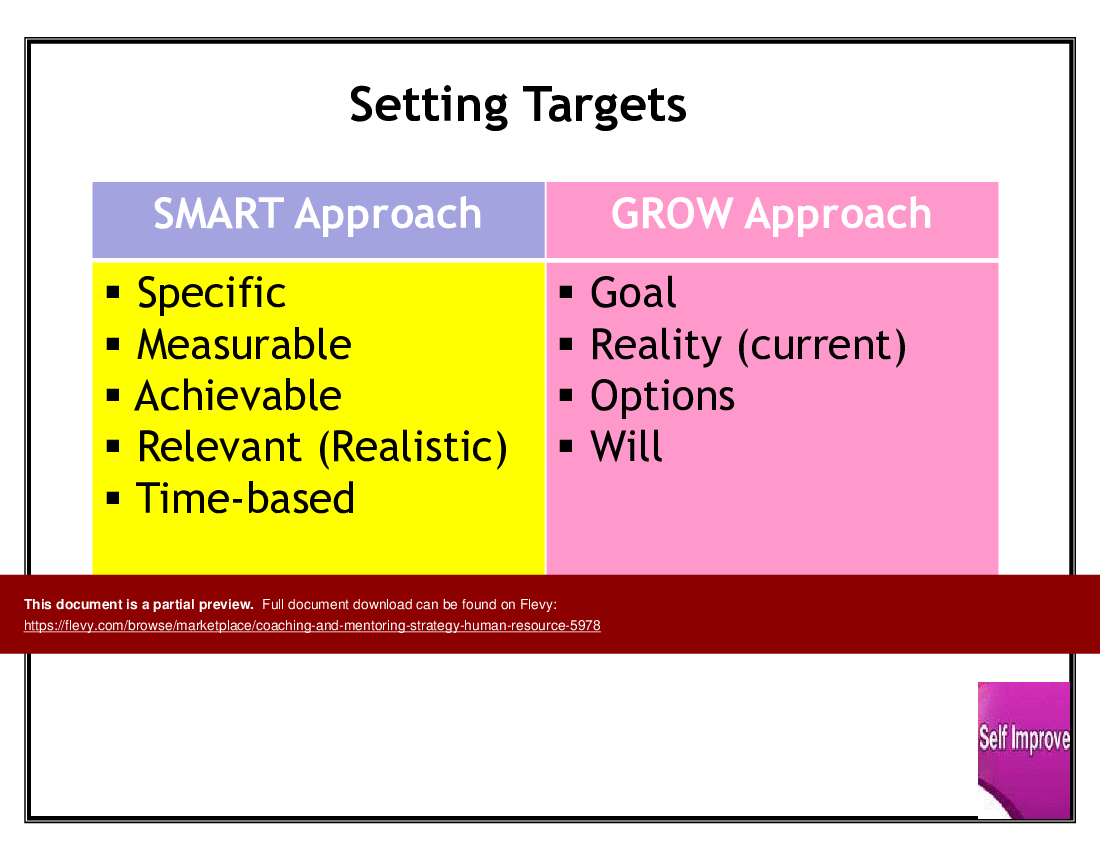
• SMART Goals - Specific, Measurable, Achievable, Relevant, and Time-based objectives.
• GROW Model - A coaching framework that stands for Goal, Reality, Options, and Will.
• 360-Degree Feedback - A performance appraisal method that gathers feedback from various sources.
• Mentee - An individual who is guided and supported by a mentor.
• Mentor - An experienced individual who provides guidance and support to a mentee.
• Coaching Session - A structured meeting focused on skill development and performance improvement.
Source: Best Practices in Coaching PowerPoint Slides: HR Coaching & Mentoring Strategy PowerPoint (PPTX) Presentation Slide Deck, UJ Consulting
ABOUT THE AUTHOR

UJ Consulting
Untung Juanto ST., MM. Founder of UJ Consulting. He is professionally experienced business and management consultant in several local and multinational companies. He has an experience in managing an effective and efficient company with various approach methods adapted to different industries because He had a career from the lower management level as Supervisor before finally
... [read more]
Ask the Author a Question
You must be logged in to contact the author.




























