
 Click main image to view in full screen. Unlock all 18 preview images:
Coaching & Mentoring at Work – PowerPoint PPTX Template
PowerPoint (PPTX) 55 Slides


BENEFITS OF THIS DOWNLOADABLE POWERPOINT DOCUMENT
- Provide a complete Framework for Coaching & Mentoring Strategy
- Provides effective Coaching and Mentoring implementation methods and matrices
- Provide of Successful Implementation Coaching & Mentoring Programs : Microsoft, Ohana, Mastercard, Schneider Electric, Novartis
MENTORING PPT TEMPLATE DESCRIPTION
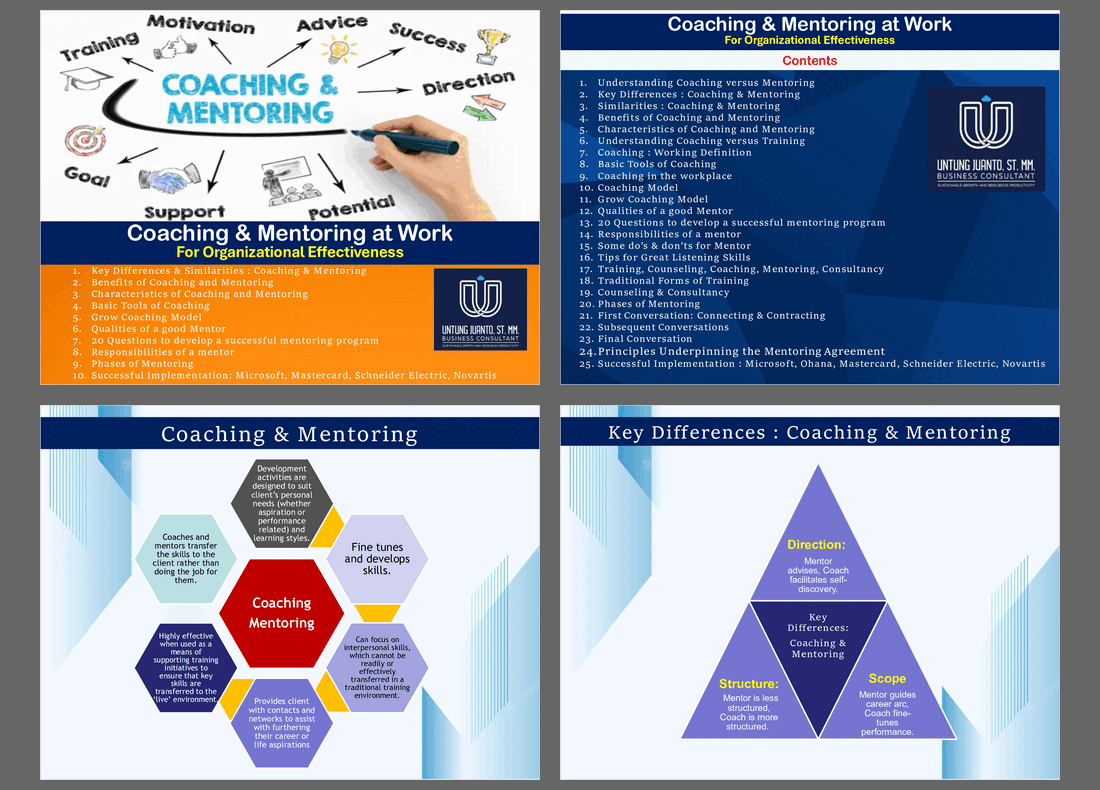
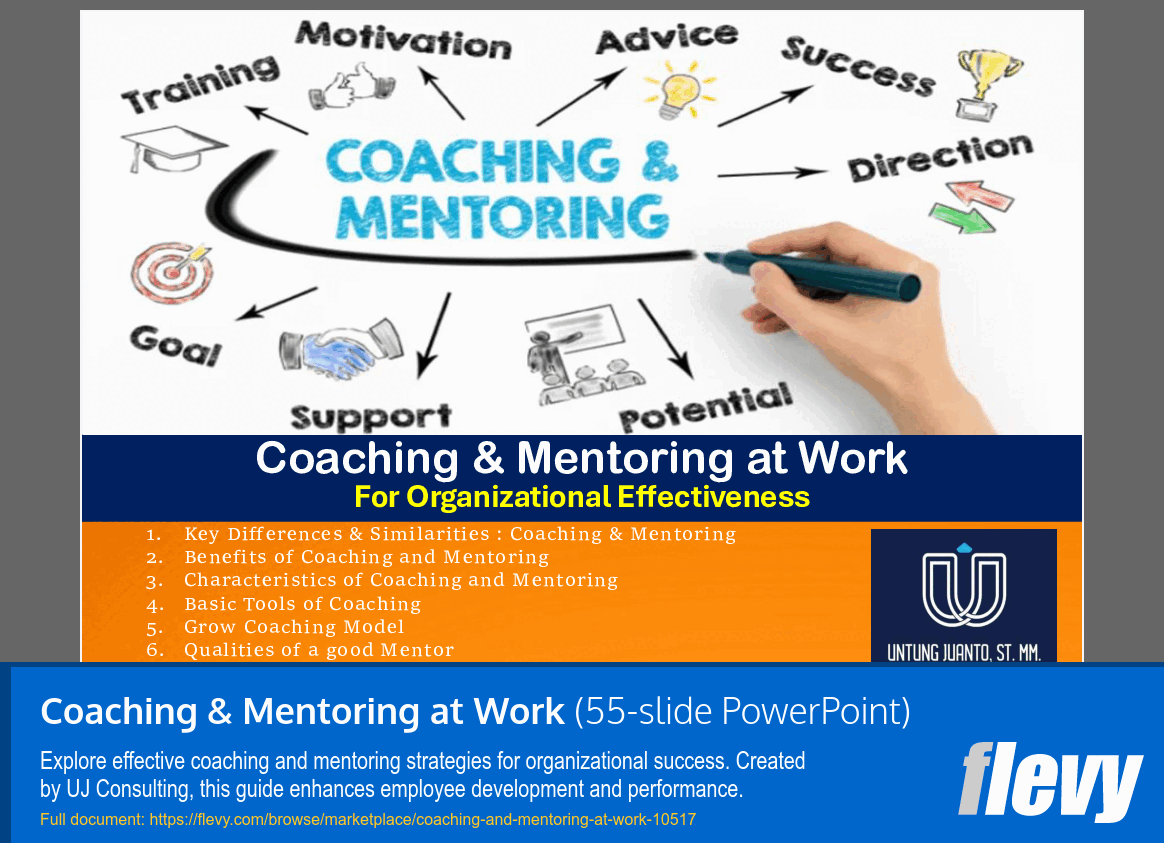
Coaching & Mentoring at Work
For Organizational Effectiveness
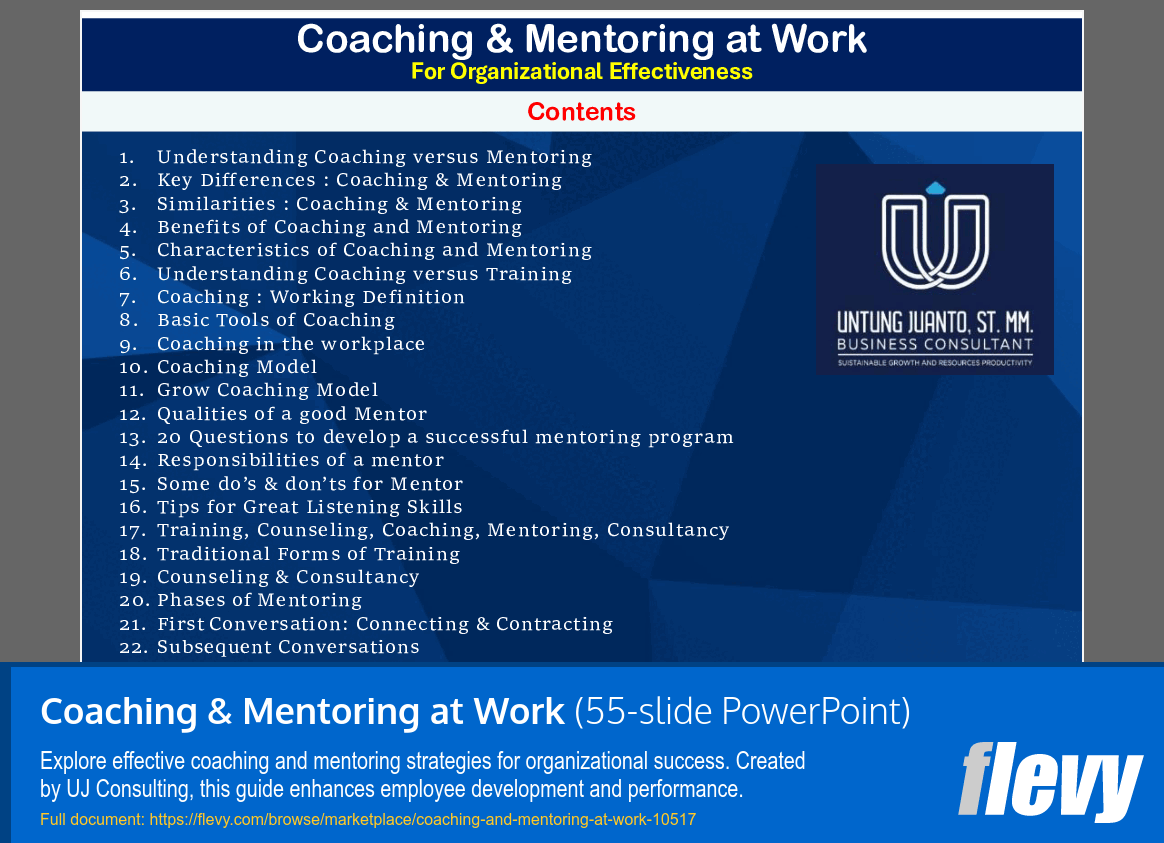
Contents
1. Understanding Coaching versus Mentoring
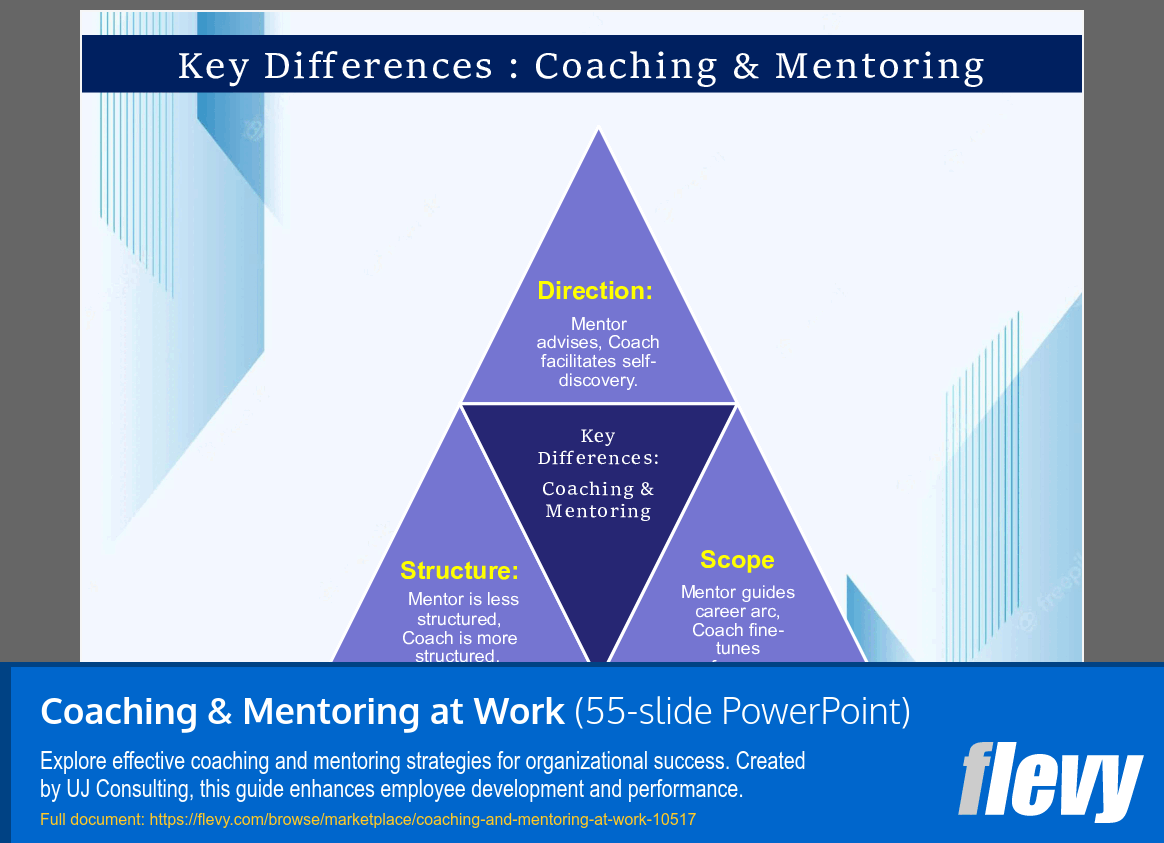
2. Key Differences : Coaching & Mentoring
3. Similarities : Coaching & Mentoring
4. Benefits of Coaching and Mentoring
5. Characteristics of Coaching and Mentoring
6. Understanding Coaching versus Training
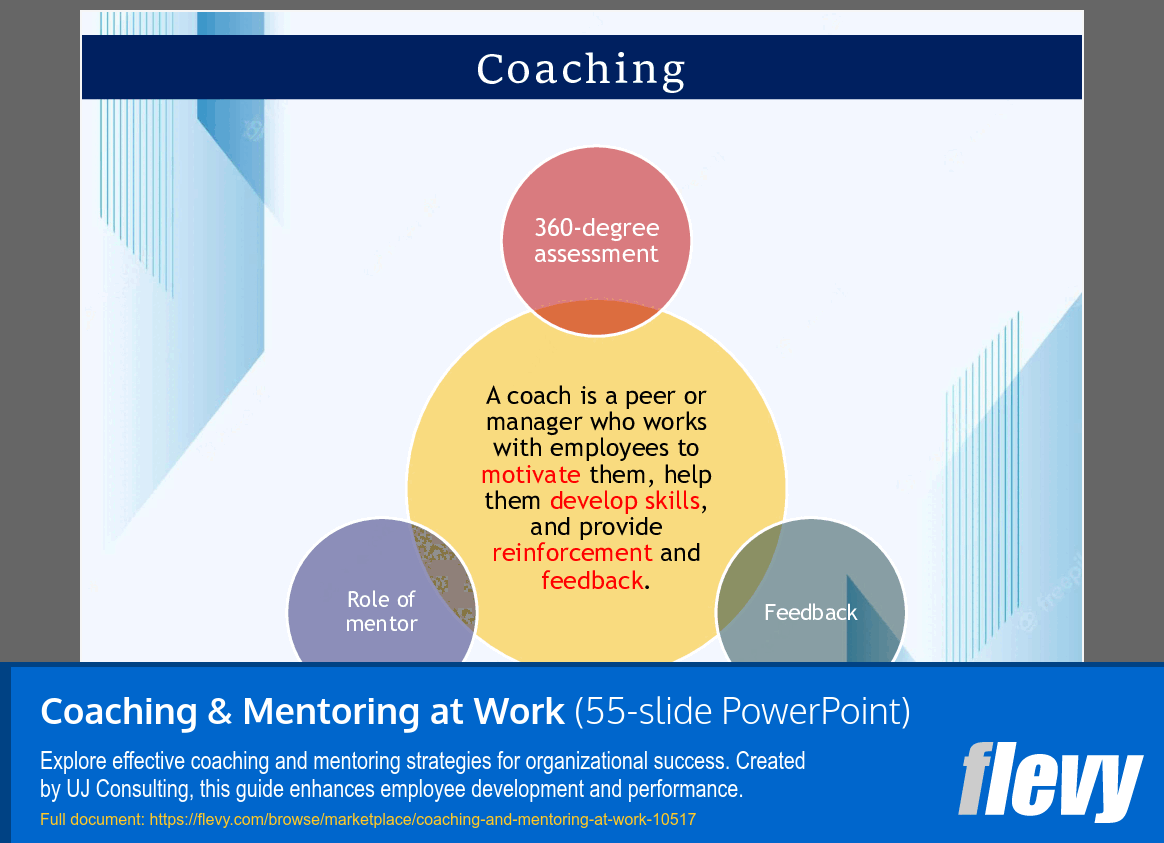
7. Coaching : Working Definition
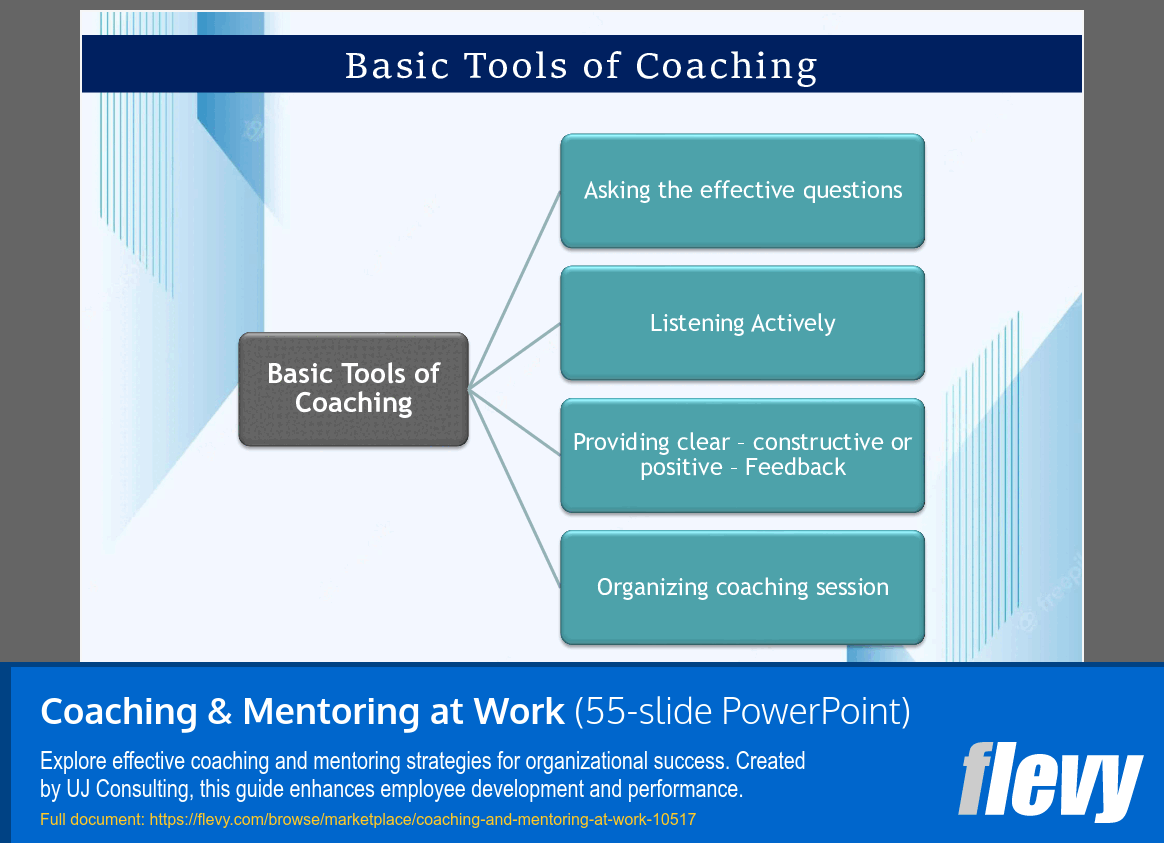
8. Basic Tools of Coaching
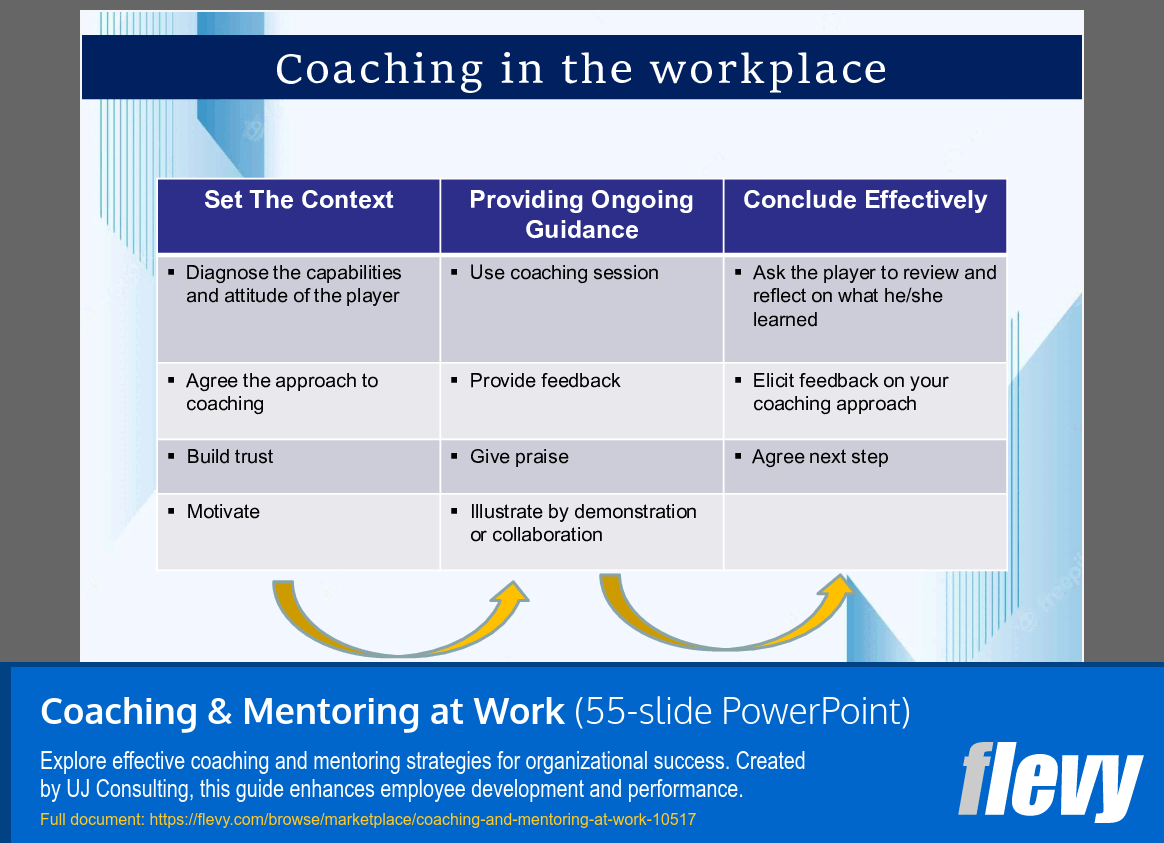
9. Coaching in the workplace
10. Coaching Model
11. Grow Coaching Model
12. Qualities of a good Mentor
13. 20 Questions to develop a successful mentoring program
14. Responsibilities of a mentor
15. Some do's & don'ts for Mentor
16. Tips for Great Listening Skills
17. Training, Counseling, Coaching, Mentoring, Consultancy
18. Traditional Forms of Training
19. Counseling & Consultancy
20. Phases of Mentoring
21. First Conversation: Connecting & Contracting
22. Subsequent Conversations
23. Final Conversation
24. Principles Underpinning the Mentoring Agreement
25. Successful Implementation : Microsoft, Ohana, Mastercard, Schneider Electric, Novartis
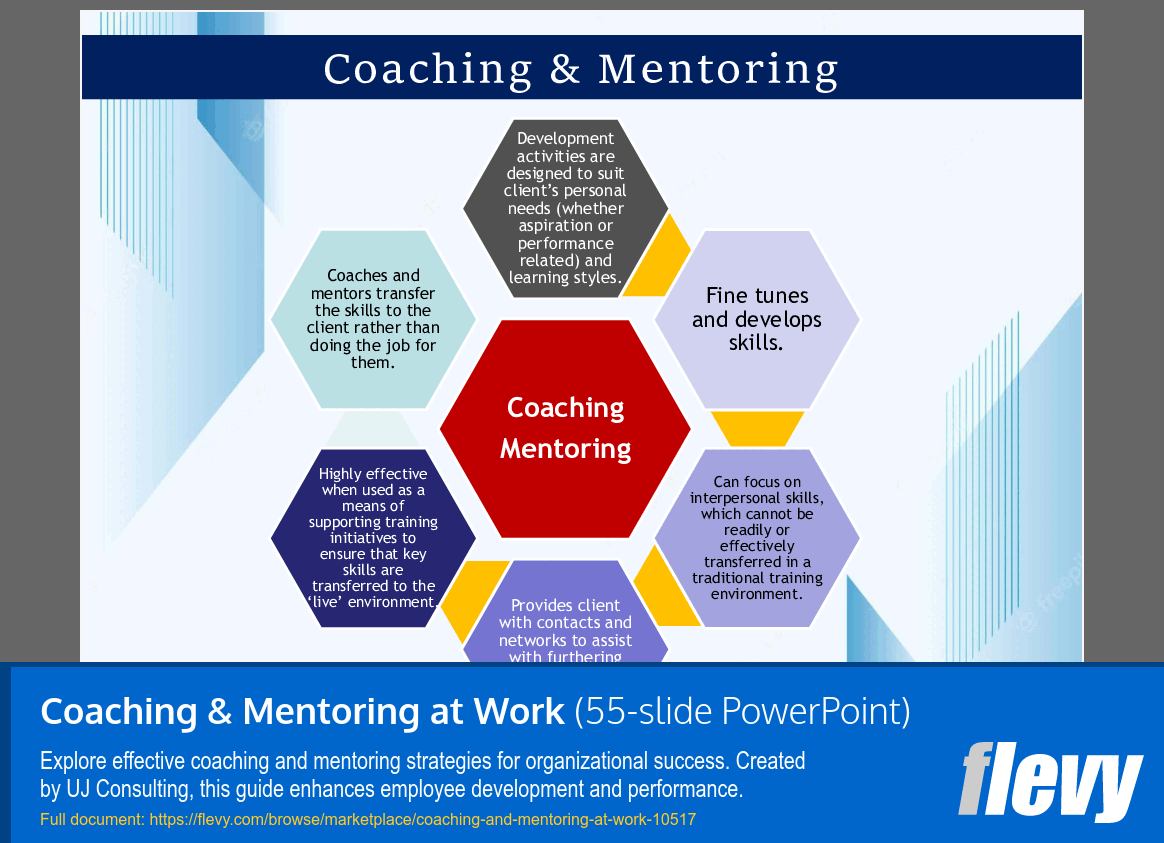
Mentoring and coaching are both development approaches, but mentoring is a long-term, relationship-based guidance where an experienced mentor shares knowledge for holistic growth, while coaching is often shorter-term, structured, and focuses on improving specific skills or achieving defined goals by asking questions to help the coachee find their own solutions. Mentoring is more directive (telling/advising), leveraging personal experience, whereas coaching is less directive (questioning/facilitating), focusing on performance and self-discovery, though effective mentors use coaching techniques, and coaches might offer advice.
Coaching
Focus: Specific skills, immediate performance, achieving defined goals (e.g., "how to do this").
Relationship: Often structured, time-bound, transactional.
Approach: Non-directive; coach asks questions to help the coachee find answers (e.g., "what do you think you should do?").
Duration: Short to medium-term (sessions to months)
Mentoring
Focus: Long-term career/personal development, broader potential.
Relationship: Enduring, informal, built on trust and shared experience.
Approach: Directive; mentor shares wisdom, networks, navigates politics (e.g., "do this").
Duration: Medium to long-term (months to years)
Key Differences
Direction: Mentor advises, Coach facilitates self-discovery.
Scope: Mentor guides career arc, Coach fine-tunes performance.
Structure: Mentor is less structured, Coach is more structured
Similarities & How they Work Together
Both aim to develop individuals and unlock potential.
They are complementary: a mentor might use coaching questions, and a coach might offer mentoring insights.
Organizations use both for comprehensive employee growth, boosting skills, confidence, and retention.
Thank you,
UJ Consulting
Got a question about the product? Email us at support@flevy.com or ask the author directly by using the "Ask the Author a Question" form. If you cannot view the preview above this document description, go here to view the large preview instead.
Source: Best Practices in Mentoring PowerPoint Slides: Coaching & Mentoring at Work PowerPoint (PPTX) Presentation Slide Deck, UJ Consulting _ Strategy-Insight-Impact
ABOUT THE AUTHOR

UJ Consulting | Strategy • Insight • Impact
UJ Consulting is an executive management consulting and business transformation practice founded by Untung Juanto, ST., MM., a senior executive, consultant, and transformation practitioner with more than 25 years of professional experience across local and multinational companies and diverse industries.
His career progressed from frontline
... [read more]
Ask the Author a Question
You must be logged in to contact the author.




























