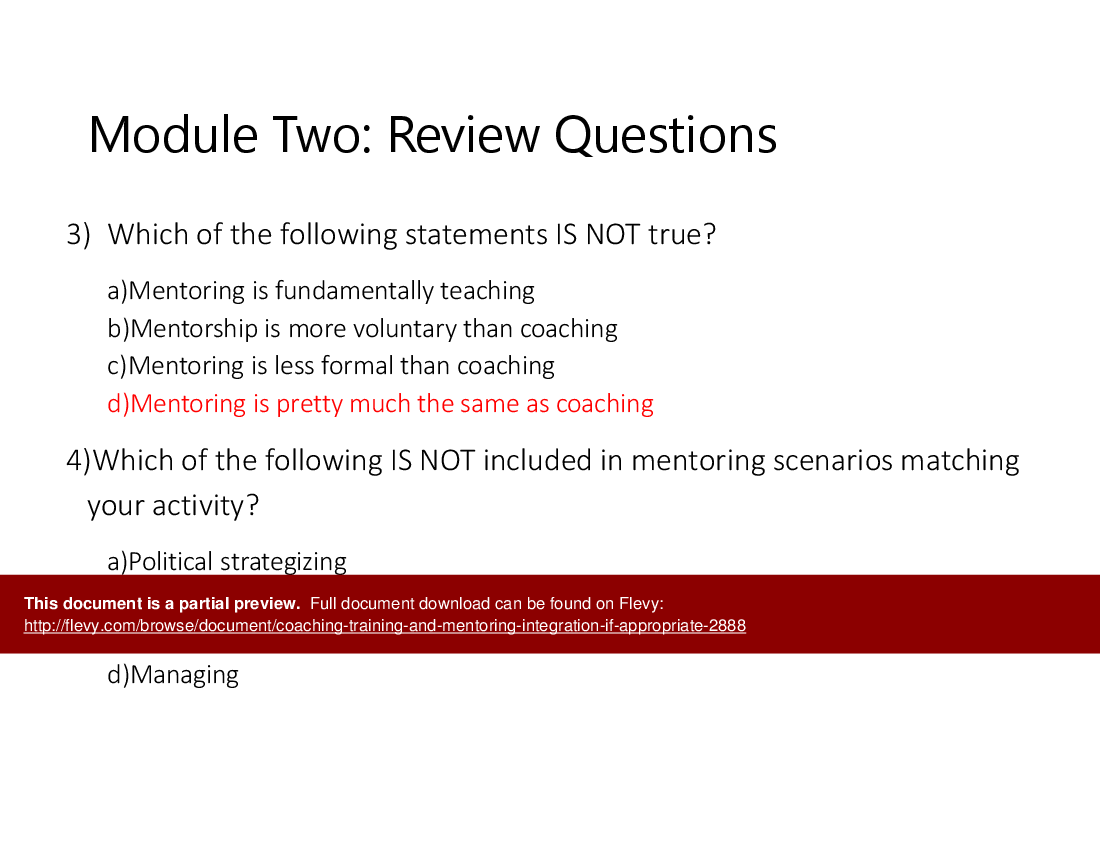
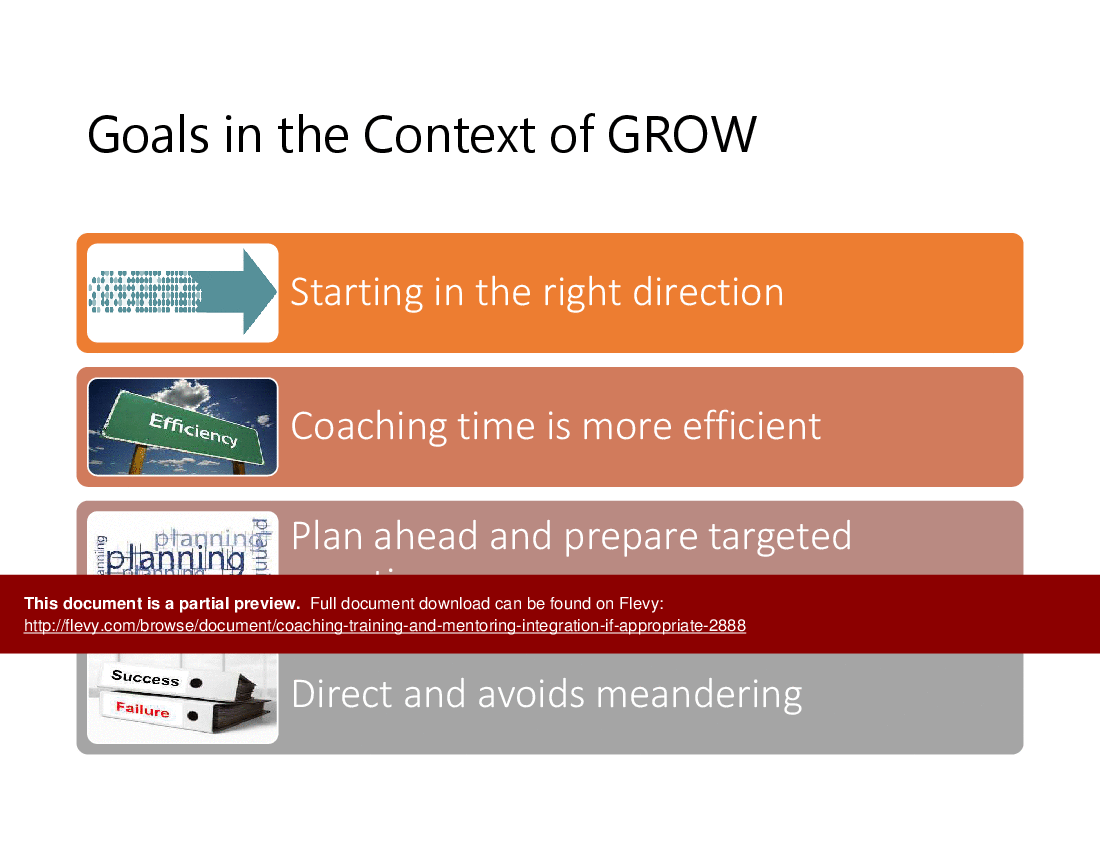
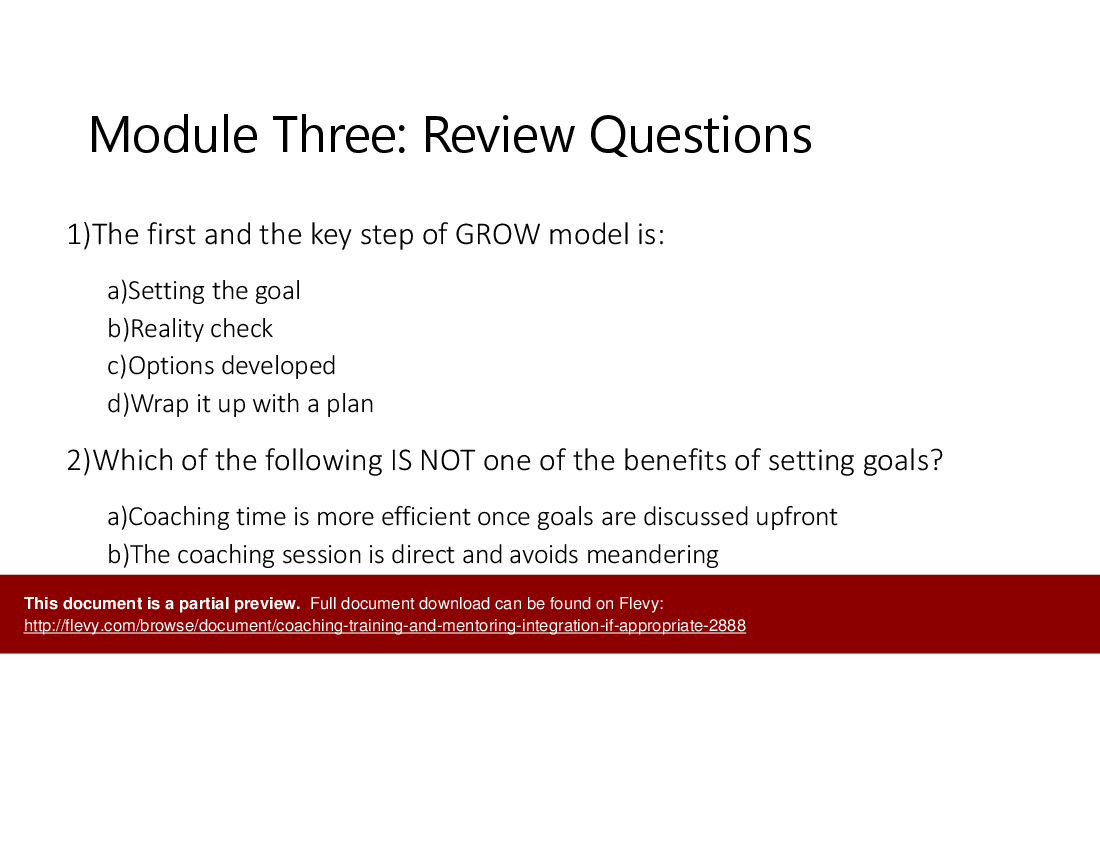
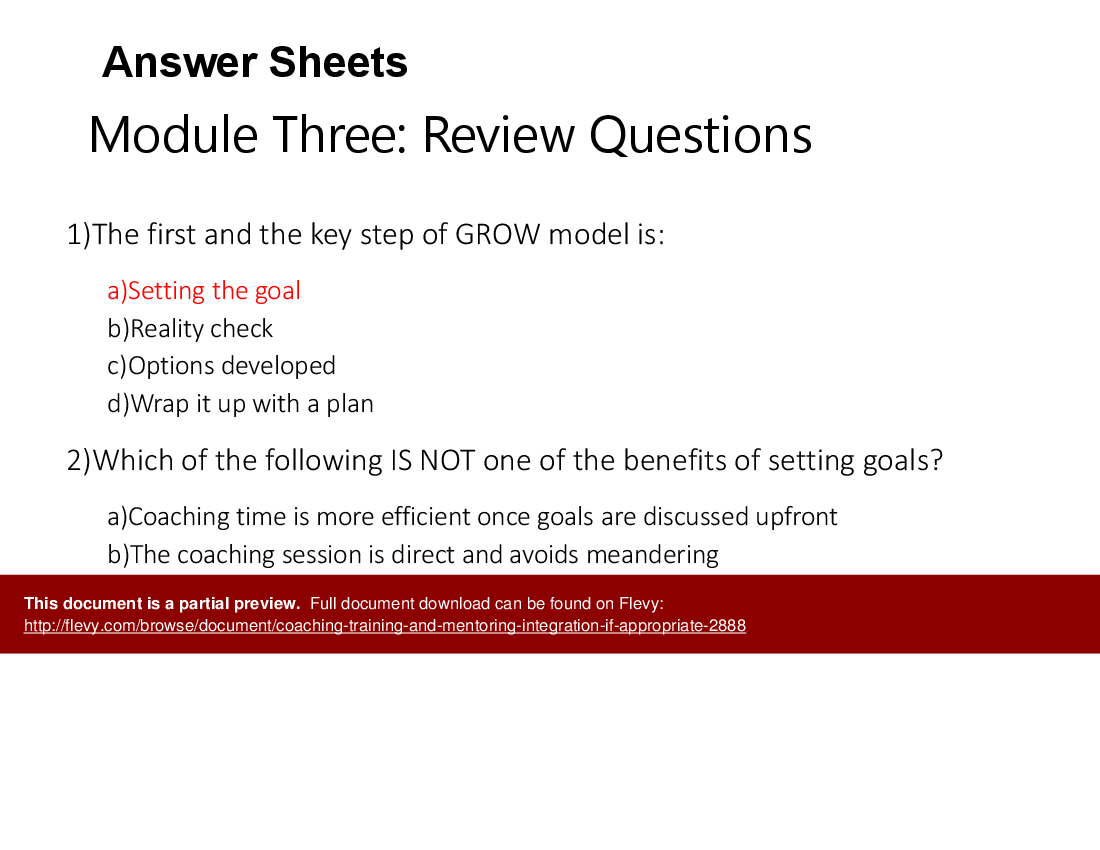

No charge 15 minute consult ($75 Value). Contact information in the PowerPoint. This is the actual training program, with facilitator notes and assessment (with separate answer slides). You can choose to integrate mentor training or not, depending upon your sales process and model. This is NOT a template, but an actual workshop.
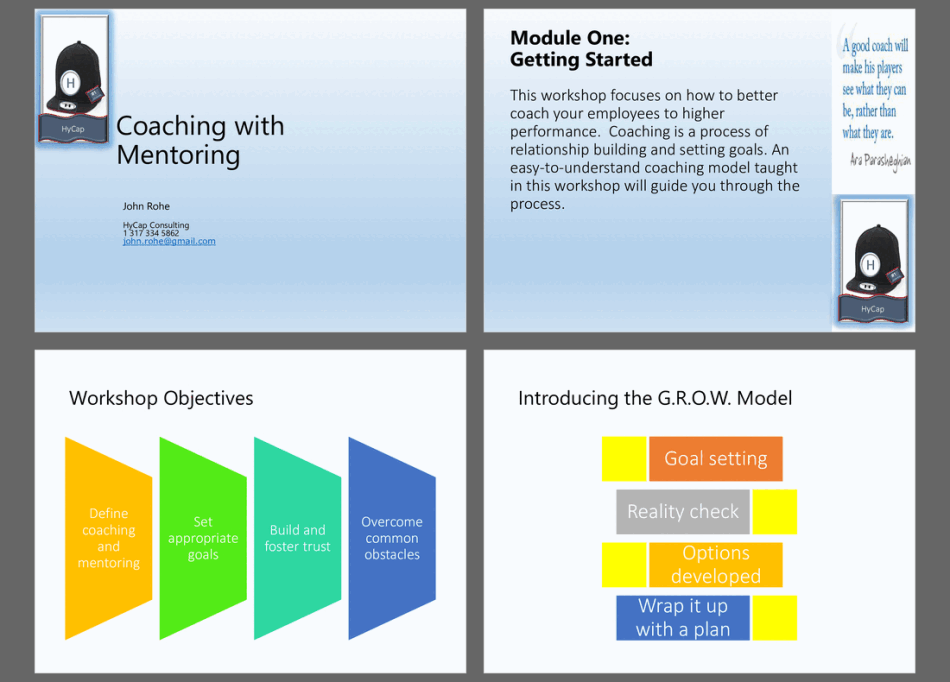
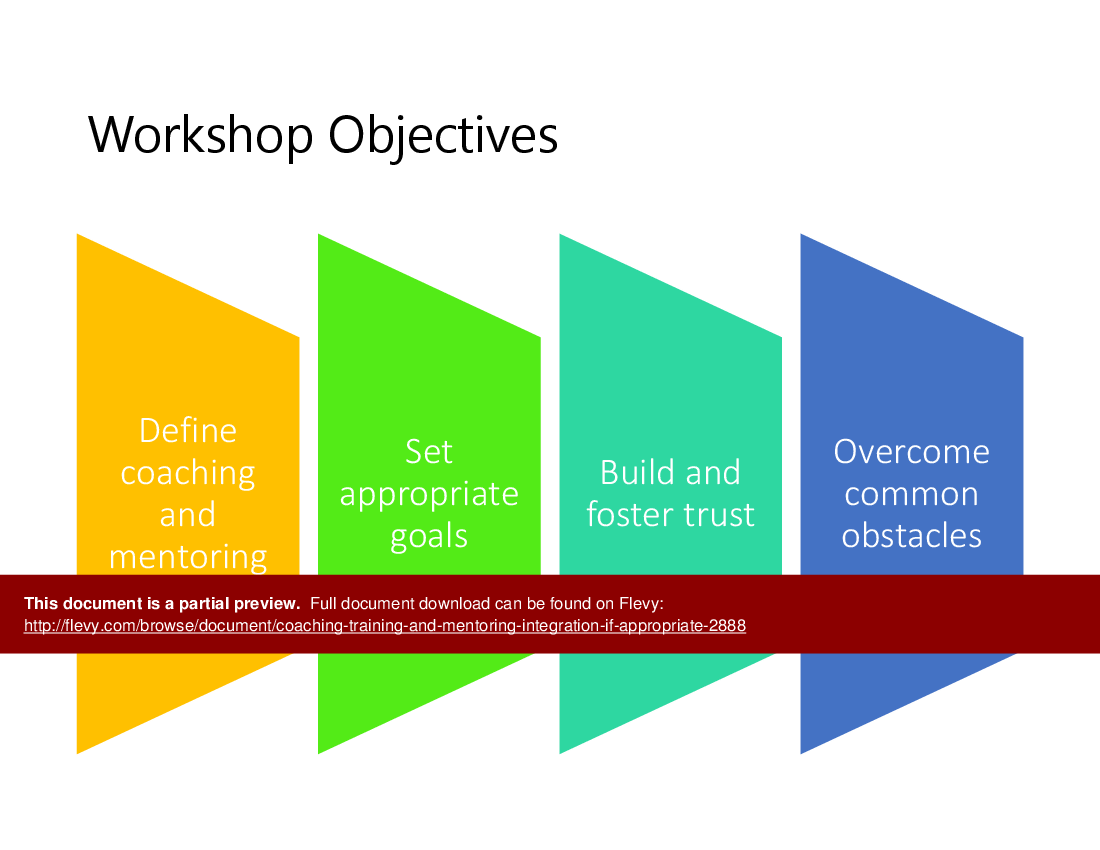
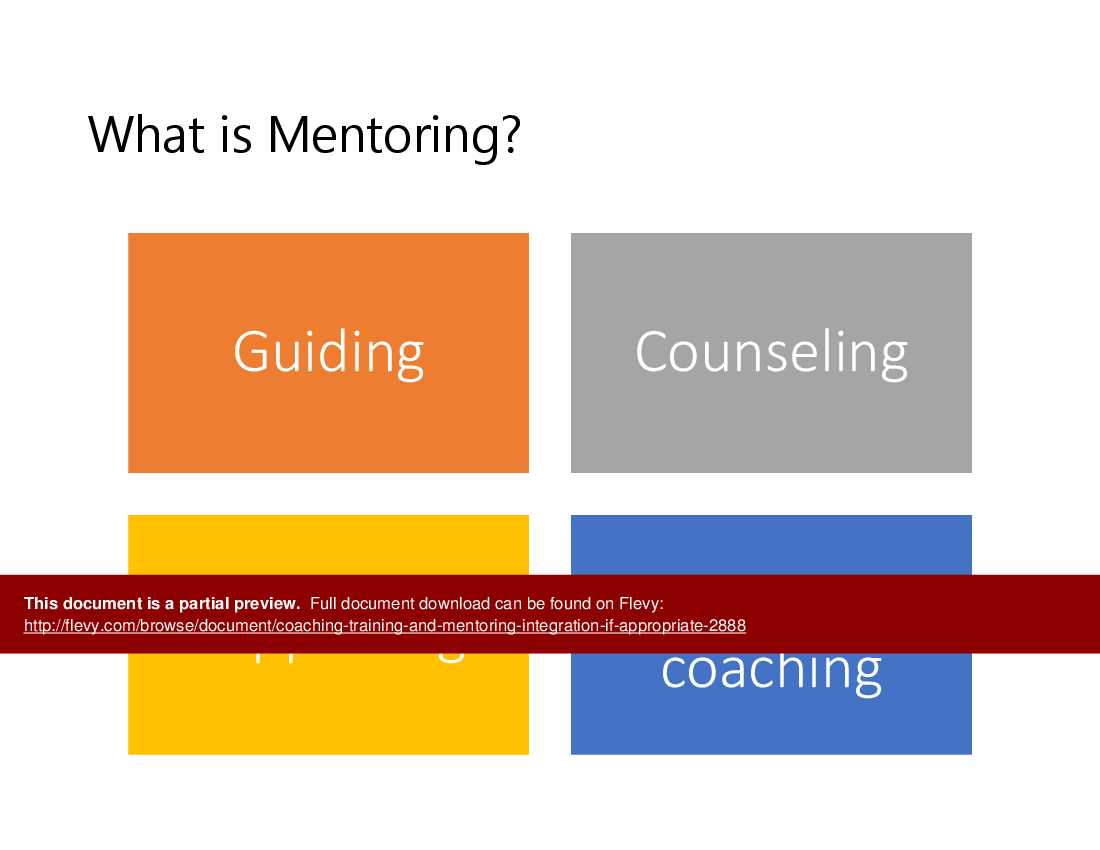
This workshop dives deep into the essential aspects of coaching and mentoring, providing a comprehensive understanding of both. Participants will learn to define coaching and mentoring, set appropriate goals, build trust, and overcome common obstacles. The program includes detailed modules on guiding, counseling, supporting, and coaching, ensuring a well-rounded approach to mentorship.
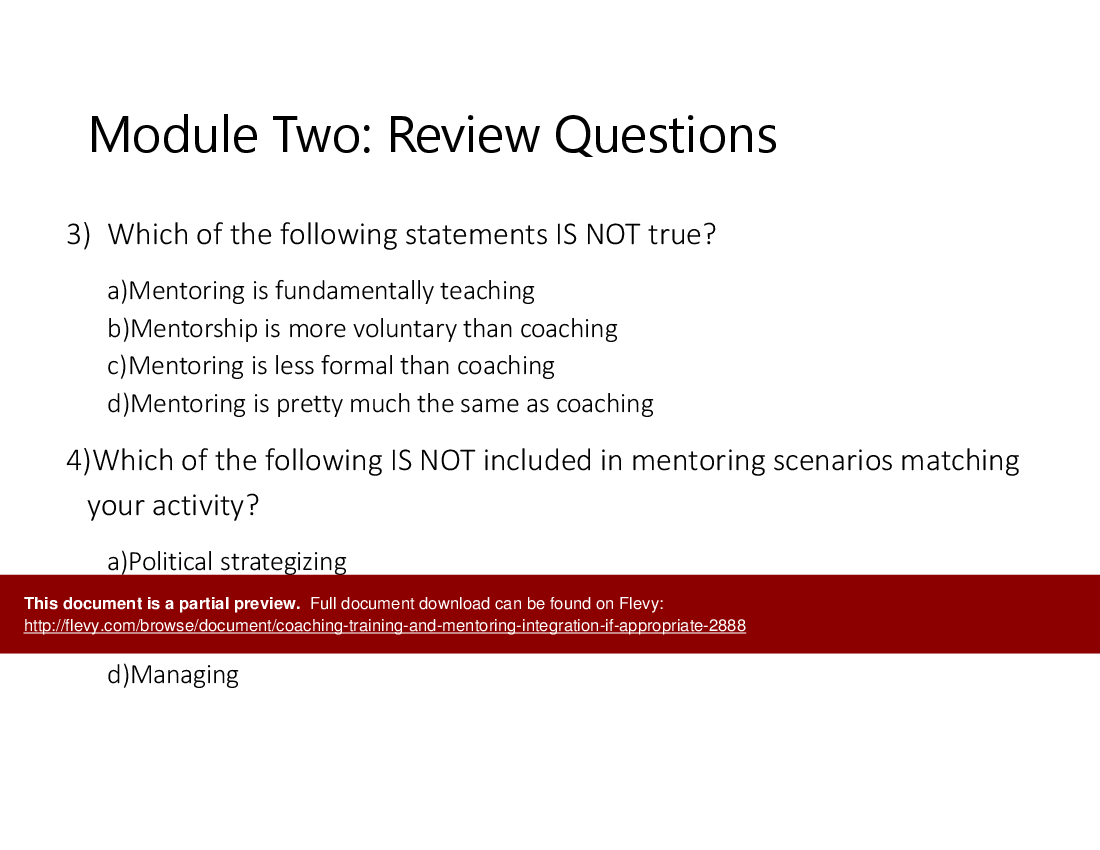
The GROW model is thoroughly explored, emphasizing the importance of setting goals, reality checks, developing options, and wrapping up with a plan. The workshop also covers the significance of understanding past performance, developing trust, and providing constructive criticism. Each module is designed to reinforce learning through review questions, ensuring participants grasp key concepts and can apply them effectively.
This training program is not just theoretical, but practical, with actionable steps and real-world applications. It includes facilitator notes, assessments, and answer slides, making it a complete package for any organization looking to enhance its coaching and mentoring capabilities. The workshop is structured to help leaders and managers build stronger, more effective teams by fostering a culture of continuous improvement and support.
Got a question about the product? Email us at support@flevy.com or ask the author directly by using the "Ask the Author a Question" form. If you cannot view the preview above this document description, go here to view the large preview instead.
Executive Summary
The Coaching Training Workshop (with Mentoring Integration) is designed to enhance the coaching capabilities of corporate leaders and consultants. This workshop utilizes the GROW model to facilitate effective goal setting, trust building, and practical coaching techniques. Participants will learn to foster high performance in their teams through structured coaching sessions, ensuring that both personal and organizational objectives are met. This comprehensive PPTX presentation provides a clear framework for integrating mentoring into coaching practices, enabling leaders to drive engagement and performance.
Who This Is For and When to Use
• Corporate executives looking to improve team performance through effective coaching.
• HR professionals responsible for employee development and training programs.
• Team leaders aiming to integrate mentoring into their coaching practices.
• Consultants seeking structured methodologies for client coaching engagements.
Best-fit moments to use this deck:
• During leadership training sessions focused on employee development.
• In workshops aimed at enhancing team dynamics and performance.
• When implementing new coaching frameworks within organizations.
Learning Objectives
• Define coaching and mentoring within a corporate context.
• Set appropriate, measurable goals using the GROW model.
• Build and foster trust in coaching relationships.
• Overcome common obstacles in coaching scenarios.
• Develop actionable plans that motivate employees to achieve their goals.
• Provide constructive feedback that enhances employee performance.
Table of Contents
• Module One: Getting Started (page 3)
• Module Two: Defining Coaching and Mentoring (page 5)
• Module Three: Setting Goals (page 15)
• Module Four: Understanding the Realities (page 25)
• Module Five: Developing Options (page 35)
• Module Six: Wrapping it All Up (page 45)
• Module Seven: The Importance of Trust (page 55)
• Module Eight: Providing Feedback (page 65)
• Module Nine: Overcoming Roadblocks (page 75)
• Module Ten: Reaching the End (page 85)
• Module Eleven: How Mentoring Differs from Coaching (page 95)
• Module Twelve: Wrapping it Up (page 106)
Primary Topics Covered
• Coaching vs. Mentoring - Understand the distinct roles and responsibilities in coaching and mentoring relationships.
• GROW Model - Learn the components of the GROW model: Goal, Reality, Options, and Will, for effective coaching.
• Goal Setting - Techniques for setting SMART goals that are specific, measurable, attainable, realistic, and time-bound.
• Building Trust - Strategies for establishing and maintaining trust in coaching relationships.
• Providing Feedback - Methods for delivering constructive feedback that encourages growth and development.
• Overcoming Roadblocks - Identifying and addressing common obstacles that hinder coaching effectiveness.
Deliverables, Templates, and Tools
• GROW model framework template for structured coaching sessions.
• SMART goals setting worksheet to guide goal development.
• Trust-building strategies checklist for enhancing coaching relationships.
• Feedback delivery framework for providing constructive criticism.
• Roadblock identification and action plan template for overcoming challenges.
• Final coaching plan template to summarize coaching outcomes and next steps.
Slide Highlights
• Overview of the GROW model and its application in coaching.
• Key strategies for building trust and rapport with employees.
• Techniques for effective feedback delivery and constructive criticism.
• Common roadblocks in coaching and strategies for overcoming them.
• Transitioning from coaching to mentoring and the integration of both practices.
Potential Workshop Agenda
Introduction to Coaching (30 minutes)
• Overview of coaching and mentoring concepts.
• Discussion on the importance of effective coaching in organizations.
GROW Model Workshop (60 minutes)
• Interactive session on applying the GROW model in coaching.
• Group exercises to practice goal setting and reality assessment.
Building Trust and Providing Feedback (60 minutes)
• Strategies for building trust in coaching relationships.
• Techniques for delivering effective feedback.
Overcoming Roadblocks (30 minutes)
• Identifying common coaching challenges.
• Developing action plans to address obstacles.
Customization Guidance
• Tailor the GROW model examples to fit specific organizational contexts and employee needs.
• Adjust the feedback delivery techniques based on team dynamics and individual preferences.
• Modify the roadblock identification tools to reflect common challenges within your organization.
Secondary Topics Covered
• The role of emotional intelligence in coaching.
• Techniques for fostering a coaching culture within organizations.
• The impact of coaching on employee engagement and retention.
• Best practices for integrating mentoring into coaching programs.
Topic FAQ
Document FAQ
These are questions addressed within this presentation.
What is the GROW model?
The GROW model is a coaching framework that stands for Goal, Reality, Options, and Will, guiding coaches through structured conversations to enhance performance.
How can I measure the success of coaching?
Success can be measured through goal attainment, employee feedback, performance improvements, and overall engagement levels.
What are common obstacles in coaching?
Common obstacles include lack of confidence, fear of confrontation, and resistance from employees.
How does mentoring differ from coaching?
Mentoring focuses on long-term career development and relationship building, while coaching is often more structured and goal-oriented.
What techniques can I use for effective feedback?
Use the feedback sandwich approach: start with praise, address areas for improvement, and conclude with positive reinforcement.
How can I build trust with my employees?
Building trust requires consistent communication, keeping promises, and demonstrating genuine care for employees' development.
What should I do if an employee is not responding to coaching?
Re-evaluate the coaching approach, identify potential roadblocks, and adjust strategies to better meet the employee's needs.
How can I integrate mentoring into my coaching practice?
Incorporate mentoring discussions into coaching sessions, focusing on long-term career goals and relationship building.
Glossary
• Coaching - A process of guiding individuals to achieve specific goals through structured interactions.
• Mentoring - A developmental partnership where a more experienced individual provides guidance to a less experienced person.
• GROW Model - A coaching framework that includes Goal, Reality, Options, and Will.
• SMART Goals - Goals that are Specific, Measurable, Attainable, Realistic, and Time-bound.
• Trust - A foundational element in coaching relationships, built through consistent and fair interactions.
• Feedback - Constructive criticism aimed at improving performance and encouraging growth.
• Roadblocks - Challenges that hinder progress in coaching and employee development.
• Engagement - The level of commitment and involvement an employee has towards their work and organization.
• Emotional Intelligence - The ability to understand and manage one's own emotions and the emotions of others in a coaching context.
• Action Plan - A detailed outline of steps to achieve specific goals in coaching.
• Accountability - The responsibility of individuals to meet their commitments and follow through on coaching objectives.
• Performance Improvement - Enhancements in an employee's work output and effectiveness as a result of coaching.
Source: Best Practices in Workshops, Coaching PowerPoint Slides: Coaching Training Workshop (with Mentoring Integration) PowerPoint (PPTX) Presentation Slide Deck, HyCap Consulting (John Rohe)
|
Download our FREE Organization, Change, & Culture, Templates
Download our free compilation of 50+ slides and templates on Organizational Design, Change Management, and Corporate Culture. Methodologies include ADKAR, Burke-Litwin Change Model, McKinsey 7-S, Competing Values Framework, etc. |










