Editor's Note: Take a look at our featured best practice, Healthcare Business Capability Model (1-page PDF document). A business capability model for a Healthcare company. To be used as a core document for Enterprise Architects and EA work. Also very valuable to Business Architects and Business Architecture projects/programmes.
The Healthcare Business Capability Model provides a comprehensive framework for [read more]
* * * *
 Hiring a new provider should be one of the most exciting moments for any healthcare practice. New patients, new revenue, and new growth all seem within reach. But if credentialing is mishandled, that excitement can quickly turn into a costly waiting game. A single incomplete form or missed deadline can leave a fully qualified provider unable to bill for months.
This is the hidden side of credentialing that many practices overlook. It is not just paperwork. It is a direct driver of revenue, patient access, and legal exposure. In this guide, we will break down exactly how poor credentialing hurts your practice financially and operationally, and what you can do to prevent it.
Why Provider Credentialing Is Critical for Healthcare Practices
Before we explain the details to you, let’s first simply describe what the credentialing process actually is and why it is important. Here’s what credentialing means:
“The formal process through which insurance payers, hospitals, and regulatory bodies verify a healthcare provider’s education, licensure, training, work history, and professional background before allowing that provider to join a payer network, hold hospital privileges, or bill for services rendered.” Small healthcare practices normally handle the credentialing process themselves. However, large multi-provider practices normally opt to outsource insurance credentialing services to experts to ensure accurate applications are submitted, and the process is completed in a timely manner.
Let’s put this in a new perspective that you probably wouldn’t have read anywhere. Basically, the whole credentialing process exists for one core reason. It protects patients from unqualified or unsafe providers. On the other hand, what practices gain from this is confidence and credibility. Not to mention that without it, providers legally cannot bill insurance companies for their services, no matter how skilled they are.
Financial Consequences of Poor Provider Credentialing
Now that we have discussed the basics, let’s tell you the dark part. The toll that poor credentialing has on your revenue.
Lost Billing Revenue during the Waiting Period
The most immediate cost of poor credentialing is direct revenue loss. A provider who has not completed credentialing cannot legally bill payers for the care they deliver, even if that care is medically necessary and clinically sound. Industry estimates place this loss between $6,000 and $9,000 per provider, per month, with some sources citing figures as high as $7,500 to $9,000 per day during extended delays.
A three-month delay, which is close to the average credentialing timeline, can cost a practice more than $100,000 in unbilled revenue for a single provider. For specialists with higher average charges, that number climbs even further. One analysis found that physicians and surgeons can lose as much as $122,144 during a 120-day credentialing window.
Idle Salary and Staffing Waste
While a provider waits on credentialing, most practices continue paying their full salary. This means the practice absorbs payroll costs for a provider who is generating zero billable revenue. For group practices onboarding multiple providers at once, this waste compounds quickly.
A group that hires ten providers in a single year, each facing a three-month delay, could lose well over a million dollars combined.
Retroactive Denials and Recredentialing Lapses
Credentialing is not a one-time event. Providers must be recredentialed every two to three years depending on the payer, and CAQH profiles must be re-attested every 120 days. If these deadlines are missed, a provider’s enrollment can lapse without warning, and every claim submitted during that lapse is at risk of denial.
Research shows that credentialing lapses cost affected providers between $18,000 and $95,000 annually, and a ten-provider specialty group can carry $240,000 to $320,000 in annual revenue at risk from lapses alone. Recovery of that lost revenue is not guaranteed, since retroactive billing windows vary by payer, and claims that age past the recovery window represent permanent losses.
| Delay Scenario |
Estimated Revenue Impact |
| Monthly delay, per provider |
$6,000 to $9,000 in lost billing |
| 90-day (3-month) delay, per provider |
$50,000 to over $100,000 |
| 120-day delay, specialists |
Up to $122,144 |
| Missed recredentialing or CAQH lapse |
$18,000 to $95,000 annually |
| 10-provider group, simultaneous lapses |
$240,000 to $320,000 at risk annually |
Wrapping Up
That’s it! We have reached the end of our guide. The reality of credentialing delay costs is dark. There is no doubt about it. We have already gone through everything in detail. But before wrapping this up, here’s a quick recap of the important points:
- Credentialing delays can cost practices $6,000 to $9,000 or more per provider every month they remain unbilled.
- A single missed CAQH re-attestation or recredentialing deadline can trigger denials and permanent revenue loss.
- Beyond finances, poor credentialing disrupts patient scheduling, damages practice reputation, and can expose organizations to negligent credentialing lawsuits.
- Most delays are preventable and stem from incomplete applications, outdated CAQH profiles, and weak internal tracking.
Credentialing does not have to be a source of constant financial risk for your practice. Partnering with experienced medical credentialing companies gives you access to proven workflows that keep applications accurate and moving.

30-slide PowerPoint presentation
An Industry Value Chain is a visual representation of the series of steps an organization in a specific industry takes to deliver a product or service to the market. It captures the main business functions and processes that are involved in delivering the end product or service, illustrating how
[read more]
Do You Want to Implement Business Best Practices?
You can download in-depth presentations on Healthcare and 100s of management topics from the FlevyPro Library. FlevyPro is trusted and utilized by 1000s of management consultants and corporate executives.
For even more best practices available on Flevy, have a look at our top 100 lists:
These best practices are of the same as those leveraged by top-tier management consulting firms, like McKinsey, BCG, Bain, and Accenture. Improve the growth and efficiency of your organization by utilizing these best practice frameworks, templates, and tools. Most were developed by seasoned executives and consultants with over 20+ years of experience.
Readers of This Article Are Interested in These Resources

65-slide PowerPoint presentation
This document presents analyses, frameworks, information, and templates that related to the Healthcare market and various sub-markets: Federal IT Healthcare, Healthcare Analytics, Cloud Healthcare, Healthcare Consulting. These slides can be utilized to develop a go-to-market strategy for a
[read more]

180-slide PowerPoint presentation
Healthcare organizations today face increasing demands to improve patient care, reduce costs, and eliminate inefficiencies. Lean Healthcare applies proven Lean principles from the Toyota Production System (TPS) to the healthcare sector, enabling hospitals and clinics to streamline workflows,
[read more]
23-slide PowerPoint presentation
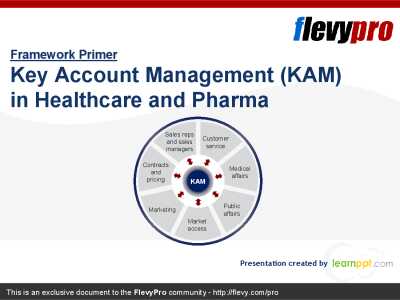
Shrinking profits and market pressure to deliver greater value has necessitated the entire Healthcare landscape to transform. Some entities are more sophisticated than others, but the overall sector is building experience and new capabilities to improve economic performance and patient outcomes.
[read more]
30-slide PowerPoint presentation
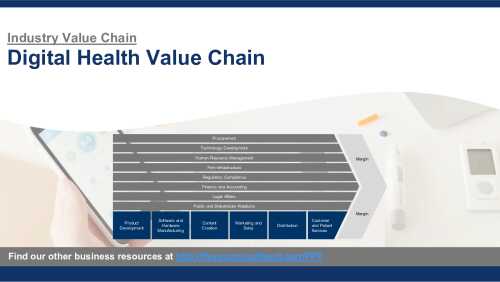
An Industry Value Chain is a visual representation of the series of steps an organization in a specific industry takes to deliver a product or service to the market. It captures the main business functions and processes that are involved in delivering the end product or service, illustrating how
[read more]