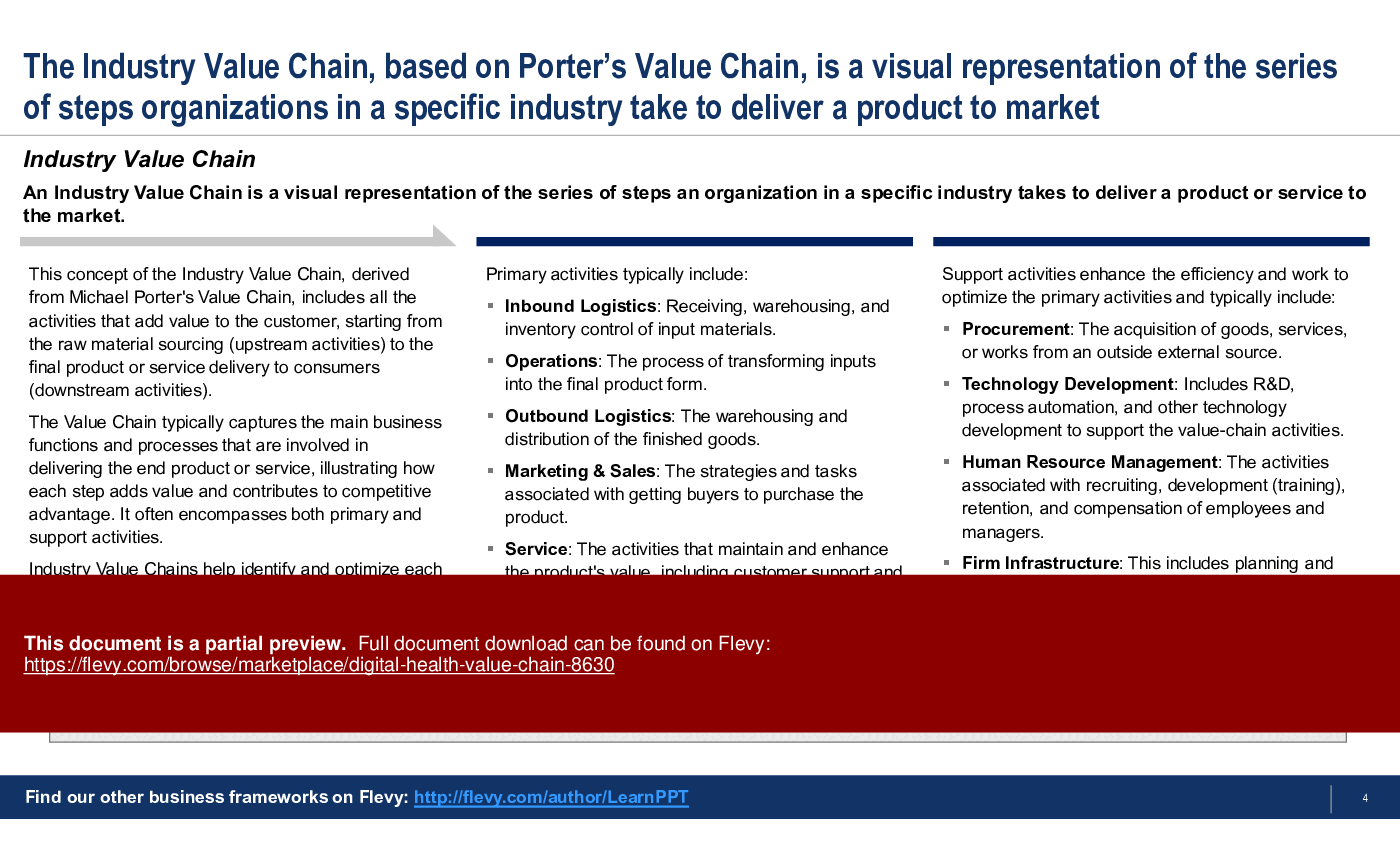

An Industry Value Chain is a visual representation of the series of steps an organization in a specific industry takes to deliver a product or service to the market. It captures the main business functions and processes that are involved in delivering the end product or service, illustrating how each step adds value and contributes to competitive advantage. It often encompasses both primary and support activities.

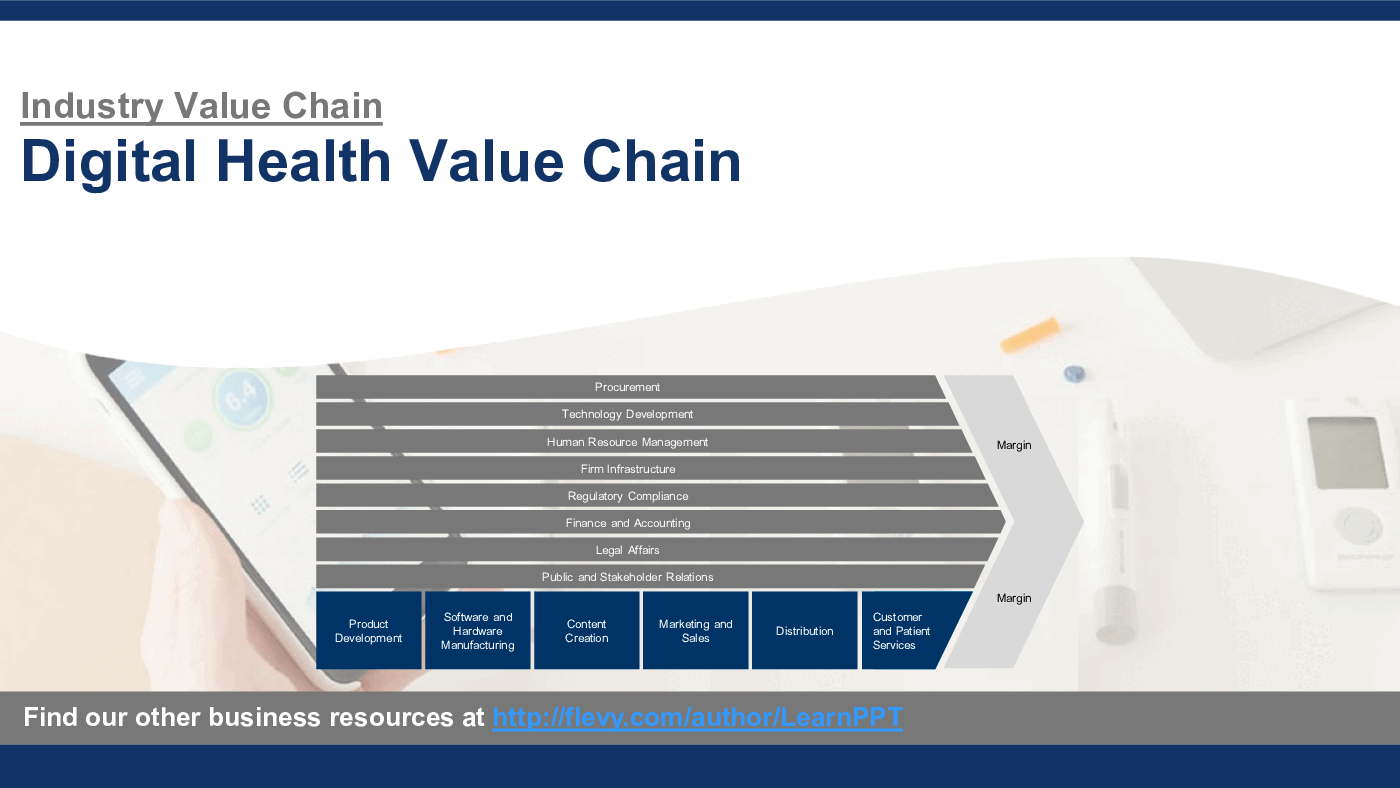
This PowerPoint presentation captures the Digital Health Industry Value Chain, which includes the following primary and support activities:
Primary Activities
1. Product Development
2. Software and Hardware Manufacturing
3. Content Creation
4. Marketing and Sales
5. Distribution
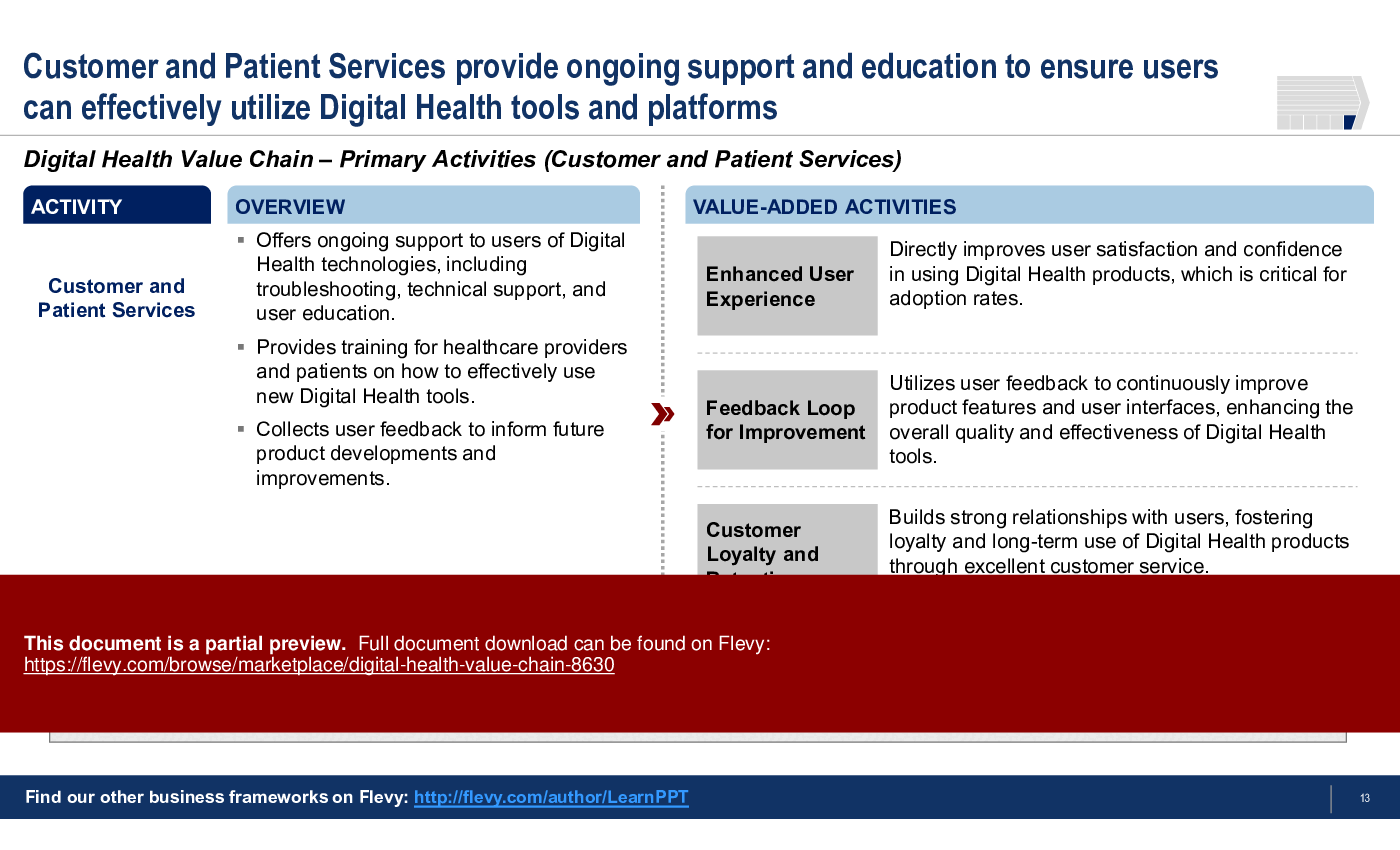
6. Customer and Patient Services
Support Activities
1. Procurement
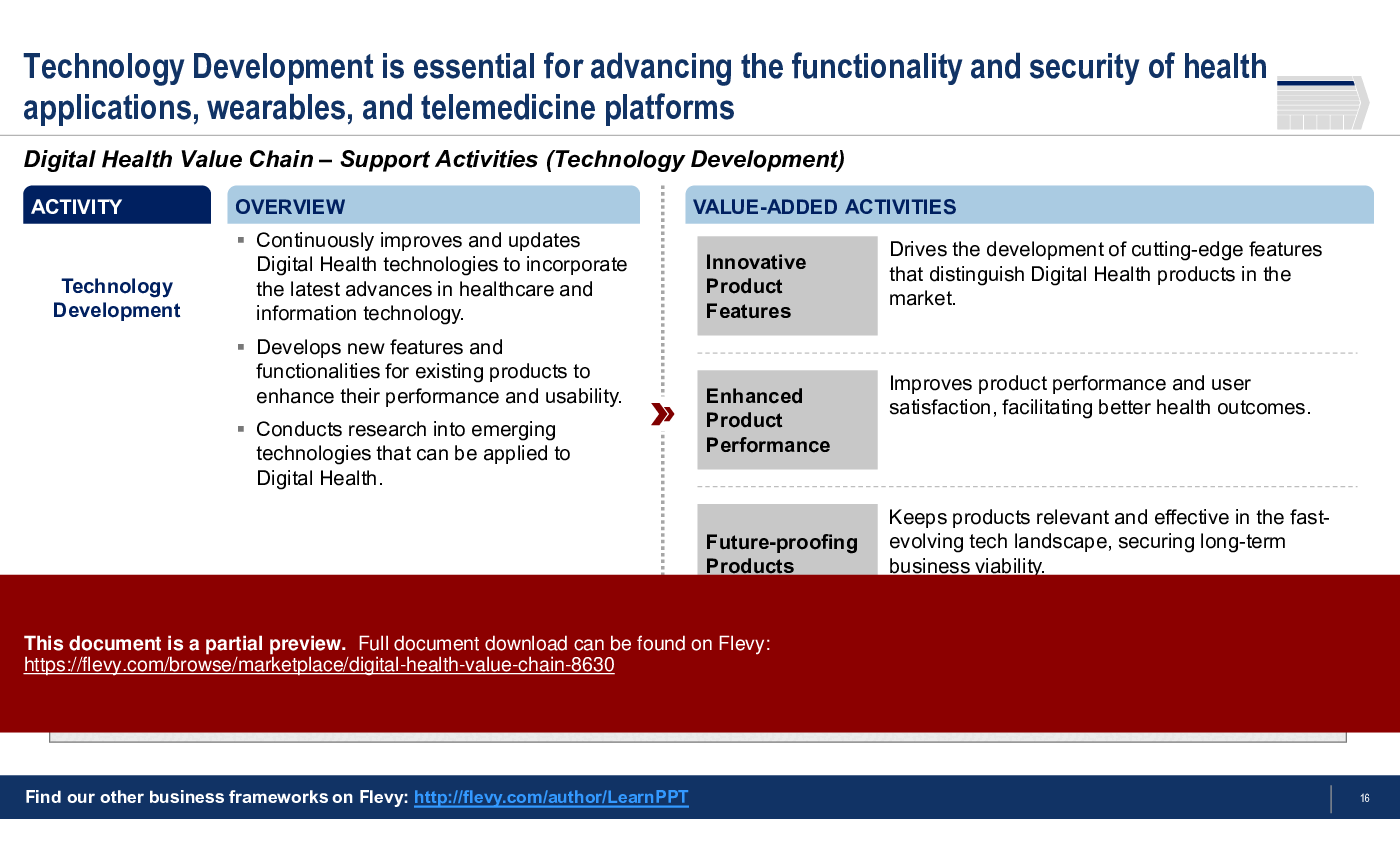
2. Technology Development
3. Human Resource Management
4. Firm Infrastructure
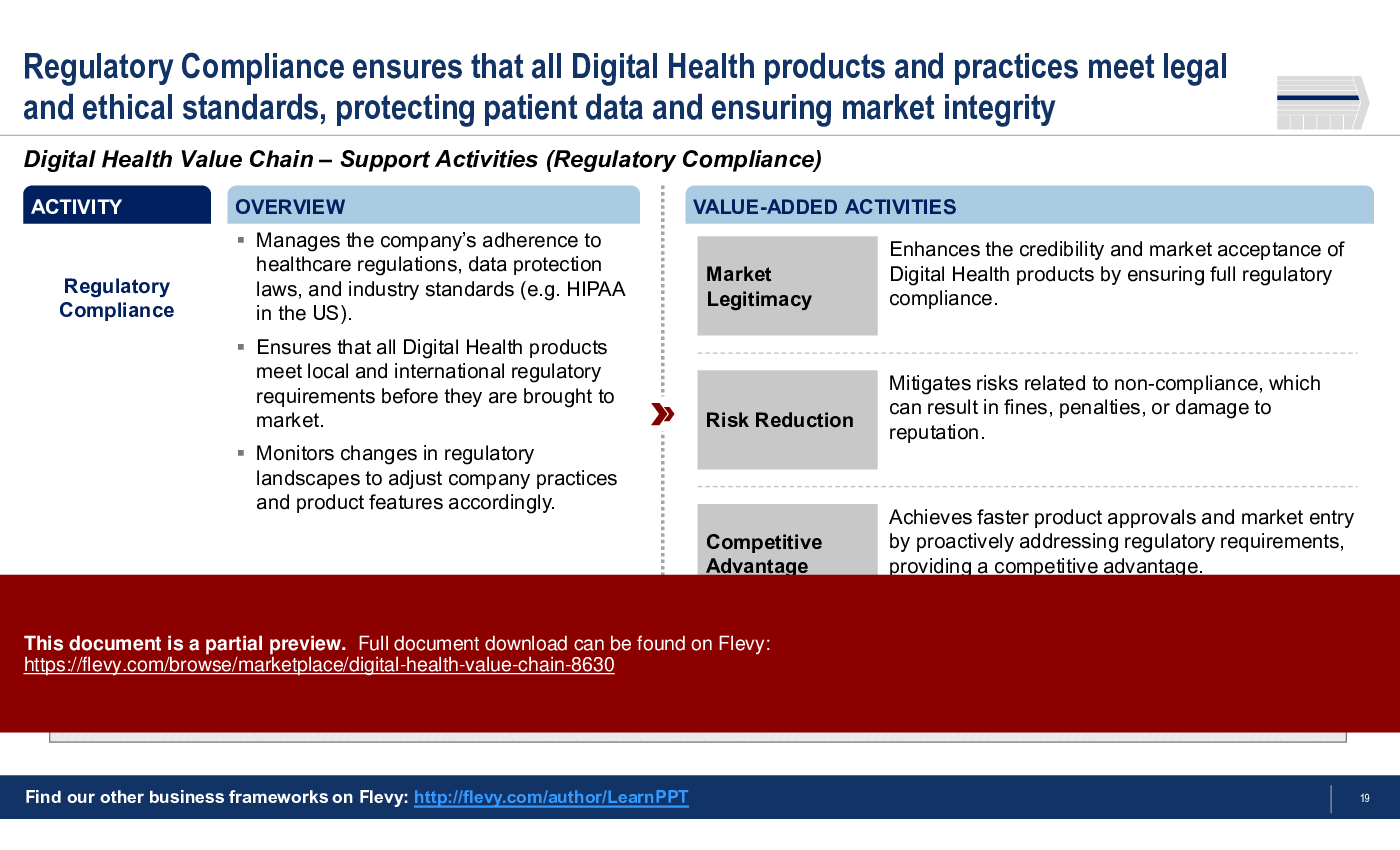
5. Regulatory Compliance
6. Finance and Accounting
7. Legal Affairs
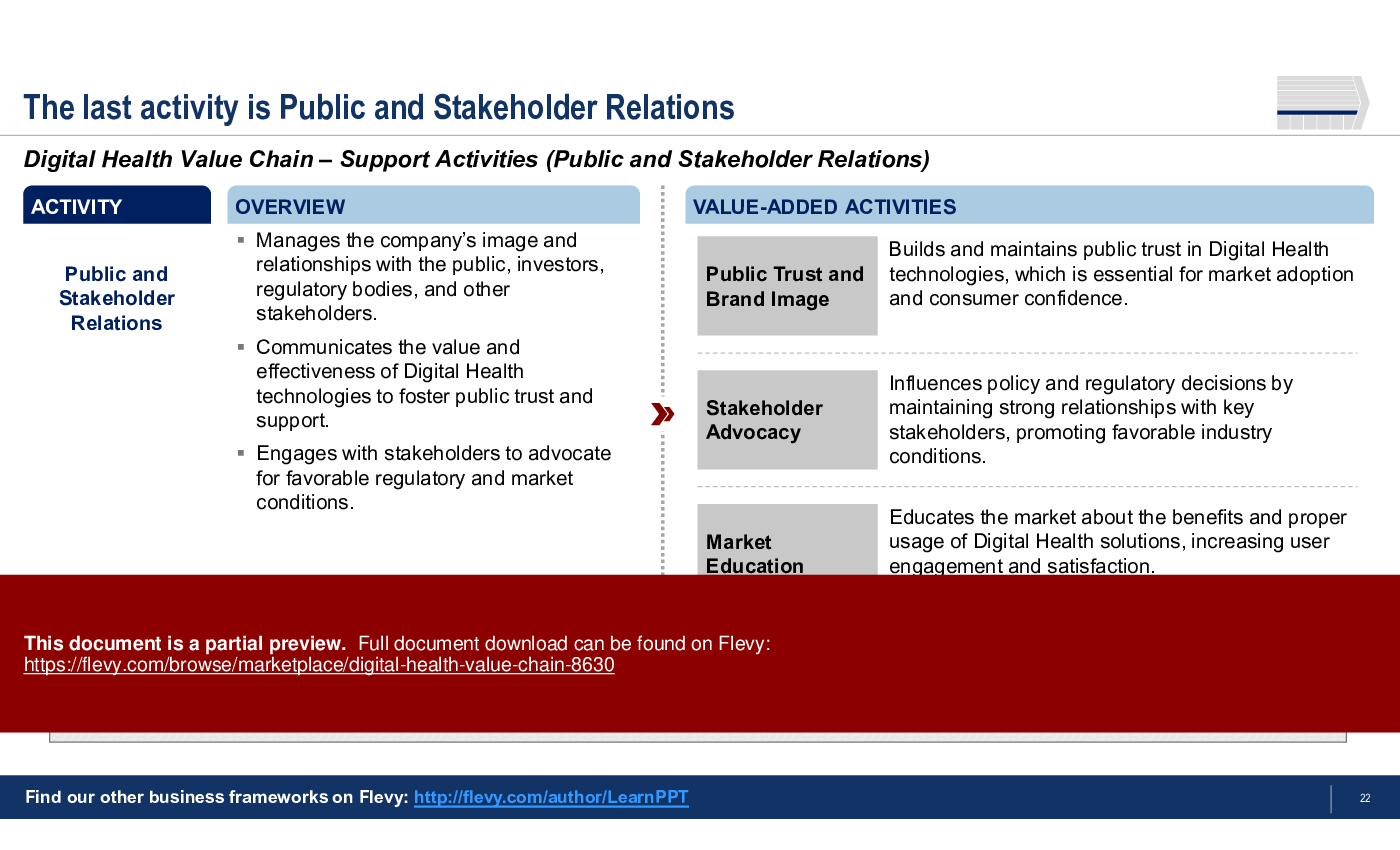
8. Public and Stakeholder Relations
These activities collectively form the backbone of the Digital Health Industry Value Chain, each playing a crucial role in delivering innovative health solutions that leverage technology to improve patient care and health management.
This PowerPoint presentation dives deeper into each of these activities, highlighting key elements. This presentation also discusses Digital Health Value Chain Analysis, highlighting a multitude of key considerations and potential insights to pay attention to. We further discuss the significant impact of Digital Transformation and various specific emergent technologies on the Digital Health Industry.
The Digital Health Industry Value Chain integrates cutting-edge technology with traditional healthcare practices to enhance accessibility, efficacy, and patient engagement in healthcare services. Efficient management of the Digital Health Value Chain requires seamless integration and interoperability among diverse health technologies to ensure consistent and reliable patient care. Strategic partnerships across technology providers, healthcare institutions, and regulatory bodies are crucial for innovating and scaling Digital Health solutions to meet evolving healthcare demands.
This presentation serves as a comprehensive guide to navigating the complexities of the Digital Health Value Chain. It equips executives with actionable insights and frameworks to optimize operations, enhance patient engagement, and drive innovation in health technology. Understanding these dynamics is essential for effectively leveraging digital solutions in today's rapidly evolving healthcare landscape.
Got a question about the product? Email us at support@flevy.com or ask the author directly by using the "Ask the Author a Question" form. If you cannot view the preview above this document description, go here to view the large preview instead.
Executive Summary
The Digital Health Value Chain presentation provides a comprehensive framework for understanding the series of steps involved in delivering digital health solutions to the market. Created by former consultants from leading firms, this consulting-grade resource offers insights into both primary and support activities that enhance patient care and operational efficiency. By utilizing this framework, organizations can optimize their digital health strategies, ensuring that each component adds value and contributes to competitive advantage.
Who This Is For and When to Use
• Healthcare executives seeking to enhance digital health initiatives
• Integration leaders managing technology implementation in healthcare
• Consultants advising on digital transformation in health organizations
• Product managers focused on developing digital health solutions
Best-fit moments to use this deck:
• During strategic planning sessions for digital health initiatives
• When assessing the efficiency of existing digital health operations
• For training teams on the components of the digital health value chain
• In workshops aimed at improving patient engagement and service delivery
Learning Objectives
• Define the Digital Health Value Chain and its significance in healthcare
• Identify primary and support activities that enhance digital health delivery
• Analyze the impact of technology on patient care and operational efficiency
• Develop strategies for integrating user-centric design in digital health products
• Assess regulatory compliance requirements for digital health solutions
• Evaluate market trends and consumer behavior affecting digital health adoption
Table of Contents
• Executive Summary (page 3)
• Digital Health Value Chain (page 4)
• Primary Activities (page 5)
• Support Activities (page 6)
• Digital Health Value Chain Analysis (page 24)
Primary Topics Covered
• Product Development - Focuses on creating innovative health apps and platforms that meet user needs while ensuring regulatory compliance.
• Software and Hardware Manufacturing - Involves producing reliable devices and software that support health monitoring and data analysis.
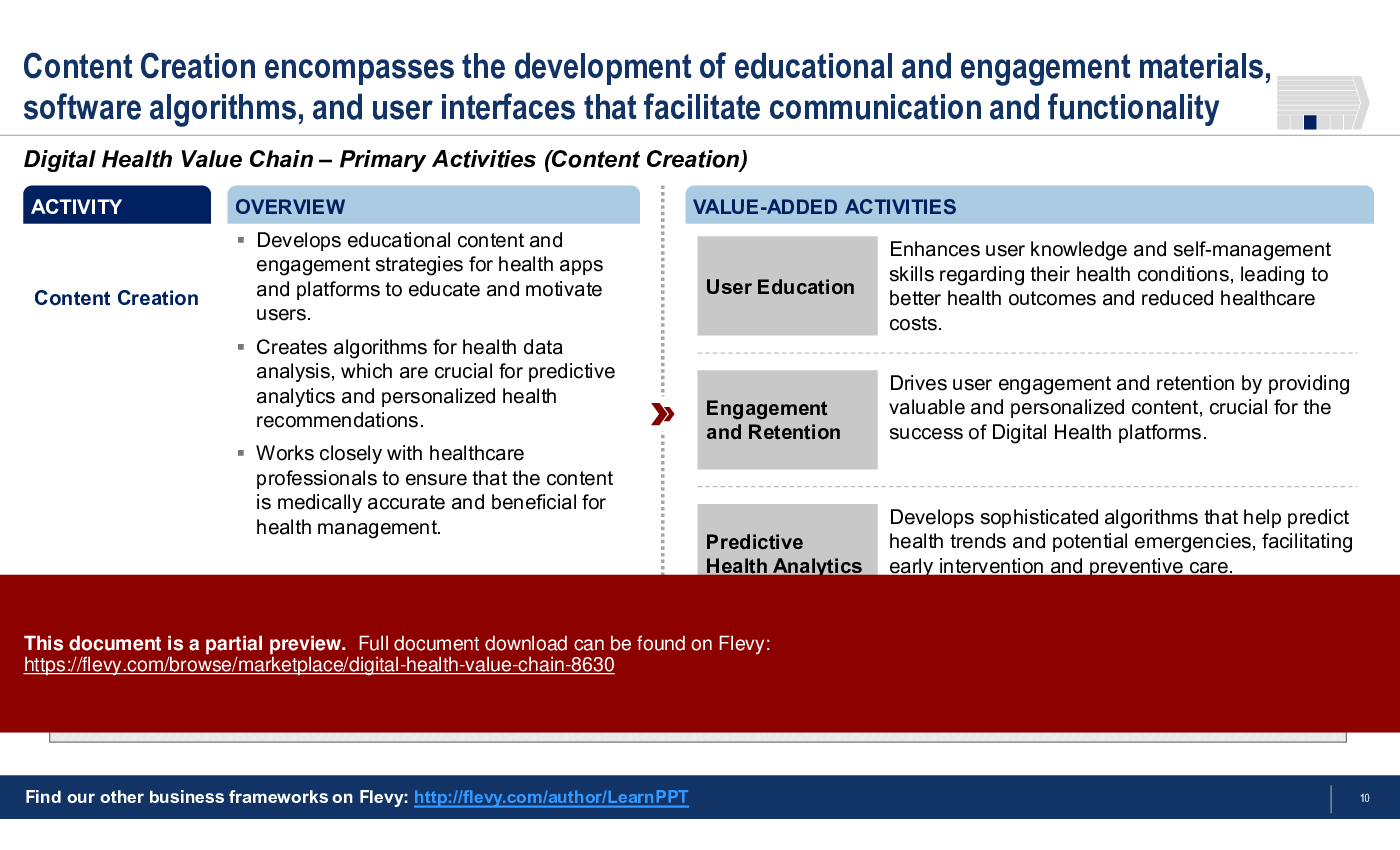
• Content Creation - Develops educational materials and algorithms that enhance user engagement and health management.
• Marketing and Sales - Targets healthcare providers and consumers to increase adoption of digital health solutions.
• Distribution - Manages logistics for delivering digital health products and software updates efficiently.
• Customer and Patient Services - Provides ongoing support and education to ensure effective use of digital health tools.
Deliverables, Templates, and Tools
• Framework for mapping primary and support activities in digital health
• Templates for assessing regulatory compliance in digital health products
• Guidelines for user-centric design in product development
• Checklists for evaluating market trends and consumer behavior
• Tools for analyzing the efficiency of digital health operations
• Models for developing strategic partnerships in the digital health ecosystem
Slide Highlights
• Overview of the Digital Health Value Chain illustrating primary and support activities
• Detailed breakdown of Product Development emphasizing user-centric design and regulatory compliance
• Insights on the importance of Quality Assurance in Software and Hardware Manufacturing
• Strategies for effective Marketing and Sales to enhance brand trust and market presence
• Framework for Customer and Patient Services focusing on user education and feedback loops
Potential Workshop Agenda
Digital Health Strategy Session (90 minutes)
• Discuss the components of the Digital Health Value Chain
• Identify gaps in current digital health initiatives
• Develop action plans for enhancing patient engagement
Regulatory Compliance Workshop (60 minutes)
• Review key regulatory requirements for digital health products
• Assess current compliance practices and identify areas for improvement
• Create a roadmap for achieving compliance
Technology Integration Planning (90 minutes)
• Explore emerging technologies impacting digital health
• Develop strategies for integrating new technologies into existing systems
• Identify potential partnerships for technology development
Customization Guidance
• Tailor the framework to align with specific organizational goals and patient needs
• Adjust terminology and metrics to reflect internal standards and practices
• Incorporate local regulatory requirements into compliance assessments
• Modify user engagement strategies based on target demographics and behaviors
Secondary Topics Covered
• Interoperability of digital health systems
• The role of data security and privacy in digital health
• Market access strategies for global digital health solutions
• The impact of digital transformation on healthcare delivery
FAQ
What is the Digital Health Value Chain?
The Digital Health Value Chain is a framework that outlines the series of steps involved in delivering digital health solutions, encompassing both primary and support activities that enhance patient care.
How can this framework improve digital health initiatives?
By identifying key activities and their contributions to value creation, organizations can optimize their operations and enhance patient engagement, leading to better health outcomes.
What are the primary activities in the Digital Health Value Chain?
Primary activities include Product Development, Software and Hardware Manufacturing, Content Creation, Marketing and Sales, Distribution, and Customer and Patient Services.
What support activities are included in the framework?
Support activities encompass Procurement, Technology Development, Human Resource Management, Firm Infrastructure, Regulatory Compliance, Finance and Accounting, Legal Affairs, and Public and Stakeholder Relations.
How does regulatory compliance impact digital health products?
Regulatory compliance ensures that digital health products meet legal and ethical standards, protecting patient data and ensuring market integrity.
What role does technology play in the Digital Health Value Chain?
Technology enhances operational efficiency, improves patient care, and enables innovative solutions that meet evolving healthcare demands.
How can organizations assess their digital health initiatives?
Organizations can use the framework to analyze each component of their digital health operations, identifying strengths and areas for improvement.
What are the key considerations for conducting a Digital Health Value Chain Analysis?
Considerations include user-centric design, data security, interoperability, regulatory compliance, and market trends.
How can partnerships enhance digital health solutions?
Strategic partnerships with technology providers and healthcare institutions can expand market reach and enhance product offerings.
What is the significance of user education in digital health?
User education is crucial for improving engagement and ensuring that patients effectively utilize digital health tools for better health management.
Glossary
• Digital Health Value Chain - A framework outlining the steps in delivering digital health solutions.
• User-Centric Design - An approach focusing on user needs and usability in product development.
• Regulatory Compliance - Adherence to laws and standards governing healthcare practices.
• Interoperability - The ability of different health systems to communicate and exchange data effectively.
• Data Security - Measures taken to protect sensitive health information from breaches.
• Market Access - Strategies for entering and succeeding in different healthcare markets.
• Technology Development - The process of improving and innovating digital health technologies.
• Customer Engagement - The interaction between users and digital health products to enhance satisfaction.
• Predictive Analytics - The use of data to forecast health trends and outcomes.
• Stakeholder Relations - Managing relationships with individuals and organizations that have an interest in digital health initiatives.
• Supply Chain Resilience - The ability to adapt to disruptions in the supply of health products.
• Return on Investment (ROI) - A measure of the profitability of investments in digital health technologies.
• Sustainability - The capacity of a digital health business model to maintain operations over time.
• Innovation - The introduction of new ideas or methods in digital health solutions.
• Market Trends - Patterns and changes in consumer behavior and preferences affecting digital health.
• Cost Efficiency - The ability to deliver services at a lower cost while maintaining quality.
• Public Trust - The confidence that consumers have in digital health products and services.
• Brand Image - The perception of a company or product in the marketplace.
Source: Best Practices in Healthcare, Value Chain Analysis PowerPoint Slides: Digital Health Value Chain PowerPoint (PPTX) Presentation Slide Deck, LearnPPT Consulting
|
Download our FREE Strategy & Transformation Framework Templates
Download our free compilation of 50+ Strategy & Transformation slides and templates. Frameworks include McKinsey 7-S, Balanced Scorecard, Disruptive Innovation, BCG Curve, and many more. |