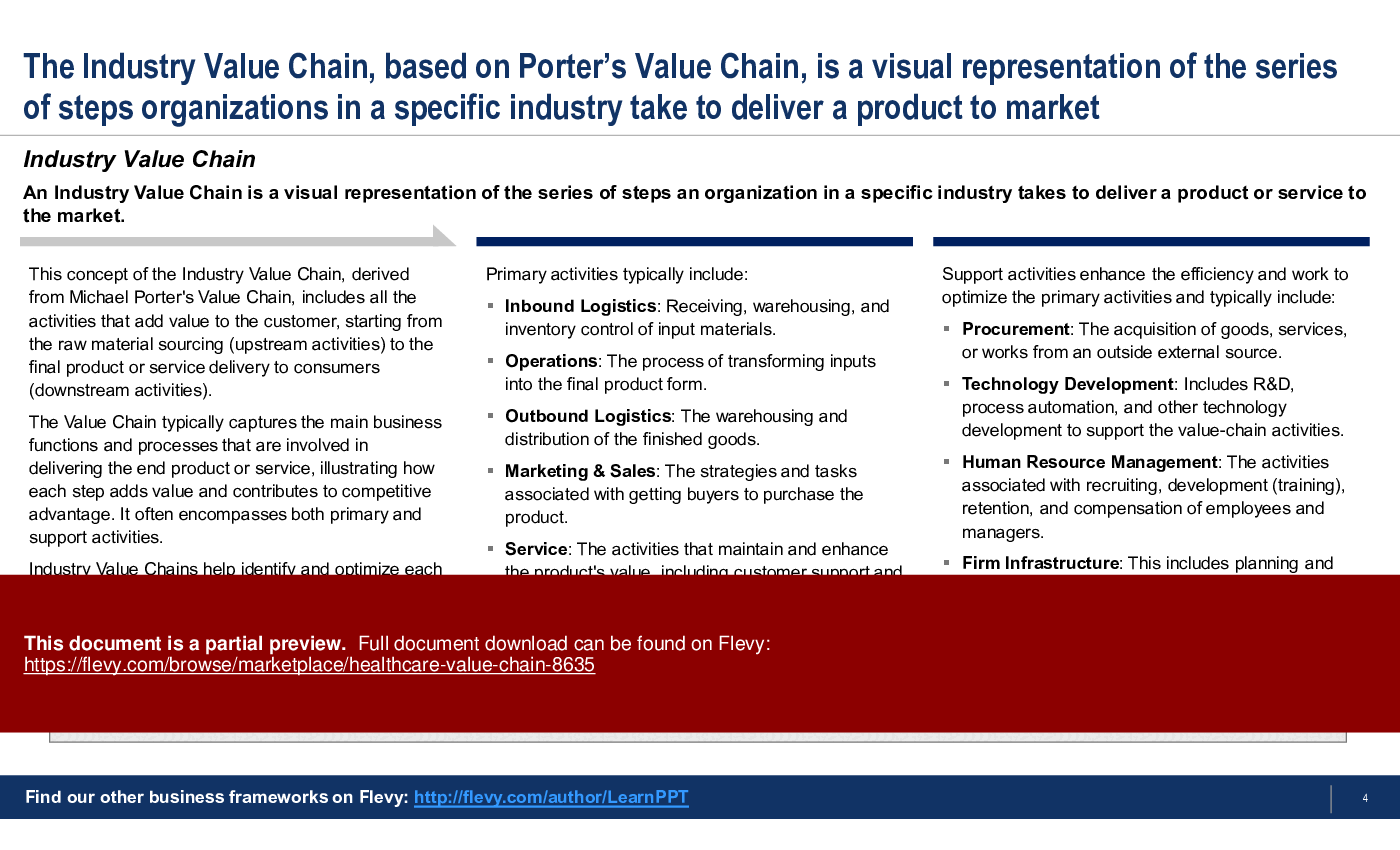
An Industry Value Chain is a visual representation of the series of steps an organization in a specific industry takes to deliver a product or service to the market. It captures the main business functions and processes that are involved in delivering the end product or service, illustrating how each step adds value and contributes to competitive advantage. It often encompasses both primary and support activities.

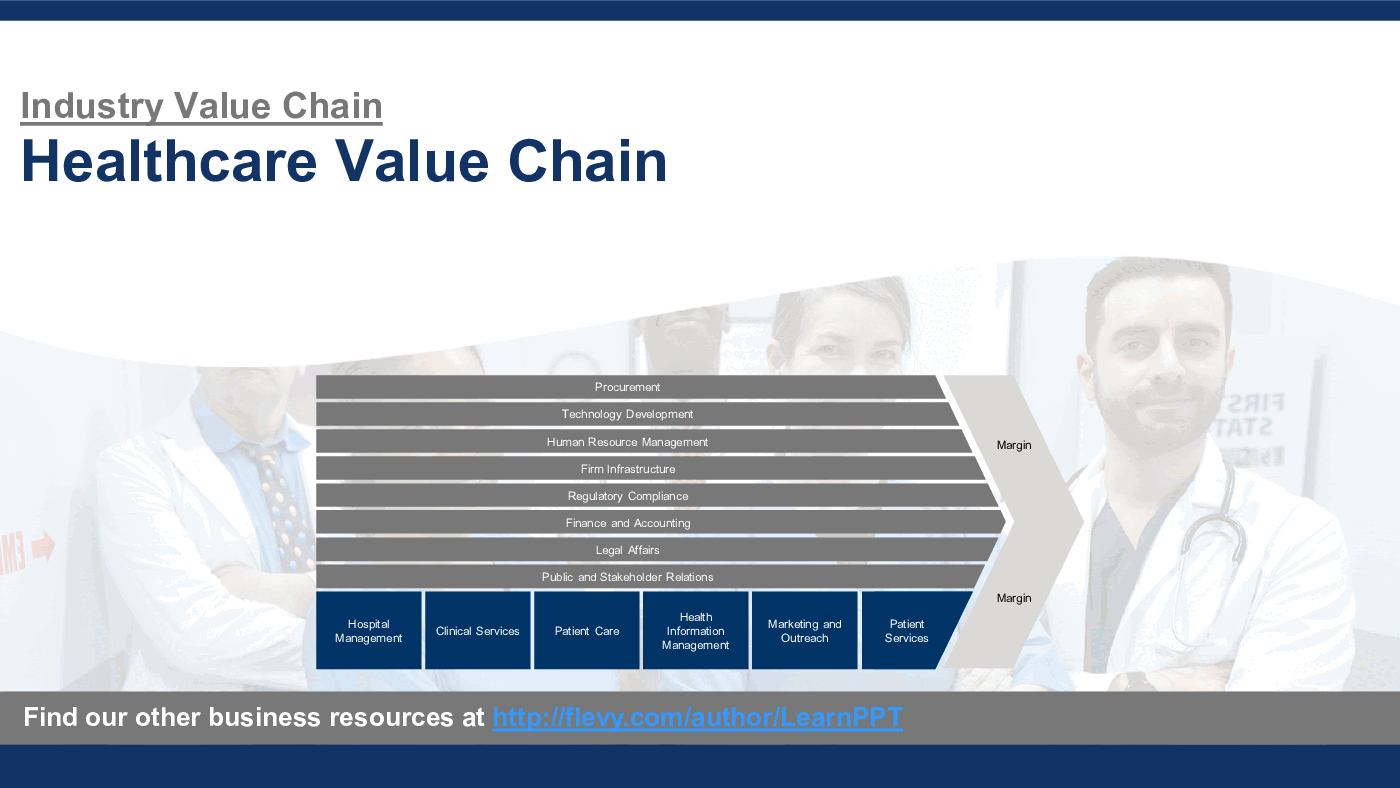
This PowerPoint presentation captures the Healthcare Industry Value Chain, which includes the following primary and support activities for Healthcare Providers:
Primary Activities
1. Hospital Management
2. Clinical Services
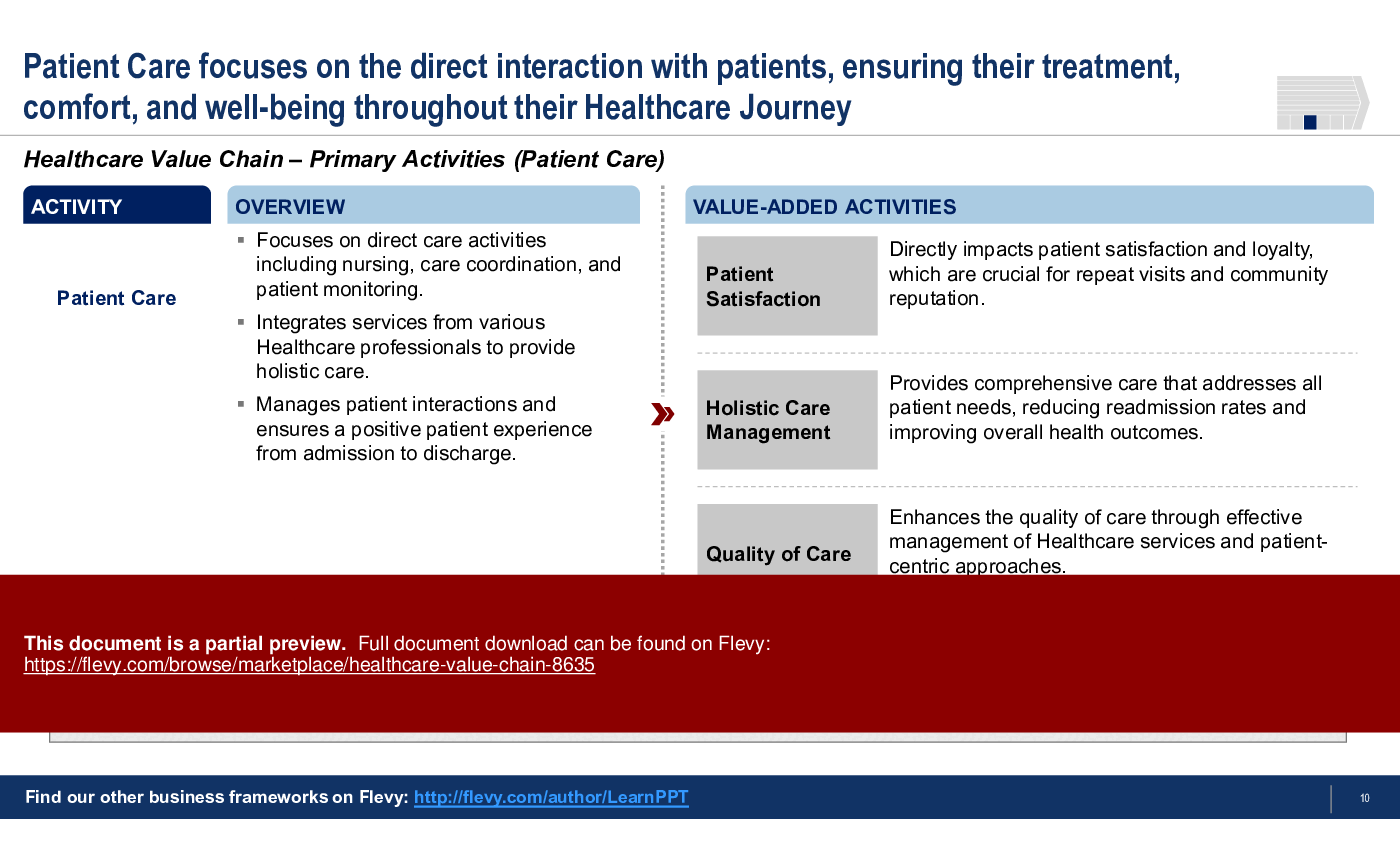
3. Patient Care
4. Health Information Management
5. Marketing and Outreach
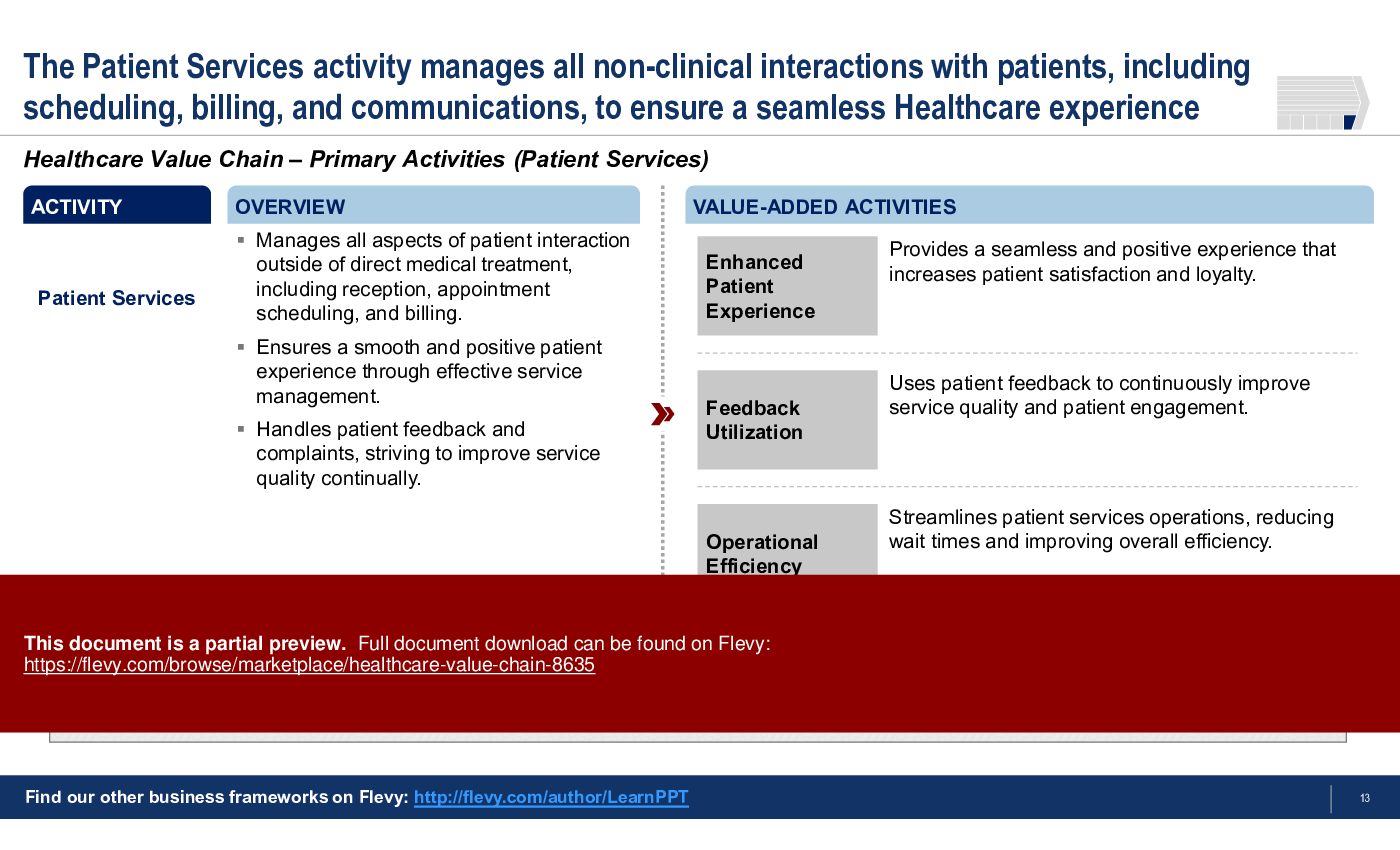
6. Patient Services
Support Activities
1. Procurement
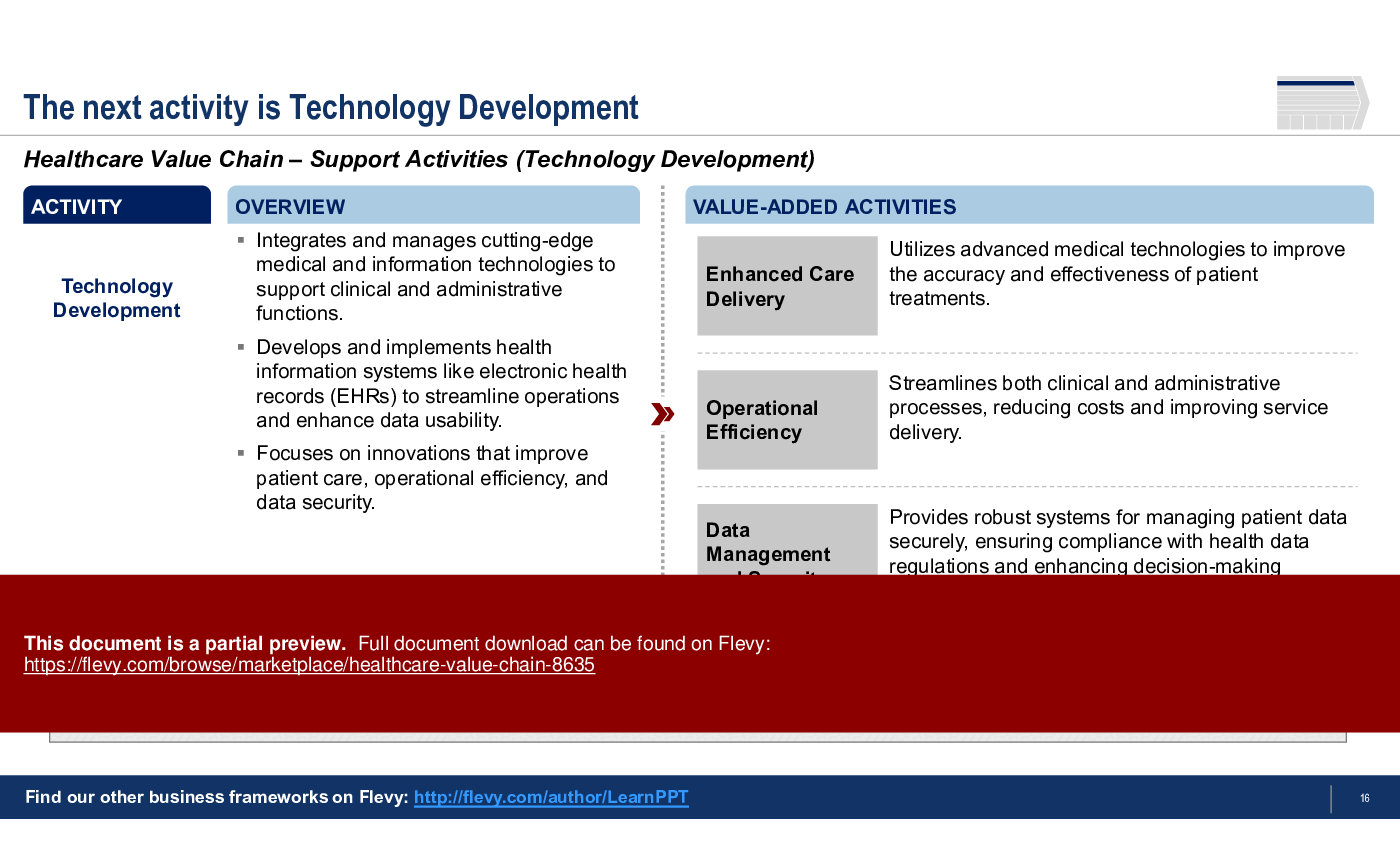
2. Technology Development
3. Human Resource Management
4. Firm Infrastructure
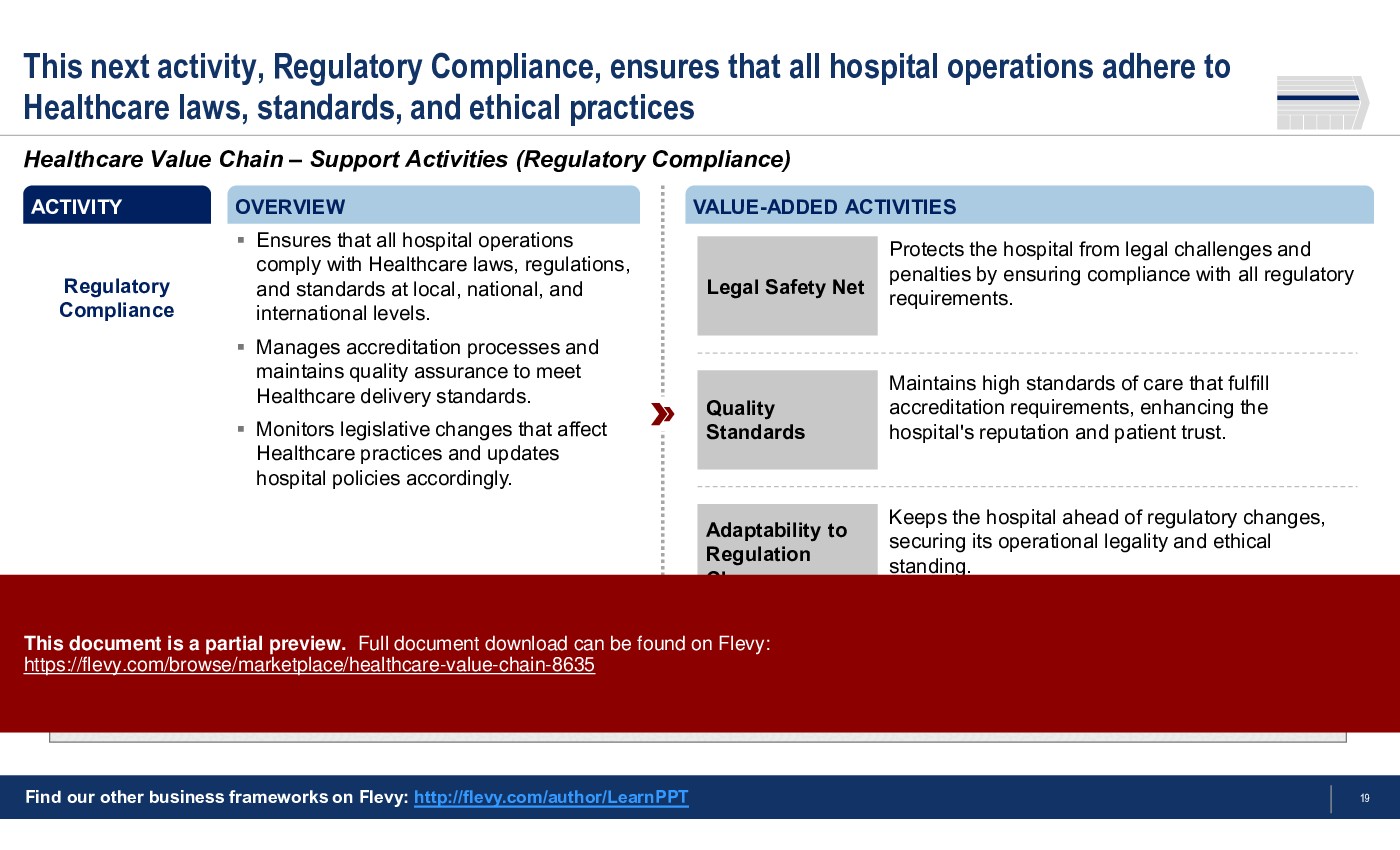
5. Regulatory Compliance
6. Finance and Accounting
7. Legal Affairs
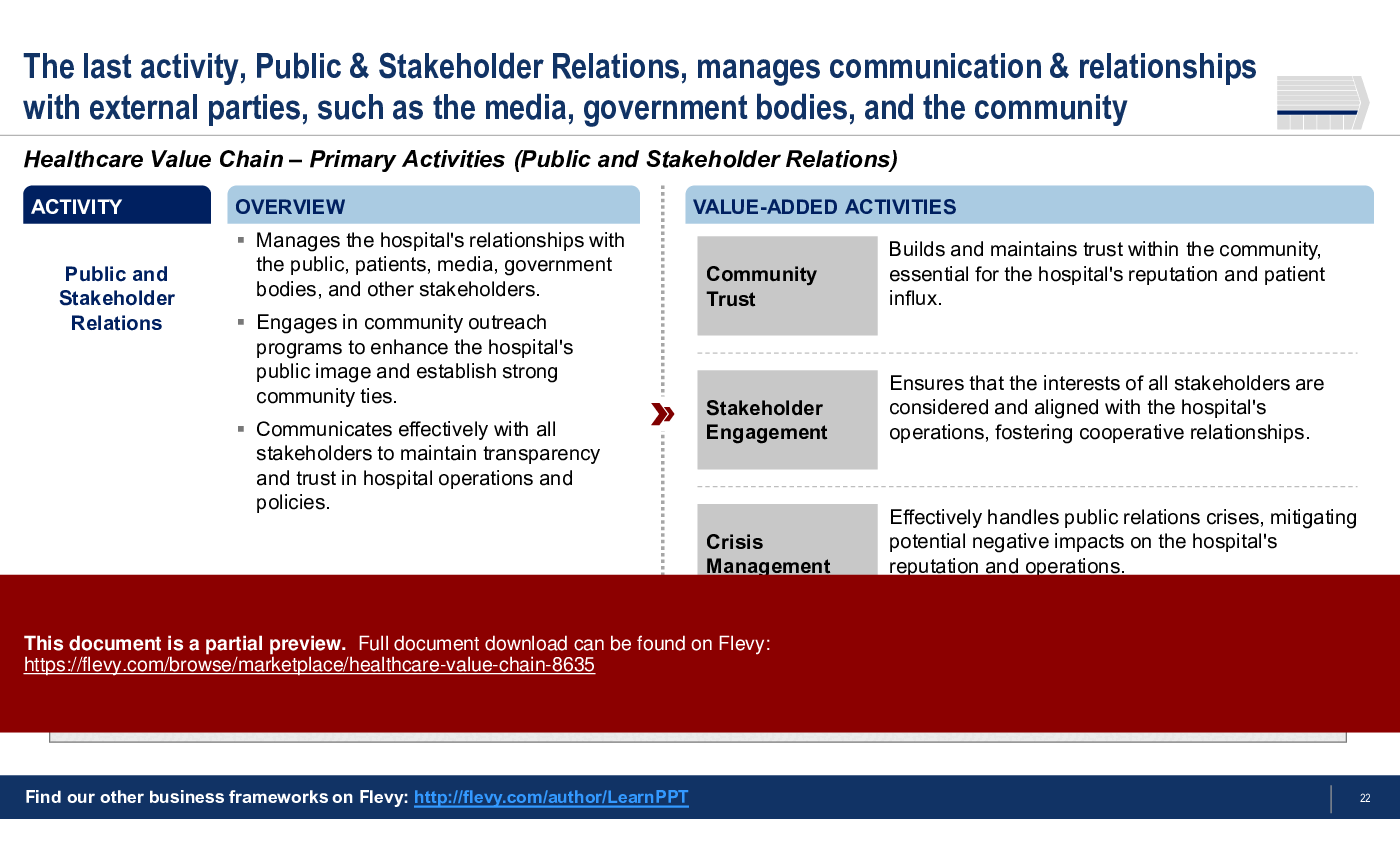
8. Public and Stakeholder Relations
These activities collectively support the operations and strategic goals of Healthcare Providers, ensuring efficient, effective, and compliant Healthcare delivery. Efficient management of Healthcare Providers' Value Chain enhances patient outcomes by integrating advanced clinical services with effective hospital management and support systems.
This PowerPoint presentation dives deeper into each of these activities, highlighting key elements. This presentation also discusses Healthcare Value Chain Analysis, highlighting a multitude of key considerations and potential insights to pay attention to. We further discuss the significant impact of Digital Transformation and various specific emergent technologies on the Healthcare Industry.
Efficient management of Healthcare Providers' Value Chain enhances patient outcomes by integrating advanced clinical services with effective hospital management and support systems. Optimization of the Value Chain in Healthcare Providers not only improves service delivery but also drives financial sustainability and enhances patient satisfaction. Strategic collaboration across all activities within the Value Chain is essential for adapting to rapidly changing Healthcare landscapes.
This presentation equips decision-makers with the tools to critically assess and enhance their healthcare operations. It emphasizes the importance of aligning clinical services with patient care strategies to drive operational excellence and improve overall health outcomes.
Got a question about the product? Email us at support@flevy.com or ask the author directly by using the "Ask the Author a Question" form. If you cannot view the preview above this document description, go here to view the large preview instead.
Executive Summary
The Healthcare Value Chain presentation provides a detailed framework for understanding the series of steps healthcare providers take to deliver services effectively. Created by former consultants from top firms like McKinsey, BCG, and Deloitte, this consulting-grade resource outlines both primary and support activities that enhance operational efficiency and patient outcomes. By leveraging this framework, healthcare executives can optimize their value chain, ensuring that each step contributes to improved service delivery and financial sustainability.
Who This Is For and When to Use
• Healthcare executives and managers focused on operational efficiency
• Integration leaders overseeing healthcare service delivery
• Consultants working with healthcare organizations on process improvement
• Strategic planners aiming to enhance patient care and satisfaction
Best-fit moments to use this deck:
• During strategic planning sessions to align operational goals
• For workshops focused on optimizing healthcare delivery processes
• When assessing the impact of digital transformation on service delivery
• In stakeholder meetings to discuss value chain improvements
Learning Objectives
• Define the components of the Healthcare Value Chain and their significance
• Analyze how each activity contributes to patient satisfaction and outcomes
• Identify areas for cost efficiency without compromising care quality
• Evaluate the integration of technology in enhancing healthcare delivery
• Assess the effectiveness of procurement and supply chain management
• Monitor compliance with healthcare regulations and standards
Table of Contents
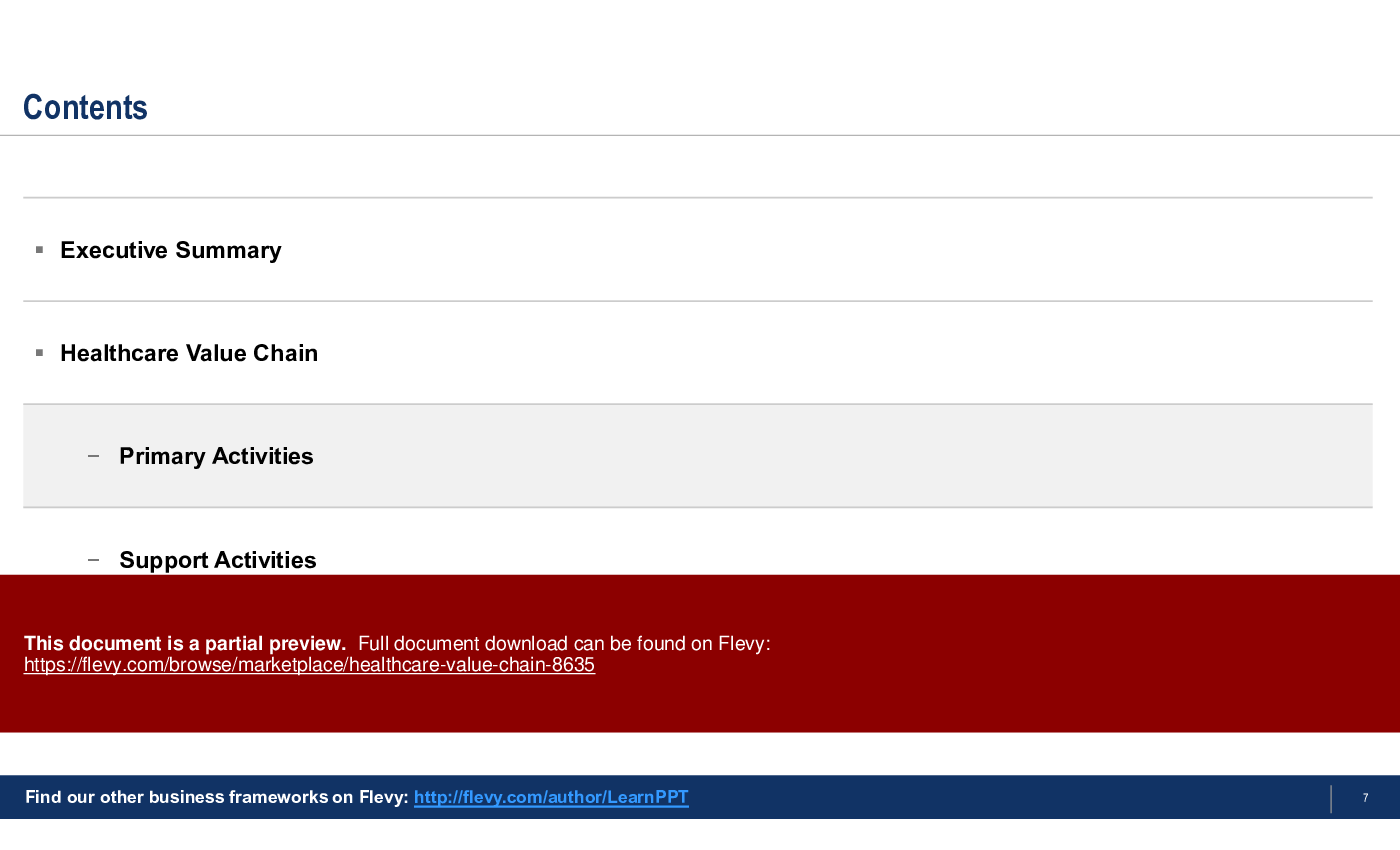
• Executive Summary (page 1)
• Healthcare Value Chain (page 2)
• Primary Activities (page 3)
• Support Activities (page 4)
• Healthcare Value Chain Analysis (page 5)
Primary Topics Covered
• Hospital Management - Coordinates hospital operations, ensuring resource allocation and financial oversight for effective service delivery.
• Clinical Services - Provides comprehensive medical treatments, optimizing patient care pathways to enhance health outcomes.
• Patient Care - Focuses on direct interactions with patients, ensuring comfort and satisfaction throughout their healthcare journey.
• Health Information Management - Manages patient data to support clinical decisions and regulatory compliance.
• Marketing and Outreach - Promotes hospital services and engages the community to build trust and attract new patients.
• Patient Services - Manages non-clinical interactions, enhancing the overall patient experience through effective service management.
Deliverables, Templates, and Tools
• Value chain analysis template for healthcare providers
• Patient satisfaction assessment tools
• Cost efficiency evaluation framework
• Compliance monitoring checklist
• Procurement strategy guidelines
• Technology integration roadmap
Slide Highlights
• Overview of the Healthcare Value Chain, illustrating primary and support activities
• Detailed breakdown of Hospital Management and its impact on operational excellence
• Insights into Clinical Services and their role in improving patient health outcomes
• Analysis of Marketing and Outreach strategies for community engagement
• Framework for evaluating Health Information Management practices
Potential Workshop Agenda
Value Chain Optimization Session (90 minutes)
• Discuss the components of the Healthcare Value Chain
• Identify key areas for improvement in service delivery
• Develop action plans for integrating technology
Patient Care Enhancement Workshop (60 minutes)
• Review current patient care practices
• Brainstorm strategies for improving patient satisfaction
• Set measurable goals for patient care outcomes
Customization Guidance
• Tailor the value chain analysis to reflect specific organizational goals and metrics
• Adjust the procurement strategy to align with local supplier capabilities
• Incorporate local regulatory requirements into compliance monitoring frameworks
Secondary Topics Covered
• Digital transformation impacts on healthcare delivery
• Innovations in patient care technologies
• Strategies for effective stakeholder engagement
• Risk management practices in healthcare operations
• Community outreach initiatives and their importance
FAQ
What is the Healthcare Value Chain?
The Healthcare Value Chain is a framework that outlines the series of steps healthcare providers take to deliver services, highlighting both primary and support activities that enhance operational efficiency.
How can this framework improve patient outcomes?
By optimizing each step in the value chain, healthcare providers can enhance service delivery, reduce costs, and ultimately improve patient satisfaction and health outcomes.
What are the primary activities in the Healthcare Value Chain?
Primary activities include Hospital Management, Clinical Services, Patient Care, Health Information Management, Marketing and Outreach, and Patient Services.
How does technology impact the Healthcare Value Chain?
Technology enhances operational efficiency, improves patient care delivery, and supports data management, leading to better health outcomes and compliance.
What role does procurement play in the value chain?
Procurement ensures the acquisition of high-quality medical supplies and services, impacting financial efficiency and the quality of care provided.
How can organizations assess their compliance with healthcare regulations?
Organizations can implement monitoring frameworks that evaluate adherence to local, national, and international healthcare standards.
What are the benefits of effective marketing and outreach?
Effective marketing and outreach build community trust, enhance the hospital's public profile, and attract new patients through engagement initiatives.
How can this presentation be customized for specific healthcare organizations?
The framework can be tailored by incorporating specific organizational metrics, local regulatory requirements, and unique operational goals.
Glossary
• Healthcare Value Chain - A framework outlining the steps healthcare providers take to deliver services.
• Primary Activities - Core functions that directly contribute to service delivery, such as Clinical Services and Patient Care.
• Support Activities - Functions that enhance the efficiency of primary activities, including Procurement and Technology Development.
• Patient Satisfaction - A measure of the quality of care and service delivery experienced by patients.
• Regulatory Compliance - Adherence to laws and standards governing healthcare practices.
• Procurement - The process of acquiring medical supplies and services necessary for healthcare operations.
• Digital Transformation - The integration of digital technologies into all areas of healthcare delivery.
• Health Information Management - The management of patient data to support clinical and administrative functions.
• Stakeholder Engagement - The process of building relationships with patients, staff, and the community.
• Operational Efficiency - The ability to deliver services effectively while minimizing costs.
• Cost Efficiency - The practice of reducing expenses while maintaining quality of care.
• Community Outreach - Initiatives aimed at engaging and educating the community about healthcare services.
• Risk Management - Strategies to identify and mitigate potential risks in healthcare operations.
• Financial Sustainability - The ability to maintain financial health while delivering quality healthcare services.
• Quality Assurance - Processes to ensure that healthcare services meet established standards.
• Telemedicine - The use of technology to provide remote healthcare services.
• EHR (Electronic Health Records) - Digital versions of patients' paper charts, improving data accessibility and coordination.
• Patient Care Pathways - Structured processes that guide patient care from admission to discharge.
• Innovation and Research - The pursuit of new methods and technologies to improve healthcare delivery.
• Public Relations - Managing the hospital's image and communications with external stakeholders.
Source: Best Practices in Healthcare, Value Chain Analysis PowerPoint Slides: Healthcare Value Chain PowerPoint (PPTX) Presentation Slide Deck, LearnPPT Consulting
|
Download our FREE Strategy & Transformation Framework Templates
Download our free compilation of 50+ Strategy & Transformation slides and templates. Frameworks include McKinsey 7-S, Balanced Scorecard, Disruptive Innovation, BCG Curve, and many more. |