 In high-density commercial environments, workplace settings, and customer-facing operations, accidents create immediate operational, financial, and reputational exposure for organizations. Beyond the initial incident, companies face medical claims, lost productivity, insurance scrutiny, regulatory questions, and potential multi-party liability that can affect margins and continuity.
Effective response requires early, structured assessment of exposure rather than reactive negotiation. Experienced counsel helps leadership teams identify all relevant liability theories, preserve critical evidence, align documentation with insurance and risk protocols, and build a clear record that supports defensible positions on both liability and damages. A Shulman & Hill Bronx personal injury lawyer can assist organizations in evaluating circumstances, clarifying responsibility across contractors, premises, and operations, and assembling a fact-based file that protects the enterprise.
Preserve Evidence As Early As Possible
Some accident evidence remains outside your control. A damaged vehicle can be repaired, surveillance footage can be overwritten, and a hazardous condition can be corrected before anyone records it. A lawyer can send preservation requests, collect photographs, obtain incident reports, and locate witnesses. They can also compare witness statements with physical evidence. Tire marks, property damage, lighting conditions, and debris locations can challenge an inaccurate account of a collision. In a premises case, maintenance records and prior complaints can show whether the property owner knew about a dangerous condition.
Connect Injuries to the Accident
Insurance carriers frequently question whether an injury came from the accident or an earlier condition. Consistent medical treatment helps establish the timeline, while medical records should describe symptoms, diagnoses, restrictions, and the connection between the event and the condition. A lawyer reviews medical records for gaps or conflicting descriptions. The legal team can request missing documents, track referrals, and explain how an injury affects work, household tasks, sleep, mobility, or daily activities. You should describe symptoms accurately and follow the recommended treatment in order to receive fair compensation.
Handle Insurance Questions Early
Insurance adjusters look for information that can reduce a payment. A recorded statement, a broad medical authorization, or a casual comment about recovery can later carry more weight than intended. Avoid guessing about fault, minimizing symptoms, or discussing the case on social media. Legal guidance helps manage communications and preserve accurate facts. A lawyer can review written requests, explain which documents relate to the claim, and respond to arguments about delayed treatment, prior injuries, or shared responsibility. Policy terms and local rules affect each claim, so one response does not fit every accident.
Identify All Responsible Parties
Corporate incidents frequently involve layered responsibility across employees, contractors, property owners, manufacturers, and service providers. Mapping every potentially liable party early prevents incomplete risk allocation and supports accurate notice, indemnity, and insurance tender. Counsel reviews employment agreements, vendor contracts, ownership records, inspection histories, maintenance logs, and operational procedures to determine applicable theories and ensure the organization does not absorb avoidable exposure.
Build a Clear Record of Damages
Direct medical costs represent only part of organizational exposure. A complete damages analysis quantifies lost productivity, temporary labor, operational disruption, rehabilitation support, and longer-term workforce or customer impacts. Systematic collection of payroll records, duty restrictions, incident logs, and related expenses, coordinated with medical and employment documentation, gives insurers, auditors, and leadership a defensible basis for evaluating both past losses and projected future effects.
Prepare for Negotiation and Trial
A lawyer strengthens a case by preparing it as though the dispute could reach court, even when settlement discussions begin early. Preparation includes reviewing testimony, organizing exhibits, assessing witness credibility, and identifying weaknesses on both sides. Negotiation then rests on evidence rather than pressure or guesswork. If the insurer refuses a fair resolution, the lawyer can explain the litigation process, filing requirements, and risks that depend on the facts. You remain better positioned when each settlement decision is based on a documented assessment of liability, injuries, and losses.
Conclusion
Proactive legal support starts before an insurer or opposing party frames the narrative. Organizations that systematically preserve evidence, maintain consistent documentation, and align medical, operational, and contractual records are better positioned to manage exposure and negotiate from strength. Early case review identifies gaps, clarifies allocation of responsibility, and converts disputed facts into a structured record—reducing reliance on assumptions and supporting informed decisions on settlement or defense.
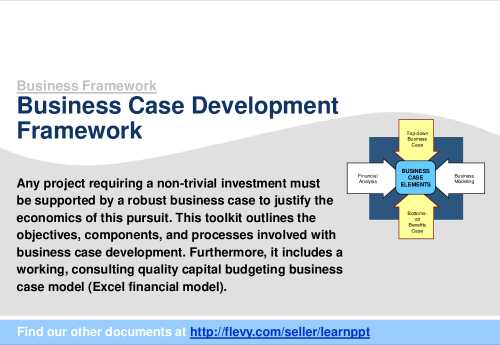
Do You Want to Implement Business Best Practices?
You can download in-depth presentations on 100s of management topics from the FlevyPro Library. FlevyPro is trusted and utilized by 1000s of management consultants and corporate executives.
For even more best practices available on Flevy, have a look at our top 100 lists:
- Top 100 in Strategy & Transformation
- Top 100 in Digital Transformation
- Top 100 in Operational Excellence
- Top 100 in Organization & Change
- Top 100 Management Consulting Frameworks
These best practices are of the same as those leveraged by top-tier management consulting firms, like McKinsey, BCG, Bain, and Accenture. Improve the growth and efficiency of your organization by utilizing these best practice frameworks, templates, and tools. Most were developed by seasoned executives and consultants with over 20+ years of experience.
Readers of This Article Are Interested in These Resources