Editor's Note: Take a look at our featured best practice, HR Strategy: Job Leveling (26-slide PowerPoint presentation). Job Leveling is a disciplined approach to gauge the value of work for individual positions across the organization. It entails ascertaining the nature of work done by each position, authority levels, and the effect of each job on business results.
Jobs that are configured inadequately bread [read more]
* * * *
 In today’s rapidly changing business landscape, the success of an organization is increasingly intertwined with the experiences of its employees. The employee experience encompasses every interaction a worker has with their employer, from recruitment and onboarding to ongoing professional development and beyond. A well-structured employee experience strategy not only enhances day-to-day satisfaction but also drives long-term business success.
The Importance of Employee Experience
The employee experience is pivotal for several reasons. Firstly, it directly influences employee engagement—a critical driver of productivity. When employees feel valued and supported, they are more likely to be engaged in their work. This engagement translates into higher output, innovation, and employee retention, which are all essential for a thriving business. Moreover, companies with high levels of employee engagement report 21% higher profitability, according to Gallup.
Implementing a strategic approach to employee experience can radically transform an organization’s culture. When employees find meaning and purpose in their roles, it fosters an environment where they can thrive both personally and professionally. This leads to improved collaboration and a more positive workplace atmosphere. But how can organizations effectively shape their employee experience?
Crafting the Employee Journey
To genuinely improve the employee journey, organizations need to focus on several key areas. A well-thought-out employee experience strategy should begin even before the first interview. Consider the following vital components:
- Recruitment and Onboarding: Create a welcoming environment from the get-go. Streamline your recruitment process to efficiently attract top talent. Once onboarded, provide new hires with comprehensive training, mentorship, and support to ensure they feel integrated and valued right away.
- Continuous Development: The most successful companies invest in their employees’ continuous learning. Offer opportunities for professional development through workshops, online courses, and mentorship programs. Employees who feel that they are growing in their roles are generally more motivated and committed to the organization.
- Feedback Mechanisms: Regular feedback isn’t just beneficial; it’s essential. Encourage open communication channels between management and employees. Employees should feel comfortable sharing their thoughts and experiences, knowing that their opinions are valued and will contribute to shaping the workplace.
- Recognition and Rewards: Acknowledge and celebrate achievements, big and small. Implement recognition programs that highlight both individual and team contributions. These gestures not only boost morale but also reinforce a culture of appreciation.
- Health and Wellbeing: In the modern workplace, mental and physical health is paramount. Offering mental health resources and promoting work-life balance signals to employees that their well-being matters. Initiatives like flexible working hours, wellness programs, and regular check-ins can make a world of difference.
As organizations start to build their employee experience frameworks, many find themselves seeking external expertise to navigate this complex landscape. Consulting firms like Scarlett Abbott can provide valuable insights into how to effectively improve the employee journey, ensuring that every touchpoint is optimized for maximum impact.
Understanding the Employee Lifecycle
A comprehensive employee experience strategy should encompass the entire employee lifecycle, from attraction and recruitment through to development and eventual offboarding. Understanding this lifecycle is crucial for identifying areas of improvement:
- Attraction: First impressions are lasting. Invest time in employer branding to attract the right talent that aligns with your company values.
- Recruitment: Ensure a smooth and respectful recruitment process. Incorporate assessments that align with your organizational culture.
- Onboarding: Tailor onboarding programs that immerse new hires in your company culture and provide them with the tools they need for success.
- Development: Assess regularly and offer growth opportunities. Develop Individual Development Plans (IDPs) for personalized career growth.
- Retention: Stay attuned to employee satisfaction through regular surveys and exit interviews. Address any issues promptly to foster a culture of trust and loyalty.
- Offboarding: Conduct respectful and insightful exits that leave the door open for future collaboration.
Measuring Impact: Key Metrics
To gauge the effectiveness of an employee experience strategy, it’s essential to adopt a data-driven approach. Key performance indicators (KPIs) should be established to measure:
- Employee Engagement Scores: Use regular surveys to assess engagement levels and identify trends over time.
- Turnover Rates: A high turnover rate may indicate issues within the employee experience. Investigate further to pinpoint causes and implement solutions.
- Productivity Metrics: Track productivity closely; increased engagement typically correlates with improved performance.
- Training and Development Impact: Evaluate how investment in employee development translates into company success.
Future-Proofing with an Employee-Centric Focus
In a world where change is the only constant, a thoughtful employee experience strategy serves as a solid foundation for future resilience. As companies strive to keep pace with technological advancements and shifting employee expectations, focusing on the human element becomes vital. The adoption of flexible working arrangements, focus on mental well-being, and deep investment in development are no longer optional but essential.
By fostering a culture where employees feel valued and connected, organizations lay the groundwork for sustained success. In essence, a strategic approach to employee experience not only enhances workplace morale but also translates into tangible business benefits. The journey may be complex, but with a commitment to thoughtful execution, organizations can undoubtedly reap the rewards.
17-slide PowerPoint presentation
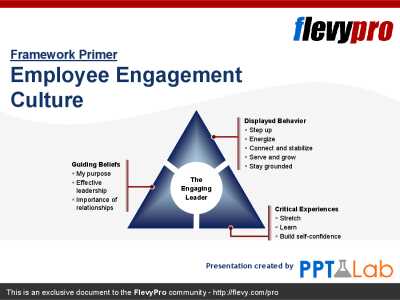
Improving Employee Engagement is a priority in most Talent and HR Strategies. This presentation provides a 5-step approach to building a culture of Employee Engagement. This processed was developed by Aon Hewitt based on the Aon Hewitt Top Companies for Leaders study.
Best practices from the
[read more]
Do You Want to Implement Business Best Practices?
You can download in-depth presentations on Employee Management and 100s of management topics from the FlevyPro Library. FlevyPro is trusted and utilized by 1000s of management consultants and corporate executives.
For even more best practices available on Flevy, have a look at our top 100 lists:
These best practices are of the same as those leveraged by top-tier management consulting firms, like McKinsey, BCG, Bain, and Accenture. Improve the growth and efficiency of your organization by utilizing these best practice frameworks, templates, and tools. Most were developed by seasoned executives and consultants with over 20+ years of experience.
Readers of This Article Are Interested in These Resources
32-slide PowerPoint presentation
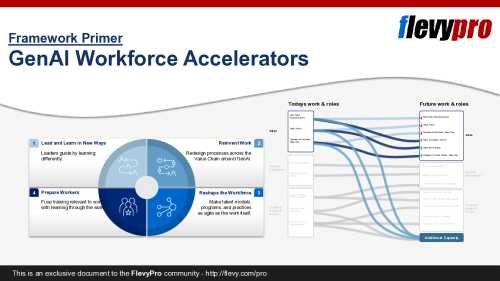
Generative AI (GenAI) is the most significant shift to work since the industrial revolution--and the Trifecta of Opportunities it unlocks (the economic, business, and people upsides) is the strategic objective. This presentation moves from the opportunity to the path: how leaders capture
[read more]

27-slide PowerPoint presentation
In the face of the COVID-19 pandemic, Strategic Workforce Planning has emerged as the key to organizations effectively managing and adapting to unforeseen disruptions.
HR leaders excel in conducting Workforce Planning at the business unit level, but face challenges when it comes to incorporating
[read more]
24-slide PowerPoint presentation
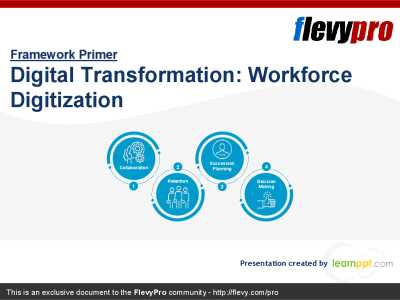
The approaching Age of Automation, together with the impending penetration of digital technology into the labor force, threatens to destabilize crucial aspects of how employees work by. It undermines the stability companies depend on to be agile.
Executives can re-solidify their companies even
[read more]
32-slide PowerPoint presentation
This guide is a basic introduction to performance management, the process, setting objectives, providing feedback, the performance discussion between manager and employee. It is geared to small and mid-sized companies who want to provide a process that is clear and easy to use for managers.
This
[read more]