Editor's Note: Take a look at our featured best practice, Real Estate – RV Park Acquisition Model (Excel workbook). This Excel template is a specialized tool for assessing RV park acquisitions' feasibility. Developed with the precision needed for real estate investment decision-making, this dynamic financial model simplifies the evaluation process for purchasing, operating, and selling an RV park property. It [read more]
* * * *
 Waterfront housing maintains strong interest among corporate executives because it combines everyday convenience with genuine scarcity. A shoreline address offers broader views, steadier breezes, and a calmer visual field than many inland settings. That shift affects how rooms feel, how routines unfold, and how high-performing professionals recover after demanding workdays. Executives also view these homes as limited assets, since buildable coastal frontage stays finite. Lifestyle pleasure and long-range value often meet in the same purchase.
A Rare Address
Scarcity shapes early buyer attention, especially in coastal districts where fresh shoreline supply arrives slowly and competition stays active. In Singapore, listings such as Vela Bay often surface during broader discussions about sea-facing homes, transport reach, and the daily effect of open horizons on comfort. The attraction starts before resale math comes into play. Water at the doorstep gives a home a quieter, more spacious presence.
Views That Shape Mood
A water outlook changes the emotional register of a home from morning through evening. Reflected light softens interiors, while long sight lines reduce the boxed-in feeling common in dense urban housing. Buyers often respond to that calm before they discuss finishes or room count. Even compact units can feel less compressed when the eye travels outward without interruption across a bay, river, or marina edge.
Scarcity Supports Demand
Limited frontage matters because it cannot be reproduced at scale. Cities can add towers, roads, and retail space, yet genuine waterfront parcels remain few. That imbalance supports durable demand from varied buyer groups. Some seek a main residence with stronger daily amenities. Others want an address with social cachet. Many also weigh future marketability, since rare locations often hold attention during slower resale periods.
Health and Comfort
Shoreline homes often feel more physically comfortable to inhabit, even before lifestyle features are considered. Air movement can improve perceived freshness, while wider exposure to daylight may support circadian rhythm and steadier sleep patterns. The visual openness also reduces sensory crowding for residents used to tight urban blocks. Buyers often read that comfort quickly during a viewing, because the body registers space, light, and airflow before the mind explains them.
Daily Rhythm
Waterfront settings can change habits without dramatic effort. Residents may walk more often, linger outdoors after dinner, or choose a promenade instead of an enclosed mall. Those small shifts affect energy, rest, and social contact over time. Buyers notice this because housing decisions rarely stop at square footage. The surrounding environment influences how a household spends its time, recovers from stress, and uses shared public space.
Strong Social Appeal
Sea-facing homes appeal across age groups, which strengthens their market position. Younger buyers may value the atmosphere and visual relief. Families often appreciate the openness and the nearby recreational access. Older residents can prefer quieter surroundings with a slower sensory tempo. That wide relevance matters later, since homes that suit several life stages usually draw broader interest whenever they return to the market.
Design Feels More Open
Developers usually treat waterfront plots as an opportunity for better orientation, larger glazing, and stronger links between interior rooms and outdoor areas. Buyers tend to notice those choices immediately. A well-placed balcony or full-height window does more than frame scenery. It can improve cross-ventilation, deepen daylight penetration, and make ordinary domestic tasks feel less confined throughout the day.
Lifestyle beyond the Unit
The appeal often extends beyond the apartment itself. Many waterfront districts include walking routes, dining clusters, marinas, and leisure spaces within a short radius. That proximity supports routines that feel fuller without requiring long travel. Buyers often value this convenience as much as the view. A home becomes part of a usable neighborhood rather than a sealed, private box detached from daily life.
Resale and Rental Interest
Future flexibility remains part of the calculation for many purchasers. Waterfront homes photograph well, read clearly in listings, and attract attention quickly because their advantage is easy to understand. Rental interest may also benefit in districts with limited premium supply or strong executive demand. A beautiful setting cannot excuse poor fundamentals, yet it can support pricing strength when construction quality, access, and upkeep are sound.
Conclusion
Corporate executives are drawn to waterfront residential living because it offers a clear combination of comfort, rarity, and staying power. Open views, stronger daylight, and a calmer sensory setting shape everyday experience in ways standard urban housing often cannot match—particularly valuable for those managing intense professional schedules. Limited coastal supply adds another layer of appeal by supporting long-term demand. When design quality, access, and neighborhood function align, a waterfront home becomes attractive for both present enjoyment and future resale strength.
Excel workbook
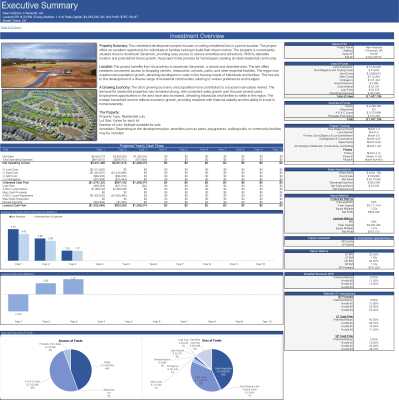
Real Estate - Multiphase Lot Development
The Raw Land Development Model is an Excel-based analysis tool designed to assist in the financial analysis of a land development project.
It provides a comprehensive overview of the project's financial performance and allows for the evaluation of
[read more]
Do You Want to Implement Business Best Practices?
You can download in-depth presentations on Real Estate and 100s of management topics from the FlevyPro Library. FlevyPro is trusted and utilized by 1000s of management consultants and corporate executives.
For even more best practices available on Flevy, have a look at our top 100 lists:
These best practices are of the same as those leveraged by top-tier management consulting firms, like McKinsey, BCG, Bain, and Accenture. Improve the growth and efficiency of your organization by utilizing these best practice frameworks, templates, and tools. Most were developed by seasoned executives and consultants with over 20+ years of experience.
Readers of This Article Are Interested in These Resources
Excel workbook
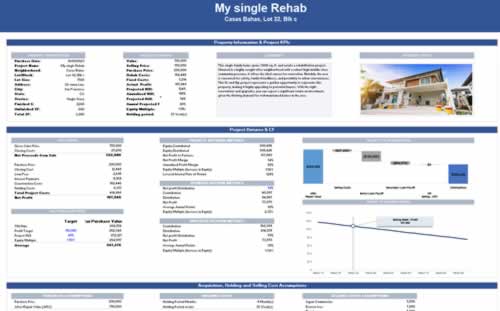
REAL ESTATE - FIX AND FLIP PRO-FORMA MODEL
This meticulously crafted Financial Model for Analyzing Fix and Flip Deals is a powerful yet user-friendly template designed to provide you with all the essential metrics you need for successful house-flipping ventures.
KEY FEATURES
Property
[read more]
Excel workbook
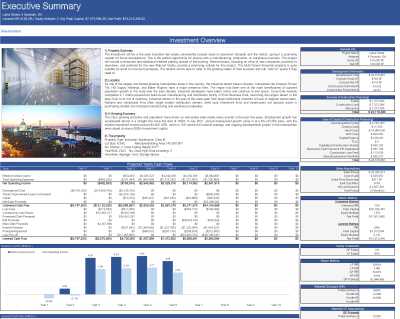
An Excel-based analysis tool for the ground-up development, operation, and ultimate disposition of a single- or multi-tenant Industrial/retail property with or without streams.
The model is monthly in nature, and it is a 100% unlocked Excel file with fully transparent formulas that can be
[read more]
Excel workbook
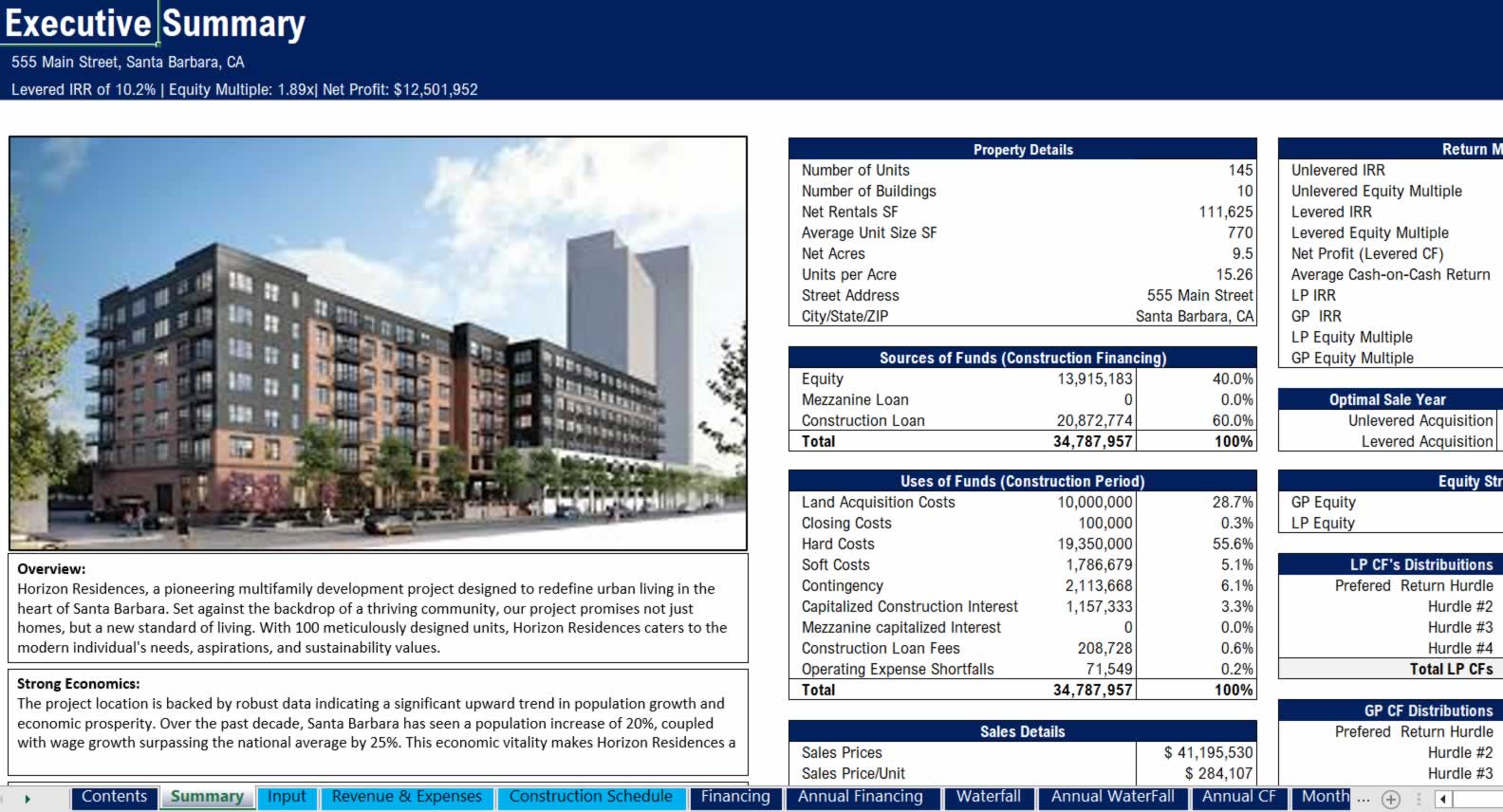
This is a detailed and user-friendly Excel spreadsheet template that provides a comprehensive and dynamic financial model for real estate development of institutional quality. It is specifically designed to evaluate the investment viability in multi-family properties with a high degree of
[read more]

Excel workbook
New Version Updates:
The model supports now up to 50 properties
Updated Acquisition, Financing and Operations Assumptions and Output Reports
New Investors Distribution Waterfall & Fund Summary
Model Description:
Real estate private equity (REPE) firms raise capital from outside
[read more]