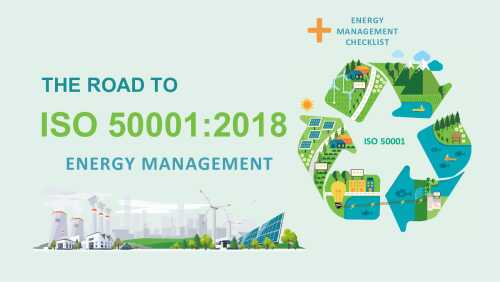
Editor's Note: Take a look at our featured best practice, ISO 50001:2018 Energy Management System Training (126-slide PowerPoint presentation). Unlock Energy Efficiency with ISO 50001:2018 Energy Management System Training Kit
Learning Objectives:
Understand ISO 50001-2018 Energy Management System (EnMS) and its significance.
Explore the principles of effective energy management.
Discover new approaches to energy management for [read more]
* * * *
For homeowners, a big appeal of heating maintenance is its potential to lower energy bills. Indeed, proper servicing can improve energy efficiency. However, not all maintenance tasks are related to energy consumption and efficiency.
Let’s go through everything about heating maintenance services to determine if it is a good strategy to keep energy bills down. You should always work with a licensed provider for HVAC work to ensure quality and protection.
Which Heating Maintenance Tasks Can Improve Energy Efficiency?
A thorough heating maintenance process consists of numerous steps. Among them, these tasks can generally improve energy efficiency:
Clearing blockages
Debris in and outside of vents will be cleared. This improves air circulation, reducing the strain on the system. The technician will check both indoor and outdoor units if applicable.
Cleaning the radiators
The dust and buildup on the surface can obstruct the airflow. Cleaning it can enhance the heat transfer efficiency.
Measuring system pressure
The internal system pressure reveals how efficiently heat is being channeled throughout the home. A low pressure may indicate a broken pipe or a leak somewhere.
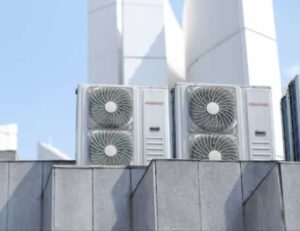
Cleaning outdoor units
Outdoor units are more susceptible to weather damage. They need to be cleaned and inspected regularly.
Why Does Heating Maintenance Matter More as a System Gets Older?
Heating system maintenance becomes more and more important as the system gets older. Older systems are more prone to breakdowns. The minor issues over the years can escalate, leading to more serious issues.
Cumulative buildup
Dust, rust, and debris that are left uncleaned for years can build up. Eventually, the obstruction will act as insulation, affecting the heat transfer process. The system has to burn more fuel to maintain the same output level.
Wear and tear
The internal component conditions will deteriorate over the years. They will break down at one point and need to be replaced. Sometimes, annual inspection can only monitor the situation, giving you time to plan for a replacement. You are often not advised to replace expensive components until they break down.
Safety risk
An aging combustion system has a higher risk of leaks due to a cracked heat exchanger. This makes annual maintenance vital in verifying a safe setup. The technician has to confirm the carbon monoxide emissions every time.
Older systems experience more issues. Their efficiency ratings also do not meet modern standards as well. The technician has to optimize the system every time for energy efficiency.
What Other Factors Affect Your Heating Bill Besides Maintenance?
There are a lot of factors that can affect heating system efficiency. While maintenance is one of the key factors, there are still other things to consider.
Temperature setting
Even during the coldest months, an optimal temperature of 68°F is suggested for most households. A higher temperature will require the system to work more. It is usually not the most efficient to set the temperature to over 80°F.
Duration
For many households, the furnace usually does not have to stay on 24/7. It can be turned on for a few hours in the morning to heat up the house. It is often sufficient to keep the house warm during the day. It can be turned back on in the evening before bedtime.
Insulation quality
If the house is not properly insulated, the heating equipment has to work continuously to produce heat. It will cause the energy bills to rise.
Is Annual Heating Maintenance Worth the Cost?
In most cases, yes. Annual maintenance can generally lead to lower heating costs. It is a small investment that protects households from using problematic heating devices. A lot of local providers like Fusion Repair will optimize the settings during the inspection to further help with energy efficiency.
The provider can walk you through how a proper service can restore performance and lead to long-term savings.
How Can Homeowners Tell Whether Maintenance Is Actually Saving Energy?
There are several ways homeowners can tell if the annual maintenance is paying off.
Smart meter readings
The smart meter can track energy consumption. You can take a look at how the furnace is consuming energy before and after the service.
Monitor runtime
If the system no longer short-cycles and has a consistent runtime, it is likely to be running more efficiently than before.
Check room temperatures
Once you have improved insulation and system efficiency, room temperatures should stabilize. There should not be cold or hot spots. Even temperatures mean the system is working optimally. It is not overworking to compensate for the loss of energy.
In Conclusion
Regular maintenance tends to help with energy saving. Homeowners usually notice lower energy bills after their annual visit. However, it is not the only deciding factor. You still need to insulate your property and use the equipment reasonably to enhance long-term savings.
This document includes a set of slides on Active Power Management. Active Power Management is a type of "Green IT" that is often sold by IT or technology consulting firms. These slides were originally developed to be included in sales decks for a management consulting firm.
Active Power [read more]
Do You Want to Implement Business Best Practices?
You can download in-depth presentations on Energy Management and 100s of management topics from the FlevyPro Library. FlevyPro is trusted and utilized by 1000s of management consultants and corporate executives.
For even more best practices available on Flevy, have a look at our top 100 lists:
These best practices are of the same as those leveraged by top-tier management consulting firms, like McKinsey, BCG, Bain, and Accenture. Improve the growth and efficiency of your organization by utilizing these best practice frameworks, templates, and tools. Most were developed by seasoned executives and consultants with over 20+ years of experience.
Readers of This Article Are Interested in These Resources
Energy Management, as defined by ISO 50001, represents a systematic approach to continuously improve an organization's energy performance, efficiency, and sustainability. This international standard provides a robust framework that empowers organizations to establish, implement, maintain, and [read more]
Curated by McKinsey-trained Executives
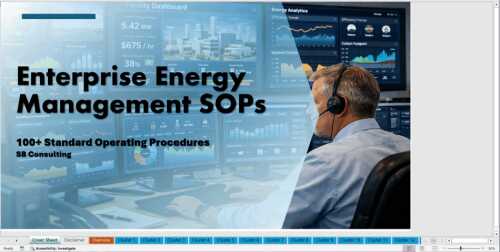
100+ Enterprise Energy Management SOPs Library (Excel Template)
The Ultimate Energy Management Execution System for Enterprises
Stop energy waste. Start controlling cost, carbon, and performance at scale.
The Enterprise Energy Management SOPs [read more]
 For homeowners, a big appeal of heating maintenance is its potential to lower energy bills. Indeed, proper servicing can improve energy efficiency. However, not all maintenance tasks are related to energy consumption and efficiency.
 In Conclusion