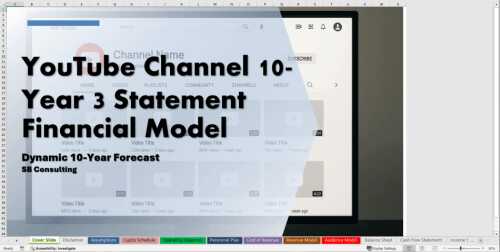
Editor's Note: Take a look at our featured best practice, YouTube Channel Creators Financial Model (10 Year Forecast) (Excel workbook). Unlock the potential of your YouTube channel with this comprehensive financial model designed for creators aiming to plan, analyze, and scale their digital content business over the next decade.
This user-friendly tool provides an in-depth financial forecast tailored specifically for YouTube [read more]
* * * *
Klap app does one thing reasonably well, but if you’ve ever uploaded a long interview and gotten back clips that cut off mid-sentence or missed the best moments entirely, you already know the frustration. The best Klap app alternatives fix exactly that, with sharper AI detection, better subtitle accuracy, and more control over branding. Manually editing short clips from long videos eats hours fast. After reviewing the top tools in this space, this guide covers five solid options worth your time.
The Shortlist Methodology
Every pick here came from publicly available sources, including user reviews, feature documentation, and platform-specific case studies pulled from review directories and official product sites. Only tools with a real track record in video creation made the cut.
→ See the full research breakdown
ZapCap – Best for content creators and video editors seeking automated captioning
Opus – Best for long-form video repurposing
quso – Best for social media video creation and content repurposing
2short – Best for content creators and podcasters repurposing long-form videos
Munch Studio – Best for social media automation and content distribution for video creators
The Stakes behind Choosing Klap App Alternatives
Picking the wrong tool here costs more than just money. It costs time you don’t have. Manually clipping long-form videos is one of the most time-consuming tasks in a creator’s workflow, and AI tools that miss context or grab irrelevant segments make things worse, not better.
The right alternative handles the heavy lifting without creating new editing work. Consistent branding across auto-generated clips is another real challenge, especially when you’re publishing across TikTok, Reels, and Shorts at the same time.
A well-chosen tool changes the numbers that matter: more clips generated per hour of source video, lower word error rates in subtitles, and real time saved per video compared to doing it manually. That’s the difference between a tool that actually helps and one that just adds friction.
5 Klap App Alternatives Compared
Note: All data in this table is sourced from review platforms and the official websites of the listed companies.
Company Name
Headquartered In
ZapCap
Sydney, Australia
Opus
–
quso
New York City, United States
2short
Slovakia
Munch Studio
Middletown, DE
1. ZapCap – Best for Automated Captioning and Video Editing
How Can ZapCap Help You?
ZapCap runs on OpenAI’s Whisper technology, which puts its subtitle accuracy well ahead of most tools in this category. They support auto-captions in 100+ languages with frame-accurate timing, which matters a lot if your audience isn’t all English-speaking. The platform also automates B-roll selection and transitions, so creators aren’t stuck doing that manually. With 50+ animated caption styles and timeline editing, ZapCap gives creators real control without requiring professional editing skills. The free tier (three videos per month, no credit card) makes it genuinely easy to try.
Where Does ZapCap Win for Klap App Alternatives?
ZapCap directly solves the subtitle accuracy problem that most Klap alternatives still struggle with, especially for non-English or accented speech. Their use of Whisper-grade transcription means creators spend far less time correcting captions after export, and that adds up fast at scale.
What the Reviews Show:
Over 500,000 active users and a 4.9/5 rating tell a pretty consistent story. Creators highlight time savings as the standout benefit, with the platform reportedly saving 175,000+ hours across 95,000+ creators. That kind of adoption from names like Ali Abdaal and Jay Shetty builds real trust.
2. Opus – Best for Long-Form Video Repurposing
How Can Opus Help You?
Opus focuses on pulling the strongest moments out of long-form content and turning them into short-form clips ready for social platforms. The idea is that creators shouldn’t have to watch their own footage to find the highlights. Their AI scans the content and picks what it thinks will perform. It’s built for YouTubers and podcasters who want a faster path from raw recording to published Shorts or Reels without sitting in a timeline editor.
Where Does Opus Win for Klap App Alternatives?
Opus tackles the specific frustration of AI clip detection missing context, since their model is tuned for spoken-word content where timing and emphasis actually matter. For creators dealing with long episodes or interview formats, that focus on conversational content makes the clips feel more natural than what generic repurposing tools produce.
What the Reviews Show:
Users generally point to clip quality as the main reason they stick with Opus over other tools. The strongest feedback comes from podcast creators who appreciate that the AI tends to pick moments with a narrative arc rather than just loud or random segments. That kind of specificity is rare in this category.
3. quso – Best for Social Media Video Creation and Content Repurposing
How Can quso Help You?
quso.ai positions itself as the one tool that replaces several others, covering AI clip generation, subtitle creation in 100+ languages, content repurposing, social media scheduling, and video editing all in one place. Founded in 2021 and backed by Google for Startups Accelerator and Entrepreneur First, they’ve grown to 4M+ users without leaning on a large team (just 25 people based in New York City). For creators tired of juggling Opus Clip, Descript, and CapCut separately, quso offers a consolidated workflow that keeps everything connected.
Where Does quso Win for Klap App Alternatives?
quso addresses the problem of managing too many disconnected tools by bringing clip generation, subtitling, and scheduling into one platform. For social media managers handling content across multiple channels, that unified approach saves real coordination time.
What the Reviews Show:
With 4M+ users, the feedback patterns are broad, but creators consistently mention the multi-tool replacement angle as the main draw. Smaller teams and solo creators find particular value in not having to export from one tool and import into another just to add subtitles and schedule a post, which saves time and money at scale.
4. 2short – Best for Repurposing Long-Form Videos Across Platforms
How Can 2short Help You?
2short built their platform around spoken-word content, which makes sense given how much creator output comes from podcasts, educational videos, and commentary. Their AI pulls compelling moments from long recordings, keeps speakers centered with facial tracking, and adds one-click animated subtitles. Multiple aspect ratio support means a single upload can produce clips sized for TikTok, Reels, and YouTube Shorts at the same time. Brand presets for logos and overlays also help creators maintain visual consistency without touching each clip manually.
Where Does 2short Win for Klap App Alternatives?
2short solves the branding consistency problem directly, since their preset system keeps logos and overlays locked across every clip batch without requiring manual adjustments. For creators publishing across multiple platforms daily, that kind of automation is genuinely hard to match.
What the Reviews Show:
Creators working with educational and podcast content tend to leave the strongest feedback for 2short. The facial tracking feature gets called out often as something that actually works (not just on the features page), and the free starting tier helps new users test it before committing to a paid plan.
5. Munch Studio – Best for Social Media Automation and Content Distribution
How Can Munch Studio Help You?
Munch Studio takes a different angle than most tools here. Rather than just clipping video, their AI learns from the content a business submits and generates tailored social media posts and distribution strategies across Instagram, Facebook, and LinkedIn. The one-click approve-and-schedule workflow is built for creators who produce video content but need a fast path to multi-platform distribution without spending hours writing captions or planning post timing. Testimonials from users with followings between 14.9K and 4.5M suggest the platform performs across a wide range of creator sizes.
Where Does Munch Studio Win for Klap App Alternatives?
Munch Studio addresses a gap that most clipping tools ignore: what happens after the clip is ready. Their distribution automation handles the publishing side, which means creators aren’t left with a folder of short clips and no fast way to get them live.
What the Reviews Show:
User testimonials point to time and money savings as the biggest wins. Creators report managing their full social presence in roughly 10 minutes per week and saving around $300 weekly (think agency-level output without agency pricing). The agency side of the platform also gets strong marks for multi-client management with dedicated support.
Evaluation Criteria and Research Approach
Building a shortlist of genuinely useful Klap app alternatives meant going further than just pulling names from a popular tools list. The process below explains how each option was sourced, screened, and verified.
Establishing Your Data Parameters
The initial pool of candidates was built from multiple directions at once. Product directories, creator community forums, review aggregators, and official product websites were all used to surface tools that address long-form to short-form video repurposing. The goal at this stage was breadth, so no tool was ruled out early based on size or price point. What mattered was whether the tool operated in the same space as Klap and offered meaningful differentiation worth examining.
Narrowing the Field: Initial Candidate Assessment
Once the broader list was assembled, options without verifiable information were removed. Tools with no documented user base, no review history, or no public feature documentation didn’t make it past this phase. Review patterns across platforms were analyzed to spot consistency, since a tool with 10 glowing reviews and nothing else raises different questions than one with hundreds of reviews showing the same recurring strengths. This step cut the field significantly and left only tools with enough of a real footprint to assess properly.
Claims Cross-Checked Against Sources
Every feature claim made on a tool’s own website was checked against what actual users described in their reviews. When a platform says their AI picks the best moments automatically, the review record shows whether that holds up or whether users are regularly correcting outputs manually. Discrepancies between marketing language and what users actually saw were flagged and factored into the final ranking.
The Authority Layer
Beyond reviews, signals like press coverage, mentions in creator publications, investor backing, and industry recognition were considered. These don’t determine a tool’s quality on their own, but they reflect how the broader market sees each platform. A tool backed by credible accelerators or cited consistently in creator resources suggests it’s been stress-tested beyond a single team’s internal testing.
Klap App Alternatives Case Files
Finally, each tool’s own documentation was reviewed for evidence of real-world application: dedicated use-case pages, verified workflow examples, and any case studies showing measurable outcomes. Tools that could point to specific creator workflows or documented time savings gave stronger confidence than those relying purely on feature lists. This layer was especially useful for understanding which tools are genuinely built for creators versus those that added repurposing as an add-on feature.
Finding the Right Klap App Alternatives for Your Needs
No single tool wins for every creator. The right fit depends on what’s actually slowing you down and what your workflow looks like day to day. Here’s what to think through before making a call:
Industry/Domain Experience: Look at whether the tool was built for your type of content. A platform built for podcasts handles spoken-word moments differently than one designed around vlogs or screen recordings.
Features and Service Options: Figure out which features you’ll actually use. Facial tracking, multi-format export, subtitle generation, and scheduling are all useful but not all equally important depending on your setup.
Pricing Structure: Credit-based and per-minute pricing models can get expensive fast at scale. Map out your monthly video volume before committing to any plan, especially if you’re publishing daily.
Results Measurement: Check whether the tool gives you any visibility into clip performance. Knowing which clips generated the most engagement helps you feed better inputs back into the AI.
Industry Knowledge and Compliance: If you publish across multiple platforms, confirm the tool stays current with each platform’s format and policy standards. Aspect ratios and file specs change, and a good tool keeps up without requiring manual updates on your end.
Final Words
Choosing from the best Klap app alternatives comes down to where your biggest friction point actually lives. If subtitles are the problem, ZapCap’s Whisper-grade accuracy is hard to beat. If distribution is the bottleneck, Munch Studio changes the math. quso makes sense when too many tools are the issue. The space is moving fast, and the tools that track clip engagement alongside generation will be the ones worth watching as AI repurposing matures.
Curated by McKinsey-trained Executives
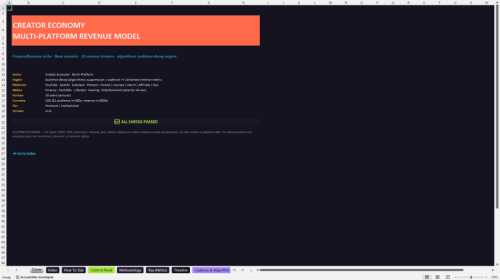
🎨 Creator Economy Platform Financial Model (10-Year Forecast)
The Complete Financial Planning & Forecasting System for Creator Economy Startups, Fan Monetization Platforms, and Digital Content Businesses 📊
The Creator Economy Platform [read more]
Do You Want to Implement Business Best Practices?
You can download in-depth presentations on Creator Economy and 100s of management topics from the FlevyPro Library. FlevyPro is trusted and utilized by 1000s of management consultants and corporate executives.
For even more best practices available on Flevy, have a look at our top 100 lists:
These best practices are of the same as those leveraged by top-tier management consulting firms, like McKinsey, BCG, Bain, and Accenture. Improve the growth and efficiency of your organization by utilizing these best practice frameworks, templates, and tools. Most were developed by seasoned executives and consultants with over 20+ years of experience.
Readers of This Article Are Interested in These Resources
Curated by McKinsey-trained Executives
🎬 YouTube Channel Financial Model | 3-Statement 10-Year Forecast
Turn your YouTube channel into a fundable, investor-ready business -- modeled like a Wall Street pro.
Whether you're a content creator ready to scale, a media investor [read more]
🚀 Creator Economy Multi-Platform Revenue Model is a professional financial planning workbook built for creators, influencers, educators, podcasters, musicians, streamers, newsletter writers, digital product sellers, creator agencies and creator-led businesses.
Modern creators do not rely on [read more]