Editor's Note: Take a look at our featured best practice, Digital Transformation Strategy (145-slide PowerPoint presentation). Digital Transformation is being embraced by organizations across most industries, as the role of technology shifts from being a business enabler to a business driver. This has only been accelerated by the COVID-19 global pandemic. Thus, to remain competitive and outcompete in today's fast paced, [read more]
Also, if you are interested in becoming an expert on Digital Transformation, take a look at Flevy's Digital Transformation Frameworks offering here. This is a curated collection of best practice frameworks based on the thought leadership of leading consulting firms, academics, and recognized subject matter experts. By learning and applying these concepts, you can you stay ahead of the curve. Full details here.
* * * *
For every organization, digital transformation is a crucial process where there’s no scope for errors in terms of IT infrastructure safety. AI plays a key role in this process.
About 87% of organizations had implemented digital transformation by 2025. Although the transformation is beneficial, network security becomes more vulnerable. AI in cybersecurity strengthens data protection. These network security solutions identify threats in real-time. They monitor networks and detect malicious activities 24/7.
AI threat detection cannot be compared with traditional security. It is faster, accurate and automates routine practices. These cyber threat detection services update security patches and block hidden dangers. They learn new threat patterns in real-time. Adopting AI IT security solutions protects data during digital transformation.
Closing Skills Gaps and Supporting IT Teams
Trained IT security professionals could be many. However, most of them may lack work experience. Hiring the available ones is costly and many organizations struggle with the budget. Migration into digital networks increases work demands from IT teams. AI in cybersecurity automates routine work. It improves efficiency and frees people from routine tasks. These IT security solutions scan logs, suggest action and prioritize threats. Adopting cybersecurity services closes skills gaps and improves IT team support.
Threats have advanced lately and AI threat detection should be advanced too. Implementing AI in cybersecurity is an advantage to organizations. It analyzes big data to identify abnormalities before damage is done. Modern network security solutions provide higher visibility in cloud and hybrid networks. Organizations should consider gathering information from trusted resources like https://moonlock.com/. The blog provides the latest information on emerging threats and ways to overcome them. You can learn best practices and the trending cyber threat detection solutions, especially if you are a Mac user.
Real-time Threat Detection
AI threat detection ability is advanced beyond traditional security tools. Modern cybersecurity services monitor systems around the clock. These systems are dynamic and able to spot new or hidden threats. Adopting modern network security solutions simplifies the work of IT teams. It makes it easy to integrate into the cloud, network traffic and local databases.
Recent reports show that AI cyber threat detection saves detection time by up to 96%. These systems have a higher accuracy rate and hardly miss new malware patterns. This kind of detection speed is necessary in a modern digital environment. AI solutions send attack signals faster than any human capability. They offer accuracy beyond traditional cybersecurity services.
Handling Alert Fatigue and False Alarms
Security systems may generate false security alerts during the digital transformation process. An increase in false alerts causes fatigue to security teams. Modern IT security solutions provide intelligent filtering and analysis. It filters out patterns, making sure it sends alert signals when threats are real.
This eliminates unnecessary work and allows seamless digital transformation. AI handles initial analysis and observation that human teams cannot handle. It allows them to put more time into the migration strategy. These security solutions help in handling complex challenges.
Providing Predictive Defenses and Proactive Protection
The work of AI cybersecurity services is not to react to threats only. These network security solutions offer many benefits during digital transformation.
It predicts them before they happen by learning historical and emerging patterns. This capability lets AI identify signs and send alerts before breaches happen.
AI in cybersecurity automatically isolates affected systems. It does this after recognizing threats in their early stages. This helps stop the spread of the attack to other systems.
Proactive defenses help teams achieve automatic responses. This saves organizations downtime and breaches that could lead to huge losses.
Emerging threats exploit known historical vulnerabilities. An AI defense system predicts new patterns before they happen.
These proactive measures prevent the highly dangerous zero-day attacks from happening.
Stronger Identity and Access Controls
A digitally transformed system works best on a decentralized platform. This allows organizations to accommodate more users in the system. Companies seamlessly integrate more devices and applications. This creates a new challenge of managing access and identifying users, which is why many organizations rely on identity and access management systems to control permissions and verify user identities
AI network security solutions learn the unique behavior of each user. It monitors this behavior 24/7 and automatically detects malicious activities. The system detects access from suspicious places or unusual times.
Such measures are important in the hybrid, remote access and cloud environments. Sometimes the system triggers extra authentication. It may also block access until the IT team confirms the attempted access is genuine.
Quickest Incident Response
Speed is critical when an attack happens during the digital transformation process. Delayed action could lead to a system outage and data loss. Integrating AI cyber threat detection automates routine tasks and speeds up response time. AI may apply security patches across the network.
It may disconnect affected devices and block malicious traffic. These capabilities are useful in the digital transformation processes. AI works simultaneously even in complex distributed systems. It protects decentralized platforms and apps and detects threats faster than ever.
Conclusion
Traditional security solutions cannot effectively fit in digitally transformed systems. AI cybersecurity services offer real-time threat detection. They are designed for smarter alert management and automated responses. These systems allow scalability and speed in recognizing and controlling threats. They protect devices, endpoints, cloud databases and networks. The future of seamless service delivery is in digital transformation. AI in cybersecurity is the main pillar of secure and strong digital environments.
EXECUTIVE OVERVIEW
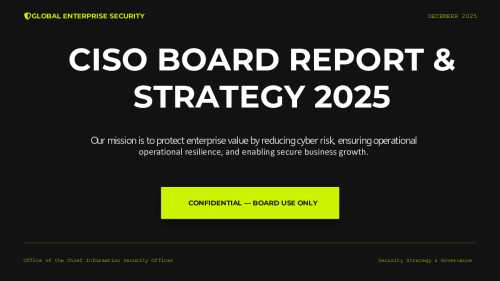
In the hyper-connected threat environment of 2026, cyber risk has evolved from an IT issue into a board-level business imperative. Recent industry data reveals that data breaches cost enterprises an average of $4.95 million per incident. The CISOs who succeed are those who [read more]
Want to Achieve Excellence in Digital Transformation?
Gain the knowledge and develop the expertise to become an expert in Digital Transformation. Our frameworks are based on the thought leadership of leading consulting firms, academics, and recognized subject matter experts. Click here for full details.
Digital Transformation is being embraced by organizations of all sizes across most industries. In the Digital Age today, technology creates new opportunities and fundamentally transforms businesses in all aspects—operations, business models, strategies. It not only enables the business, but also drives its growth and can be a source of Competitive Advantage.
For many industries, COVID-19 has accelerated the timeline for Digital Transformation Programs by multiple years. Digital Transformation has become a necessity. Now, to survive in the Low Touch Economy—characterized by social distancing and a minimization of in-person activities—organizations must go digital. This includes offering digital solutions for both employees (e.g. Remote Work, Virtual Teams, Enterprise Cloud, etc.) and customers (e.g. E-commerce, Social Media, Mobile Apps, etc.).
Cybersecurity is a growing threat and should be at the forefront in any IT Risk Management Strategy. As role of
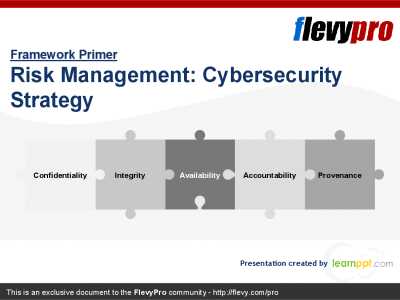
The PPT outlines the critical elements of a robust cybersecurity strategy, emphasizing the importance of integrity, availability, accountability, and provenance of information. It [read more]
Curated by McKinsey-trained Executives
Master Cybersecurity with the Ultimate Guide
Are you ready to elevate your organization's cybersecurity strategy to new heights? Dive into our comprehensive guide, a must-have resource for businesses, IT professionals, and compliance officers seeking [read more]
This Word Document provides a template for an IT Security & Governance Policy and is easily customisable. Areas cover are: Security, Data Back-Up, Virus Protection, Internet & Email usage, Remote & 3rd Party Network Access, User-Account Management, Procurement, Asset Management and IS Service [read more]
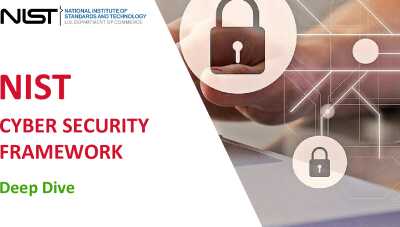
The National Institute of Standards and Technology (NIST) Cybersecurity Framework stands as a pinnacle of guidance in the realm of cybersecurity. Developed by NIST, a non-regulatory agency within the United States Department of Commerce, this framework has garnered widespread recognition and [read more]
 For every organization, digital transformation is a crucial process where there’s no scope for errors in terms of IT infrastructure safety. AI plays a key role in this process.
 Handling Alert Fatigue and False Alarms