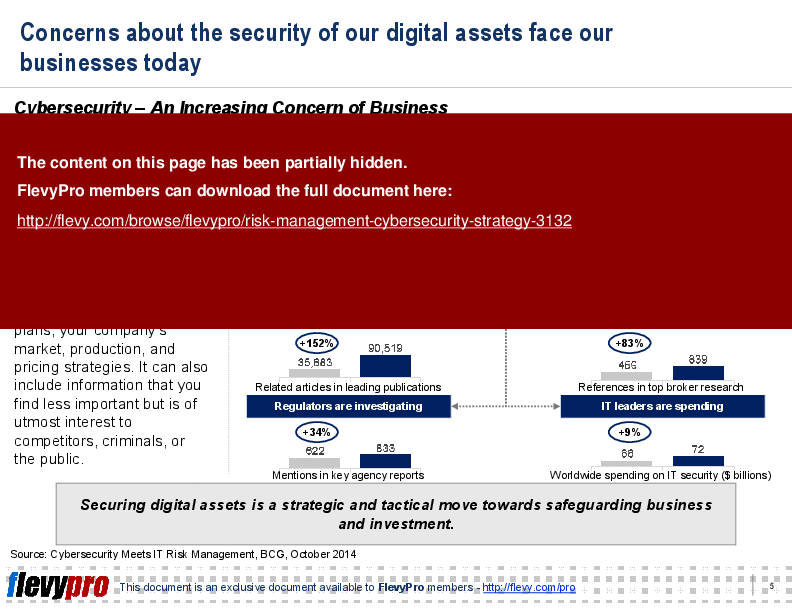

Cybersecurity is a growing threat and should be at the forefront in any IT Risk Management Strategy. As role of
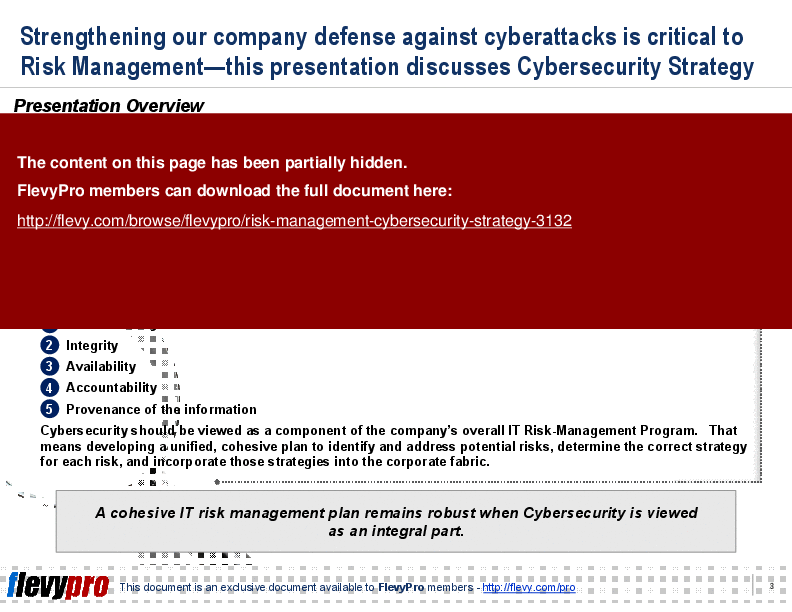
The PPT outlines the critical elements of a robust cybersecurity strategy, emphasizing the importance of integrity, availability, accountability, and provenance of information. It provides a comprehensive approach to identifying and addressing potential risks, ensuring that each strategy is seamlessly integrated into the corporate fabric. The presentation also highlights the increasing vulnerability as companies digitize their operations, stressing the need for a cohesive IT risk management plan.
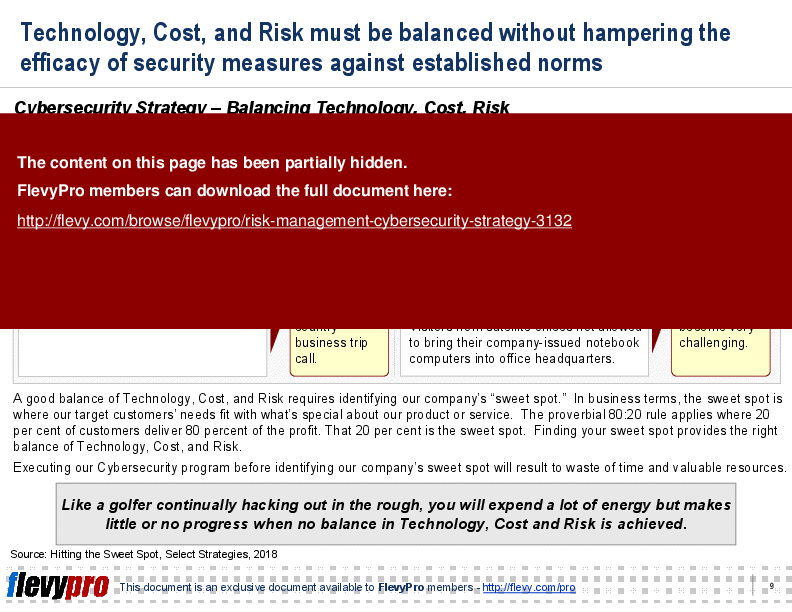
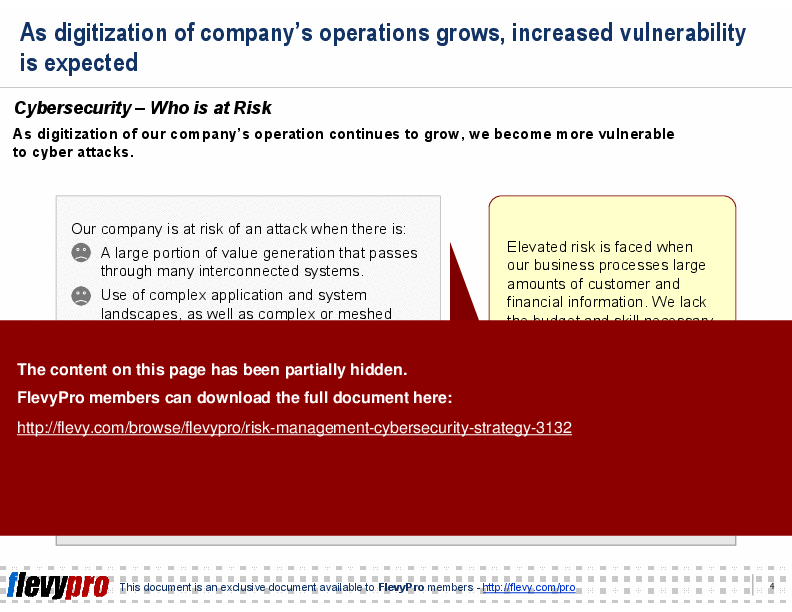
The content delves into the specifics of who is at risk, detailing scenarios where companies face elevated threats due to interconnected systems and complex application landscapes. It underscores the necessity of balancing technology, cost, and risk to create a secure environment without hampering operational efficiency. The document also discusses the strategic and tactical measures required to safeguard digital assets, which are critical to maintaining competitive advantage and regulatory compliance.
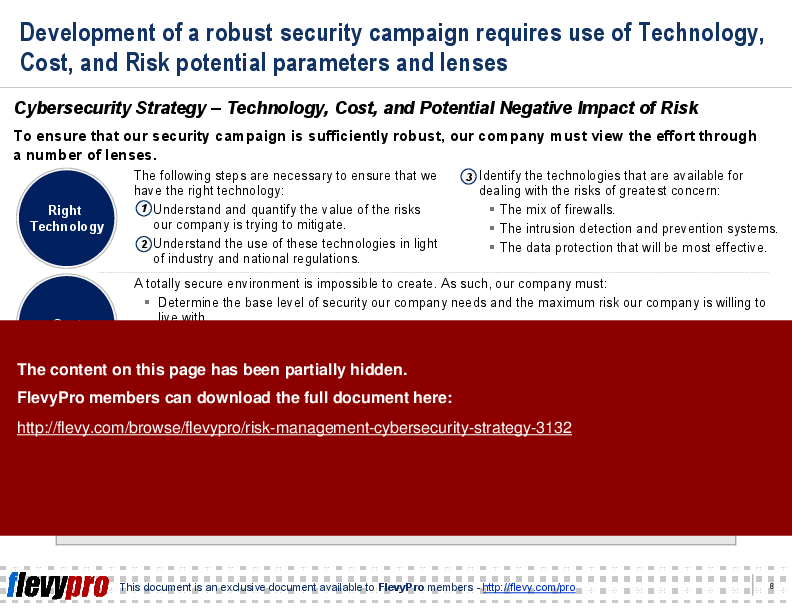
This resource is essential for executives looking to fortify their cybersecurity posture. It offers actionable insights into developing a robust security campaign, addressing the potential negative impacts of risk, and ensuring that the right technology is in place. By understanding the six broad categories of IT risk, companies can implement a comprehensive risk management program that minimizes costs and maximizes protection against cyber threats.
Got a question about this document? Email us at flevypro@flevy.com.
Executive Summary
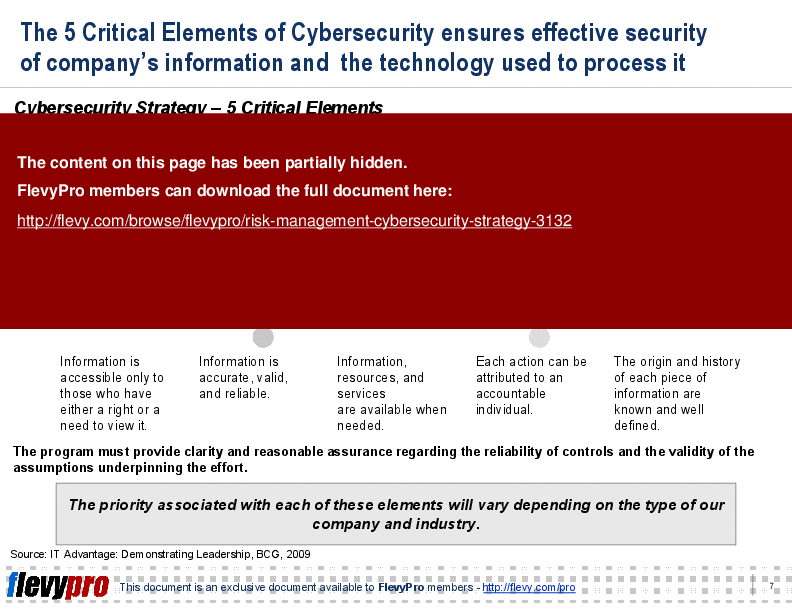
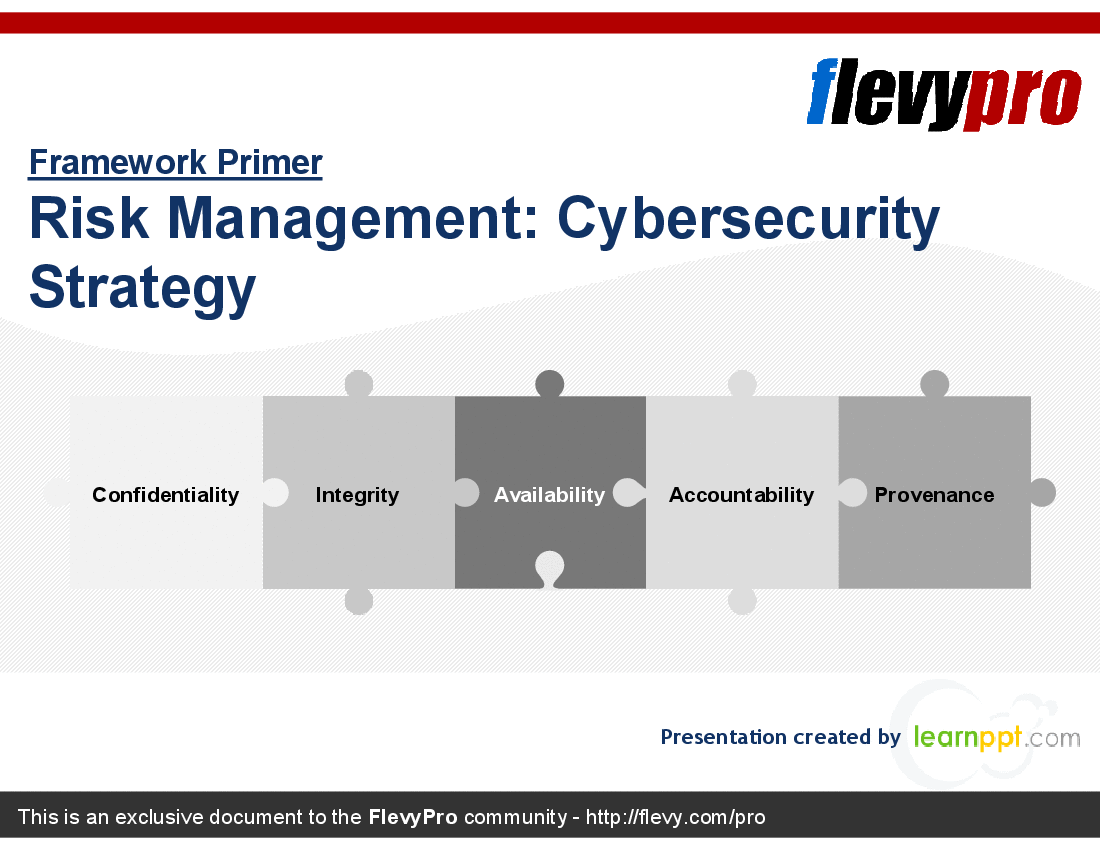
This presentation on Risk Management: Cybersecurity Strategy provides a structured approach to developing a robust cybersecurity framework. It emphasizes the critical need for organizations to enhance their defenses against cyber threats, particularly as digital operations expand. The presentation outlines essential elements of cybersecurity, including confidentiality, integrity, availability, accountability, and provenance. By utilizing this framework, corporate executives can effectively assess risks, implement strategic responses, and integrate cybersecurity into their overall IT risk management programs.
Who This Is For and When to Use
• Chief Information Officers (CIOs) responsible for overseeing IT security.
• Risk management professionals tasked with developing and implementing cybersecurity strategies.
• IT managers coordinating cybersecurity initiatives across various departments.
• Compliance officers ensuring adherence to regulations and standards related to data protection.
Best-fit moments to use this deck:
• During the development of a comprehensive IT risk management plan.
• When assessing organizational vulnerabilities in the face of increasing cyber threats.
• For training sessions aimed at enhancing awareness of cybersecurity principles among staff.
Learning Objectives
• Define the critical elements of a cybersecurity strategy and their importance.
• Identify the specific risks associated with IT security in various contexts.
• Develop a cohesive IT risk management plan that integrates cybersecurity measures.
• Establish protocols for assessing and managing potential cybersecurity threats.
• Implement strategies for maintaining data integrity and confidentiality.
• Evaluate the effectiveness of existing cybersecurity measures and identify areas for improvement.
Table of Contents
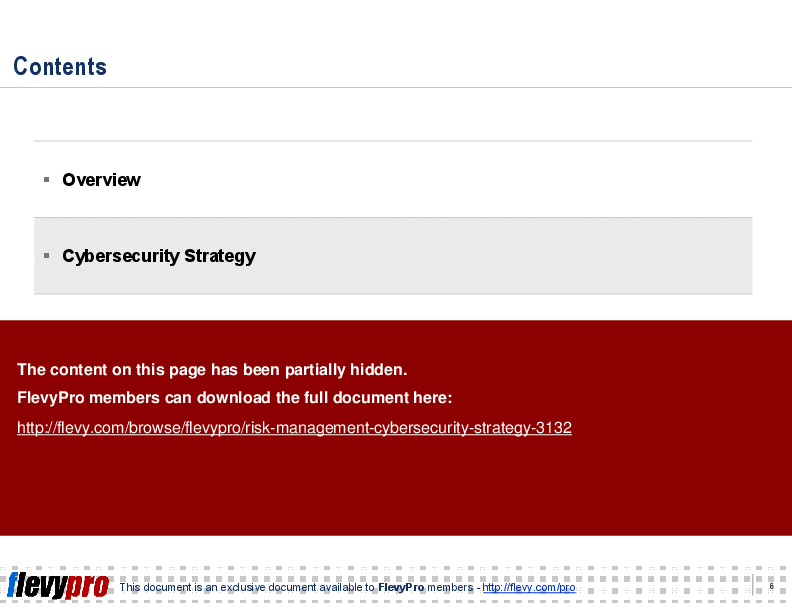
• Overview (page 3)
• Cybersecurity Strategy (page 4)
• IT Risk Management Planning (page 11)
• Categories of IT Risk (page 16)
• Templates (page 19)
Primary Topics Covered
• Cybersecurity Strategy - A structured approach to developing a cybersecurity framework that addresses critical elements such as confidentiality and integrity.
• IT Risk Management Planning - Strategies for integrating cybersecurity into overall IT risk management efforts to enhance organizational resilience.
• Categories of IT Risk - Identification of 6 broad categories of IT risk that organizations must address to mitigate vulnerabilities effectively.
• Critical Elements of Cybersecurity - An overview of the 5 essential components necessary for a robust cybersecurity strategy.
• Technology, Cost, and Risk - Balancing these factors to develop an effective cybersecurity program tailored to organizational needs.
• Risk Assessment Protocols - Guidelines for evaluating risks associated with data management and IT operations.
Deliverables, Templates, and Tools
• Cybersecurity strategy framework template for assessing organizational vulnerabilities.
• Risk management planning template to facilitate the integration of cybersecurity measures.
• Assessment tools for evaluating the effectiveness of existing cybersecurity protocols.
• Guidelines for developing training materials on cybersecurity awareness for employees.
• Templates for documenting risk assessments and mitigation strategies.
• Framework for continuous monitoring and improvement of cybersecurity practices.
Slide Highlights
• Overview of the 5 critical elements of cybersecurity, emphasizing their interrelatedness.
• Visual representation of the categories of IT risk and their implications for organizational security.
• Case studies illustrating the impact of effective cybersecurity strategies on business continuity.
• Graphical analysis of trends in cybersecurity threats and organizational responses.
• Summary of best practices for integrating cybersecurity into overall IT risk management.
Potential Workshop Agenda
Cybersecurity Strategy Development (90 minutes)
• Discuss the critical elements of cybersecurity and their relevance to organizational risk.
• Identify specific risks and vulnerabilities within the organization.
• Develop a preliminary cybersecurity strategy framework.
Risk Assessment and Management (60 minutes)
• Review the 6 categories of IT risk and their implications.
• Conduct a group exercise to assess organizational vulnerabilities.
• Outline strategies for mitigating identified risks.
Implementation Planning (90 minutes)
• Establish roles and responsibilities for executing the cybersecurity strategy.
• Develop a timeline for implementing key initiatives.
• Identify metrics for measuring the effectiveness of cybersecurity measures.
Customization Guidance
• Tailor the cybersecurity strategy framework to align with specific organizational goals and industry standards.
• Adjust risk assessment protocols to reflect the unique operational context of the organization.
• Incorporate relevant terminology and metrics that resonate with stakeholders across the organization.
Secondary Topics Covered
• The role of compliance in cybersecurity strategy development.
• Best practices for data lifecycle management and security.
• Strategies for engaging employees in cybersecurity awareness and training.
• The impact of emerging technologies on cybersecurity risk.
• Trends in regulatory requirements related to data protection and privacy.
Topic FAQ
Document FAQ
These are questions addressed within this presentation.
What are the critical elements of a cybersecurity strategy?
The critical elements include confidentiality, integrity, availability, accountability, and provenance, which collectively ensure effective security of information.
How can organizations assess their cybersecurity risks?
Organizations can assess risks by identifying vulnerabilities within their IT systems, evaluating the potential impact of data breaches, and determining the likelihood of various threats.
What is the importance of integrating cybersecurity into IT risk management?
Integrating cybersecurity into IT risk management allows organizations to develop a cohesive strategy that addresses potential risks and enhances overall resilience against cyber threats.
What are the 6 categories of IT risk?
The 6 categories include risks related to IT security, IT operations, IT projects, outsourced IT activities, company reputation, and data protection and privacy.
How can organizations balance technology, cost, and risk in their cybersecurity efforts?
Organizations should evaluate their security needs, determine acceptable levels of risk, and allocate resources effectively to achieve a balance that does not compromise security measures.
What role does employee training play in cybersecurity?
Employee training is crucial for raising awareness about cybersecurity risks and ensuring that staff understand their responsibilities in protecting sensitive information.
How can organizations measure the effectiveness of their cybersecurity strategies?
Organizations can measure effectiveness through metrics such as incident response times, the number of breaches, employee compliance rates, and overall risk assessments.
What should be included in a risk management plan?
A risk management plan should include risk identification, assessment protocols, mitigation strategies, and a framework for continuous monitoring and improvement.
Glossary
• Cybersecurity - The practice of protecting systems, networks, and programs from digital attacks.
• Risk Management - The process of identifying, assessing, and controlling threats to an organization's capital and earnings.
• Data Protection - Measures taken to safeguard personal data from unauthorized access or disclosure.
• IT Operations - The processes and services that are performed to manage and maintain IT infrastructure.
• Incident Response - The approach taken to prepare for, detect, and respond to cybersecurity incidents.
• Vulnerability Assessment - A systematic evaluation of security weaknesses in an information system.
• Compliance - Adherence to laws, regulations, guidelines, and specifications relevant to an organization.
• Data Breach - An incident in which unauthorized access to confidential data occurs.
• Provenance - The history of ownership or custody of a particular piece of information.
• Accountability - The obligation of an individual or organization to account for its activities and accept responsibility.
• Integrity - The assurance that information is accurate and reliable.
• Availability - The guarantee that authorized users have access to information and associated assets when required.
Source: Best Practices in Risk Management, Cybersecurity PowerPoint Slides: Risk Management: Cybersecurity Strategy PowerPoint (PPT) Presentation Slide Deck, LearnPPT Consulting
Did you need more documents?
Consider a FlevyPro subscription from $39/month. View plans here.
For $10.00 more, you can download this document plus 2 more FlevyPro documents. That's just $13 each.
|
Download our FREE Digital Transformation Templates
Download our free compilation of 50+ Digital Transformation slides and templates. DX concepts covered include Digital Leadership, Digital Maturity, Digital Value Chain, Customer Experience, Customer Journey, RPA, etc. |