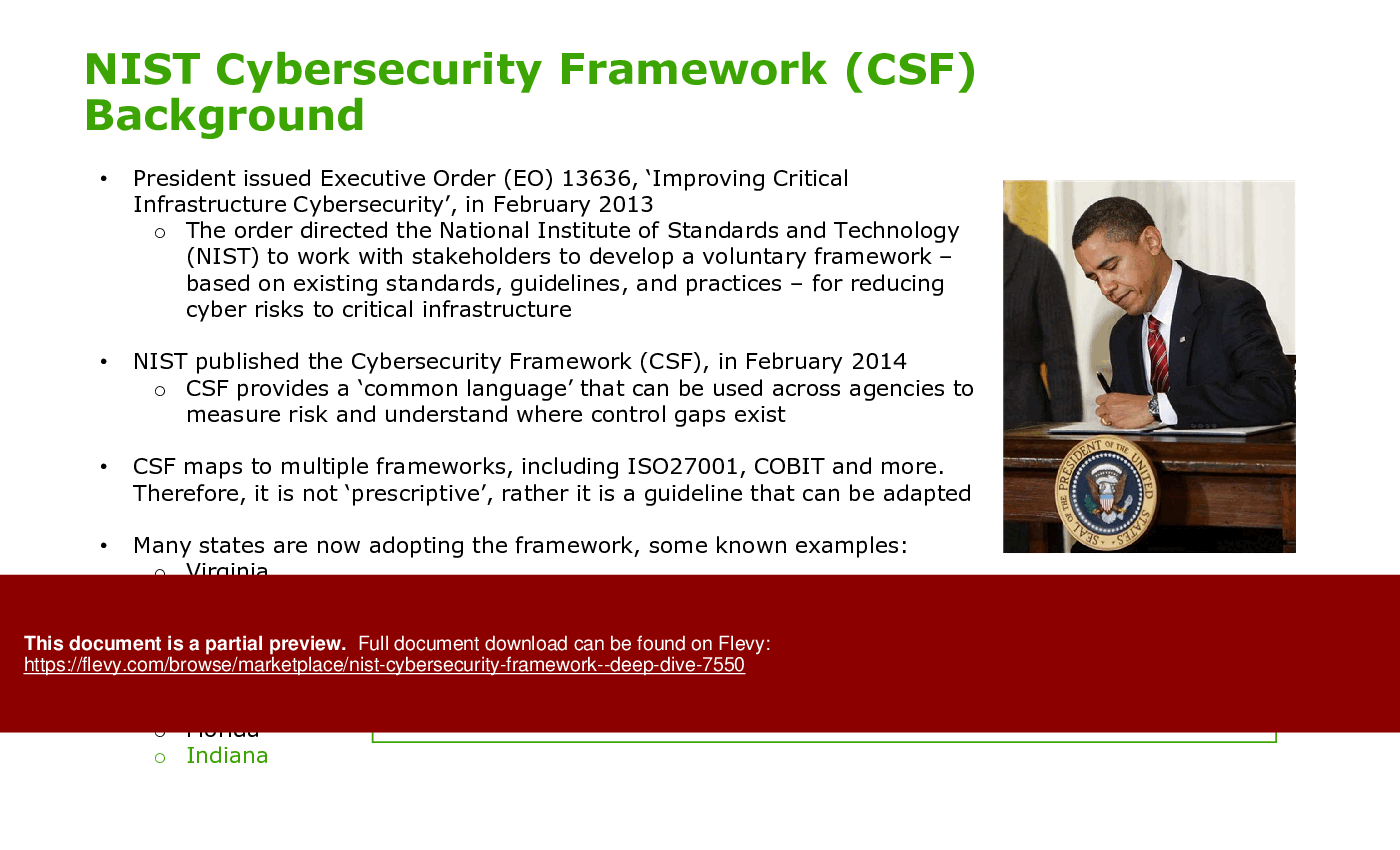

The National Institute of Standards and Technology (NIST) Cybersecurity Framework stands as a pinnacle of guidance in the realm of cybersecurity. Developed by NIST, a non-regulatory agency within the United States Department of Commerce, this framework has garnered widespread recognition and adoption. It emerged in response to Executive Order 13636, which urged the creation of a voluntary framework to bolster cybersecurity in critical infrastructure.
Key Components of the Framework:
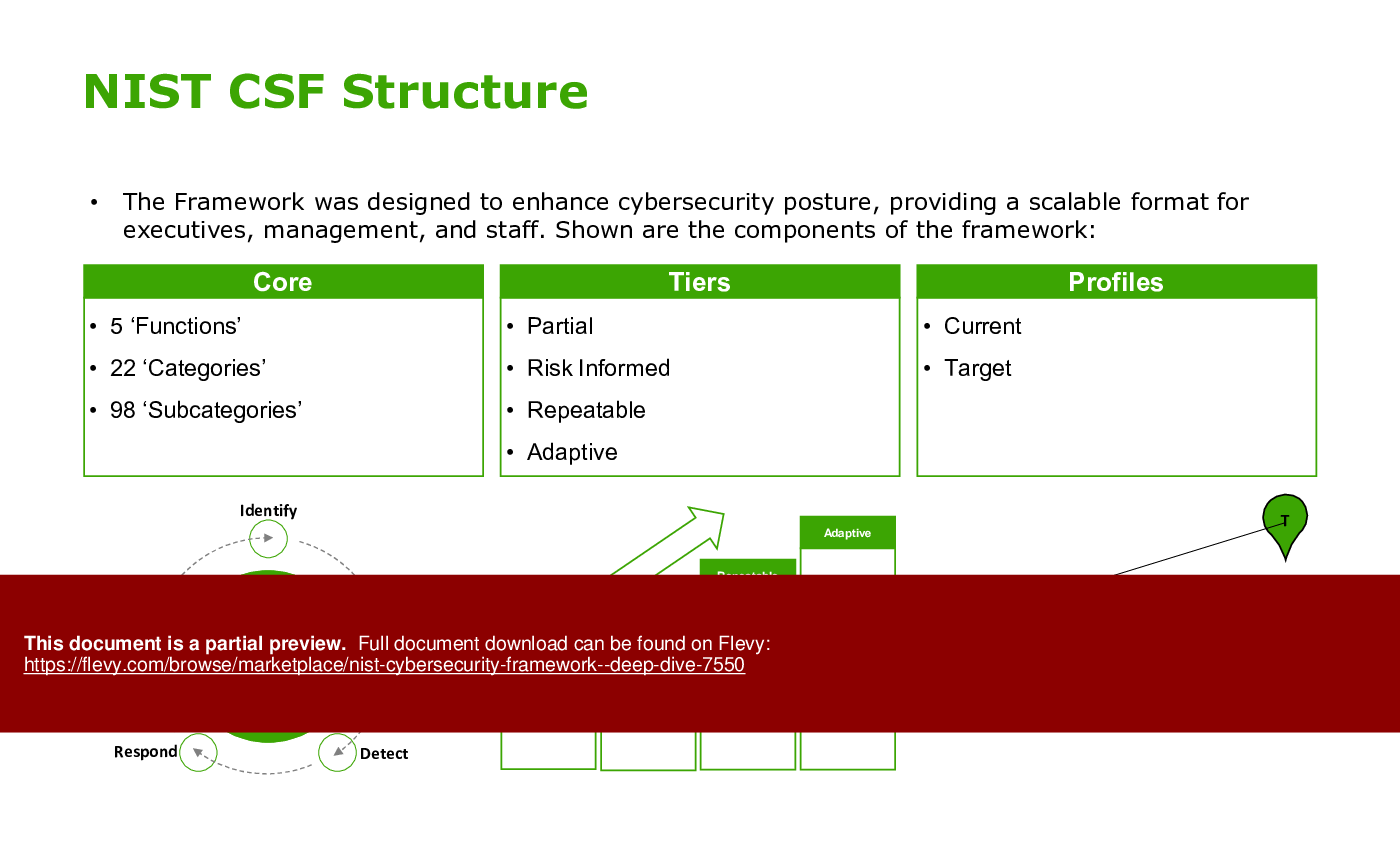
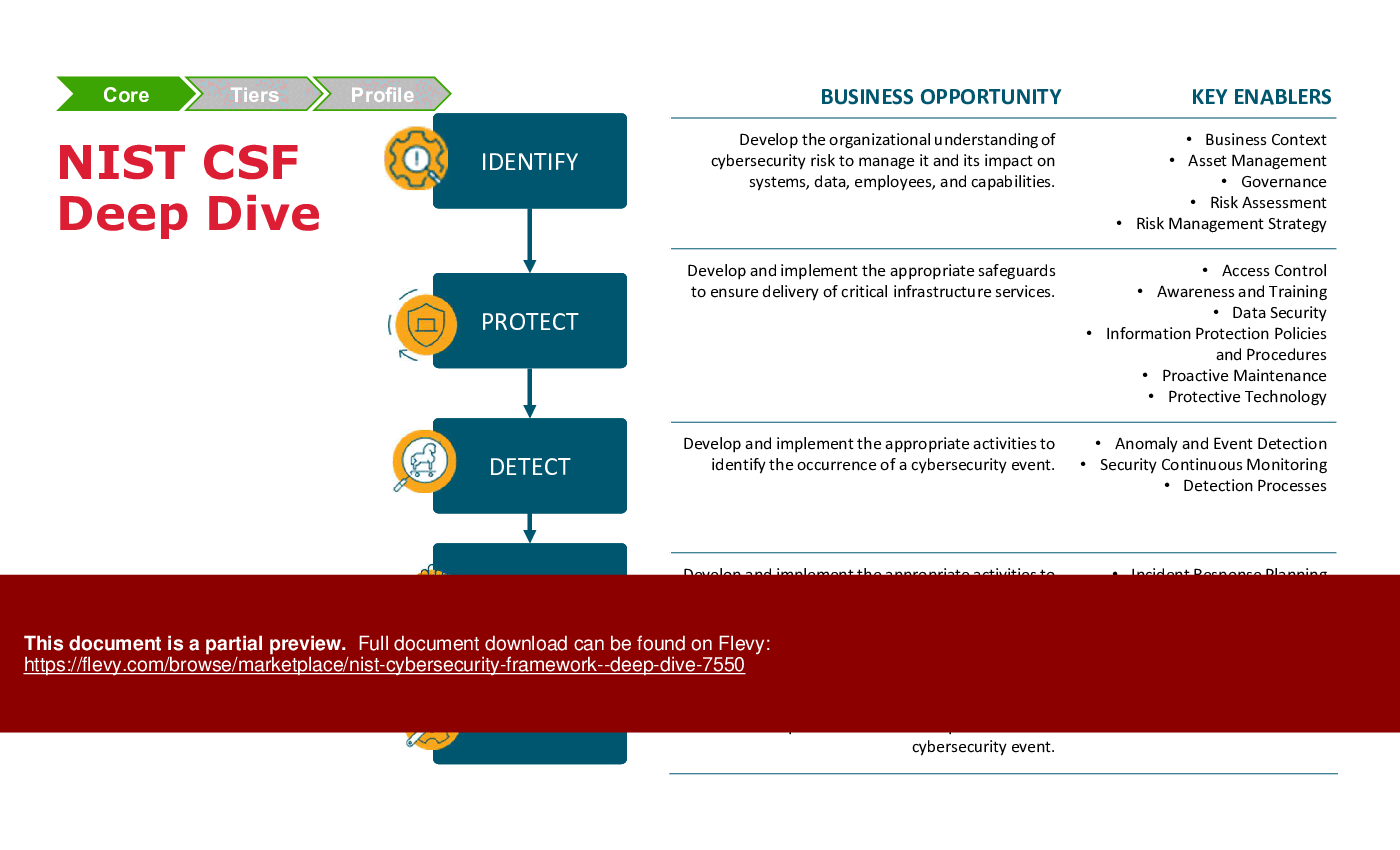
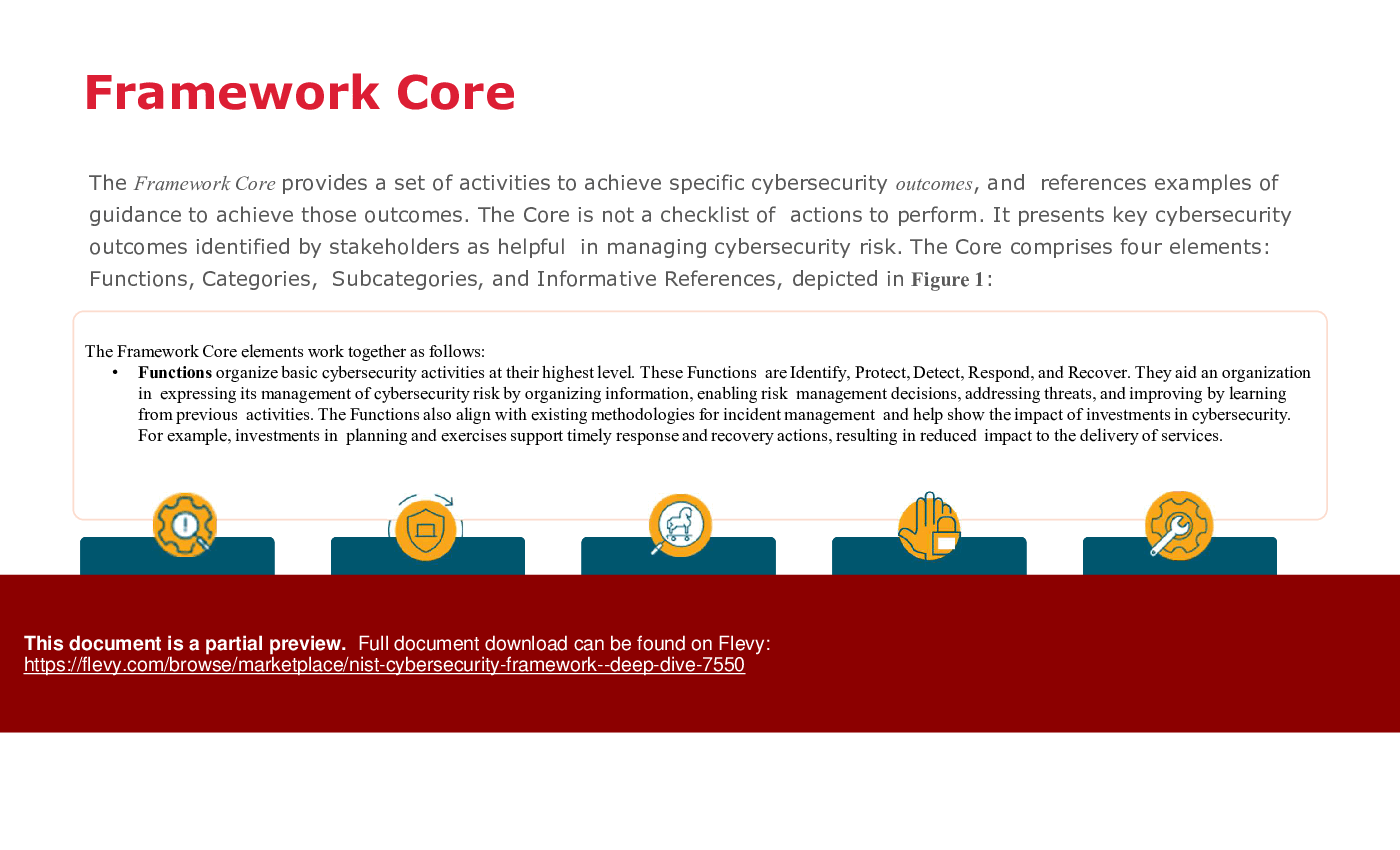
1. Core Functions: The Framework comprises five core functions, each playing a vital role in cybersecurity:
• Identify: Understand and manage cybersecurity risks.
• Protect: Implement safeguards against cyber threats.
• Detect: Employ processes and systems for identifying cybersecurity events.
• Respond: Develop and implement effective responses to cybersecurity incidents.
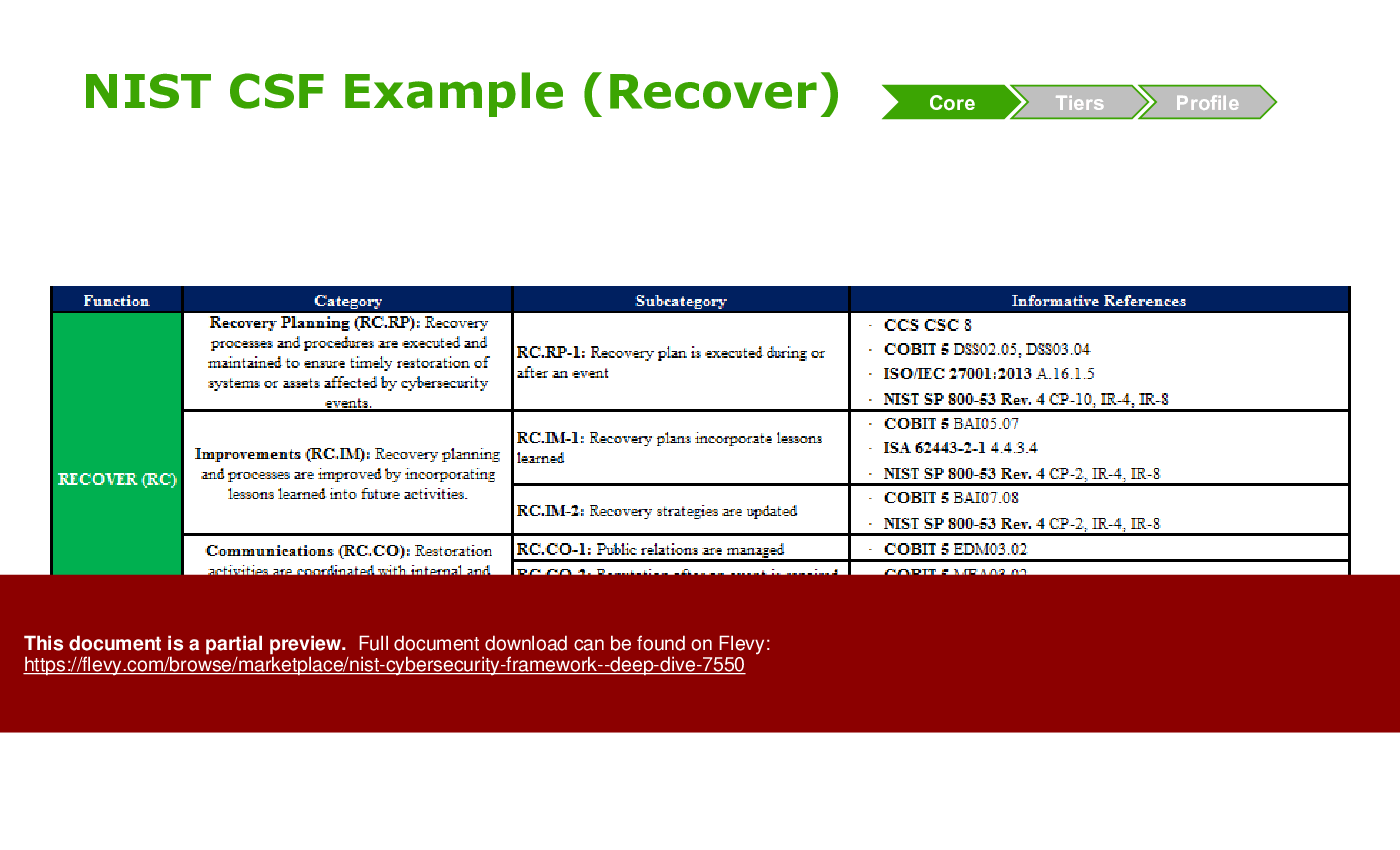
• Recover: Establish recovery and resilience plans.
2. Categories and Subcategories: These core functions branch into categories and subcategories, offering precise guidance on actions and outcomes, forming a comprehensive approach.
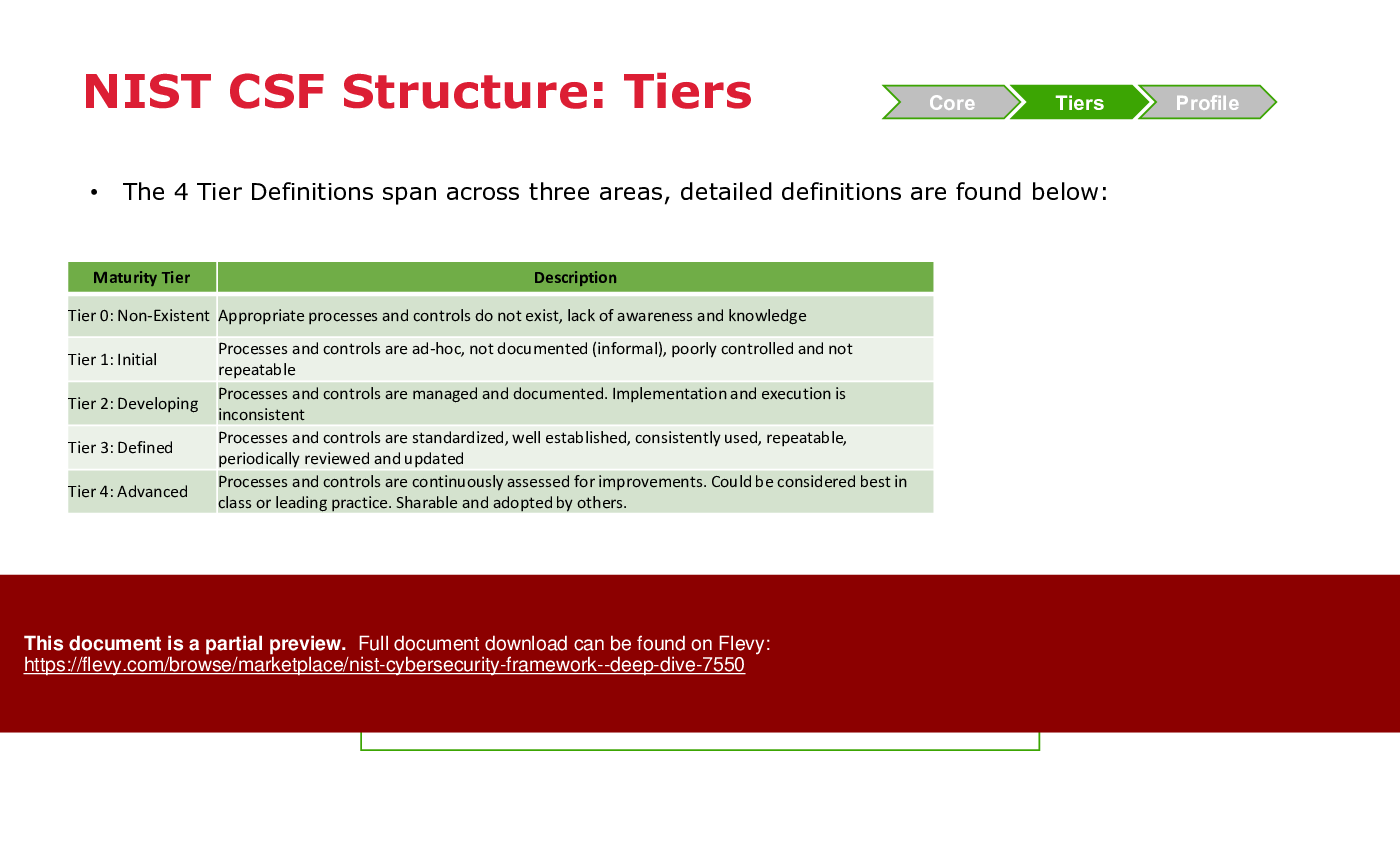
3. Implementation Tiers: NIST's framework introduces four implementation tiers, signifying the extent to which an organization's cybersecurity risk management practices merge with its overall risk management processes, ranging from "Partial" (Tier 1) to "Adaptive" (Tier 4).
4. Framework Profiles: Organizations can tailor framework profiles to align cybersecurity practices with their unique business needs, risk tolerance, and available resources.
Utilizing the Framework:
This framework empowers organizations in several ways:
• Organizations can evaluate their current cybersecurity practices using the Framework, identify gaps, and chart a roadmap for enhancing their cybersecurity posture.
• It establishes a common language for discussing cybersecurity risk management, aiding prioritization based on individual requirements.
Broad Adoption and Recognition:
The NIST Cybersecurity Framework has transcended organizational boundaries, winning adoption across sectors and industries. Government agencies, critical infrastructure providers, and private enterprises alike have embraced it. Its recognition as a tool for elevating cybersecurity risk management and fostering a cybersecurity-conscious culture is undisputed.
Continual Enhancement:
NIST remains committed to evolving the framework, ensuring it addresses emerging cybersecurity challenges and incorporates insights from the cybersecurity community.
In sum, the NIST Cybersecurity Framework is a versatile resource, adaptable to diverse organizational needs. It serves as a guiding light for bolstering cybersecurity defenses and fortifying against cyber threats. For organizations aspiring to initiate or elevate their cybersecurity programs, this framework is an indispensable reference and a testament to the power of structured cybersecurity practices.
This comprehensive deep dive into the NIST Cybersecurity Framework offers detailed insights into its structure, core functions, and implementation tiers. It includes practical templates and operational metrics to help organizations measure and enhance their cybersecurity posture effectively.
Got a question about the product? Email us at support@flevy.com or ask the author directly by using the "Ask the Author a Question" form. If you cannot view the preview above this document description, go here to view the large preview instead.
Executive Summary
The NIST Cybersecurity Framework - Deep Dive presentation provides an extensive exploration of the NIST Cybersecurity Framework (CSF), designed to help organizations manage and reduce cybersecurity risks. Developed by a team of experts with experience from leading consulting firms, this presentation offers a structured approach to understanding the framework's core components, including its 5 functions: Identify, Protect, Detect, Respond, and Recover. By leveraging this framework, organizations can enhance their cybersecurity posture, align their risk management strategies with business objectives, and communicate effectively about cybersecurity risks.
Who This Is For and When to Use
• Chief Information Security Officers (CISOs) and cybersecurity leaders responsible for risk management and compliance.
• IT and security teams tasked with implementing cybersecurity measures and protocols.
• Risk management professionals looking to integrate cybersecurity into broader organizational risk strategies.
• Executives and management teams needing to understand cybersecurity frameworks for strategic decision-making.
Best-fit moments to use this deck:
• During cybersecurity strategy development sessions to align organizational objectives with risk management.
• In training sessions for IT and security staff to enhance their understanding of the NIST CSF.
• At executive briefings to communicate the importance of cybersecurity frameworks and their implementation.
Learning Objectives
• Define the NIST Cybersecurity Framework and its significance in managing cybersecurity risks.
• Identify the core functions of the NIST CSF and their role in organizational cybersecurity.
• Build a current and target profile to assess cybersecurity posture and identify gaps.
• Establish a risk management strategy that incorporates the NIST CSF.
• Communicate effectively about cybersecurity risks and management strategies with stakeholders.
• Prioritize actions for improving cybersecurity based on the framework's categories and subcategories.
Table of Contents
• NIST Cybersecurity Framework Overview (page 4)
• Framework Core (page 21)
• Framework Implementation Tiers (page 47)
• Framework Profile (page 52)
• Coordination of Framework Implementation (page 54)
• The NIST Cybersecurity Framework 2.0 (page 58)
• Templates (page 67)
• Glossary (page 74)
Primary Topics Covered
• NIST Cybersecurity Framework Overview - An introduction to the NIST CSF, its purpose, and its components, emphasizing its voluntary nature and adaptability for different organizations.
• Framework Core - A detailed examination of the core functions, categories, and subcategories that structure the framework, aiding organizations in managing cybersecurity risks.
• Framework Implementation Tiers - An exploration of the 4 tiers that describe the maturity of an organization's cybersecurity risk management practices, from Partial to Adaptive.
• Framework Profile - Guidance on aligning the framework's functions and categories with organizational risk tolerance and business objectives.
• Coordination of Framework Implementation - Insights into how different organizational levels collaborate to implement the framework effectively.
• The NIST Cybersecurity Framework 2.0 - An overview of updates and enhancements in the latest version of the framework, including new categories and functions.
Deliverables, Templates, and Tools
• Cybersecurity risk assessment templates to evaluate current and target profiles.
• Scorecards for measuring the effectiveness of cybersecurity controls.
• Action plans for addressing identified gaps in cybersecurity posture.
• Incident response plans that align with the NIST CSF.
• Training materials for staff on the principles and practices of the NIST CSF.
• Communication frameworks for reporting cybersecurity risks to stakeholders.
Slide Highlights
• Overview of the NIST Cybersecurity Framework, emphasizing its adaptability and importance.
• Detailed breakdown of the Framework Core, illustrating the 5 key functions.
• Visual representation of the Framework Implementation Tiers, highlighting the progression from Partial to Adaptive.
• Examples of how to create Current and Target Profiles for assessing cybersecurity maturity.
• Insights into the coordination of framework implementation across organizational levels.
Potential Workshop Agenda
NIST Cybersecurity Framework Overview Session (90 minutes)
• Introduction to the NIST CSF and its significance in risk management.
• Discussion of the framework's core components and their applications.
• Interactive Q&A session to address participant queries.
Framework Core Deep Dive (120 minutes)
• Detailed exploration of the 5 functions of the NIST CSF.
• Group activities to identify current cybersecurity practices within organizations.
• Development of action plans based on identified gaps.
Implementation Tiers and Profiles Workshop (90 minutes)
• Overview of the Framework Implementation Tiers and their implications.
• Hands-on exercises to create Current and Target Profiles for organizations.
• Discussion on aligning profiles with business objectives and risk tolerance.
Customization Guidance
• Tailor the framework's categories and subcategories to reflect specific organizational needs and risk tolerances.
• Adjust the implementation timeline to align with organizational priorities and resource availability.
• Incorporate sector-specific regulations and compliance requirements into the framework profiles.
• Develop customized training materials based on the unique cybersecurity landscape of the organization.
Secondary Topics Covered
• Integration of cybersecurity and privacy risk management strategies.
• The role of external partnerships in enhancing cybersecurity resilience.
• Best practices for continuous monitoring and improvement of cybersecurity measures.
• Strategies for effective communication of cybersecurity risks to stakeholders.
Topic FAQ
Source: Best Practices in Cyber Security PowerPoint Slides: NIST Cybersecurity Framework - Deep Dive PowerPoint (PPTX) Presentation Slide Deck, RadVector Consulting
|
Download our FREE Digital Transformation Templates
Download our free compilation of 50+ Digital Transformation slides and templates. DX concepts covered include Digital Leadership, Digital Maturity, Digital Value Chain, Customer Experience, Customer Journey, RPA, etc. |










