
 Click main image to view in full screen.
How to Be a Great Coach (PowerPoint PPTX Slide Deck)
PowerPoint (PPTX) 60 Slides


BENEFITS OF THIS POWERPOINT DOCUMENT
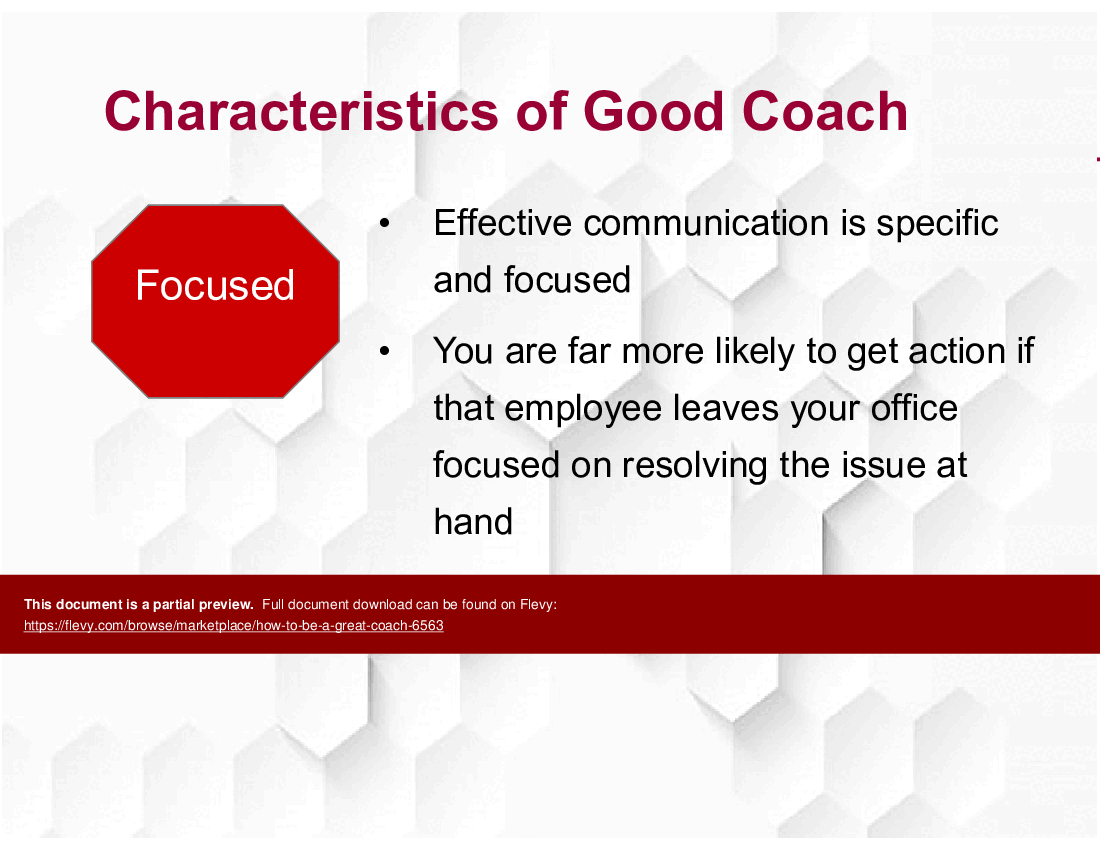
- Provides of Characteristics of Good Coach
- Provides of Communication Skills for Effective Coaching
- Provides of Five Steps of Coaching for Optimal Performance
COACHING PPT DESCRIPTION
How to Be a GREAT Coach PPT
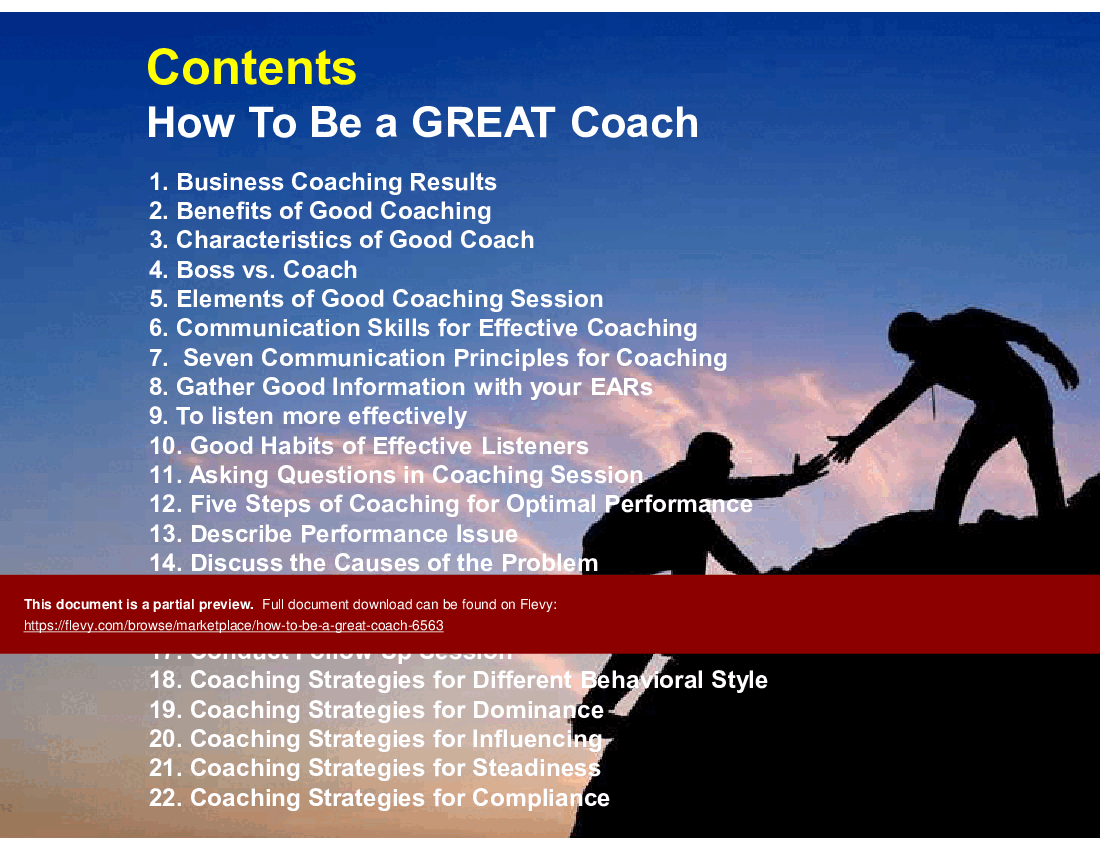
Contents
1. Business Coaching Results
2. Benefits of Good Coaching
3. Characteristics of Good Coach
4. Boss vs. Coach
5. Elements of Good Coaching Session
6. Communication Skills for Effective Coaching
7. Seven Communication Principles for Coaching
8. Gather Good Information with your EARs
9. To listen more effectively
10. Good Habits of Effective Listeners
11. Asking Questions in Coaching Session
12. Five Steps of Coaching for Optimal Performance
13. Describe Performance Issue
14. Discuss the Causes of the Problem
15. Diagnosing Performance Problem
16. Identify Possible Solutions
17. Conduct Follow Up Session
18. Coaching Strategies for Different Behavioral Style
19. Coaching Strategies for Dominance
20. Coaching Strategies for Influencing
21. Coaching Strategies for Steadiness
22. Coaching Strategies for Compliance
Coaching is a method of achieving set goals. The coach through dialogue helps the coachee (client) to correctly set a goal, to find the best way to achieve the goal and reveal hidden inner potential in a person. The coach does not say how to achieve success, but asks questions through which the client himself finds the solution to his own tasks.
The interaction between coach and his coachee is called a coach session. At the session, the coach basically listens to the coachee and sometimes asks him questions. The client himself answers these questions and, in the process of finding answers to the questions, he finds solutions to achieve the goal. Usually the effect of such sessions acts in two stages – primary, which is noticeable at once (immediately), and hidden, in the form of general improvement of the quality of client's life, increasing motivation and self-confidence.
The main misconception of people who want to become coaches – "for coaching I need to succeed in the field where I want to be a coach." Success in any field is welcomed. But the task of the coach is not to tell how he achieved success, but to help the client to activate his inner potential, to reveal the hidden capabilities of the person, to help him to achieve his goal.
What makes for a great coach?
It's the ability to lead – to make things happen, maximize resources and inspire. It's the extraordinary quality that solves problems and helps the individual come to a new level understanding of what is possible. And it's the skill and talent to influence and guide others to make real breakthroughs and create lasting change.
Great coaches see things as they are, not worse than they are. They have a firm grasp on reality, and are honest with themselves about where they stand. Unlike most people, however, they do not dwell on problems; they tackle them head on. They have the proper skills and knowledge to assess the situation and find the best path to move forward. Fear and doubt do not play a role in their mission, even though they must take necessary risks to help others break through to the next level.
Great coaches also have vision. They can see things better than they are and help others to share in that idea. They can create movement that inspires others, so that they roll up their sleeves and do what it takes to get the job done. It goes well beyond directing activity, as a great coach will define the future and make it real and attainable for others.
Great coaches also understand strategy. They realize that transforming a vision into reality requires incremental changes that amount to radical results. It's not always about the resources available, it's knowing how to maximize resources – someone's will, energy, creativity, courage, faith and determination – to achieve goals.
Regards,
UJ Consulting
This presentation provides actionable insights into achieving peak productivity through effective coaching techniques. It emphasizes the importance of clear communication and tailored strategies for different behavioral styles.
Got a question about the product? Email us at support@flevy.com or ask the author directly by using the "Ask the Author a Question" form. If you cannot view the preview above this document description, go here to view the large preview instead.
MARCUS OVERVIEW
This synopsis was written by Marcus [?] based on the analysis of the full 60-slide presentation.
Executive Summary
The "How to Be a Great Coach" PowerPoint presentation is a comprehensive guide designed for professionals seeking to enhance their coaching skills. This presentation covers essential coaching techniques, effective communication strategies, and behavioral coaching styles. By utilizing this resource, corporate executives and team leaders will be equipped to improve employee performance, foster productive relationships, and address performance issues effectively. This deck serves as a valuable tool for anyone looking to cultivate a coaching culture within their organization.
Who This Is For and When to Use
• Corporate executives aiming to enhance team performance through effective coaching
• HR professionals responsible for employee development and performance management
• Team leaders and managers seeking to improve communication and coaching skills
• Coaches looking to refine their techniques and strategies for various behavioral styles
Best-fit moments to use this deck:
• During leadership training sessions focused on coaching and development
• In workshops aimed at improving team dynamics and performance
• When addressing specific performance issues within teams
Learning Objectives
• Define the characteristics of an effective coach and the importance of coaching in business
• Build effective communication skills tailored for coaching sessions
• Establish a structured approach to diagnosing performance problems
• Identify and implement coaching strategies for different behavioral styles
• Develop actionable plans for follow-up sessions to ensure continuous improvement
• Foster a supportive environment that encourages employee development and engagement
Table of Contents
• Business Coaching Results (page 6)
• Benefits of Good Coaching (page 8)
• Characteristics of Good Coach (page 9)
• Boss vs. Coach (page 15)
• Elements of Good Coaching Session (page 16)
• Communication Skills for Effective Coaching (page 24)
• Seven Communication Principles for Coaching (page 25)
• Gather Good Information with your EARs (page 28)
• Asking Questions in Coaching Session (page 31)
• Five Steps of Coaching for Optimal Performance (page 39)
• Coaching Strategies for Different Behavioral Styles (page 50)
Primary Topics Covered
• Business Coaching Results - Insights into the effectiveness of coaching, including statistics on job satisfaction and productivity improvements.
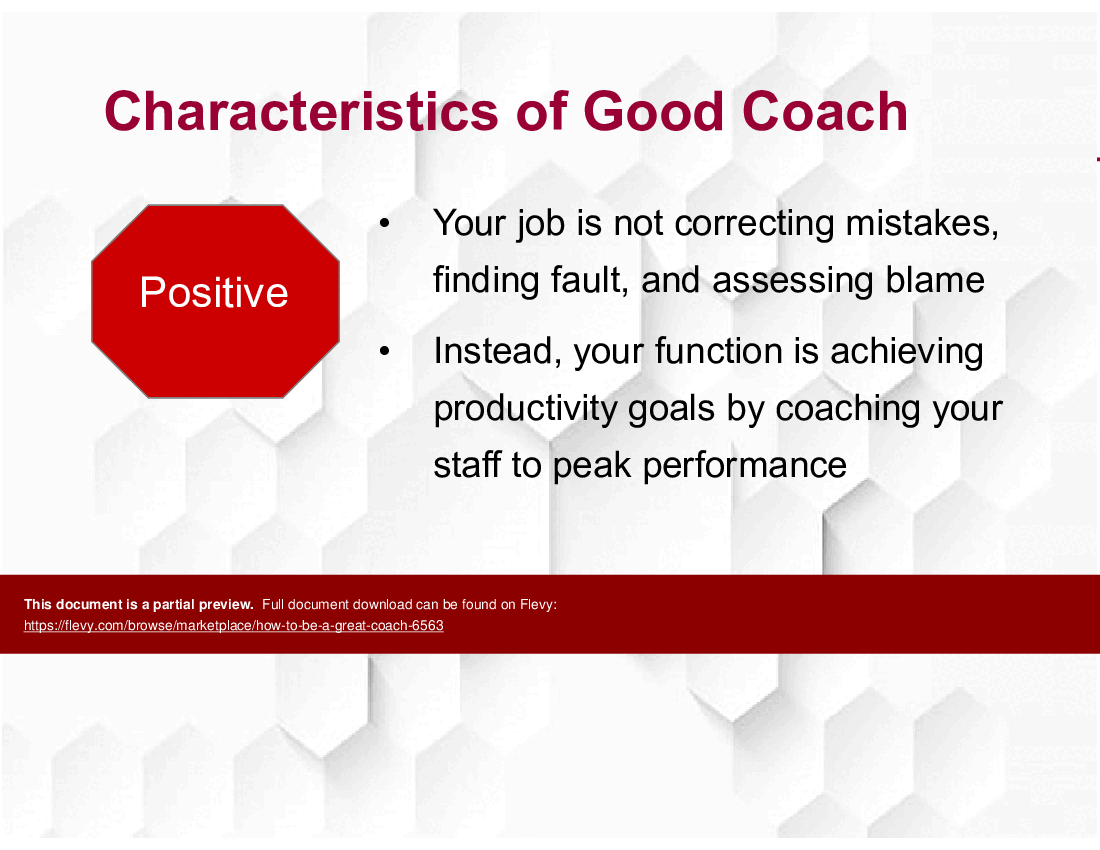
• Characteristics of Good Coach - Key traits that define an effective coach, such as being positive, supportive, goal-oriented, focused, and observant.
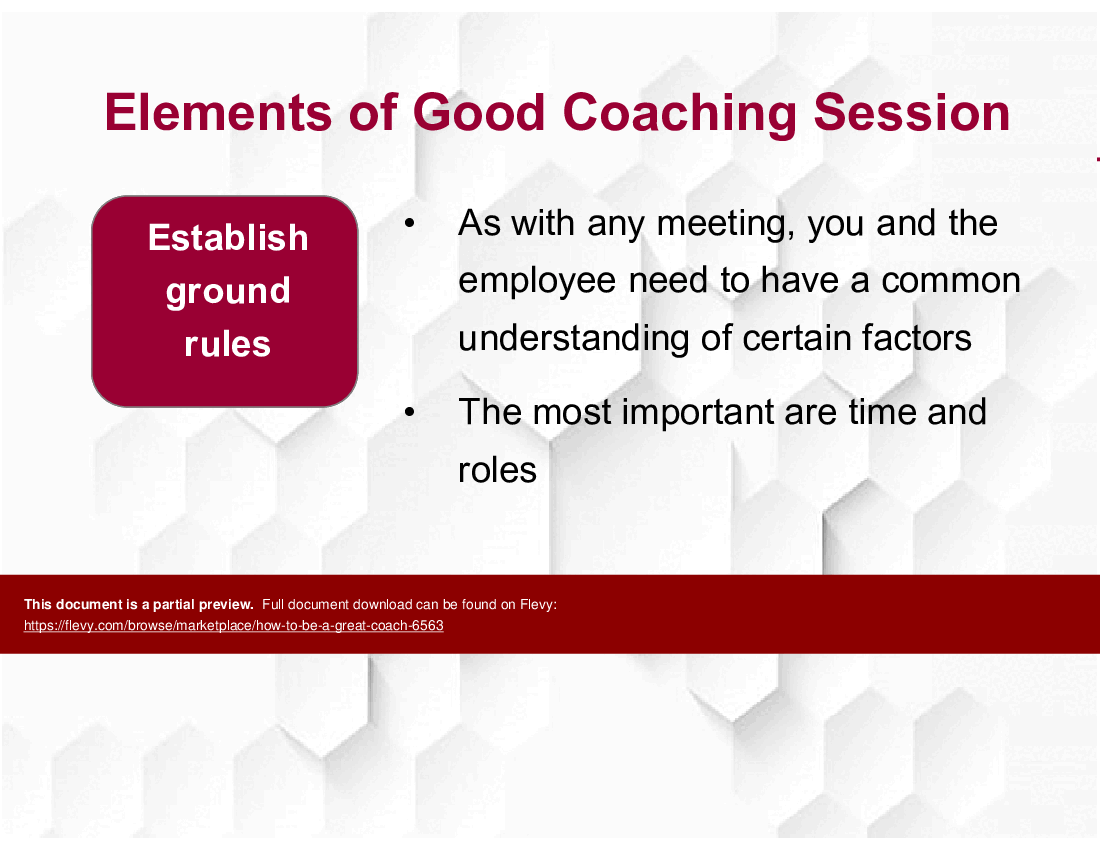
• Elements of Good Coaching Session - Essential components for conducting productive coaching sessions, including establishing a purpose and maintaining focus.
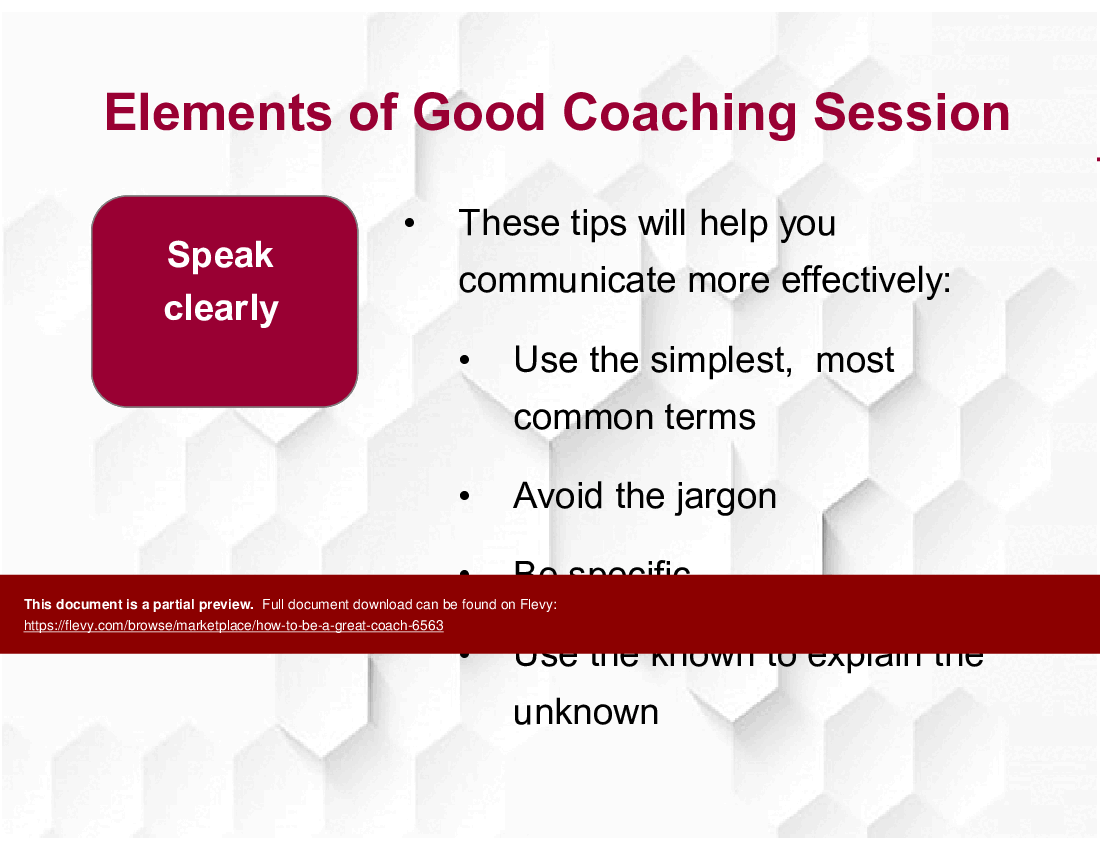
• Communication Skills for Effective Coaching - Techniques to enhance communication during coaching, ensuring clarity and engagement.
• Five Steps of Coaching - A structured approach to addressing performance issues, including describing the issue and identifying solutions.
• Coaching Strategies for Different Behavioral Styles - Tailored coaching strategies for individuals with varying behavioral tendencies, including dominance, influencing, steadiness, and compliance.
Deliverables, Templates, and Tools
• Coaching session agenda template to structure discussions
• Performance issue diagnosis checklist for identifying root causes
• Communication skills assessment tool for evaluating effectiveness
• Follow-up session planning template to track progress and accountability
• Behavioral style assessment guide to tailor coaching strategies
Slide Highlights
• Visual representation of business coaching results showcasing key statistics
• Comparison chart of "Boss vs. Coach" highlighting effective coaching behaviors
• Step-by-step breakdown of the 5 steps of coaching for clarity
• Infographic detailing the characteristics of a good coach for quick reference
• Summary of communication principles to enhance coaching effectiveness
Potential Workshop Agenda
Introduction to Coaching Principles (60 minutes)
• Overview of coaching benefits and results
• Discussion on the characteristics of effective coaches
Effective Communication in Coaching (90 minutes)
• Training on communication skills and principles
• Role-playing scenarios to practice effective questioning
Coaching Strategies and Behavioral Styles (90 minutes)
• Exploration of different behavioral styles
• Development of tailored coaching strategies for each style
Follow-Up and Continuous Improvement (60 minutes)
• Setting goals for follow-up sessions
• Sharing best practices for ongoing coaching effectiveness
Customization Guidance
• Tailor the coaching session agenda to fit specific team needs and dynamics
• Adjust the performance issue diagnosis checklist based on organizational context
• Incorporate company-specific terminology and metrics into the communication skills assessment tool
• Modify behavioral style strategies to align with the unique culture of the organization
Secondary Topics Covered
• The importance of active listening in coaching
• Techniques for gathering information effectively during sessions
• Strategies for fostering a supportive coaching environment
• The role of feedback in the coaching process
• Methods for measuring coaching effectiveness
Topic FAQ
What are the core steps in an effective coaching process?
Effective coaching commonly follows a structured sequence: describe the performance issue, discuss causes, diagnose the problem, identify solutions, agree a specific action plan, and conduct follow-up sessions. The How to Be a Great Coach deck explicitly frames these as the Five Steps of Coaching and provides templates to support each step.How do I tailor coaching to different behavioral styles?
Tailoring requires recognizing style tendencies—Dominance, Influencing, Steadiness, Compliance—and adjusting communication, pacing, and feedback accordingly. The presentation includes a behavioral style assessment guide and slide sequences with coaching strategies for each of the 4 styles to help select appropriate approaches.Which communication skills most improve coaching outcomes?
Key coaching communication skills include active listening, asking focused questions, clear simple language, and avoiding jargon. The presentation lists 7 communication principles, EARs for information gathering, and habits of effective listeners to structure coaching conversations around these skills and the 7 principles.How should I diagnose the root cause of a performance issue in coaching?
Start by clearly describing the performance gap, gather information through targeted questions and listening, discuss potential causes, and use a diagnosis checklist to validate root causes before identifying solutions. The deck supplies a performance issue diagnosis checklist to guide this process.What should I look for when choosing a coaching toolkit or PPT for workshops?
Buyers should look for slide coverage of coaching results, session structure, communication principles, step‑by‑step coaching processes, behavioral-style guidance, and practical templates like agenda, diagnosis checklist, and follow-up planning; the How to Be a Great Coach deck contains these elements across 60 slides.Are coaching templates useful for small HR teams with limited time?
Yes—templates reduce preparation time and enforce consistency in coaching practice. For small HR teams, using an agenda template, a diagnosis checklist, and a follow-up session planning template can streamline sessions and tracking without bespoke slide creation, specifically the follow-up session planning template.How can I structure a multi-hour workshop on coaching skills?
Use modular agenda items: an introduction to coaching principles (60 minutes), a communication skills module with role-play (90 minutes), and a follow-up and continuous improvement session (60 minutes). The product’s potential workshop agenda provides these modules and suggested durations like 60 and 90 minutes.What framework helps manage an underperforming employee through coaching?
Apply a structured five-step coaching framework: describe the issue, analyze causes, diagnose the root problem, identify and agree on solutions, and conduct follow-up to ensure accountability. The How to Be a Great Coach presentation pairs this framework with a performance issue diagnosis checklist and action-plan templates.Document FAQ
These are questions addressed within this presentation.
What are the primary benefits of good coaching?
Good coaching improves employee performance, helps develop competence, diagnoses performance problems, corrects unsatisfactory performance, and fosters productive working relationships.
How can I establish effective communication during coaching sessions?
Focus on using clear, simple language, avoid jargon, and ensure that your communication is specific and relevant to the coaching objectives.
What are the 5 steps of effective coaching?
The 5 steps include describing the performance issue, discussing the causes of the problem, identifying possible solutions, developing a specific action plan, and conducting follow-up sessions.
How do I tailor coaching strategies for different behavioral styles?
Understand the characteristics of each behavioral style—dominance, influencing, steadiness, and compliance—and adjust your coaching approach accordingly to meet their unique needs.
What should I do if a coaching session is not productive?
Evaluate the session's structure, ensure clear objectives are set, and consider adjusting your communication style or approach to better engage the employee.
How can I measure the effectiveness of coaching?
Utilize performance metrics, feedback from employees, and follow-up assessments to gauge improvements and areas needing further development.
What role does follow-up play in coaching?
Follow-up sessions are crucial for maintaining accountability, tracking progress, and ensuring that agreed-upon actions are being implemented effectively.
How can I encourage employees to share their ideas during coaching?
Create a safe and open environment where employees feel comfortable expressing their thoughts, and actively solicit their input during discussions.
What are some common pitfalls in coaching?
Common pitfalls include lack of clarity in objectives, failure to listen actively, and not providing constructive feedback.
Glossary
• Coaching - A process aimed at improving an individual's performance through guidance and support.
• Behavioral Styles - Distinct patterns of behavior that influence how individuals interact and respond in various situations.
• Active Listening - Engaging fully with the speaker to understand their message and respond appropriately.
• Performance Issue - A discrepancy between expected and actual performance levels.
• Follow-Up Session - A subsequent meeting to assess progress and address any ongoing concerns.
• Communication Skills - The ability to convey information effectively and engage in meaningful dialogue.
• Goal-Oriented - Focused on achieving specific objectives and outcomes.
• Supportive Environment - A workplace culture that encourages growth, development, and open communication.
• Feedback - Information provided regarding performance, aimed at improving future outcomes.
• Coaching Strategies - Tailored approaches used to address the unique needs of individuals based on their behavioral styles.
• Listening Techniques - Methods used to enhance understanding and engagement during conversations.
• Problem Diagnosis - The process of identifying the root causes of performance issues.
• Action Plan - A detailed outline of steps to be taken to address identified issues.
• Team Dynamics - The interactions and relationships that influence team performance.
• Coaching Culture - An organizational environment that prioritizes coaching and development as a means to enhance performance.
• Empathy - The ability to understand and share the feelings of another, crucial for effective coaching.
• Goal Setting - The process of establishing clear, measurable objectives for performance improvement.
• Motivational Factors - Elements that drive individuals to perform at their best.
• Training - The process of enhancing skills and knowledge to improve performance.
• Performance Metrics - Quantitative measures used to evaluate employee performance and success.
• Engagement - The level of commitment and involvement an employee has towards their work and organization.
• Coaching Framework - A structured approach to coaching that outlines key principles and practices.
Source: Best Practices in Coaching PowerPoint Slides: How to Be a Great Coach PowerPoint (PPTX) Presentation Slide Deck, UJ Consulting
ABOUT THE AUTHOR

UJ Consulting
Untung Juanto ST., MM. Founder of UJ Consulting. He is professionally experienced business and management consultant in several local and multinational companies. He has an experience in managing an effective and efficient company with various approach methods adapted to different industries because He had a career from the lower management level as Supervisor before finally
... [read more]
Ask the Author a Question
You must be logged in to contact the author.




























