Editor's Note: Take a look at our featured best practice, Lending Business Financial Model (Excel workbook). This financial model is meticulously designed to analyze and forecast the financial performance of a lending business. It includes a 5-year forecast horizon (60 months) starting from the first forecast month specified in the Assumptions tab. The model features detailed monthly projections [read more]
* * * *
Cash flow rarely fails on a convenient schedule. A relocation that outpaces a reimbursement check, a delayed client payment, an unexpected repair, or a gap between roles can create real pressure to find money quickly, even for people who manage budgets for a living. In those moments, some professionals and business owners in Virginia look at online title loans because they may offer faster access to funds than some traditional lending options.
Still, speed should never replace careful decision-making. A title loan uses your vehicle as collateral, which means it carries more risk than unsecured borrowing. Before applying, it is worth treating the decision the way you would treat any other financing commitment: understand how the loan works, what Virginia law requires, and whether the payments fit your real budget. A disciplined review today can prevent avoidable stress tomorrow.
Understand How an Online Title Loan Works
An online title loan is a loan secured by the title of a vehicle you own. In most cases, lenders evaluate the vehicle’s value, your ownership status, and your ability to repay. If approved, the lender places a lien on the title until the balance is paid.
Virginia law specifically regulates motor vehicle title lending, including loans offered online to Virginia residents. That means internet-based lenders serving Virginia borrowers are still expected to comply with applicable state requirements.
Because your vehicle secures the loan, missed payments carry real consequences. Depending on the agreement and circumstances, default may lead to collection activity or repossession risk. This is why the decision deserves the same scrutiny as any secured financing, not the casual treatment of quick cash.
Review the Total Cost, Not Just the Loan Amount
One of the most common mistakes borrowers make is focusing only on how much money they can receive. The more important figure is what the loan will cost over its full term, in other words, the true cost of the capital. Costs can vary based on the loan amount, repayment term, and lender policies. Before signing any agreement, ask for a complete written breakdown that includes:
Total amount financed Interest charges Payment schedule Late fees, if applicable Any title or administrative costs Total repayment amount over the full term
If a lender cannot clearly explain the full cost in writing, treat it as a warning sign. Transparency is a basic expectation in any sound financing decision.
Make Sure the Payments Fit Your Monthly Budget
Even a legally structured loan can become a burden if the payments strain your income. Before applying, review your monthly finances honestly.
List your fixed expenses first, including rent, groceries, insurance, fuel, childcare, and utilities. Then compare what remains to the proposed payment. If repayment would force you to skip essentials or borrow again, the loan may not solve the underlying problem.
Financial counselors often emphasize affordability as one of the most important factors in borrowing decisions. A loan should relieve pressure, not multiply it. If you are researching options, comparing providers that offer online title loans Virginia residents can access may help you better understand terms, timelines, and eligibility requirements before committing.
Confirm the Lender Is Properly Licensed
Virginia requires licensing for motor vehicle title lenders operating under the state’s regulatory framework.
That makes lender verification an essential step, the same kind of counterparty due diligence you would apply to any vendor or partner. A polished website alone does not guarantee legitimacy. Before sharing personal details or title documents, confirm that the lender is authorized to operate and clearly discloses contact information, terms, and customer service channels. You should also be cautious of lenders that:
Pressure you to decide immediately Promise guaranteed approval regardless of circumstances Refuse to provide written disclosures Request unusual upfront fees Avoid answering repayment questions
Reputable lenders should welcome informed questions.
Read the Loan Agreement Carefully
Written loan agreements are standard for title lending transactions, and that contract deserves your full attention. Never rush through it because funds are urgently needed. Read every section, especially those covering:
Due dates Late payment consequences Default terms Repossession rights Renewal or extension options Methods of payment Contact procedures for hardship situations
If any language is unclear, ask for clarification before signing. If the answers stay vague, walk away. A clear contract protects both parties, a principle that holds whether you are signing a vendor agreement or a personal loan.
Think about the Importance of Your Vehicle
For most professionals, a vehicle is not optional. It is how you get to the office or a client site, manage a move to a new city, attend appointments, and keep daily commitments on track.
Because the vehicle secures the loan, weigh the practical value of reliable transportation against the short-term benefit of borrowing. Losing access to a car can trigger larger setbacks, including missed work, disrupted client relationships, or the cost of arranging alternative transportation, particularly in an unfamiliar area after a relocation.
Ask yourself one direct question: if repayment becomes difficult, can I realistically protect both my finances and my mobility? If the answer is uncertain, proceed carefully.
Explore Alternatives before You Commit
A title loan may be one option, but it should rarely be the only option you weigh. Depending on your situation, alternatives may include:
Payment plans with utility providers or service vendors Borrowing from family or trusted contacts Credit union small-dollar loans Employer paycheck or relocation advances, where available A business or personal line of credit Selling unused items or equipment Temporary side or consulting income Nonprofit assistance programs
Many financial advisors recommend exhausting lower-risk solutions first. Even partial relief from one of these can reduce the amount you ultimately need to borrow.
Protect Your Personal Information Online
Since online lending involves digital applications, data security matters as much as the loan terms. Before uploading documents, confirm that the lender’s website uses secure encryption and legitimate contact channels. Be careful with requests for:
Social Security details through unsecured email Title documents sent through unknown links Banking credentials beyond normal verification Payments through gift cards or cryptocurrency
Those requests point to fraud rather than legitimate lending. The same caution you apply to protecting company data applies to protecting your own.
Conclusion
Applying for an online title loan in Virginia can look like a practical solution when cash is tight, but it deserves the same caution and clarity you bring to any financing decision. The key issues are affordability, transparency, lender legitimacy, and the real value of the vehicle securing the loan.
The best borrowing decisions happen when urgency is balanced with disciplined review. Compare costs, read the contract, verify licensing, and weigh alternatives before moving forward. Quick access to funds may help in the moment, but informed choices are what build lasting financial stability, whether for a business or a household.
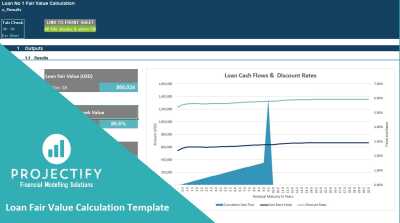
Debt/Loan Fair Value Calculation is crucial for financial reporting and risk management. It determines the accurate market value of debt instruments, which impacts a company's balance sheet and financial statements. This calculation helps assess the true financial health and obligations of an [read more]
Do You Want to Implement Business Best Practices?
You can download in-depth presentations on Loans and 100s of management topics from the FlevyPro Library. FlevyPro is trusted and utilized by 1000s of management consultants and corporate executives.
For even more best practices available on Flevy, have a look at our top 100 lists:
These best practices are of the same as those leveraged by top-tier management consulting firms, like McKinsey, BCG, Bain, and Accenture. Improve the growth and efficiency of your organization by utilizing these best practice frameworks, templates, and tools. Most were developed by seasoned executives and consultants with over 20+ years of experience.
Readers of This Article Are Interested in These Resources
Curated by McKinsey-trained Executives
Master the Art of Financial Valuation with Our Comprehensive Workshop!
Are you looking to elevate your financial valuation skills to new heights? Look no further! Our complete Financial Valuation Business Workshop is designed to equip you with the [read more]
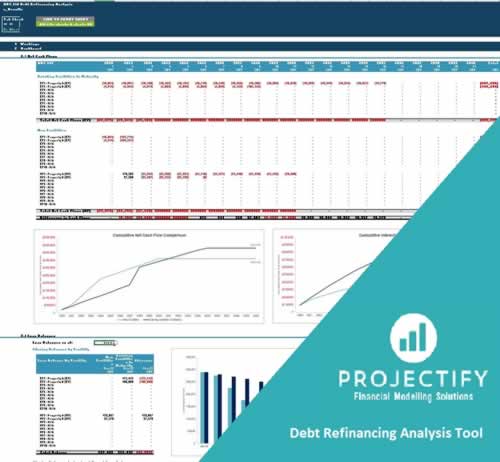
Enhanced Debt/Loan Refinancing Analysis is crucial for optimizing a company's financial structure. It helps identify opportunities to lower interest rates, extend repayment terms, or adjust loan covenants, reducing borrowing costs. By evaluating various refinancing scenarios, it ensures sound [read more]
The Loan Refinancing Analysis Excel Tool is a financial instrument used to evaluate the potential benefits of refinancing a loan. It compares existing loan terms with potential new ones, considering factors like interest rates, loan terms, and fees. By inputting current loan details and proposed [read more]
 Cash flow rarely fails on a convenient schedule. A relocation that outpaces a reimbursement check, a delayed client payment, an unexpected repair, or a gap between roles can create real pressure to find money quickly, even for people who manage budgets for a living. In those moments, some professionals and business owners in Virginia look at online title loans because they may offer faster access to funds than some traditional lending options.