Editor's Note: Take a look at our featured best practice, HR Strategy: Job Leveling (26-slide PowerPoint presentation). Job Leveling is a disciplined approach to gauge the value of work for individual positions across the organization. It entails ascertaining the nature of work done by each position, authority levels, and the effect of each job on business results.
Jobs that are configured inadequately bread [read more]
* * * *
 In today’s fast-paced and competitive business environment, it’s essential for companies to create a motivated and engaged workforce. Employee engagement has a direct impact on productivity, innovation, and overall business success. In fact, a recent Gallup poll found that organizations with highly engaged employees outperform their competitors by 147% in earnings per share.
This article explores various strategies for building a motivated workforce, with a special focus on employee recognition programs. By implementing these approaches, your organization can unleash the full potential of your team and drive lasting success.
Creating a Culture of Trust and Transparency
A healthy organizational culture is the foundation for employee engagement. To create such an environment, businesses must foster trust and transparency. This can be achieved by:
- Open and honest communication: Encourage open dialogue, share company news and updates, and actively seek feedback from employees.
- Empowerment: Give employees the autonomy to make decisions and support them in their endeavors.
- Accountability: Set clear expectations and hold employees and leaders accountable for their actions and performance.
Leveraging Technology to Enhance Engagement
Technology can be a powerful ally in boosting employee engagement by streamlining processes, facilitating communication, and offering innovative ways to recognize and reward employees. Some strategies for leveraging technology to enhance engagement include:
- Adopting collaboration tools: Utilize platforms such as Slack, Microsoft Teams, or Trello to facilitate communication and collaboration among team members.
- Implementing gamification: Introduce game elements in the workplace, such as leaderboards or points systems, to motivate employees and make work more enjoyable.
Offering Opportunities for Growth and Development
Employees are more likely to be engaged when they feel they have opportunities to grow and develop their skills. To achieve this, companies should:
- Invest in training and development programs: Provide resources for employees to enhance their skills and knowledge.
- Create mentorship programs: Pair experienced employees with less experienced colleagues to foster learning and growth.
- Encourage career progression: Recognize and reward employees who demonstrate potential and ambition.
Crafting a Compelling Employee Value Proposition
An attractive employee value proposition (EVP) is essential for retaining and engaging top talent. To build a compelling EVP, companies should focus on:
- Competitive compensation and benefits: Offer salaries and benefits that are aligned with the market and reflect the value of employees’ contributions.
- Work-life balance: Support flexible working arrangements and promote a healthy work-life balance.
- Positive work environment: Create a welcoming, inclusive, and engaging workplace where employees feel valued and supported.
Harnessing the Power of Employee Recognition Programs
In securing motivation and participation within company culture, another nuanced approach is to recognize your employees’ key milestones in a structured but heartfelt way. This strategy underscores employees’ value through specific recognitions of their progress and achievements, weaving into the fabric of ongoing corporate engagement efforts.
Employee recognition programs are a powerful tool for driving engagement and motivation. By acknowledging and rewarding employees’ achievements and contributions, companies can foster a sense of belonging and inspire continuous improvement. To maximize the impact of recognition programs, consider the following strategies:
- Align recognition with company values: Ensure that recognition initiatives are linked to the organization’s core values and strategic objectives.
- Make recognition timely and specific: Provide feedback and recognition as close to the achievement as possible, and be specific about what the employee did well.
- Offer a variety of recognition methods: Use a mix of formal and informal recognition, such as awards, certificates, and simple verbal praise, to cater to different employee preferences.
- Explore various employee awards for outstanding performance: In addition to traditional methods of recognition, incorporating a diverse array of employee awards for recognition can significantly boost engagement by showing appreciation in ways that resonate with each individual.
- Encourage peer-to-peer recognition: Empower employees to recognize and appreciate their colleagues’ achievements and efforts.
Measuring and Monitoring Employee Engagement
To effectively manage employee engagement, businesses need to measure and monitor it regularly. This can be done through:
- Employee engagement surveys: Conduct regular surveys to gauge employee sentiment and gather feedback on engagement initiatives.
- Performance metrics: Track key performance indicators (KPIs) related to employee engagement, such as turnover, absenteeism, and productivity.
- Continuous improvement: Use the data gathered from surveys and KPIs to identify areas for improvement and adjust engagement strategies accordingly.
Encouraging Collaboration and Teamwork
Fostering a collaborative work environment is essential for employee engagement. When employees work together and share ideas, they develop a sense of camaraderie and commitment to the organization. To encourage collaboration and teamwork, consider the following approaches:
- Implement team-building activities: Organize regular in-person or online team-building events, such as virtual murder mystery parties or team trivia, to strengthen relationships among team members. Encouraging collaboration through virtual or in-person activities strengthens team bonds, with teambonding.com offering a range of options to suit any team dynamic.
- Facilitate cross-functional collaboration: Encourage employees from different departments to work together on projects or initiatives, fostering a sense of unity and shared purpose.
- Provide collaborative tools and resources: Equip employees with the necessary tools and technology to facilitate seamless communication and collaboration.
Supporting Employee Well-being
Employee well-being is directly linked to engagement and productivity. By prioritizing the physical, mental, and emotional well-being of your workforce, you can create a more engaged and motivated team. To support employee well-being, consider implementing:
- Wellness programs: Offer initiatives such as fitness classes, stress management workshops, or healthy meal options to promote a healthy lifestyle. In promoting a healthy work-life balance, consider providing employees with options like your ketogenic meals without the hassle, supporting both their physical health and productivity.
- Mental health support: Provide access to mental health resources, such as counseling services or Employee Assistance Programs (EAPs), to help employees cope with stress and personal challenges.
- Encourage regular breaks and time off: Promote the importance of taking breaks throughout the day and utilizing vacation time to recharge and prevent burnout.
Celebrating Diversity and Inclusion
A diverse and inclusive workplace is not only a moral imperative but also a key driver of employee engagement. When employees feel valued and respected for their unique perspectives and experiences, they are more likely to be engaged and committed to the organization. To promote diversity and inclusion, companies should:
- Develop diversity and inclusion policies: Establish clear policies that promote equal opportunities and prohibit discrimination and harassment.
- Offer diversity training: Provide training to raise awareness about unconscious biases and promote inclusive behaviors among employees.
- Foster a culture of respect: Encourage open dialogue and constructive feedback to ensure all employees feel heard and respected.
Conclusion
By investing in employee engagement, businesses can unlock the full potential of their workforce and gain a competitive edge. By implementing strategies such as fostering trust and transparency, offering growth opportunities, crafting a compelling EVP , harnessing the power of employee recognition programs, and measuring and monitoring engagement, organizations can create a workplace where employees are motivated, committed, and ready to contribute to the company’s success.
This not only leads to improved productivity and innovation but also helps to attract and retain top talent in an increasingly competitive market. By prioritizing employee engagement, your organization can reap the rewards of a motivated workforce and ensure long-term success in the ever-evolving business landscape.
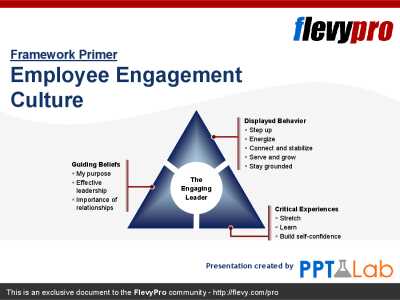
17-slide PowerPoint presentation
Improving Employee Engagement is a priority in most Talent and HR Strategies. This presentation provides a 5-step approach to building a culture of Employee Engagement. This processed was developed by Aon Hewitt based on the Aon Hewitt Top Companies for Leaders study.
Best practices from the
[read more]
Do You Want to Implement Business Best Practices?
You can download in-depth presentations on Employee Management and 100s of management topics from the FlevyPro Library. FlevyPro is trusted and utilized by 1000s of management consultants and corporate executives.
For even more best practices available on Flevy, have a look at our top 100 lists:
These best practices are of the same as those leveraged by top-tier management consulting firms, like McKinsey, BCG, Bain, and Accenture. Improve the growth and efficiency of your organization by utilizing these best practice frameworks, templates, and tools. Most were developed by seasoned executives and consultants with over 20+ years of experience.
Readers of This Article Are Interested in These Resources
32-slide PowerPoint presentation
This guide is a basic introduction to performance management, the process, setting objectives, providing feedback, the performance discussion between manager and employee. It is geared to small and mid-sized companies who want to provide a process that is clear and easy to use for managers.
This
[read more]
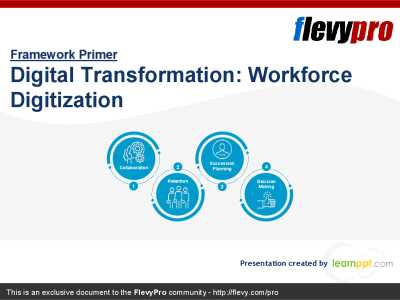
24-slide PowerPoint presentation
The approaching Age of Automation, together with the impending penetration of digital technology into the labor force, threatens to destabilize crucial aspects of how employees work by. It undermines the stability companies depend on to be agile.
Executives can re-solidify their companies even
[read more]
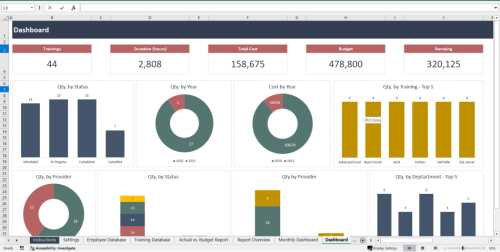
Excel workbook
The Employee Training Tracker is a professionally designed Excel spreadsheet tailored to help organizations manage and monitor employee training programs with ease. This all-in-one tool not only keeps a record of individual and departmental training activities but also allows for efficient tracking
[read more]
37-slide PowerPoint presentation
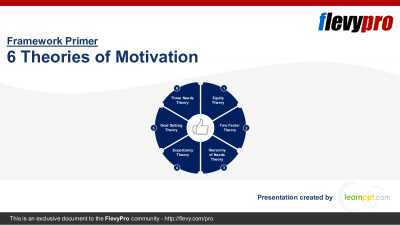
Interpreting the human psyche is a difficult undertaking. Determining what encourages and drives people to achieve their objectives isn't easy to figure out for Leaders and Human Capital experts. This is where research and insights gathered from the various Theories of Motivation comes to play.
[read more]