
Explore our in-depth Value Managed Relationships (VMR) analysis, crafted by industry experts, to enhance collaboration and drive strategic cost savings. Value Managed Relationships Analysis is a 80-slide PPT PowerPoint presentation slide deck (PPT) available for immediate download upon purchase.
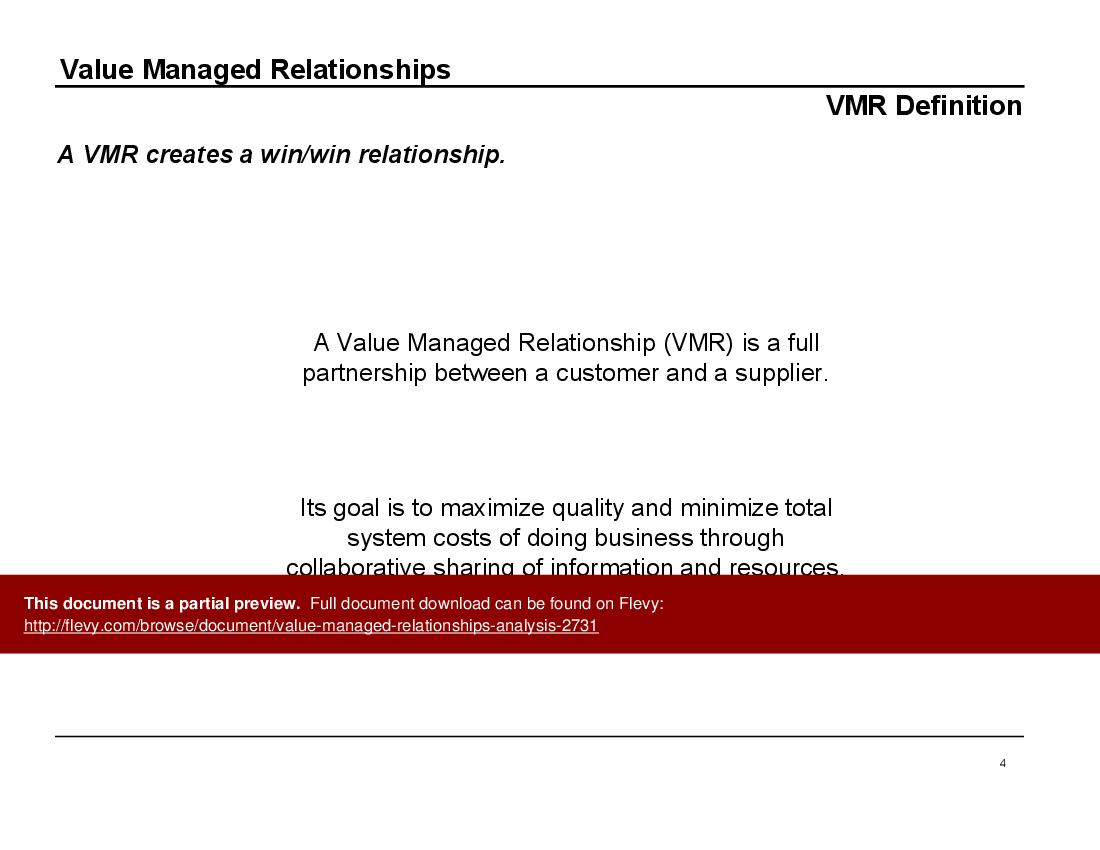
A Value Managed Relationship (VMR) is a full partnership between a customer and a goal is to maximize quality and minimize total system costs of doing business through collaborative sharing of information and resources. This deck has 80 slides and contents include:
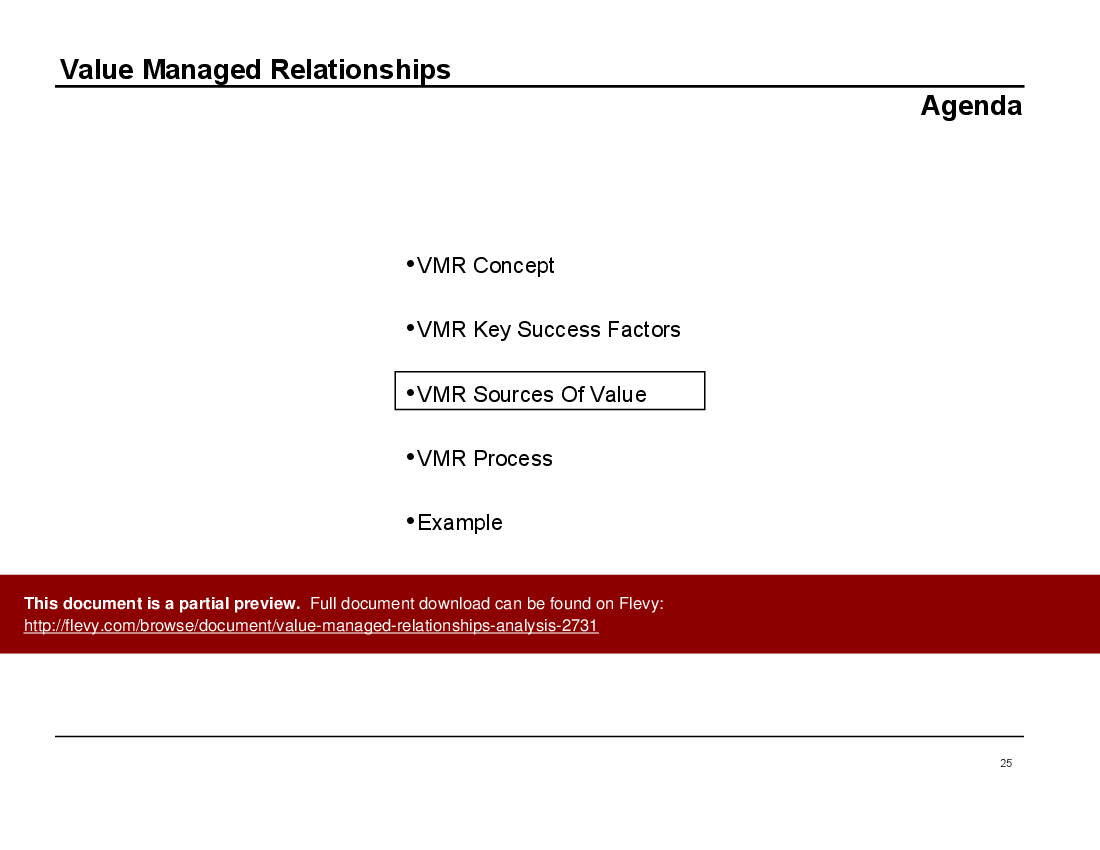
• VMR Concept
• VMR Key Success Factors
• VMR Sources Of Value
• XYZ VMR Process
• Example
• Key Takeaways
This comprehensive presentation on Value Managed Relationships (VMR) provides a deep dive into the strategic advantages of VMRs over traditional "arms length" approaches and vertical integration. VMRs foster a collaborative environment where both parties benefit from shared investments and long-term commitments. The deck outlines how consolidating volume in long-term partnerships ensures continued supply for buyers and capacity utilization for suppliers, leading to system-wide benefits and strategic innovation.
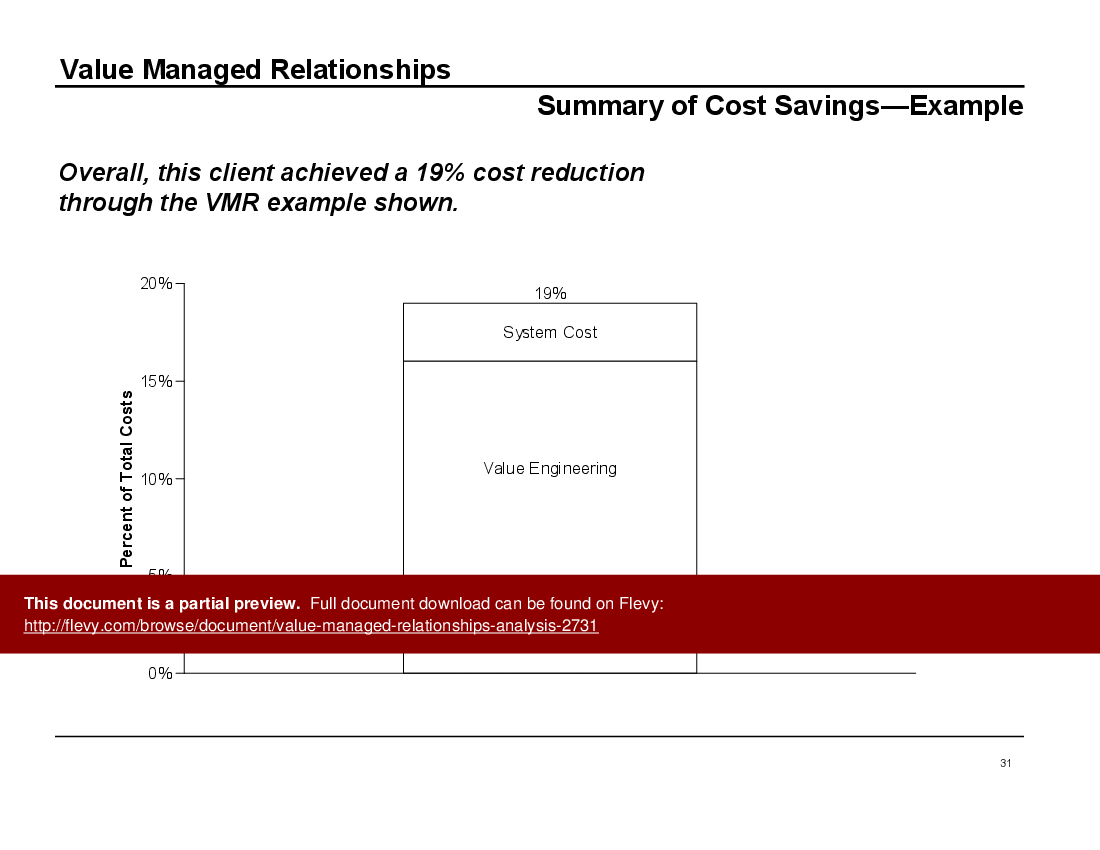
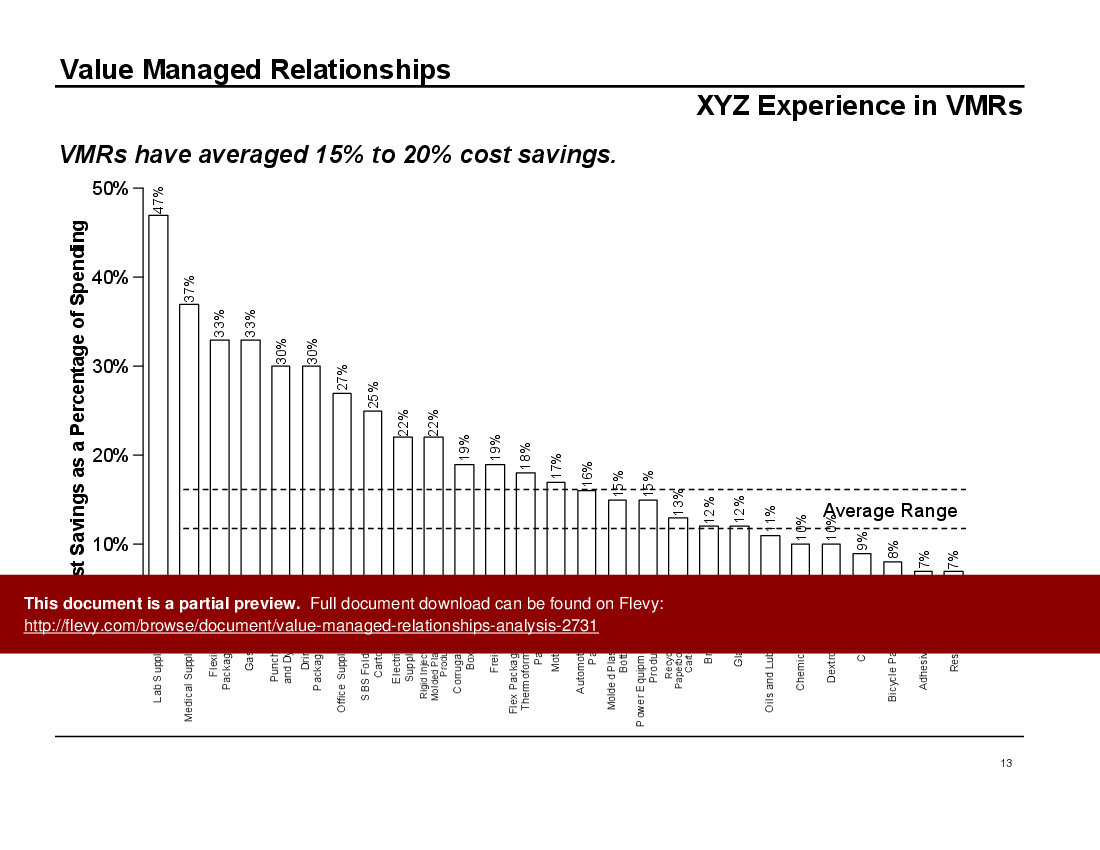
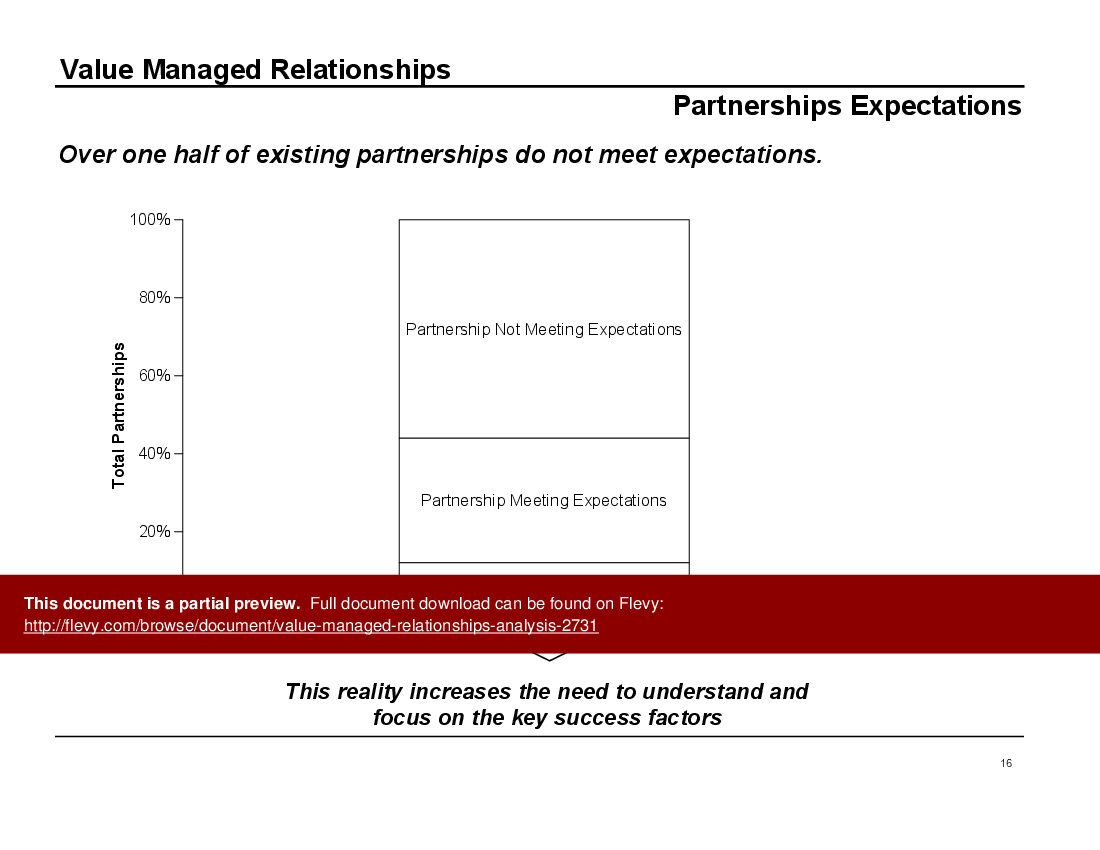
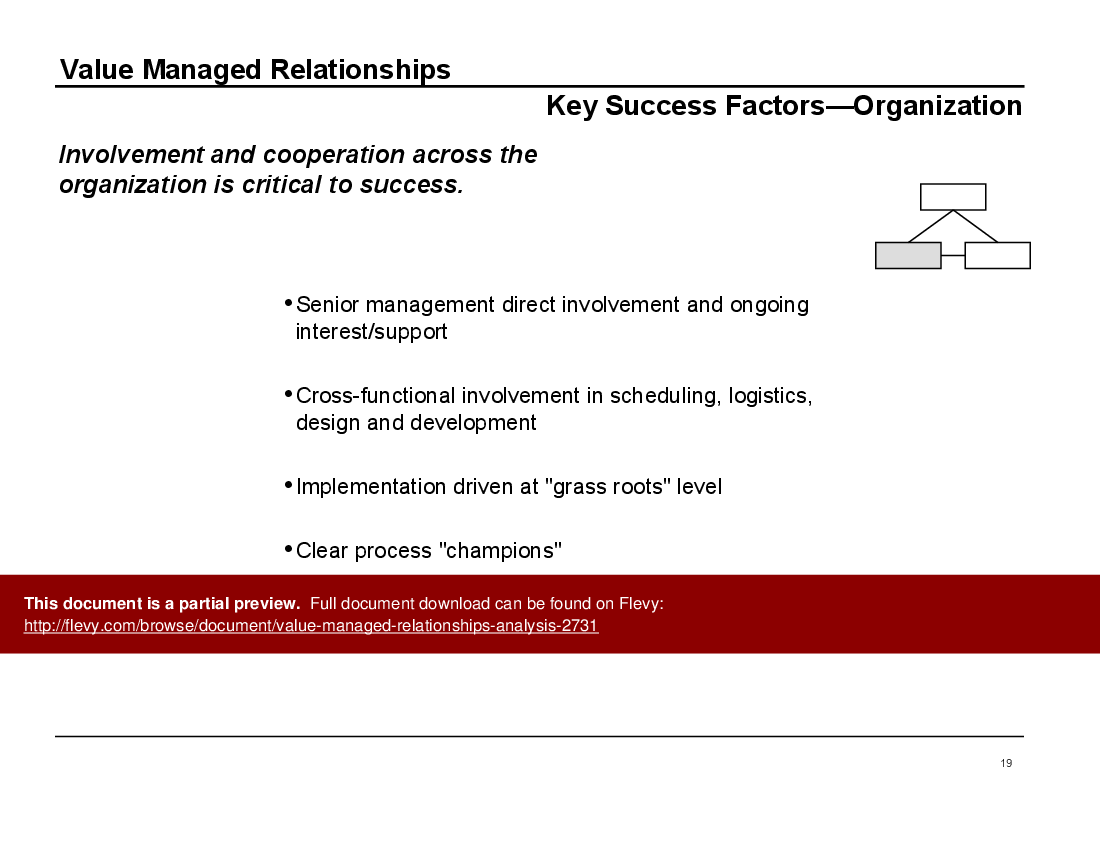
The analysis includes real-world examples, demonstrating that VMRs can achieve significant cost savings, averaging between 15% to 20%. The document also highlights that over half of existing partnerships do not meet expectations, emphasizing the importance of understanding and focusing on key success factors. These factors include senior management involvement, cross-functional participation, and clear process champions to drive implementation at the grassroots level.
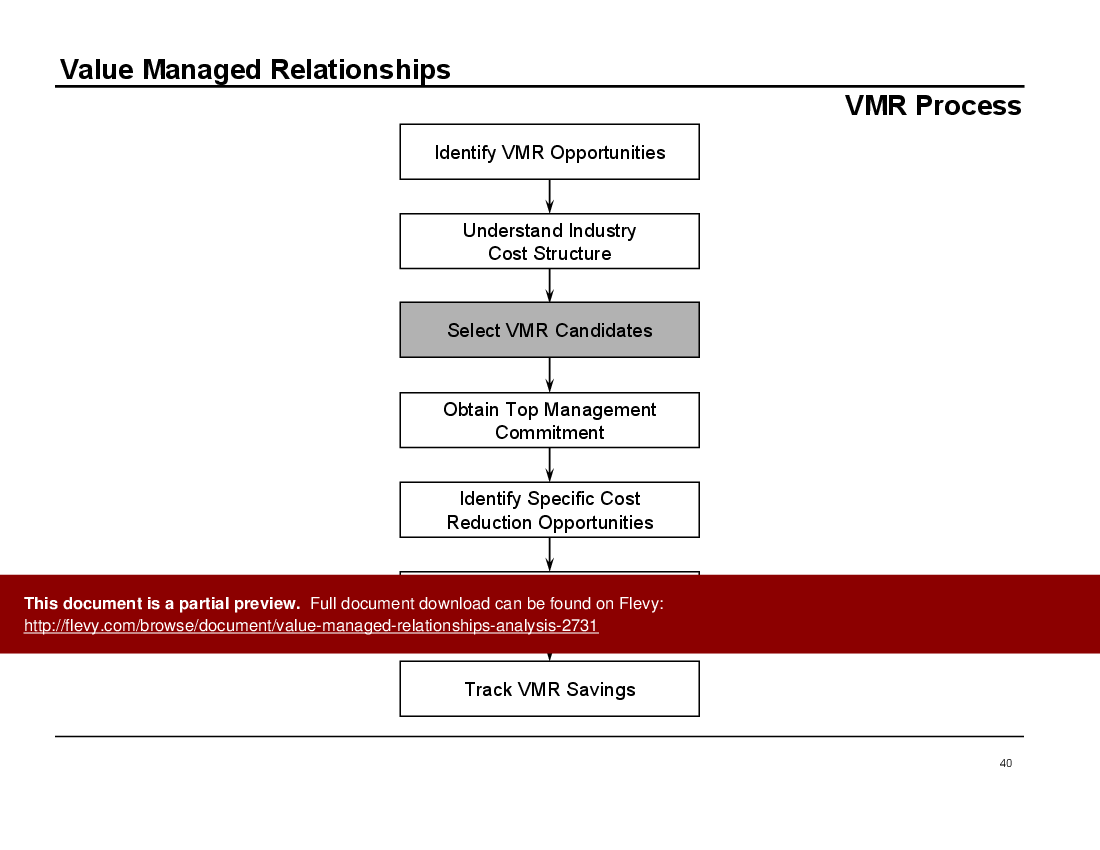
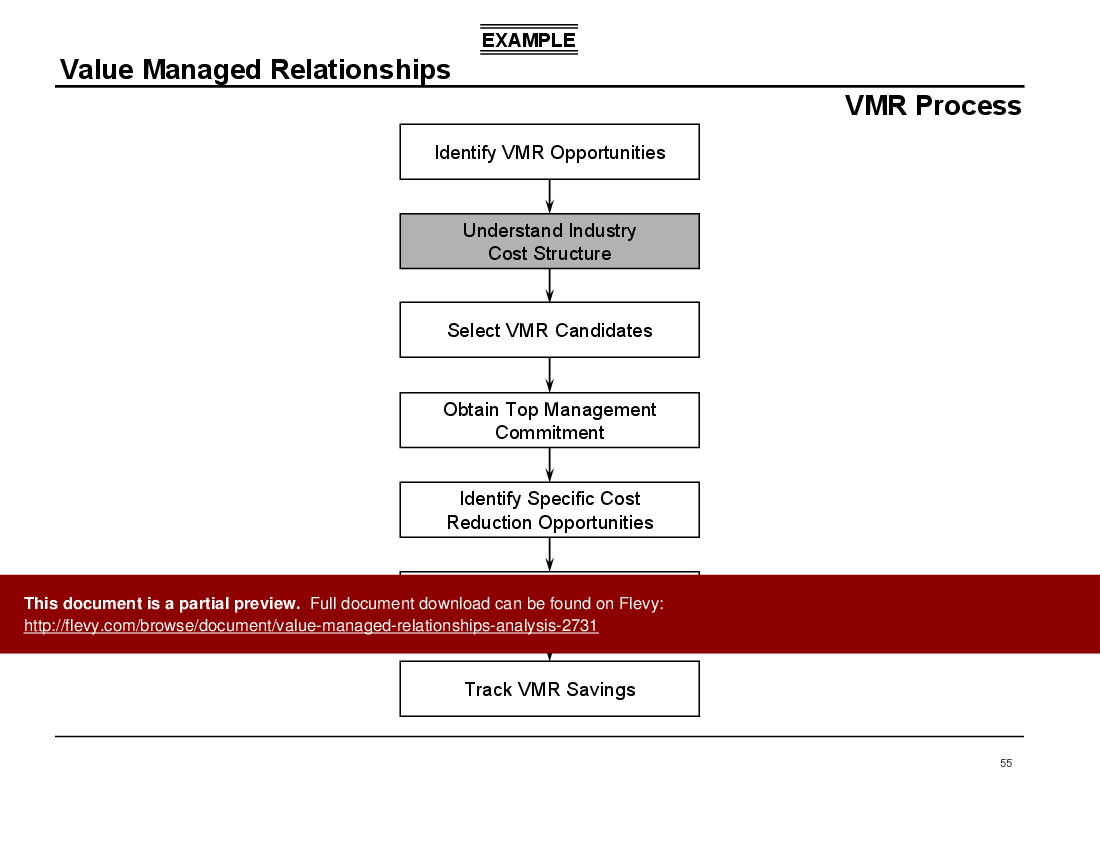
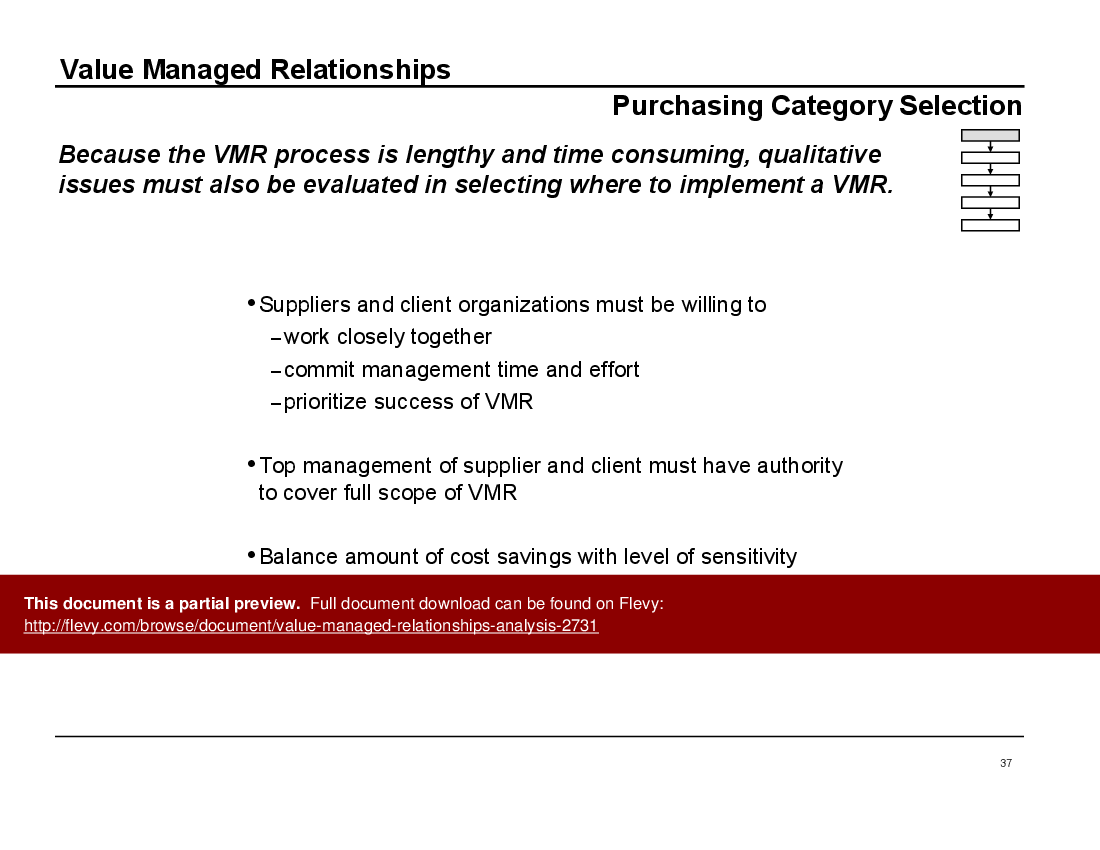
The VMR process is meticulously detailed, from identifying opportunities and understanding industry cost structures to selecting candidates and tracking savings. The presentation also covers the qualitative aspects of selecting where to implement a VMR, stressing the need for suppliers and clients to work closely together, commit management time and effort, and prioritize the success of the VMR.
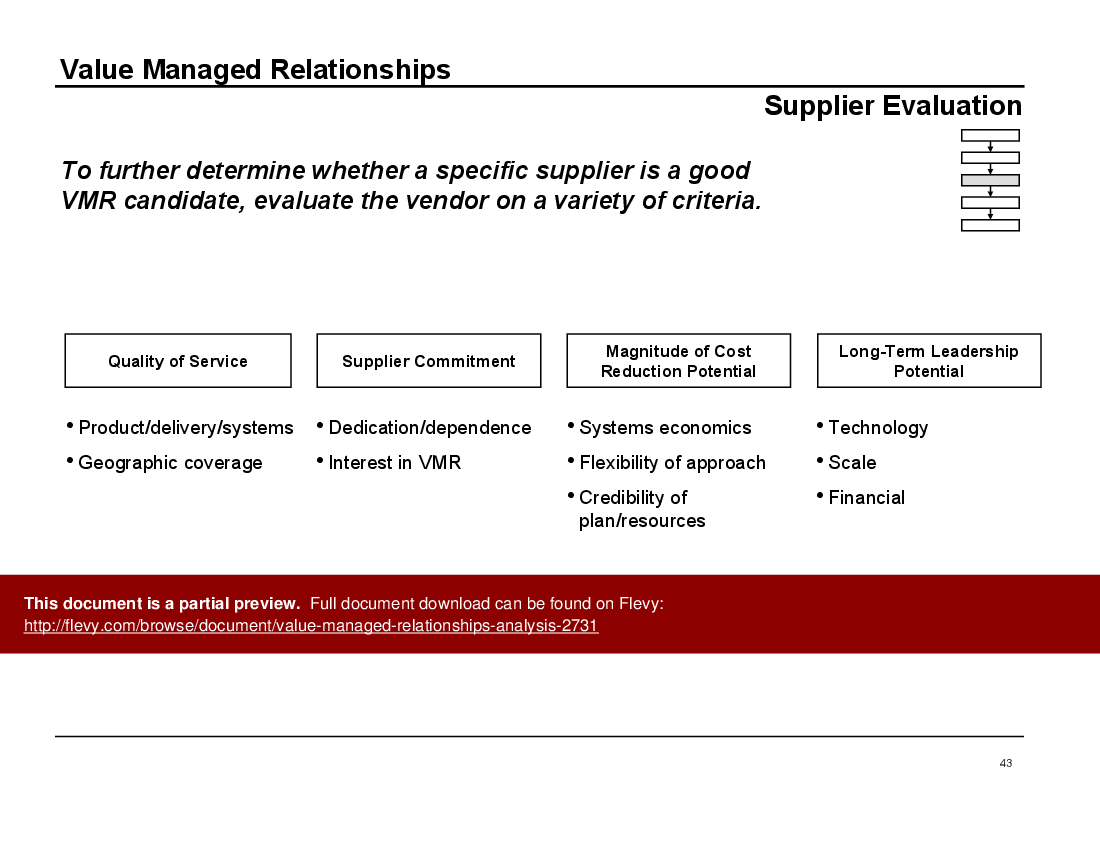
Supplier evaluation criteria and configuration alternatives are explored, providing a framework for assessing potential VMR candidates based on service quality, commitment, cost reduction potential, and long-term leadership potential. The document concludes with a focus on value engineering levers and their implications for strategy, ensuring that both clients and suppliers are positioned to drive value engineering ideas and achieve the full potential of VMRs.
Got a question about the product? Email us at support@flevy.com or ask the author directly by using the "Ask the Author a Question" form. If you cannot view the preview above this document description, go here to view the large preview instead.
MARCUS OVERVIEW
This synopsis was written by Marcus [?] based on the analysis of the full 80-slide presentation.
Executive Summary
The Value Managed Relationships (VMR) Analysis presentation offers a structured approach to fostering collaborative partnerships between customers and suppliers, aimed at maximizing quality while minimizing total system costs. Crafted with the rigor expected from McKinsey, Bain, or BCG-quality consulting-grade materials (not affiliated), this deck empowers corporate executives and integration leaders to identify and implement effective VMR strategies. By leveraging the XYZ framework, users will articulate cost savings opportunities, enhance supplier relationships, and drive continuous improvement in operational efficiencies.
Who This Is For and When to Use
• Procurement leaders seeking to optimize supplier relationships and reduce costs
• Supply chain managers focused on enhancing collaboration with key suppliers
• Corporate executives looking to implement strategic purchasing initiatives
• Consultants advising organizations on procurement strategies and supplier management
Best-fit moments to use this deck:
• During strategic planning sessions to define procurement strategies
• When evaluating supplier performance and identifying improvement opportunities
• In workshops aimed at enhancing collaboration with key suppliers
• For training sessions on implementing VMR frameworks across teams
Learning Objectives
• Define the concept and application of Value Managed Relationships (VMR)
• Articulate various types of cost savings opportunities created by VMRs
• Utilize the XYZ framework to conduct a comprehensive VMR analysis
• Refer to real-world examples of successful VMR implementations
• Identify key success factors that drive effective VMRs
• Understand the process for establishing and maintaining VMRs
Table of Contents
• VMR Concept (page 2)
• VMR Key Success Factors (page 17)
• VMR Sources of Value (page 26)
• VMR Process (page 34)
• Example (page 51)
• Key Takeaways (page 80)
Primary Topics Covered
• VMR Definition - A Value Managed Relationship is a strategic partnership between a customer and supplier aimed at maximizing quality and minimizing costs through collaboration.
• Key Success Factors - Successful VMRs require clarity of strategy, organizational involvement, and structured processes to identify and implement opportunities.
• Sources of Value - VMRs can capture value through improved quality, purchasing economies, and system cost reductions, leading to a win/win scenario for both parties.
• VMR Process - The process includes identifying opportunities, understanding industry cost structures, selecting candidates, and tracking savings.
• Example of VMR Implementation - A case study illustrating the application of VMR principles in a real-world context, showcasing the potential for significant cost savings.
• Key Takeaways - Insights on the ongoing focus of cost reduction and the role of VMRs in enhancing competitive advantage.
Deliverables, Templates, and Tools
• VMR opportunity identification template for assessing potential partnerships
• Structured process framework for implementing VMRs across organizations
• Example agreement template outlining key terms and conditions for VMRs
• Tracking mechanism for monitoring VMR savings and relationship status
• Guidelines for conducting supplier evaluations and prioritizing candidates
• Checklist for successful execution of VMR strategies
Slide Highlights
• Overview of the VMR concept and its benefits for both buyers and suppliers
• Key success factors slide emphasizing the importance of strategy and organization
• Visual representation of the VMR process, detailing each step from opportunity identification to tracking savings
• Case study slide showcasing a successful VMR implementation and its impact on cost savings
• Summary of key takeaways reinforcing the value of VMRs in procurement strategies
Potential Workshop Agenda
VMR Introduction and Overview (60 minutes)
• Define VMR and its significance in procurement
• Discuss key success factors and sources of value
VMR Process Deep Dive (90 minutes)
• Explore the steps involved in implementing a VMR
• Identify potential opportunities and candidates for VMRs
Case Study Review (60 minutes)
• Analyze a real-world example of VMR implementation
• Discuss lessons learned and best practices
Customization Guidance
• Tailor the VMR opportunity identification template to reflect specific organizational needs and supplier dynamics
• Adjust the VMR process steps to align with internal governance structures and decision-making protocols
• Incorporate company-specific metrics and terminology into the tracking mechanism for savings
Secondary Topics Covered
• Challenges and obstacles in implementing VMRs
• Communication strategies for fostering collaboration between partners
• Importance of senior management involvement in VMR success
• Techniques for value engineering and continuous improvement
• Evaluation criteria for selecting VMR candidates
FAQ What is a Value Managed Relationship (VMR)?
A VMR is a strategic partnership between a customer and supplier aimed at maximizing quality and minimizing costs through collaboration and shared goals.
How can VMRs create cost savings?
VMRs can lead to cost savings through improved quality, reduced variability, purchasing economies, and system cost reductions achieved through collaboration.
What are the key success factors for implementing a VMR?
Key success factors include clarity of strategy, organizational involvement, and a structured process for identifying and implementing opportunities.
How do I select candidates for a VMR?
Candidates should be selected based on purchasing volume, value-added potential, and their willingness to collaborate closely with your organization.
What is the XYZ framework?
The XYZ framework is a structured approach used to analyze and implement VMRs, focusing on identifying cost savings and enhancing supplier relationships.
What are common challenges in establishing VMRs?
Challenges can include vague benefits, communication barriers, and organizational resistance to change.
How do I track the success of a VMR?
Establish a tracking mechanism that monitors savings, relationship status, and milestone achievements to ensure ongoing results.
What types of suppliers are best suited for VMRs?
Suppliers that demonstrate a commitment to collaboration, have a strong technology/quality track record, and possess adequate financial resources are ideal candidates.
What role does senior management play in VMR success?
Senior management involvement is crucial for providing support, ensuring alignment on goals, and facilitating cross-functional collaboration.
How can VMRs contribute to continuous improvement?
VMRs institutionalize the process of lowering costs and improving quality through ongoing collaboration and shared commitment to innovation.
Glossary
• Value Managed Relationship (VMR) - A strategic partnership between a customer and supplier focused on maximizing quality and minimizing costs.
• Cost Savings - Reductions in total expenses achieved through improved efficiencies and collaboration.
• Value Engineering - A systematic approach to improving the value of a product or service by analyzing its functions and costs.
• Supplier Evaluation - The process of assessing a supplier's capabilities and suitability for partnership.
• Partnership Development - The structured process of establishing and nurturing collaborative relationships with suppliers.
• Tracking Mechanism - A system for monitoring savings, relationship status, and progress towards goals.
• Key Success Factors - Essential elements that contribute to the successful implementation of VMRs.
• Purchasing Economies - Cost advantages gained through bulk purchasing and long-term supplier relationships.
• System Cost Reduction - Decreases in overall operational costs achieved through collaboration and efficiency improvements.
• Supplier Commitment - The willingness of a supplier to invest in and prioritize the partnership with a customer.
• Cross-Functional Collaboration - Cooperation among different departments within an organization to achieve common goals.
• Continuous Improvement - Ongoing efforts to enhance products, services, or processes over time.
• Joint Product Design - Collaborative efforts between customer and supplier to develop new products or improve existing ones.
• Operational Efficiency - The ability to deliver products or services in the most cost-effective manner without sacrificing quality.
• Long-Term Commitment - A sustained partnership approach that emphasizes ongoing collaboration and mutual benefits.
This PPT slide presents a Value Managed Relationships (VMR) analysis for ABC Company, focusing on purchasing category priorities. It uses a scatter diagram to illustrate the relationship between purchase percentages and value added as a percentage of sales. Product A, "Widgets," is identified as the most attractive VMR opportunity, indicating significant market presence and high value contribution, suggesting further investment. Products B and C are also noted, but may not offer the same potential. The size of the circles represents sales volume or market share, with products in the upper right quadrant, like Product A, demonstrating high purchase volume and value addition. Products in the lower left quadrant may require reevaluation or divestment. This analysis aids executives in optimizing product portfolios and enhancing purchasing strategies by identifying high-value products relative to market presence.
This PPT slide presents a framework for assessing supplier capabilities within Value Managed Relationships, focusing on key evaluation requirements: capacity, materials, quality, experience, value engineering, value creation, and partnership approach. Each requirement is visually represented using a scoring system for quick supplier comparison. Supplier "A" scores 89%, the highest among competitors, and ranks #1 in both red & blue and blue-only categories, demonstrating strong dual capability. Other suppliers show a significant score drop, with supplier "G" at 43%. This structured analysis visually highlights supplier strengths and weaknesses, guiding procurement strategies to optimize supplier partnerships.
This PPT slide provides a breakdown of supplier economics, focusing on the cost structure of average custom suppliers. Variable costs make up approximately 67% of total costs, with materials accounting for around 40%. Costs are categorized into segments such as materials, direct labor, and indirect costs, with direct labor and manufacturing wages being significant contributors. Analyzing cost dynamics helps organizations identify areas for cost reduction and efficiency improvements. Companies should evaluate both base material costs and indirect costs related to labor and overhead when assessing supplier relationships. This analysis informs decision-making in contract negotiations and supplier performance evaluations, aligning choices with strategic objectives.
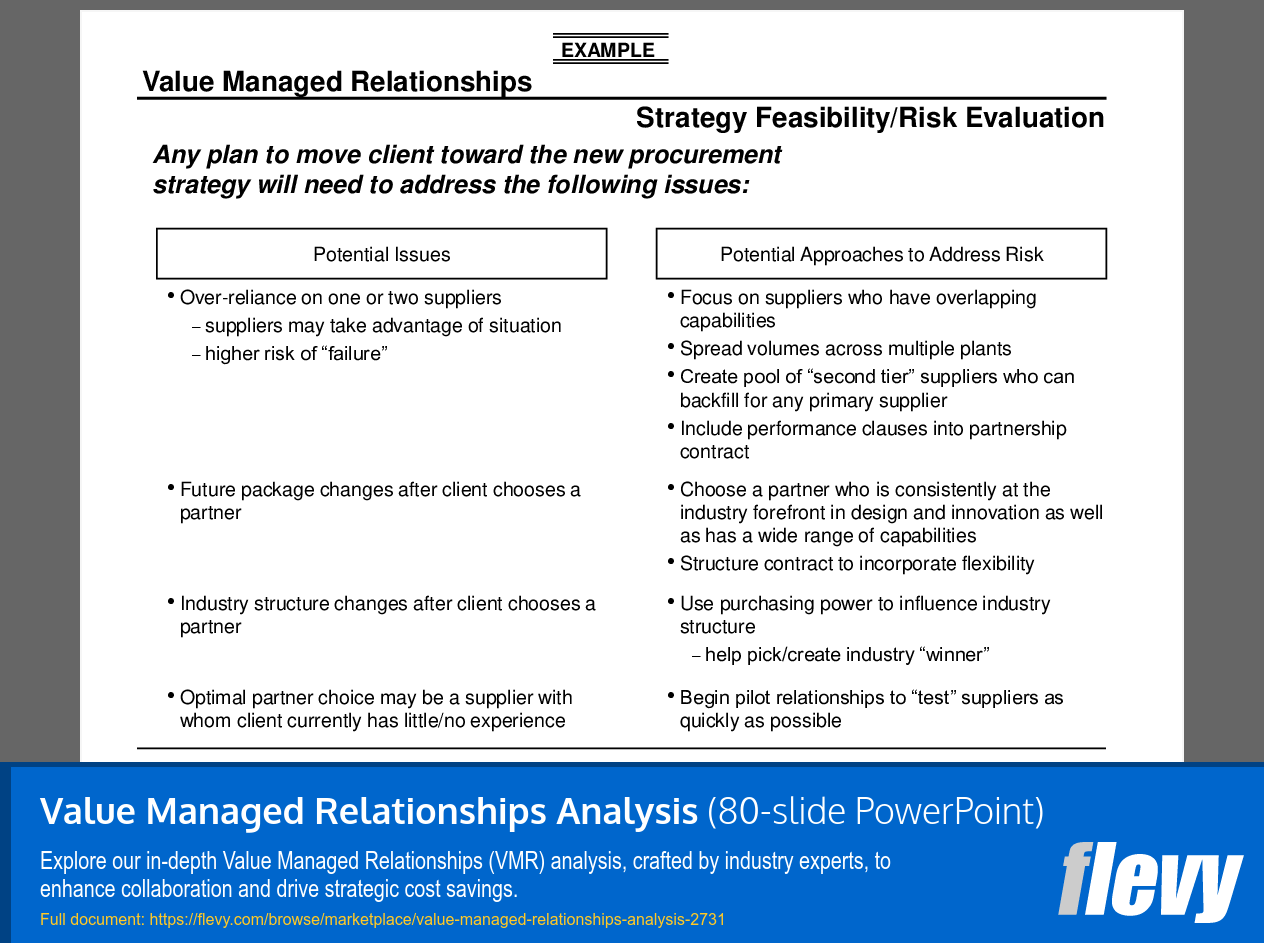
This PPT slide outlines critical considerations for transitioning to a new procurement strategy, focusing on managing supplier relationships. Key concerns include over-reliance on a limited number of suppliers, which can lead to operational vulnerabilities, and challenges from future changes in package offerings and industry structure post-partnership selection. The optimal supplier may be one with minimal prior experience, adding risk. To address these issues, strategies include diversifying supplier relationships with overlapping capabilities, establishing a secondary pool of suppliers for backup, and including performance clauses in contracts for accountability. Selecting innovative partners and structuring flexible contracts can help navigate changing circumstances. Utilizing purchasing power to influence industry dynamics and initiating pilot relationships can further mitigate long-term risks.
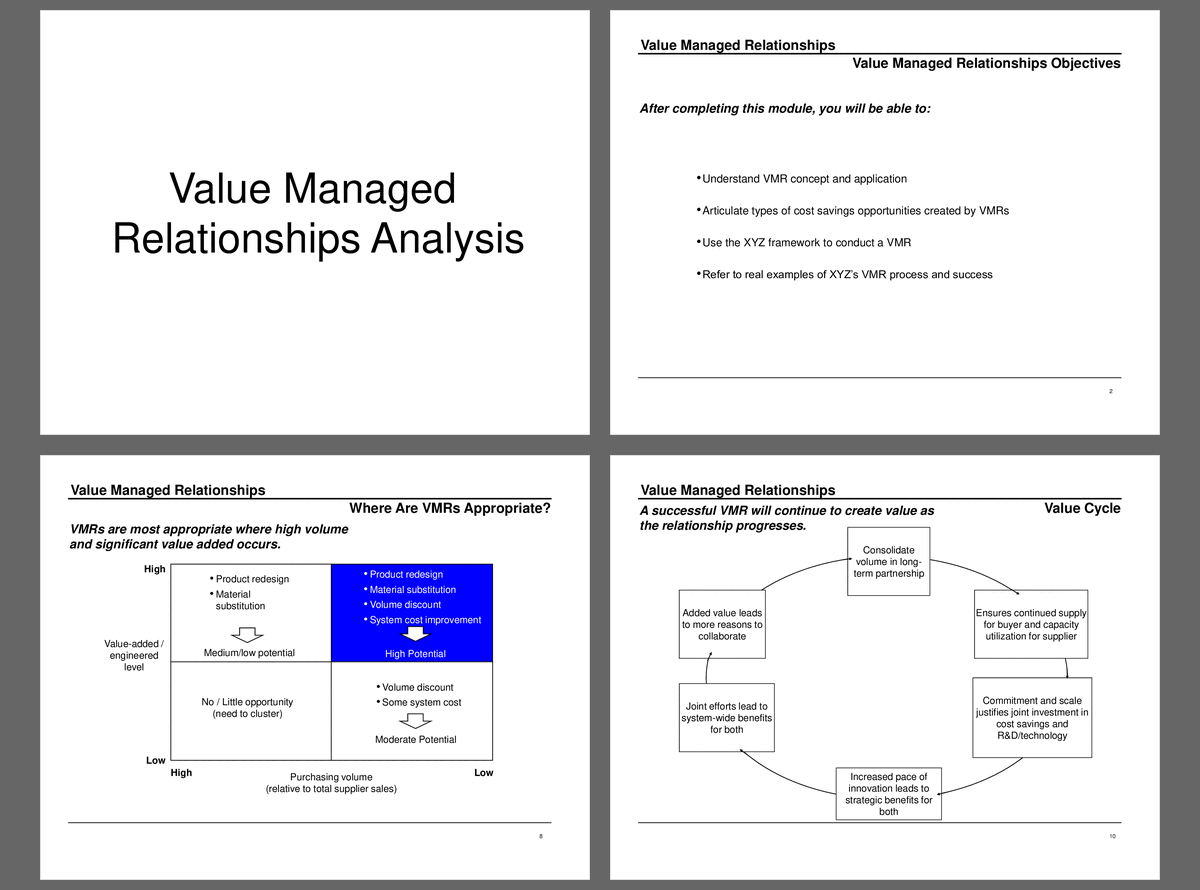
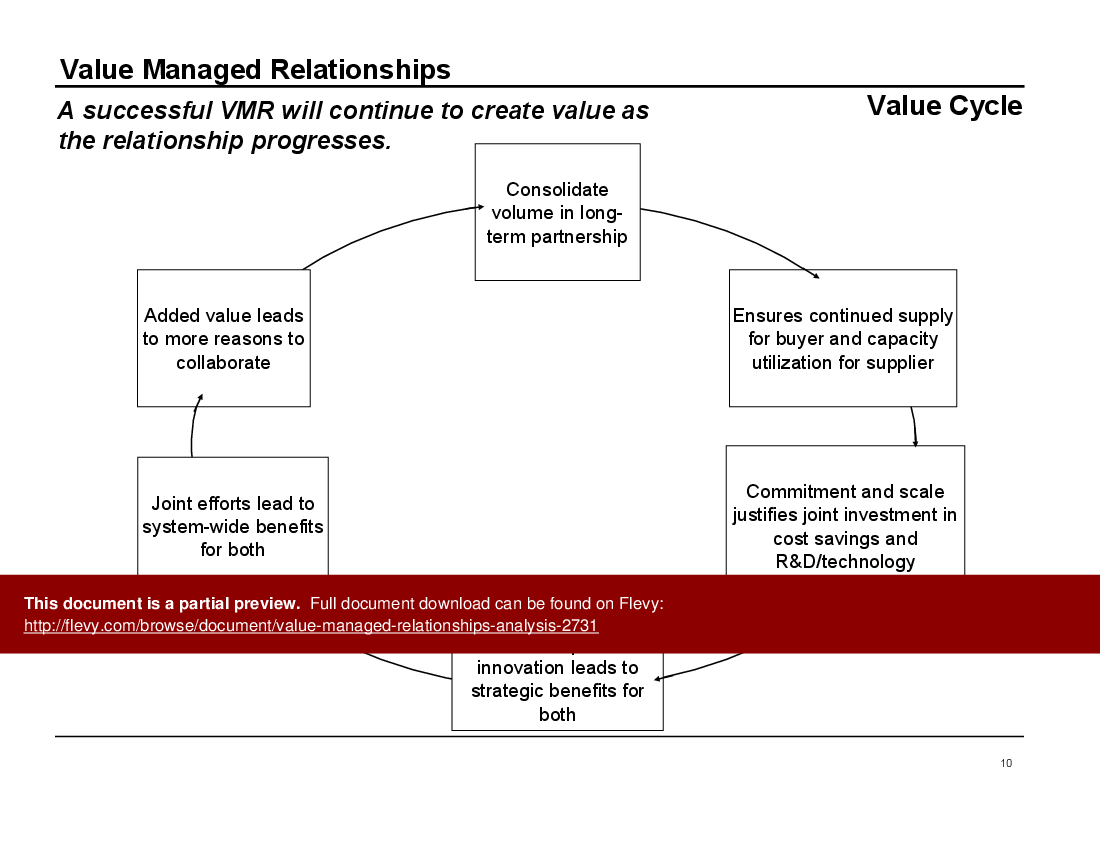
This PPT slide outlines Value Managed Relationships (VMR) and the ongoing creation of value through deepening partnerships. Central to VMR is consolidating volume within long-term collaborations, which enhances mutual benefits. Added value increases motivation for collaboration, leading to deeper engagement. Joint efforts yield system-wide benefits, driving efficiencies that enhance overall performance. Ensuring continuous supply for buyers while maximizing supplier capacity utilization is essential for partnership stability. Commitment and scale justify joint investments in cost savings and R&D, fostering innovation and efficiency. The increased pace of innovation from these collaborations leads to strategic benefits, emphasizing that successful VMR focuses on long-term growth and adaptability.
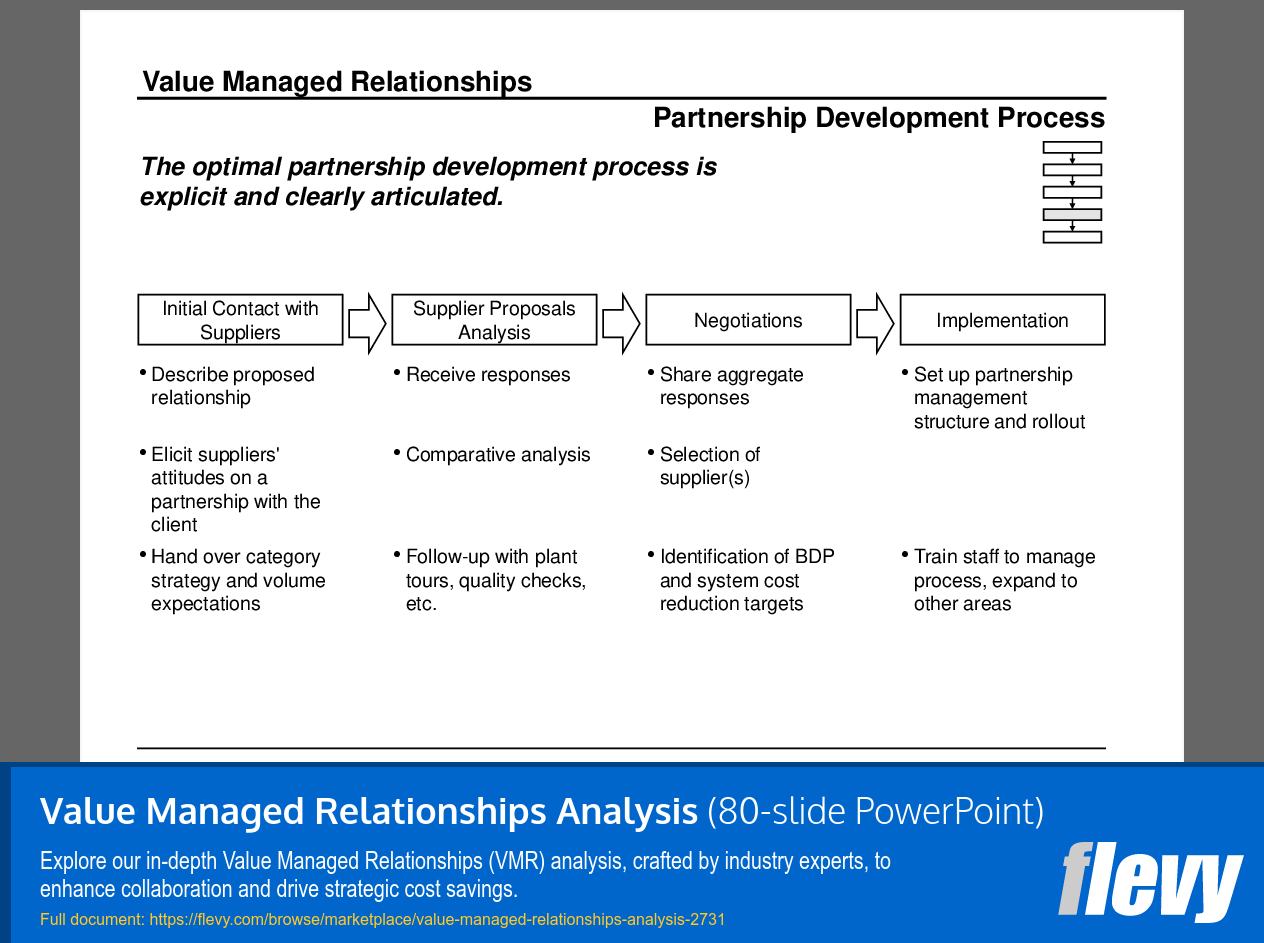
This PPT slide outlines a structured approach to developing supplier partnerships. The "Initial Contact with Suppliers" phase focuses on establishing the relationship foundation, including describing the partnership, gauging supplier attitudes, and discussing category strategy and volume expectations. The "Supplier Proposals Analysis" phase involves receiving supplier responses and conducting a comparative analysis to identify strengths and weaknesses. Follow-ups like plant tours and quality checks ensure suppliers meet standards. In the "Negotiations" phase, sharing aggregate responses and selecting suppliers are critical, with specific targets for Business Development Plans (BDP) and system cost reductions. The "Implementation" phase operationalizes the partnership through management structure setup and staff training, emphasizing ongoing integration across the organization. This systematic approach enhances supplier relationship management and collaboration effectiveness.
The "Value Managed Relationships" framework focuses on value engineering in supplier-client interactions. Suppliers play a critical role in driving value engineering initiatives, enhancing value generation. Key areas include Materials Substitution, Design Change, and Manufacturing Efficiency, evaluated by the Client's In-House Expert, Outside Expert, and Supplier. A visual representation uses filled and unfilled circles to indicate influence levels, facilitating quick assessments of value engineering sourcing. Not all value engineering ideas apply universally, necessitating tailored approaches based on specific contexts. Clients must incentivize suppliers to engage in value engineering, as some initiatives may not affect suppliers' cost structures. While multiple suppliers can enhance idea generation, the quality of relationships is more important than quantity for optimizing value outcomes.
The framework for evaluating Value Managed Relationships (VMRs) is based on 2 dimensions: value-added activities and purchasing volume relative to total supplier sales. It categorizes VMR opportunities into 4 quadrants. The top right quadrant indicates high potential, characterized by high purchasing volume and significant value-added activities, where strategies like product redesign, material substitution, volume discounts, and system cost improvements can drive value. The bottom right quadrant shows moderate potential with high purchasing volume, but limited value-added activities, focusing on volume discounts. The top left quadrant has medium to low potential, featuring high value-added activities, but low purchasing volume, suggesting constrained impact. The bottom left quadrant indicates minimal opportunity, with low purchasing volume and low value-added activities, necessitating purchasing clustering for benefits.
This PPT slide outlines 3 primary sources of value in managed relationships: volume/scale economics, value engineering and quality improvement, and systems cost reduction. Volume/scale economics focuses on supplier consolidation, enabling better negotiation terms and a larger share of incremental profits, with low implementation difficulty requiring minimal senior oversight. Value engineering emphasizes open dialogue on product design for optimized cost trade-offs, marked as moderate difficulty and necessitating more senior management engagement. Systems cost reduction involves buyer-supplier collaboration to streamline interactions and eliminate redundancies, indicated as high difficulty, demanding significant senior management involvement for successful execution.
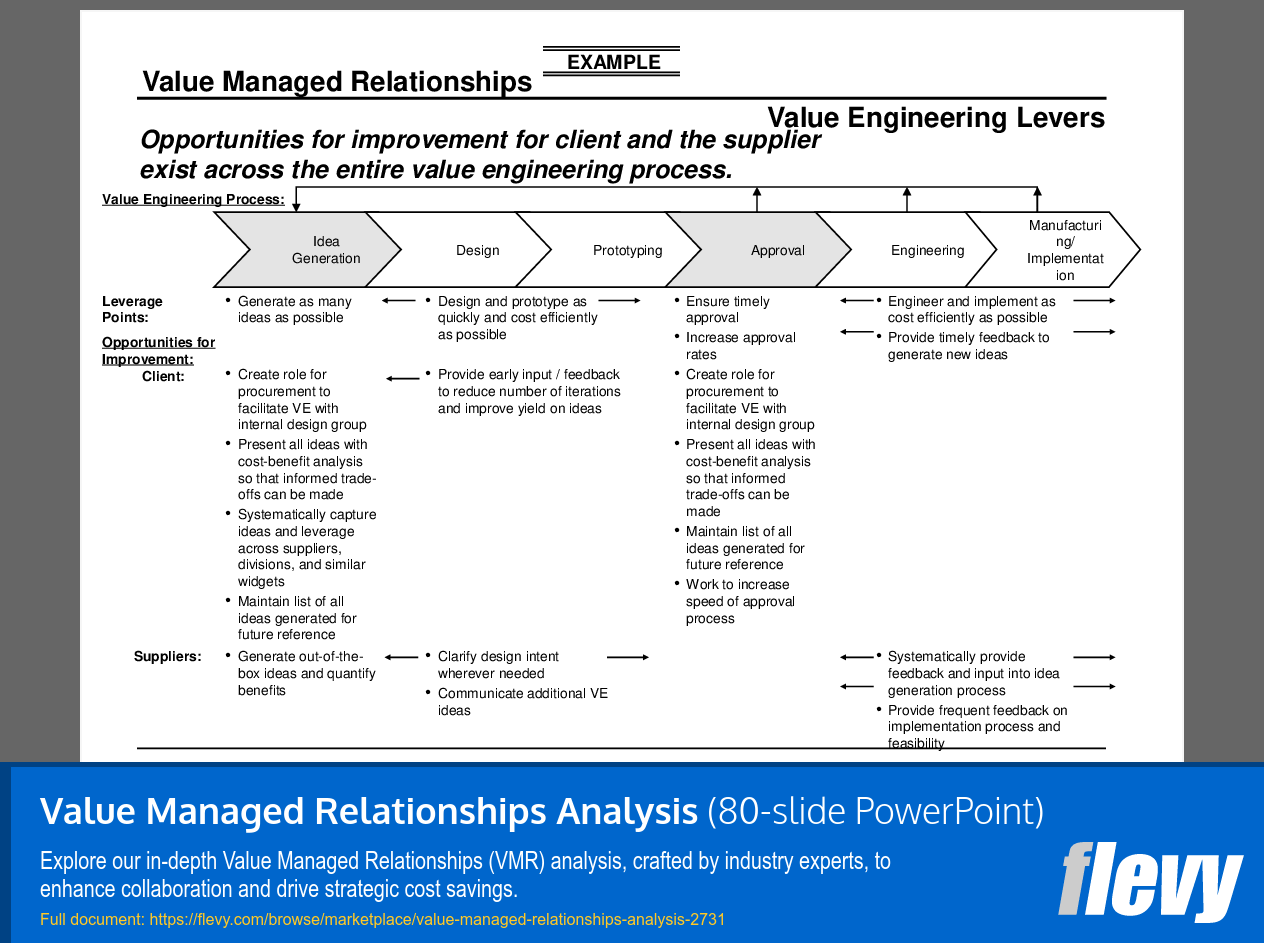
The "Value Managed Relationships" framework identifies opportunities for improvement in the value engineering process for clients and suppliers. It includes 2 sections: "Opportunities for Improvement" and "Value Engineering Levers," covering phases such as Idea Generation, Design, Prototyping, Approval, and Engineering. Clients should generate diverse ideas to foster creativity, establish procurement roles for collaboration with design teams, and present ideas with cost-benefit analyses for informed trade-offs. Systematic idea capturing from suppliers and divisions is essential, along with maintaining a list of ideas for future reference and expediting the approval process. Suppliers must generate unique ideas, clarify design intent, and communicate additional value engineering concepts to ensure timely approvals and efficient design and prototyping. This framework enhances collaboration and innovation in the value engineering process.
This PPT slide outlines a structured approach to Value Managed Relationships (VMR) for identifying and implementing cost-saving opportunities through strategic supplier partnerships. The process begins with identifying VMR opportunities by selecting products based on purchasing volume and value-added potential. Understanding the industry cost structure involves analyzing industry economics to hypothesize potential savings. The selection of VMR candidates requires analyzing suppliers to identify the best partners for VMR initiatives. Obtaining top management commitment ensures engagement from both client and supplier senior management, vital for successful implementation. Identifying specific cost reduction opportunities involves detailed analyses to quantify potential savings. The implementation phase formalizes and executes identified opportunities, translating plans into actionable strategies. Finally, tracking VMR savings is essential for monitoring progress and evaluating the effectiveness of established relationships, driving strategic savings and optimizing supplier partnerships.
This PPT slide outlines a framework for capturing value engineering savings through critical questions. It identifies key players in the value chain capable of driving value engineering initiatives. The first decision point assesses whether necessary capabilities exist in-house or need external development. If capabilities are available, clients can capture savings directly; if not, they must consider cost-effective outside experts for outsourcing or contracting. The slide also examines the leverageability of value engineering ideas across business units, suggesting that broad applicability enhances savings potential. If leverageability is limited, value engineering should be a contractual requirement. Finally, it addresses the need for incentives for suppliers to engage in value engineering, recommending the establishment of a Value Managed Relationship (VMR) to share savings when no incentives are necessary.
This PPT slide presents a framework for Value Managed Relationships (VMR) that enhances value through vertical integration. It identifies 3 primary sources of value: Volume/Scale Economies, Value Engineering and Quality Improvement, and System Cost Reduction.
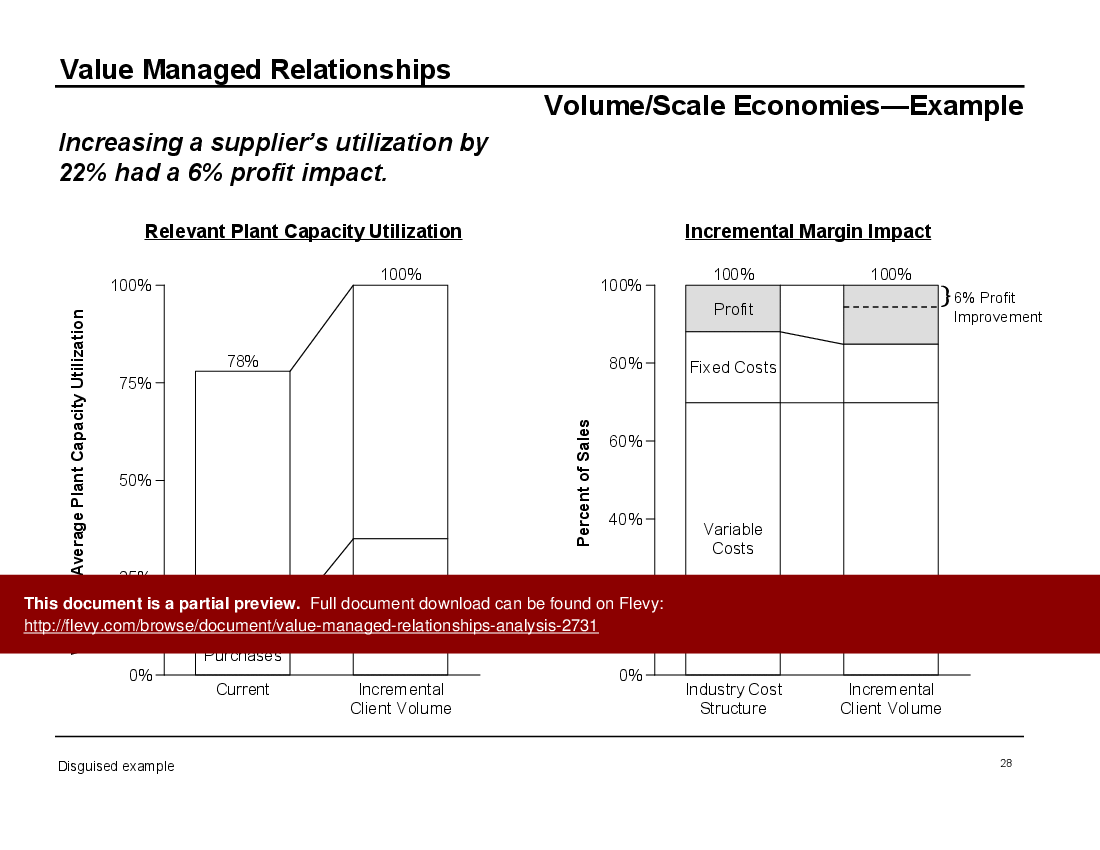
Volume/Scale Economies focus on improved quality from reduced variability and better communication, contributing approximately 25% to total value creation.
Value Engineering and Quality Improvement emphasize technology and capability sharing to achieve the lowest cost and highest value, projected to account for 50% of total value creation.
System Cost Reduction targets the elimination of redundant processes and cross-company logistics, estimating a 25% contribution to total value creation.
A strong VMR significantly enhances operational efficiency and value, allowing organizations to concentrate resources on their core business.
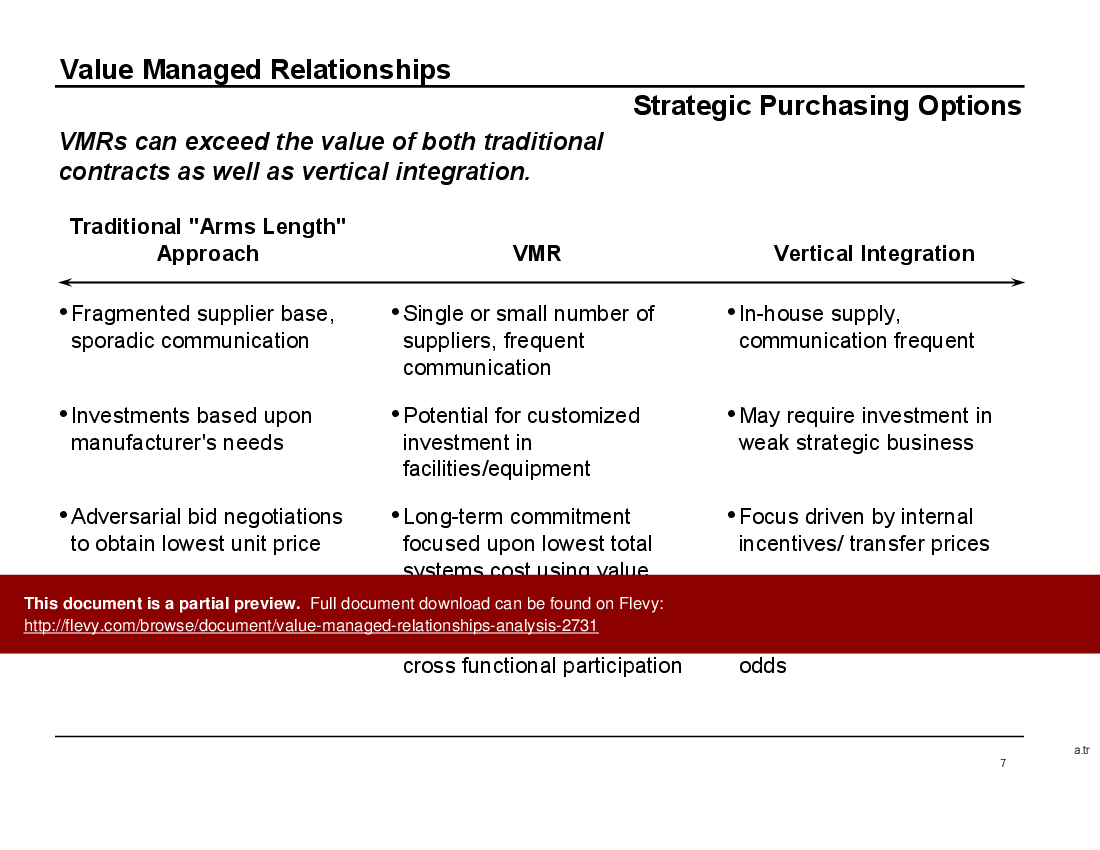
This PPT slide presents a comparative analysis of Value Managed Relationships (VMRs), traditional procurement methods, and vertical integration strategies. VMRs foster closer supplier relationships and enhance collaboration, contrasting with the traditional "Arms Length" approach characterized by a fragmented supplier base and adversarial negotiations focused on the lowest unit price. The VMR model emphasizes maintaining a limited number of suppliers for frequent communication, enhancing trust and collaboration, and aligning investments with strategic goals to minimize total systems costs. Joint product design and cross-functional participation promote innovation. Vertical integration involves in-house supply and frequent communication, but may lead to misaligned internal incentives and investments in weaker areas. The strategic advantages of VMRs suggest they can create more sustainable and productive supplier relationships compared to traditional methods and vertical integration.
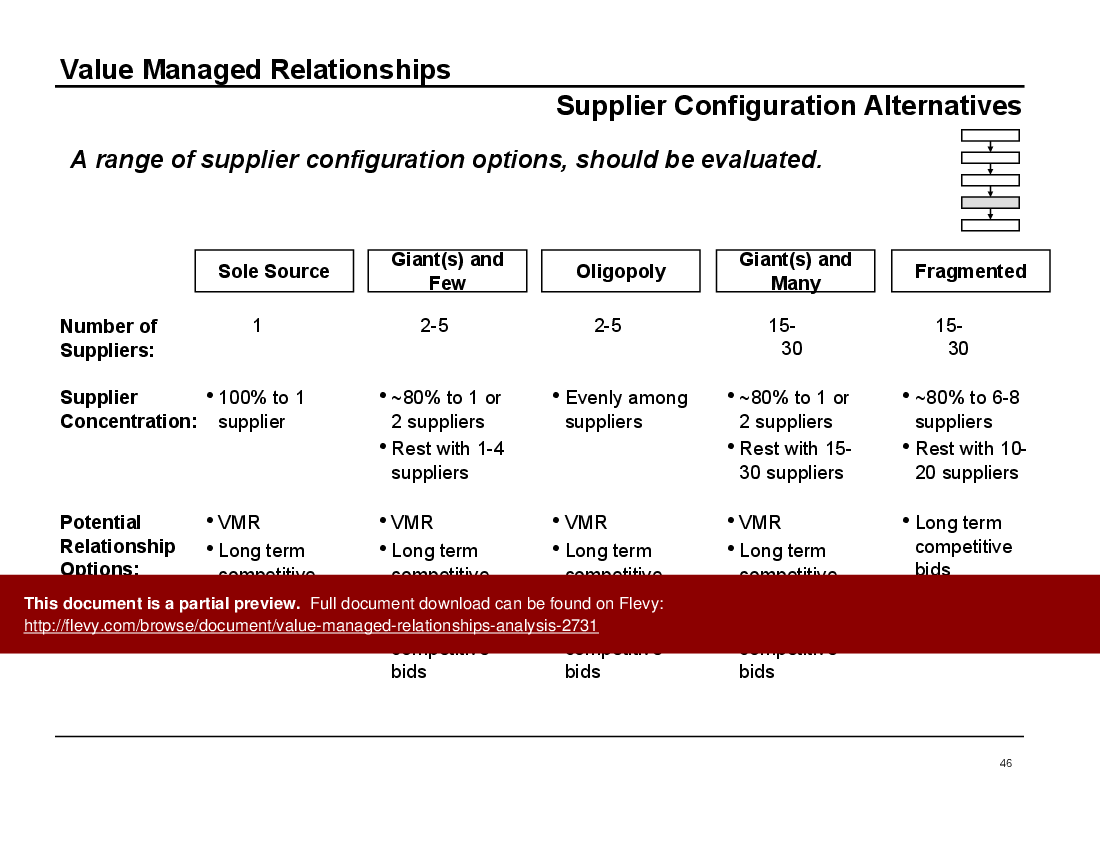
This PPT slide categorizes supplier configurations within Value Managed Relationships (VMR) into 5 types: Sole Source, Giant(s) and Few, Oligopoly, Giant(s) and Many, and Fragmented. Sole Source indicates reliance on one supplier, posing high operational risk. Giant(s) and Few involves 2 to 5 suppliers, with 80% concentration on 1 or 2, suggesting balanced risk, but significant dependency. Oligopoly also includes 2 to 5 suppliers, but distributes business evenly, enhancing negotiation leverage and risk mitigation. Giant(s) and Many expands to 15-30 suppliers, allowing for more options and better pricing. Fragmented features 15-30 suppliers with 80% concentration on 6-8, increasing competition, but complicating relationship management. Each configuration offers unique relationship options, emphasizing the need for evaluation based on organizational goals and risk tolerance.
This PPT slide outlines critical components of Value Managed Relationships (VMR), emphasizing the foundational role of "Strategy." Clarity and consensus on strategic goals are essential for stakeholder alignment, preventing misdirection. The slide identifies 2 key components: "Organization" and "Process." The "Organization" section highlights the necessity for cross-departmental collaboration and communication to execute VMR initiatives successfully. The "Process" segment stresses the importance of a structured approach for identifying and implementing opportunities, ensuring that potential value is recognized and acted upon effectively. The interconnectedness of strategy, organization, and process is crucial for the success of VMR initiatives.
This PPT slide presents a case study on Value Managed Relationships (VMR) focusing on systems costs and quality control processes. Initially, 5 full-time equivalents (FTEs) were dedicated to quality control, leading to redundancy and inefficiencies. Post-VMR implementation, quality control FTEs were reduced to three, indicating improved efficiency. The shift to a joint quality control approach streamlines processes, enhances collaboration between supplier and customer, and allows for direct feedback, reducing multiple inspections. This change results in a 40% reduction in quality control costs, showcasing the financial benefits of VMR principles and providing valuable insights for organizations aiming to optimize their supply chain and reduce operational costs.
Source: Best Practices in Customer-centricity, Customer Profitability PowerPoint Slides: Value Managed Relationships Analysis PowerPoint (PPT) Presentation Slide Deck, Documents & Files
Since 2012, we have provided business templates to over 10,000 businesses and organizations of all sizes, from startups and small businesses to the Fortune 100, in over 130 countries.
"FlevyPro has been a brilliant resource for me, as an independent growth consultant, to access a vast knowledge bank of presentations to support my work with clients. In terms of RoI, the value I received from the very first presentation I downloaded paid for my subscription many times over! The
quality of the decks available allows me to punch way above my weight – it's like having the resources of a Big 4 consultancy at your fingertips at a microscopic fraction of the overhead.
"
– Roderick Cameron, Founding Partner at SGFE Ltd
"I like your product. I'm frequently designing PowerPoint presentations for my company and your product has given me so many great ideas on the use of charts, layouts, tools, and frameworks. I really think the templates are a valuable asset to the job."
– Roberto Fuentes Martinez, Senior Executive Director at Technology Transformation Advisory
"[Flevy] produces some great work that has been/continues to be of immense help not only to myself, but as I seek to provide professional services to my clients, it gives me a large "tool box" of resources that are critical to provide them with the quality of service and outcomes they are expecting."
– Royston Knowles, Executive with 50+ Years of Board Level Experience
"As an Independent Management Consultant, I find Flevy to add great value as a source of best practices, templates and information on new trends. Flevy has matured and the quality and quantity of the library is excellent. Lastly the price charged is reasonable, creating a win-win value for
the customer, Flevy and the various authors. This is truly a service that benefits the consulting industry and associated clients. Thanks for providing this service.
"
– Jim Schoen, Principal at FRC Group
"If you are looking for great resources to save time with your business presentations, Flevy is truly a value-added resource. Flevy has done all the work for you and we will continue to utilize Flevy as a source to extract up-to-date information and data for our virtual and onsite presentations!"
– Debbi Saffo, President at The NiKhar Group
"Flevy.com has proven to be an invaluable resource library to our Independent Management Consultancy, supporting and enabling us to better serve our enterprise clients.
The value derived from our [FlevyPro] subscription in terms of the business it has helped to gain far exceeds the investment made, making a subscription a no-brainer for any growing consultancy – or in-house strategy team."
– Dean Carlton, Chief Transformation Officer, Global Village Transformations Pty Ltd.
"My FlevyPro subscription provides me with the most popular frameworks and decks in demand in today’s market. They not only augment my existing consulting and coaching offerings and delivery, but also keep me abreast of the latest trends, inspire new products and service offerings for my practice, and educate me
in a fraction of the time and money of other solutions. I strongly recommend FlevyPro to any consultant serious about success.
"
– Bill Branson, Founder at Strategic Business Architects
"I have found Flevy to be an amazing resource and library of useful presentations for lean sigma, change management and so many other topics. This has reduced the time I need to spend on preparing for my performance consultation. The library is easily accessible and updates are regularly provided. A wealth of great information."
– Cynthia Howard RN, PhD, Executive Coach at Ei Leadership
Save with Bundles

This document is available as part of the following discounted bundle(s):
Download our FREE Digital Transformation Templates
Download our free compilation of 50+ Digital Transformation slides and templates. DX concepts covered include Digital Leadership, Digital Maturity, Digital Value Chain, Customer Experience, Customer Journey, RPA, etc.