
Developed by a Senior Executive and Operational Excellence Coach with experience at organizations including NOKIA, MICROVENTION, and MAGELLAN, this presentation and templates cover a step-by-step approach to Process Risk Analysis (FMEA).

the systematic analysis of a manufacturing, service or administrative process,
the identification of critical and/or significant process characteristics, and
the identification of process deficiencies and development of an effective corrective action plan.
LEAN PPT DESCRIPTION
This product (Lean Six Sigma - Process Risk Analysis [FMEA]) is a 131-slide PPT PowerPoint presentation slide deck (PPTX) with a supplemental Excel document, which you can download immediately upon purchase.
The Lean Six Sigma – Process Risk Analysis & Mistake-Proofing Training Module provides you with a step-by-step approach, as well as examples, exercises, and templates, to analyze and eliminate risks in your manufacturing, service or business processes. This training module includes:
1. 132 PowerPoint slides covering
• Introduction to Process Risk Analysis & Mistake-Proofing,
• Process Variables Map,
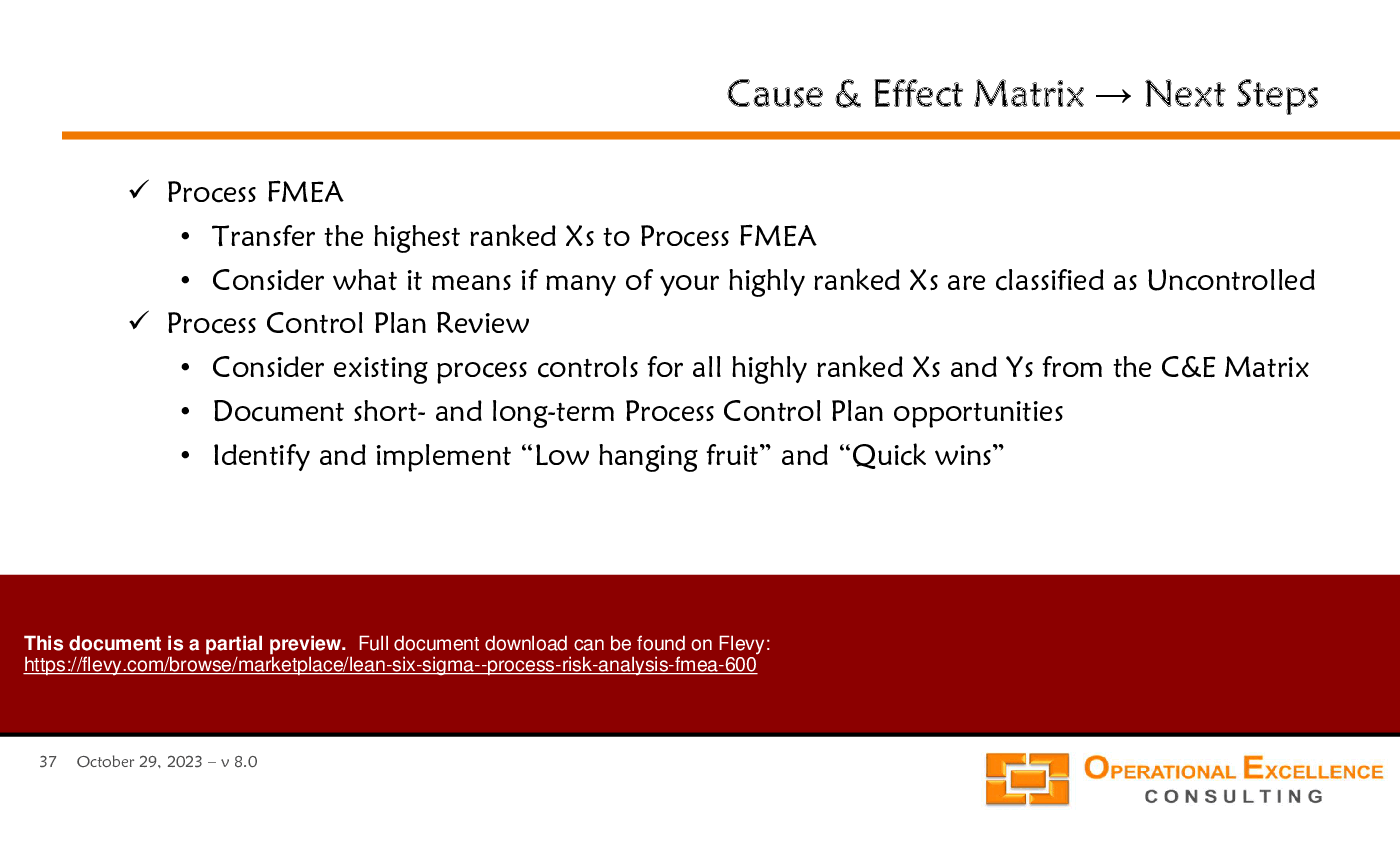
• Cause & Effect Matrix,
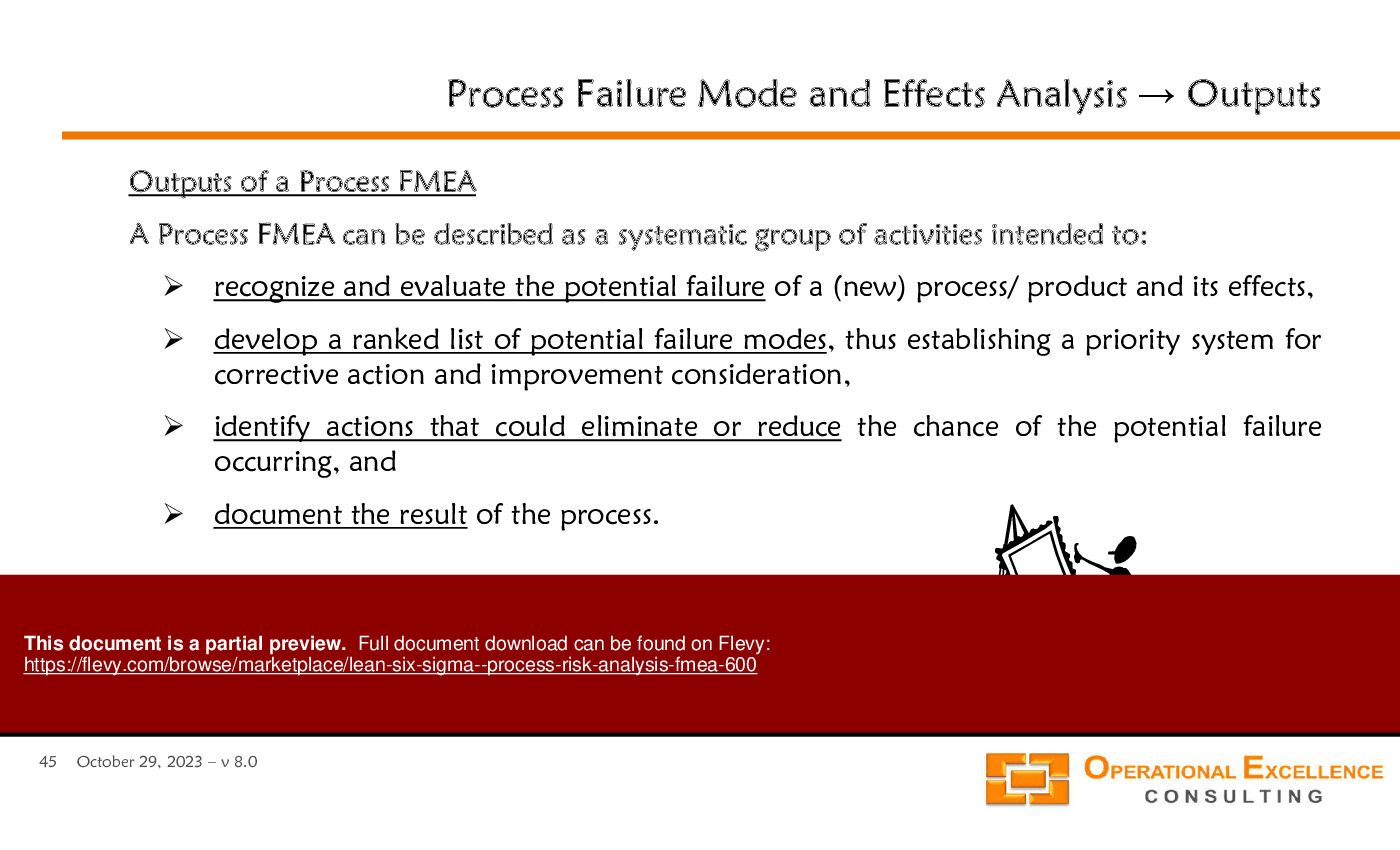
• Process Failure Mode and Effects Analysis,
• Sixteen Human Error Modes,
• Six Mistake-Proofing Principles,
• Seven Types of Poka-Yoke Devices and Examples,
• Process Control Plan,
• and 6 Workshop Exercises.
2. MS Excel Process Variables Map Template & Example
3. MS Excel Cause & Effect Matrix Template & Example
4. MS Excel Process FMEA Template & Example
5. MS Excel Process Control Plan Template & Example
"After you have downloaded the training material, you can change any part of the training material and remove all logos and references to Operational Excellence Consulting. You can share the material with your colleagues and clients, and re-use it as you need. The only restriction is that you cannot publicly re-distribute, sell, rent or license the material as though it is your own. Thank you."
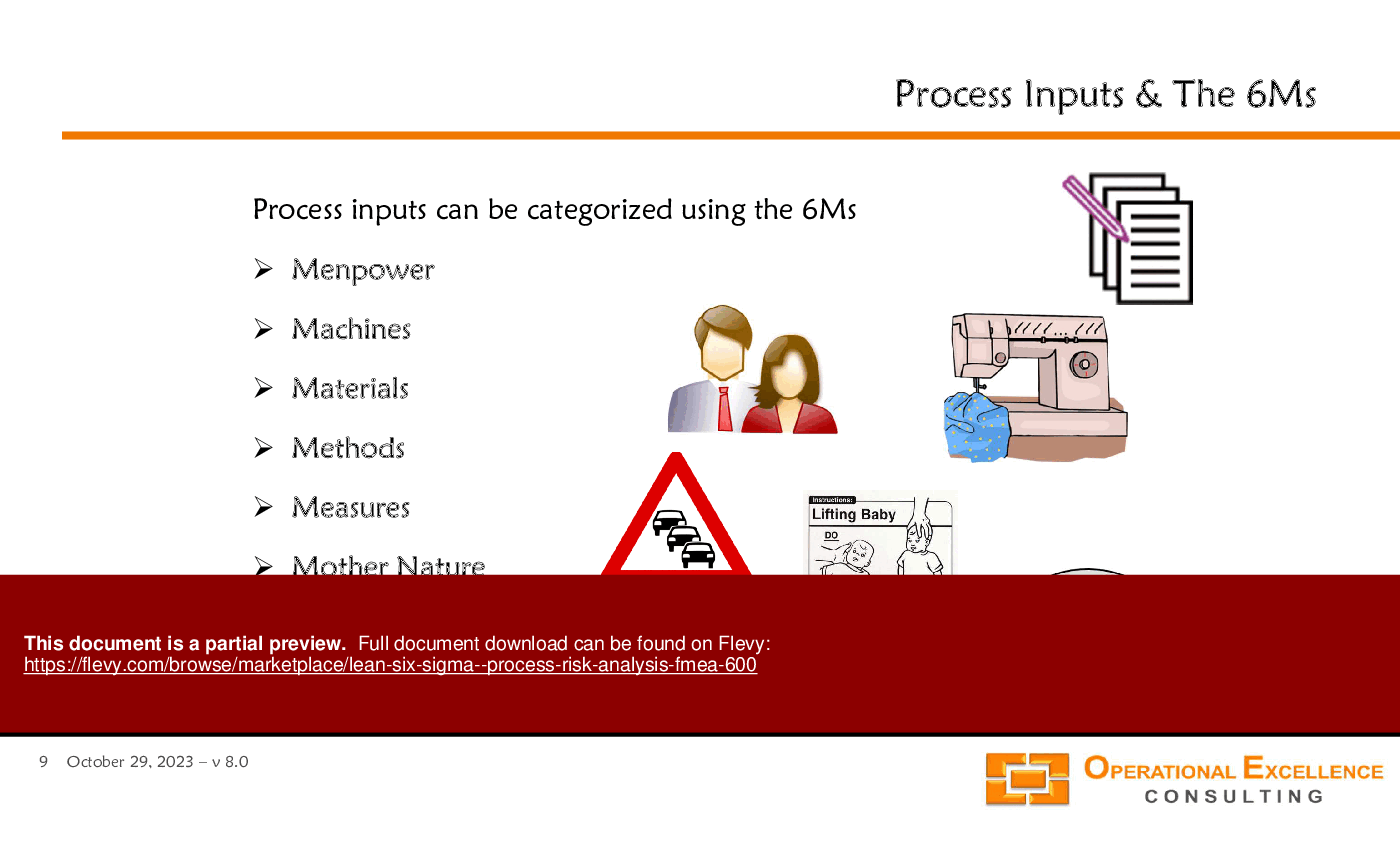
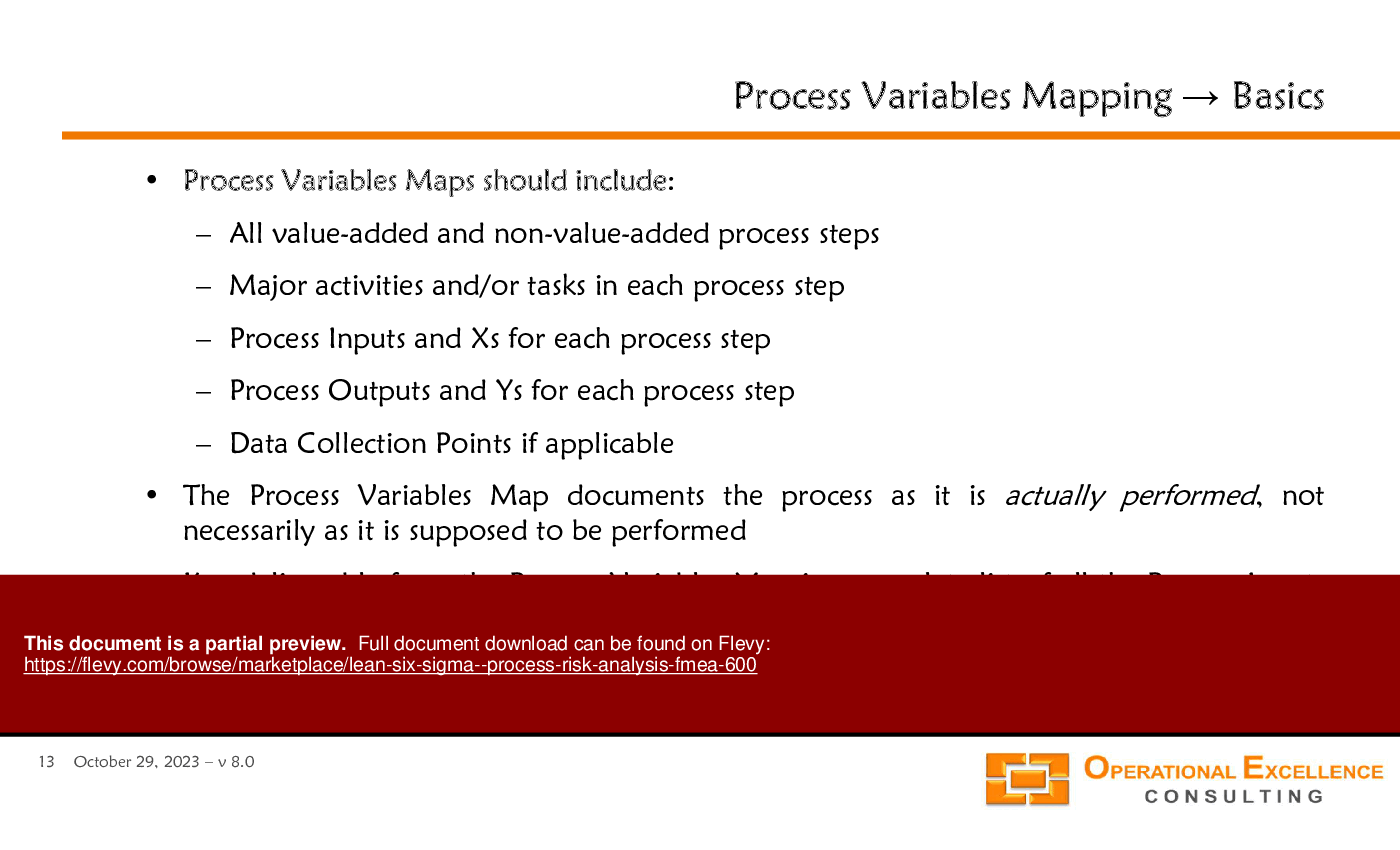
This comprehensive module delves into the intricacies of process inputs using the 6Ms framework: Manpower, Machines, Materials, Methods, Measures, and Mother Nature. It guides you through the essentials of Process Variables Mapping, ensuring you capture all value-added and non-value-added steps, major activities, and data collection points. The module emphasizes the importance of documenting the process as it is actually performed, not just as it is supposed to be performed.
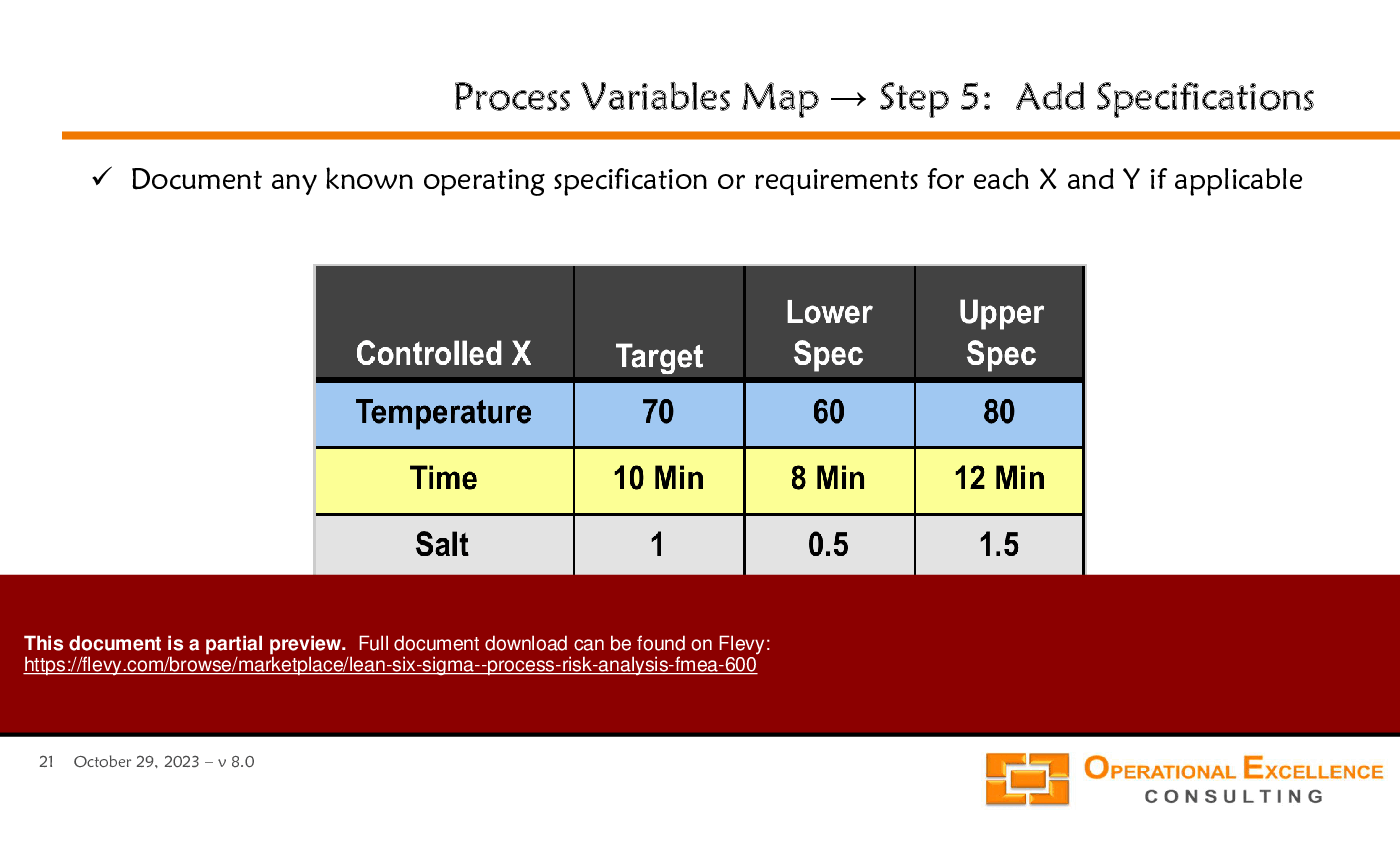
The training also covers the Cause & Effect Matrix, which helps in funneling the complete list of inputs and process variables for further evaluation using FMEA. It includes detailed steps for identifying process steps, adding specifications, and prioritizing variables. This structured approach ensures a thorough review and assessment of your Process Control Plan, enabling you to identify and implement low-hanging fruit and quick wins efficiently.
Got a question about the product? Email us at support@flevy.com or ask the author directly by using the "Ask the Author a Question" form. If you cannot view the preview above this document description, go here to view the large preview instead.
This slide outlines a checklist for a Process Control Plan, essential for effective manufacturing oversight. It includes process maps detailing manufacturing steps, material flow, and significant variables, ensuring operational clarity. Key product variables are identified, focusing on customer importance, target values, and specification ranges, which align production with quality assurance. Identification of critical process input variables is crucial for maintaining operational standards. Control strategies are statistically determined to keep processes within acceptable limits. Measurement systems must be capable and calibrated for accuracy in production metrics. The checklist details sampling, inspection, and testing plans, reinforcing accountability in quality control. A reaction plan for out-of-spec conditions ensures prompt deviation management. Operating procedures define actions, responsibilities, and maintenance schedules. Training materials cover process operation and responsibilities, while documenting process improvements captures lessons learned. The control plan must be reviewed and updated quarterly to promote continuous improvement.
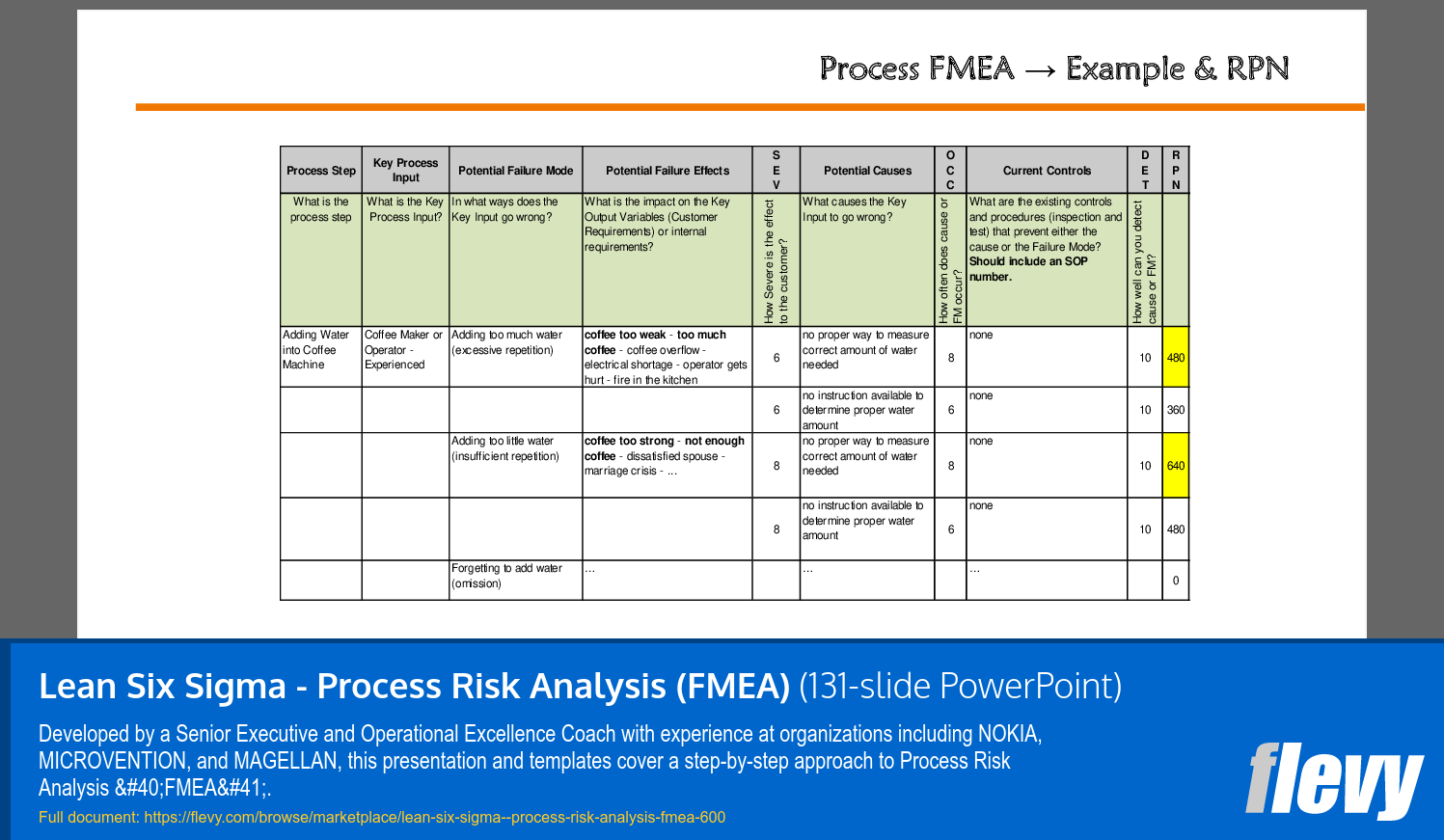
This slide outlines a structured approach to Process Failure Mode and Effects Analysis (FMEA) for a coffee-making process. It identifies process steps, such as adding water, and key inputs like operator experience. Potential failure modes include adding too much or too little water, affecting coffee strength. Each failure mode is assessed for severity, occurrence, and detection using S, O, and D columns. Causes of failures, such as improper measurement or lack of instructions, are highlighted. Current controls mitigate these risks, and the Risk Priority Number (RPN) quantifies risk for prioritization. This FMEA framework aids organizations in systematically identifying and addressing process risks, enhancing operational excellence and continuous improvement.
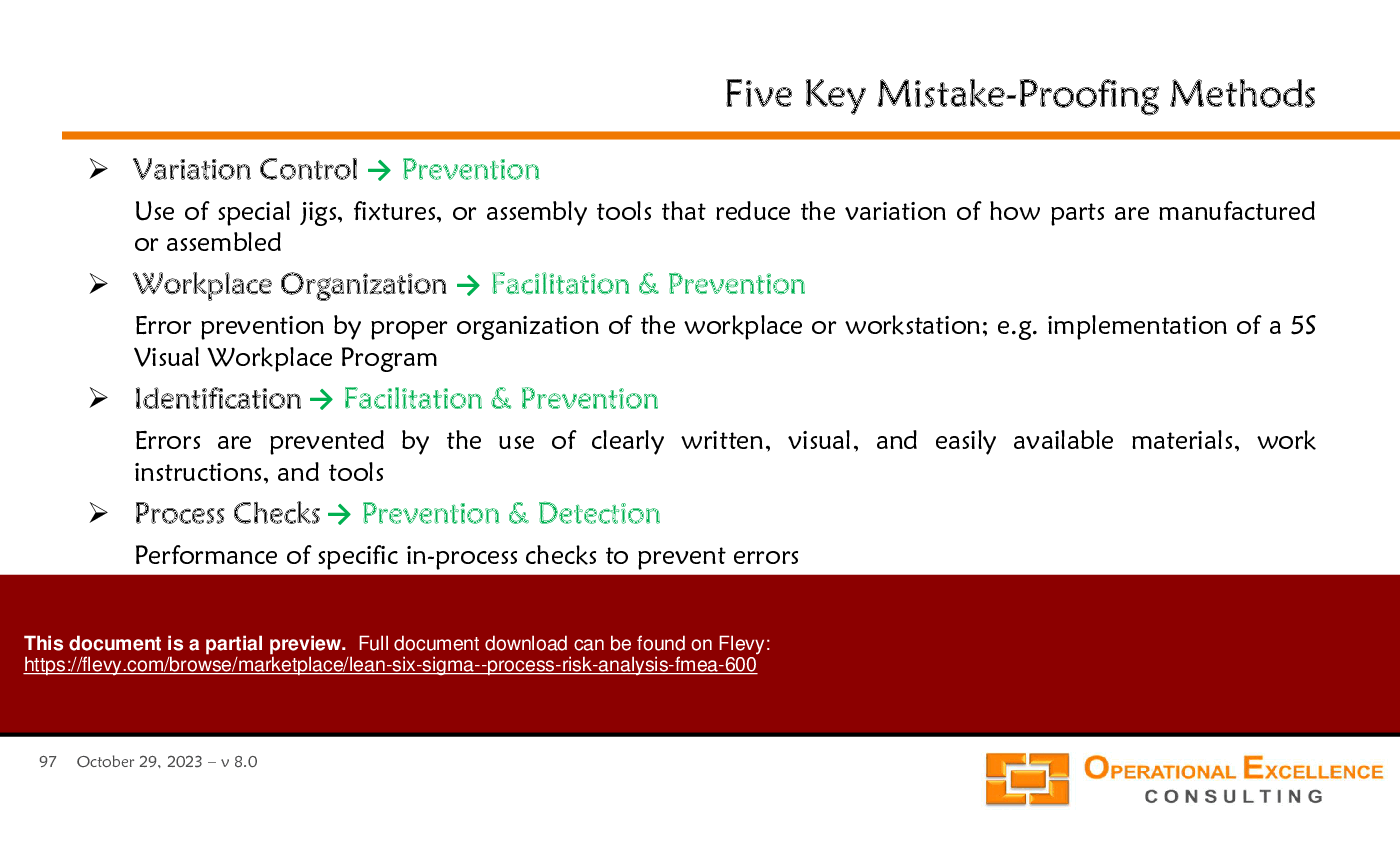
This slide outlines 2 key principles for reducing human errors: Elimination and Prevention. Elimination involves redesigning processes to remove error-prone steps, exemplified by ambient light sensors that automate outdoor lighting, thus minimizing manual operation and potential errors. Prevention focuses on modifying processes or products to prevent mistakes from occurring, illustrated by the shift from rectangular to round manhole covers, which ensures safety by preventing covers from falling into holes. Implementing these principles enhances operational efficiency and safety, significantly reducing errors and improving process quality and reliability. This proactive approach to risk management is essential in today’s competitive environment.
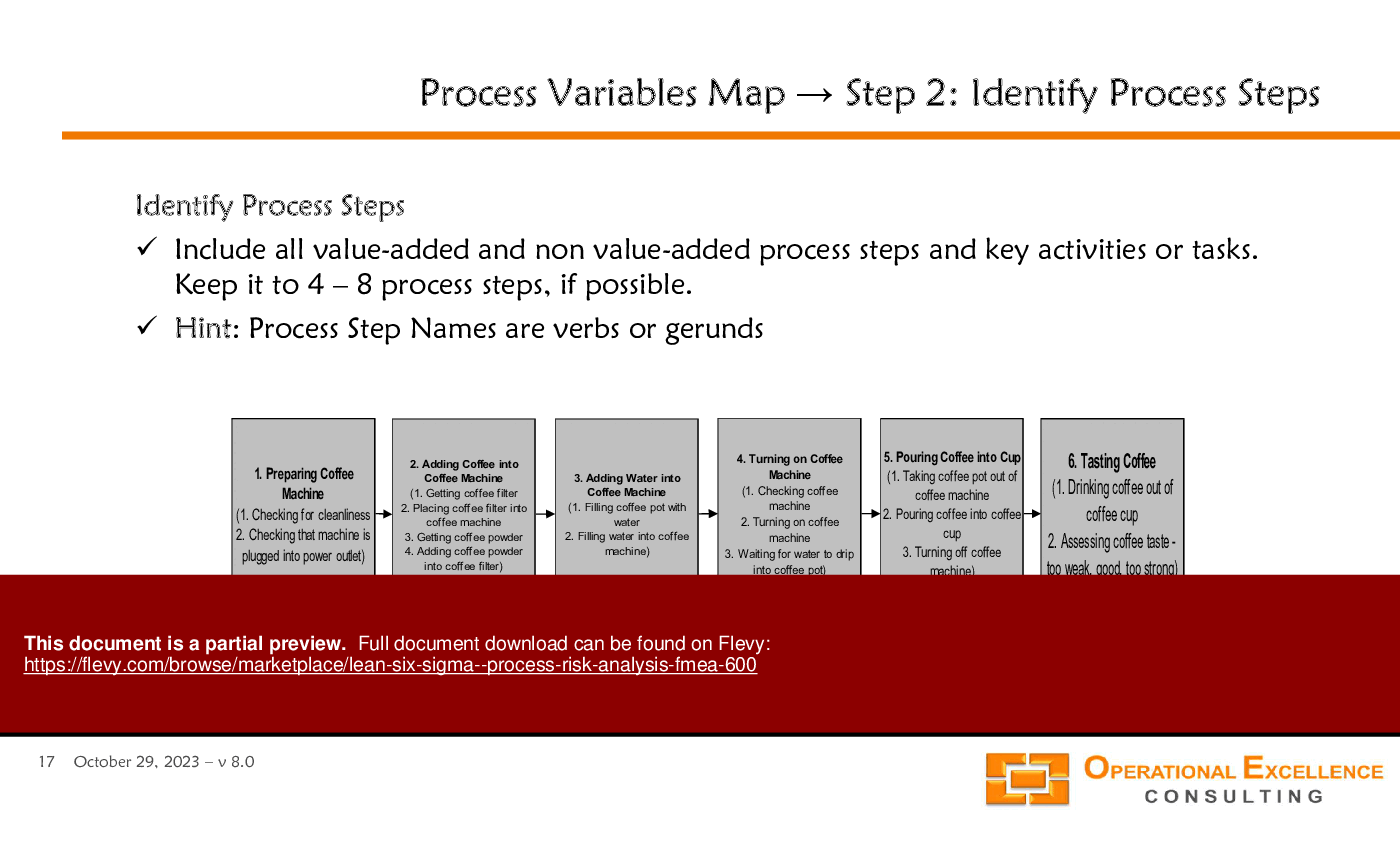
This slide outlines a structured approach to creating a High-Level Process Map for coffee-making. Key tasks include defining the process, identifying outputs with measurable attributes, and listing external inputs using the 6 Ms framework: Man, Machine, Material, Method, Measure, and Mother Earth. Each category is populated with relevant examples, clarifying roles and resources involved in the process. Outputs, termed "BIG Project Ys," include measurable attributes like coffee quantity and taste, essential for assessing process effectiveness and aligning with customer requirements. This framework aids organizations in understanding processes and making informed decisions to enhance operational efficiency.
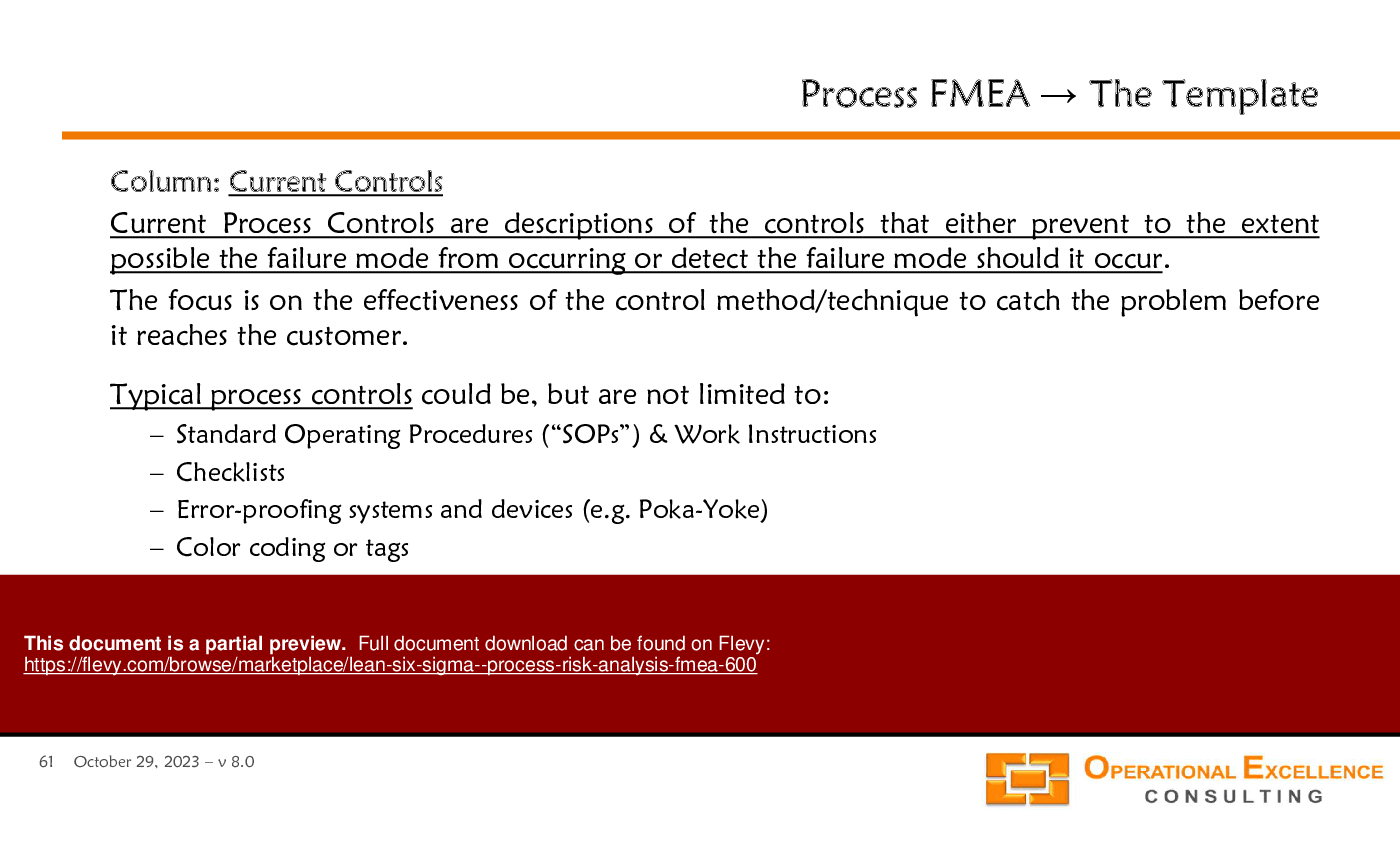
A Control Plan is a formal document outlining quality planning actions for specific processes, products, or services. Key objectives include ensuring consistent operational processes to minimize variation, which reduces waste and enhances efficiency. It also emphasizes institutionalizing product and process improvements for long-term sustainability. Adequate training in standard operating procedures and tools is essential for empowering employees to maintain quality standards. The visual flow illustrates the relationship between customer requirements, product characteristics, process inputs and outputs, and process controls, highlighting that a well-crafted Control Plan is integral to a broader quality management system. This encapsulates the role of a Process Control Plan in driving efficiency and embedding improvements.
This slide outlines a structured approach to Process Failure Mode and Effects Analysis (FMEA) within a Lean Six Sigma framework. It identifies potential failures in a process step, such as adding water to a coffee machine, and assesses their impact on quality. Key process inputs and failure modes are detailed, with examples like excessive water leading to weak or strong coffee. A severity rating evaluates the impact of each failure on customer satisfaction, aiding in risk prioritization. Potential causes include inadequate measurement tools or operator instructions. Current controls are listed, highlighting areas for improvement. The slide also suggests methods for tracking failure frequency and detection, emphasizing the need for continuous monitoring and process refinement.
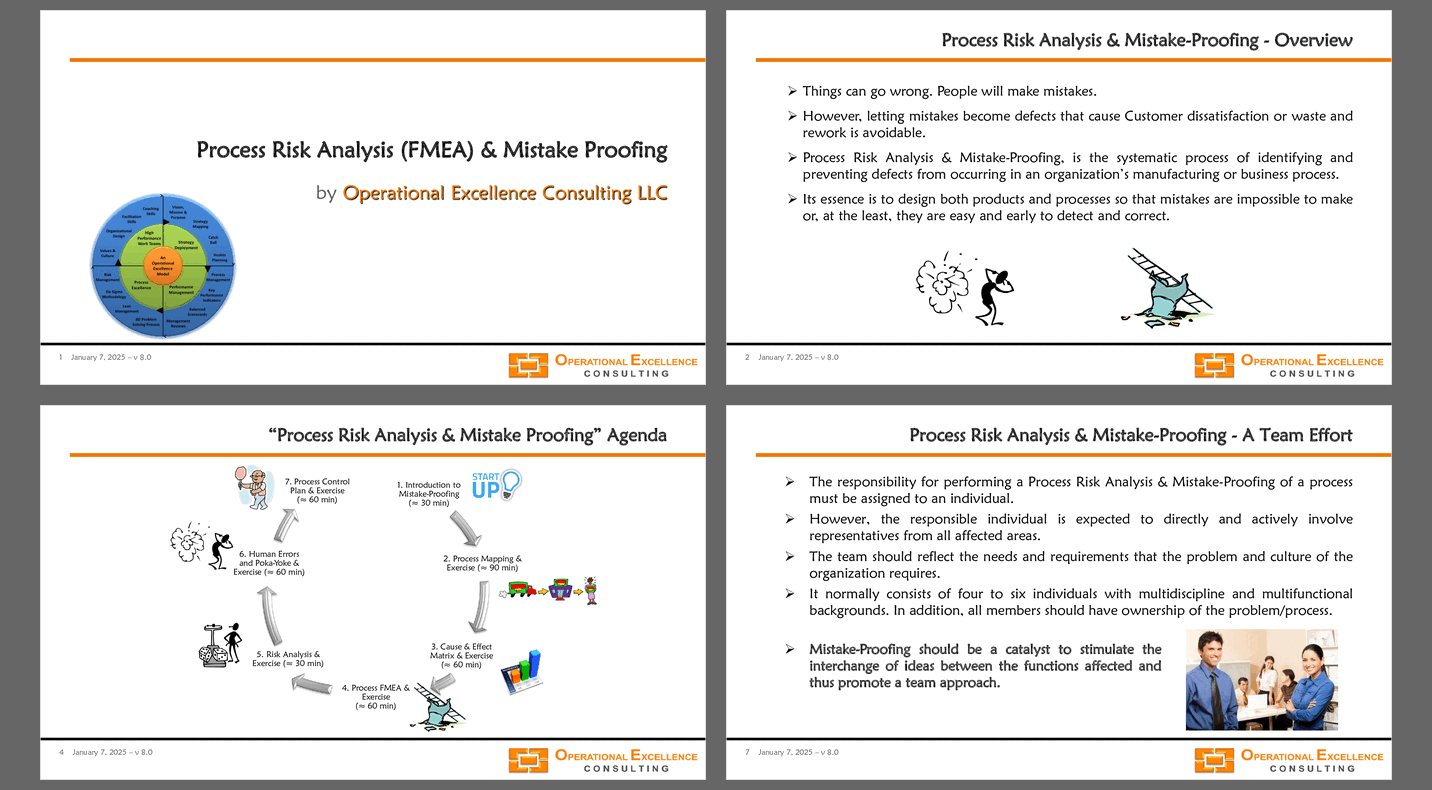
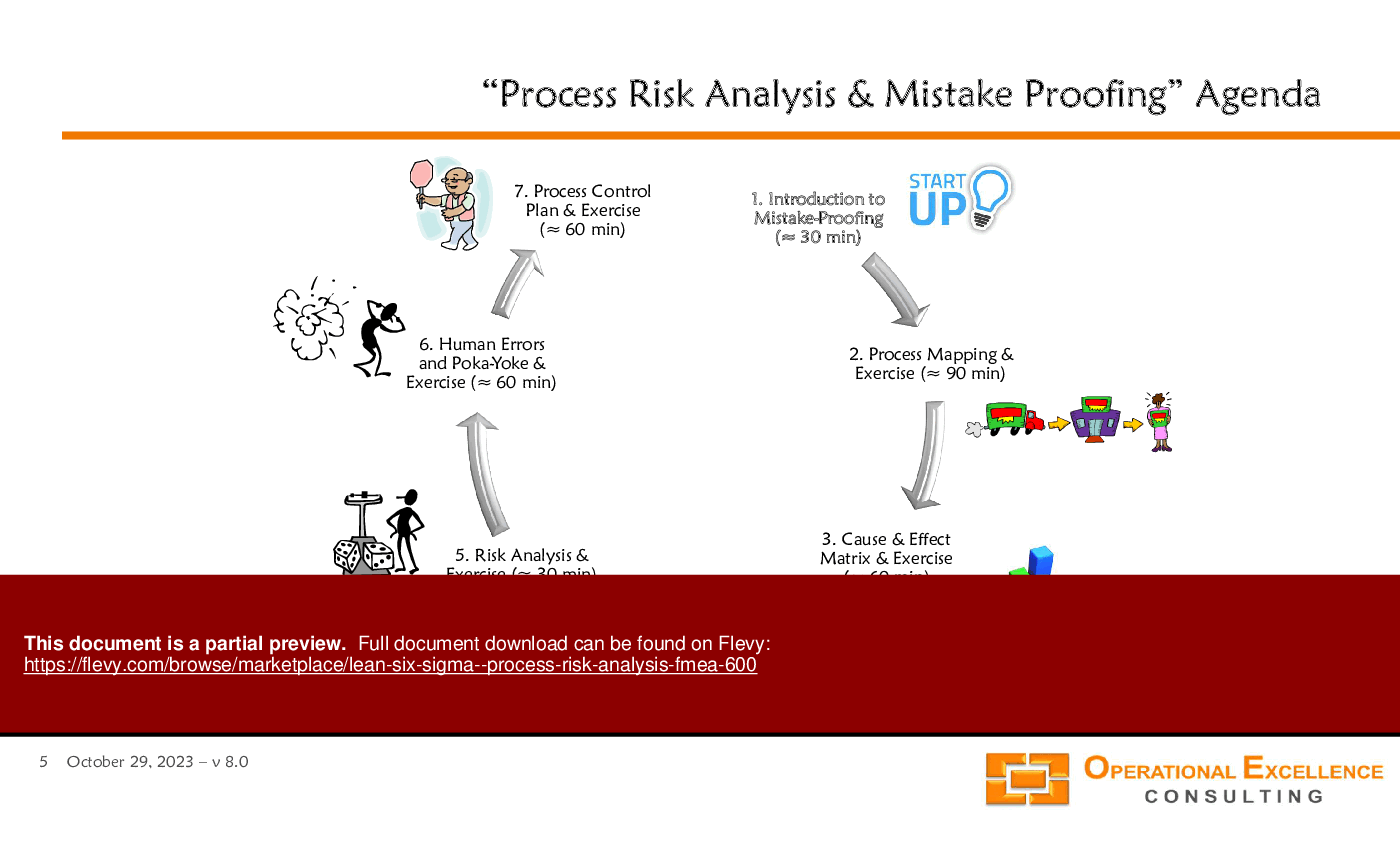
The workshop agenda on "Process Risk Analysis & Mistake Proofing" includes 7 components focused on risk identification and mitigation. The first session, "Introduction to Mistake-Proofing," lasts 30 minutes and covers fundamental principles essential for reducing process errors. The "Process Mapping & Exercise," lasting 90 minutes, involves hands-on activities to visualize workflows and identify failure points. The next 3 components—"Cause & Effect Matrix," "Process FMEA," and "Risk Analysis"—each allocated 60 minutes, explore risk assessment methodologies, identifying variable relationships, potential failure modes, and consolidating insights into actionable strategies. The agenda concludes with "Human Errors and Poka-Yoke," addressing human factors and fail-safes, and "Process Control Plan & Exercise," emphasizing ongoing process monitoring and control. This structured approach equips participants with the skills to enhance process reliability and operational excellence.
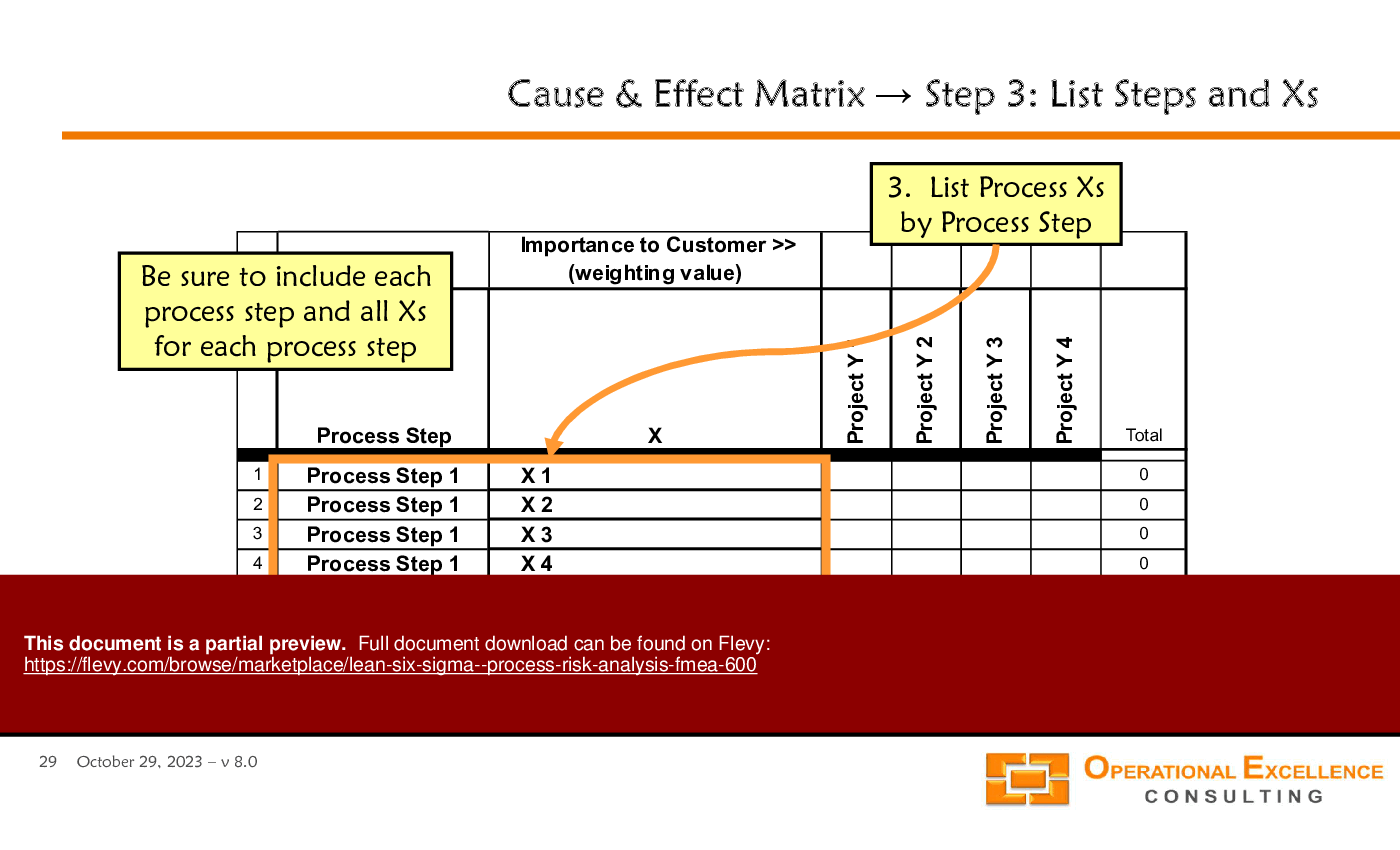
This slide presents a Cause and Effect Matrix applied to the coffee-making process, identifying factors that influence customer satisfaction through 2 key outcomes: quantity of coffee produced and taste. The matrix evaluates sequential process steps, including preparing the coffee machine, adding filters, and coffee powder, assessing inputs like machine cleanliness, functionality, and coffee freshness. Inputs are rated based on their impact on customer satisfaction, with cleanliness and operator experience highlighted as critical factors. The matrix shows that certain inputs, such as coffee powder type and filter condition, significantly affect taste. This structured approach enables teams to target specific areas for improvement, enhancing product quality and customer satisfaction, ultimately driving better business results.
This slide outlines fundamental concepts of process thinking and improvement, focusing on the relationship between inputs (X's) and outputs (Y's). Y's represent Critical-to-Quality (CTQ) attributes of outputs, while X's denote input characteristics influencing those outputs. To enhance processes, organizations must analyze both inputs and outputs, as the output (Y) is a function of inputs (X's). Improving output requires reducing variation in both. Additionally, an output from one process can serve as an input for another, indicating interdependence. A systematic approach to process management is essential for identifying and controlling variables that affect inputs and outputs, driving improvements and ensuring consistent quality standards.
Source: Best Practices in Lean, Mistake-Proofing PowerPoint Slides: Lean Six Sigma - Process Risk Analysis (FMEA) PowerPoint (PPTX) Presentation Slide Deck, Operational Excellence Consulting LLC
Developed by a Senior Executive and Operational Excellence Coach with experience at organizations including NOKIA, MICROVENTION, and MAGELLAN, this presentation and templates cover a step-by-step approach to Process Risk Analysis (FMEA).
Operational Excellence Consulting LLC provides assessments, training solutions, kaizen event facilitation, and implementation support to enable our clients to achieve superior performance through Operational Excellence - Strategy Deployment & Hoshin Planning, Performance Management & Balanced Scorecards, Process Excellence & Lean Six Sigma, and High
... [read more] Performance Work Teams.
Frank Adler co-founded OEC LLC in 2009 to follow his passion for Operational Excellence and to be able to work with individuals and organizations that share this passion.
He is an accomplished and recognized Operational Excellence, Lean Management, and Six Sigma coach, with over 20 years of domestic and international executive leadership experience in General Management, multi-site Operations & Supply Chain Management, and Quality & Customer Support Management.
Frank is a certified and experienced Lean Six Sigma Master Black Belt with a proven track record of implementing these methods, concepts, and tools in various organizations and industries.
He holds a Master of Science in Mathematics & Physics from the Freie University of Berlin (Germany) and a Doctor of Philosophy in Applied Mathematics & Industrial Economics from the Helsinki University of Technology (Finland).
Since 2012, we have provided best practices to over 10,000 businesses and organizations of all sizes, from startups and small businesses to the Fortune 100, in over 130 countries.
"My FlevyPro subscription provides me with the most popular frameworks and decks in demand in today’s market. They not only augment my existing consulting and coaching offerings and delivery, but also keep me abreast of the latest trends, inspire new products and service offerings for my practice, and educate me
in a fraction of the time and money of other solutions. I strongly recommend FlevyPro to any consultant serious about success.
"
– Bill Branson, Founder at Strategic Business Architects
"One of the great discoveries that I have made for my business is the Flevy library of training materials.
As a Lean Transformation Expert, I am always making presentations to clients on a variety of topics: Training, Transformation, Total Productive Maintenance, Culture, Coaching, Tools, Leadership Behavior, etc. Flevy
It is well worth the money to purchase these presentations. Sure, I have the knowledge and information to make my point. It is another thing to create a presentation that captures what I want to say. Flevy has saved me countless hours of preparation time that is much better spent with implementation that will actually save money for my clients.
"
– Ed Kemmerling, Senior Lean Transformation Expert at PMG
"As a young consulting firm, requests for input from clients vary and it's sometimes impossible to provide expert solutions across a broad spectrum of requirements. That was before I discovered Flevy.com.
Through subscription to this invaluable site of a plethora of topics that are key and crucial to consulting, I
have been able to exceed expectations and deliver quality advice and solutions to my clients. The quality and expertise of the authors are exemplary and gives me great confidence to use as part of my service offerings.
I highly recommend this company for any consultant wanting to apply international best practice standards in their service offerings.
"
– Nishi Singh, Strategist and MD at NSP Consultants
"The wide selection of frameworks is very useful to me as an independent consultant. In fact, it rivals what I had at my disposal at Big 4 Consulting firms in terms of efficacy and organization."
– Julia T., Consulting Firm Owner (Former Manager at Deloitte and Capgemini)
"I am extremely grateful for the proactiveness and eagerness to help and I would gladly recommend the Flevy team if you are looking for data and toolkits to help you work through business solutions."
– Trevor Booth, Partner, Fast Forward Consulting
"Flevy is now a part of my business routine. I visit Flevy at least 3 times each month.
Flevy has become my preferred learning source, because what it provides is practical, current, and useful in this era where the business world is being rewritten.
many challenges and there is the need to make the right decisions in a short time, with so much scattered information, we are fortunate to have Flevy. Flevy investigates, selects, and puts at our disposal the best of the best to help us be successful in our work.
"
– Omar Hernán Montes Parra, CEO at Quantum SFE
"I have found Flevy to be an amazing resource and library of useful presentations for lean sigma, change management and so many other topics. This has reduced the time I need to spend on preparing for my performance consultation. The library is easily accessible and updates are regularly provided. A wealth of great information."
– Cynthia Howard RN, PhD, Executive Coach at Ei Leadership
"FlevyPro provides business frameworks from many of the global giants in management consulting that allow you to provide best in class solutions for your clients."
– David Harris, Managing Director at Futures Strategy
Save with Bundles
This document is available as part of the following discounted bundle(s):
Receive our FREE presentation on Operational Excellence
This 50-slide presentation provides a high-level introduction to the 4 Building Blocks of Operational Excellence. Achieving OpEx requires the implementation of a Business Execution System that integrates these 4 building blocks.