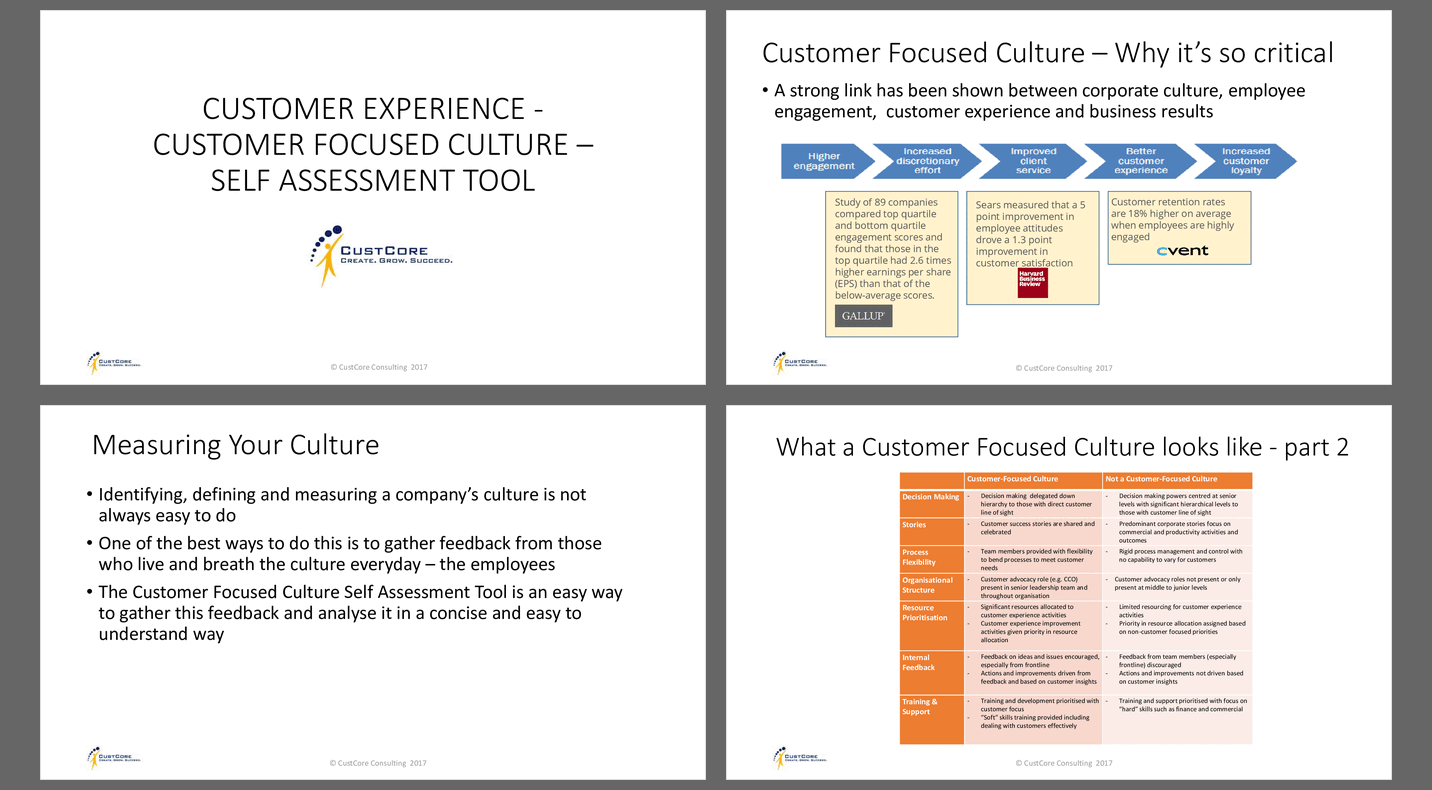
Having a company culture which is truly customer centric is critical to business success in a world where delivering great customer experiences is a key differentiator in the market.
This cultural self-assessment framework which comes with an explanatory powerpoint document along with the tool itself and an associated analysis spreadsheet will help any company to identify how customer focused they truly are, and the gaps that need to be worked on.
Using this framework, you will be able to assess your organisational culture along more than 10 dimensions to truly identify the customer-focused culture you aspire to in your company, your current culture and how to get where you are aiming to be.
Getting your culture right can be the key to unlocking significant organisational value, empowering your team members and truly delivering experiences that your customers value. This tool will allow you to target different aspects of your culture and identify where imporvements will drive the most value.
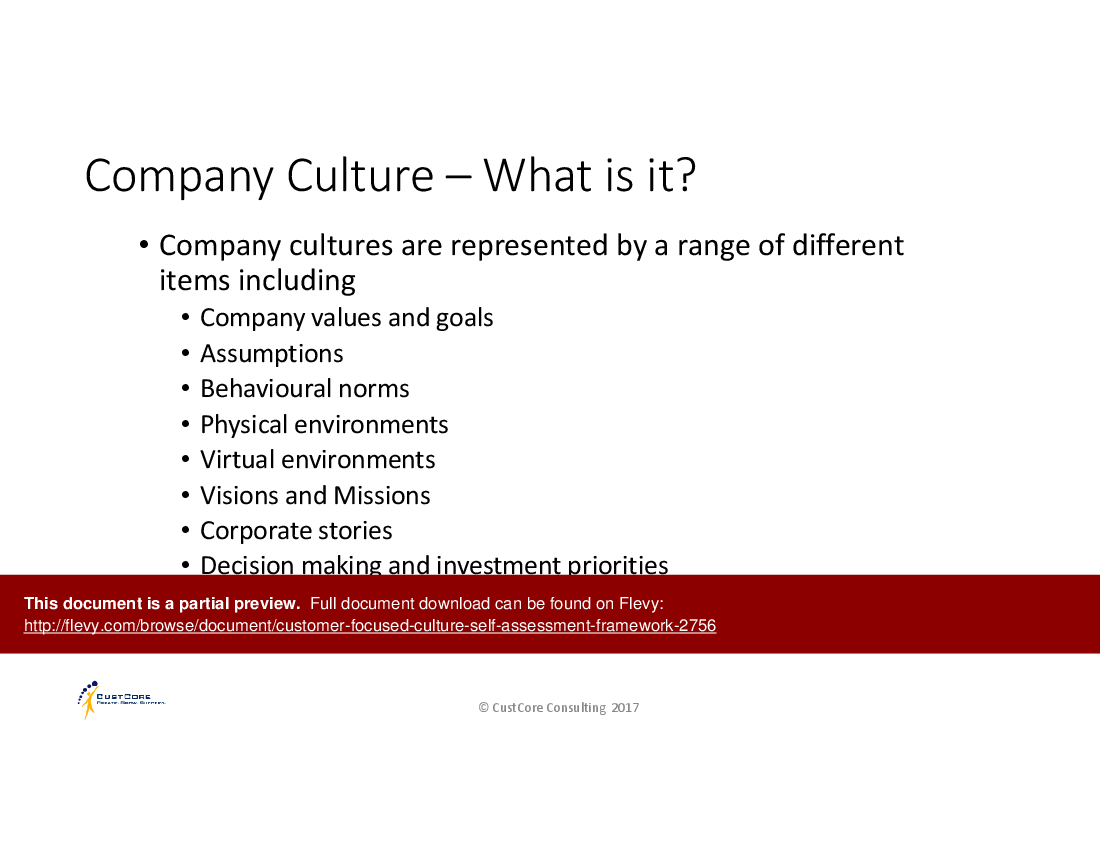
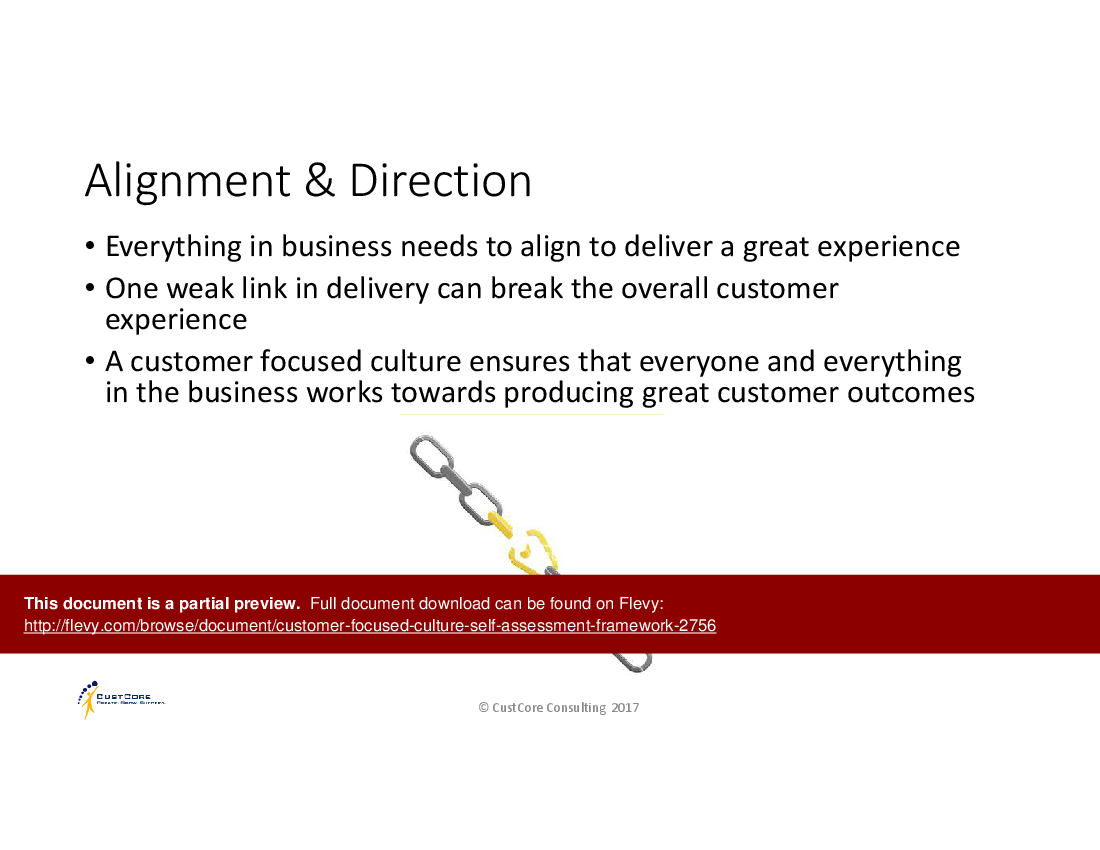
The framework delves deeply into the core elements that shape company culture, including values, assumptions, and behavioral norms. It emphasizes the importance of aligning every aspect of the business to ensure a seamless customer experience. One weak link can disrupt the entire customer journey, making it crucial to foster a culture where every team member is committed to delivering exceptional outcomes.
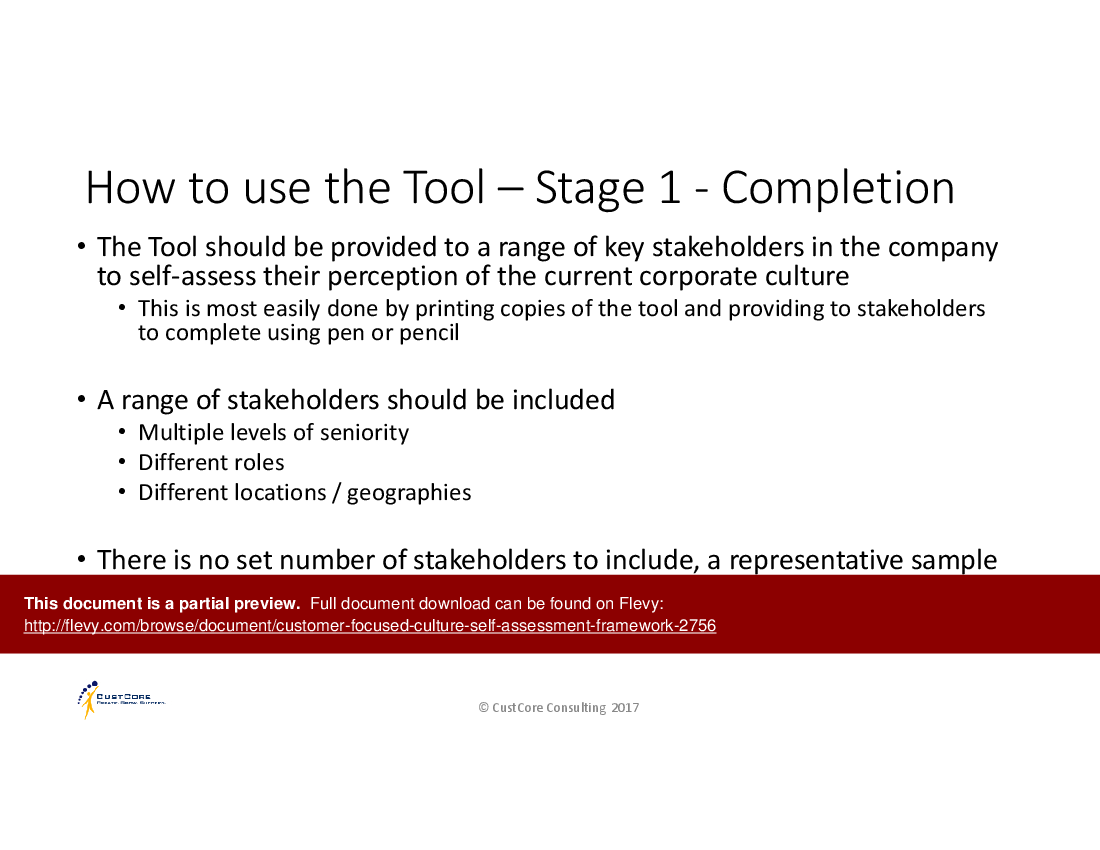
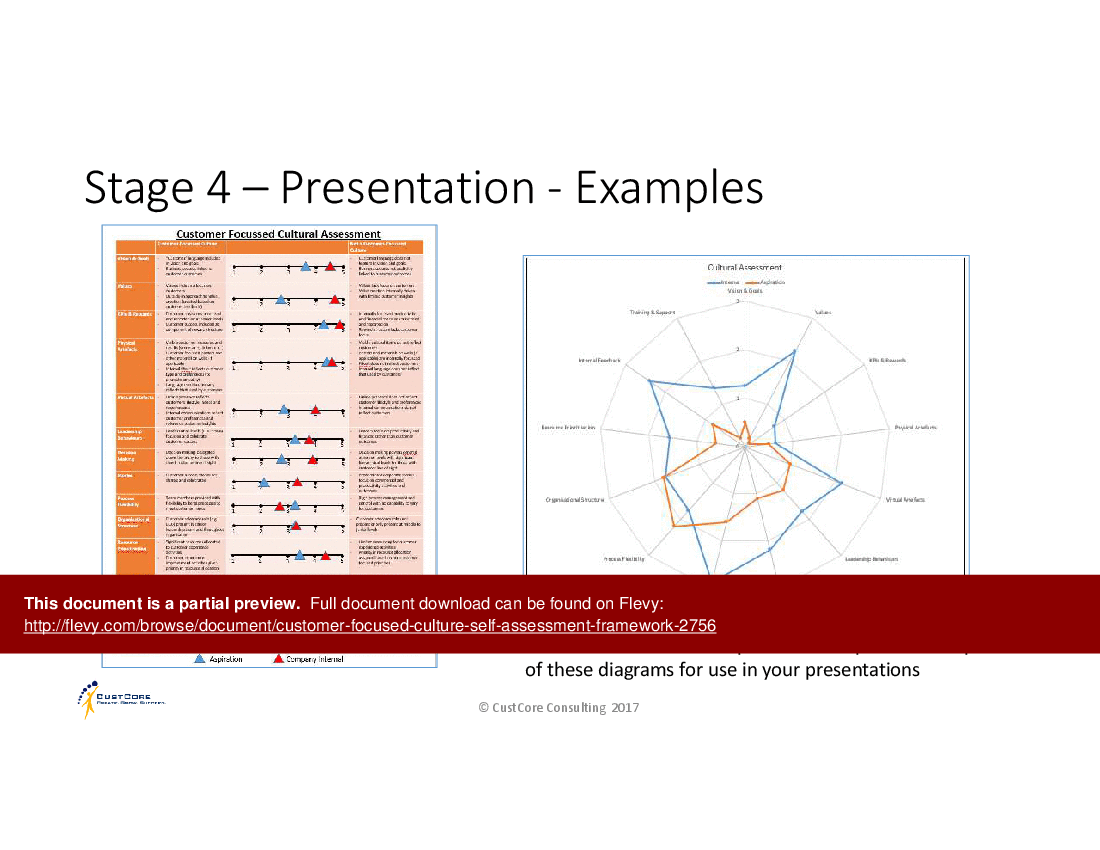
The tool is designed for practical application, involving a diverse range of stakeholders across different levels, roles, and geographies. By gathering comprehensive feedback, the framework provides a clear picture of the current cultural landscape and highlights areas for improvement. The included analysis spreadsheet and presentation examples facilitate easy interpretation and communication of results, enabling actionable insights to drive cultural transformation.
Got a question about the product? Email us at support@flevy.com or ask the author directly by using the "Ask the Author a Question" form. If you cannot view the preview above this document description, go here to view the large preview instead.
Executive Summary
The Customer Centric Culture Self Assessment Framework is designed to evaluate and enhance your organization’s customer-focused culture. This framework provides a structured approach for assessing cultural dimensions that impact customer experience and business performance. By utilizing this tool, organizations can identify strengths and weaknesses in their customer-centric practices, ultimately leading to improved employee engagement and customer satisfaction. This assessment enables leaders to align their strategies with customer needs, fostering a culture that prioritizes customer outcomes and drives business success.
Who This Is For and When to Use
• Corporate executives focused on enhancing customer experience and engagement
• HR leaders responsible for shaping organizational culture and employee development
• Customer experience managers seeking to implement customer-centric strategies
• Change management consultants aiming to facilitate cultural transformation
• Team leaders wanting to align their teams with customer-focused objectives
Best-fit moments to use this deck:
• During strategic planning sessions to integrate customer focus into business objectives
• When assessing current organizational culture and identifying areas for improvement
• In workshops aimed at fostering a customer-centric mindset among employees
• As part of onboarding processes to instill customer-focused values in new hires
Learning Objectives
• Define the key elements of a customer-focused culture and its impact on business outcomes
• Assess your organization’s current cultural alignment with customer-centric principles
• Identify gaps between current practices and desired customer-focused aspirations
• Develop actionable strategies to enhance customer-centric behaviors within teams
• Foster a culture of continuous feedback and improvement centered around customer insights
• Implement training and support mechanisms that prioritize customer engagement skills
Table of Contents
• Introduction to Customer Focused Culture (page 1)
• Importance of Customer Focused Culture (page 2)
• Measuring Company Culture (page 8)
• Customer Focused Culture Dimensions (page 9)
• Using the Self Assessment Tool (page 12)
• Stages of Assessment Process (page 12)
• Example Assessment Results (page 16)
• Conclusion and Next Steps (page 20)
Primary Topics Covered
• Customer Focused Culture - A culture that prioritizes customer needs and perspectives in all aspects of business operations.
• Cultural Assessment Tool - A framework for evaluating the organization’s customer focus across 13 dimensions, providing a structured approach to self-assessment.
• Employee Engagement - The relationship between employee attitudes and customer satisfaction, highlighting the importance of a positive workplace culture.
• Feedback Mechanisms - Processes for gathering insights from employees to inform cultural improvements and align with customer expectations.
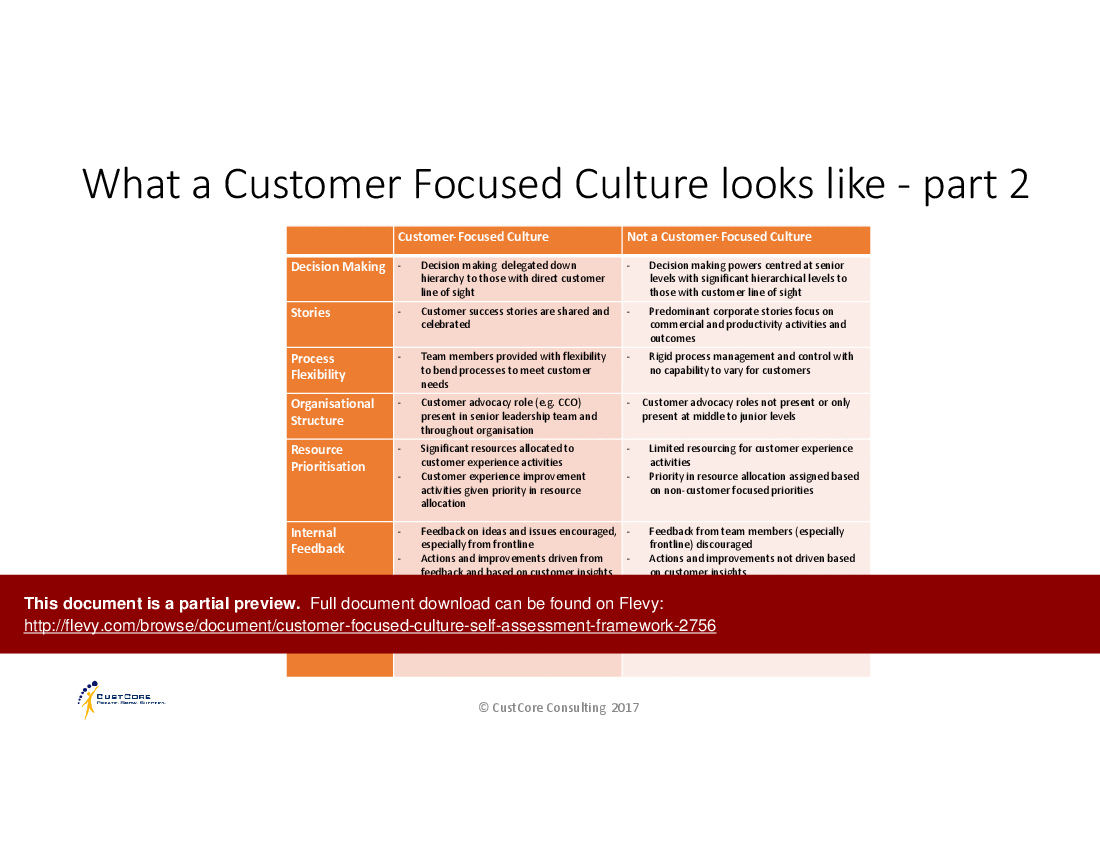
• Cultural Dimensions - Key areas such as vision, values, KPIs, and leadership behaviors that shape a customer-focused culture.
• Aspiration Setting - The process of defining desired cultural outcomes and aligning them with organizational goals to drive customer-centric initiatives.
Deliverables, Templates, and Tools
• Customer Focused Culture Self Assessment Tool for evaluating organizational culture
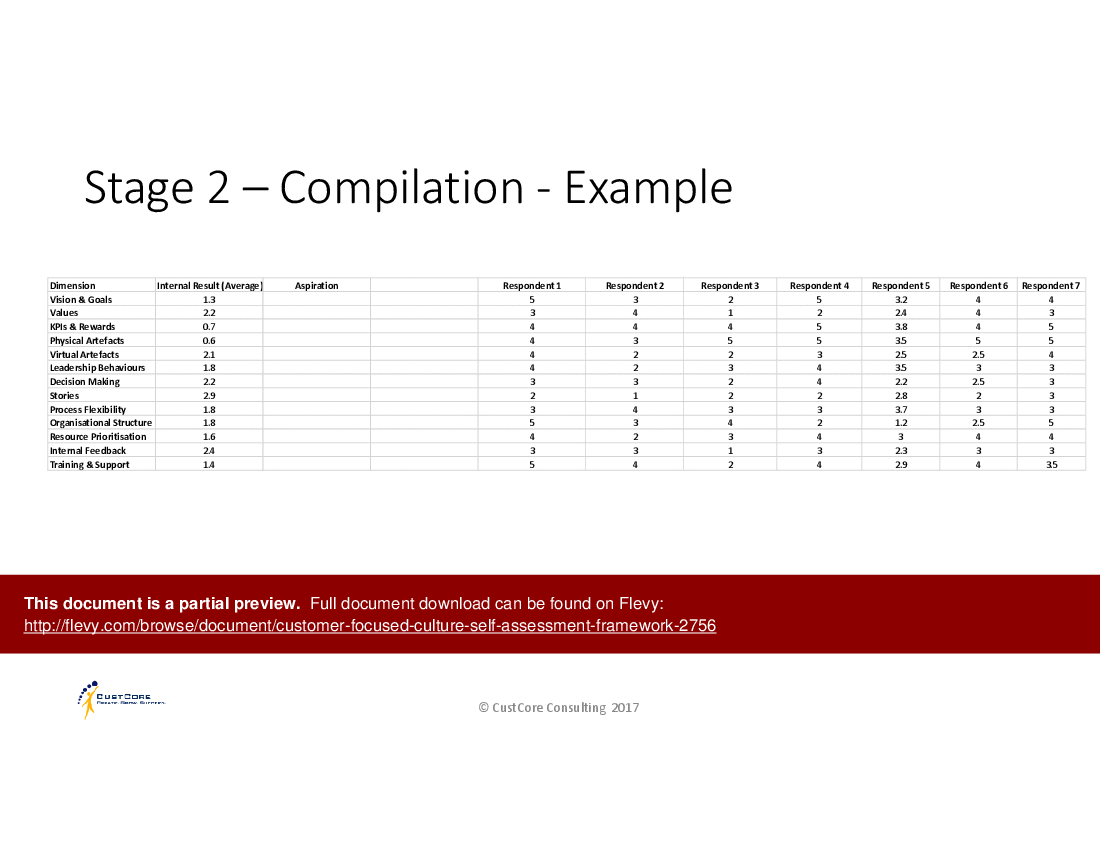
• Compilation spreadsheet for analyzing assessment results and calculating averages
• Presentation templates for sharing assessment findings with stakeholders
• Gap analysis framework to identify areas for cultural improvement
• Training materials focused on developing customer engagement skills
• Feedback collection templates to facilitate ongoing input from employees
Slide Highlights
• Overview of the Customer Focused Culture and its critical importance for business success
• Visual representation of the 13 dimensions of customer focus assessed by the tool
• Step-by-step guide on using the assessment tool, including completion, compilation, aspiration, and presentation stages
• Example results showcasing how to interpret assessment data and identify cultural gaps
• Conclusion emphasizing the necessity of a customer-focused culture in today’s competitive landscape
Potential Workshop Agenda
Introduction to Customer Focused Culture (30 minutes)
• Overview of customer-focused culture and its significance
• Discussion on the link between culture, employee engagement, and customer satisfaction
Self Assessment Tool Overview (45 minutes)
• Detailed walkthrough of the assessment tool and its dimensions
• Group activity to complete the self-assessment
Results Compilation and Analysis (60 minutes)
• Entering assessment results into the compilation spreadsheet
• Identifying key insights and areas for improvement
Action Planning and Next Steps (45 minutes)
• Setting aspirational goals for cultural dimensions
• Developing an action plan to enhance customer-focused practices
Customization Guidance
• Tailor the assessment tool to reflect specific organizational values and customer priorities
• Adjust the dimensions of assessment based on industry-specific customer expectations
• Incorporate internal feedback mechanisms to continuously refine the assessment process
• Align training programs with identified gaps in customer engagement skills
• Modify presentation templates to suit the organizational context and stakeholder needs
Secondary Topics Covered
• The role of leadership in fostering a customer-focused culture
• Strategies for enhancing employee engagement through customer-centric initiatives
• Best practices for measuring and tracking cultural transformation efforts
• Case studies illustrating successful customer-focused culture implementations
• Techniques for maintaining momentum in cultural change initiatives
Topic FAQ
Document FAQ
These are questions addressed within this presentation.
What is a customer-focused culture?
A customer-focused culture prioritizes customer needs and perspectives, ensuring that all organizational practices align with delivering exceptional customer experiences.
How does employee engagement relate to customer satisfaction?
Higher employee engagement typically leads to improved customer satisfaction, as engaged employees are more likely to provide better service and foster positive customer interactions.
What are the key dimensions assessed by the Customer Focused Culture Self Assessment Tool?
The tool evaluates dimensions such as vision and goals, values, KPIs, leadership behaviors, and feedback mechanisms to gauge the organization’s customer focus.
How can organizations use the assessment results?
Organizations can use the results to identify strengths and weaknesses in their customer-focused practices, set aspirational goals, and develop targeted action plans for improvement.
What is the process for using the assessment tool?
The process involves 4 stages: completion (gathering feedback), compilation (analyzing results), aspiration (setting goals), and presentation (sharing findings with stakeholders).
How often should the assessment be conducted?
Regular assessments, ideally annually or bi-annually, help organizations track progress and adapt to changing customer needs and expectations.
Can the tool be customized for specific industries?
Yes, organizations can tailor the assessment tool to reflect industry-specific customer expectations and organizational values.
What training is recommended to support a customer-focused culture?
Training should focus on customer engagement skills, effective communication, and understanding customer needs to enhance overall service delivery.
How can organizations maintain a customer-focused culture over time?
Continuous feedback, regular assessments, and ongoing training are essential for sustaining a customer-focused culture and adapting to evolving customer expectations.
Glossary
• Customer Focused Culture - A culture that prioritizes customer needs and perspectives in all business operations.
• Self Assessment Tool - A framework for evaluating customer focus across various dimensions.
• Employee Engagement - The level of commitment and involvement employees have towards their organization and its goals.
• Cultural Dimensions - Key areas that define an organization’s culture, such as values, vision, and leadership behaviors.
• Feedback Mechanisms - Processes for gathering insights from employees to inform cultural improvements.
• Aspiration Setting - The process of defining desired cultural outcomes.
• Gap Analysis - A method for identifying discrepancies between current practices and desired outcomes.
• Training and Support - Programs aimed at developing skills necessary for enhancing customer engagement.
• KPI - Key Performance Indicator, a measurable value demonstrating how effectively an organization is achieving key business objectives.
• Leadership Behaviors - Actions and attitudes of leaders that influence organizational culture.
• Organizational Culture - The shared values, beliefs, and practices that shape how an organization operates.
• Customer Experience - The overall perception customers have of a brand based on their interactions.
• Continuous Improvement - Ongoing efforts to enhance products, services, or processes.
• Stakeholders - Individuals or groups with an interest in the organization’s performance.
• Vision and Goals - Statements that define the desired future state and objectives of the organization.
• Values - Core principles that guide an organization’s actions and decisions.
• Process Flexibility - The ability to adapt processes to meet customer needs.
• Resource Prioritization - Allocating resources based on customer-focused initiatives.
• Training & Support - Programs designed to enhance employee skills and knowledge related to customer engagement.
• Internal Feedback - Insights gathered from employees regarding organizational practices.
• Cultural Assessment - The evaluation of an organization’s culture to identify strengths and weaknesses.
Source: Best Practices in Customer Experience, Customer-centricity, Customer-centric Culture PowerPoint Slides: Customer Centric Culture Self Assessment Framework PowerPoint (PPTX) Presentation Slide Deck, CustCore Consulting
This document is available as part of the following discounted bundle(s):

Save %!
Customer Experience Assessment, Strategy and Implementation
This bundle contains 4 total documents. See all the documents to the right.
|
Download our FREE Digital Transformation Templates
Download our free compilation of 50+ Digital Transformation slides and templates. DX concepts covered include Digital Leadership, Digital Maturity, Digital Value Chain, Customer Experience, Customer Journey, RPA, etc. |









