
This deck set out a methodology to design and conduct market research. The contents include:
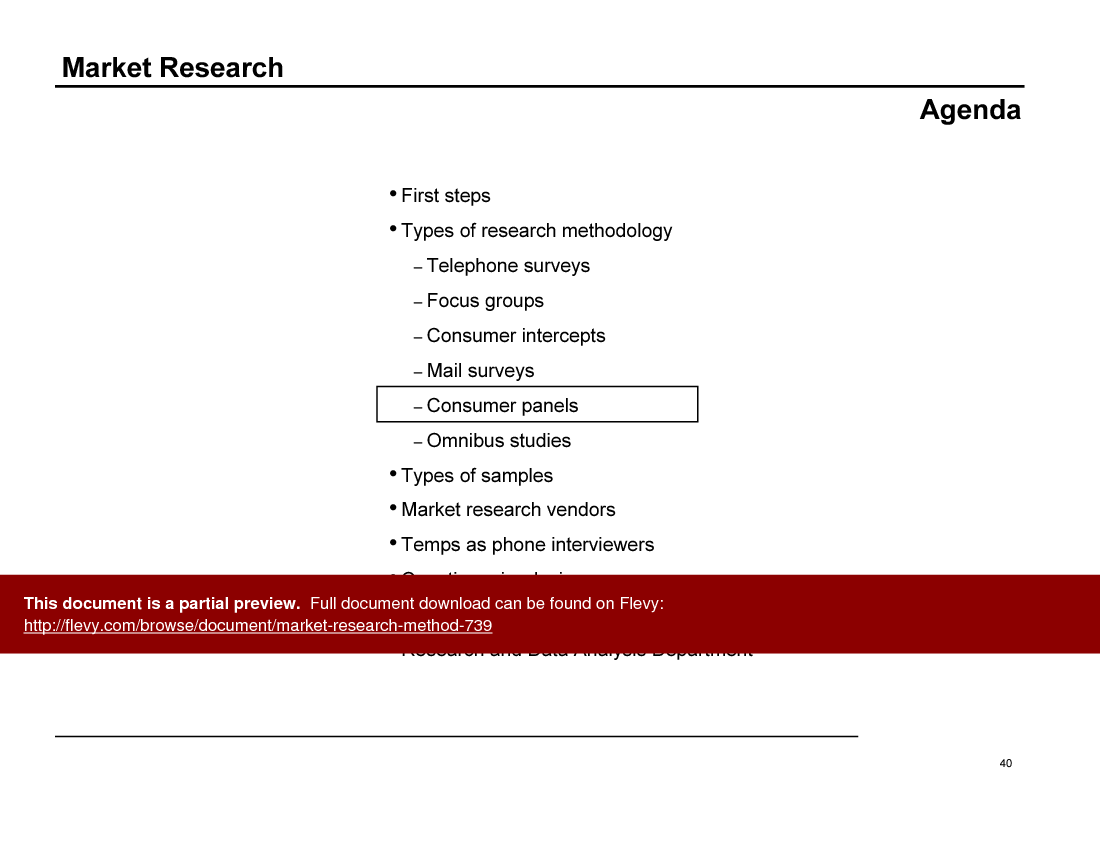
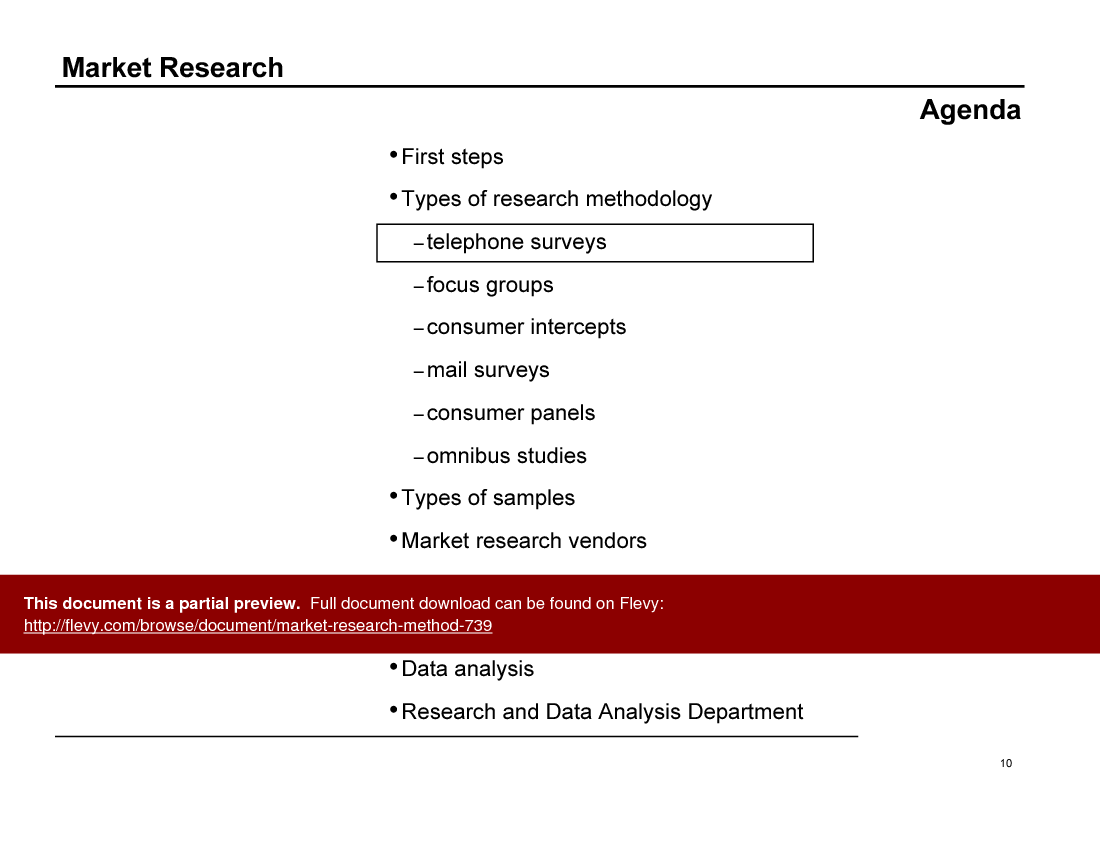
• Overview
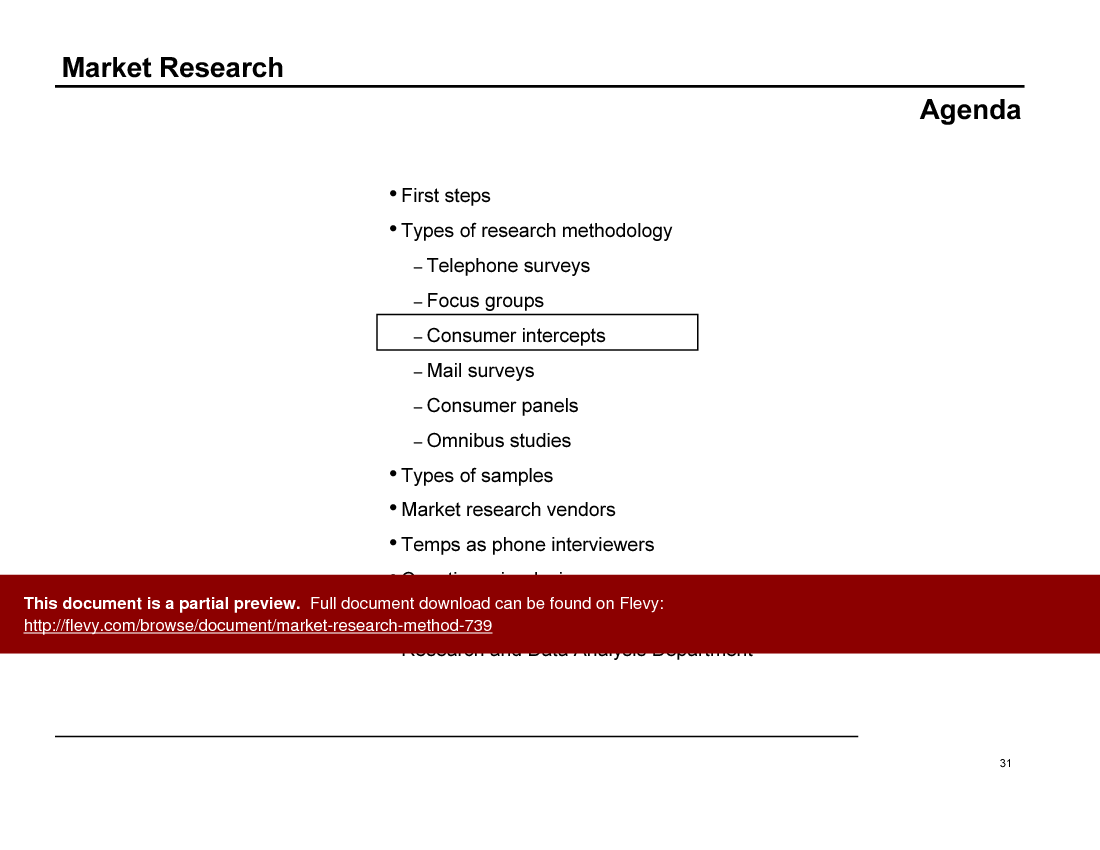
• Types Of Research Methodology
• Telephone Surveys
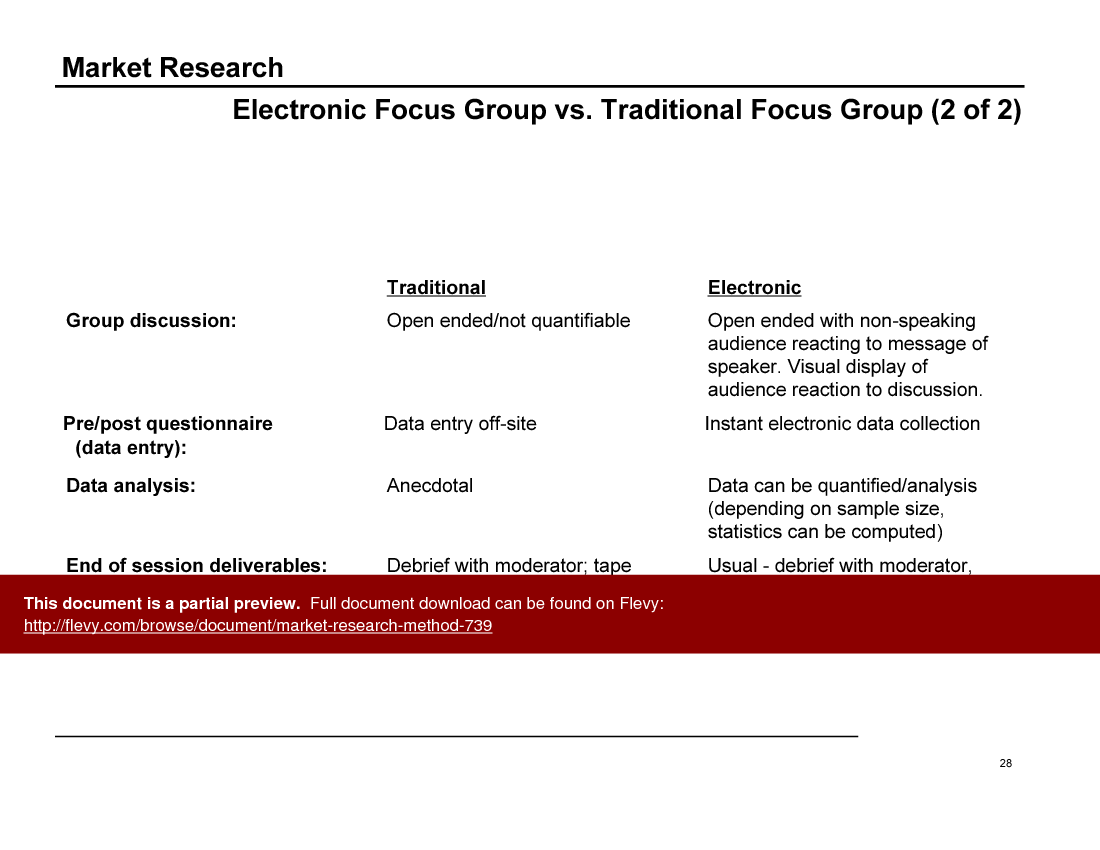
• Focus Groups
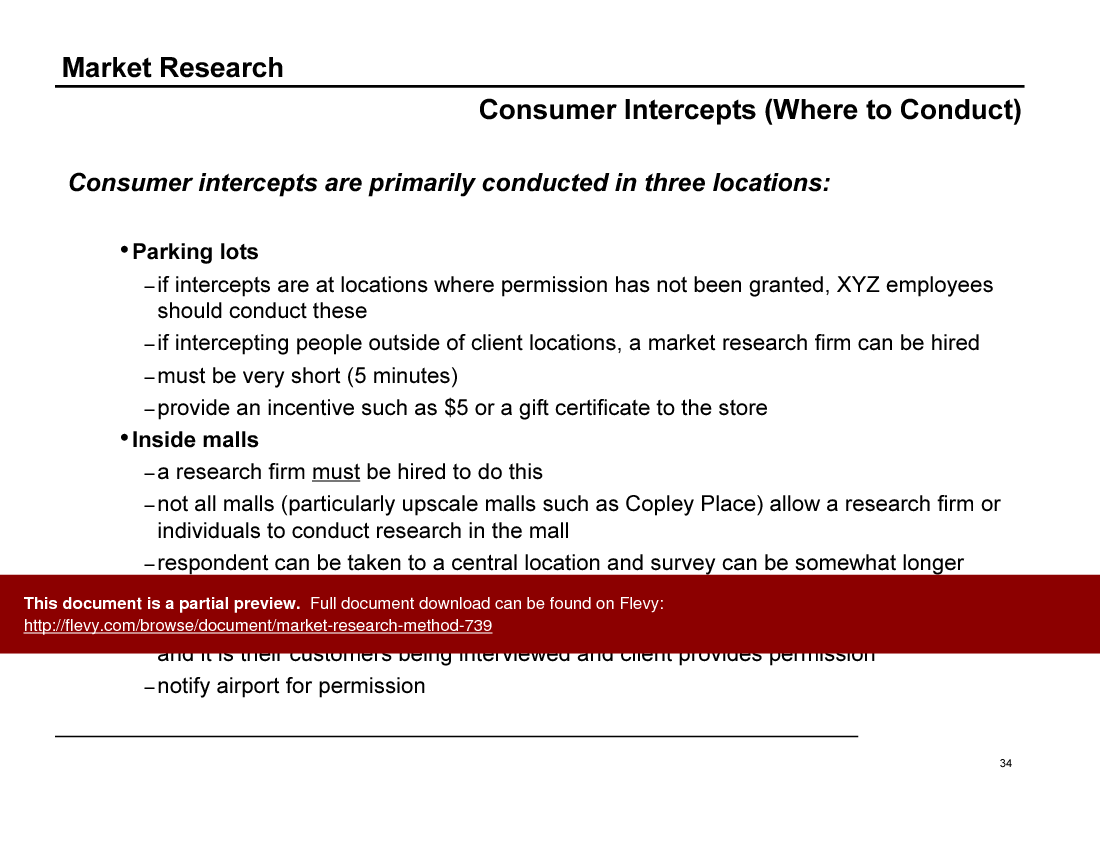
• Consumer Intercepts
• Mail Surveys
• Consumer Panels
• Omnibus Studies
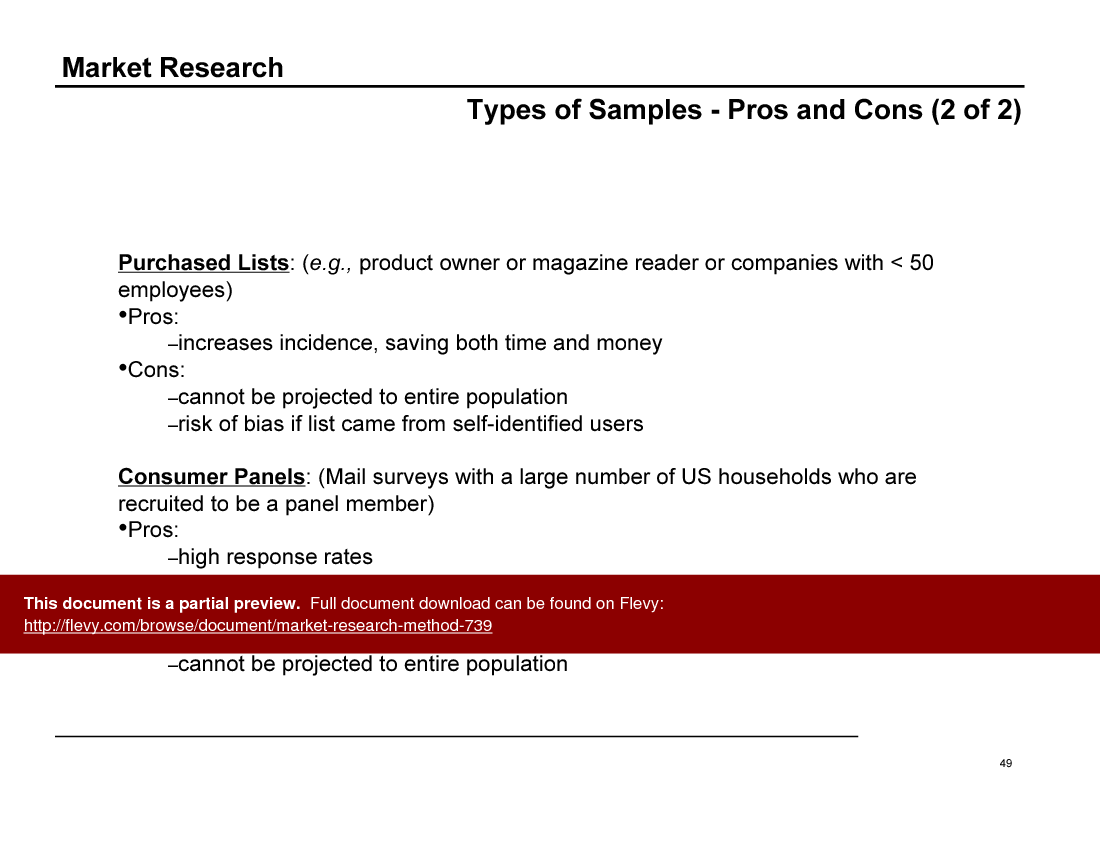
• Types of Samples
• Market Research Vendors
• Temps As Phone Interviewers
• Questionnaire Design
• Data Analysis
• Research And Data Analysis Department
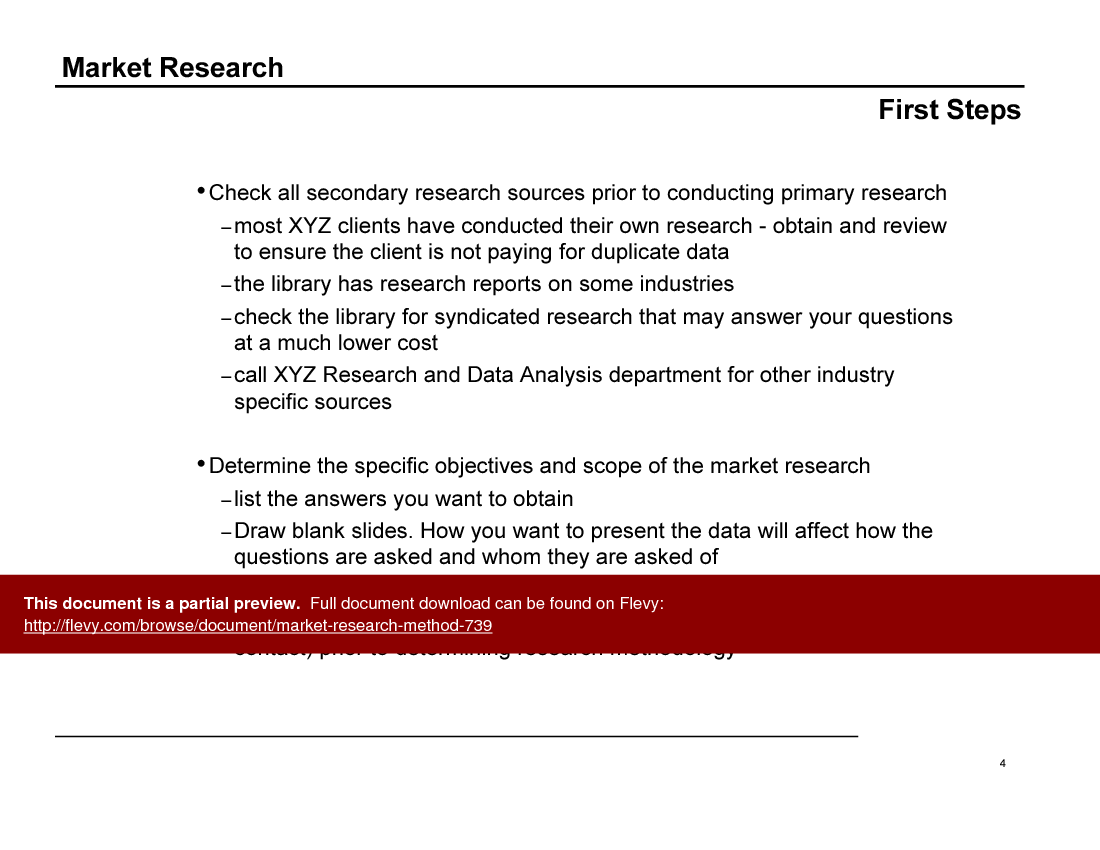
This comprehensive presentation provides a structured approach to market research, starting with the essential first steps. It emphasizes the importance of reviewing all secondary research sources before diving into primary research. This ensures that you avoid duplicating efforts and leverage existing data effectively. The deck also guides you on defining specific objectives and the scope of your research, which is crucial for obtaining relevant and actionable insights.
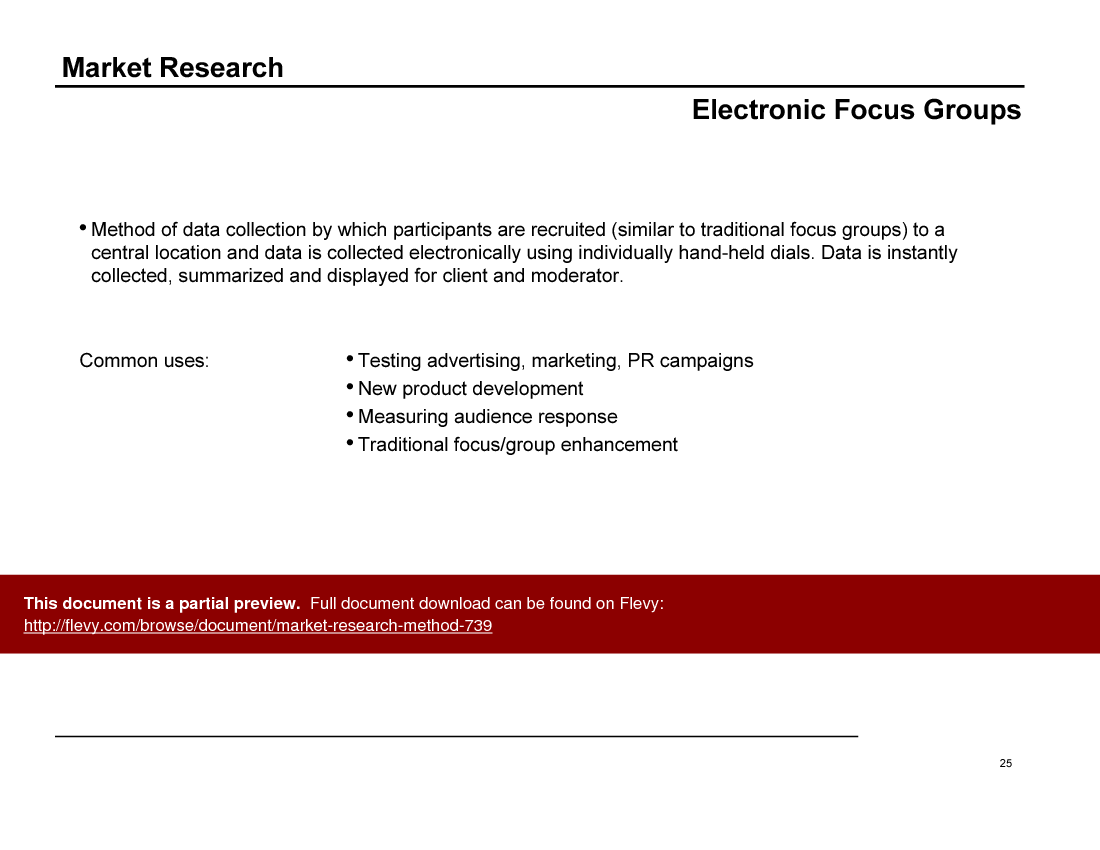
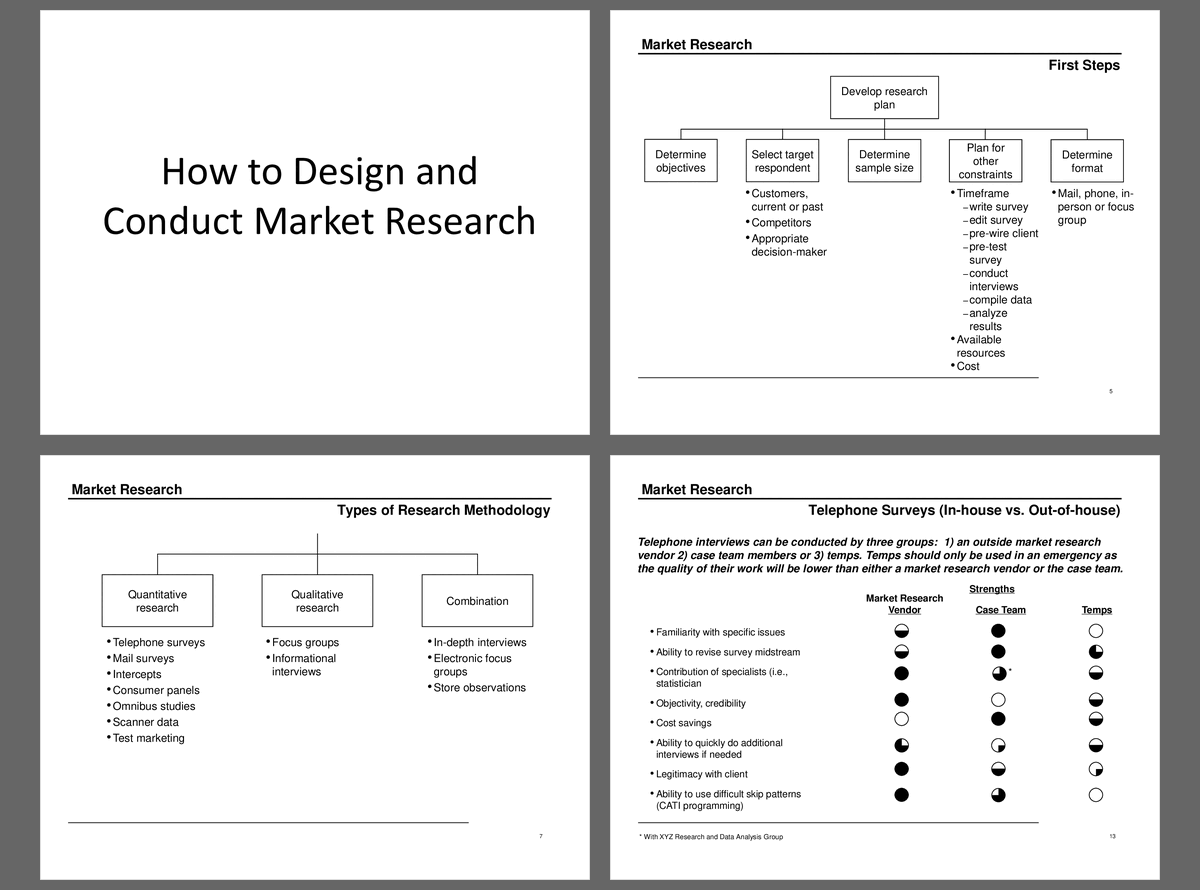
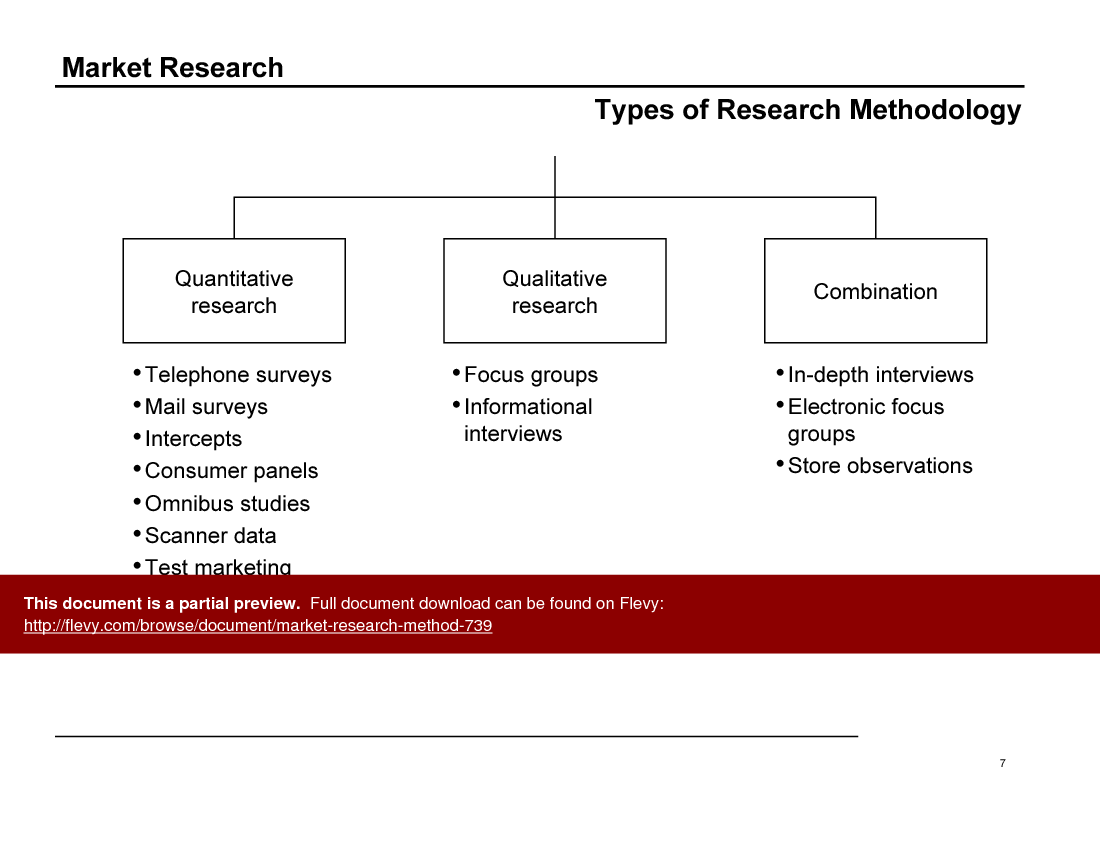
The document delves into various research methodologies, categorizing them into quantitative, qualitative, and combination methods. Each category is explained with practical examples like telephone surveys, focus groups, and electronic focus groups. This segmentation helps you choose the most appropriate method based on your research goals and the nature of the data you need to collect. The pros and cons of each method are discussed, providing a balanced view to aid in decision-making.
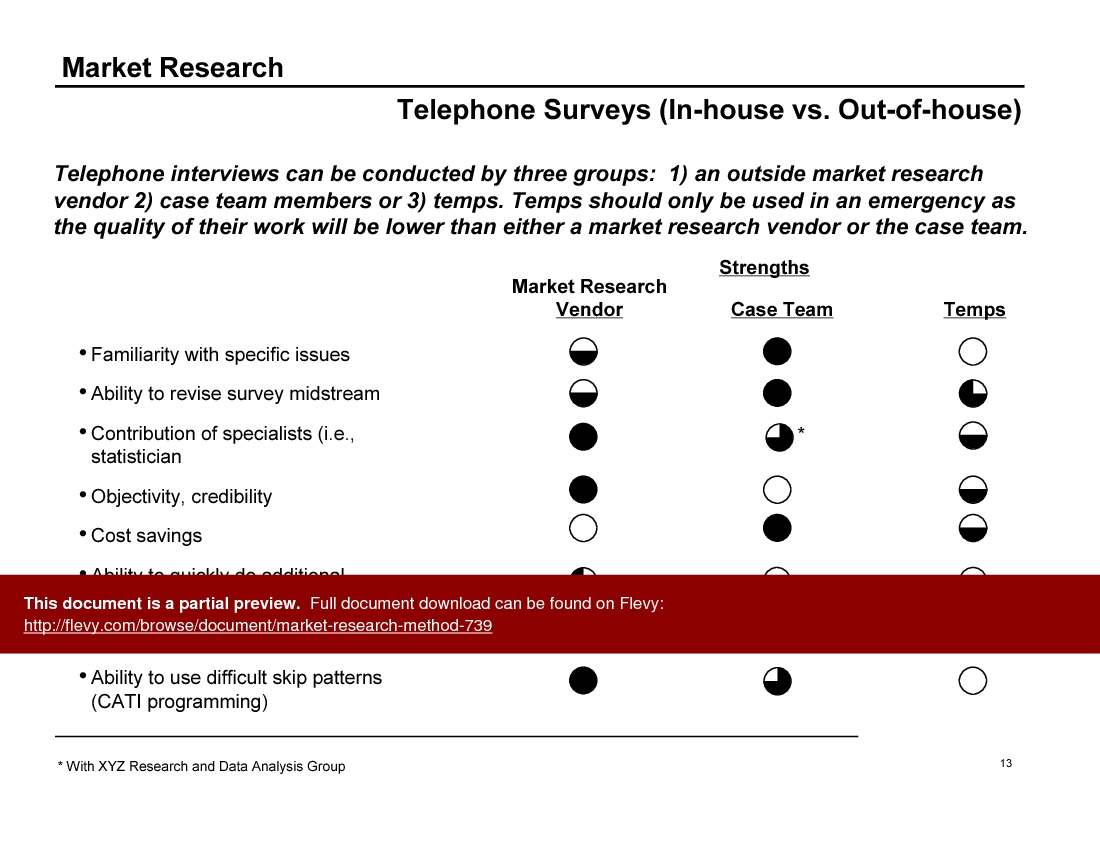
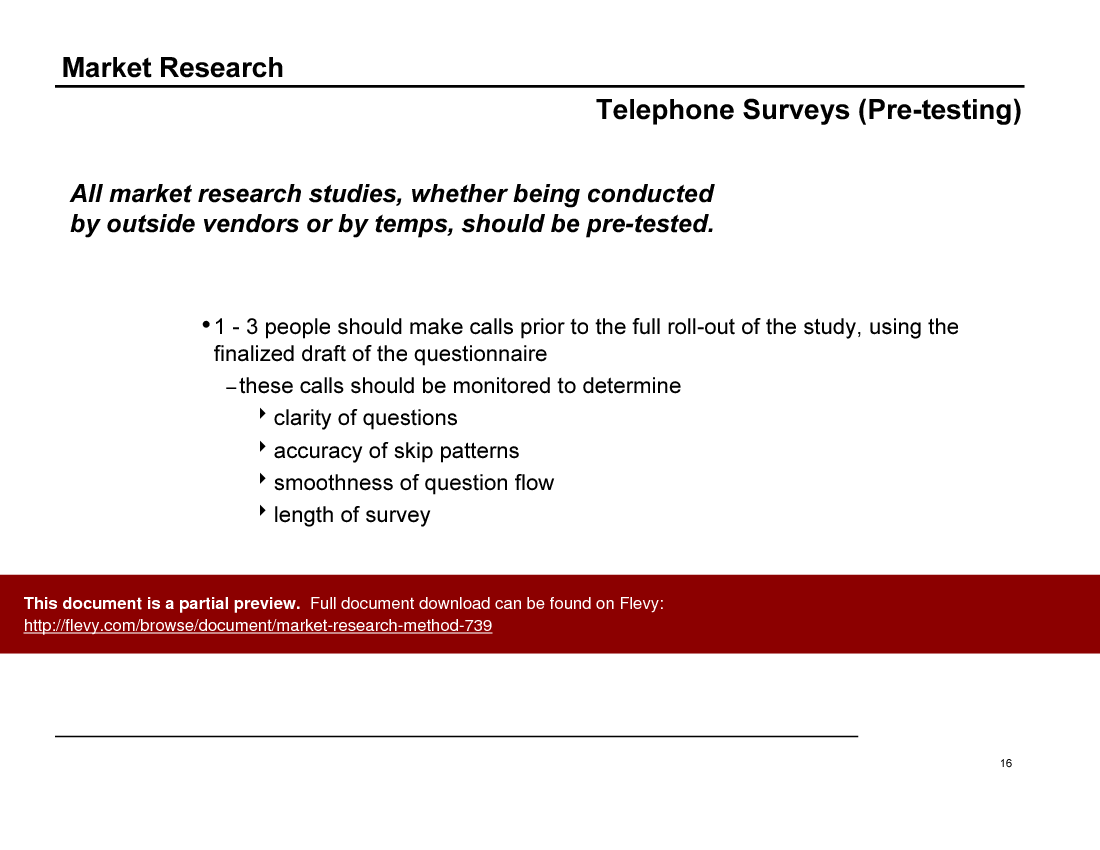
A significant portion of the presentation is dedicated to the intricacies of conducting telephone surveys. It compares in-house versus out-of-house options, highlighting the strengths and weaknesses of using market research vendors, case team members, and temps. The emphasis on pre-testing surveys ensures that the final rollout is smooth and effective. This section also covers the operational aspects, such as managing and training temps, ensuring quality control, and handling data entry and tabulation.
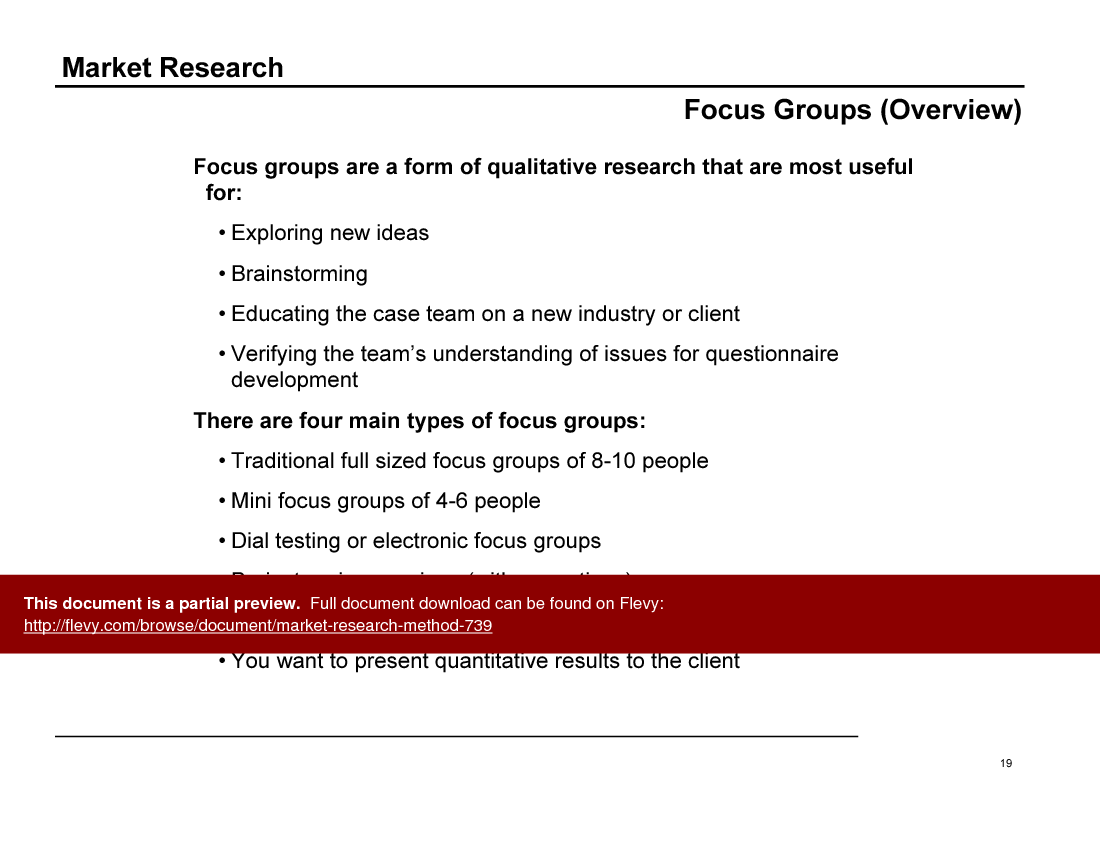
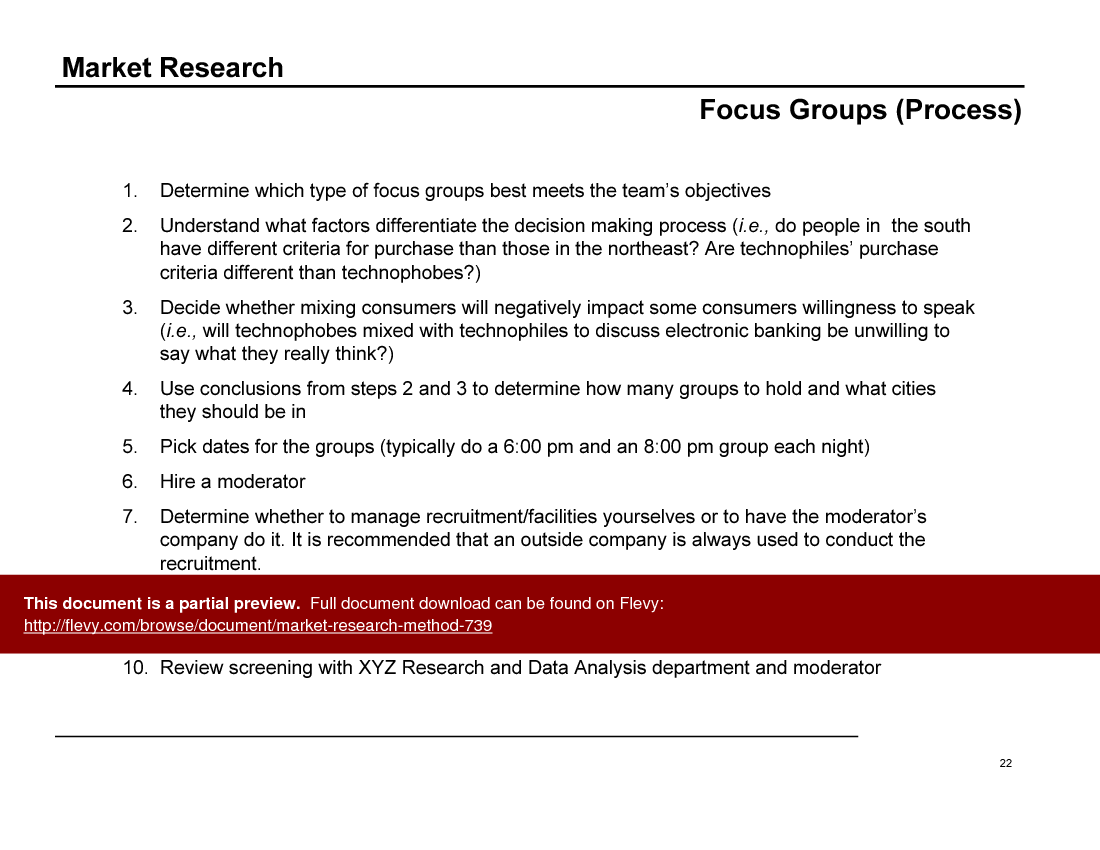
Focus groups are another critical area covered in this presentation. It outlines the different types of focus groups and their specific uses, from exploring new ideas to verifying team understanding of questionnaire development. The step-by-step process for conducting focus groups is detailed, including recruitment, moderation, and data analysis. This structured approach ensures that you can gather deep qualitative insights while maintaining a high level of rigor and reliability in your research findings.
Got a question about the product? Email us at support@flevy.com or ask the author directly by using the "Ask the Author a Question" form. If you cannot view the preview above this document description, go here to view the large preview instead.
Executive Summary
The "Market Research Method" presentation is a consulting-grade resource designed to equip corporate executives and consultants with essential market research techniques. This deck, reflecting the quality of McKinsey, Bain, or BCG, provides a comprehensive overview of methodologies, sample types, and data analysis strategies. Users will learn to effectively design and conduct market research, ensuring they can gather actionable insights to inform business decisions.
Who This Is For and When to Use
• Market researchers and analysts seeking to enhance their research methodologies
• Corporate executives aiming to understand consumer behavior and market dynamics
• Consultants advising clients on market entry or product development strategies
• Product managers needing to validate concepts through consumer feedback
Best-fit moments to use this deck:
• When initiating a new market research project
• During the development of new products or services
• To refine existing market strategies based on consumer insights
• In preparation for stakeholder presentations on research findings
Learning Objectives
• Define key market research methodologies and their appropriate applications
• Develop a comprehensive research plan tailored to specific business objectives
• Design effective questionnaires that elicit valuable consumer insights
• Analyze data using appropriate statistical tools to derive actionable conclusions
• Understand the role of qualitative and quantitative research in decision-making
• Identify and select suitable market research vendors for specific needs
Table of Contents
• First Steps (page 4)
• Types of Research Methodology (page 7)
• Telephone Surveys (page 11)
• Focus Groups (page 18)
• Consumer Intercepts (page 32)
• Mail Surveys (page 36)
• Consumer Panels (page 41)
• Omnibus Studies (page 44)
• Types of Samples (page 47)
• Market Research Vendors (page 51)
• Temps as Phone Interviewers (page 57)
• Questionnaire Design (page 66)
• Data Analysis (page 86)
• Research and Data Analysis Department (page 108)
Primary Topics Covered
• First Steps - Initial actions include reviewing secondary research and defining specific research objectives to avoid duplication and ensure clarity.
• Types of Research Methodology - A detailed overview of methodologies including telephone surveys, focus groups, and consumer intercepts, each with unique advantages and disadvantages.
• Telephone Surveys - A method for gathering primary data through direct questioning, emphasizing speed and control while noting potential biases.
• Focus Groups - Qualitative discussions that provide in-depth insights into consumer perceptions and behaviors, useful for brainstorming and idea validation.
• Consumer Intercepts - In-person interviews conducted at points of purchase, capturing immediate consumer feedback and behaviors.
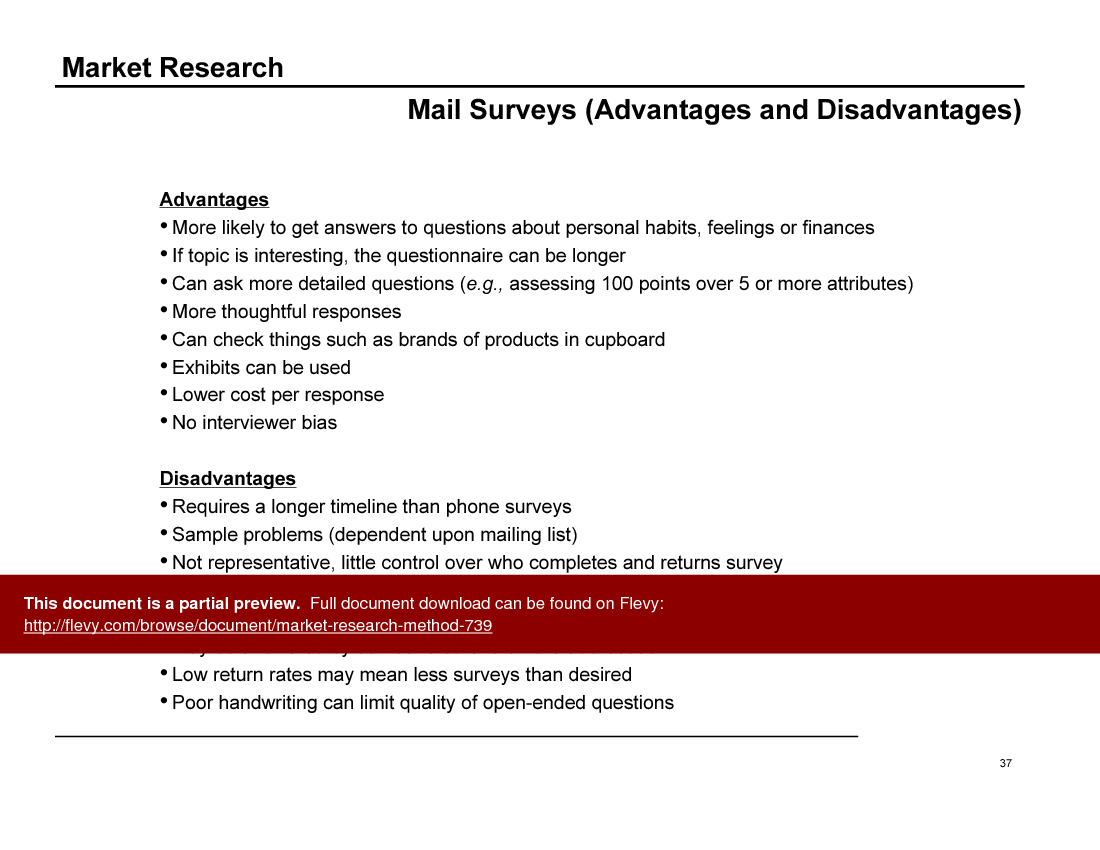
• Mail Surveys - Cost-effective surveys that allow for detailed responses, but may suffer from low return rates and sample biases.
• Consumer Panels - Ongoing groups providing periodic feedback, ideal for tracking changes over time and understanding consumer trends.
• Omnibus Studies - Cost-effective surveys that allow multiple clients to share research costs while obtaining specific consumer insights.
• Types of Samples - Various sampling methods including client lists, random digit dialing, and purchased lists, each with distinct advantages and limitations.
• Market Research Vendors - Guidance on selecting appropriate vendors based on project complexity and required expertise.
• Temps as Phone Interviewers - Best practices for managing temporary interviewers to ensure quality data collection.
• Questionnaire Design - Key principles for crafting effective questionnaires that yield reliable data.
• Data Analysis - Techniques for analyzing data, including statistical tools and methods for interpreting results.
Deliverables, Templates, and Tools
• Market research plan template outlining objectives, methodologies, and timelines
• Questionnaire design template for structured data collection
• Sample tracking and management tools for overseeing interview processes
• Data analysis framework for interpreting survey results and generating insights
• Vendor selection checklist to ensure alignment with research objectives
• Reporting template for presenting findings to stakeholders
Slide Highlights
• Overview of research methodologies with pros and cons for each approach
• Detailed breakdown of telephone survey advantages, including speed and control
• Focus group process flowchart illustrating key steps from planning to execution
• Data analysis tools overview, highlighting statistical techniques for segmentation and significance testing
• Sample management guidelines for effective tracking and quality control
Potential Workshop Agenda
Market Research Method Overview (60 minutes)
• Introduction to market research methodologies
• Discuss the importance of defining research objectives
• Overview of types of samples and their implications
Questionnaire Design Workshop (90 minutes)
• Hands-on session to develop effective questionnaires
• Review common pitfalls and best practices
• Group feedback on draft questionnaires
Data Analysis Techniques (120 minutes)
• Introduction to statistical tools and their applications
• Case studies on interpreting market research data
• Group exercises on data analysis scenarios
Customization Guidance
• Tailor the research plan to specific business objectives and target demographics
• Adjust questionnaire formats to align with the preferred data collection method
• Incorporate company-specific terminology and branding into survey materials
• Modify sample sizes based on project scope and available resources
Secondary Topics Covered
• Ethical considerations in market research
• The role of technology in data collection and analysis
• Best practices for managing vendor relationships
• Techniques for enhancing response rates in surveys
• Strategies for integrating qualitative and quantitative findings
FAQ
What are the key steps in conducting market research?
The key steps include defining objectives, selecting methodologies, designing questionnaires, collecting data, and analyzing results.
How do I choose the right research methodology?
Consider the research objectives, target audience, budget, and timeline when selecting the appropriate methodology.
What are the advantages of focus groups?
Focus groups provide in-depth insights through interactive discussions, allowing for exploration of new ideas and consumer perceptions.
How can I improve response rates for mail surveys?
Use personalized cover letters, include incentives, and ensure the survey is concise and engaging to encourage participation.
What statistical tools are commonly used in data analysis?
Common tools include regression analysis, cluster analysis, and significance testing methods like T-tests and ANOVA.
How do I ensure the quality of data collected by temporary interviewers?
Implement thorough training, monitor calls, and conduct regular quality checks to maintain data integrity.
What is the purpose of a consumer panel?
Consumer panels provide ongoing feedback from a representative group, allowing for tracking changes in consumer behavior over time.
How do omnibus studies differ from traditional surveys?
Omnibus studies allow multiple clients to share costs while obtaining specific insights, making them a cost-effective option for targeted questions.
Glossary
• Market Research - The process of gathering, analyzing, and interpreting information about a market.
• Qualitative Research - Research that focuses on understanding consumer behavior through non-numerical data.
• Quantitative Research - Research that involves the collection and analysis of numerical data.
• Focus Group - A moderated discussion with a group of participants to gather insights on specific topics.
• Telephone Survey - A method of data collection where respondents are interviewed over the phone.
• Consumer Panel - A group of consumers who provide feedback on products and services over time.
• Omnibus Study - A survey that includes questions from multiple clients, allowing for shared costs.
• Sampling - The process of selecting a subset of individuals from a population to represent the whole.
• Data Analysis - The process of inspecting, cleansing, transforming, and modeling data to discover useful information.
• Questionnaire - A set of written questions used for gathering information from respondents.
• Statistical Analysis - The application of statistical methods to analyze data and draw conclusions.
• Vendor - A company or individual that provides services or products, in this case, related to market research.
• Interceptors - Individuals conducting in-person surveys at specific locations to gather immediate consumer feedback.
• Incidence - The percentage of individuals contacted who qualify for a survey.
• CATI - Computer-Assisted Telephone Interviewing, a method for conducting telephone surveys using computer software.
• Screener Questions - Questions used to determine if a respondent qualifies for participation in a survey.
• Statistical Tools - Techniques used to analyze data, including regression, ANOVA, and cluster analysis.
• Perceptual Mapping - A visual representation of consumer perceptions of brands or products relative to each other.
• CHAID - Chi-squared Automatic Interaction Detection, a statistical method for identifying significant relationships in data.
• Conjoint Analysis - A statistical technique used to understand consumer preferences and the value of product features.
• Response Rate - The percentage of respondents who complete a survey compared to the total number of surveys distributed.
Source: Best Practices in Market Research PowerPoint Slides: Market Research Method PowerPoint (PPT) Presentation Slide Deck, Documents & Files
This document is available as part of the following discounted bundle(s):
Save %!
Essential Consulting Knowledge Builder
This bundle contains 21 total documents. See all the documents to the right.
|
Download our FREE Strategy & Transformation Framework Templates
Download our free compilation of 50+ Strategy & Transformation slides and templates. Frameworks include McKinsey 7-S, Balanced Scorecard, Disruptive Innovation, BCG Curve, and many more. |