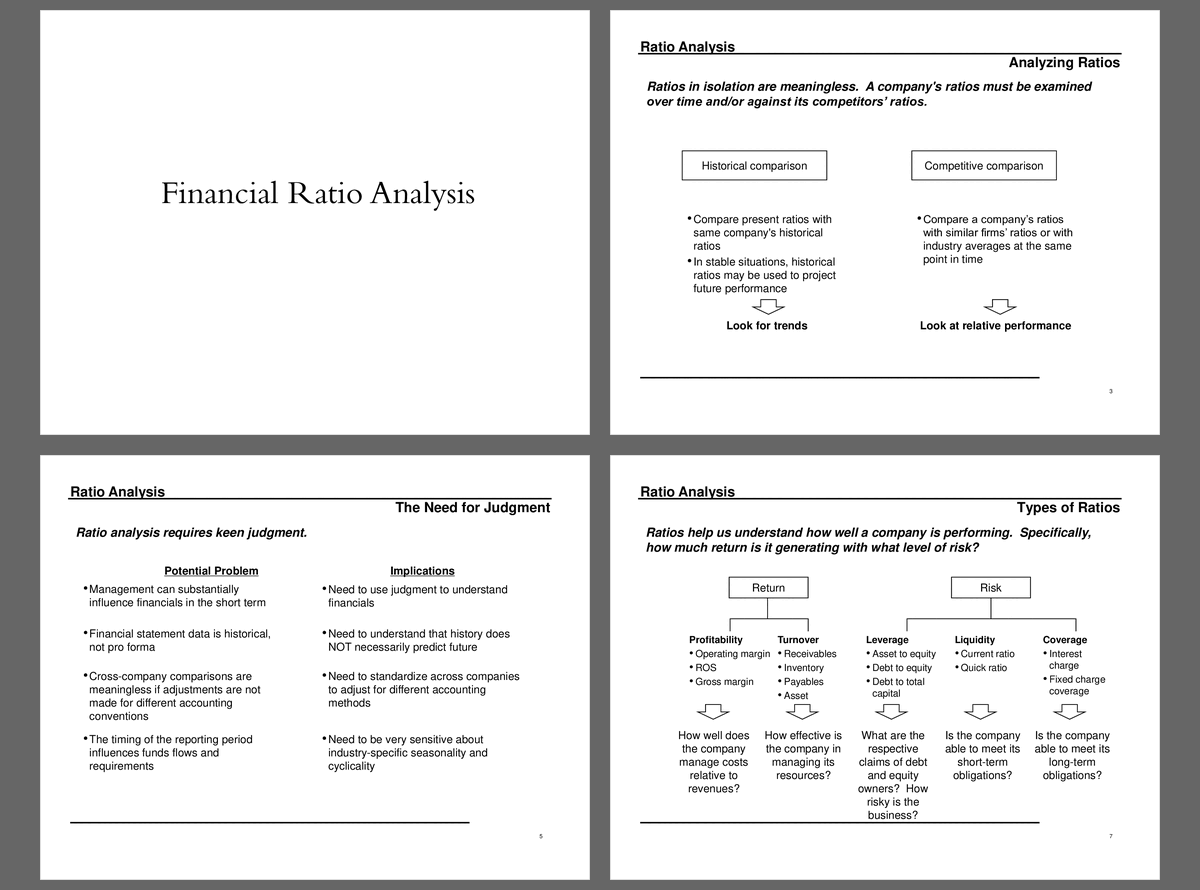
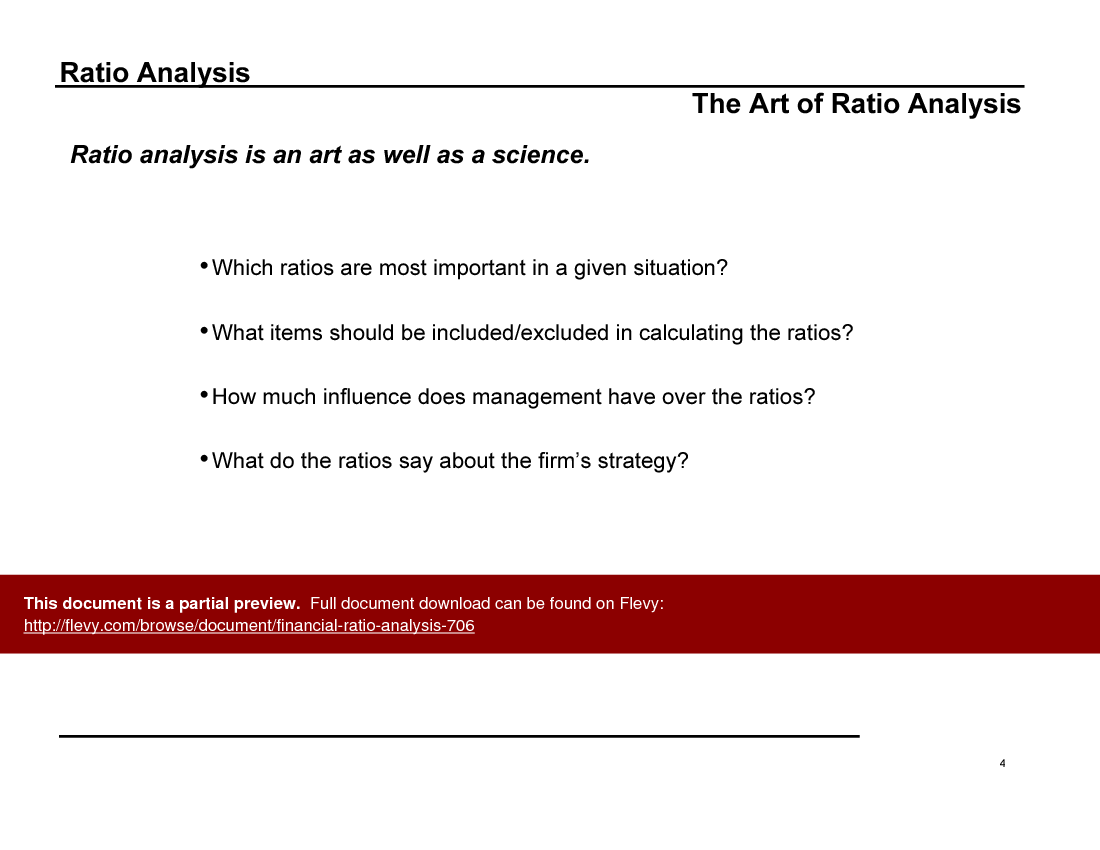

Ratios in isolation are meaningless. A company's ratios must be examined over time and/or against its competitors? ratios. Ratio analysis is an art as well as a science.
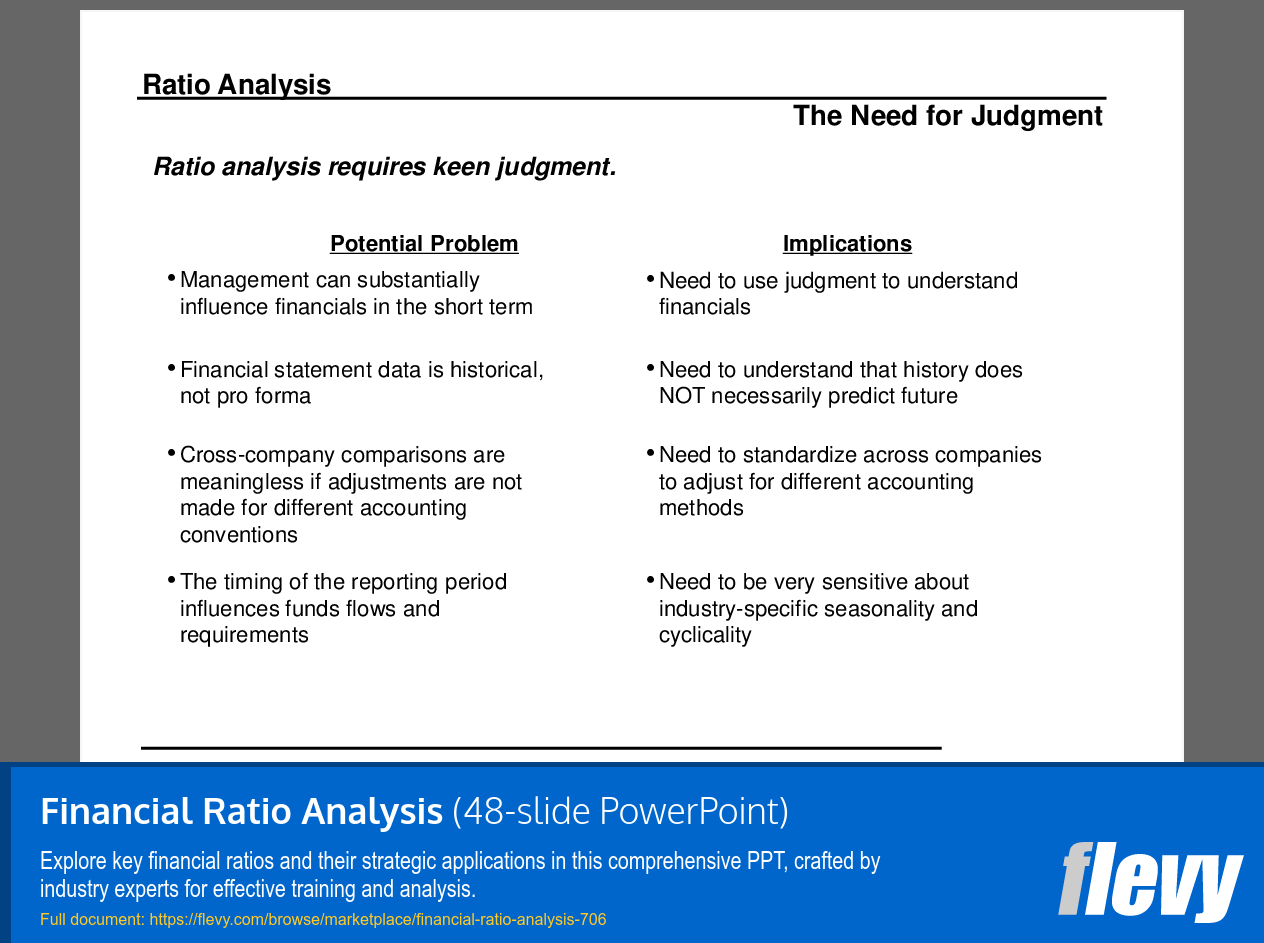
Ratio analysis requires keen judgment.
• Which ratios are most important in a given situation?
• What items should be included/excluded in calculating the ratios?
• How much influence does management have over the ratios?
• What do the ratios say about the firm?s strategy?
This presentation is a training material. It provides an overview of key financial ratios and their application in analyzing the financial health of an organization. It is an ideal reference for in-house training or MBA students.
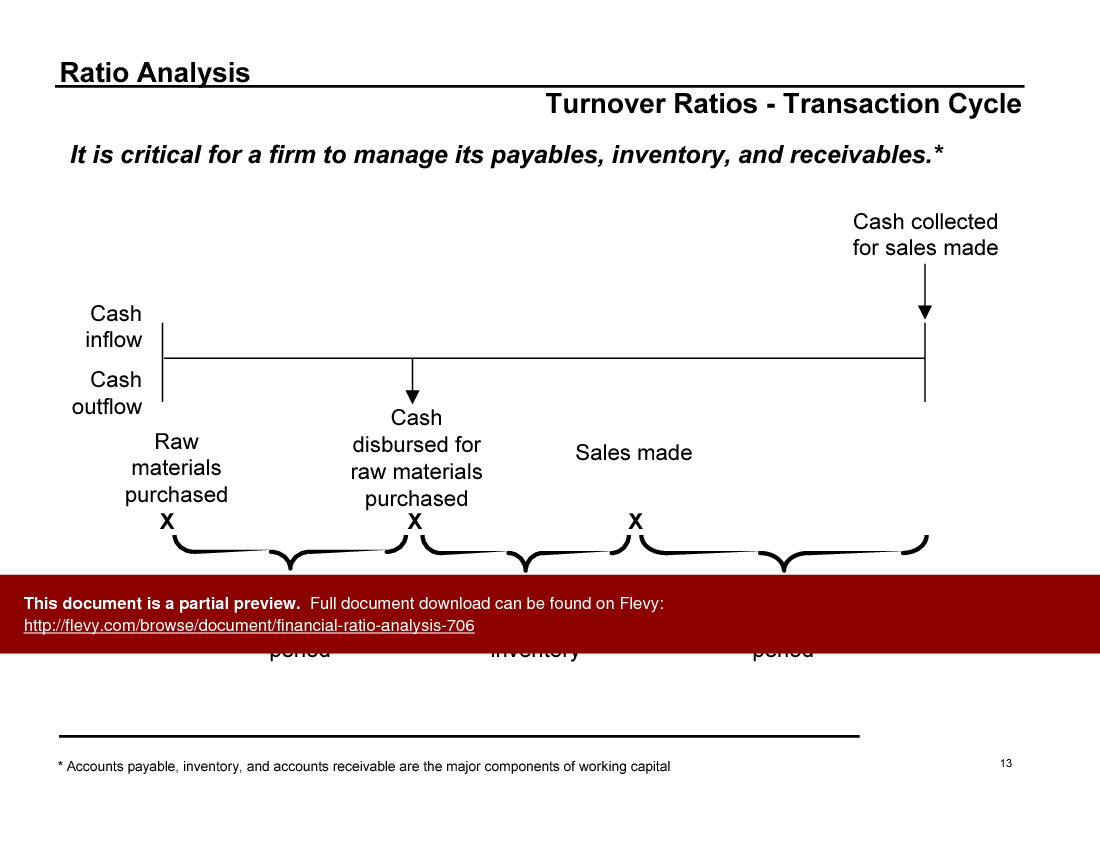
This document dives deep into the intricacies of financial ratios, breaking down their definitions and practical applications. It covers profitability ratios such as gross profit margin, operating margin, and effective tax rate, explaining how these metrics should evolve as a company scales. The material also emphasizes the importance of managing turnover ratios, detailing the transaction cycle from raw materials to cash collection.
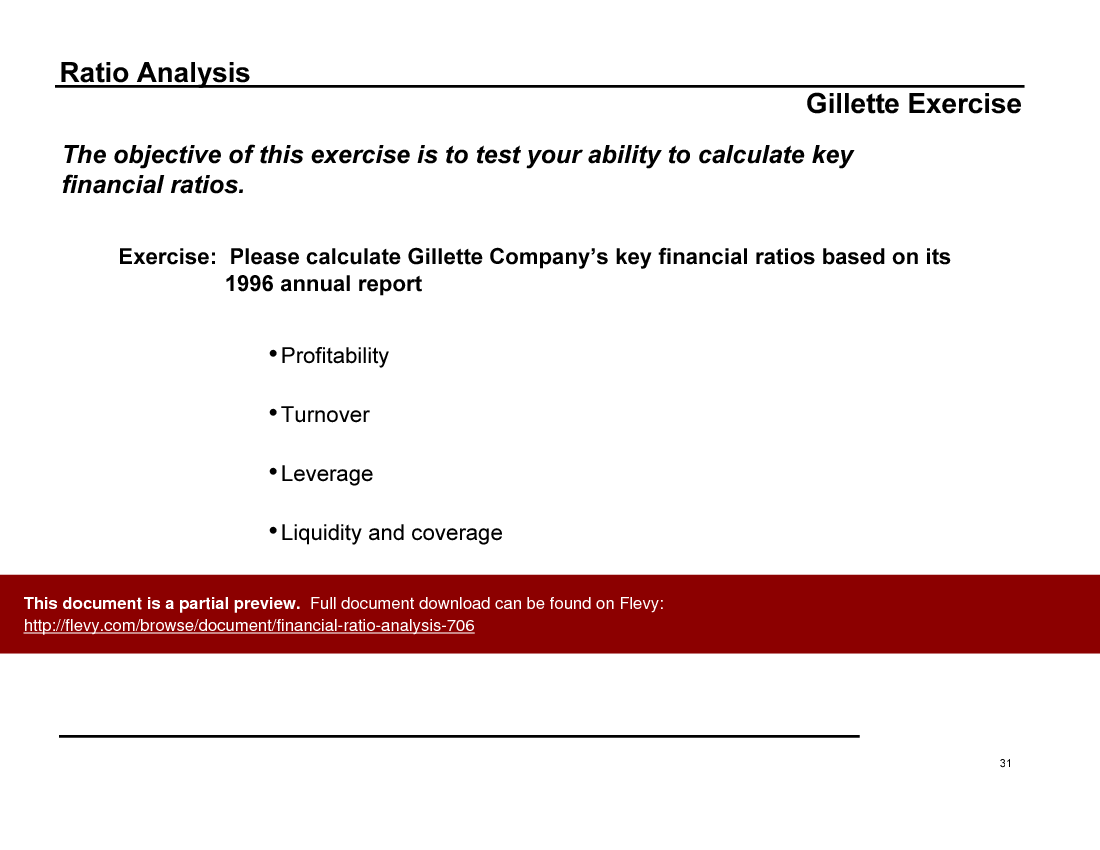
The presentation doesn't stop at just definitions; it includes exercises to test your understanding. You'll find tasks like matching industries to financial data and calculating key ratios for real-world companies. These exercises are designed to reinforce the theoretical knowledge with practical application, making it an invaluable resource for both training sessions and academic settings.
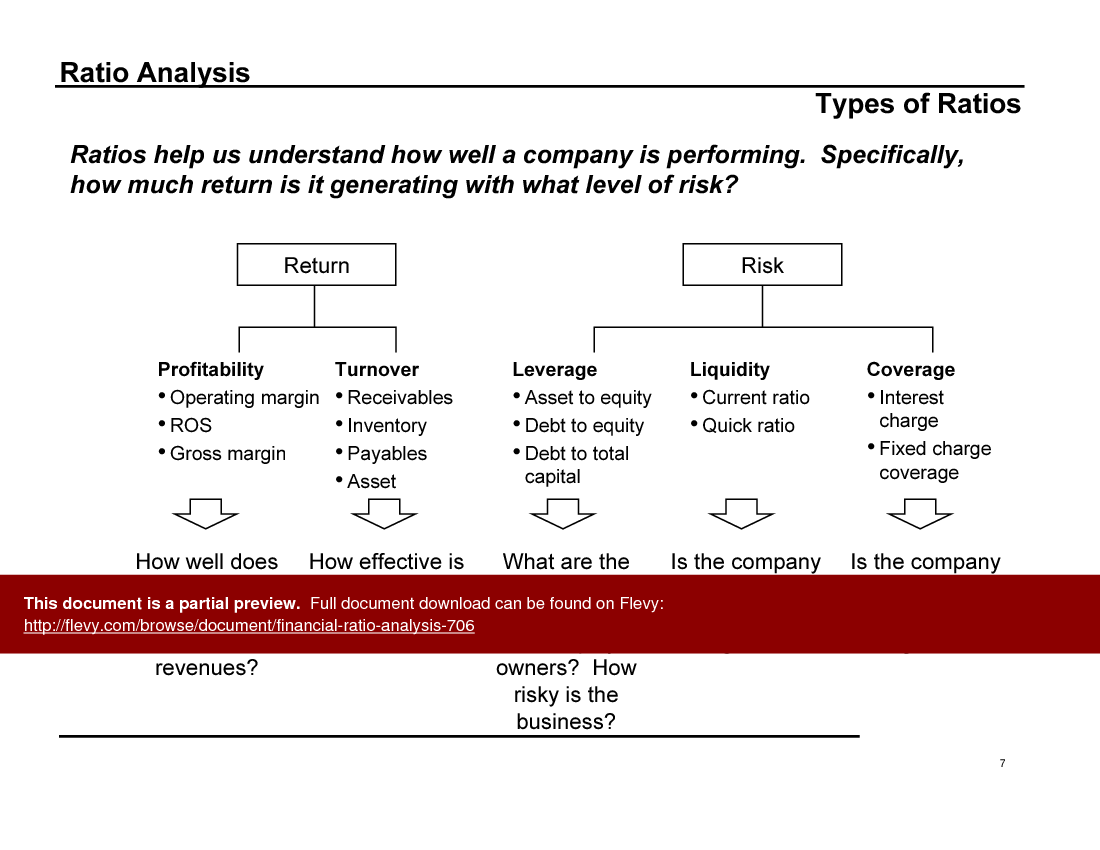
In addition, the document provides a comprehensive overview of leverage ratios, liquidity ratios, and coverage ratios. It explains how these ratios are derived from balance sheet and income statement items, offering a holistic view of a company's financial health. Whether you're a seasoned executive or an MBA student, this presentation equips you with the tools to perform robust financial analysis.
Got a question about the product? Email us at support@flevy.com or ask the author directly by using the "Ask the Author a Question" form. If you cannot view the preview above this document description, go here to view the large preview instead.
Executive Summary
The Financial Ratio Analysis PPT is a consulting-grade presentation designed to equip corporate executives, finance leaders, and consultants with essential tools for evaluating a company's financial performance through key ratios. This deck, structured in a McKinsey, Bain, or BCG-quality format (not affiliated), provides a comprehensive overview of various financial ratios, including profitability, turnover, leverage, liquidity, and coverage. By utilizing this presentation, users will be able to analyze financial statements effectively, forecast future performance, and make informed strategic decisions based on quantitative data.
Who This Is For and When to Use
• Financial analysts and corporate finance professionals assessing company performance
• Executives and decision-makers evaluating investment opportunities
• Consultants providing financial advisory services
• Accounting teams preparing financial reports and analyses
• Business students and educators seeking to understand financial metrics
Best-fit moments to use this deck:
• During financial performance reviews to assess profitability and risk
• In strategic planning sessions to forecast future financial outcomes
• When preparing for investor presentations or stakeholder meetings
• As a training tool for onboarding new finance team members
Learning Objectives
• Define key financial ratios and their significance in performance analysis
• Build a framework for comparing financial ratios over time and against competitors
• Establish a methodology for calculating and interpreting profitability, turnover, leverage, liquidity, and coverage ratios
• Analyze the implications of financial ratios on business strategy and operations
• Apply ratio analysis techniques in forecasting and decision-making processes
• Recognize the limitations and nuances of financial ratio analysis
Table of Contents
• Using Ratios (page 2)
• Types of Key Ratios (page 3)
• Profitability Ratios (page 8)
• Turnover Ratios (page 12)
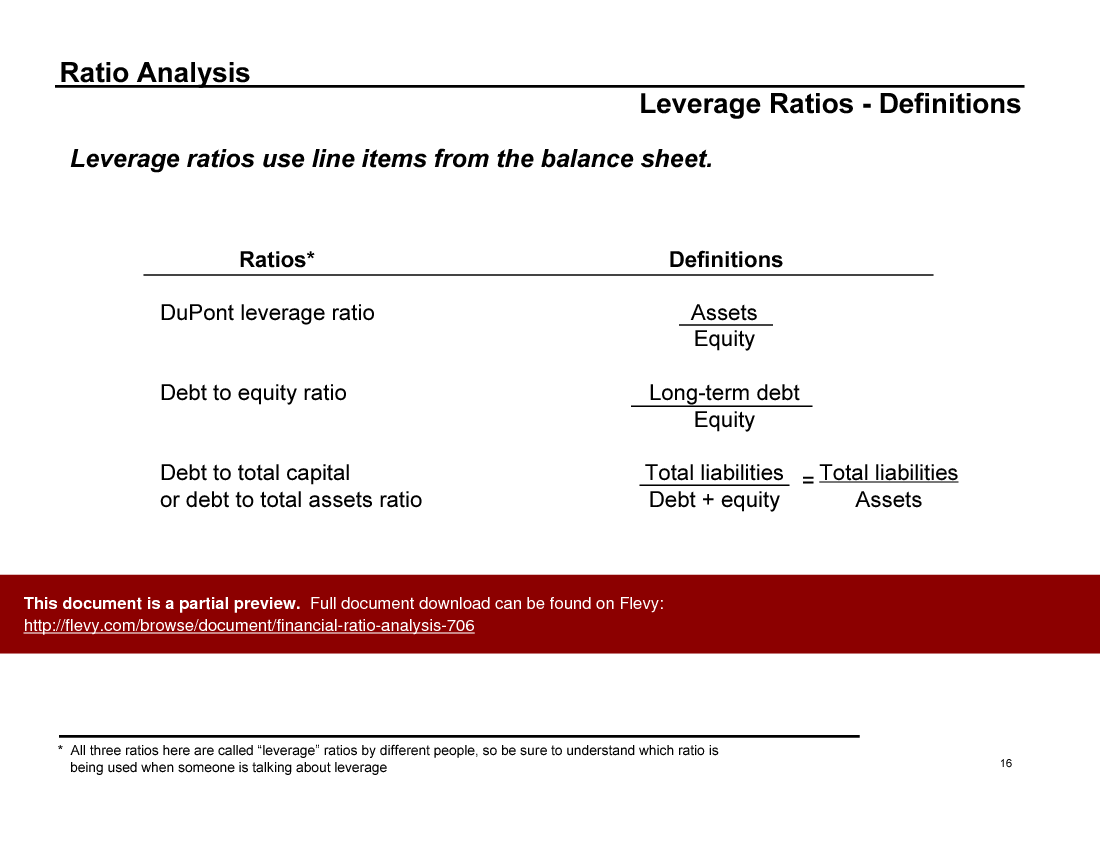
• Leverage Ratios (page 16)
• Liquidity and Coverage Ratios (page 22)
• Return on Equity (page 25)
• Ratio Exercises (page 28)
• Forecasting Exercise (page 37)
• Abbreviations (page 43)
• Key Takeaways (page 45)
Primary Topics Covered
• Using Ratios - Understanding the importance of financial ratios in evaluating company performance and making informed decisions.
• Types of Key Ratios - Overview of profitability, turnover, leverage, liquidity, and coverage ratios essential for financial analysis.
• Profitability Ratios - Metrics that assess a firm's ability to manage costs relative to revenues, including gross profit margin and return on sales.
• Turnover Ratios - Indicators of how effectively a company manages its resources, including receivables and inventory turnover.
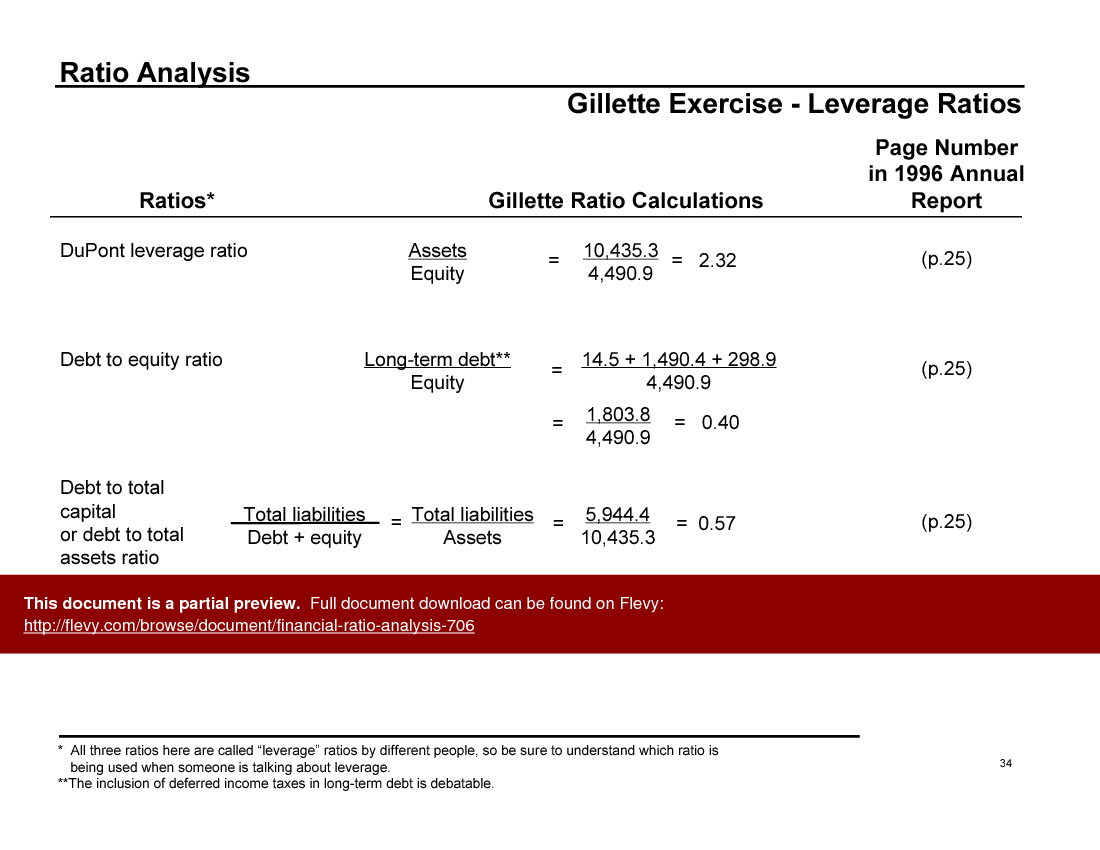
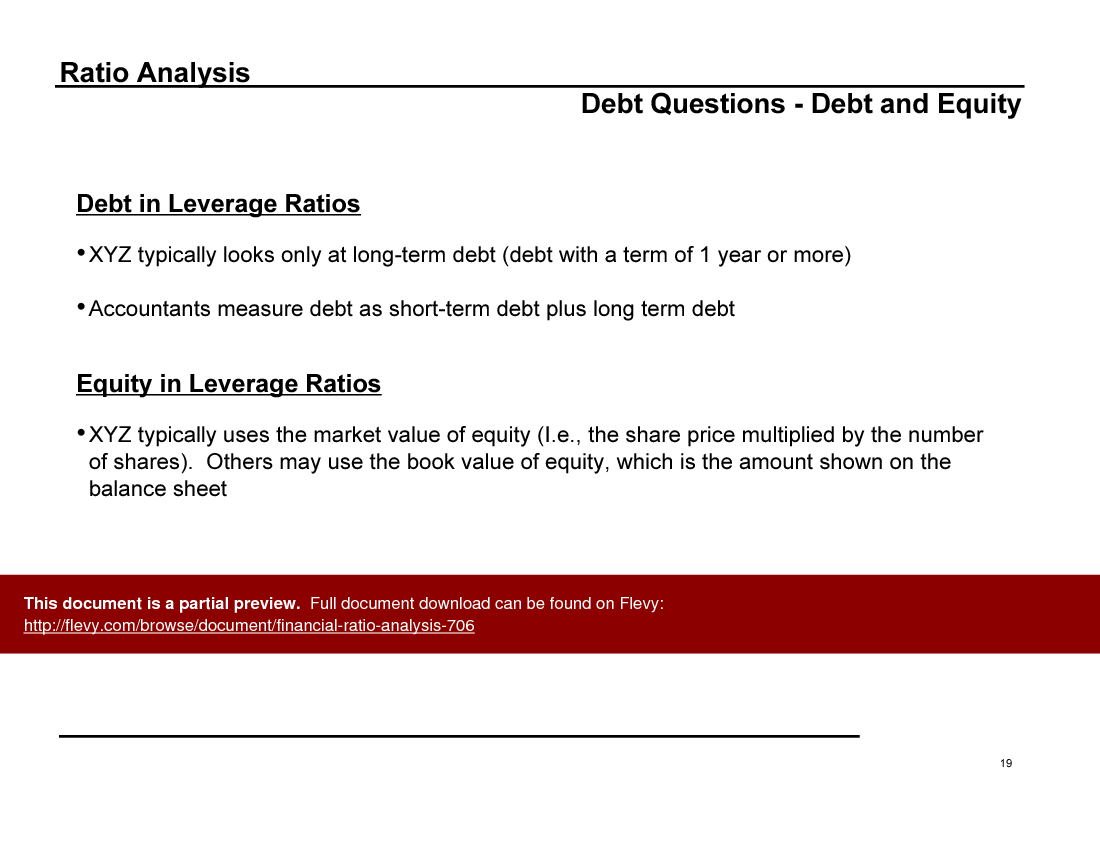
• Leverage Ratios - Measurements of the relative claims of debt and equity holders, assessing the risk profile of the business.
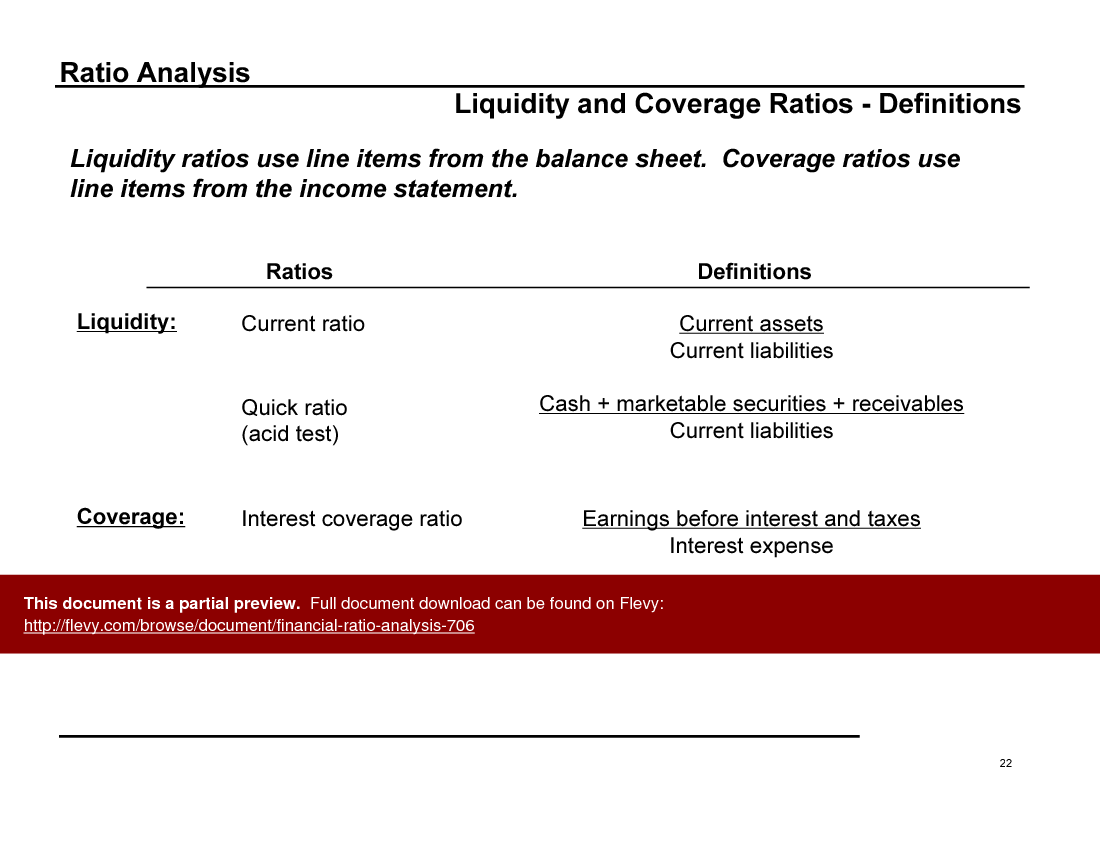
• Liquidity and Coverage Ratios - Evaluations of a firm's ability to meet short-term and long-term obligations, crucial for financial stability.
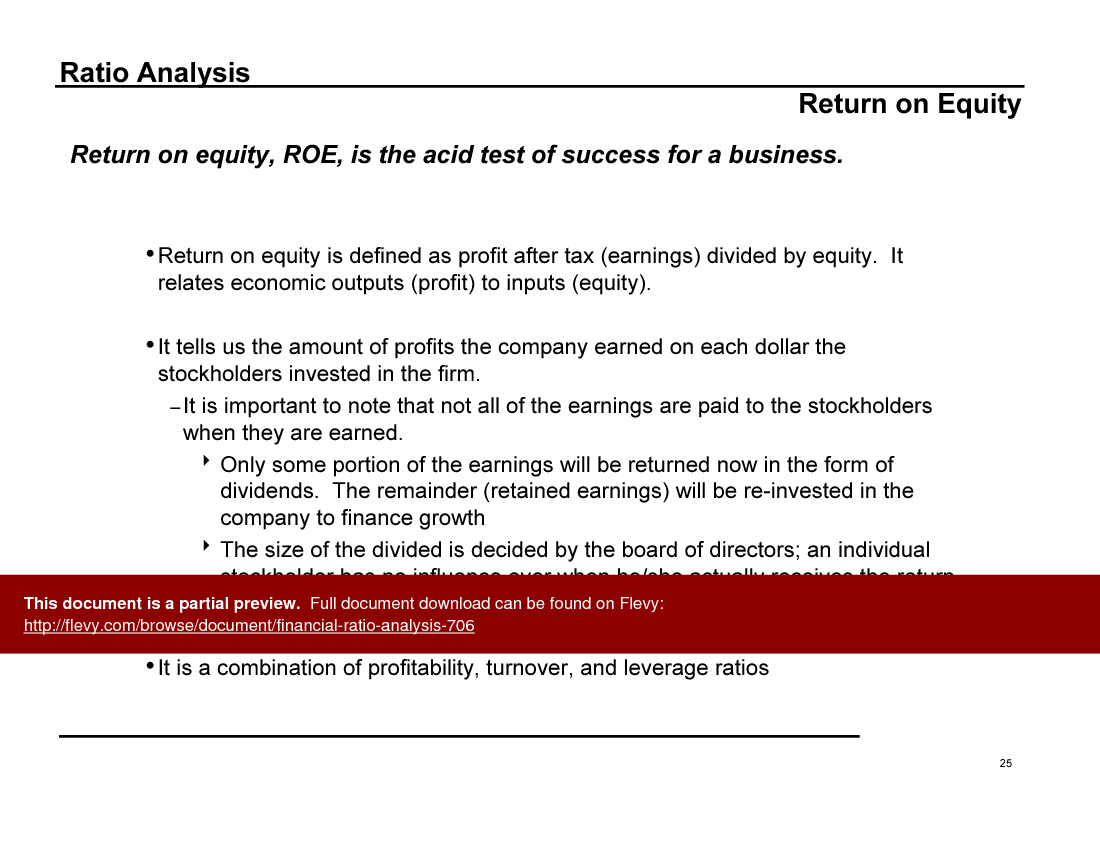
• Return on Equity - A key performance metric that relates profit to equity, indicating the effectiveness of management in generating returns for shareholders.
Deliverables, Templates, and Tools
• Financial ratio calculation templates for profitability, turnover, leverage, liquidity, and coverage
• Example exercises for practicing ratio analysis and forecasting
• Guidelines for interpreting financial ratios in various industry contexts
• Framework for comparing financial ratios against historical data and industry benchmarks
• Visual aids for presenting financial ratios in stakeholder meetings
Slide Highlights
• Clear definitions and formulas for each type of financial ratio
• Visual representations of ratio trends over time and against competitors
• Case studies illustrating the application of ratio analysis in real-world scenarios
• Summary slides encapsulating key takeaways and best practices in ratio analysis
• Interactive exercises designed to reinforce learning and application of financial ratios
Potential Workshop Agenda
Introduction to Financial Ratios (30 minutes)
• Overview of financial ratios and their importance
• Discussion on the types of key ratios
Hands-On Ratio Calculation (60 minutes)
• Guided exercises on calculating profitability, turnover, leverage, liquidity, and coverage ratios
• Group analysis of case studies
Interpreting Financial Ratios (45 minutes)
• Techniques for comparing ratios over time and against competitors
• Identifying trends and making strategic recommendations
Wrap-Up and Q&A (15 minutes)
• Recap of key concepts
• Addressing participant questions and clarifications
Customization Guidance
• Tailor the financial ratio definitions and examples to reflect your industry context
• Adjust the exercises to include company-specific financial data for practical application
• Incorporate your organization's financial reporting standards and practices into the templates
Secondary Topics Covered
• Historical comparison and competitive analysis of financial ratios
• The influence of management decisions on financial ratios
• Industry-specific considerations in ratio analysis
• The role of financial ratios in strategic planning and forecasting
FAQ
What are financial ratios?
Financial ratios are quantitative measures used to assess a company's performance and financial health by comparing various financial metrics.
How do I calculate profitability ratios?
Profitability ratios are calculated using line items from the income statement, such as gross profit margin, operating profit margin, and return on sales.
Why is ratio analysis important?
Ratio analysis is crucial for understanding a company's financial performance, identifying trends, and making informed strategic decisions.
What are the limitations of financial ratios?
Ratios can be misleading if analyzed in isolation; they must be compared over time and against industry benchmarks for meaningful insights.
How can I use this presentation in my organization?
This presentation can be used for training, financial analysis, strategic planning, and investor presentations to communicate financial performance effectively.
What types of ratios should I focus on?
Focus on profitability, turnover, leverage, liquidity, and coverage ratios to gain a comprehensive view of a company's financial health.
How can I forecast using financial ratios?
Forecasting involves using historical financial data and ratios to project future performance, taking into account industry trends and economic conditions.
What is the DuPont formula?
The DuPont formula breaks down return on equity into its components: profitability, asset turnover, and leverage, providing insights into performance improvement.
How do I interpret liquidity ratios?
Liquidity ratios assess a company's ability to meet short-term obligations; a ratio below 1 indicates potential liquidity issues.
What is the significance of return on equity?
Return on equity measures the profitability of a company relative to shareholders' equity, indicating how effectively management is generating returns for investors.
Glossary
• A/P - Accounts payable
• A/R - Accounts receivable
• CAPEX - Capital expenditures
• COGS - Cost of goods sold
• EBIT - Earnings before interest and taxes
• NWC - Net working capital
• PAT - Profit after tax
• PBT - Profit before tax
• PPE - Property, plant, and equipment
• ROA - Return on assets
• ROE - Return on equity
• ROS - Return on sales
• SG&A - Selling, general, and administrative expenses
• WC - Working capital
Source: Best Practices in Financial Analysis PowerPoint Slides: Financial Ratio Analysis PowerPoint (PPT) Presentation Slide Deck, Documents & Files
This document is available as part of the following discounted bundle(s):
Save %!
Essential Consulting Knowledge Builder
This bundle contains 21 total documents. See all the documents to the right.
|
Download our FREE Strategy & Transformation Framework Templates
Download our free compilation of 50+ Strategy & Transformation slides and templates. Frameworks include McKinsey 7-S, Balanced Scorecard, Disruptive Innovation, BCG Curve, and many more. |