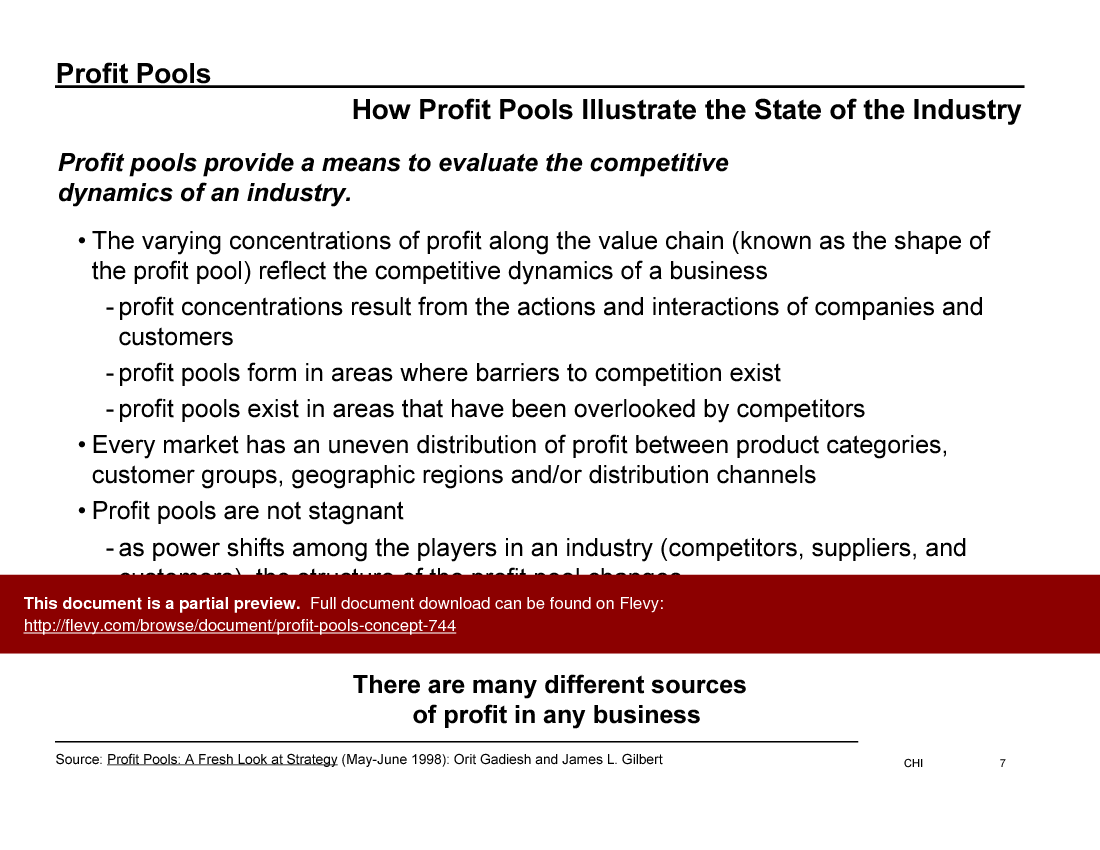

"Profit Pools" is a concept introduced which is defined as the total profits earned in an industry at all points along its value chain. An analysis of the profit pools of an industry can help a company better understand the economic and competitive forces driving an industry's profit distribution, and thus enhance a company's ability to make innovative decisions on its strategy.
This document answers the following key questions:
• What is a profit pools concept?
• Why use profit pools concept?
• How to use the concept for innovative strategy development?
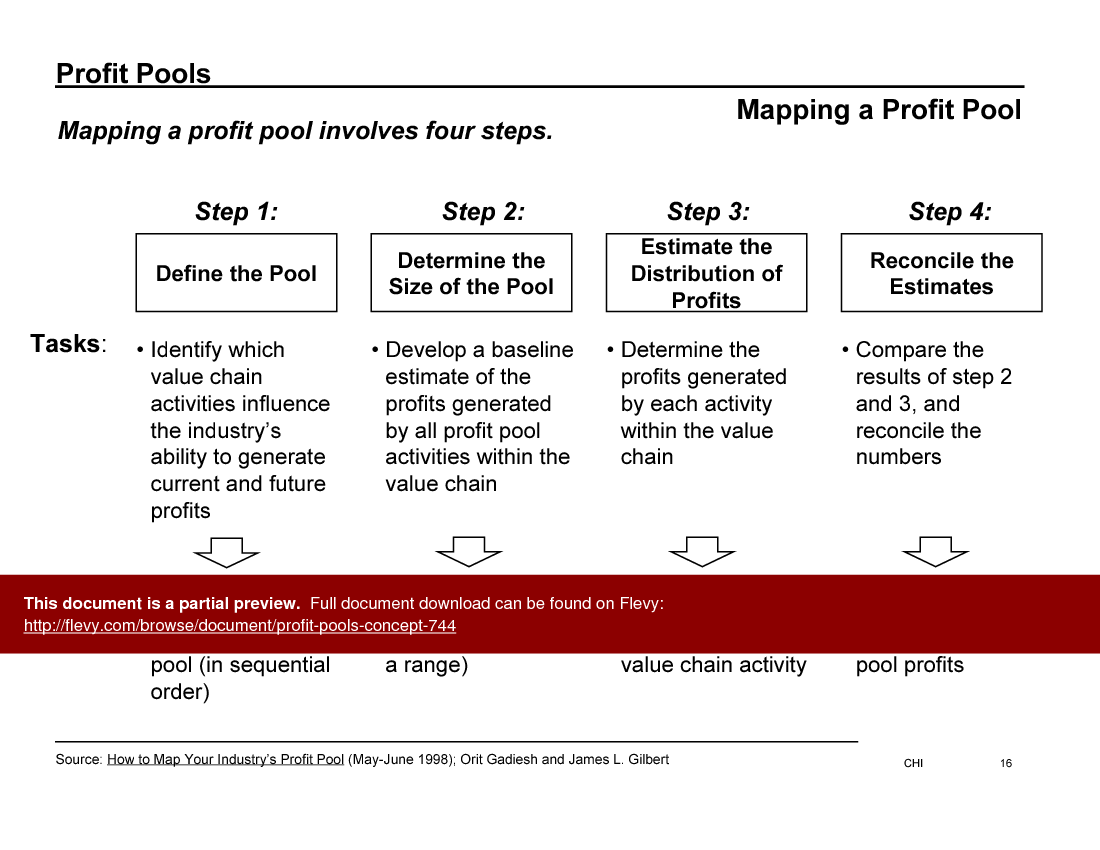
• How to map profit pools step by step?
It also provides some client examples in applying the tool.
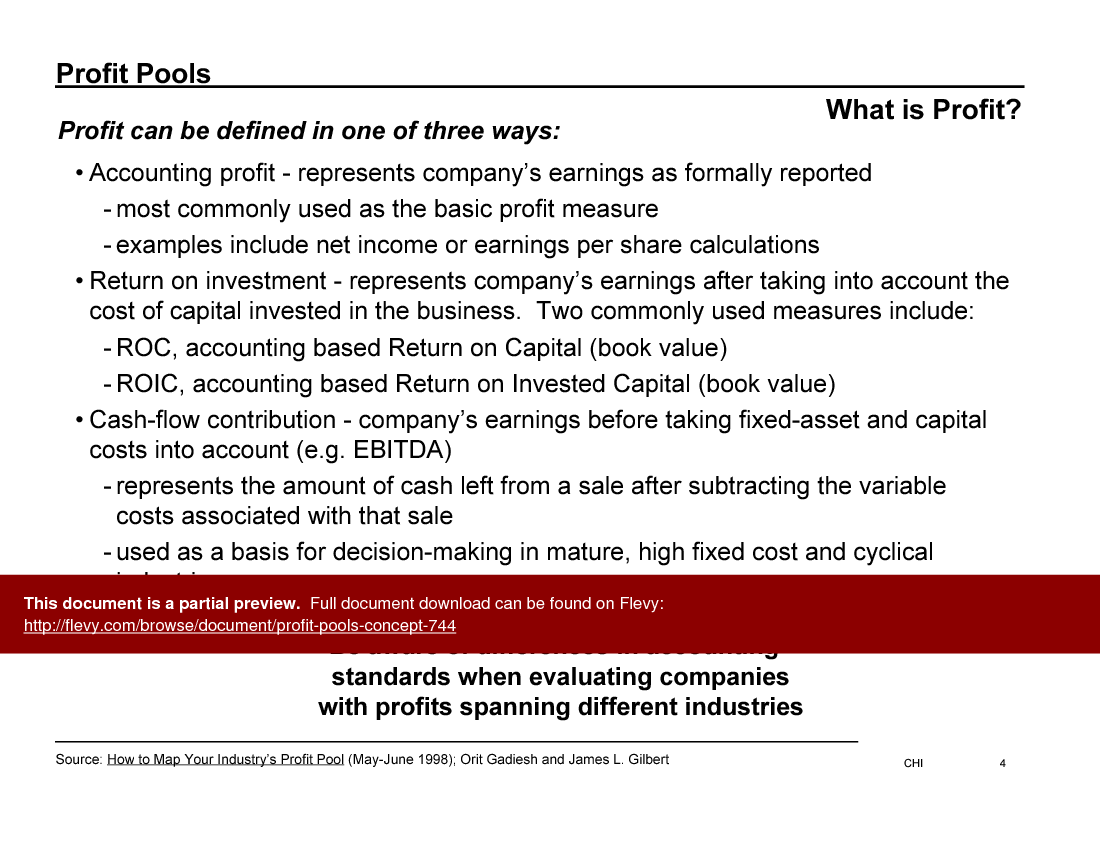
Understanding profit pools involves recognizing that profit can be defined in multiple ways. This document breaks down accounting profit, return on investment, and cash-flow contribution, providing clear distinctions and examples. By doing so, it equips executives with a robust framework to evaluate their company's financial performance from different angles, ensuring a comprehensive grasp of profitability.
Profit pools also illustrate the competitive dynamics within an industry. The document explains how profit concentrations along the value chain reflect the actions and interactions of companies and customers. It highlights that profit pools are dynamic, shifting as power changes among industry players. This insight is crucial for executives aiming to stay ahead of market trends and competitive pressures.
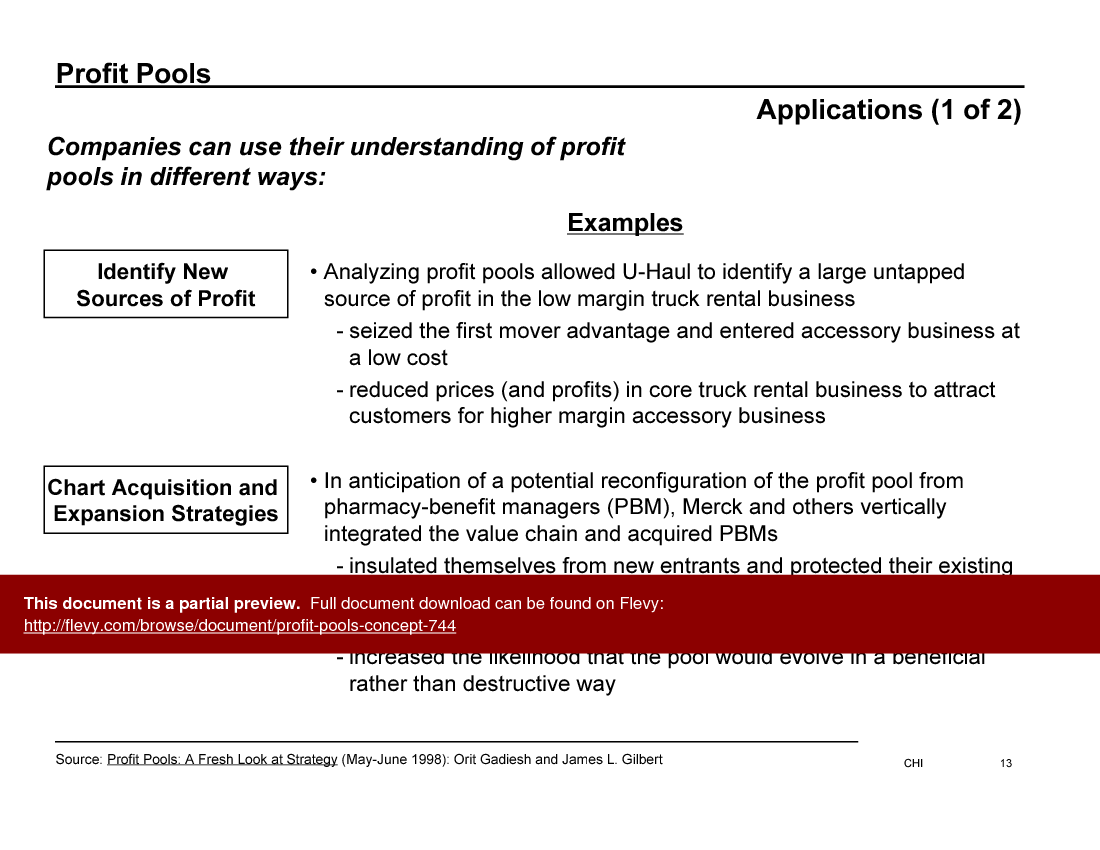
Real-world applications of profit pools are showcased, such as U-Haul identifying untapped profit sources and Merck's strategic acquisitions. These examples demonstrate the practical value of profit pool analysis in identifying new profit opportunities and informing strategic decisions. The document's step-by-step guide to mapping profit pools ensures that executives can apply these concepts effectively within their own organizations.
Got a question about the product? Email us at support@flevy.com or ask the author directly by using the "Ask the Author a Question" form. If you cannot view the preview above this document description, go here to view the large preview instead.
Executive Summary
The "Profit Pools Concept" presentation offers a strategic framework for identifying and leveraging profit pools within various industries, crafted in a McKinsey, Bain, or BCG-quality style (consulting-grade; not affiliated). This deck empowers corporate executives and consultants to analyze profit distribution across value chains, uncover hidden profit opportunities, and make informed strategic decisions. By understanding the dynamics of profit pools, users can enhance their operational strategies and optimize profitability.
Who This Is For and When to Use
• Corporate executives seeking to refine strategic decision-making
• Business consultants advising clients on profitability strategies
• Strategy teams focused on competitive analysis and market positioning
• Financial analysts evaluating profit distribution within industries
Best-fit moments to use this deck:
• During strategic planning sessions to identify new profit opportunities
• When analyzing competitive landscapes to inform business strategies
• In workshops aimed at developing innovative approaches to market challenges
Learning Objectives
• Define profit pools and their significance in strategic decision-making
• Analyze the distribution of profits across value chains in various industries
• Identify choke points that influence profit flow within an industry
• Develop innovative strategies based on insights from profit pool analysis
• Create actionable plans to capture a disproportionate share of industry profits
• Evaluate the impact of competitive dynamics on profit pool structures
Table of Contents
• Profit Pools Concept (page 2)
• Applications (page 13)
• Profit Pool Steps (page 16)
• Client Example (page 22)
• Key Takeaways (page 29)
Primary Topics Covered
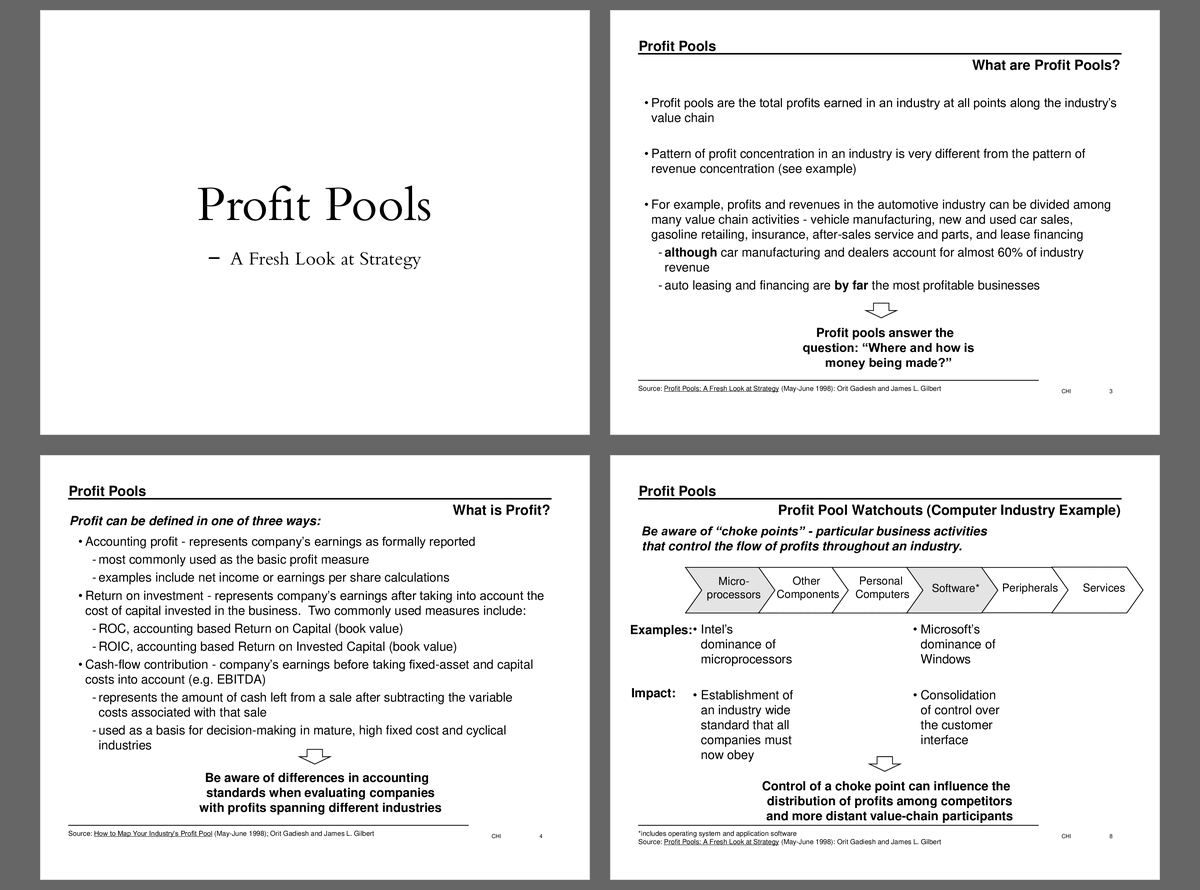
• Profit Pools Definition - Profit pools represent the total profits earned within an industry across its entire value chain, highlighting discrepancies between revenue and profit concentration.
• Applications of Profit Pools - Companies can leverage profit pool analysis to identify untapped profit sources and guide strategic decisions, such as acquisitions and market entry.
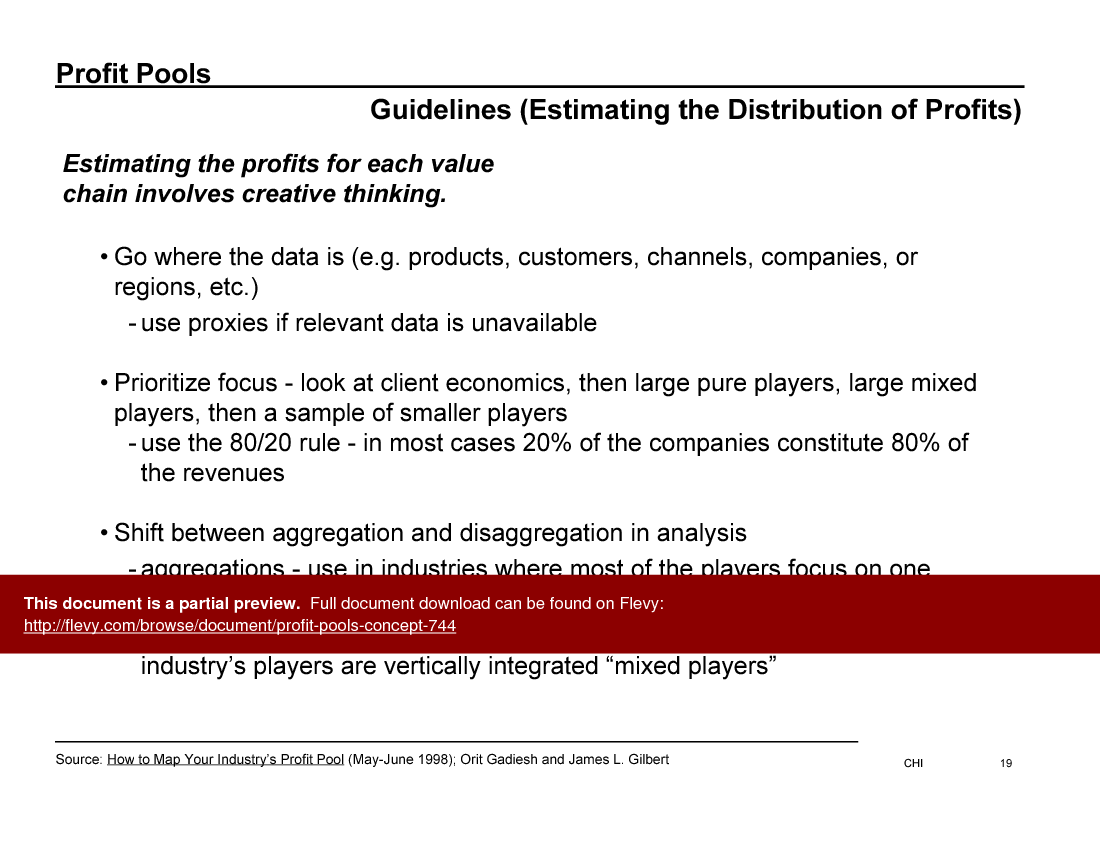
• Mapping Profit Pools - The process involves defining the pool, estimating its size, determining profit distribution, and reconciling estimates to create a comprehensive profit map.
• Choke Points in Value Chains - Identifying choke points helps companies understand where control over profit distribution exists and how to navigate competitive dynamics.
• Dynamic Nature of Profit Pools - Profit pools are not static; they evolve with market changes, requiring continuous analysis to stay competitive.
• Case Studies - Real-world examples illustrate how companies like U-Haul and Dell have successfully utilized profit pool analysis to enhance profitability.
Deliverables, Templates, and Tools
• Profit pool mapping template for visualizing profit distribution across value chains
• Profit pool analysis framework to guide strategic decision-making
• Case study examples highlighting successful profit pool applications
• Guidelines for identifying and analyzing choke points in value chains
• Worksheets for estimating profit pool sizes and distributions
• Action plan templates for implementing profit pool strategies
Slide Highlights
• Overview of profit pools and their significance in strategic analysis
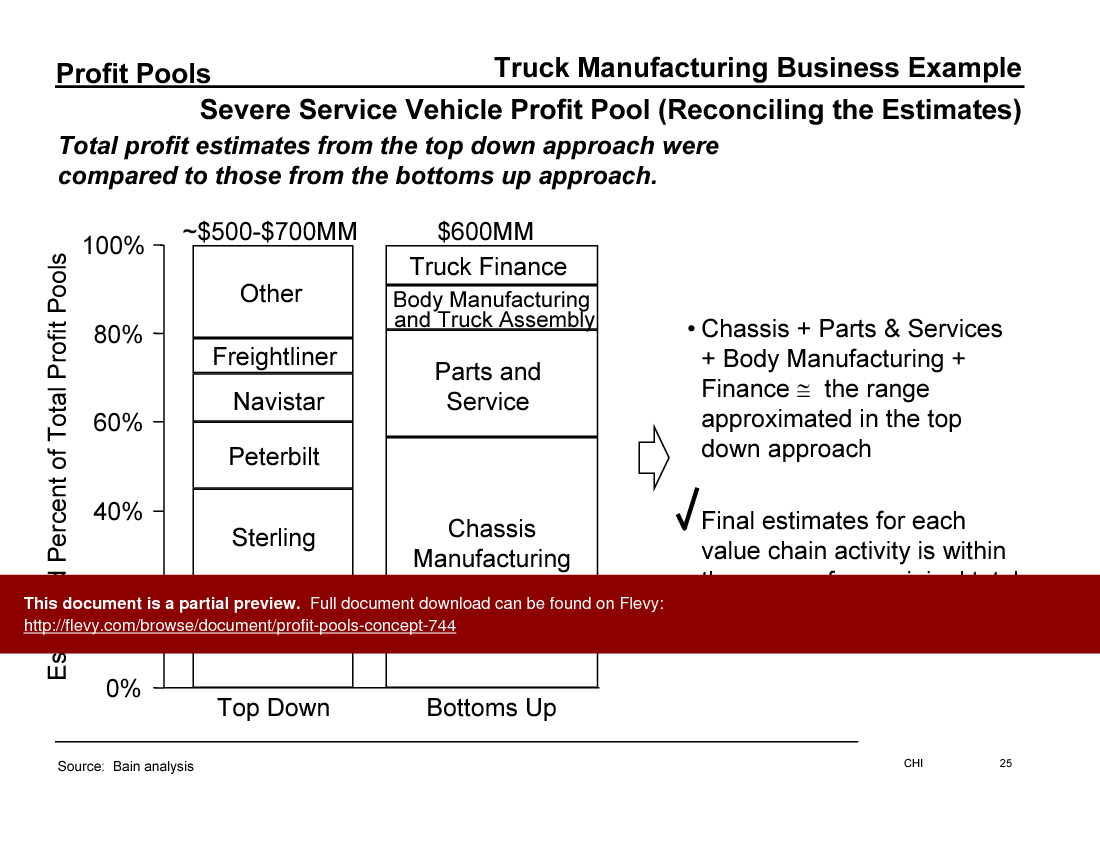
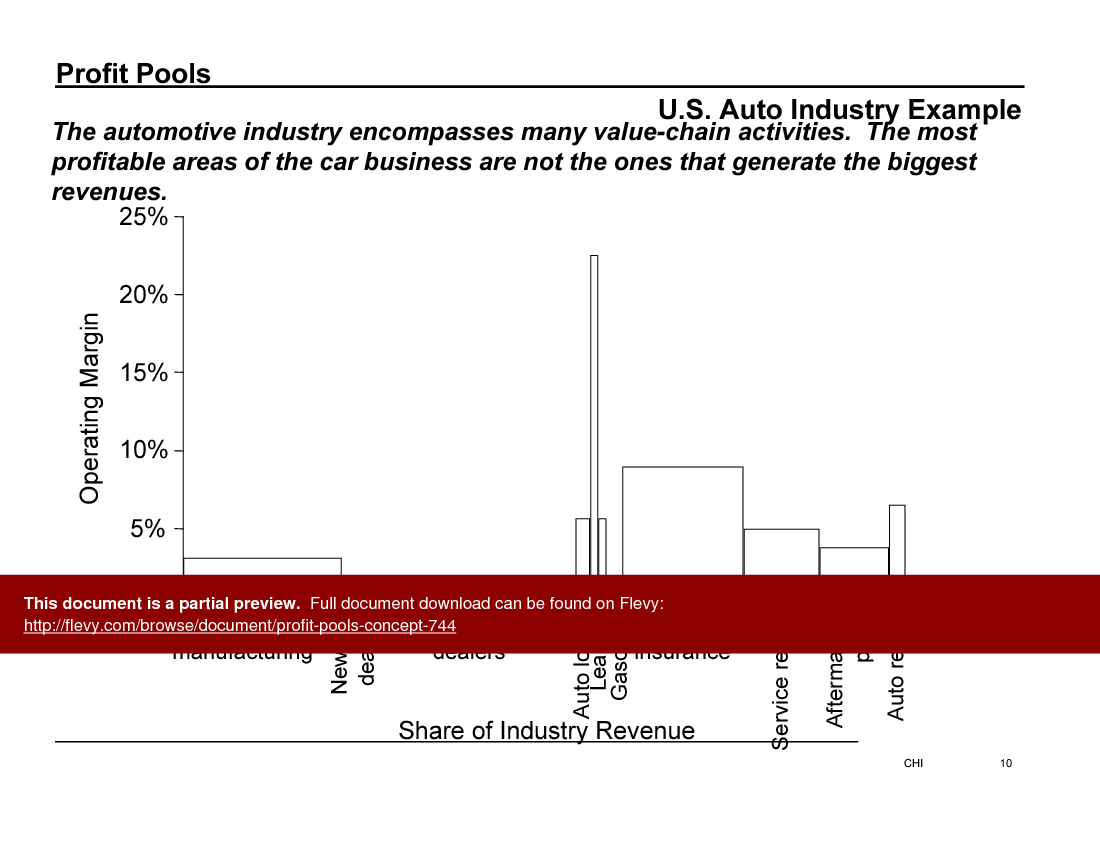
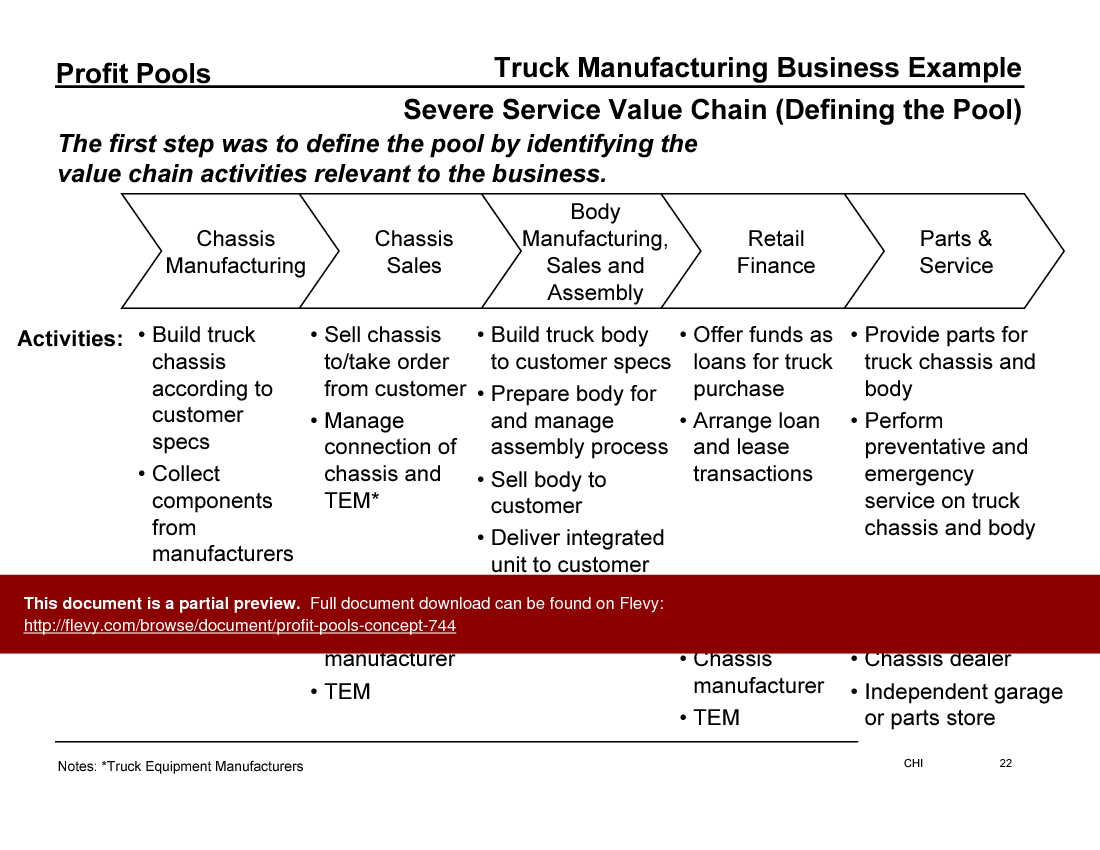
• Visual representation of profit distribution in the automotive and truck manufacturing industries
• Step-by-step process for mapping profit pools
• Case studies demonstrating successful profit pool strategies
• Key questions to guide innovative strategy development
Potential Workshop Agenda
Profit Pool Mapping Workshop (90 minutes)
• Introduce the concept of profit pools and their relevance
• Guide participants through the mapping process
• Discuss real-world applications and case studies
Strategic Decision-Making Session (60 minutes)
• Analyze current profit pools in participants' industries
• Identify choke points and opportunities for innovation
• Develop actionable strategies based on insights
Customization Guidance
• Tailor the profit pool mapping template to reflect specific industry dynamics and value chain activities.
• Adjust case study examples to align with the unique challenges faced by the organization.
• Incorporate company-specific data and metrics to enhance the relevance of the analysis.
Secondary Topics Covered
• Competitive dynamics and their impact on profit pool structures
• The role of customer behavior in shaping profit pools
• Industry trends that may influence profit distribution
• Strategies for mitigating risks associated with profit pool shifts
• The importance of continuous monitoring of profit pools
FAQ
What are profit pools?
Profit pools are the total profits earned in an industry at all points along the industry’s value chain, revealing where money is being made.
How can profit pools inform strategic decisions?
Analyzing profit pools helps companies identify untapped sources of profit, understand competitive dynamics, and develop innovative strategies.
What is a choke point in a value chain?
A choke point is a specific business activity that controls the flow of profits throughout an industry, influencing profit distribution among competitors.
How do profit pools change over time?
Profit pools are dynamic and can shift as market conditions, competitive dynamics, and consumer preferences evolve.
What steps are involved in mapping a profit pool?
Mapping a profit pool involves defining the pool, estimating its size, determining profit distribution, and reconciling estimates.
Can you provide an example of a company that successfully utilized profit pool analysis?
U-Haul identified a new profit source in the accessory business by analyzing profit pools, allowing them to pivot their strategy effectively.
What industries can benefit from profit pool analysis?
Any industry can benefit from profit pool analysis, particularly those with complex value chains and varying profit distributions.
How can companies stay competitive in rapidly changing industries?
Regularly analyzing profit pools helps companies remain aware of shifts in profit distribution and adapt their strategies accordingly.
Glossary
• Profit Pool - The total profits earned in an industry across its value chain.
• Choke Point - A critical business activity that influences profit distribution.
• Value Chain - The series of activities that a company performs to deliver a product or service.
• Dynamic Nature - The evolving characteristics of profit pools as market conditions change.
• Mapping - The process of visualizing and analyzing profit distribution within an industry.
• Competitive Dynamics - The interactions and behaviors of competitors within a market.
• Case Study - A detailed analysis of a specific instance of profit pool application.
• Action Plan - A structured approach for implementing profit pool strategies.
• Customer Behavior - The actions and preferences of consumers that influence profit pools.
• Industry Trends - Patterns and shifts in the market that can affect profit distribution.
• Continuous Monitoring - Ongoing analysis of profit pools to identify changes and opportunities.
• Innovation - The process of developing new strategies or products to capture profit pools.
Source: Best Practices in Industry Analysis, Environmental Analysis PowerPoint Slides: Profit Pools Concept PowerPoint (PPT) Presentation Slide Deck, Documents & Files
This document is available as part of the following discounted bundle(s):
Save %!
Essential Consulting Knowledge Builder
This bundle contains 21 total documents. See all the documents to the right.
|
Download our FREE Strategy & Transformation Framework Templates
Download our free compilation of 50+ Strategy & Transformation slides and templates. Frameworks include McKinsey 7-S, Balanced Scorecard, Disruptive Innovation, BCG Curve, and many more. |