
Editor Summary
The Shareholder Value Analysis is a 53-slide PowerPoint presentation developed by former McKinsey consultants that applies a Value Creation Framework to assess ABC Auto’s historical performance, restructuring plan, and market positioning.
Read moreIncludes 5 deliverables: operational performance assessment template, revitalization plan framework, performance tracking dashboard, risk assessment matrix, and a financial modeling tool. Target users are corporate executives, financial analysts, consultants, and integration leaders. Sold as a digital download on Flevy and used to evaluate restructuring impact and shareholder value.
This presentation is intended for situations where a company faces shareholder-value pressures from declining market share, high cost structures, or active restructuring and needs a quantified roadmap for performance improvement.
Corporate executives conducting strategic planning sessions to evaluate operational performance and identify target cost and market-share improvements.
Financial analysts modeling the impact of restructuring on returns and projecting scenarios using a financial modeling tool.
Management consultants performing competitive benchmarking against peers such as Toyota, Honda, and VW to define revitalization priorities.
Integration or restructuring leads developing implementation action plans and KPIs to track progress using a performance tracking dashboard.
The Value Creation Framework aligns TSR with operational value drivers, reflecting the consulting practice of linking financial outcomes to operational initiatives used at McKinsey.
This presentation introduces a Shareholder Value Analysis approach of a leading consulting firm, using a global auto maker as an example.
The presentation begins by analyzing the auto maker's historical performance and improvement opportunities, and then conducts competitive benchmarking, identifies its future growth strategies and puts forward an action plan for growth.
The document also introduces a Value Creation Framework that aligns a company's Total Shareholder Return (TSR) with its value drivers to identify value creation opportunities. It is an illustrative presentation of how to apply the framework to strategic analysis. See another posting at this website – Value Creation Framework.
The slides can be adapted for use with other organizations.
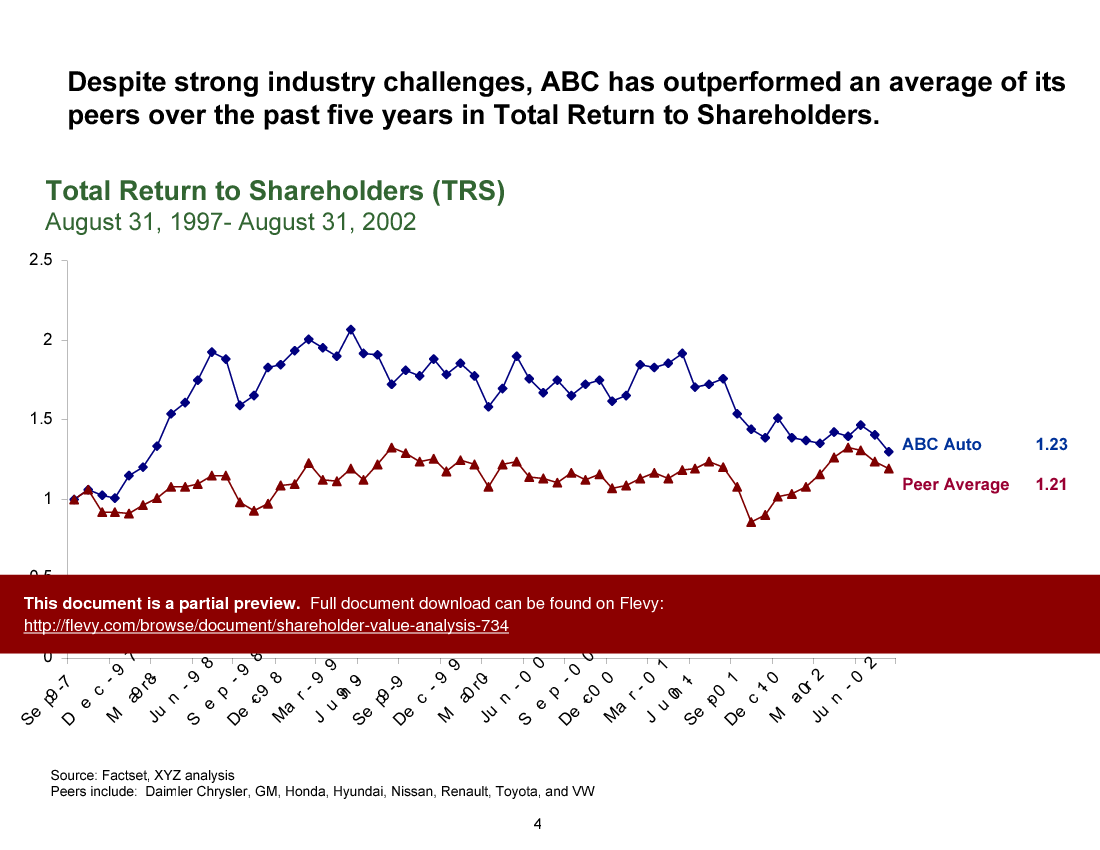
The document provides a detailed analysis of ABC Auto's performance relative to its peers, highlighting its ability to outperform in Total Return to Shareholders (TRS) despite industry challenges. The analysis spans a five-year period, offering insights into the company's strategic positioning and competitive edge. It also contrasts ABC Auto's performance with that of other major players like Toyota, Honda, and VW, emphasizing the company's strengths and areas needing improvement.
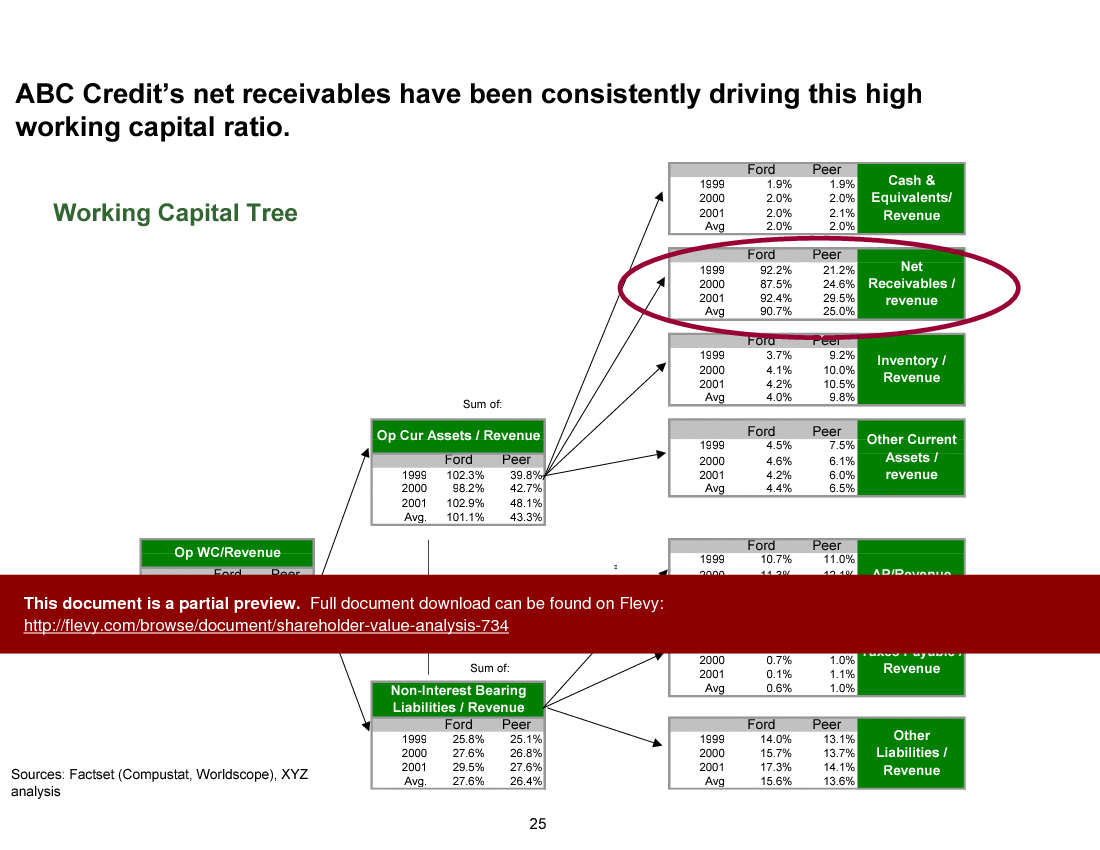
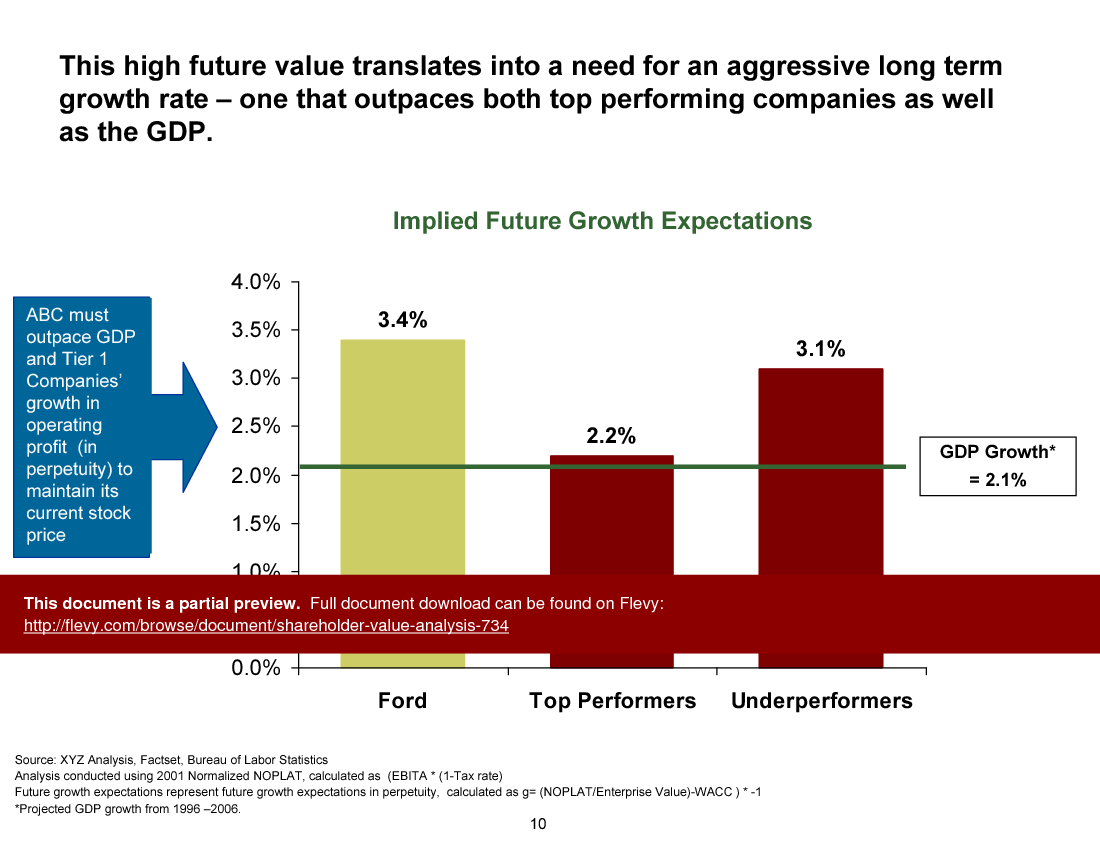
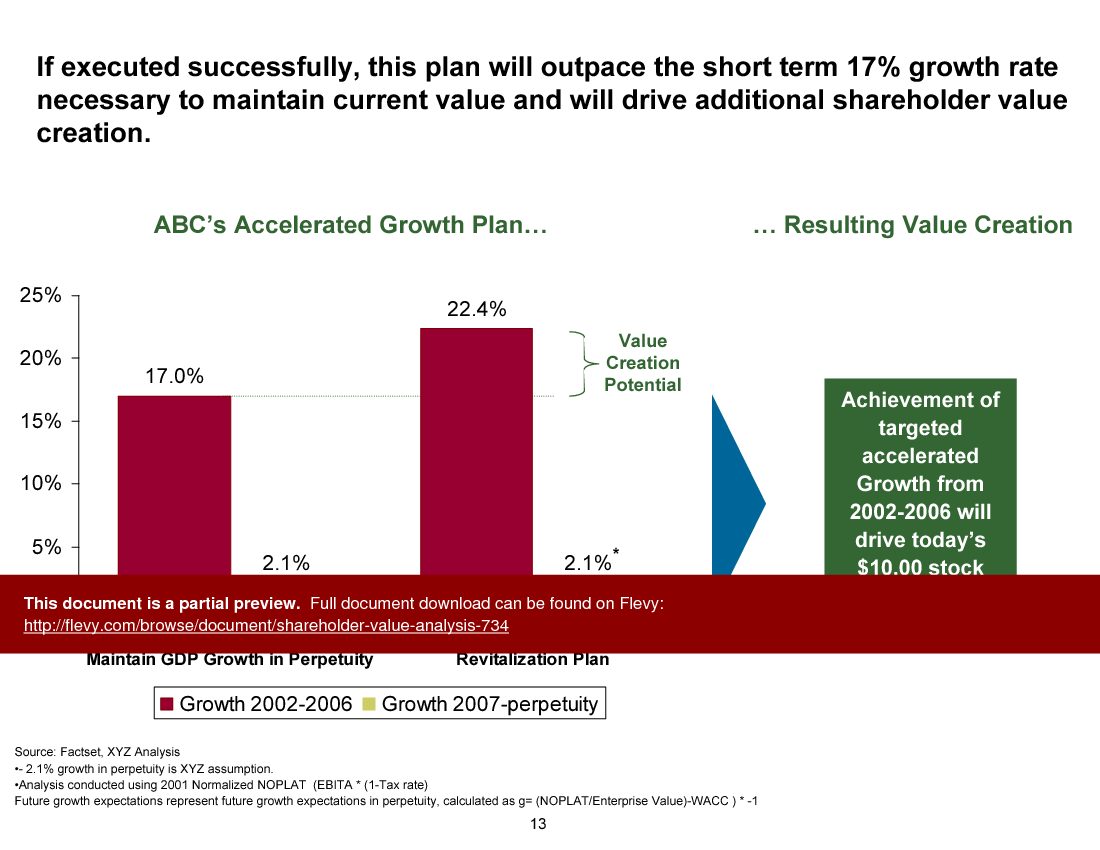
The presentation delves into the company's growth expectations, stressing the need for an aggressive long-term growth rate to maintain its current stock price. It outlines the implications of these growth expectations on ABC Auto's future strategies and operational focus. The document also examines the company's working capital management, identifying net receivables as a significant driver of its high working capital ratio.
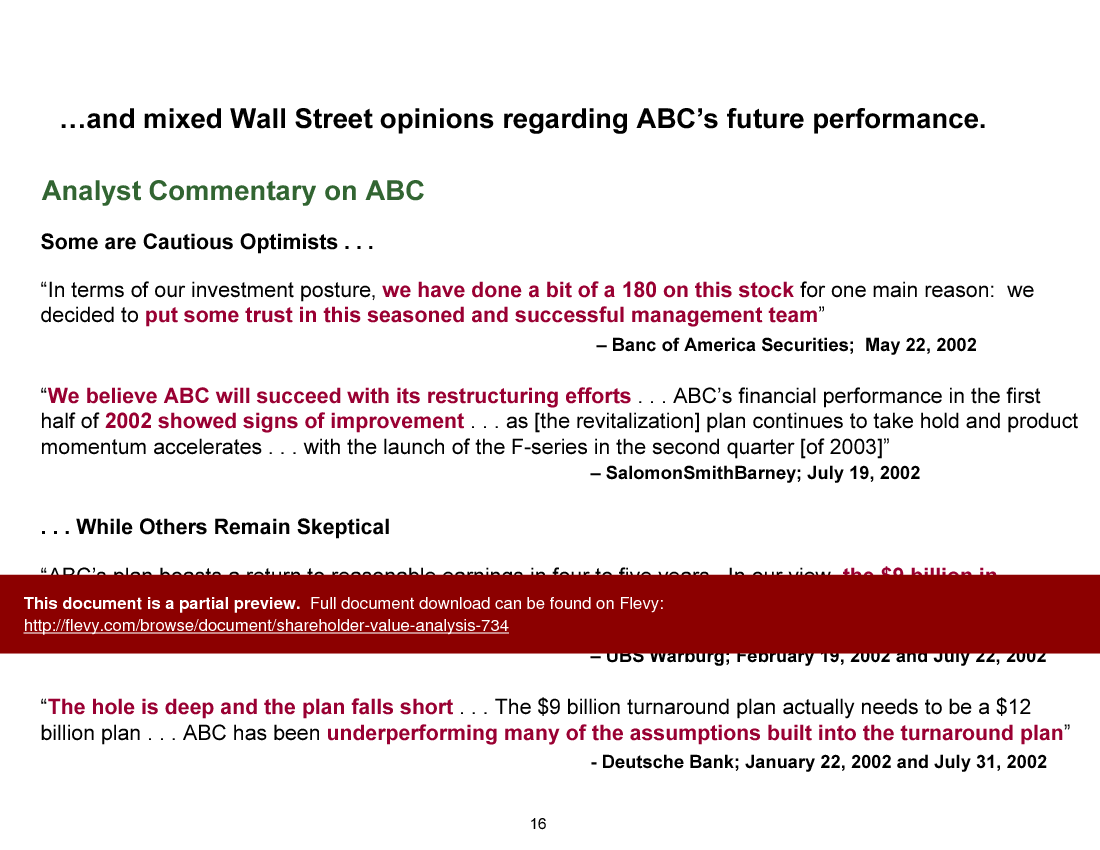
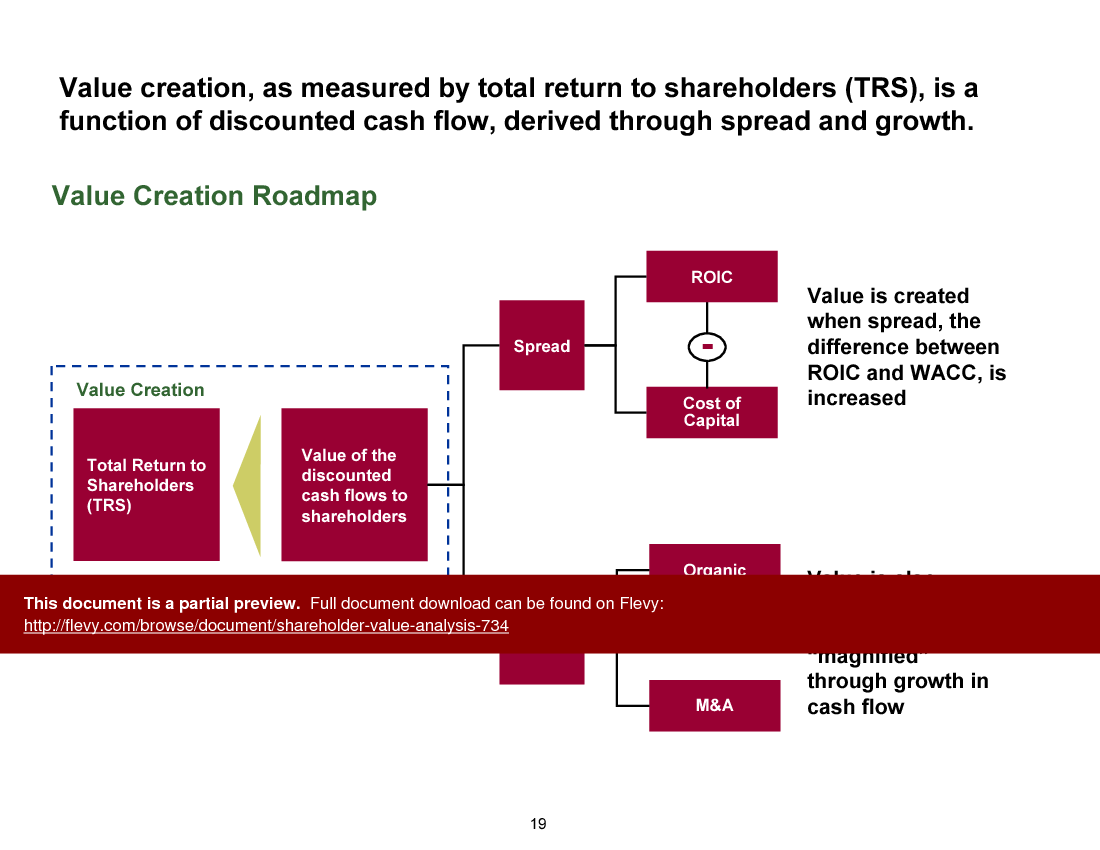
In addition, the presentation addresses the mixed opinions from Wall Street analysts regarding ABC Auto's future performance. Some analysts express cautious optimism about the company's restructuring efforts, while others remain skeptical about its ability to achieve a turnaround. The document concludes with a comprehensive Value Creation Roadmap, linking TRS with key value drivers and offering actionable insights for enhancing shareholder value.
Got a question about the product? Email us at support@flevy.com or ask the author directly by using the "Ask the Author a Question" form. If you cannot view the preview above this document description, go here to view the large preview instead.
MARCUS OVERVIEW
This synopsis was written by Marcus [?] based on the analysis of the full 53-slide presentation.
Executive Summary
The Shareholder Value Analysis presentation for ABC Auto Company provides a rigorous examination of the company's operational performance, strategic initiatives, and market positioning, crafted by former McKinsey consultants. This consulting-grade analysis highlights the bleak landscape for domestic OEMs, emphasizing the need for ABC to enhance its cost structure and competitive positioning. The presentation outlines ABC's recent restructuring efforts aimed at achieving significant cost reductions and improving shareholder value. Buyers will gain insights into actionable strategies to bolster performance, mitigate risks, and capitalize on growth opportunities.
Who This Is For and When to Use
• Corporate executives overseeing strategic planning and operational efficiency
• Financial analysts focused on shareholder value and investment potential
• Consultants engaged in automotive industry transformations
• Integration leaders managing restructuring initiatives
Best-fit moments to use this deck:
• During strategic planning sessions to evaluate operational performance and identify improvement areas
• When assessing the impact of restructuring initiatives on shareholder value
• For investor presentations to communicate growth strategies and performance metrics
Learning Objectives
• Define the current operational challenges facing ABC Auto and their implications for shareholder value
• Analyze the effectiveness of ABC's restructuring plan and its potential impact on future performance
• Establish key performance indicators to track progress in cost reduction and market share recovery
• Identify additional cost-saving opportunities within COGS, SG&A, and product development
• Develop strategies to enhance competitive positioning against Japanese OEMs
• Assess the risks associated with market share erosion and pricing pressures
Table of Contents
• Executive Summary (page 3)
• Industry Context (page 4)
• Opportunity Areas (page 5)
• ABC Historical Performance (page 6)
• Value Creation Roadmap (page 19)
• Revitalization Plan Components (page 12)
• Risks and Challenges (page 14)
• Performance Challenges – Automotive (page 41)
• ABC Credit Overview (page 46)
• Conclusion and Recommendations (page 50)
Primary Topics Covered
• Industry Context - Overview of the automotive industry's challenges, including market pressures and competitive dynamics.
• Opportunity Areas - Identification of strategic initiatives for cost reduction and operational efficiency improvements.
• ABC Historical Performance - Analysis of ABC's total return to shareholders and performance metrics relative to peers.
• Value Creation Roadmap - Framework for understanding how shareholder value is generated through spread and growth.
• Revitalization Plan Components - Detailed breakdown of initiatives aimed at achieving significant cost savings and operational improvements.
• Risks and Challenges - Examination of potential risks that could impact the success of the revitalization plan.
Deliverables, Templates, and Tools
• Operational performance assessment template for evaluating cost structures
• Revitalization plan framework outlining key initiatives and expected savings
• Performance tracking dashboard for monitoring shareholder value metrics
• Risk assessment matrix to identify and prioritize potential challenges
• Financial modeling tool for projecting future growth scenarios
Slide Highlights
• Overview of ABC's operational performance metrics compared to industry peers
• Graphical representation of total return to shareholders over the past 5 years
• Detailed analysis of cost structures, highlighting areas for potential savings
• Strategic roadmap outlining the revitalization plan and its components
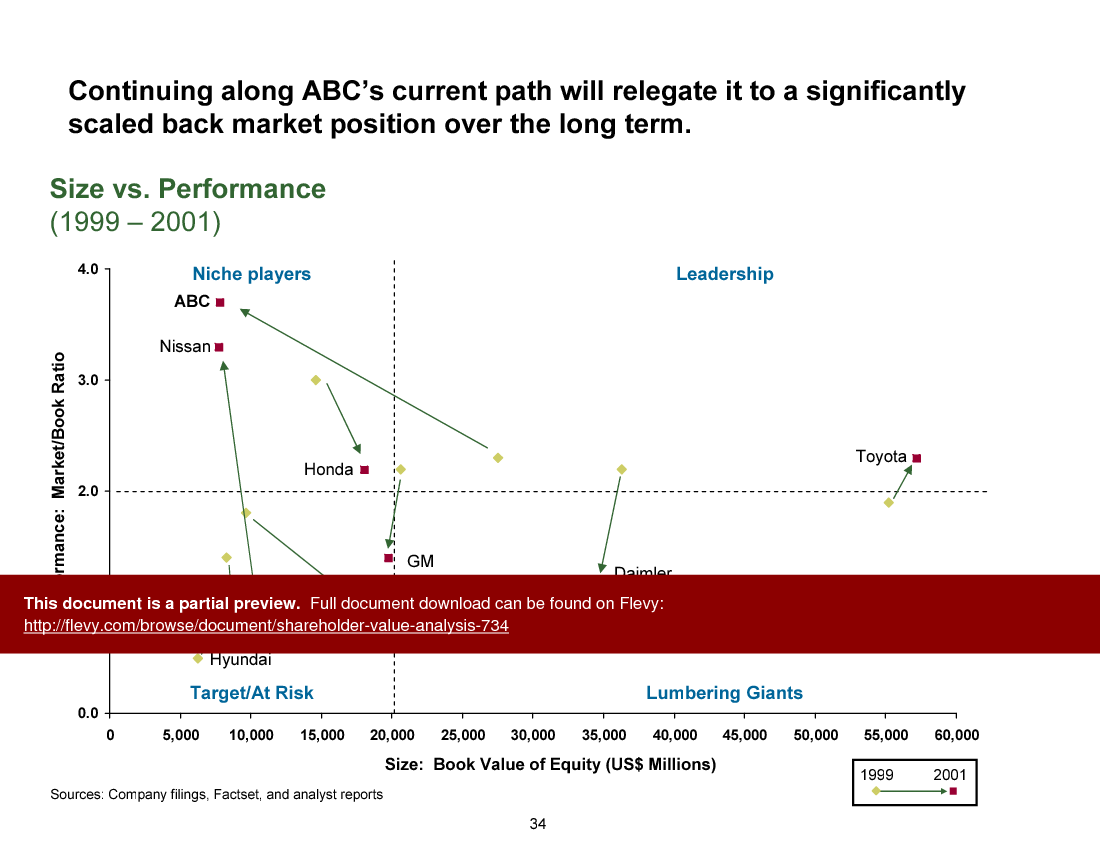
• Visual depiction of market share trends and competitive positioning
Potential Workshop Agenda
Revitalization Strategy Session (90 minutes)
• Review current operational performance and identify key challenges
• Discuss strategic initiatives for cost reduction and efficiency improvements
• Develop action plans for implementing the revitalization strategy
Market Positioning Analysis (60 minutes)
• Analyze competitive landscape and identify key differentiators
• Assess risks associated with market share erosion and pricing pressures
• Formulate strategies to enhance competitive positioning against peers
Customization Guidance
• Tailor the revitalization plan to align with specific operational goals and market conditions
• Adjust financial projections based on updated market data and performance metrics
• Incorporate company-specific terminology and metrics to enhance relevance
Secondary Topics Covered
• Historical performance trends in total return to shareholders
• Analysis of market share dynamics within the North American automotive sector
• Examination of pricing strategies and their impact on profitability
• Overview of operational challenges faced by ABC's credit division
Topic FAQ
What are the core components of a shareholder value analysis framework?
A shareholder value analysis typically links Total Shareholder Return (TSR) to operational value drivers via a Value Creation Framework, and includes historical performance review, competitive benchmarking, a revitalization/action plan, risk assessment, and financial scenario modeling. These components form the Value Creation Framework.
How can companies link operational initiatives to total shareholder return in practice?
Companies map initiatives to value drivers in a Value Creation Roadmap that distinguishes spread versus growth effects, set KPIs such as TRS and operating margins, and run scenario projections with a financial modeling tool to quantify impacts. Flevy’s Shareholder Value Analysis illustrates this with a Value Creation Roadmap and modeling tool.
Which financial and operational metrics matter most when assessing shareholder value?
Key metrics cited include total return to shareholders (TRS), operating margins, cost of goods sold (COGS), SG&A, market share trends, return on invested capital (ROIC), and working capital ratios (notably net receivables). TRS is a primary metric referenced.
What should I look for when buying a shareholder value analysis deck or template?
Seek materials that provide a Value Creation Framework, operational performance assessment template, revitalization plan framework, a performance tracking dashboard, risk assessment matrix, and a financial modeling tool, along with clear benchmarking and customization guidance; an operational performance assessment template is a core deliverable to confirm.
How much time and what type of team effort is typically needed to adapt a shareholder value presentation?
The slides are designed for adaptation through focused workshops and executive sessions; practical adaptation can occur within structured meetings such as a 60–90 minute revitalization strategy session, using internal subject-matter experts and finance resources for model adjustments and customization to company data, with a 90-minute workshop example.
I need to assess the impact of a restructuring on shareholder value — what steps should I follow?
Steps include analyzing historical performance and peer benchmarks, identifying cost and market-share opportunity areas, modeling restructuring scenarios with a financial modeling tool, defining KPIs (TRS, operating margin), and assessing execution risks with a risk assessment matrix; Flevy’s Shareholder Value Analysis provides templates and a financial modeling tool to support these steps.
How do analysts typically evaluate auto OEMs versus peers on shareholder returns?
Analysts compare multi-year TRS performance (the presentation spans a five-year analysis), benchmark cost structure and margins, review market share dynamics and pricing pressures, and factor in divisional impacts such as credit losses; a five-year TRS comparison is commonly used.
Are paid shareholder value templates worth using compared with building an analysis from scratch?
Paid templates provide pre-built frameworks—Value Creation Framework, operational assessment, revitalization plan, tracking dashboard, risk matrix, and modeling tools—that can be adapted to company data, reducing initial setup time and ensuring consistent outputs; an operational performance assessment template is a typical included asset.
Document FAQ
These are questions addressed within this presentation.
What are the primary challenges facing ABC Auto?
ABC Auto faces significant challenges, including declining market share, high operational costs, and competitive pricing pressures from Japanese OEMs.
How does the revitalization plan aim to improve performance?
The revitalization plan focuses on cost reductions, operational efficiencies, and strategic initiatives to enhance market positioning and shareholder value.
What metrics should be used to track progress?
Key performance indicators include total return to shareholders, operating margins, cost of goods sold, and market share trends.
What risks could impact the success of the revitalization plan?
Potential risks include market share erosion, pricing pressures, and the execution timeline of the revitalization initiatives.
How does ABC's performance compare to its peers?
ABC has historically underperformed relative to its peers, particularly in total return to shareholders and operational efficiency metrics.
What opportunities exist for further cost savings?
Additional cost savings can be achieved through further reductions in COGS, SG&A, and product development costs.
What is the expected timeline for the revitalization plan?
The revitalization plan aims for significant improvements by mid-decade, contingent upon successful execution of the outlined initiatives.
How does ABC's credit division impact overall performance?
ABC's credit division has faced challenges related to high credit losses and decreasing residual values, which can affect overall profitability.
What competitive advantages do Japanese OEMs hold?
Japanese OEMs typically benefit from lower operational costs, efficient supply chains, and the ability to maintain price premiums in the market.
What is the significance of total return to shareholders?
Total return to shareholders is a critical measure of a company's financial performance, reflecting stock price appreciation and dividends over time.
Glossary
• Total Return to Shareholders (TRS) - A measure of the return on investment for shareholders, including stock price appreciation and dividends.
• Cost of Goods Sold (COGS) - The direct costs attributable to the production of goods sold by a company.
• Selling, General and Administrative Expenses (SG&A) - The operating expenses incurred in the selling of products and managing the business.
• Return on Invested Capital (ROIC) - A financial metric that measures the efficiency of a company in generating profits from its capital.
• Market Share - The portion of a market controlled by a particular company or product.
• Revitalization Plan - A strategic initiative aimed at improving a company's performance and competitiveness.
• Operational Efficiency - The ability of a company to deliver products or services in the most cost-effective manner without sacrificing quality.
• Competitive Advantage - A condition or circumstance that puts a company in a favorable or superior business position.
• Financial Modeling - The process of creating a numerical representation of a company's financial performance.
• Risk Assessment - The identification and evaluation of potential risks that could negatively impact a project or business.
• Market Positioning - The process of establishing a brand or product in a specific market segment.
• Cost Structure - The types and proportions of costs that a business incurs in its operations.
• Operational Performance - A measure of how efficiently and effectively a company utilizes its resources to produce goods or services.
• Shareholder Value - The value delivered to shareholders as a result of the company's ability to generate earnings, dividends, and stock price appreciation.
• Strategic Initiative - A specific action or project designed to help achieve a company's strategic goals.
• Financial Analysis - The assessment of a company's financial health and performance through the examination of financial statements and metrics.
• Industry Benchmarking - The process of comparing a company's performance metrics to industry standards or best practices.
• Growth Rate - The rate at which a company's revenue or profits increase over a specific period.
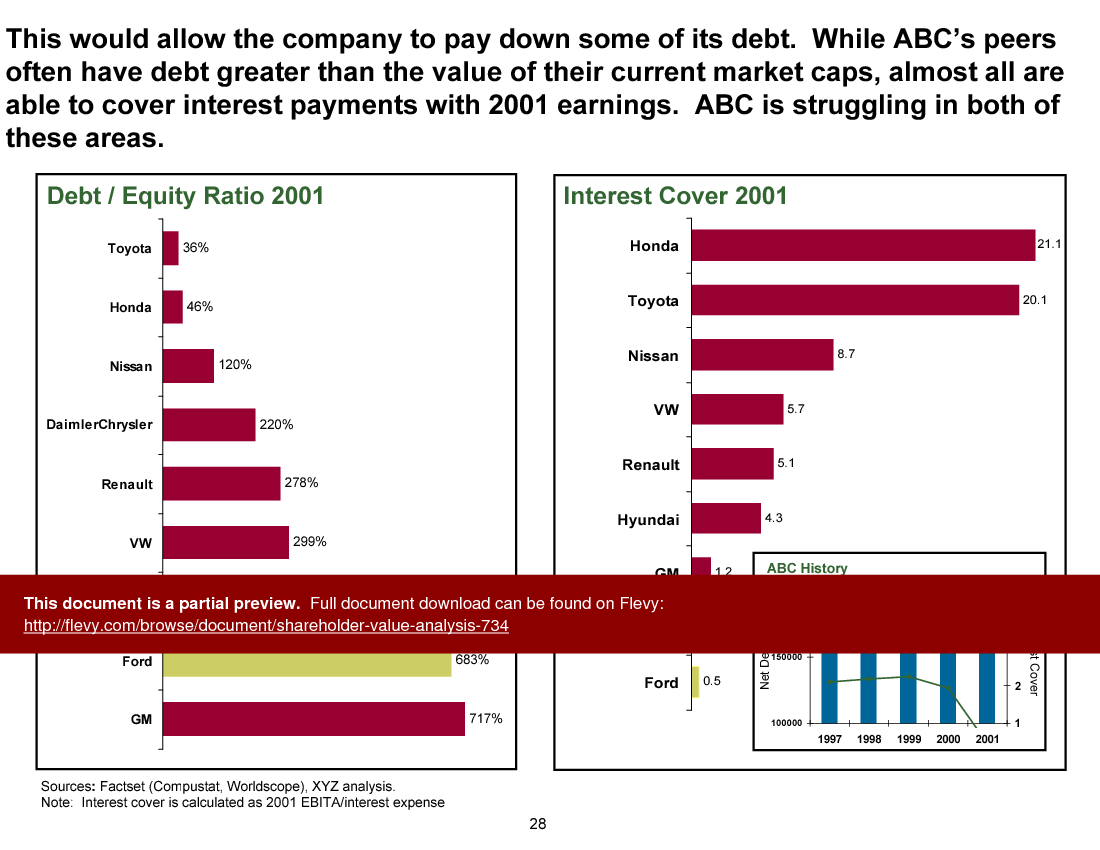
• Debt-to-Equity Ratio - A financial ratio indicating the relative proportion of shareholders' equity and debt used to finance a company's assets.
• Cash Flow Management - The process of monitoring, analyzing, and optimizing the net amount of cash receipts minus cash expenses.
• Market Capitalization - The total market value of a company's outstanding shares of stock.
• Operational Turnaround - A strategic effort to improve a company's performance and financial health after a period of decline.
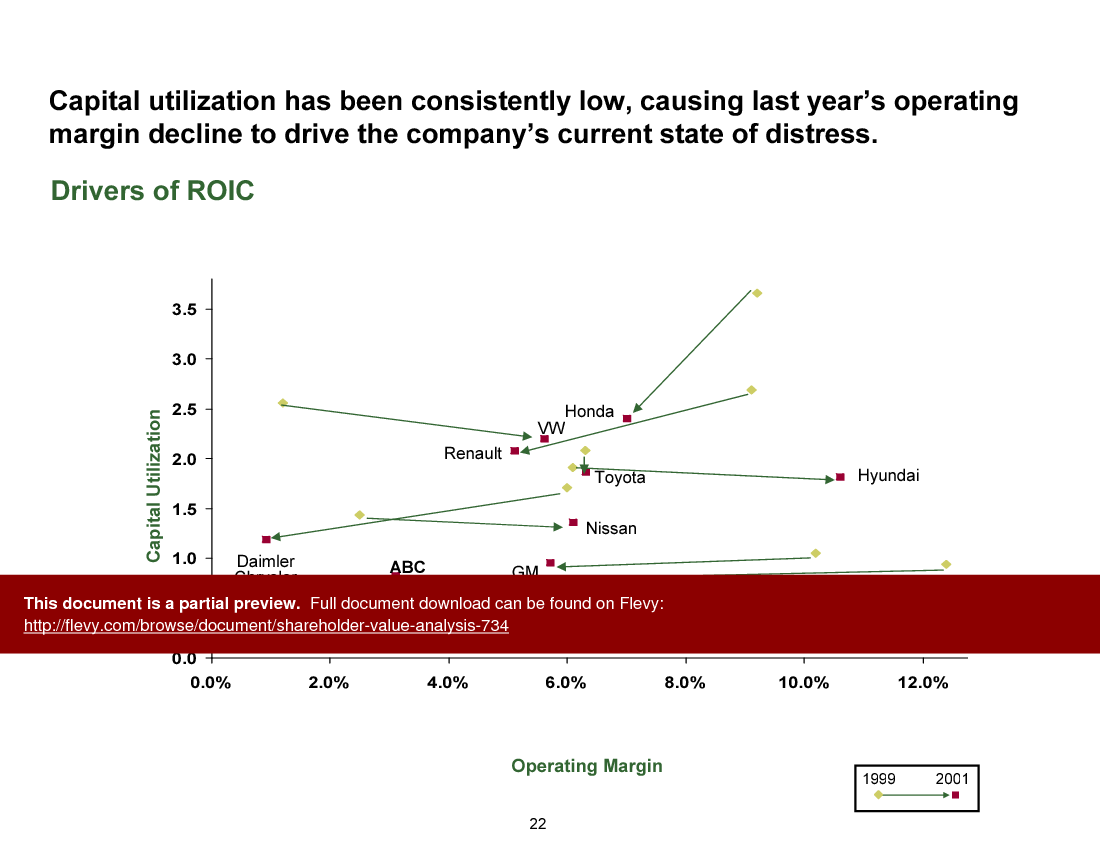
This PPT slide analyzes ABC's Return on Invested Capital (ROIC) performance, focusing on declining pre-tax ROIC, which fell from 11.7% in 1999 to 2.6% in 2001. This trend indicates systemic issues within the organization. Operational margin data shows a decrease from 12.4% in 2000 to 5.3% in 2001, raising concerns about cost management and pricing strategies. Key components affecting ROIC include Cost of Goods Sold (COGS) as a percentage of revenue, which rose significantly in 2001, and increased administrative and R&D expenses, indicating inefficiencies. Capital utilization metrics reveal a decline in efficiency, with the capital utilization ratio dropping from 0.94 in 1999 to 0.89 in 2001, suggesting ineffective asset leverage. Immediate strategic interventions are necessary to address declining ROIC and improve financial performance.
This PPT slide analyzes ABC Credit's net receivables and their effect on the working capital ratio, highlighting Ford's performance from 1999 to 2001. Ford's net receivables as a percentage of revenue averaged 90.7%, significantly outperforming peers at 25.0%, indicating effective receivables management and a strong working capital position. Ford's operational asset ratio peaked at 102.9% in 2001, surpassing competitors. Metrics for inventory and current assets demonstrate Ford's balanced asset management. Additionally, lower ratios of non-interest bearing liabilities and accounts payable reflect Ford's efficient capital use, crucial for liquidity and operational flexibility. This analysis underscores the importance of effective receivables management in enhancing financial performance.
This PPT slide analyzes ABC Automotive's financial performance from 1999 to 2001, highlighting a decline in operational margins from 11.0% in 1999 to 8.0% in 2001, below peer averages. This decline is linked to reduced pricing power and market share. The Pre-Tax Return on Invested Capital (ROIC) fell from 22.0% in 1999 to 11.0% in 2000, recovering to 18.1% in 2001, but still trailing peers. Key trends include GM's aggressive cost advantage moves and the need for ABC to implement variable costs. Recommendations include revitalizing the R&D pipeline to enhance product demand and managing working capital by reducing inventory and receivables to improve profitability and market position.
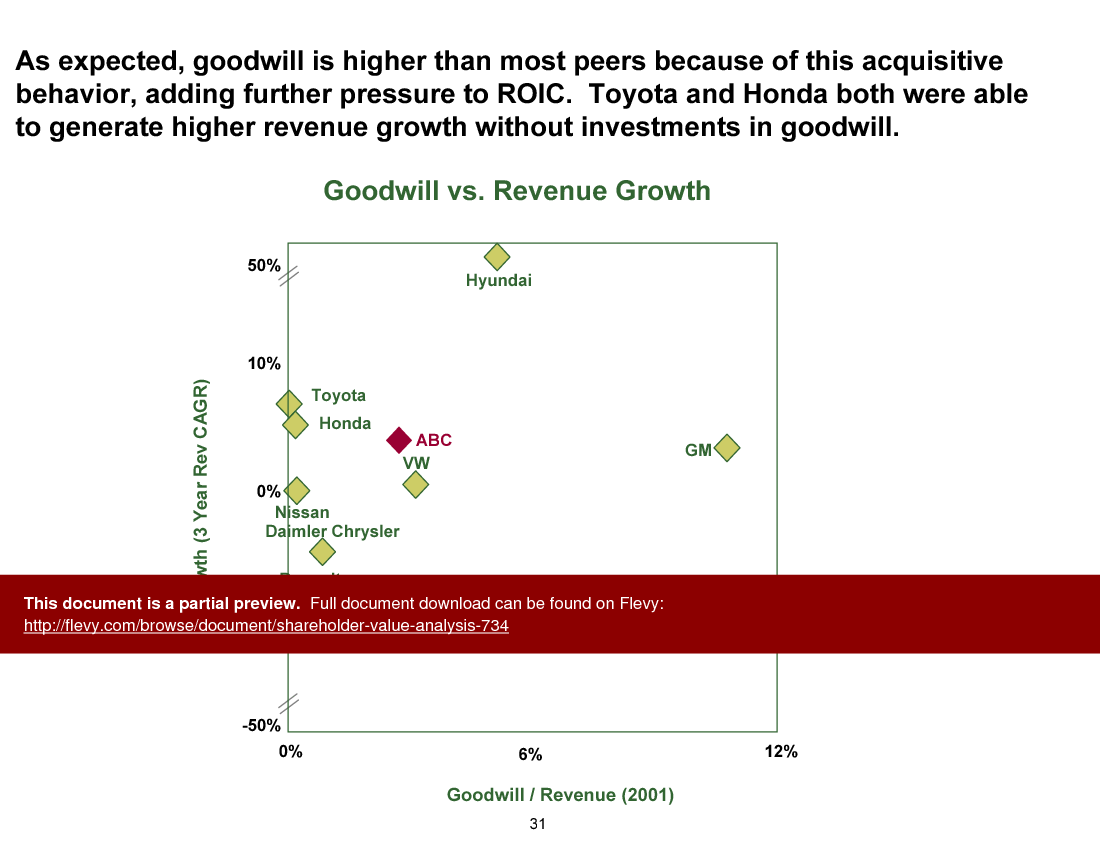
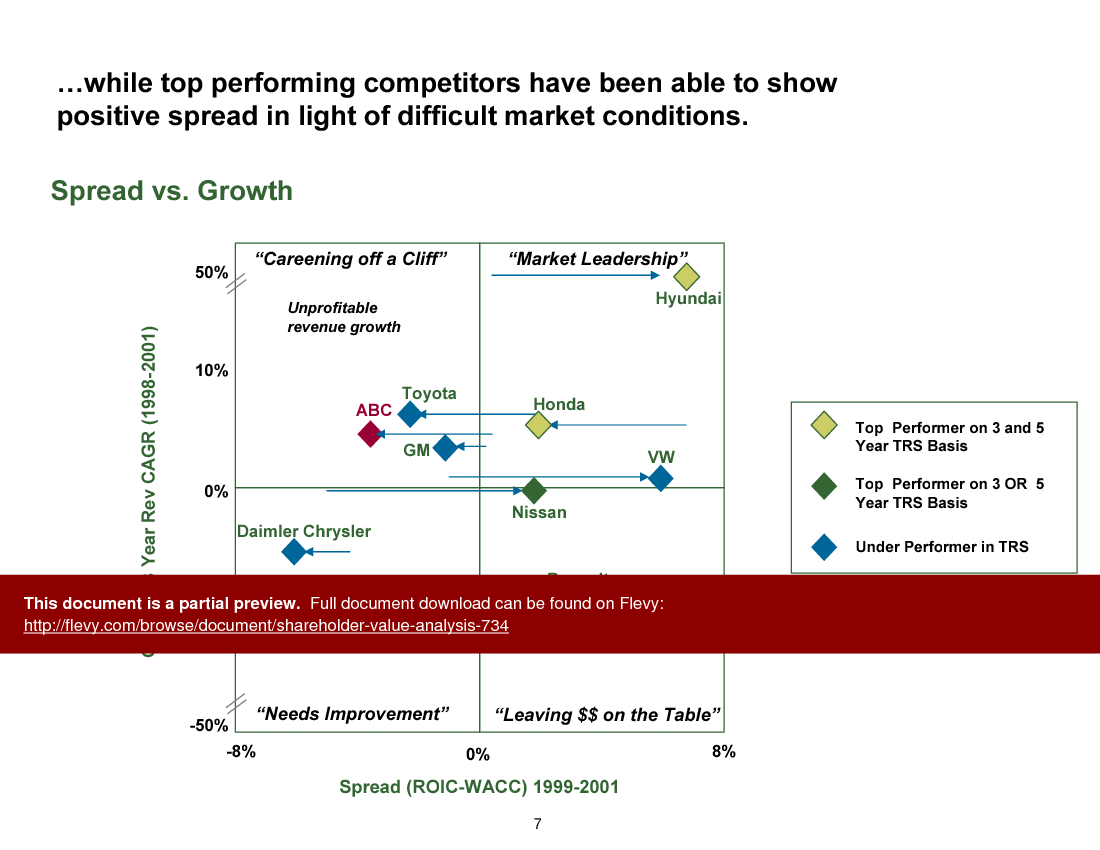
This PPT slide analyzes automotive companies' growth rates and revenue during a challenging market period. The vertical axis represents the compound annual growth rate (CAGR) of revenue over 3 years, while the horizontal axis categorizes companies from "Careening off a Cliff" to "Market Leadership." Toyota is identified as a top performer with strong growth and profitability, while "ABC" struggles with unprofitable revenue growth. Hyundai and Honda are positioned in "Market Leadership," indicating robust growth and effective revenue management. Competitors like VW, Nissan, and Renault illustrate the performance spectrum. Color-coded legends clarify performance metrics, distinguishing top performers from those underperforming in total return to shareholders (TRS). This visual representation aids stakeholders in assessing competitive positioning and informs investment or strategic partnership decisions.
This PPT slide analyzes ABC's market value, distinguishing between current value of $63 billion (31% of total $205 billion) and future value of $142 billion (69%). This division reflects market expectations of significant growth from ABC's strategic initiatives. ABC's value metrics are compared to competitors, with Ford at 30.7% current value and 68.3% future value, indicating strong growth potential, but trailing behind Nissan and Toyota. DaimlerChrysler shows minimal future value at 0.1%, suggesting low growth confidence. The visual representation of current versus future value illustrates market sentiment, highlighting the importance of future initiatives for enhancing market perception and share price stability.
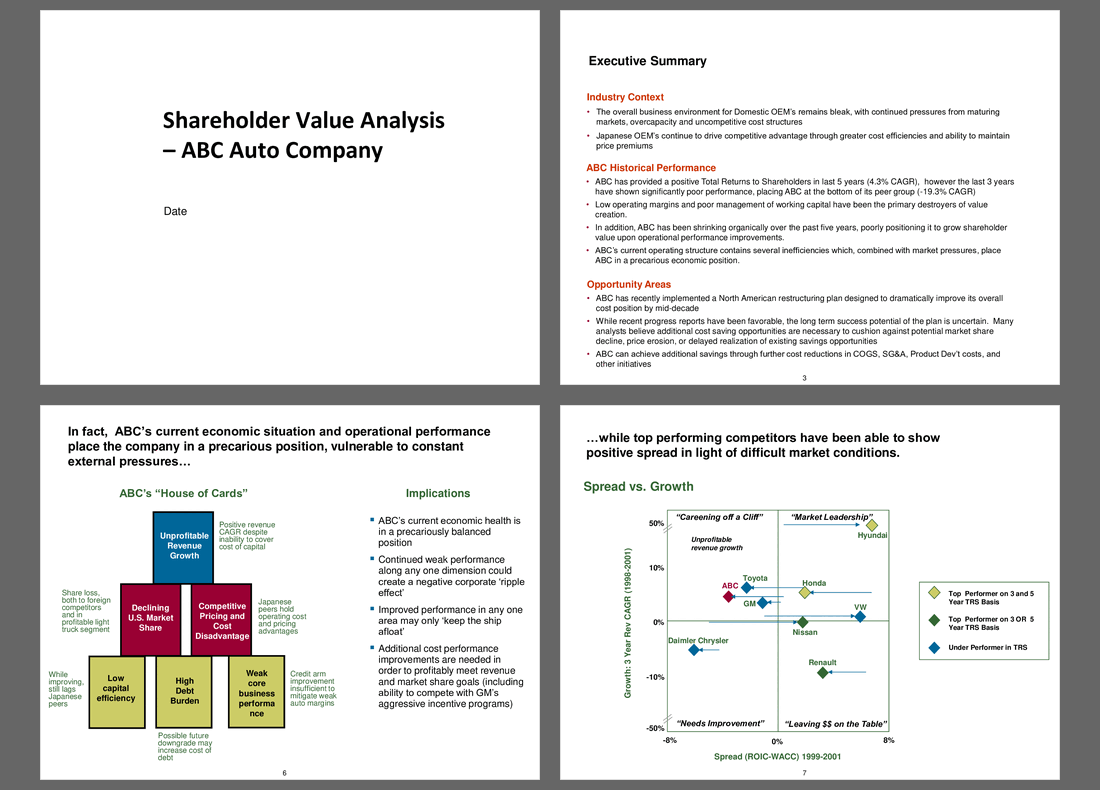
ABC's economic situation is precarious, illustrated by the "ABC's House of Cards" framework, which connects operational challenges to fragile performance. "Unprofitable Revenue Growth" indicates a compound annual growth rate (CAGR) that does not cover the cost of capital, highlighting profitability issues. Key concerns include "Declining U.S. Market Share" and "Competitive Pricing and Cost Disadvantage," as ABC loses market share to foreign competitors, particularly in the light truck segment. Pricing and cost disadvantages against Japanese peers further hinder competitiveness. Additional weaknesses include "Low Capital Efficiency," "High Debt Burden," and "Weak Core Business Performance," limiting investment in growth and innovation. Continued weak performance could create a negative ripple effect, suggesting that improvements may only maintain the status quo rather than drive recovery.
This PPT slide provides an overview of ABC Auto's cash position and its implications for financial management. In 2001, ABC Auto maintained over 4% of its revenues in cash, equating to ten months of interest payment coverage, indicating a proactive liquidity management strategy. Utilizing excess cash to pay down debt can significantly reduce annual interest expenses, improving cash flow and strengthening the balance sheet. Reallocating excess cash into marketable securities enhances returns on idle cash. Cash pooling with a partner bank streamlines short-term debt management. Improved cash flow forecasting supports effective hedging strategies for currency and debt maturities. Automation and integration of treasury processes reduce overhead, enhancing operational efficiency.
This PPT slide analyzes the cost structures of the Big Three automotive manufacturers compared to Japanese counterparts, focusing on R&D expenditures. The Big Three have a cost advantage in R&D, but fail to leverage it effectively, as indicated by their higher-than-expected R&D costs relative to output. The analysis includes a breakdown of cost components such as gross price, raw material costs, labor costs, and net income, revealing that while the Big Three achieve higher gross profits, they incur significant labor and material costs. The R&D efficiency quadrant highlights disparities in R&D effectiveness, with companies like Ford and Honda positioned differently based on operating income relative to R&D spending. Despite favorable R&D costs, the Big Three struggle to translate this into improved performance, suggesting ongoing demand issues that may hinder market competitiveness.
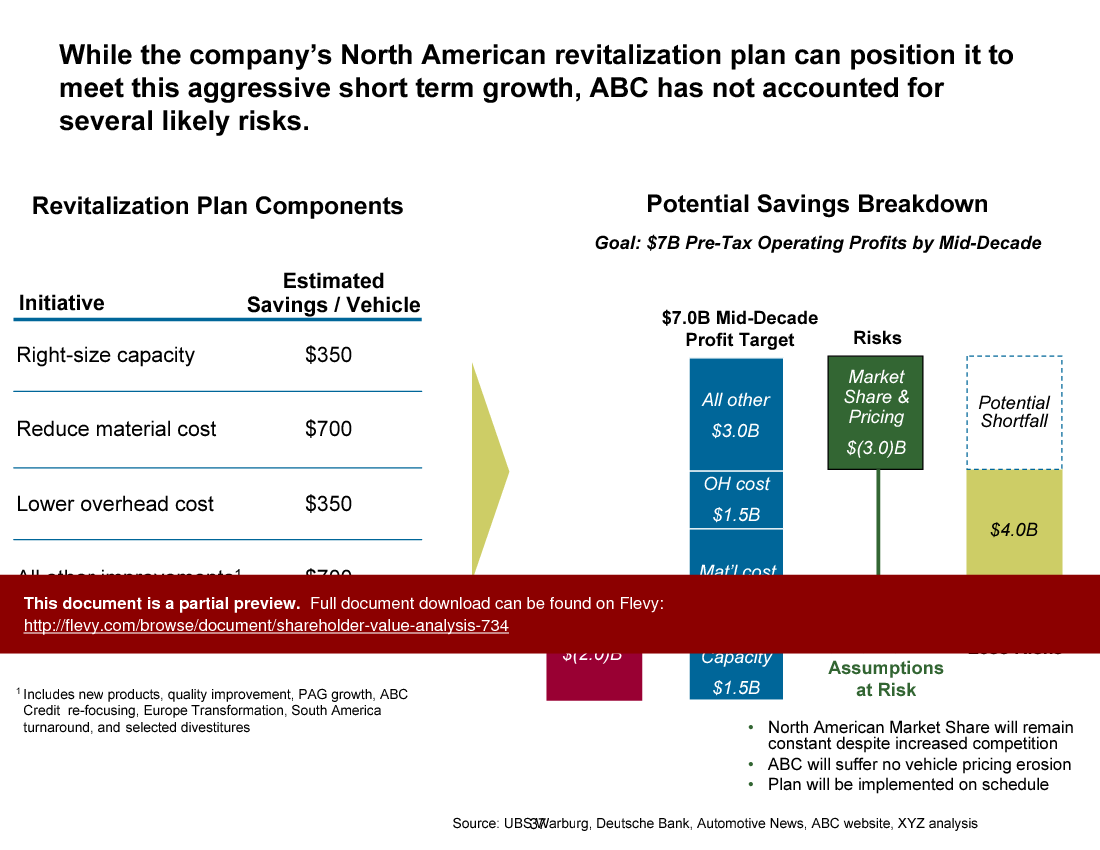
The revitalization plan outlines initiatives aimed at reducing costs and enhancing growth. The "Right-size Capacity" initiative targets a reduction of one million units in North American operating capacity, yielding $1.5 billion in savings through the closure of 5 plants and a workforce reduction of 12,000 to 15,000 employees. The "Reduce Material Cost" initiative aims for $3.0 billion in savings via a vendor-initiated design savings program, sharing savings in a 65% to 35% ratio to incentivize vendor participation. The "Lower Overhead Cost" initiative targets $1.5 billion in savings by reducing 5,000 salaried positions and cutting global workforce costs. Lastly, the "All Other Improvements" initiative projects $3.0 billion in savings through the introduction of 20 new products annually, vehicle quality improvements, and growth in the Premier Automotive Group.
This PPT slide outlines ABC Credit’s revitalization strategy addressing key challenges: higher credit losses, decreasing residual values, increasing bond spreads, and asset-backed securities (ABS) securitization. The plan focuses on 3 areas: financing, operational efficiency, and risk management. The financing strategy prioritizes ABC brands by reducing non-ABC vehicle transactions and phasing out higher-risk financing, stabilizing the financial foundation. Operational efficiency includes restructuring service centers, maximizing North American synergies, and exploring strategic partnerships in Brazil. Risk management enhances collection tools, refines policies, and redesigns residual management processes to mitigate credit loss risks. This structured approach aims to improve ABC Credit's financial health and position it for future growth.
Source: Best Practices in Strategic Plan Example, Value Creation PowerPoint Slides: Shareholder Value Analysis PowerPoint (PPT) Presentation Slide Deck, Documents & Files
Since 2012, we have provided business templates to over 10,000 businesses and organizations of all sizes, from startups and small businesses to the Fortune 100, in over 130 countries.
"Flevy is our 'go to' resource for management material, at an affordable cost. The Flevy library is comprehensive and the content deep, and typically provides a great foundation for us to further develop and tailor our own service offer."
– Chris McCann, Founder at Resilient.World
"I have used FlevyPro for several business applications. It is a great complement to working with expensive consultants. The quality and effectiveness of the tools are of the highest standards."
– Moritz Bernhoerster, Global Sourcing Director at Fortune 500
"FlevyPro has been a brilliant resource for me, as an independent growth consultant, to access a vast knowledge bank of presentations to support my work with clients. In terms of RoI, the value I received from the very first presentation I downloaded paid for my subscription many times over! The
quality of the decks available allows me to punch way above my weight – it's like having the resources of a Big 4 consultancy at your fingertips at a microscopic fraction of the overhead.
"
– Roderick Cameron, Founding Partner at SGFE Ltd
"Flevy is now a part of my business routine. I visit Flevy at least 3 times each month.
Flevy has become my preferred learning source, because what it provides is practical, current, and useful in this era where the business world is being rewritten.
many challenges and there is the need to make the right decisions in a short time, with so much scattered information, we are fortunate to have Flevy. Flevy investigates, selects, and puts at our disposal the best of the best to help us be successful in our work.
"
– Omar Hernán Montes Parra, CEO at Quantum SFE
"I have used Flevy services for a number of years and have never, ever been disappointed. As a matter of fact, David and his team continue, time after time, to impress me with their willingness to assist and in the real sense of the word. I have concluded in fact
that it is not at all just a repository of documents/resources but, in the way that David and his team manage the firm, it is like dealing with consultants always ready to assist, advise and direct you to what you really need, and they always get it right.
I am an international hospitality accomplished senior executive who has worked and lived during the past 35 years in 23 countries in 5 continents and I can humbly say that I know what customer service is, trust me.
Aside from the great and professional service that Flevy's team provide, their wide variety of material is of utmost great quality, professionally put together and most current.
Well done Flevy, keep up the great work and I look forward to continue working with you in the future and to recommend you to a variety of colleagues around the world.
"
– Roberto Pelliccia, Senior Executive in International Hospitality
"Last Sunday morning, I was diligently working on an important presentation for a client and found myself in need of additional content and suitable templates for various types of graphics. Flevy.com proved to be a treasure trove for both content and design at a reasonable price, considering the time I
saved. I encountered a download issue during the ordering process. However, a quick email to Flevy's support team, even on a Sunday (!!!), resulted in assistance within less than an hour, allowing me to download the content I needed. Fantastic job, Flevy! I give 5 stars for both content/price and customer service. Thank you!
"
– M. E., Chief Commercial Officer, International Logistics Service Provider
"As a young consulting firm, requests for input from clients vary and it's sometimes impossible to provide expert solutions across a broad spectrum of requirements. That was before I discovered Flevy.com.
Through subscription to this invaluable site of a plethora of topics that are key and crucial to consulting, I
have been able to exceed expectations and deliver quality advice and solutions to my clients. The quality and expertise of the authors are exemplary and gives me great confidence to use as part of my service offerings.
I highly recommend this company for any consultant wanting to apply international best practice standards in their service offerings.
"
– Nishi Singh, Strategist and MD at NSP Consultants
"[Flevy] produces some great work that has been/continues to be of immense help not only to myself, but as I seek to provide professional services to my clients, it gives me a large "tool box" of resources that are critical to provide them with the quality of service and outcomes they are expecting."
– Royston Knowles, Executive with 50+ Years of Board Level Experience
Save with Bundles

This document is available as part of the following discounted bundle(s):
Download our free compilation of 50+ Strategy & Transformation slides and templates. Frameworks include McKinsey 7-S, Balanced Scorecard, Disruptive Innovation, BCG Curve, and many more.