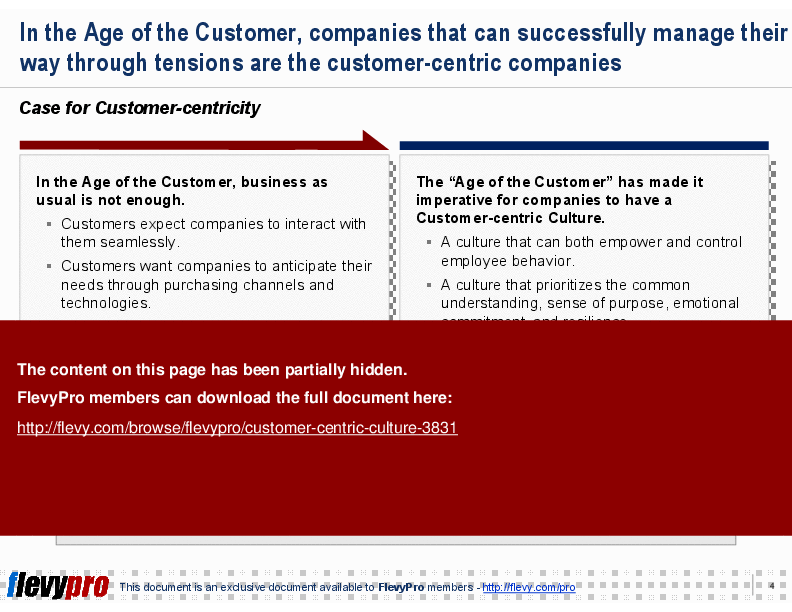

The use of Internet and other online tools have turned consumers to be more empowered and are now shopping differently. Customers are becoming more demanding and accustomed to getting what they want. With greater access to reviews and online rating, customers are better equipped to switch to new products and services. Consumers now want to buy products and services when, where, and however they like. They expect companies to interact with them seamlessly, in an easy, integrated fashion with very little friction across channels.
As customer expectation continue to evolve – accelerated by the amplifying forces of interconnectivity and technology – markets are becoming increasingly fragmented with demand for greater product variety, more price points, and numerous purchasing and distribution channels.
Companies should be able to adapt to these increasingly disparate demands quickly and at scale. Staying close to the customer experience across an increasingly diverse customer base changing over time is no longer a matter of choice. It is a business imperative and a matter of corporate survival.
The Age of the Customer now calls for companies to be a customer-centric company. Successful ones have discovered that building a customer-centric company depends, first and foremost, on building a Customer-centric Culture.
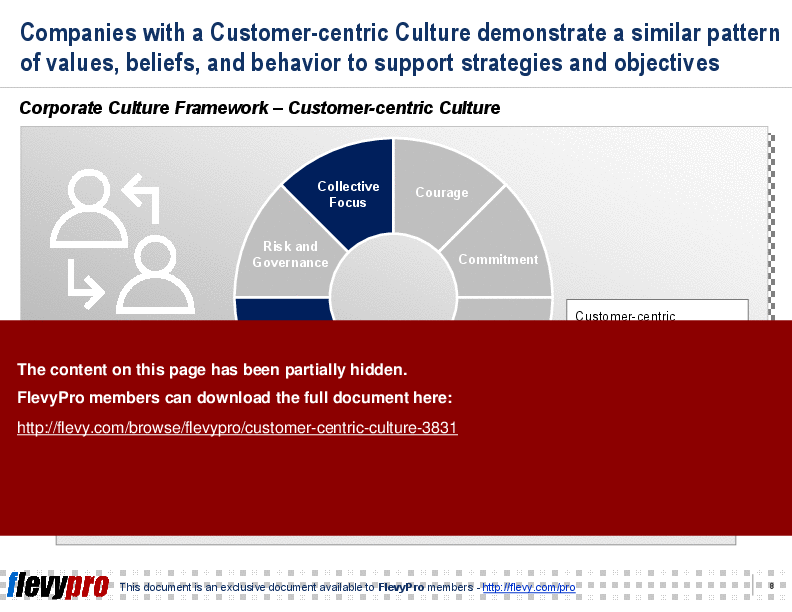
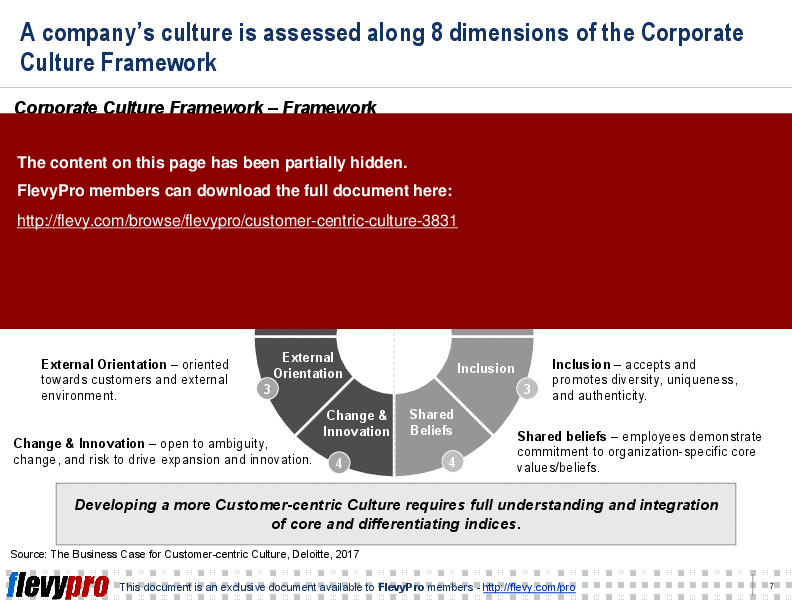
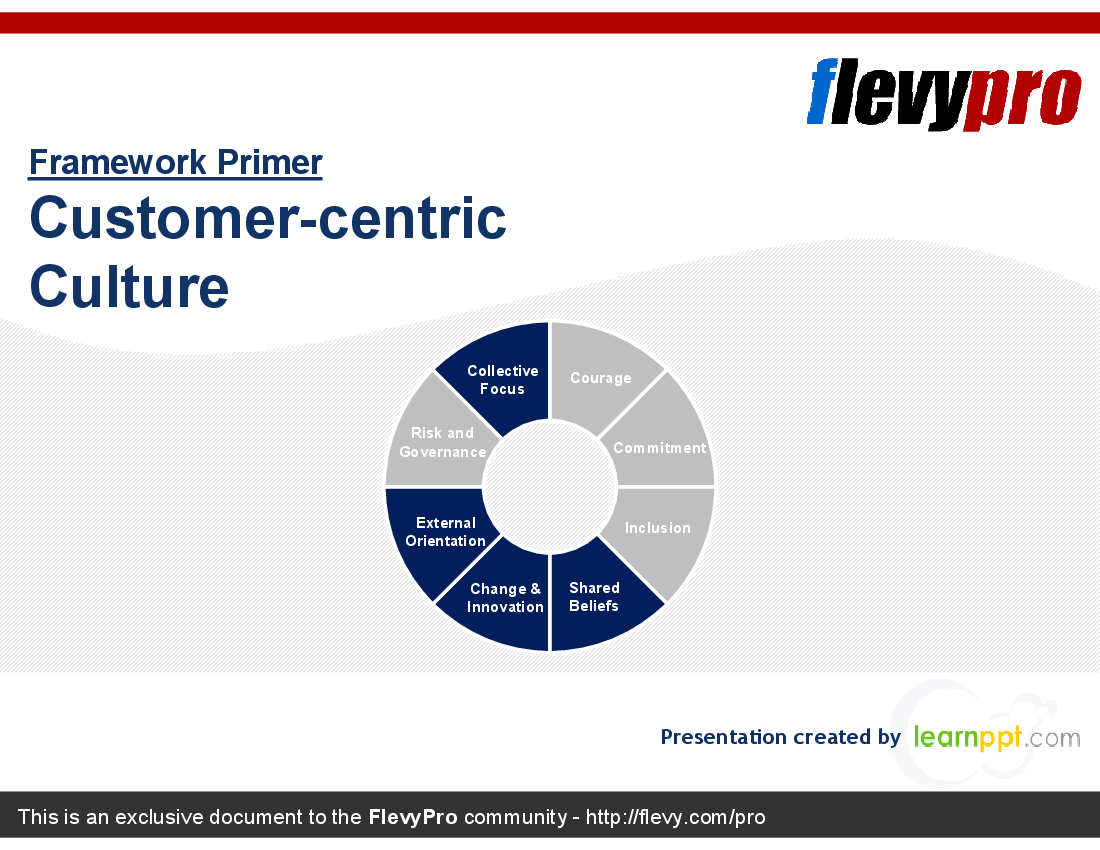
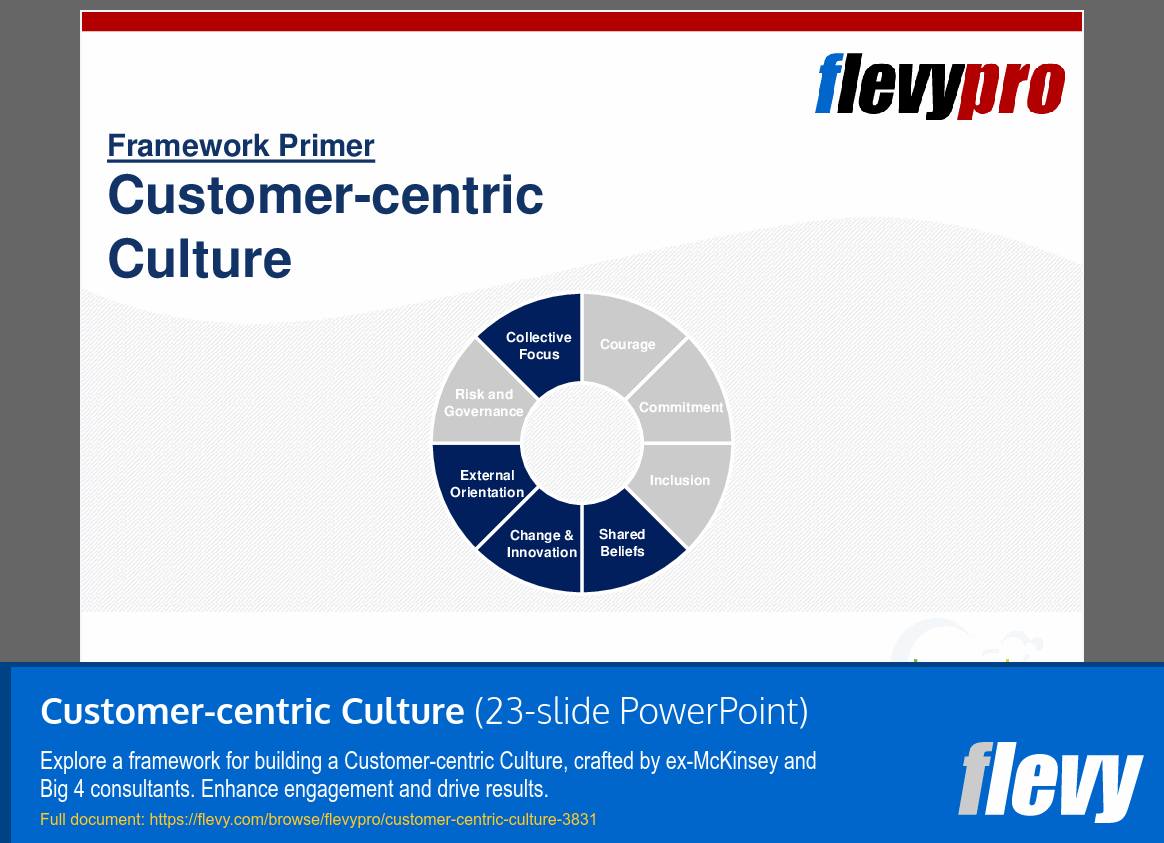
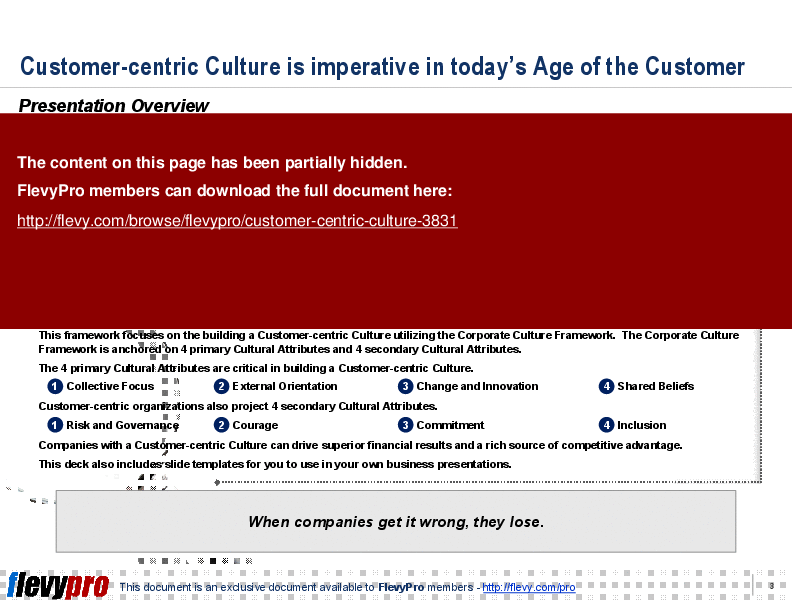
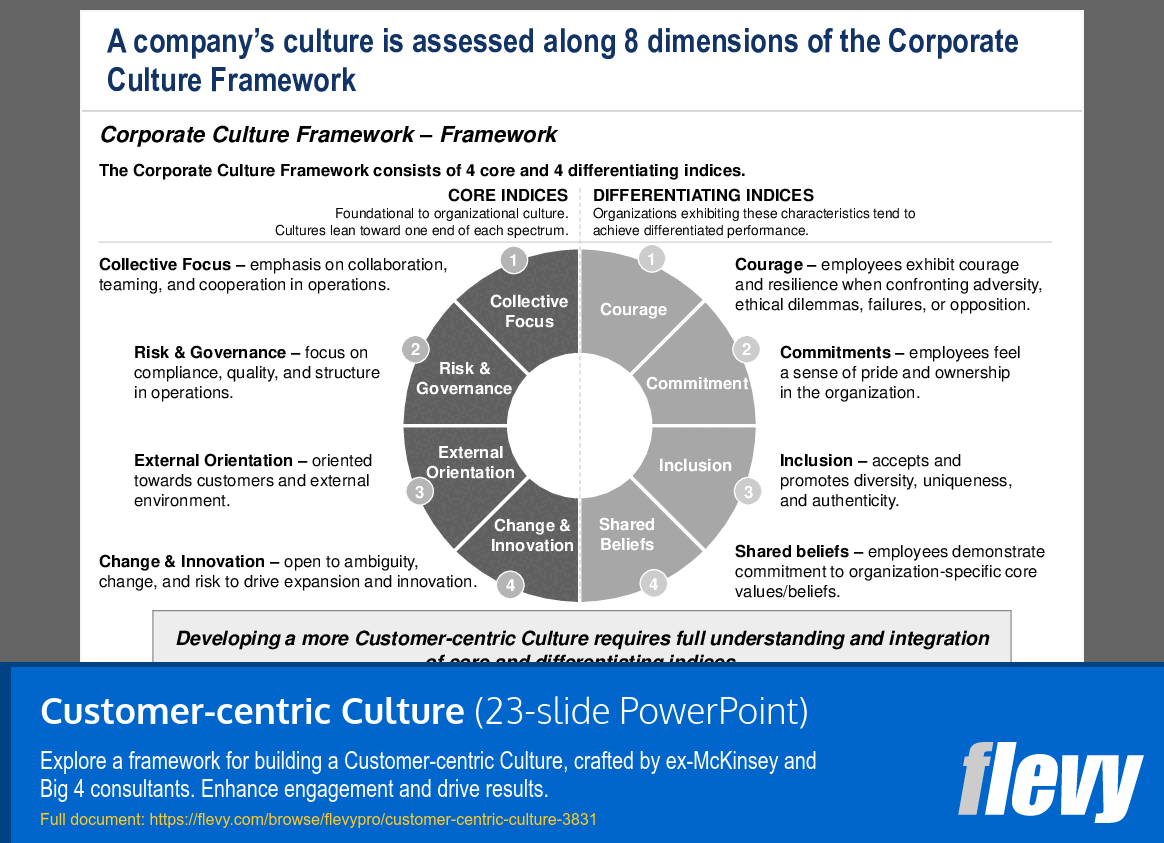
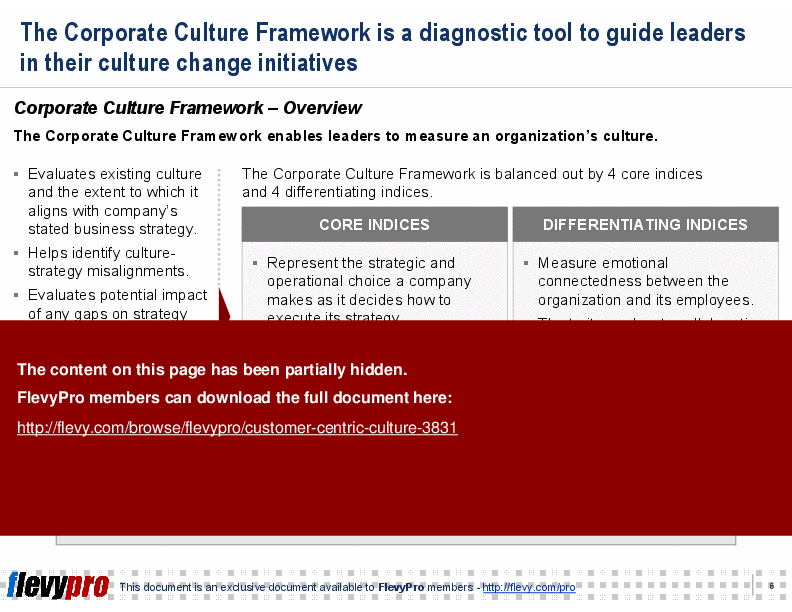
This framework focuses on the building a Customer-centric Culture utilizing the Corporate Culture Framework. The Corporate Culture Framework is anchored on 4 Primary Cultural Attributes and 4 Secondary Cultural Attributes.
The 4 primary Cultural Attributes are critical in building a Customer-centric Culture.
1. Collective Focus
2. External Orientation
3. Change and Innovation
4. Shared Beliefs
Customer-centric organizations also project 4 secondary Cultural Attributes.
1. Risk and Governance
2. Courage
3. Commitment
4. Inclusion
Companies with a Customer-centric Culture can drive superior financial results and a rich source of competitive advantage.
This deck also includes slide templates for you to use in your own business presentations.
This PPT provides a comprehensive diagnostic tool to guide leaders in their culture change initiatives. It evaluates existing culture, identifies misalignments, and measures emotional connectedness between the organization and its employees.
Got a question about this document? Email us at flevypro@flevy.com.
Executive Summary
The "Customer-centric Culture" presentation provides a comprehensive framework for organizations aiming to cultivate a customer-centric environment. Developed by seasoned consultants from McKinsey and Big 4 firms, this presentation outlines essential cultural attributes that drive customer engagement and satisfaction. It emphasizes the necessity of adapting to evolving customer expectations in today's digital landscape, where seamless interaction and personalized experiences are paramount. By implementing the strategies outlined in this deck, organizations can enhance their customer experience, ultimately leading to improved financial performance and a sustainable competitive advantage.
Who This Is For and When to Use
• Corporate executives focused on transforming organizational culture.
• Change management leaders implementing customer-centric initiatives.
• HR professionals responsible for aligning talent strategies with customer experience goals.
• Consultants advising clients on cultural transformation and customer engagement strategies.
Best-fit moments to use this deck:
• During strategic planning sessions aimed at cultural transformation.
• When launching initiatives to enhance customer experience.
• In workshops focused on aligning employee behavior with customer-centric values.
Learning Objectives
• Define the key attributes of a customer-centric culture.
• Build frameworks for measuring and enhancing customer-centric behaviors.
• Establish strategies for integrating customer feedback into organizational practices.
• Identify and mitigate cultural misalignments that hinder customer engagement.
• Foster a shared understanding of customer value across all levels of the organization.
• Create actionable plans that align employee behaviors with customer expectations.
Table of Contents
• Overview (page 3)
• Corporate Culture Framework (page 6)
• Customer-centric Cultural Attributes (page 8)
• Templates (page 17)
Primary Topics Covered
• Corporate Culture Framework - A diagnostic tool for assessing and aligning organizational culture with business strategy.
• Customer-centric Cultural Attributes - Key attributes that define a customer-centric organization, including collective focus, external orientation, change and innovation, and shared beliefs.
• Importance of Customer Feedback - Strategies for integrating customer feedback into decision-making processes to enhance service delivery.
• Cultural Transformation Strategies - Practical approaches for fostering a culture that prioritizes customer needs and expectations.
Deliverables, Templates, and Tools
• Framework for assessing organizational culture alignment with customer-centric goals.
• Template for measuring cultural attributes and their impact on customer experience.
• Guidelines for integrating customer feedback mechanisms into organizational practices.
• Action plan templates for implementing customer-centric initiatives.
Slide Highlights
• Overview of the Corporate Culture Framework emphasizing cultural alignment with business strategy.
• Visual representation of primary and secondary cultural attributes essential for customer-centric organizations.
• Case studies demonstrating the impact of customer-centric cultures on business performance.
• Practical examples of how to implement customer feedback systems effectively.
Potential Workshop Agenda
Understanding Customer-Centric Culture (90 minutes)
• Define customer-centric culture and its importance.
• Discuss the primary and secondary attributes of a customer-centric organization.
• Identify current cultural strengths and weaknesses.
Implementing Change (120 minutes)
• Develop action plans for cultural transformation.
• Create strategies for integrating customer feedback into daily operations.
• Assign roles and responsibilities for implementing initiatives.
Customization Guidance
• Tailor the framework to reflect specific organizational values and mission statements.
• Adjust templates to align with existing feedback mechanisms and reporting structures.
• Incorporate industry-specific examples to enhance relevance during presentations.
Secondary Topics Covered
• The role of leadership in fostering a customer-centric culture.
• Techniques for measuring employee engagement in customer-centric initiatives.
• The impact of technology on customer interactions and expectations.
• Best practices for sustaining a customer-centric culture over time.
Topic FAQ
Document FAQ
These are questions addressed within this presentation.
What is a customer-centric culture?
A customer-centric culture prioritizes the needs and expectations of customers in every aspect of the organization, ensuring that all employees understand their role in delivering value.
Why is customer feedback important?
Customer feedback provides valuable insights that can guide improvements in products and services, helping organizations to better meet customer needs and enhance overall satisfaction.
How can organizations measure their cultural alignment with customer-centric goals?
Organizations can use diagnostic tools and frameworks to assess cultural attributes and identify misalignments with customer-centric objectives.
What are the primary attributes of a customer-centric culture?
The primary attributes include collective focus, external orientation, change and innovation, and shared beliefs, all of which contribute to a positive customer experience.
How can leaders foster a customer-centric culture?
Leaders can foster a customer-centric culture by modeling desired behaviors, providing training, and creating systems that reward customer-focused actions.
What challenges might organizations face in becoming customer-centric?
Common challenges include resistance to change, misalignment between existing practices and customer expectations, and difficulties in integrating customer feedback into decision-making.
How can organizations sustain a customer-centric culture over time?
Sustaining a customer-centric culture requires ongoing commitment from leadership, regular assessment of cultural attributes, and continuous integration of customer feedback into operations.
What role does employee training play in developing a customer-centric culture?
Employee training is crucial for instilling customer-centric values, equipping staff with the skills needed to meet customer expectations, and reinforcing the importance of customer feedback.
Glossary
• Customer-centric Culture - An organizational culture that prioritizes customer needs and experiences.
• Cultural Attributes - Characteristics that define an organization's culture and influence employee behavior.
• Feedback Mechanism - Systems used to collect and analyze customer feedback.
• Cultural Alignment - The degree to which an organization's culture supports its strategic objectives.
• Employee Engagement - The level of commitment and involvement an employee has towards their organization and its goals.
• Organizational Transformation - The process of changing an organization's culture, structure, or operations to achieve desired outcomes.
• Customer Experience - The overall perception a customer has of a brand based on their interactions.
• Change Management - The approach to transitioning individuals, teams, and organizations to a desired future state.
• Leadership Commitment - The active support and involvement of leaders in driving cultural change.
• Service Delivery - The process of providing services to customers.
• Operational Practices - The methods and procedures used to conduct business operations.
• Cultural Misalignment - Discrepancies between an organization's culture and its strategic goals.
• Empowerment - Granting employees the authority and responsibility to make decisions.
• Diversity and Inclusion - The practice of ensuring that all individuals, regardless of their background, have equal access to opportunities and resources.
• Resilience - The ability to recover quickly from difficulties or adapt to change.
• Customer Loyalty - The tendency of customers to continue buying from a particular brand.
• Innovation - The process of translating an idea or invention into a good or service that creates value.
• Collaboration - Working together to achieve a common goal.
• Accountability - The obligation of an individual or organization to account for its activities and accept responsibility for them.
• Strategic Objectives - Specific goals that an organization aims to achieve to fulfill its mission.
• Emotional Commitment - The emotional attachment and loyalty an employee feels towards their organization.
• Value Proposition - The promise of value to be delivered to customers.
Source: Best Practices in Corporate Culture, Customer-centric Organization PowerPoint Slides: Customer-centric Culture PowerPoint (PPT) Presentation Slide Deck, LearnPPT Consulting
Did you need more documents?
Consider a FlevyPro subscription from $39/month. View plans here.
For $10.00 more, you can download this document plus 2 more FlevyPro documents. That's just $13 each.
|
Download our FREE Digital Transformation Templates
Download our free compilation of 50+ Digital Transformation slides and templates. DX concepts covered include Digital Leadership, Digital Maturity, Digital Value Chain, Customer Experience, Customer Journey, RPA, etc. |