Editor's Note: Take a look at our featured best practice, 13-Week Cash Flow Forecast Template (Excel workbook). This comprehensive and user-friendly template is designed to help businesses efficiently manage their cash flow with accuracy and flexibility. Ideal for SMEs, the template provides tools to forecast, track, and analyze cash flow over a 13-week horizon.
Key Features:
Customizable Settings: [read more]
* * * *
Managing cash flow is one of the most critical aspects of running a successful business.
Whether you’re a small business owner or managing a larger enterprise, your ability to handle cash flow can have a direct impact on your business loan repayment strategy. Many business owners make the mistake of focusing solely on increasing revenue without considering how to effectively manage their cash flow.
In this article, we will discuss how better cash flow management can support your business loan repayment goals, from using business checking accounts to creating accurate cash flow forecasts.
Why Cash Flow Matters for Business Loan Repayment
Cash flow refers to the money that flows into and out of your business, and it’s crucial when it comes to meeting loan obligations. While profitability is important, it doesn’t always tell the whole story. A business can be profitable but still struggle with cash flow issues. This typically happens when payments to suppliers, employees, or lenders are due before incoming cash arrives.
Inconsistent cash flow can make loan repayment challenging, especially if you’re relying on credit or loans to fill in gaps. On the other hand, having a solid understanding of cash flow allows you to plan ahead. By predicting and adjusting to your financial needs, you can ensure that funds are available when loan payments are due.
Lenders also care about cash flow. They look for businesses that can show they can repay their loans on time. When you have a predictable cash flow, it makes a stronger case for future lending.
Common Cash Flow Challenges That Can Make Repayment Harder
There are many obstacles businesses face when it comes to managing cash flow. Understanding these challenges can help you plan more effectively.
Seasonal Revenue Fluctuations: Some businesses experience slow months, making it hard to meet regular financial obligations like loan payments. For example, a retail business might make most of its revenue during the holidays, leaving months of low sales in between. This inconsistency can disrupt repayment schedules.
Late Customer Payments: It’s common for businesses to have outstanding invoices. If customers delay payments, this can lead to a cash shortage. Having outstanding payments can prevent you from having the funds you need to cover loan obligations.
Unexpected Expenses: Every business faces unexpected costs, whether it’s equipment failure or an unexpected rise in raw material prices. Without proper planning, these costs can eat into the money needed to make loan repayments.
Mixing Personal and Business Finances: When personal and business expenses are intertwined, it becomes difficult to track cash flow accurately. Keeping your business and personal finances separate is essential for making sound financial decisions.
How a Business Checking Account Can Help Organize Cash Flow
One of the most straightforward ways to manage cash flow is by using a dedicated business checking account. This type of account can make it easier to track income and expenses, ensuring that you always know where your business stands financially.
Separating Business Income and Expenses: When you keep your business finances separate from personal accounts, it’s easier to track revenue and outflows. This makes it clear when funds are available for loan repayments and ensures that you don’t accidentally mix up funds for other purposes.
Creating a Clear Record of Loan Repayments: A business checking account provides clear records of all transactions. By regularly reviewing your account, you can monitor your loan repayment history and make sure payments are being made on time. This also helps with recordkeeping and preparing for tax season.
Simplifying Budgeting and Forecasting: With a dedicated account, you can more easily track your cash flow patterns. You’ll be able to see how much money is coming in, when it’s coming in, and when it’s going out. This visibility makes budgeting and forecasting much more accurate.
Supporting Better Financial Visibility: A business checking account offers an ongoing view of your available funds. This can help you anticipate shortfalls before they become a problem, giving you time to make adjustments.
For example, SoFi’s checking account online offers features that can enhance your business’s financial visibility. It simplifies the process of managing income and expenses, making it easier to stay on top of cash flow and plan for loan repayments. Tools like this allow you to track every dollar that enters and leaves your account, making it much easier to create a repayment strategy that works.
Cash Flow Management Strategies That Can Support Loan Repayment
To effectively manage cash flow and meet loan repayment deadlines, you’ll need to adopt a few strategies.
Build Loan Payments Into Your Monthly Budget: One of the best ways to ensure you can meet your loan obligations is by including them as a fixed expense in your monthly budget. By treating loan payments as a non-negotiable cost, you ensure they’re always covered.
Forecast Cash Flow Before Payment Due Dates: Take the time to project your income and expenses for the upcoming months. This will help you identify any potential cash shortfalls and allow you to adjust your spending or find additional income before loan payments are due.
Maintain a Cash Reserve: It’s a good idea to set aside funds for slower months, emergencies, or unexpected expenses. This cushion can be used to cover loan payments during times of lower revenue.
Review Accounts Receivable Regularly: If customers are slow to pay, this can lead to cash flow issues. Regularly check your accounts receivable and follow up on overdue invoices. If possible, offer incentives for early payments or require upfront deposits for larger projects.
Monitor Expenses and Reduce Unnecessary Costs: Take a close look at your spending. Are there areas where you can cut back? Even small savings can add up and free up more funds for loan repayment.
Automate Payments When Appropriate: Consider setting up automated payments for your business loan. This can help ensure that payments are made on time, reducing the risk of missed payments.
How Cash Flow Forecasting Can Help Businesses Plan Ahead
Cash flow forecasting is a valuable tool for any business. By projecting your future cash inflows and outflows, you can make more informed decisions about how to allocate funds for loan repayment and other business expenses.
What to Include in a Cash Flow Forecast: Include your expected income, operating expenses, payroll, taxes, and loan payments. If you know there are slow months, account for those as well. A detailed forecast will give you a clear picture of when you can expect a cash surplus or shortfall.
How Often to Update Your Forecast: It’s important to update your forecast regularly. Ideally, you should review it monthly. This allows you to track any changes in your business and adjust your spending or loan repayment plans accordingly.
Using Past Checking Account Activity to Spot Trends: Review your past bank statements and transaction history. This can help you identify patterns in your cash flow, such as consistent delays in customer payments or recurring expenses that could be adjusted.
Signs Your Cash Flow May Need Improvement before Repayment Becomes Difficult
It’s important to spot any signs that your cash flow may be becoming problematic before it affects your ability to make loan payments.
You Often Wait for Deposits Before Making Payments: If you’re waiting for payments to come in before you can make loan repayments or cover other expenses, it may be time to revisit your cash flow management strategy.
You Frequently Use Credit to Cover Operating Expenses: If you’re constantly relying on credit or loans to cover everyday expenses, it’s a clear sign that your cash flow is not where it needs to be.
Your Business Has Trouble Maintaining a Minimum Balance: A lack of cash reserves or ongoing difficulty in maintaining a positive balance in your checking account suggests poor cash flow management.
Loan Payments Feel Unpredictable or Difficult to Plan For: If you can’t predict when your loan payments will be made, it’s time to get more organized and put a more structured plan in place.
When to Revisit Your Loan Repayment Strategy
Sometimes, unforeseen circumstances can require you to adjust your repayment strategy.
After Revenue Changes: If you experience significant growth or a downturn in business, you may need to adjust your repayment plan to match your new cash flow realities.
Before Taking on Additional Debt: If you’re considering taking on more debt, it’s important to reassess your current loan repayment obligations. Make sure you can handle the additional financial load.
When Business Expenses Increase: If your operating costs go up, you might need to reallocate funds to ensure your loan payments remain a priority.
When Repayment Is Becoming Difficult: If loan repayment is becoming a struggle, it’s important to address the issue early. You may need to adjust your loan terms or payment schedule with your lender to avoid falling behind.
Final Thoughts: Better Cash Flow Can Support More Confident Loan Repayment
Effective cash flow management is essential to maintaining a healthy business and ensuring that you can meet your financial obligations. By regularly reviewing your cash flow, making adjustments, and using tools like a business checking account, you can make sure that loan repayment becomes a manageable task rather than a stressful one.
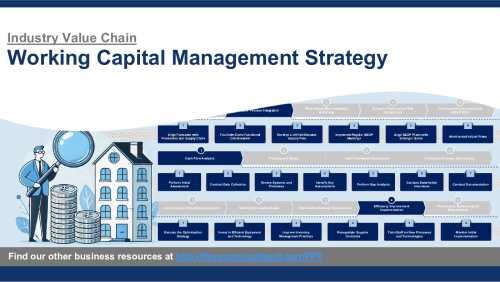
Working Capital Management (WCM) refers to the administration of an organization's short-term assets and liabilities to ensure its ongoing operational efficiency and financial stability. Effective WCM is crucial for maintaining liquidity, optimizing cash flow, and ensuring the organization can [read more]
Do You Want to Implement Business Best Practices?
You can download in-depth presentations on Cash Flow Management and 100s of management topics from the FlevyPro Library. FlevyPro is trusted and utilized by 1000s of management consultants and corporate executives.
For even more best practices available on Flevy, have a look at our top 100 lists:
These best practices are of the same as those leveraged by top-tier management consulting firms, like McKinsey, BCG, Bain, and Accenture. Improve the growth and efficiency of your organization by utilizing these best practice frameworks, templates, and tools. Most were developed by seasoned executives and consultants with over 20+ years of experience.
Readers of This Article Are Interested in These Resources
Cash flow management is a critical aspect of running a successful business, as it directly impacts a company's ability to pay bills, invest in growth opportunities, and weather financial challenges. Both internal and external factors can affect a business's cash flow, making it essential to [read more]
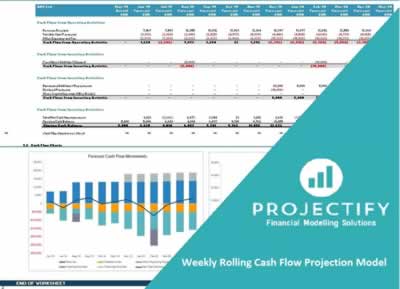
Monthly Rolling Cash Flow Projection is crucial for businesses as it offers a real-time view of their financial health. By forecasting incoming and outgoing cash, it enables proactive management of liquidity, preventing potential crises. This tool helps in identifying trends, anticipating [read more]
According to McKinsey, when the COVID-19 crisis began to affect companies worldwide, the preliminary response of CEOs and CFOs was all about survival: freeing up cash and resources to keep the lights on and the doors open. The liquidity crisis triggered by the sharp disruption in economic [read more]
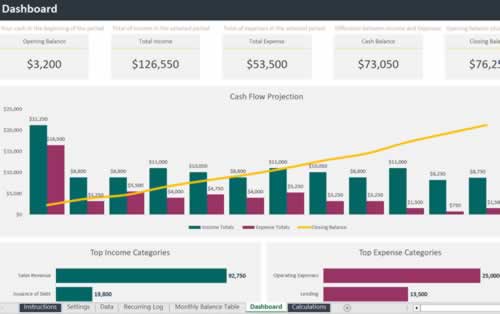
Take control of your finances with our Cash Flow Planner Template--a user-friendly tool designed to help you track, plan, and visualize your cash flow with ease. Perfect for individuals, small businesses, or anyone looking to manage their income and expenses over time, this template offers a [read more]
 Managing cash flow is one of the most critical aspects of running a successful business.