
According to McKinsey, when the COVID-19 crisis began to affect companies worldwide, the preliminary response of CEOs and CFOs was all about survival: freeing up cash and resources to keep the lights on and the doors open. The liquidity crisis triggered by the sharp disruption in economic activities prompted organizations to rush toward cash and liquidity to keep operations going.
In a cash flow crisis, every cent counts. Organizations worldwide are currently faced with serious financial challenges. Cash flow management during a crisis is one of the key factors to an organizations' sustainability beyond a crisis and will have to become an inseparable part of corporate strategic planning.
This guide aims to enable organizations to stay prepared and manage risks as a result of the impact.
The Guide comprises of the following sections:
1. Resilience and its need in the current environment
2. Financial resilience and what it means
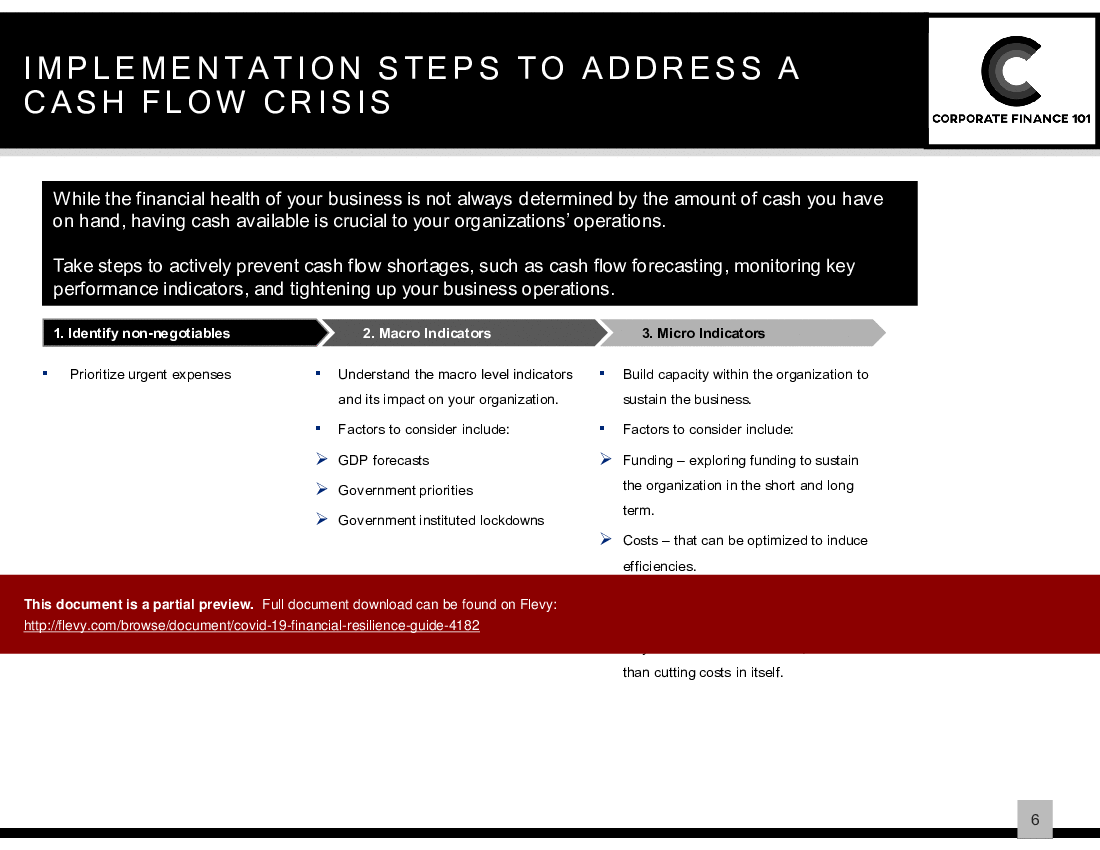
3. Implementation steps to consider to tackle a cash flow crisis
Appendices:
A: Organization current state assessment tool
B: Future proof your finances – Use cash flow planning for good strategic decisions (included is a simple 12-month cash flow forecast)
This guide recommends the steps that organizations can take to optimize cash flow management during a crisis and integrate the process for managing financial resilience into the organization's overall strategy.
The guide provides an operational review current state assessment in order to fully gauge where cash is being utilized and a monthly cash flow template to ensure effective cash flow management during a crisis.
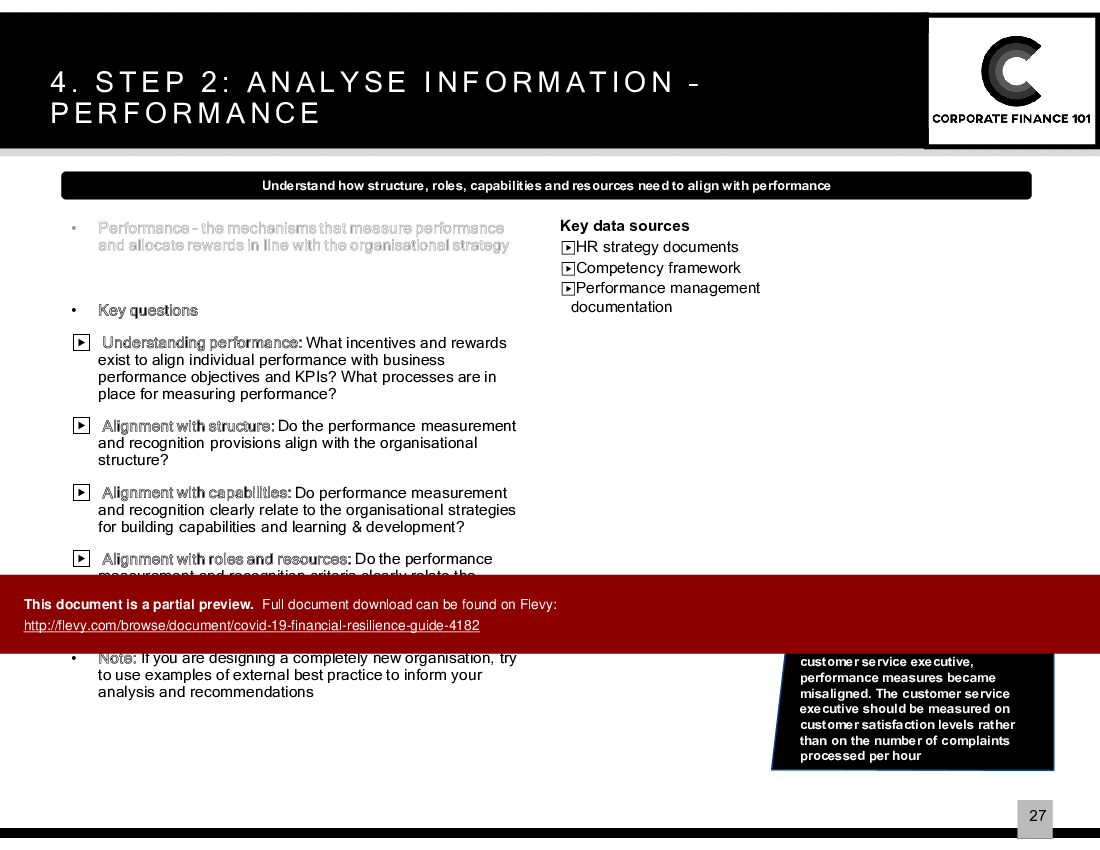
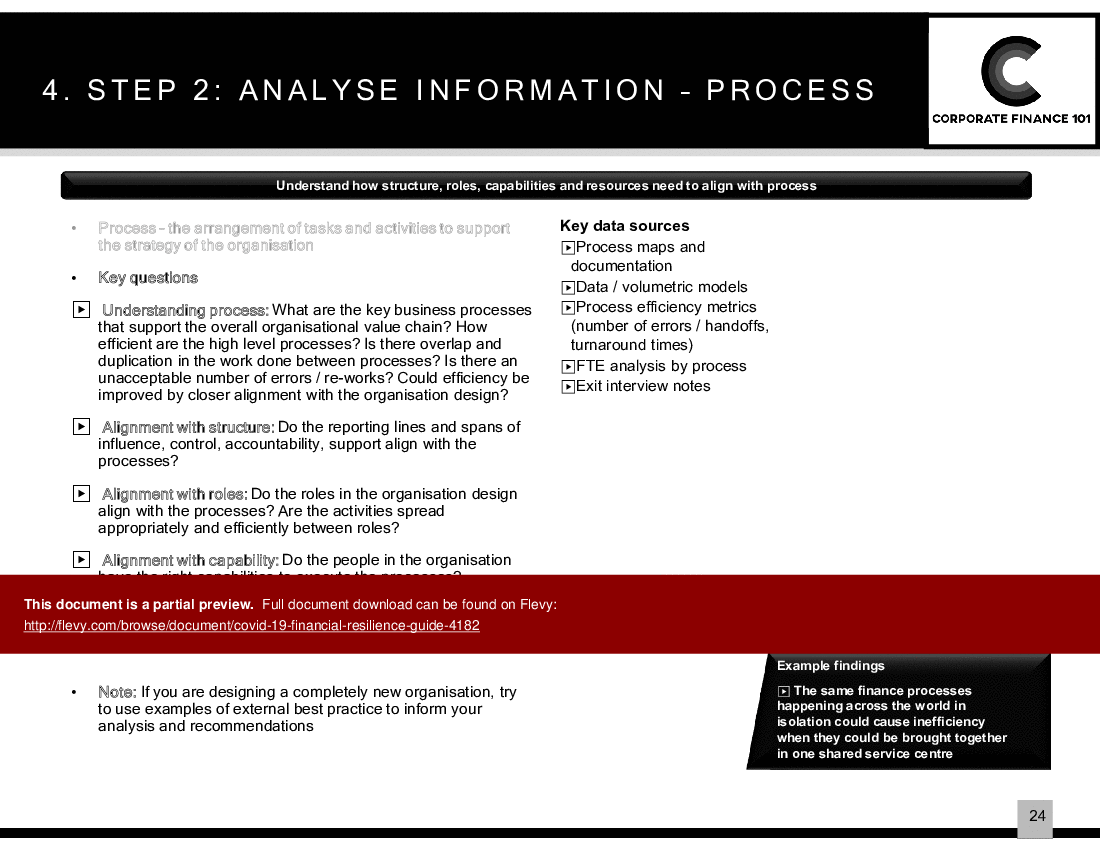
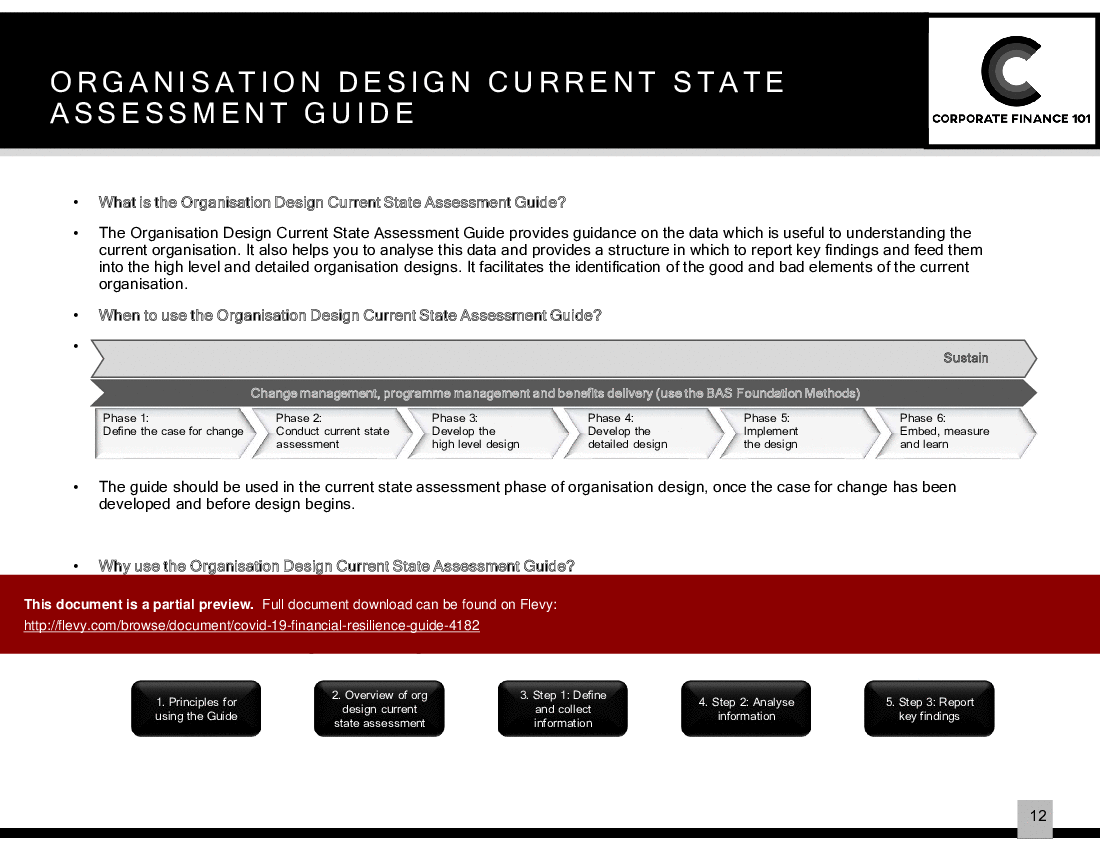
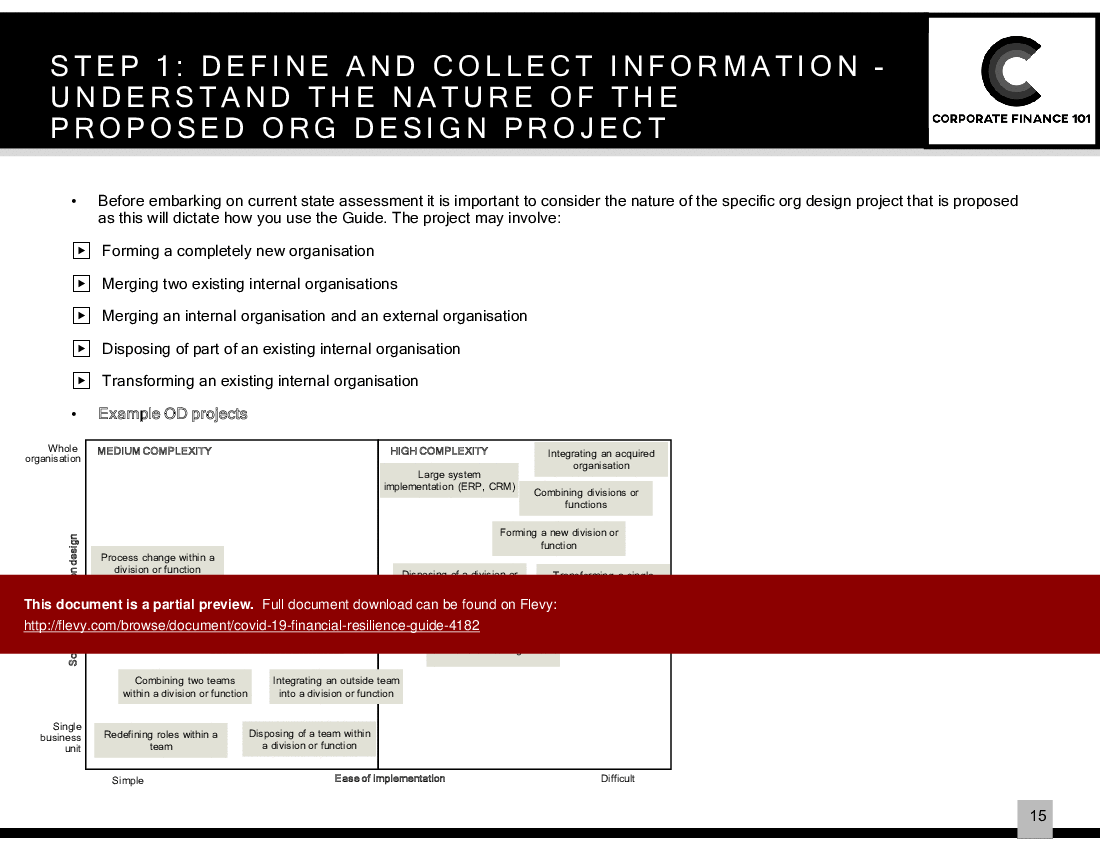
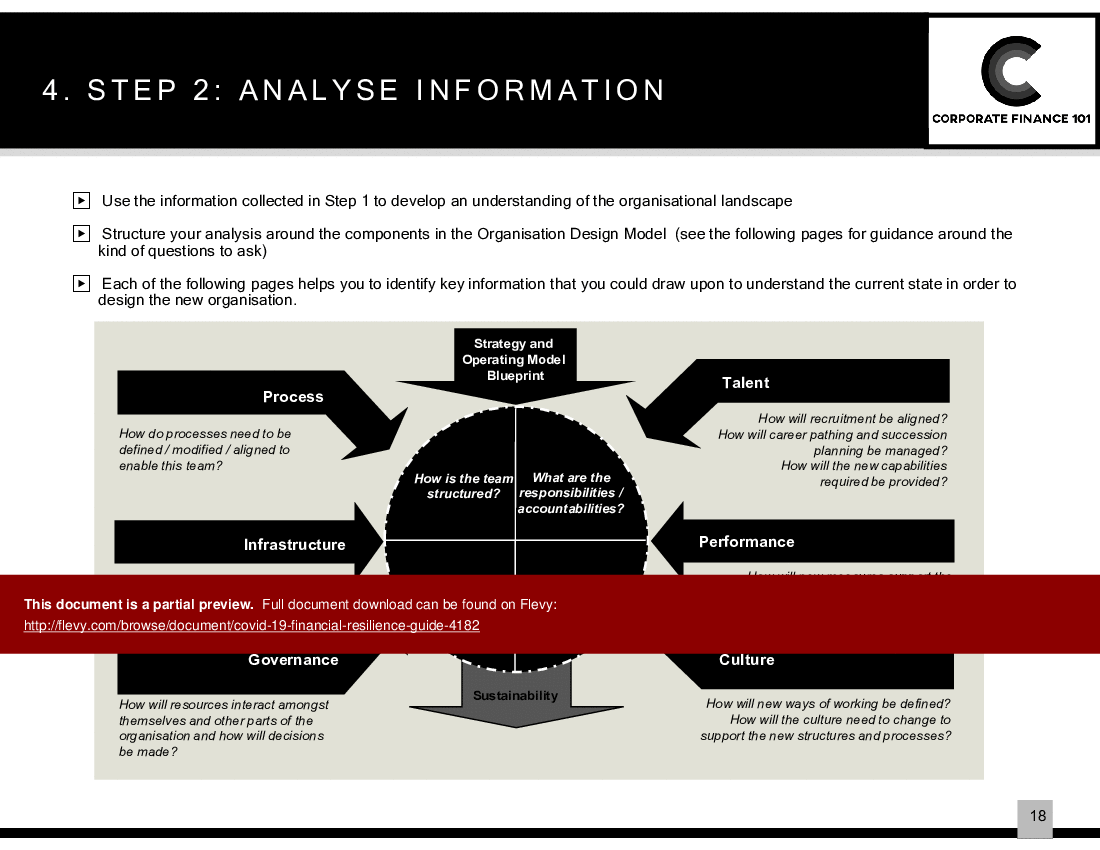
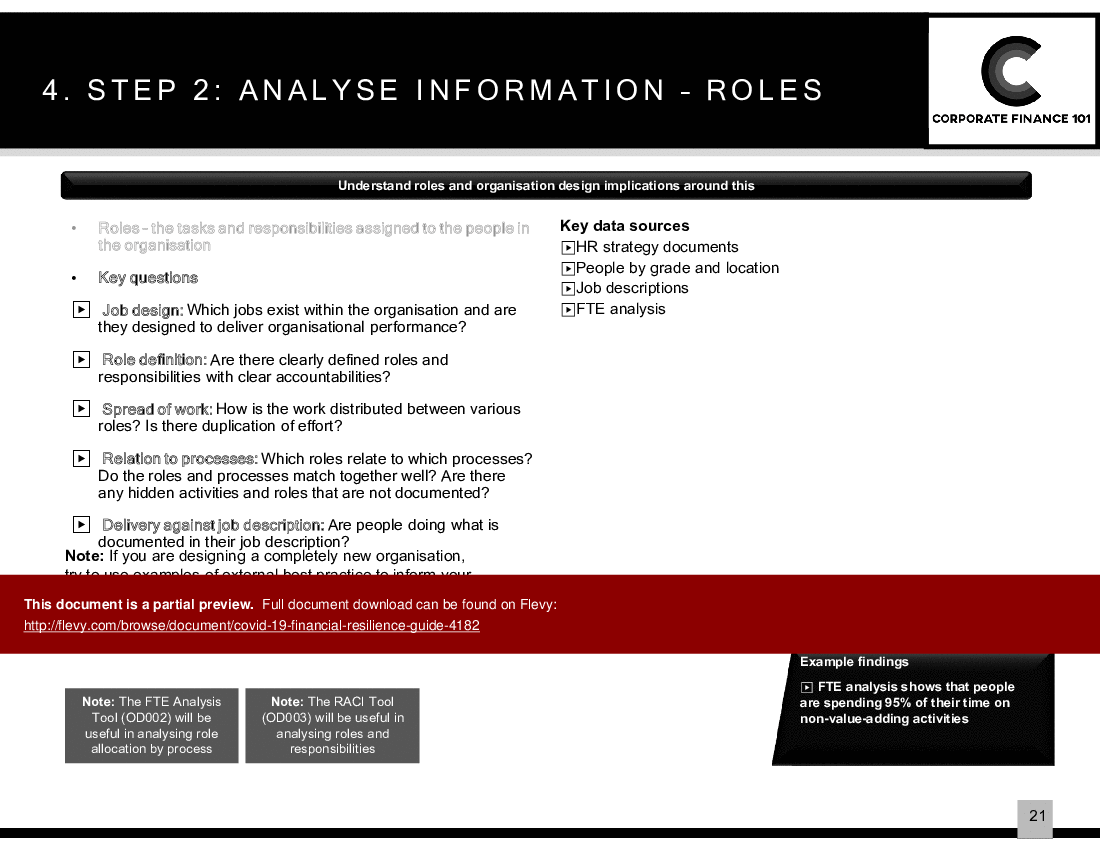
This guide also includes a comprehensive organization design current state assessment tool, providing a structured approach to analyze and report key findings. It outlines critical steps for defining and collecting information, analyzing data, and reporting key findings to inform strategic decisions.
Got a question about the product? Email us at support@flevy.com or ask the author directly by using the "Ask the Author a Question" form. If you cannot view the preview above this document description, go here to view the large preview instead.
Executive Summary
The Financial Resilience Guide is a consulting-grade resource designed to equip organizations with strategies to enhance financial resilience in today’s volatile environment. This guide, crafted with insights from industry veterans, provides a comprehensive framework for assessing current financial states, implementing effective cash flow management, and preparing for unforeseen disruptions. Users will gain the ability to develop actionable treasury plans, optimize cash flow, and make informed strategic decisions that safeguard their financial health.
Who This Is For and When to Use
• Corporate executives responsible for financial strategy and risk management
• Finance teams tasked with cash flow forecasting and management
• Organizational leaders navigating crisis scenarios and operational disruptions
• Consultants assisting clients in enhancing financial resilience
Best-fit moments to use this guide:
• During financial crises requiring immediate cash flow assessments
• When developing long-term financial strategies to withstand economic volatility
• In preparation for organizational changes impacting financial stability
Learning Objectives
• Define financial resilience and its importance in today’s business landscape
• Identify key indicators of financial health and cash flow management
• Develop a comprehensive treasury plan to manage cash flow effectively
• Assess organizational readiness for financial shocks through current state evaluations
• Implement strategies for optimizing costs and managing resources during crises
• Create actionable plans for maintaining operational continuity
Table of Contents
• Background (page 3)
• Resilience Framework (page 6)
• Implementation Steps to Address a Cash Flow Crisis (page 7)
• Appendix A: Organization Current State Assessment Tool (page 12)
• Appendix B: Crisis Cash Flow Management Tool (page 32)
Primary Topics Covered
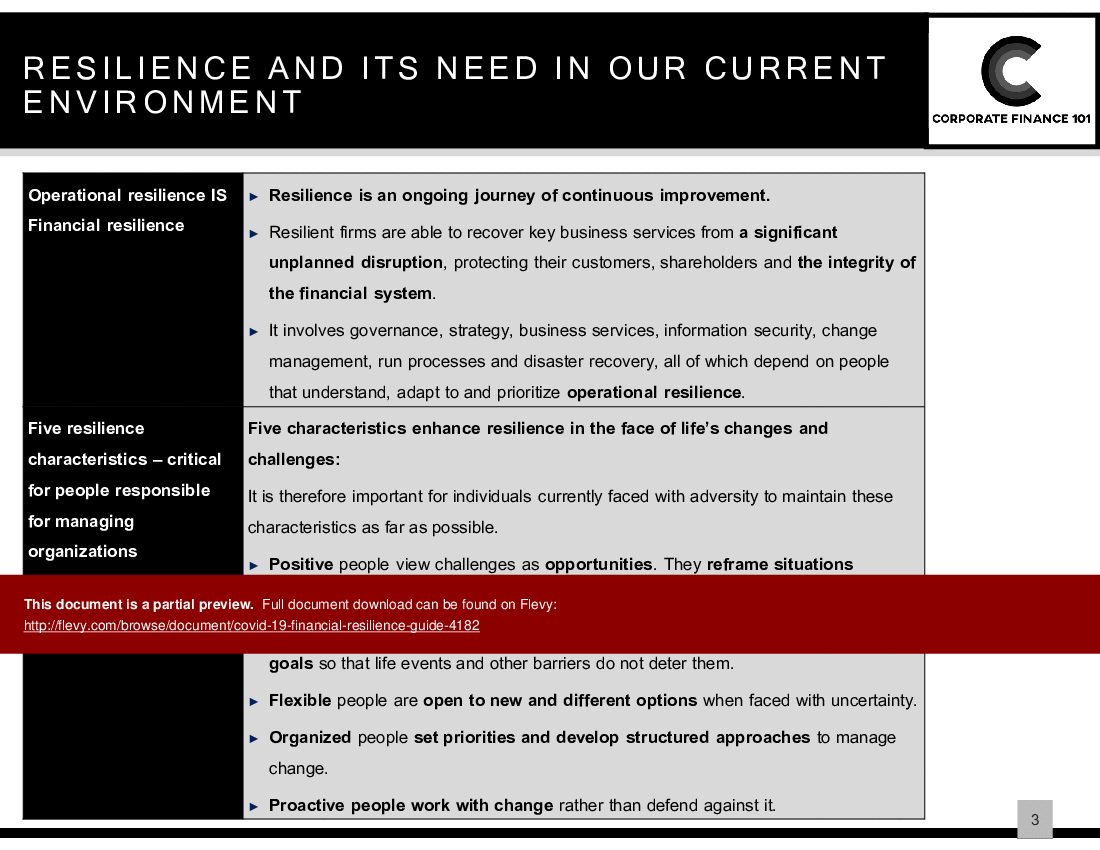
• Resilience and Its Need - Understanding the critical importance of resilience in the current economic environment, emphasizing the need for organizations to adapt and thrive amidst disruptions.
• Financial Resilience Definition - A detailed explanation of financial resilience, focusing on an organization’s ability to manage day-to-day finances and absorb financial shocks.
• Crisis Cash Flow Management - Strategies for managing cash flow effectively during crises, including forecasting and monitoring key performance indicators.
• Current State Assessment - A framework for evaluating an organization’s financial health and operational readiness, essential for informed decision-making.
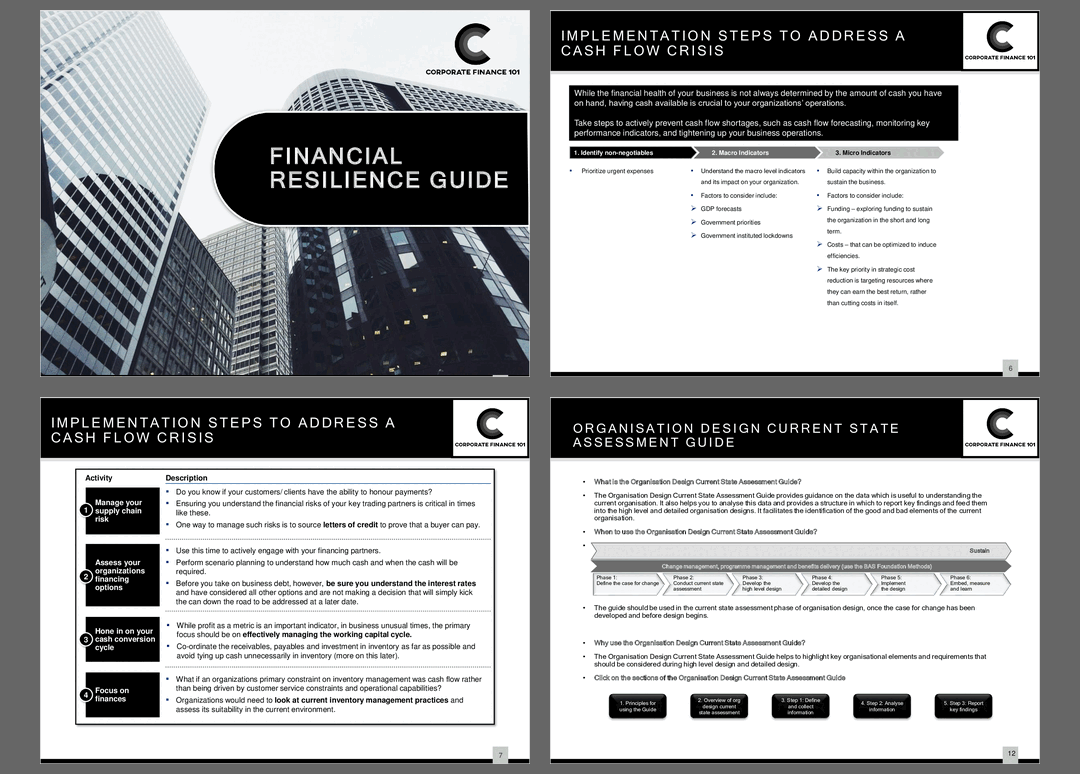
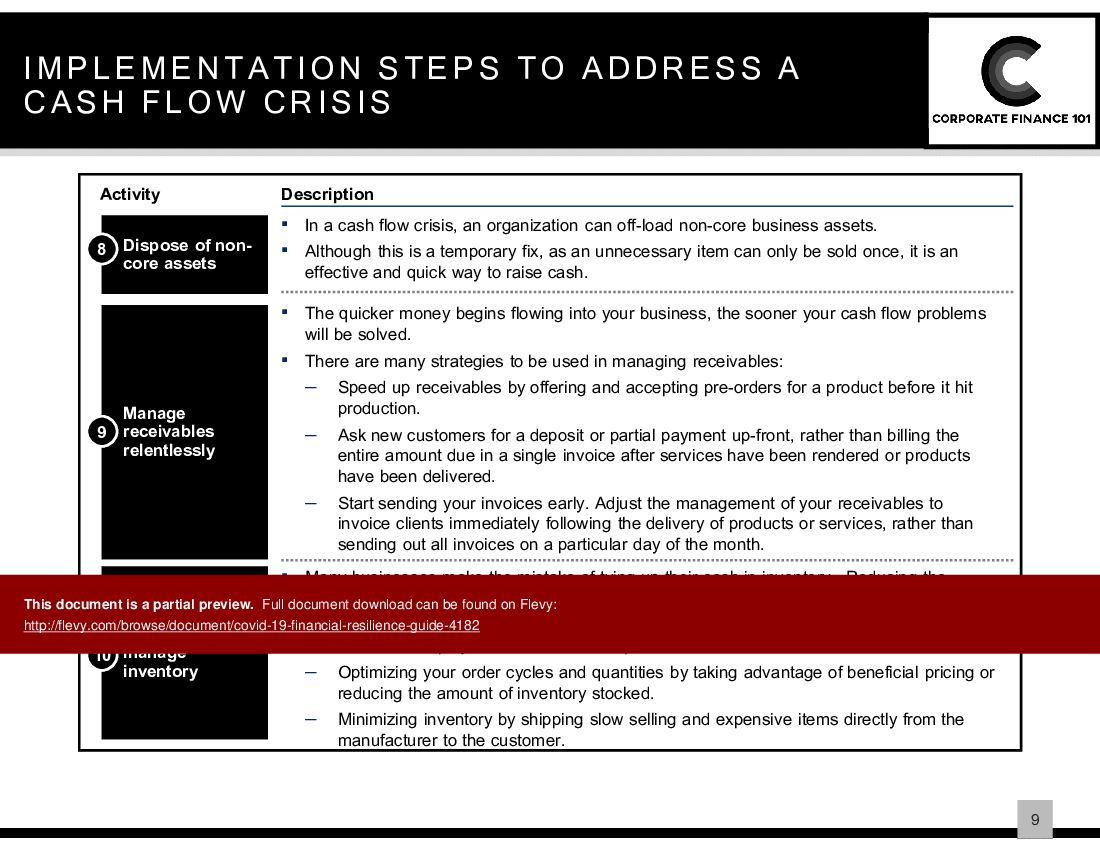
• Implementation Steps - Practical steps organizations can take to address cash flow crises, including managing supply chain risks and optimizing costs.
• Tools for Financial Management - Resources and templates to assist in cash flow planning and organizational assessments.
Deliverables, Templates, and Tools
• Current state assessment tool for evaluating organizational financial health
• Cash flow forecasting template to project sources and uses of cash
• Guidelines for implementing cost optimization strategies
• Framework for assessing supply chain risks and financing options
• Best practices for managing receivables and inventory during crises
• Strategic planning templates for treasury management
Slide Highlights
• Overview of resilience characteristics critical for organizational leaders
• Framework for assessing current financial states and identifying improvement areas
• Step-by-step guide for implementing cash flow management strategies
• Visual representation of the cash conversion cycle and its importance
• Key indicators for monitoring financial health during crises
Potential Workshop Agenda
Financial Resilience Overview (60 minutes)
• Discuss the importance of financial resilience in the current environment
• Review key characteristics of resilient organizations
• Explore case studies of successful financial management during crises
Cash Flow Management Strategies (90 minutes)
• Identify and assess cash flow requirements
• Develop a cash flow forecasting model
• Discuss best practices for managing receivables and payables
Current State Assessment Workshop (120 minutes)
• Conduct a current state assessment using provided tools
• Analyze findings and identify areas for improvement
• Develop action plans based on assessment results
Customization Guidance
• Tailor the current state assessment tool to reflect your organization’s specific financial metrics and operational context
• Adjust cash flow forecasting templates to include organization-specific revenue streams and expense categories
• Integrate organizational terminology and governance structures into the resilience framework for better alignment
Secondary Topics Covered
• Importance of proactive financial management in crisis scenarios
• Strategies for optimizing variable costs and managing fixed costs
• Techniques for enhancing communication and collaboration with suppliers
• Best practices for leveraging technology in cash flow management
• Considerations for long-term financial planning and sustainability
FAQ
What is financial resilience?
Financial resilience refers to an organization’s ability to manage its finances effectively, absorb financial shocks, and remain on track to meet its financial goals.
How can this guide help during a financial crisis?
This guide provides actionable strategies for assessing current financial states, implementing effective cash flow management, and preparing for unforeseen disruptions.
What tools are included in the guide?
The guide includes a current state assessment tool, cash flow forecasting templates, and guidelines for optimizing costs and managing resources.
How should I assess my organization’s current financial state?
Utilize the current state assessment tool provided in the guide to evaluate financial health and operational readiness.
What steps should I take to manage cash flow effectively?
Focus on cash flow forecasting, monitor key performance indicators, and implement strategies for managing receivables and payables.
Can this guide be customized for my organization?
Yes, the guide includes customization guidance to tailor tools and frameworks to your organization’s specific needs.
What are the key indicators of financial health?
Key indicators include cash flow forecasts, working capital management, and the ability to absorb financial shocks.
How can I optimize costs during a crisis?
Identify non-essential expenses, streamline operations, and focus on variable cost management to enhance financial resilience.
Glossary
• Financial Resilience - The capacity of an organization to manage its finances and absorb financial shocks.
• Cash Flow Management - The process of monitoring, analyzing, and optimizing net cash flows.
• Current State Assessment - An evaluation of an organization’s financial health and operational readiness.
• Treasury Plan - A strategic plan for managing an organization’s cash flow and financial resources.
• Working Capital - The difference between current assets and current liabilities, indicating short-term financial health.
• Cost Optimization - Strategies aimed at reducing expenses while maintaining operational efficiency.
• Supply Chain Risk Management - The process of identifying and mitigating risks within the supply chain.
• Receivables Management - The process of managing outstanding customer invoices to ensure timely payments.
• Variable Costs - Costs that vary with production output, such as materials and labor.
• Fixed Costs - Costs that remain constant regardless of production output, such as rent and salaries.
• Crisis Management - Strategies and processes for responding to unexpected disruptions.
• Performance Indicators - Metrics used to assess the financial health and operational efficiency of an organization.
• Strategic Planning - The process of defining an organization’s direction and making decisions on allocating resources.
• Operational Resilience - The ability of an organization to continue delivering services despite disruptions.
• Cash Conversion Cycle - The time taken to convert investments in inventory and other resources into cash flows from sales.
• Financial Health - A term used to describe the overall financial condition of an organization.
• Governance Structure - The framework of rules, practices, and processes by which an organization is directed and controlled.
• Equity Financing - Raising capital through the sale of shares in the business.
• Debt Financing - Borrowing funds to be paid back with interest.
• Crisis Cash Flow Management - Strategies for managing cash flow during periods of financial distress.
Source: Best Practices in Cost Reduction Assessment, Cash Flow Management, Business Resilience PowerPoint Slides: Cash Flow and Cost Reduction Guide PowerPoint (PPTX) Presentation Slide Deck, Corporate Finance 101
|
Receive our FREE presentation on Operational Excellence
This 50-slide presentation provides a high-level introduction to the 4 Building Blocks of Operational Excellence. Achieving OpEx requires the implementation of a Business Execution System that integrates these 4 building blocks. |