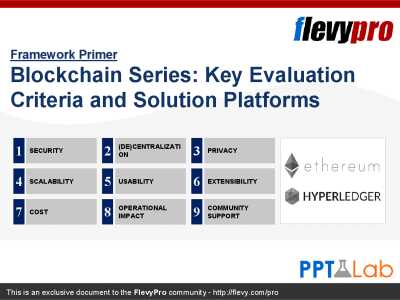
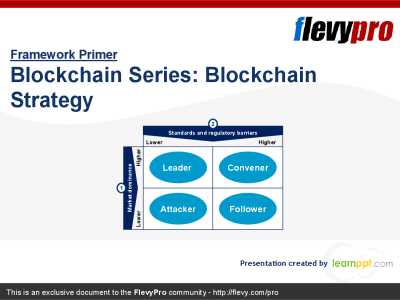
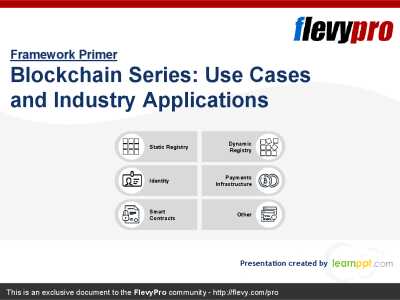
Editor's Note: Take a look at our featured best practice, Digital Transformation: Blockchain Technology (87-slide PowerPoint presentation). Blockchain Technology is an emerging database technology that has gained widespread appeal across many industries, mostly driven by the rise of cryptocurrencies--most notably Bitcoin. It provides numerous process benefits, including efficiency, security, transparency/openness, low cost, data [read more]
* * * *
Crypto has been in a grey area in Asia for most of the last ten years. Governments tolerated it, while some quietly encouraged it. And companies that were dependent on international transactions discovered that digital assets were an easy-to-use tool that could not be matched by traditional banking.
That era is over.
The Philippines is among the most vibrant crypto markets globally, and has spent the last two years systematically rewriting the rules. What has emerged is a two-agency regulatory approach that transcends well beyond exchanges into organizational strategy, financial operations and enterprise risk management.
The Philippines was a country that international finance players would disregard. Not anymore. The Philippines is giving us a preview of what could happen everywhere.
Why This Is Important
The Philippines ranks in the top ten in the use of crypto, and millions use it on a regular basis. A lot of them use crypto due to practical reasons: workers abroad sending money home, to make daily payments, and play-to-earn games that gained momentum during the pandemic.
This is not a fringe market. The Philippines is currently one of the most important real-world test cases of the digital finance strategy in Southeast Asia because digital assets have become a daily part of the economic life there.
How Crypto Gets Regulated in the Philippines
The Philippines has two state bodies governing crypto, and neither of them is accountable to the other.
The central bank (also referred to as BSP) is concerned with crypto service providers. The policies of registration, preventing money laundering, cybersecurity and the amount of money that you are supposed to have are dictated by them. They have even frozen new license applications to have a breather and determine how the market is performing.
Then there is the Securities and Exchange Commission (SEC). They developed their own system of licensing in 2025. You need to open a business in the Philippines and prove that you already possess around ₱100 million before they give you the green light to work.
So what does this mean? Both these agencies’ policies must be adhered to. Getting into this market is a big obstacle, which in many ways appears deliberate.
Compliance as a Competitive Barrier
In late 2025, the Philippine regulators tried to shut down the cryptocurrency platforms which had not been licensed to operate. Internet service providers were instructed to block access to a list of unregistered exchanges, showing that the regulatory change in the country had entered an enforcement stage.
The most appropriate organizations that could leverage this change were not necessarily the largest global platforms. Instead, domestic licensed companies like Coins.ph, PDAX and Maya have consolidated their presence in the market with the regulators emphasizing compliance and local licensing.
This has digital finance leaders talking once more. Compliance is no longer simply an expense; it is now actually developing into a business advantage as regulators tighten things up.
What Business Leaders Should Take Away
A few things from the Philippine situation are of interest anywhere.
To start with, think of regulation as something that can be used to your advantage. Admittedly, it is often a pain to become licensed, but when you do so, it filters out the competition that is unwilling to make the effort.
Second, get to know about the rules and then dive in. Stricter enforcement surprised other companies because they were conducting their normal business, yet not paying attention to what the regulators were putting out. To get a feel of the workings of crypto exchanges, you can rely on resources such as Webopedia if you are a beginner.
Finally, the Philippines is not alone in this case. The same thing is found in Brazil, Nigeria and some parts of Europe, with various agencies dealing with different parts. When your compliance system is used to working with one regulator, you are going to hit a wall when making a decision to expand.
When you are planning to do business in the Philippines, including processing payments or transferring funds, one of the first things you should do is to look into the licensed crypto exchanges in the Philippines. You can see what platforms have already gone through the whole procedure, such as anti-money laundering and cybersecurity checks.
Looking Ahead
The Philippines have made changes faster than expected by most of the observers. Other markets will have their own rules as the use of digital assets expands globally. Companies that do things right by establishing the proper regulatory relationships and implementing compliant operations early will be much better off compared to those that don’t and only change when the enforcement mechanisms come.
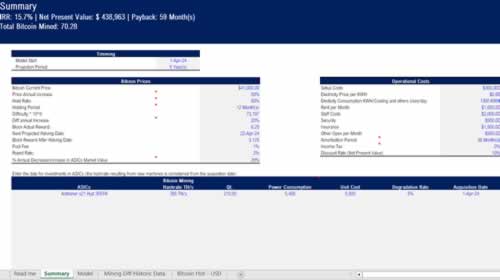
The Bitcoin Farm Model - Economics
The primary purpose of this model is to assess the feasibility of a Bitcoin farm by taking into account key factors that affect the economics of mining bitcoin, such as
- Bitcoin's current price and price predictions
- Mining difficulty and its growth
- [read more]
Do You Want to Implement Business Best Practices?
You can download in-depth presentations on Bitcoin and 100s of management topics from the FlevyPro Library. FlevyPro is trusted and utilized by 1000s of management consultants and corporate executives.
For even more best practices available on Flevy, have a look at our top 100 lists:
These best practices are of the same as those leveraged by top-tier management consulting firms, like McKinsey, BCG, Bain, and Accenture. Improve the growth and efficiency of your organization by utilizing these best practice frameworks, templates, and tools. Most were developed by seasoned executives and consultants with over 20+ years of experience.
Readers of This Article Are Interested in These Resources
What is Blockchain Technology?
Blockchain Technology has gained incredible appeal recently across many industries, mostly notably in Banking due to the rise of Bitcoin. It provides numerous process benefits through disintermediation. The World Economic Forum (WEF) predicts at least 10% of the [read more]
Crypto Trading Platform Financial Projection Model: Ultimate Startup Toolkit
The Crypto Trading Platform Financial Projection Model is a battle-tested Excel template designed for crypto exchanges, brokerages, and fintech startups. This dynamic cryptocurrency trading financial model forecasts [read more]
What is Blockchain Technology?
Blockchain Technology has gained incredible appeal recently across many industries, mostly notably in Banking due to the rise of Bitcoin. It provides numerous process benefits through disintermediation, including efficiency, security, transparency/openness, low [read more]
What is Blockchain Technology?
Blockchain Technology has gained incredible appeal recently across many industries, mostly notably in Banking due to the rise of Bitcoin. It provides numerous process benefits through disintermediation, including efficiency, security, transparency/openness, low [read more]
 Crypto has been in a grey area in Asia for most of the last ten years. Governments tolerated it, while some quietly encouraged it. And companies that were dependent on international transactions discovered that digital assets were an easy-to-use tool that could not be matched by traditional banking.