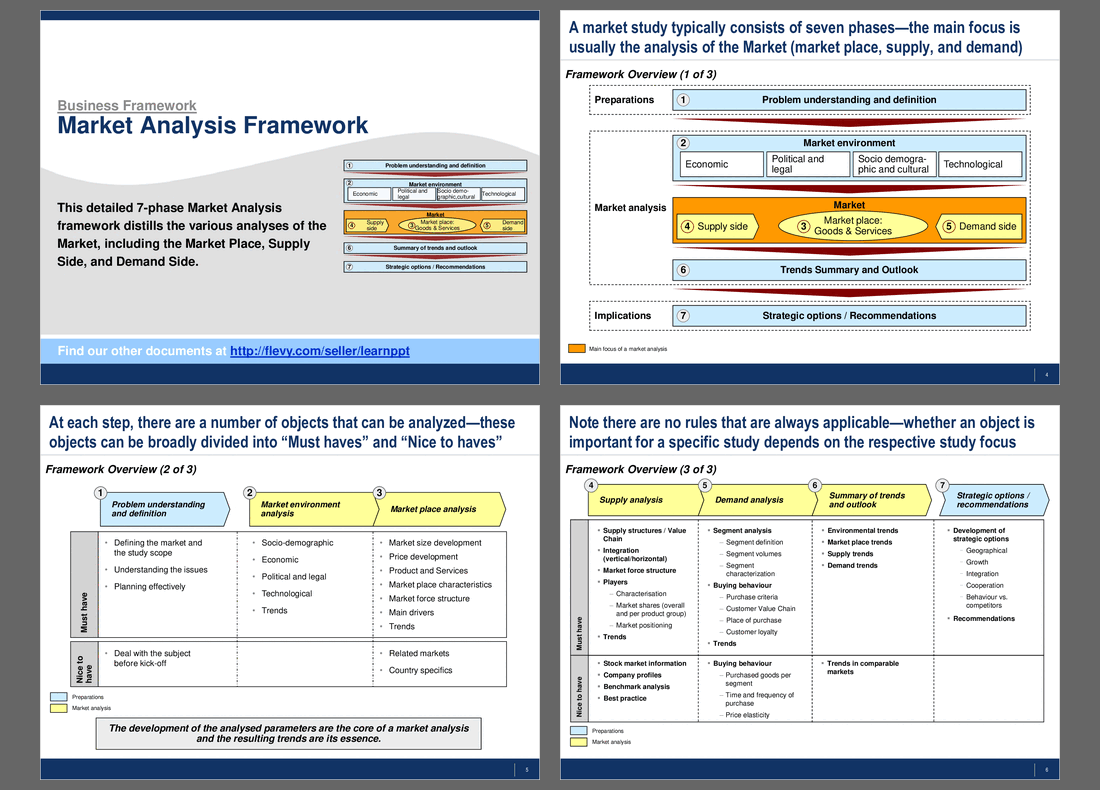
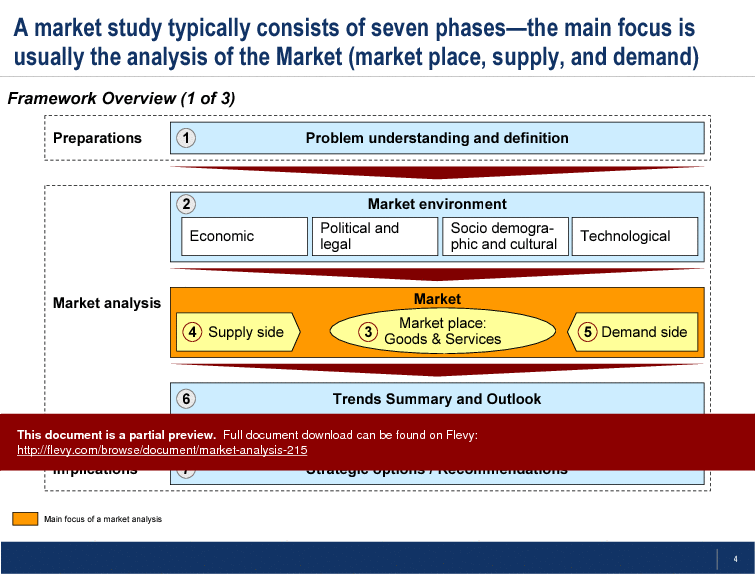
This document breaks down Market Analysis into 7 phases:
1. Problem Understanding and Definition
2. Market Environment Analysis
3. Market Place Analysis
4. Supply Analysis
5. Demand Analysis
6. Summary of Trends and Outlook
7. Strategic Options and Recommendations
For each of the phase, this presentation evaluates relevant parameters. We also discuss key probing questions related to the parameter, as well as the important benefits from proper analysis of each parameter.
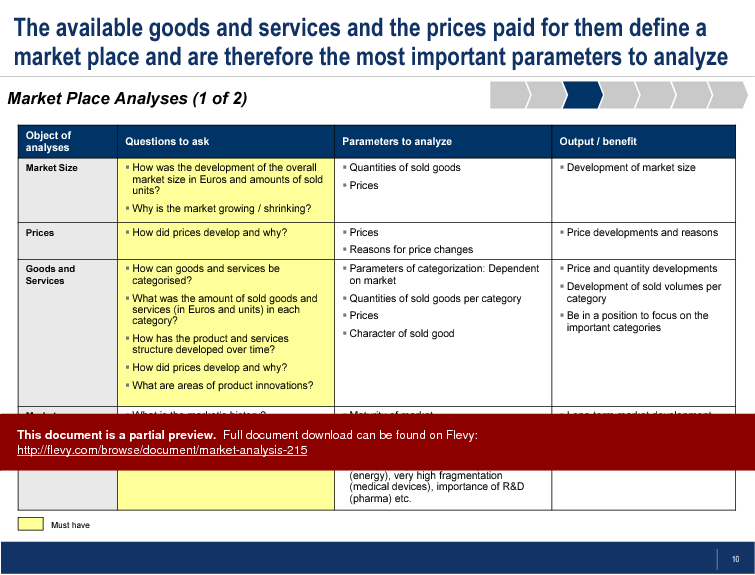
This presentation offers a comprehensive framework for conducting a market analysis, focusing on critical aspects such as market size, price developments, and categorization of goods and services. It provides a structured approach to understanding market dynamics by examining quantities of sold goods, price changes, and reasons behind these changes. The document also delves into the development of market size and the evolution of products and services over time.
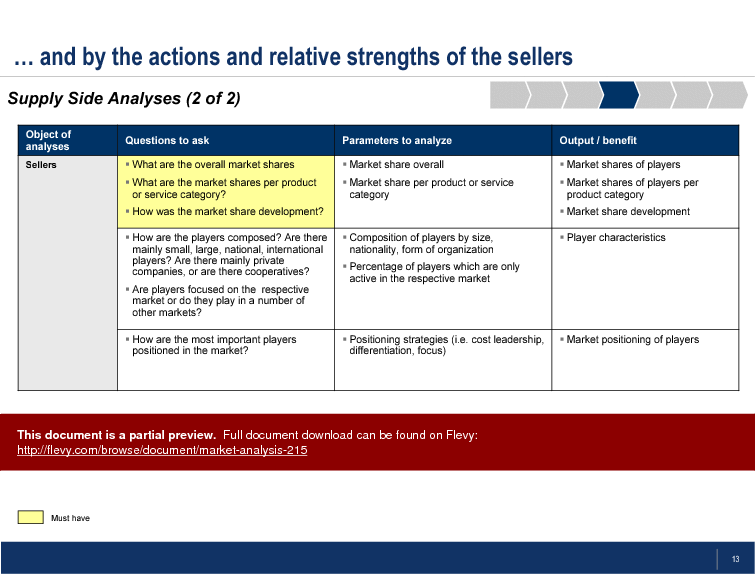
Key questions are addressed to guide the analysis, including how market shares are distributed among sellers and the composition of market players. The presentation highlights the importance of understanding market share development and the positioning strategies of key players. This detailed examination aids in identifying the strengths and weaknesses of competitors, providing valuable insights for strategic planning.
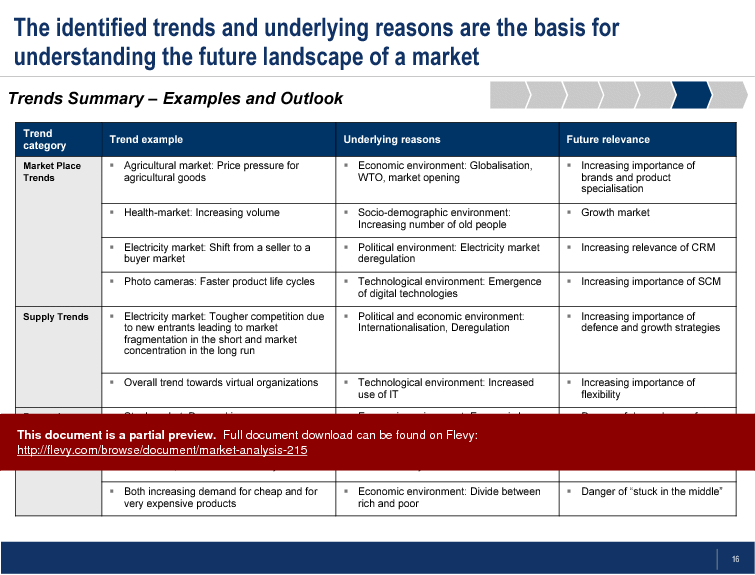
The trends summary section identifies significant market trends and their underlying reasons, offering a forward-looking perspective on market developments. It covers various trend categories, including market place trends and supply trends, and discusses their future relevance. This analysis helps in anticipating market shifts and preparing for future challenges, making it an essential tool for executives aiming to stay ahead in a competitive landscape.
Got a question about the product? Email us at support@flevy.com or ask the author directly by using the "Ask the Author a Question" form. If you cannot view the preview above this document description, go here to view the large preview instead.
Executive Summary
The Market Analysis Framework is a comprehensive, seven-phase model designed to facilitate in-depth market studies. This framework, crafted by seasoned consultants from top-tier firms, embodies the rigor and precision expected in consulting-grade deliverables. It encompasses critical analyses of the market environment, supply side, and demand side, enabling users to understand market dynamics thoroughly. Buyers will gain the ability to define problems, analyze market trends, and develop strategic recommendations, ensuring informed decision-making and effective market positioning.
Who This Is For and When to Use
• Corporate strategists focused on market entry or expansion
• Business analysts conducting competitive assessments
• Product managers launching new offerings
• Market researchers evaluating industry trends
Best-fit moments to use this deck:
• When initiating a new market entry strategy
• During product development phases requiring market insights
• For conducting competitive analysis in dynamic industries
• When assessing the viability of new business opportunities
Learning Objectives
• Define the scope and objectives of a market analysis project
• Analyze socio-demographic, economic, political, and technological factors impacting the market
• Evaluate supply side dynamics, including market structure and player positioning
• Assess demand side characteristics, including customer segments and buying behavior
• Summarize market trends and develop actionable strategic recommendations
• Create a comprehensive report that communicates findings effectively
Table of Contents
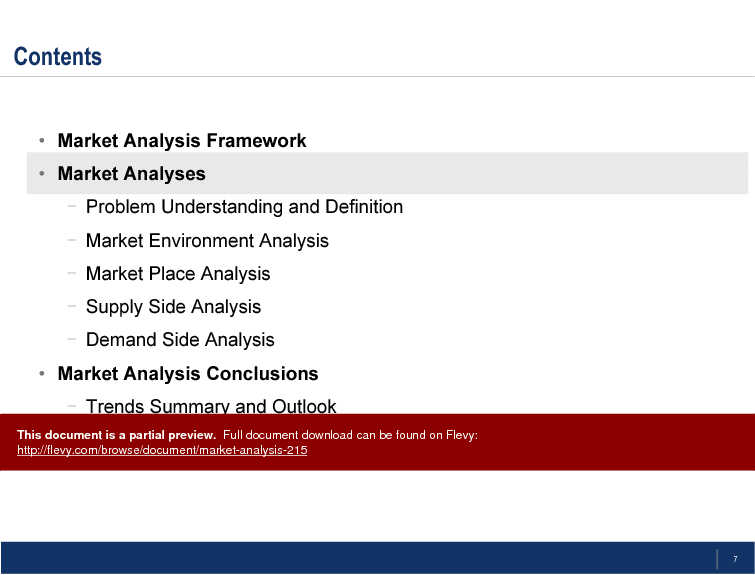
• Market Analysis Framework (page 3)
• Market Analyses (page 7)
• Problem Understanding and Definition (page 7)
• Market Environment Analysis (page 8)
• Market Place Analysis (page 10)
• Supply Side Analysis (page 12)
• Demand Side Analysis (page 14)
• Market Analysis Conclusions (page 15)
• Trends Summary and Outlook (page 16)
• Strategic Options and Recommendations (page 17)
Primary Topics Covered
• Problem Understanding and Definition - Establishing the study's scope and objectives is crucial for effective analysis and information gathering.
• Market Environment Analysis - Evaluating socio-demographic, economic, political, and technological factors that shape market dynamics.
• Market Place Analysis - Analyzing the availability and pricing of goods and services, including market size and characteristics.
• Supply Side Analysis - Investigating the supply structure, integration trends, and power distribution among market players.
• Demand Side Analysis - Understanding customer segments, buying behavior, and the factors influencing purchasing decisions.
• Trends Summary and Outlook - Identifying key market trends and their implications for future strategic decisions.
• Strategic Options and Recommendations - Formulating actionable strategies based on comprehensive market insights.
Deliverables, Templates, and Tools
• Market analysis framework template for structured assessments
• Problem definition and scope-setting worksheet
• Market environment analysis checklist
• Supply and demand side analysis templates
• Trend identification and strategic recommendation framework
• Comprehensive report template for presenting findings
Slide Highlights
• Overview of the seven-phase market analysis framework
• Detailed breakdown of socio-demographic and economic factors impacting market dynamics
• Visual representation of market place characteristics and pricing trends
• Insights into supply side structures and integration trends
• Analysis of customer segments and their buying behavior
• Summary slide showcasing key market trends and strategic recommendations
Potential Workshop Agenda
Market Analysis Kick-off (60 minutes)
• Introduce the market analysis framework and objectives
• Define the scope and key questions for the analysis
• Assign roles and responsibilities for each phase
Market Environment Deep Dive (90 minutes)
• Analyze socio-demographic, economic, political, and technological factors
• Discuss implications of findings on market dynamics
• Identify key data sources and research methods
Supply and Demand Analysis Session (120 minutes)
• Evaluate supply side structures and market player dynamics
• Conduct demand side analysis focusing on customer segments and buying behavior
• Synthesize findings to inform strategic recommendations
Customization Guidance
• Tailor the framework to specific industry contexts and market conditions
• Adjust the scope of analysis based on organizational goals and objectives
• Incorporate relevant local market data and trends into the analysis
• Modify templates to align with internal reporting standards and formats
Secondary Topics Covered
• Competitive landscape analysis and benchmarking
• Environmental factors affecting market dynamics
• Strategic implications of market trends
• Integration of market analysis with business strategy development
FAQ
What is the purpose of the Market Analysis Framework?
The framework provides a structured approach to understanding market dynamics, enabling informed decision-making and strategic planning.
How many phases are in the Market Analysis Framework?
The framework consists of 7 phases, each focusing on different aspects of market analysis.
What types of analyses are included in the framework?
The framework includes analyses of the market environment, market place, supply side, and demand side.
How can this framework assist in strategic decision-making?
By providing a comprehensive understanding of market dynamics, the framework enables organizations to make informed strategic choices.
What are the key deliverables from using this framework?
Key deliverables include a detailed market analysis report, strategic recommendations, and templates for ongoing assessments.
Can the framework be customized for specific industries?
Yes, the framework can be tailored to fit the unique characteristics and requirements of different industries.
What tools are recommended for conducting a market analysis?
Utilizing data analytics tools, market research databases, and competitive intelligence platforms can enhance the analysis process.
How does the framework address changing market conditions?
The framework emphasizes trend analysis and adaptability, allowing organizations to respond effectively to evolving market dynamics.
Glossary
• Market Analysis - A systematic evaluation of market dynamics, including supply and demand factors.
• Socio-Demographic Factors - Characteristics of a population that influence market behavior, such as age and income.
• Market Environment - External factors that impact market dynamics, including economic and political conditions.
• Supply Side - The aspect of the market that focuses on producers and service providers.
• Demand Side - The aspect of the market that focuses on consumers and their purchasing behavior.

• Market Trends - Patterns and shifts in market behavior over time.

• Strategic Recommendations - Actionable insights derived from market analysis to guide decision-making.
• Competitive Landscape - The overall structure of competitors within a market.
• Integration - The process of combining operations or resources within the supply chain.
• Customer Segmentation - The division of a market into distinct groups of buyers with similar needs or characteristics.
• Buying Behavior - The decision-making process and actions of consumers when purchasing products or services.
• Value Chain - The series of steps involved in delivering a product or service to the market.
Source: Best Practices in Market Research PowerPoint Slides: Market Analysis PowerPoint (PPT) Presentation Slide Deck, LearnPPT Consulting
|
Download our FREE Strategy & Transformation Framework Templates
Download our free compilation of 50+ Strategy & Transformation slides and templates. Frameworks include McKinsey 7-S, Balanced Scorecard, Disruptive Innovation, BCG Curve, and many more. |