Your AI assistant becomes a Flevy-powered consultant, with direct access to our full library of frameworks, templates, and case studies. Free to connect. No account, sign-in, or API key required.
STEP 1 · CHOOSE YOUR ASSISTANT
STEP 2 · CONNECT
1
Copy the Flevy MCP URL below.
2
Open the Claude connector settings and choose Add Custom Connector. Paste the URL and name it Flevy.
This presentation is created by former McKinsey, BCG, Deloitte, EY, and Capgemini consultants. It provides a comprehensive Market Analysis and Competitive Positioning Assessment that contains over 150+ checklist items.
Provides a comprehensive Market Analysis and Competitive Positioning Assessment that contains 179 assessment items, organized across 14 categories.
Identifies competitive advantages and areas for strategic improvement.
Enhances strategic planning with data-driven insights and analysis.
STRATEGIC PLANNING PPT TEMPLATE DESCRIPTION
Editor Summary
Market Analysis and Competitive Positioning Assessment is a 45-slide PowerPoint (PPTX) presentation by LearnPPT Consulting, created by former McKinsey, BCG, Deloitte, EY, and Capgemini consultants.
Read moreThe product contains 179 checklist items organized into 14 categories (Market Trends, Customer Segmentation, Market Size, Regulatory Environment, Competitive Landscape, Value Proposition, Internal Strengths/Weaknesses, Strategic Fit, Distribution, Financial Performance, International Markets, Stakeholder Analysis, Brand, ESG) and classifies items as Actionable Task, Key Question, Verification Point, or Important Deliverable. Sold as a digital download on Flevy.
Use this assessment when a company needs a structured review of market dynamics and competitive position—common in market entry, portfolio review, M&A diligence, or annual strategic planning.
Corporate strategy lead sizing market opportunity and validating growth assumptions using the Market Size and Growth items.
Product manager mapping customer segments and preferences against value propositions using Customer Segmentation and Behavior items.
M&A/due-diligence analyst assessing competitors’ market share and financial health via Competitive Landscape and Financial Performance items.
Brand or sustainability manager evaluating reputation and ESG exposure using Brand Perception and ESG Factors categories.
The checklist-driven approach across defined categories mirrors consulting due-diligence and strategic assessment practices used at firms like McKinsey and BCG.
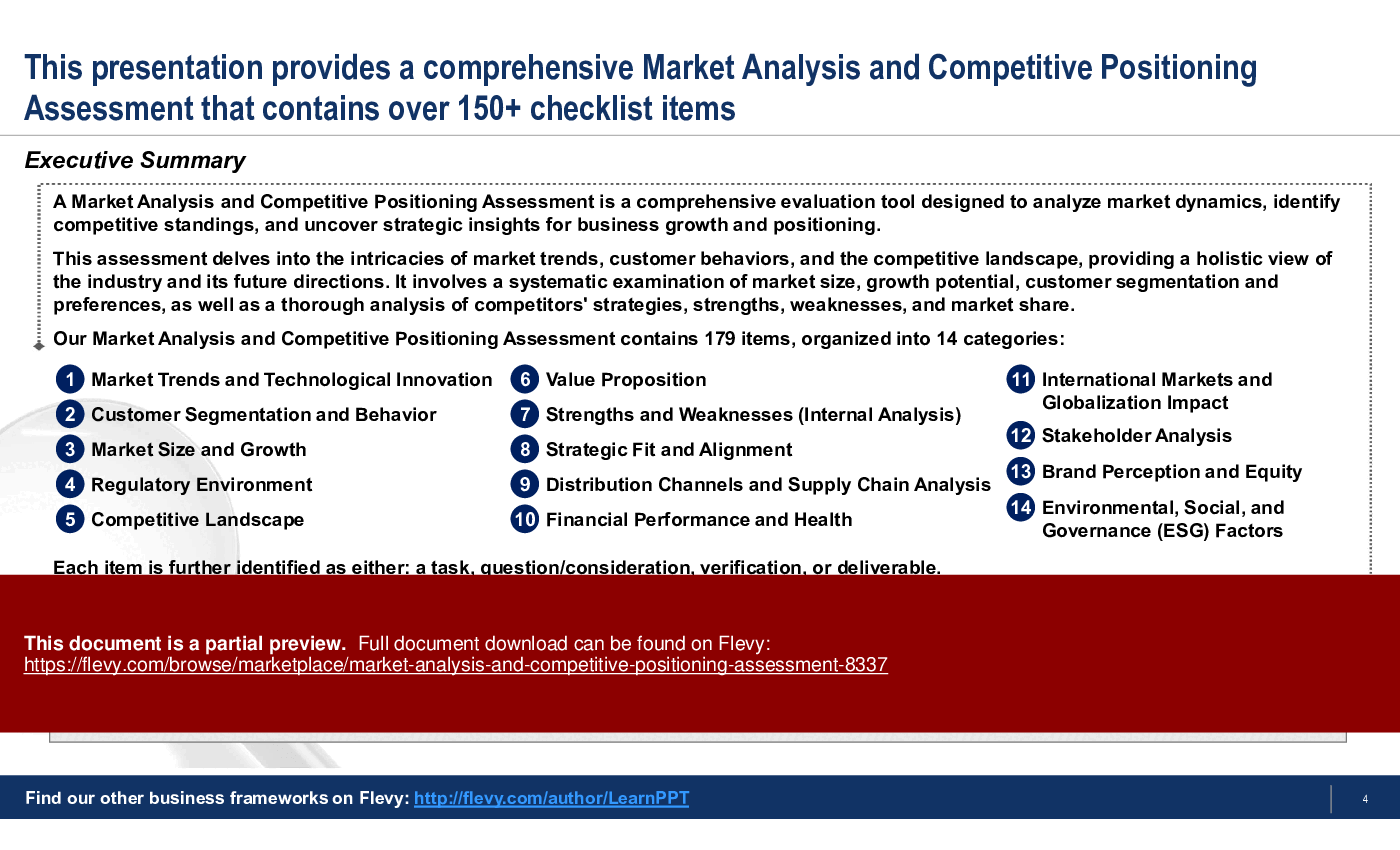
A Market Analysis and Competitive Positioning Assessment is a comprehensive evaluation tool designed to analyze market dynamics, identify competitive standings, and uncover strategic insights for business growth and positioning.
This assessment delves into the intricacies of market trends, customer behaviors, and the competitive landscape, providing a holistic view of the industry and its future directions. It involves a systematic examination of market size, growth potential, customer segmentation and preferences, as well as a thorough analysis of competitors' strategies, strengths, weaknesses, and market share.
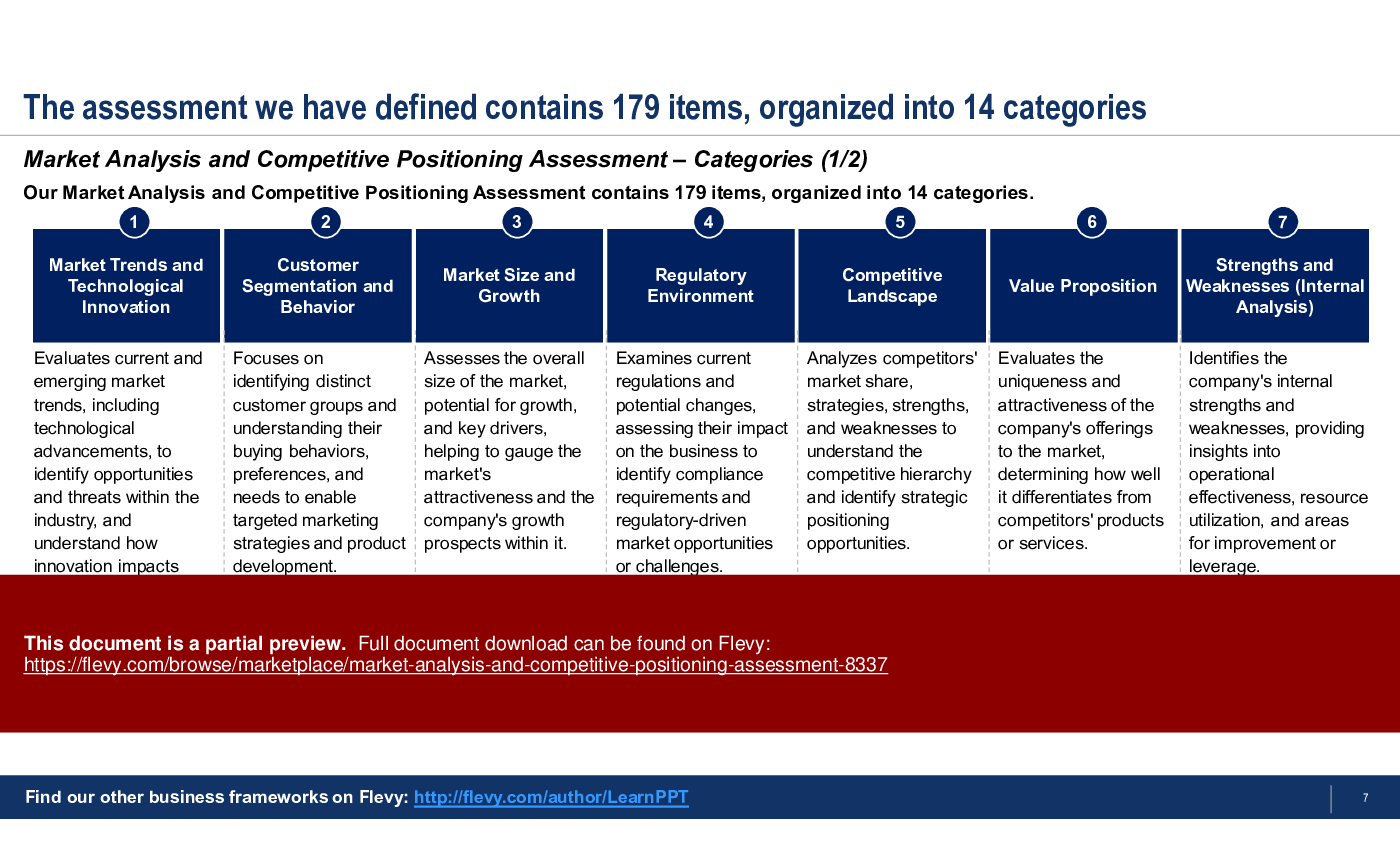
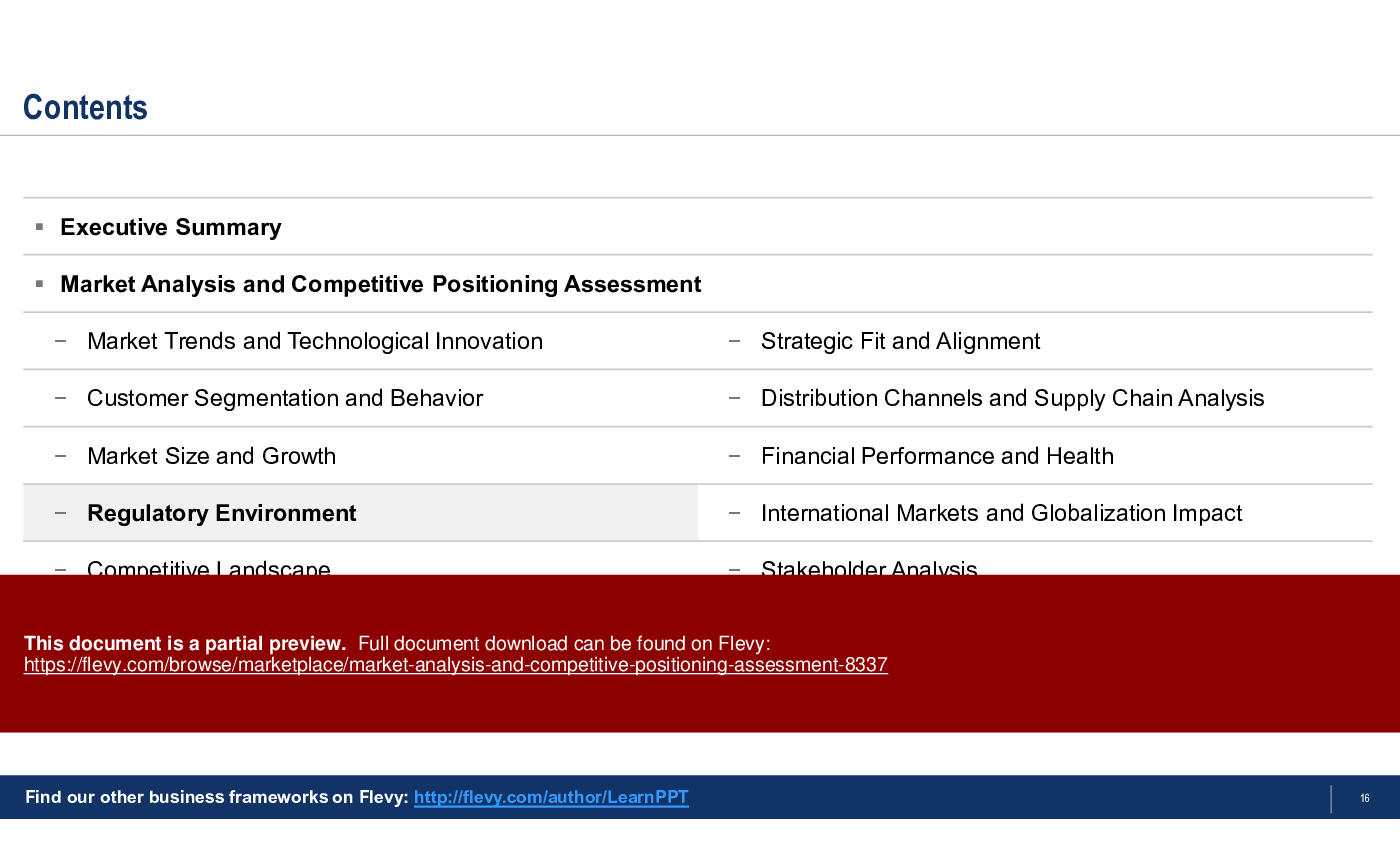
Our Market Analysis and Competitive Positioning Assessment contains 179 items, organized into 14 categories:
1. Market Trends and Technological Innovation
2. Customer Segmentation and Behavior
3. Market Size and Growth
4. Regulatory Environment
5. Competitive Landscape
6. Value Proposition
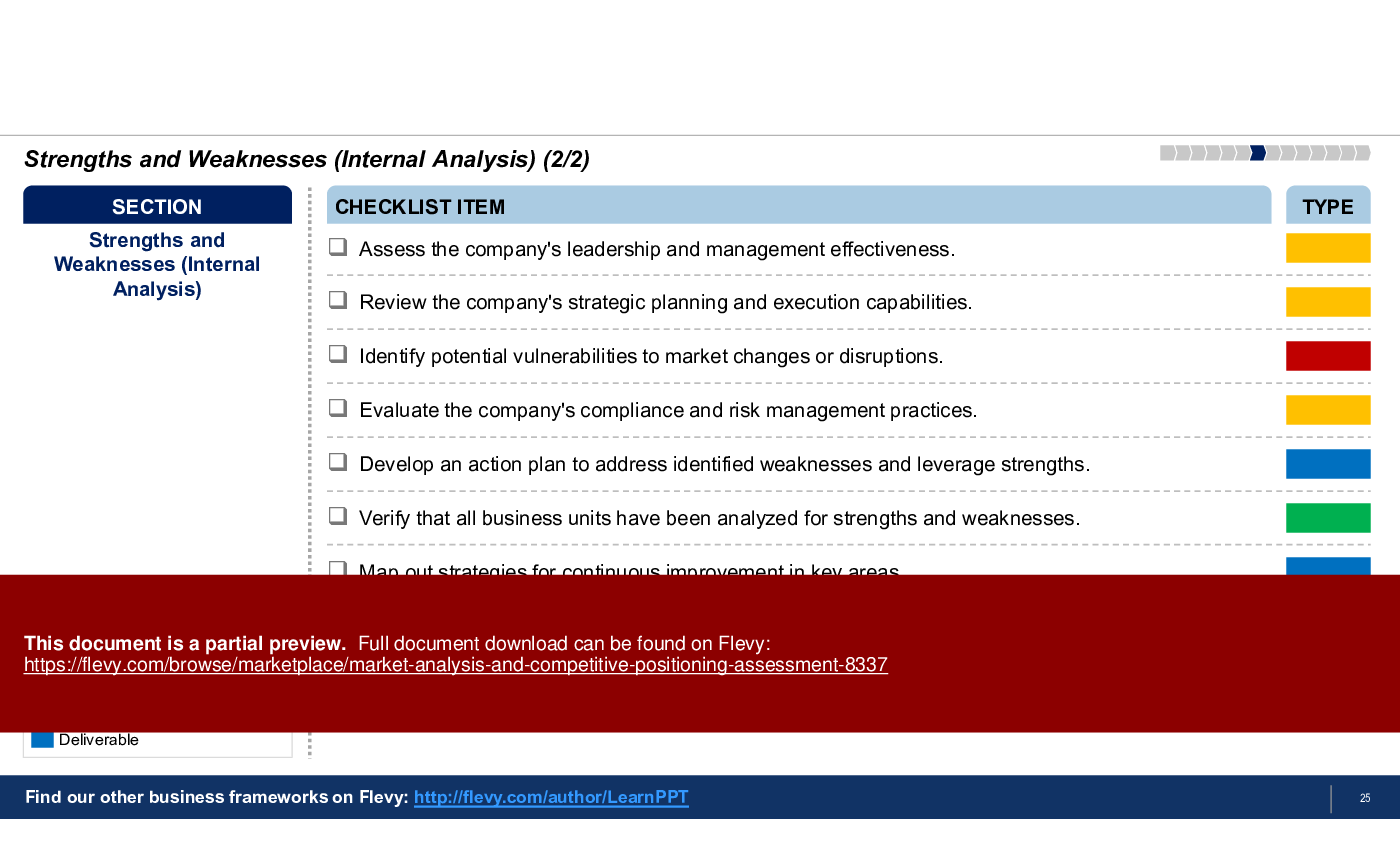
7. Strengths and Weaknesses (Internal Analysis)
8. Strategic Fit and Alignment
9. Distribution Channels and Supply Chain Analysis
10. Financial Performance and Health
11. International Markets and Globalization Impact
12. Stakeholder Analysis
13. Brand Perception and Equity
14. Environmental, Social, and Governance (ESG) Factors
Each assessment/checklist item is categorized as either:
1. Actionable Task – Clear, specific tasks that need to be completed. For example, "Identify key internal stakeholders for the Strategic Planning team."
2. Key Question or Consideration – This is an important point to consider or question to answer that guides the Strategic Planning Process. For instance, "What are the long-term goals of our organization?"
3 Verification Point – This is a criterion to confirm that an aspect of the process has been sufficiently addressed. E.g., "Confirm that the SWOT analysis covers all business units."
4. Important Deliverable – This identifies any documents or outputs that need to be created. Example, "Develop a written vision statement draft."
This structured approach provides a comprehensive framework for analyzing both the market environment and the company's position within it, offering actionable insights for strategic decision-making. It ensures that strategic decisions are informed, forward-thinking, and sustainable, positioning the organization for long-term success in an ever-changing market landscape.
This assessment equips executives with the tools to make data-driven decisions that align with market realities. By leveraging detailed checklists and strategic insights, organizations can effectively navigate complexities and seize growth opportunities.
Got a question about the product? Email us at support@flevy.com or ask the author directly by using the "Ask the Author a Question" form. If you cannot view the preview above this document description, go here to view the large preview instead.
TOPIC FAQ
What core areas should a market analysis checklist cover?
A comprehensive market analysis checklist should examine market trends and technological innovation, customer segmentation and behavior, market size and growth, regulatory context, competitive landscape, internal strengths/weaknesses, distribution and financial performance, international impacts, stakeholder and brand considerations, and ESG factors—typically organized into multiple categories such as the 14 categories noted in this assessment.
How should I evaluate competitors’ positioning in my industry?
Evaluate competitors by documenting their strategies, product/service offerings, market share, strengths and weaknesses, distribution channels, pricing, and financial performance. Use structured Competitive Landscape analysis together with internal Strengths and Weaknesses comparisons and a SWOT to identify relative positioning, as reflected in the Competitive Landscape category.
How do I assess customer segments and behavior for strategic positioning?
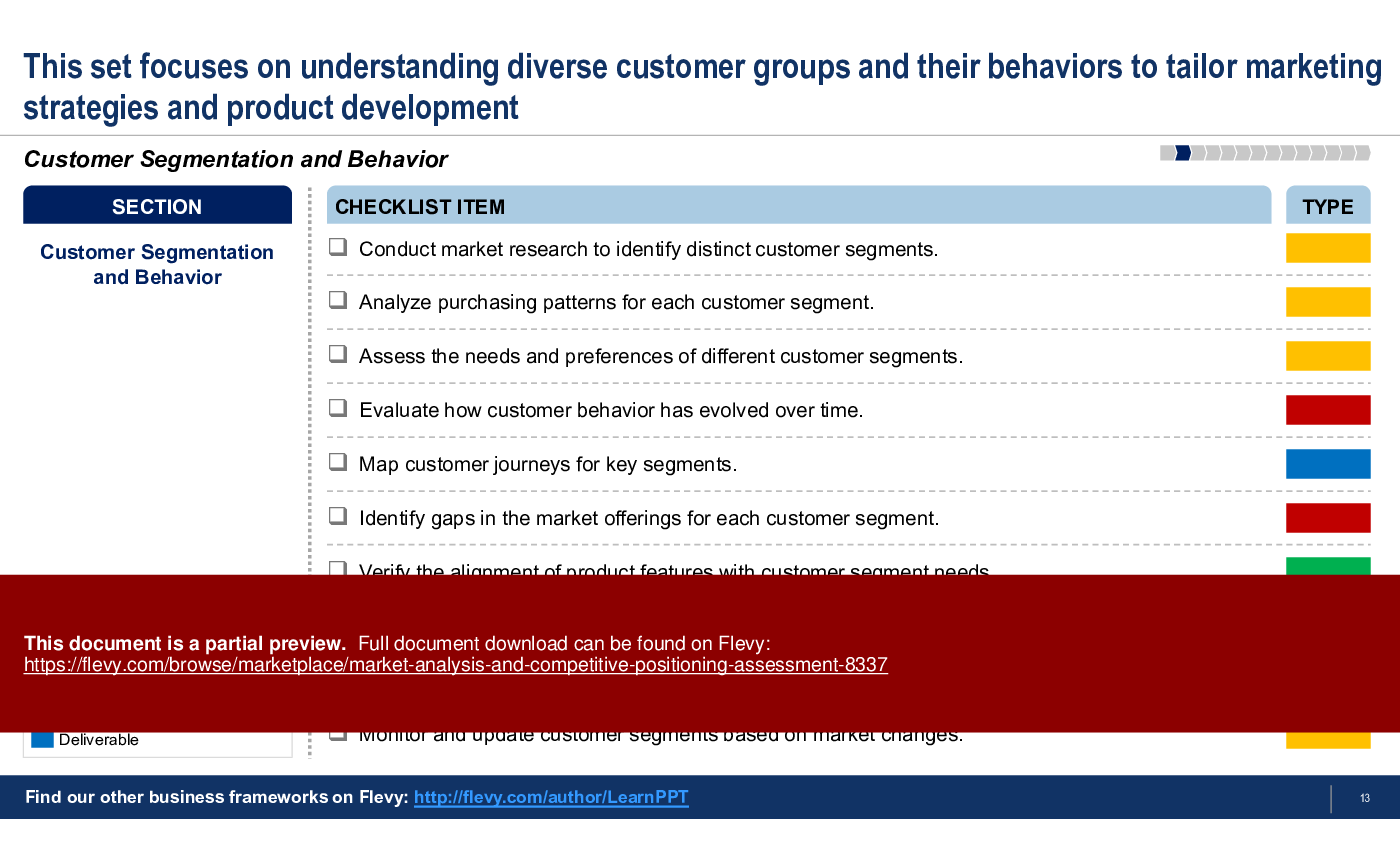
Segment customers by needs, purchase behavior, preferences, and value contribution; map segments to product value propositions and channel usage. Include questions on customer decision criteria and size of each segment. The Customer Segmentation and Behavior category captures these elements for targeted positioning and go-to-market alignment.
What should I look for when buying a market analysis checklist or template?
Prioritize templates that cover market sizing, customer segmentation, competitive analysis, regulatory impact, distribution, and financial health; include clear task types, guiding questions, verification checks, and deliverable definitions. Product pedigree and item count matter—Flevy’s Market Analysis and Competitive Positioning Assessment lists 179 checklist items across 14 categories.
I’m preparing acquisition due diligence—what market assessment components matter most?
Focus on market size and growth to validate revenue potential, competitive landscape to gauge positioning and threats, financial performance to assess sustainability, regulatory environment for deal risk, and strategic fit to determine synergy capture. These concerns map directly to the Market Size and Growth, Competitive Landscape, and Financial Performance categories.
How should I judge the cost versus value of commercially available market assessment templates?
Assess value by coverage breadth (number of topical categories), item granularity (actionable tasks, key questions, verification points, deliverables), author expertise, and file format for reuse. A higher item count and explicit checklist types indicate more detailed guidance; look for templates that document 4 checklist types and substantial item coverage like 179 items.
How can I incorporate ESG into my competitive positioning review?
Treat ESG as a distinct analytical stream: evaluate environmental risks, social impact, governance policies, regulatory exposure, and stakeholder expectations alongside brand perception and financial implications. Integrate ESG findings into strategic fit and risk assessments; the Market Analysis and Competitive Positioning Assessment explicitly includes an ESG Factors category.
How is a SWOT used within market analysis checklists?
A SWOT organizes internal Strengths and Weaknesses alongside external Opportunities and Threats to align strategy decisions; checklists often include Verification Points to ensure SWOT coverage across business units and market dimensions. Use SWOT outputs to inform value proposition and strategic fit, with verification of comprehensive SWOT coverage.
This PPT slide template outlines a checklist for evaluating market size and growth, essential for strategic decision-making. Key items include estimating current market size, analyzing historical growth rates, and forecasting future growth to align strategies with market trends. Identifying factors driving market growth helps organizations pinpoint opportunities and threats. Assessing product scalability is vital for understanding expansion potential. Evaluating market saturation and new entrants provides insight into competitive pressures. Verifying growth forecasts against reliable data sources ensures strategic decisions are valid. The checklist also emphasizes developing market growth scenarios and mapping potential expansion opportunities, creating robust strategic plans adaptable to market conditions.
This PPT slide template outlines a structured assessment framework for market analysis and positioning, categorized into 14 areas with 179 specific items. Key categories include "Market Trends and Technological Innovation," which evaluates current and emerging trends to identify opportunities and threats; "Customer Segmentation and Behavior," focusing on distinct customer groups and their buying behaviors; "Market Size and Growth," assessing market potential and growth drivers; "Regulatory Environment," analyzing regulations and their impact on compliance and opportunities; "Competitive Landscape," examining competitors' market share and strategies; and "Strengths and Weaknesses (Internal Analysis)," identifying internal capabilities for operational effectiveness. This comprehensive framework aids executives in understanding market dynamics and informing strategic decisions.
This PPT slide template outlines key categories for market analysis and positioning assessment. "Strategic Fit and Alignment" evaluates how a company's strategy aligns with market opportunities and competitive realities, identifying gaps for strategic adjustments. "Distribution Channels and Supply Chain Analysis" reviews the efficiency of distribution networks, highlighting vulnerabilities and optimization opportunities that impact operational effectiveness. "Financial Performance and Health" assesses a company's financial stability and investment capacity, essential for strategic flexibility. "International Markets and Globalization Impact" identifies opportunities for international expansion and threats from foreign competition. "Stakeholder Analysis" focuses on key stakeholders' needs, ensuring strategic planning encompasses suppliers, partners, regulators, and employees. "Brand Perception and Equity" investigates brand strength in the market compared to competitors. Lastly, "Environmental, Social, and Governance (ESG) Factors" examines approaches to sustainability, assessing risks and opportunities in today's business environment. Each category is vital for a comprehensive strategic assessment.
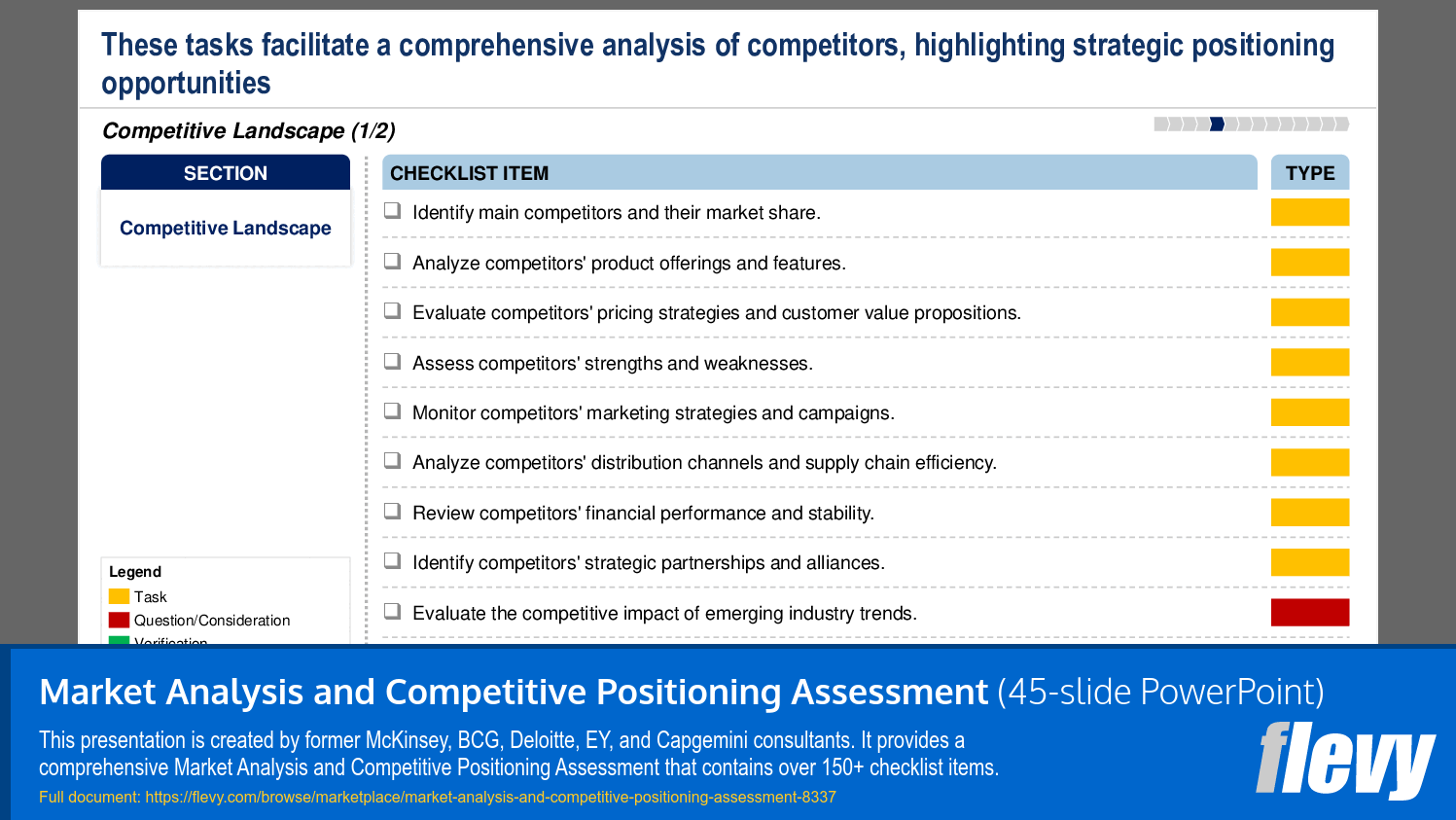
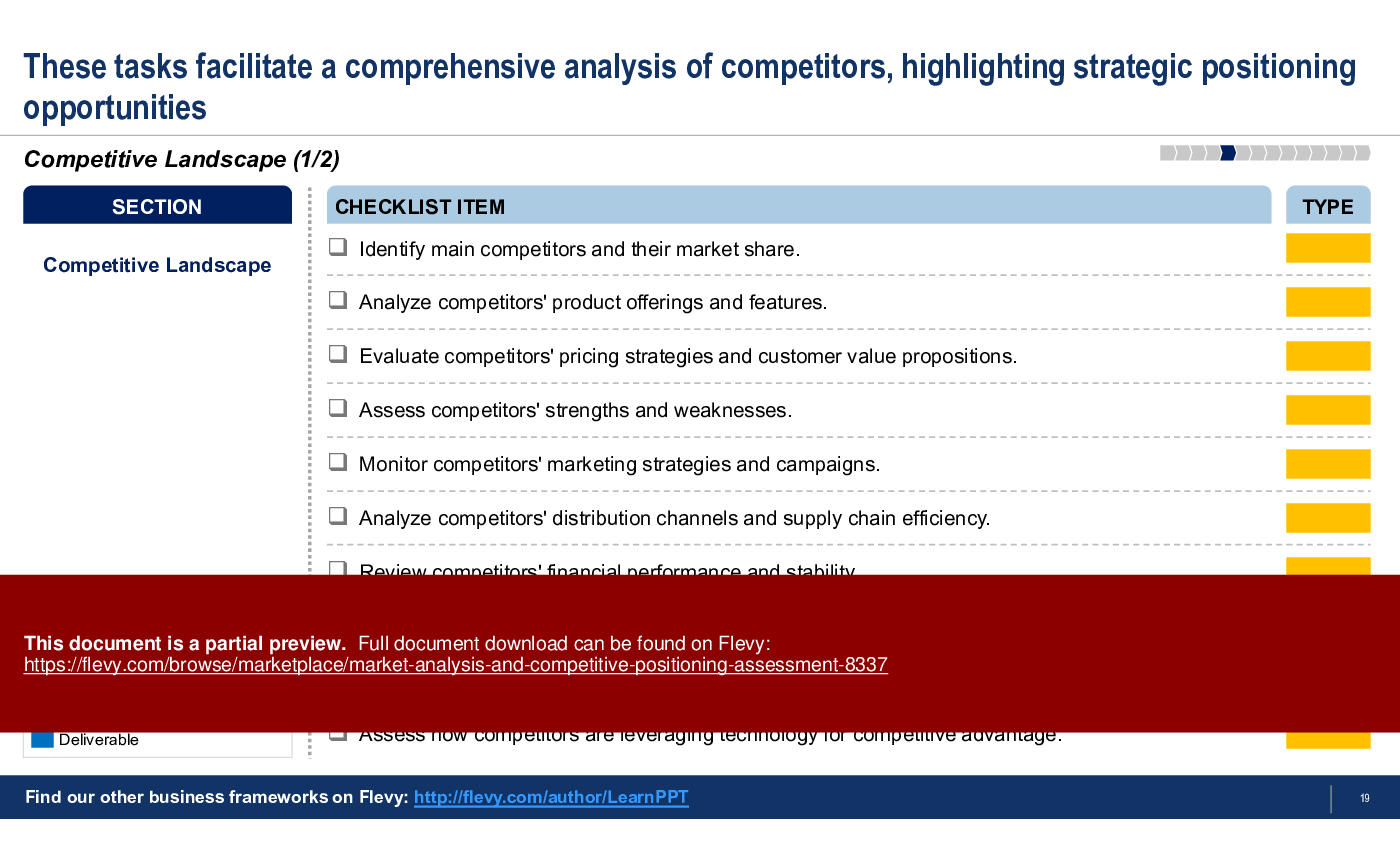
This PPT slide template outlines a structured checklist for conducting a competitive analysis, focusing on the "Competitive Landscape." Key tasks include identifying main competitors and their market share to establish a baseline, analyzing product offerings for differentiation, and evaluating pricing strategies and customer value propositions to inform your own pricing. Assessing strengths and weaknesses reveals competitor vulnerabilities, while monitoring marketing strategies helps understand market positioning. Analyzing distribution channels and supply chain efficiency uncovers operational strengths. Reviewing financial performance indicates long-term viability, and identifying strategic partnerships highlights collaborative efforts that enhance competitive positioning. Evaluating emerging industry trends is essential for anticipating market shifts.
This PPT slide template presents a structured checklist for evaluating distribution channels and supply chain efficiency, focusing on scalability and risk management. Key tasks include mapping the current distribution network, evaluating supply chain partner reliability, and identifying bottlenecks and vulnerabilities for proactive risk management. Assessing scalability is vital for growth planning, while analyzing cost-effectiveness directly impacts profitability. External factors affecting supply chain stability, such as environmental and market conditions, must be considered in strategic planning. The role of technology in supply chain management is emphasized, as leveraging modern tools can enhance efficiency. Opportunities for optimizing logistics and distribution can improve operational performance, and assessing environmental sustainability reflects corporate responsibility and regulatory compliance.
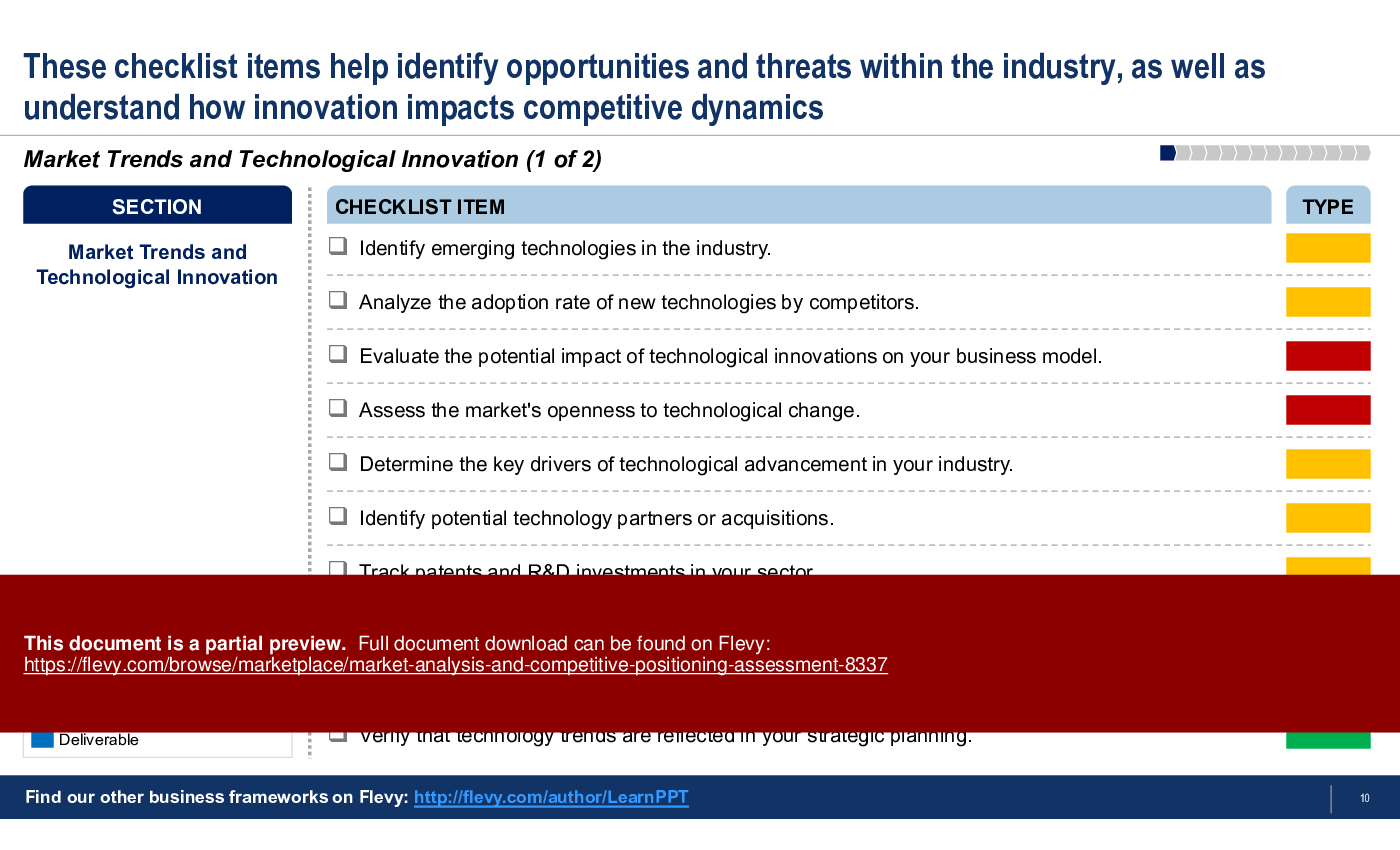
This PPT slide template presents a checklist for navigating market trends and technological innovations. Key tasks include identifying emerging technologies to maintain competitiveness and analyzing competitors' adoption rates to understand market dynamics. Evaluating the impact of technological innovations on business models reveals opportunities and risks. Organizations must assess market receptiveness to technological change and identify drivers of advancement to align strategies with industry trends. Highlighting potential technology partners and acquisition targets emphasizes the importance of collaboration in innovation. Tracking patents and R&D investments can provide a competitive edge, while customer feedback on technology adoption offers insights into market expectations. Finally, evaluating the costs and benefits of adopting new technologies is essential for informed decision-making aligned with strategic goals.
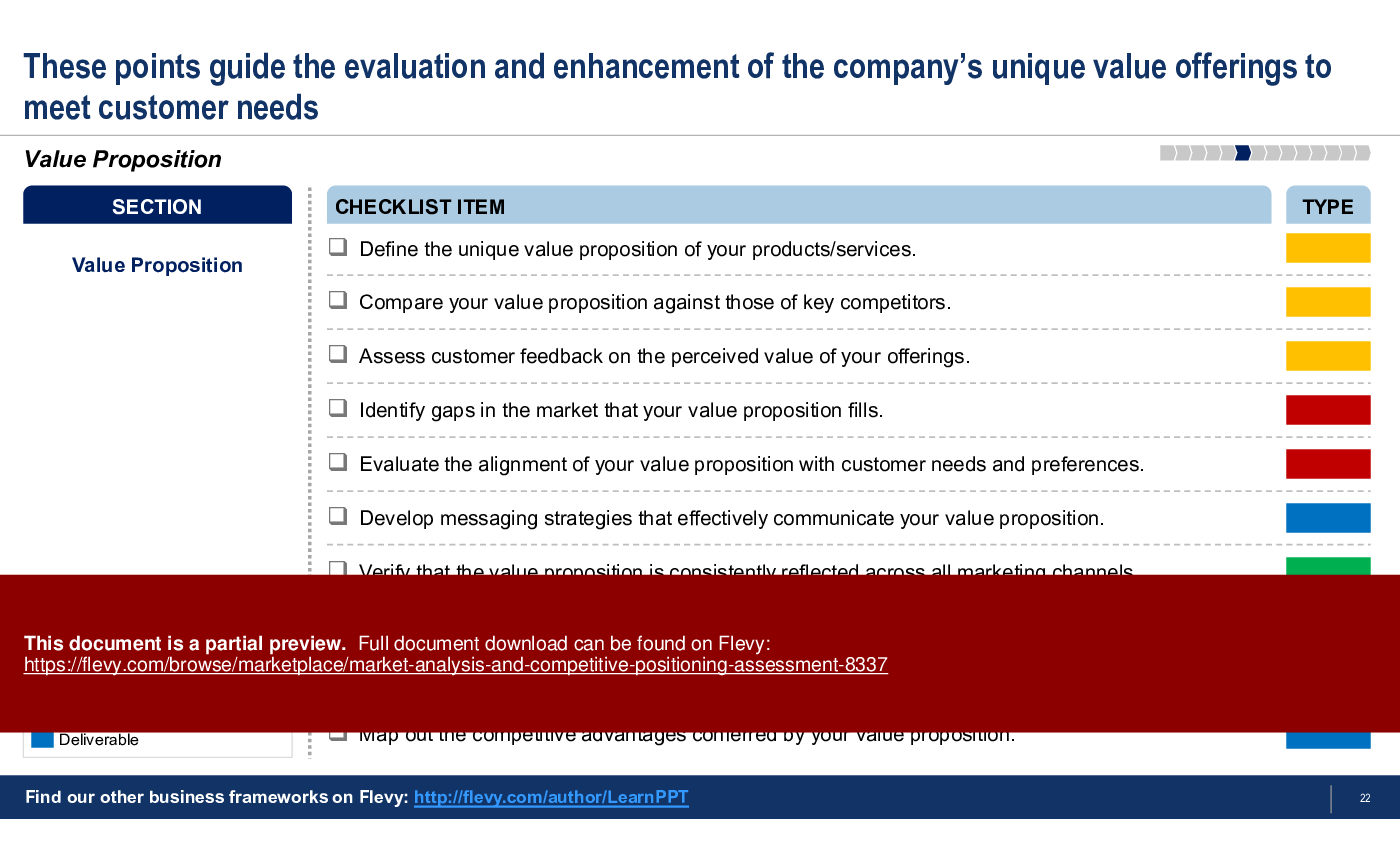
This PPT slide template provides an overview of Market Analysis and Competitive Positioning Assessment, essential for strategic planning. It emphasizes the assessment's multifaceted approach, exploring market trends, customer behaviors, and the competitive landscape. Key focus areas include market size, growth potential, and customer segmentation, enabling businesses to identify untapped opportunities and improvement areas. External influences such as technological trends, regulatory environments, and financial health are also examined. The assessment components are categorized into 4 types: Task, Question/Consideration, Verification, and Deliverable, each guiding the strategic planning process. Benefits include a detailed understanding of market dynamics, identification of strategic improvement areas, and alignment of business strategies with market trends, supporting sustainable growth through risk identification in today's ESG-focused environment.
Source: Best Practices in Strategic Planning, Market Research, Positioning PowerPoint Slides: Market Analysis and Competitive Positioning Assessment PowerPoint (PPTX) Presentation Slide Deck, LearnPPT Consulting
This presentation is created by former McKinsey, BCG, Deloitte, EY, and Capgemini consultants. It provides a comprehensive Market Analysis and Competitive Positioning Assessment that contains over 150+ checklist items.
We are a team of management consultants trained by top tier global consulting firms (including McKinsey, BCG, Deloitte, EY, Capgemini) with a collective experience of several decades. We specialize in business frameworks based on real-life consulting engagements.
We have served 100s of clients that range from Fortune 500 companies to tech startups to
... [read more] $1B+ private companies.
Utilize our consulting frameworks to apply structured thinking & analysis to address your business challenges, uncover strategic insights, and implement workable solutions. Our PowerPoint presentations follow traditional consulting slide design formats, starting with a clear slide headline. Easily customize and repurpose our slides for your own business presentations.
Beyond business frameworks & methodologies, we also offer PowerPoint templates and other business templates. Our templates are professionally designed and have been used in thousands of deliverables & work products across hundreds of clients.
The average daily rate of a McKinsey consultant is $6,625 (not including expenses). The average price of a Flevy document is $65.
Trusted by over 10,000+ Client Organizations
Since 2012, we have provided business templates to over 10,000 businesses and organizations of all sizes, from startups and small businesses to the Fortune 100, in over 130 countries.
"Flevy.com has proven to be an invaluable resource library to our Independent Management Consultancy, supporting and enabling us to better serve our enterprise clients.
The value derived from our [FlevyPro] subscription in terms of the business it has helped to gain far exceeds the investment made, making a subscription a no-brainer for any growing consultancy – or in-house strategy team."
– Dean Carlton, Chief Transformation Officer, Global Village Transformations Pty Ltd.
"As a consulting firm, we had been creating subject matter training materials for our people and found the excellent materials on Flevy, which saved us 100's of hours of re-creating what already exists on the Flevy materials we purchased."
– Michael Evans, Managing Director at Newport LLC
"As a niche strategic consulting firm, Flevy and FlevyPro frameworks and documents are an on-going reference to help us structure our findings and recommendations to our clients as well as improve their clarity, strength, and visual power. For us, it is an invaluable resource to increase our impact and value."
– David Coloma, Consulting Area Manager at Cynertia Consulting
"As a young consulting firm, requests for input from clients vary and it's sometimes impossible to provide expert solutions across a broad spectrum of requirements. That was before I discovered Flevy.com.
Through subscription to this invaluable site of a plethora of topics that are key and crucial to consulting, I
have been able to exceed expectations and deliver quality advice and solutions to my clients. The quality and expertise of the authors are exemplary and gives me great confidence to use as part of my service offerings.
I highly recommend this company for any consultant wanting to apply international best practice standards in their service offerings.
"
– Nishi Singh, Strategist and MD at NSP Consultants
"As a small business owner, the resource material available from FlevyPro has proven to be invaluable. The ability to search for material on demand based our project events and client requirements was great for me and proved very beneficial to my clients. Importantly, being able to easily edit and tailor
the material for specific purposes helped us to make presentations, knowledge sharing, and toolkit development, which formed part of the overall program collateral. While FlevyPro contains resource material that any consultancy, project or delivery firm must have, it is an essential part of a small firm or independent consultant's toolbox.
"
– Michael Duff, Managing Director at Change Strategy (UK)
"I am extremely grateful for the proactiveness and eagerness to help and I would gladly recommend the Flevy team if you are looking for data and toolkits to help you work through business solutions."
– Trevor Booth, Partner, Fast Forward Consulting
"Flevy is our 'go to' resource for management material, at an affordable cost. The Flevy library is comprehensive and the content deep, and typically provides a great foundation for us to further develop and tailor our own service offer."
– Chris McCann, Founder at Resilient.World
"FlevyPro provides business frameworks from many of the global giants in management consulting that allow you to provide best in class solutions for your clients."
– David Harris, Managing Director at Futures Strategy
Download our free compilation of 50+ Strategy & Transformation slides and templates. Frameworks include McKinsey 7-S, Balanced Scorecard, Disruptive Innovation, BCG Curve, and many more.

 Click main image to view in full screen. Unlock all 10 preview images: