Editor's Note: Take a look at our featured best practice, Cloud Strategy Template (42-page Word document). This document provides both an outline of the various sections you should include in a document which describes your organisations cloud strategy and extensive example content.
The example content is drawn from a real world example cloud strategy for a mid to large organisation who have invested [read more]
* * * *
There are lots of ways to meet the data storage needs of your business, but some will be a better fit for your organization than others.
To help you decide, here is a rundown of the options to consider and the aspects of each which will make them worth picking.
 Local storage
If you run a smaller firm, having a local storage solution may be the most cost-effective option. A good combination of flexibility and accessibility is offered by an on-site NAS (network-attached storage) device, which can be configured with as much space as you need and will let you share files between different workstations and accessories speedily.
Of course if you are handling sensitive data in house, you will need to take security seriously and appreciate that a NAS or other in-house storage setup will have innate limitations, not just in terms of space but also connectivity, processing power and expandability.
Cloud storage
In the past decade the explosion of cloud computing services has give businesses of all sizes a new way to handle their IT needs without having to buy and maintain costly hardware themselves.
Cloud storage services are widely used by commercial and domestic customers alike, benefitting from exceptional scalability and proving to be very cost effective. From simple file storage to running an entire SQL database remotely, the cloud can be adapted to accommodate whatever requirements you might have. You can even track SQL server performance counters and make optimizations if you want to manage major aspects of your storage, or leave the tinkering to the provider.
Hybrid storage
Many businesses find it convenient to combine a blend of on-site and cloud-powered storage in order to ensure that they have suitable access to the data resources they need to operate.
In a perfect configuration, a hybrid solution will be entirely seamless from the perspective of end-users, even if behind the scenes there is a lot of wrangling going on to make sure that data is juggled effectively between local and remote hardware.
Hybrid storage is especially effective as a form of disaster recovery planning, since it can be used to automate data backup and prevent costly data loss.
Another perk of this type of data storage is that it allows for a greater degree of agility. It may be sensible to keep data which is regularly accessed on local storage, while making use of the cloud to store files that are only needed on occasion. This allows for superior performance and also makes storage costs more manageable.
Portable storage
While a lot of data storage is handled on fixed hardware, plenty of businesses still rely on portable storage of one kind or another.
From small and convenient memory sticks to high capacity external hard drives, such accessories could help with inter-office file transfers if network speeds are low, while also providing another backup option to account for serious, unforeseen hardware dilemmas.
One thing to remember when rolling out portable storage is that data loss can also arise from unprotected devices entering circulation, so take steps to prevent your firm falling victim to this all too common type of mishap.
Choosing a solution
You should always plan carefully before adopting a data storage solution for your business, because rushing this process could come back to bite you.
Always work closely with members of your IT team, or consult with an expert advisor, to make sure that the path you take is sensible not just for your needs today, but also takes into account how they might change in the future.
Excel workbook
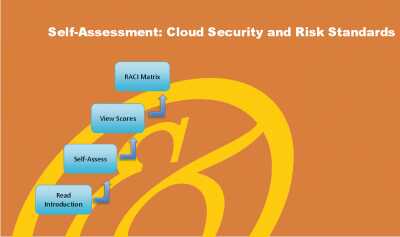
This Cloud Security and Risk Standards Self Assessment helps you diagnose and address the following issues and questions:
IDS/IPS traffic pattern analysis can often detect or block attacks such as a denial-of-service attack or a network scan. However, in some cases this is legitimate traffic
[read more]
Do You Want to Implement Business Best Practices?
You can download in-depth presentations on Cloud and 100s of management topics from the FlevyPro Library. FlevyPro is trusted and utilized by 1000s of management consultants and corporate executives.
For even more best practices available on Flevy, have a look at our top 100 lists:
These best practices are of the same as those leveraged by top-tier management consulting firms, like McKinsey, BCG, Bain, and Accenture. Improve the growth and efficiency of your organization by utilizing these best practice frameworks, templates, and tools. Most were developed by seasoned executives and consultants with over 20+ years of experience.
Readers of This Article Are Interested in These Resources
Excel workbook
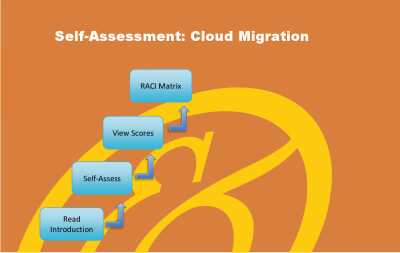
The Cloud Migration Self-Assessment will make you a Cloud Migration domain expert by:
1. Reducing the effort in the Cloud Migration work to be done to get problems solved
2. Ensuring that plans of action include every Cloud Migration task and that every Cloud Migration outcome is in place
3.
[read more]
Excel workbook
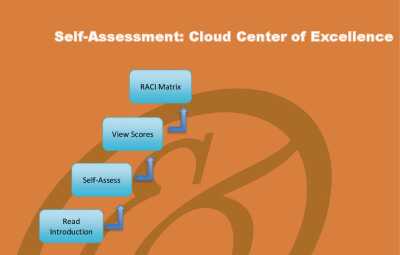
Save time, empower your teams and effectively upgrade your processes with access to this practical Cloud Center of Excellence Toolkit and guide. Address common challenges with best-practice templates, step-by-step work plans and maturity diagnostics for any Cloud Center of Excellence related
[read more]
170-page PDF document
The "Deliver Business Value with IT" series provides a good overview and actionable material of the ways a CIO can provide valuable and effective support to your company strategy and leverages business model concepts to deliver business value from IT. Martin Palmgren propose an extremely solid
[read more]
236-slide PowerPoint presentation
Unlocking the Future: The Ultimate Cloud Computing Toolkit for Success
Welcome to the world of Cloud Computing, where innovation, efficiency, and scalability converge to redefine the way businesses operate. If you're ready to harness the power of the cloud and revolutionize your organization's
[read more]