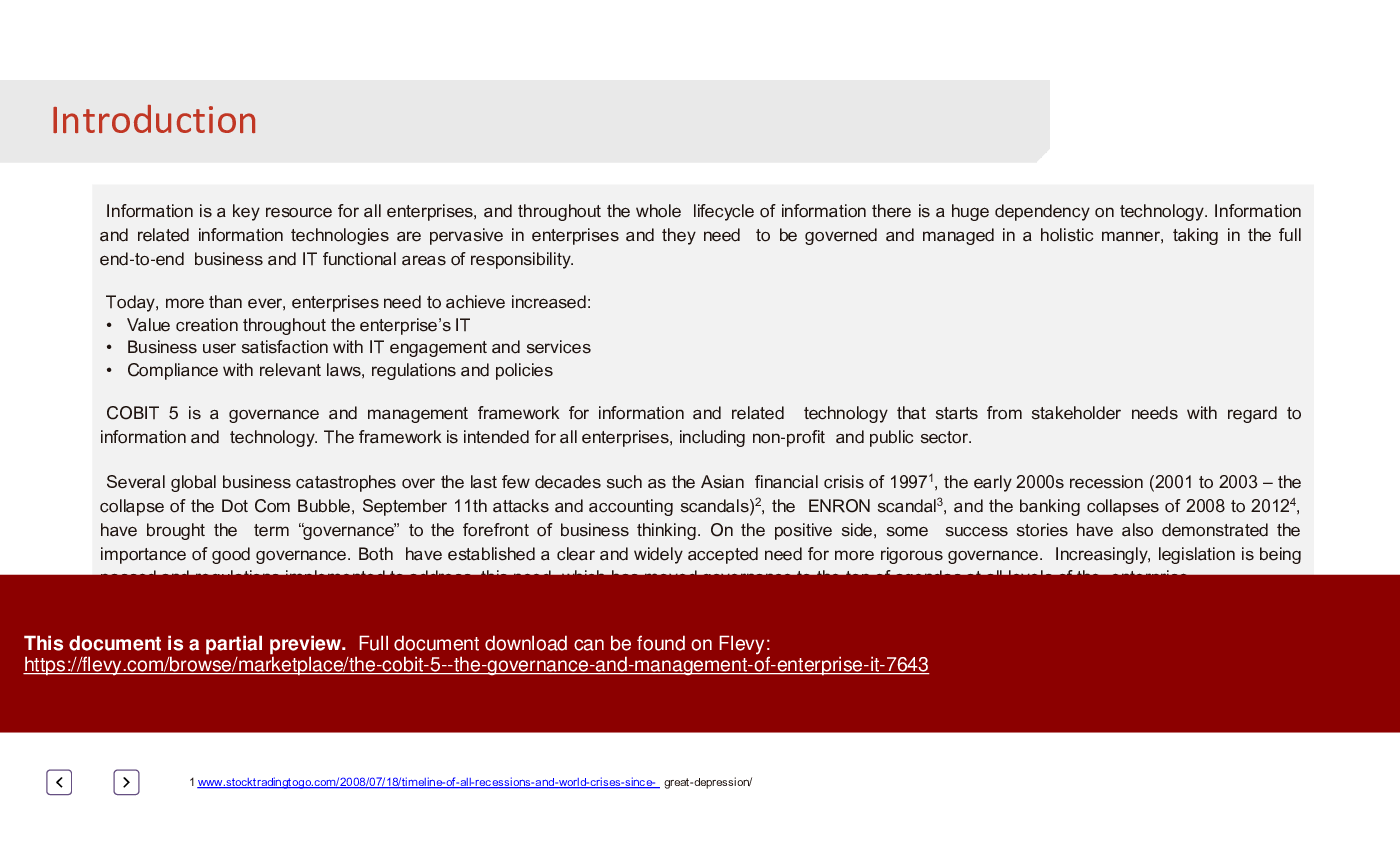
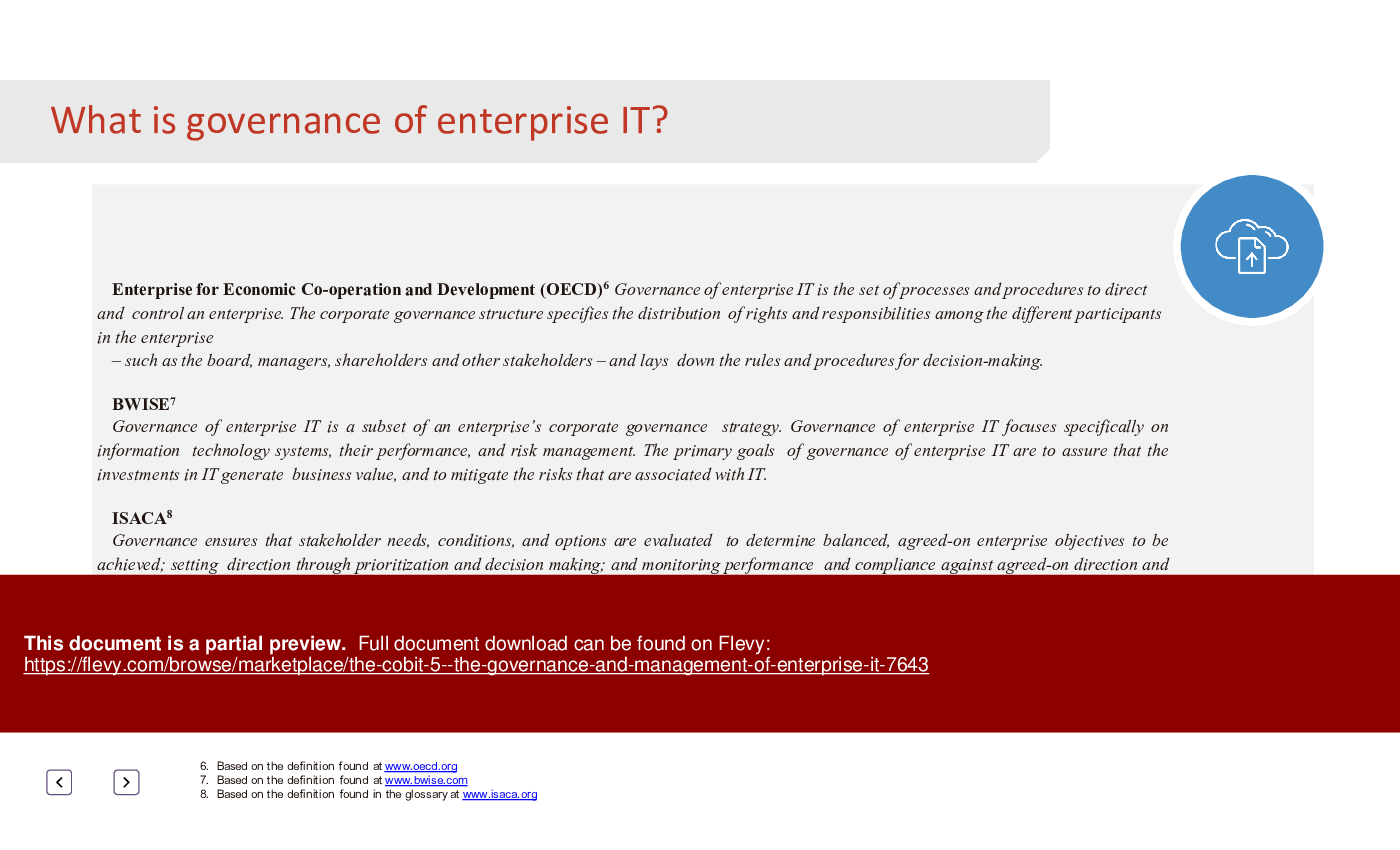
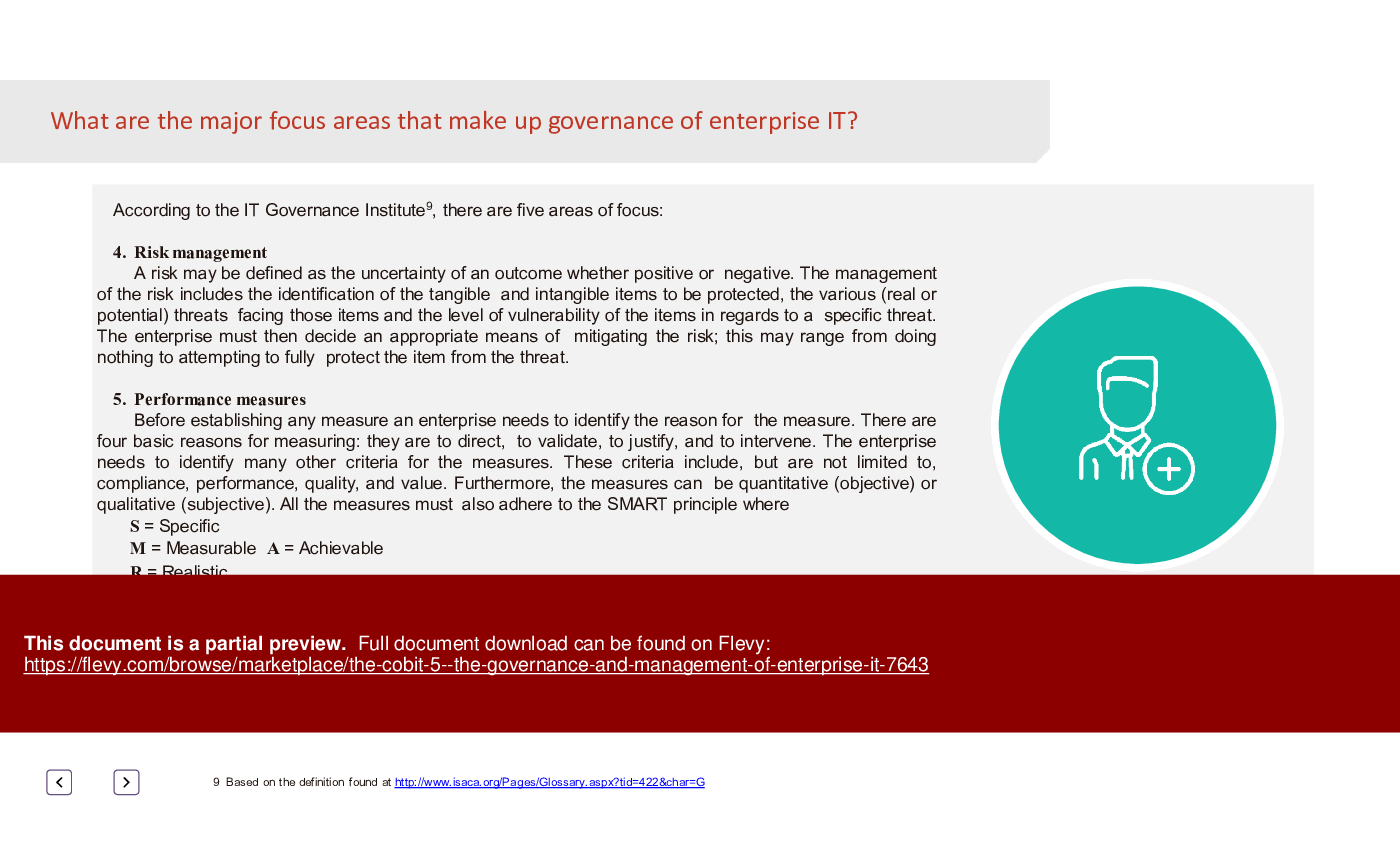
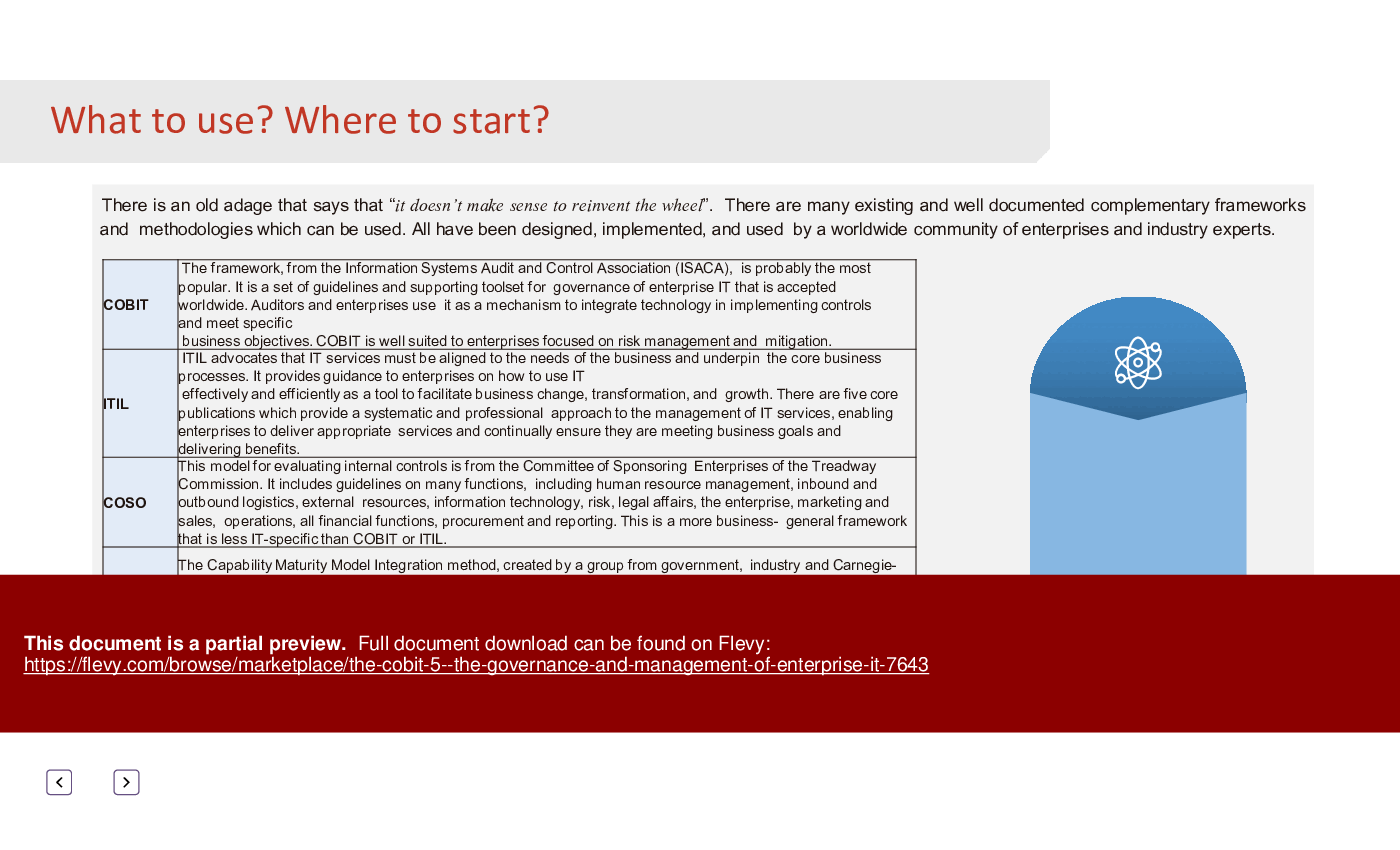

This presentation serves as a comprehensive and illuminating guide for individuals and organizations seeking to gain a profound understanding of COBIT 5, an acclaimed framework for governance and management of enterprise IT. By meticulously elucidating its objectives, scope, and architectural nuances, this resource equips a wide spectrum of stakeholders with the knowledge required to grasp the full spectrum of COBIT 5's capabilities.
This 87-slide multifaceted presentation transcends mere theoretical discourse, offering practical insights into how COBIT 5 effectively caters to the intricate needs of IT governance and management. By unraveling its inner workings, it empowers stakeholders to appreciate the profound impact that COBIT 5 can have on enhancing operational efficiency and strategic decision-making within their organizations.
Beyond elucidating the theoretical underpinnings, this presentation is structured to facilitate the seamless application of COBIT 5 in real-world scenarios. It accomplishes this through a dedicated section that provides invaluable implementation guidance, ensuring that the principles and concepts of COBIT 5 can be effectively translated into tangible actions.
Furthermore, this presentation is thoughtfully divided into discrete sections, each serving as a gateway to a deeper understanding of COBIT 5:
1. Introduction and Executive Summary: This section serves as a compass, offering a navigational overview of the entire presentation while summarizing the key insights.
2. The COBIT 5 Principles: Here, the foundational principles of COBIT 5 are expounded upon, enlightening the audience about the bedrock on which this framework stands.
3. Implementation Guidance: This segment goes beyond theory, providing actionable advice and recommendations for the practical deployment of COBIT 5 within organizations. It aims to bridge the gap between theory and practice, ensuring that the transformative potential of COBIT 5 is harnessed effectively.
4. The COBIT 5 Process Capability Model: In the final section, the intricate workings of the Process Capability Model within COBIT 5 are unveiled. This model, a core component of the framework, is dissected to offer a comprehensive understanding of its structure, operation, and implications.
In essence, this presentation serves as an indispensable resource for those embarking on their COBIT 5 journey, offering a roadmap to harness the power of this framework for the betterment of enterprise IT governance and management.
Got a question about the product? Email us at support@flevy.com or ask the author directly by using the "Ask the Author a Question" form. If you cannot view the preview above this document description, go here to view the large preview instead.
Executive Summary
COBIT 5 is a comprehensive framework designed for the governance and management of enterprise IT. It addresses the critical need for organizations to optimize their IT investments while managing risks effectively. This presentation provides an in-depth exploration of COBIT 5, detailing its principles, implementation guidance, and process capability model. By leveraging COBIT 5, enterprises can align IT with business goals, enhance stakeholder value, and ensure compliance with relevant regulations. This framework is suitable for organizations of all sizes, aiming to achieve operational excellence through effective IT governance.
Who This Is For and When to Use
• IT Governance Leaders responsible for aligning IT strategy with business objectives
• Compliance Officers ensuring adherence to laws and regulations
• Risk Management Professionals focused on mitigating IT-related risks
• Executive Management seeking to optimize IT investments and performance
• Consultants advising organizations on IT governance frameworks
Best-fit moments to use this deck:
• During strategic planning sessions to align IT and business goals
• When implementing or revising IT governance frameworks
• For training sessions on COBIT 5 principles and practices
• To facilitate discussions on IT risk management and compliance
Learning Objectives
• Define the key principles of COBIT 5 and their relevance to enterprise IT governance
• Build a customized implementation plan for COBIT 5 tailored to specific organizational needs
• Establish a process capability model to assess and improve IT governance practices
• Identify stakeholder needs and translate them into actionable IT-related goals
• Optimize resource allocation and risk management in IT investments
• Create a framework for continuous improvement in IT governance
Table of Contents
• Introduction and Executive Summary (page 1)
• The COBIT 5 Principles (page 3)
• Implementation Guidance (page 10)
• The COBIT 5 Process Capability Model (page 65)
Primary Topics Covered
• COBIT 5 Principles - The framework is built on 5 core principles that guide the governance and management of enterprise IT, ensuring stakeholder needs are met and risks are managed effectively.
• Implementation Guidance - Practical steps for adopting COBIT 5, including recognizing pain points, creating a business case, and managing change effectively.
• Process Capability Model - A structured approach to assess and improve the maturity of IT processes based on ISO/IEC 15504 standards, enabling organizations to achieve desired governance outcomes.
• Stakeholder Engagement - Strategies for identifying and addressing the needs of various stakeholders in the governance process, ensuring alignment with business objectives.
• Risk Management - Techniques for identifying, assessing, and mitigating IT-related risks to protect enterprise value and ensure compliance.
• Continuous Improvement - Frameworks for ongoing assessment and enhancement of IT governance practices to adapt to changing business environments.
Deliverables, Templates, and Tools
• COBIT 5 implementation roadmap template
• Stakeholder needs assessment framework
• IT governance maturity assessment tool
• Risk management framework for IT
• Continuous improvement plan template
• Communication plan for stakeholder engagement
Slide Highlights
• Overview of COBIT 5 principles and their impact on enterprise IT governance
• Visual representation of the COBIT 5 process capability model
• Key steps in the implementation guidance for COBIT 5
• Case studies illustrating successful COBIT 5 adoption
• Framework for aligning IT strategy with business objectives
Potential Workshop Agenda
Introduction to COBIT 5 (60 minutes)
• Overview of COBIT 5 principles
• Discussion on stakeholder needs
Implementation Planning (90 minutes)
• Identifying pain points and trigger events
• Developing a business case for COBIT 5 adoption
Process Capability Assessment (60 minutes)
• Understanding the COBIT 5 process capability model
• Conducting a maturity assessment
Change Management Strategies (60 minutes)
• Creating a communication plan
• Engaging stakeholders throughout the implementation
Customization Guidance
• Tailor the COBIT 5 framework to fit the specific context and culture of the organization
• Adjust the implementation roadmap based on identified pain points and business priorities
• Define specific roles and responsibilities for stakeholders involved in governance
• Create metrics for measuring success aligned with organizational goals
Secondary Topics Covered
• Integration of COBIT 5 with other frameworks such as ITIL and ISO standards
• Best practices for IT governance and management
• The role of technology in enhancing governance processes
• Strategies for effective stakeholder communication and engagement
Topic FAQ
Document FAQ
These are questions addressed within this presentation.
What is COBIT 5?
COBIT 5 is a framework for the governance and management of enterprise IT, designed to help organizations optimize their IT investments while managing risks effectively.
Who should implement COBIT 5?
Organizations of all sizes, including commercial, non-profit, and public sector entities, can benefit from implementing COBIT 5 to enhance their IT governance practices.
How does COBIT 5 support risk management?
COBIT 5 provides guidelines for identifying, assessing, and mitigating IT-related risks, ensuring that organizations maintain acceptable risk levels while achieving their objectives.
What are the key principles of COBIT 5?
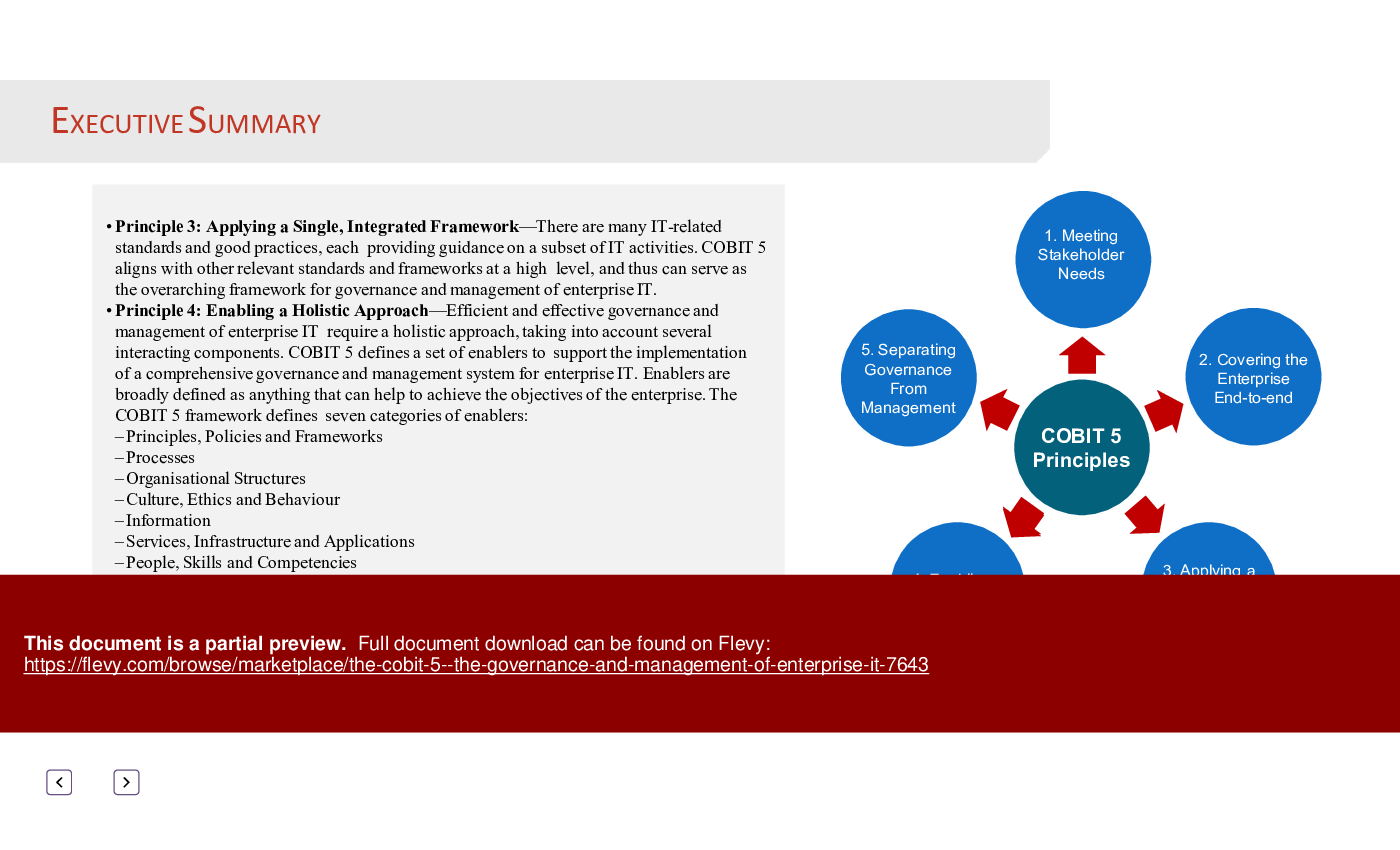
The 5 key principles are: Meeting Stakeholder Needs, Covering the Enterprise End-to-End, Applying a Single Integrated Framework, Enabling a Holistic Approach, and Separating Governance from Management.
How can organizations measure the success of COBIT 5 implementation?
Success can be measured through process capability assessments, stakeholder satisfaction surveys, and alignment of IT performance with business objectives.
Is COBIT 5 compatible with other frameworks?
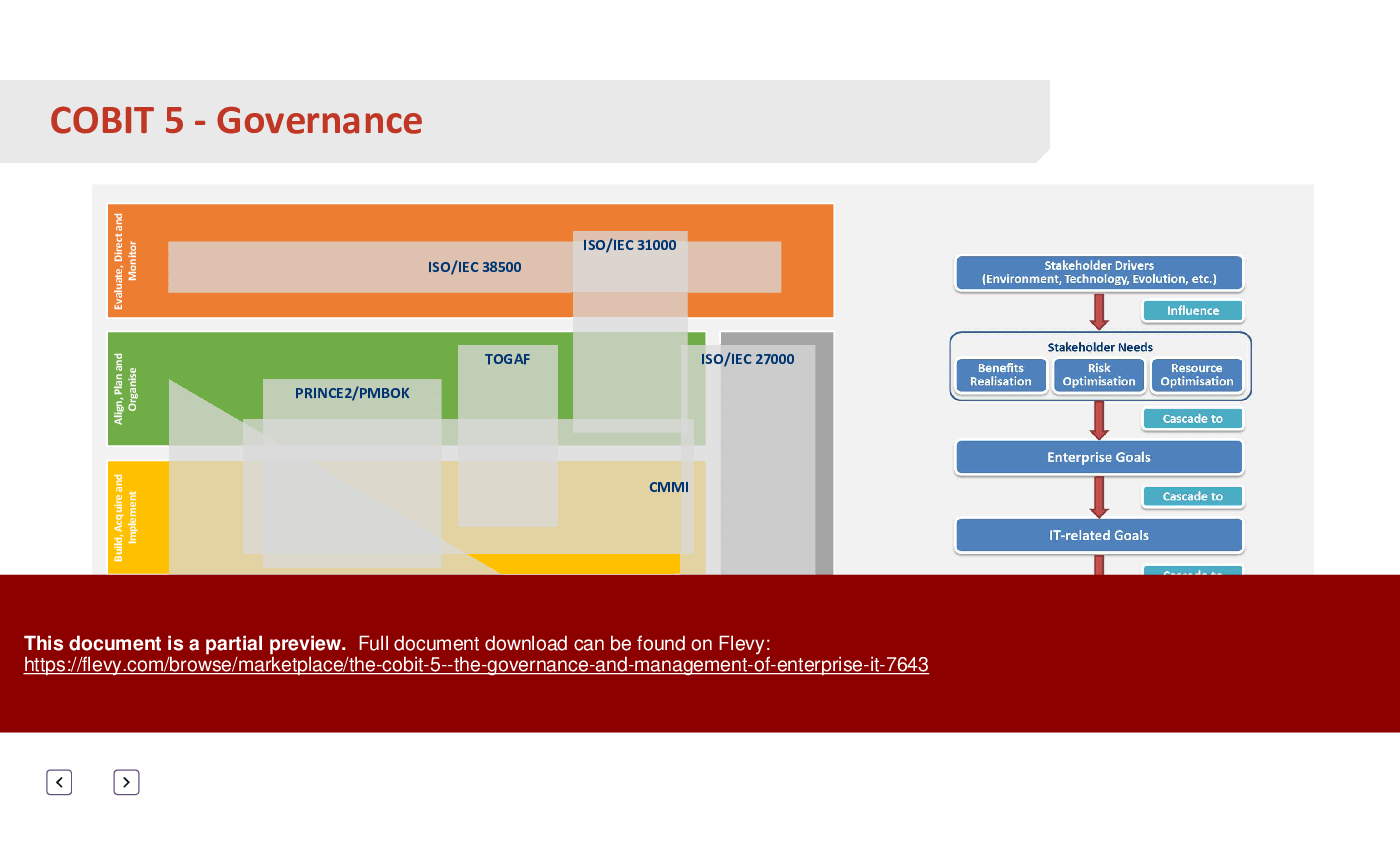
Yes, COBIT 5 is designed to integrate with other frameworks and standards, such as ITIL, ISO, and PMBOK, providing a comprehensive approach to IT governance.
What resources are available for COBIT 5 implementation?
ISACA provides various resources, including implementation guides, assessment tools, and training programs to support organizations in adopting COBIT 5.
How often should organizations reassess their COBIT 5 implementation?
Organizations should conduct regular assessments to ensure that their IT governance practices remain aligned with changing business needs and technological advancements.
Glossary
• COBIT 5 - A framework for the governance and management of enterprise IT.
• Stakeholder - An individual or group with an interest in the governance and management of IT.
• Process Capability Model - A model used to assess the maturity of IT processes based on ISO/IEC standards.
• Risk Management - The identification, assessment, and prioritization of risks followed by coordinated efforts to minimize, monitor, and control the probability of unfortunate events.
• Implementation Roadmap - A strategic plan outlining the steps for adopting and implementing COBIT 5.
• Governance Framework - A structure that outlines how an organization will manage its IT resources and processes.
• Continuous Improvement - Ongoing efforts to improve products, services, or processes over time.
• Business Case - A document that outlines the justification for a proposed project or initiative, including its benefits, costs, and risks.
• Maturity Assessment - An evaluation of the current state of processes to identify areas for improvement.
• Compliance - Adherence to laws, regulations, and organizational policies.
• Enabler - Factors that influence the success of governance and management practices.
• Performance Metrics - Standards used to measure the effectiveness and efficiency of IT processes.
Source: Best Practices in COBIT PowerPoint Slides: COBIT 5 - Governance & Management of Enterprise IT PowerPoint (PPTX) Presentation Slide Deck, RadVector Consulting
|
Download our FREE Digital Transformation Templates
Download our free compilation of 50+ Digital Transformation slides and templates. DX concepts covered include Digital Leadership, Digital Maturity, Digital Value Chain, Customer Experience, Customer Journey, RPA, etc. |










