
Editor Summary
Market Research Method is a 109-slide PowerPoint presentation (PPT) that outlines a methodology to design and conduct market research, reflecting the quality of McKinsey, Bain, or BCG.
Read moreThe deck includes 6 deliverables/templates: market research plan template, questionnaire design template, sample tracking and management tools, data analysis framework, vendor selection checklist, and reporting template. Target users include market researchers, corporate executives, consultants, and product managers. Used for initiating research, product development validation, or stakeholder presentations. Sold as a digital download on Flevy.
This deck is for situations where an organization needs to plan and execute primary market research—such as launching a new product, validating concepts, or updating market strategies based on consumer insights.
Market researchers and analysts designing comprehensive research plans and selecting sampling methods for a study.
Corporate executives interpreting consumer behavior findings to inform go/no-go product decisions and stakeholder briefings.
Consultants advising clients on methodology choice, vendor selection, and study scope for market entry work.
Product managers validating concepts via questionnaires, focus groups, or intercepts to inform product requirements.
The stepwise approach—from reviewing secondary research through questionnaire design and statistical data analysis—follows the structured problem-solving style associated with McKinsey, Bain, and BCG.
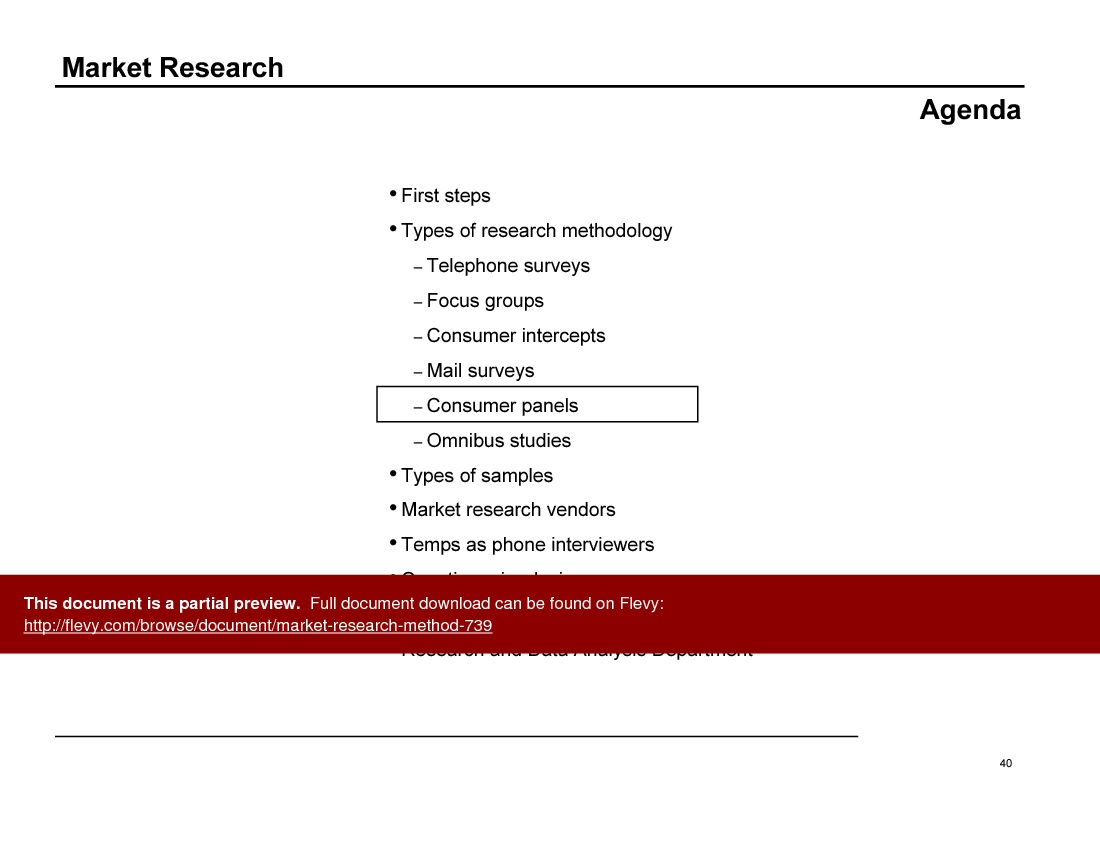
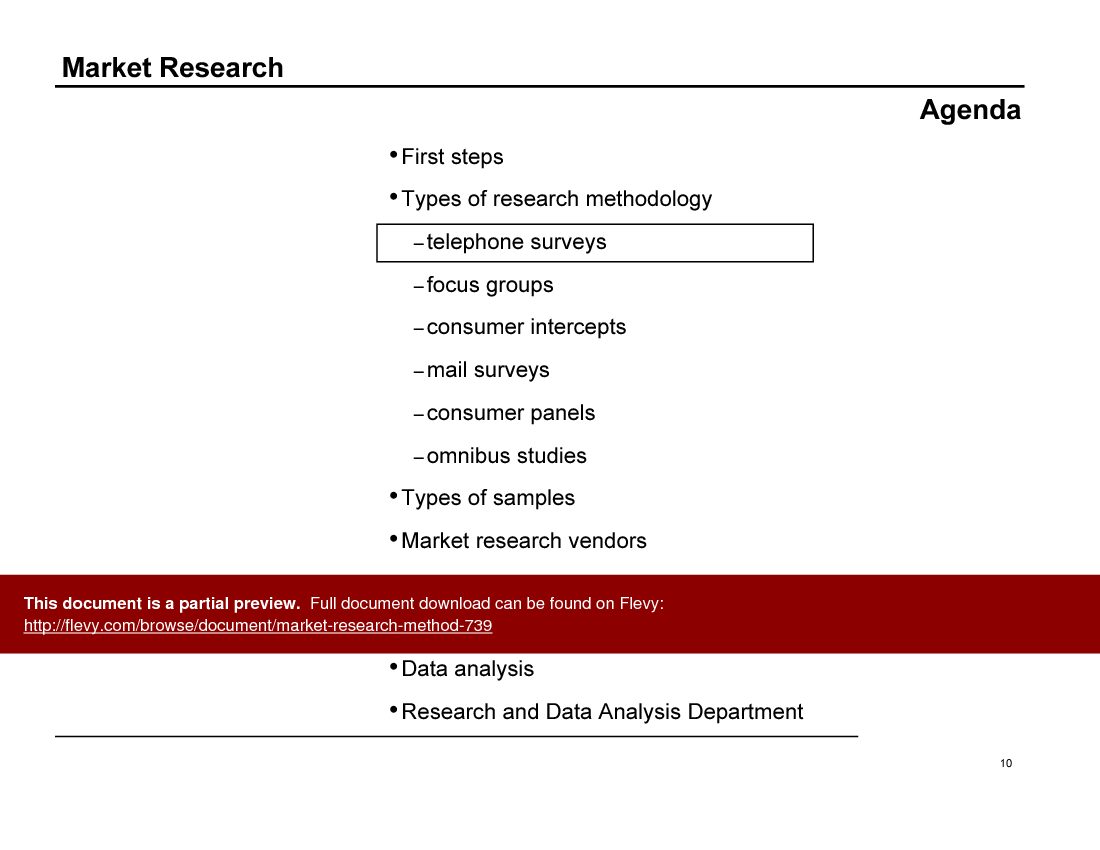
This deck set out a methodology to design and conduct market research. The contents include:
• Overview
• Types Of Research Methodology
• Telephone Surveys
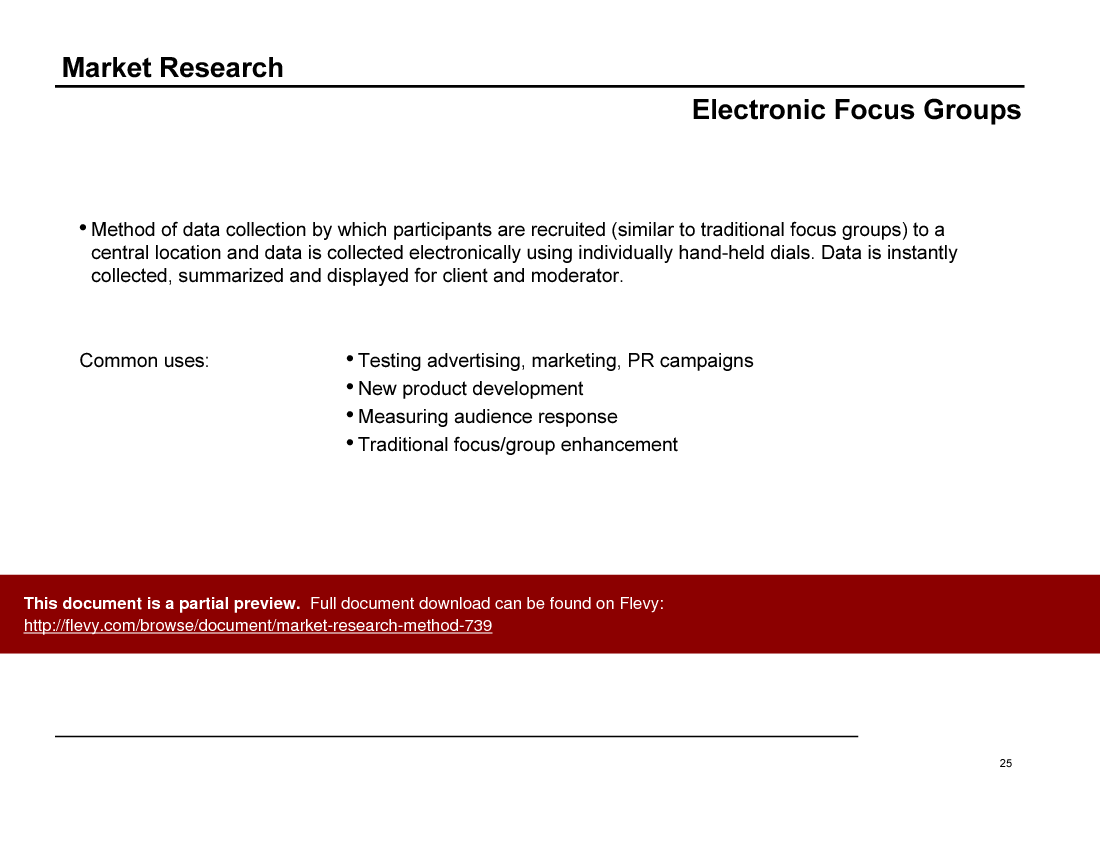
• Focus Groups
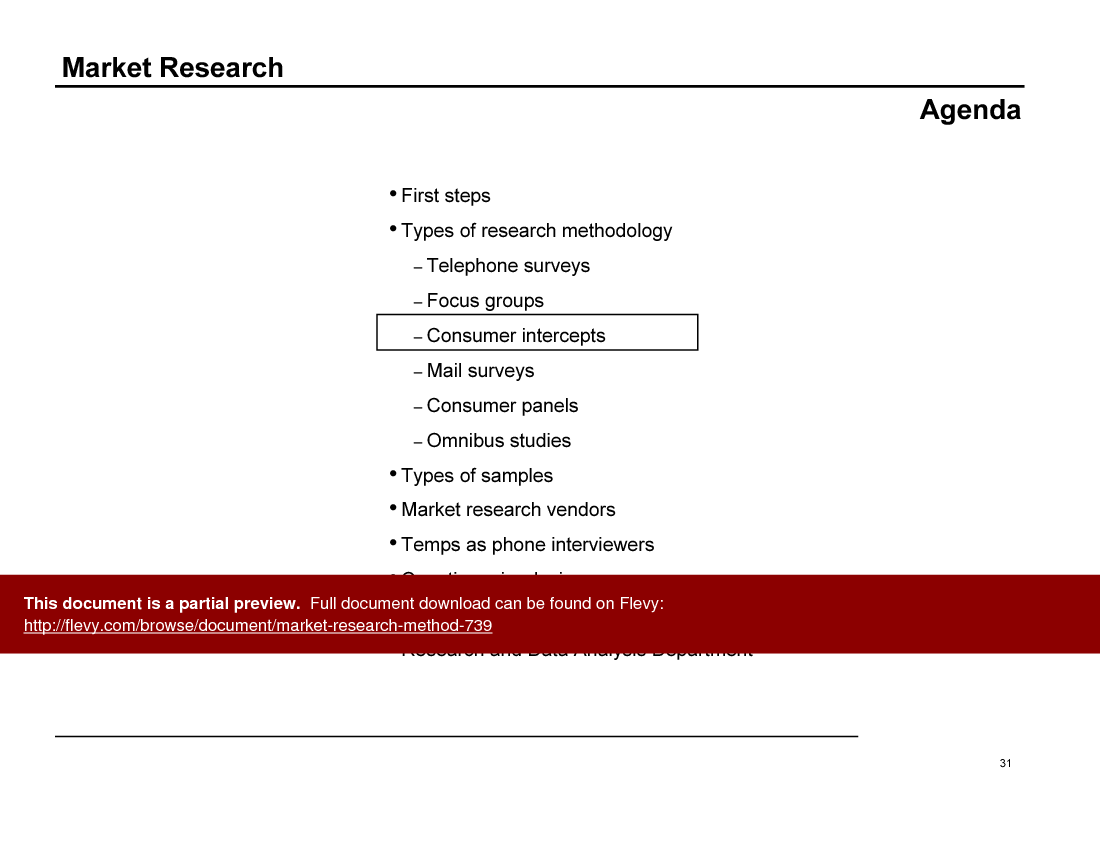
• Consumer Intercepts
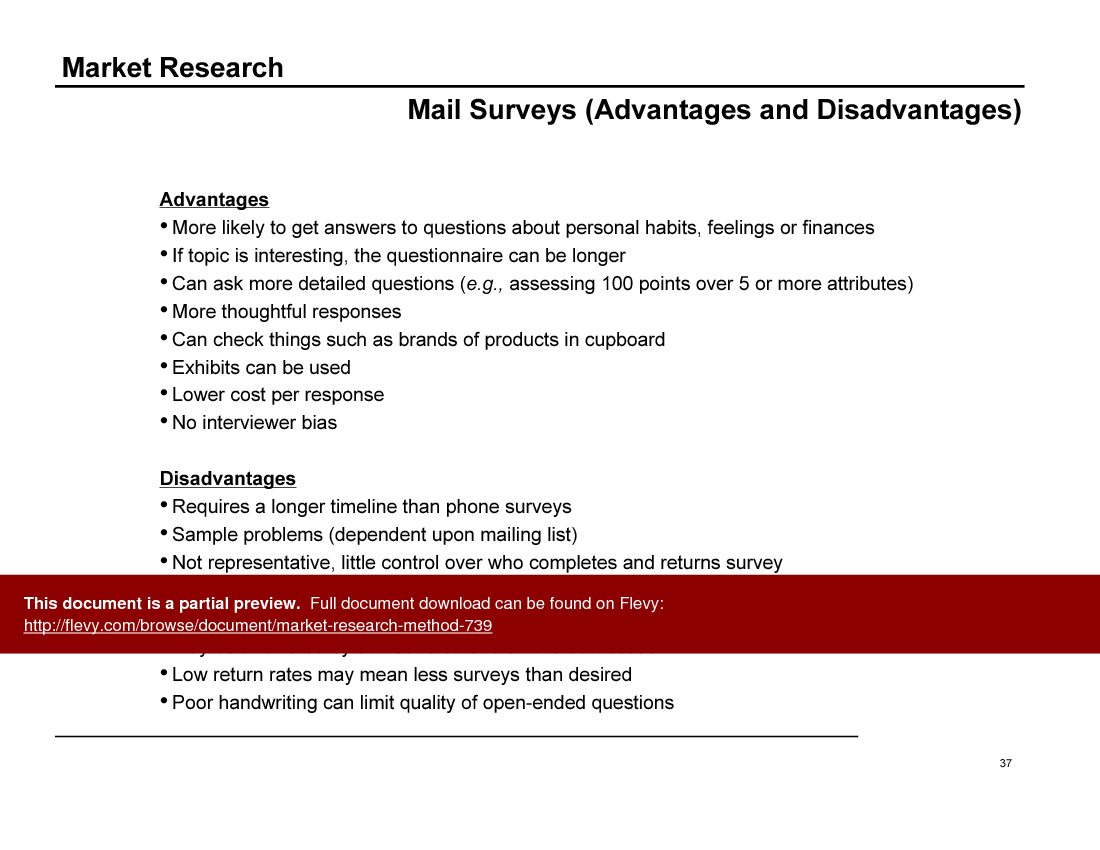
• Mail Surveys
• Consumer Panels
• Omnibus Studies
• Types of Samples
• Market Research Vendors
• Temps As Phone Interviewers
• Questionnaire Design
• Data Analysis
• Research And Data Analysis Department
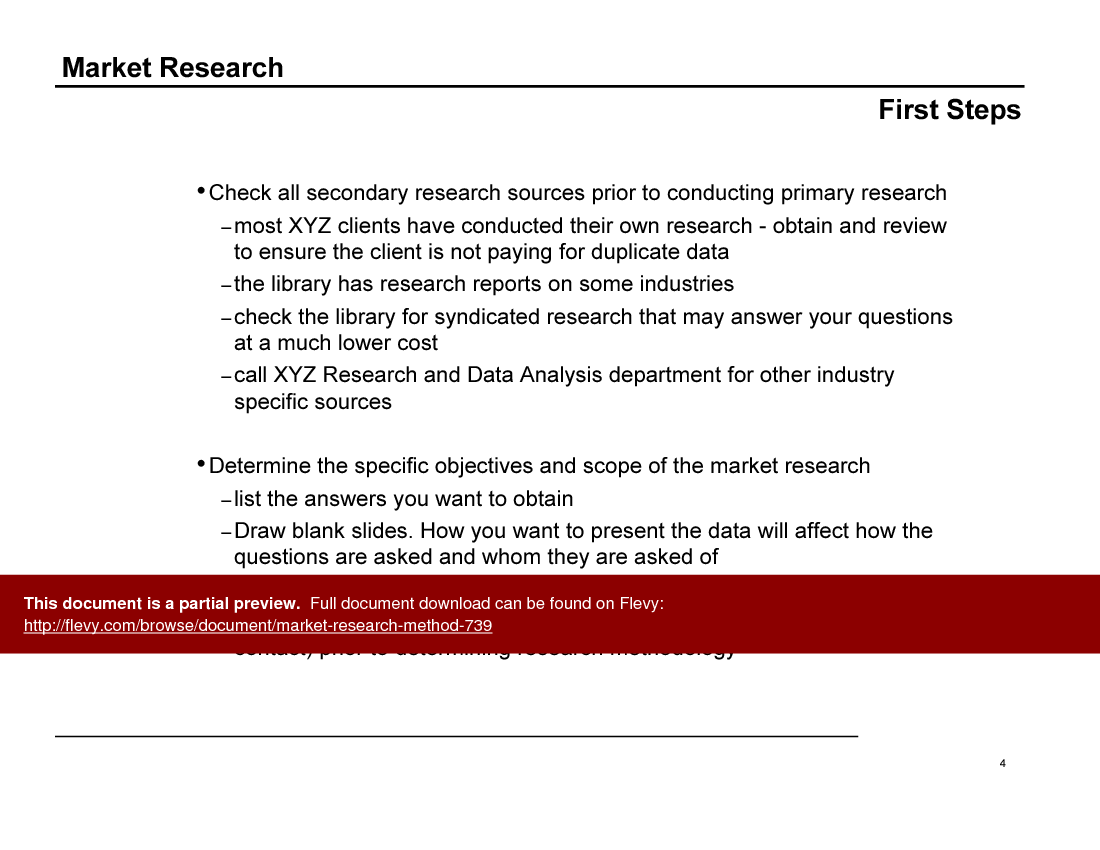
This comprehensive presentation provides a structured approach to market research, starting with the essential first steps. It emphasizes the importance of reviewing all secondary research sources before diving into primary research. This ensures that you avoid duplicating efforts and leverage existing data effectively. The deck also guides you on defining specific objectives and the scope of your research, which is crucial for obtaining relevant and actionable insights.
The document delves into various research methodologies, categorizing them into quantitative, qualitative, and combination methods. Each category is explained with practical examples like telephone surveys, focus groups, and electronic focus groups. This segmentation helps you choose the most appropriate method based on your research goals and the nature of the data you need to collect. The pros and cons of each method are discussed, providing a balanced view to aid in decision-making.
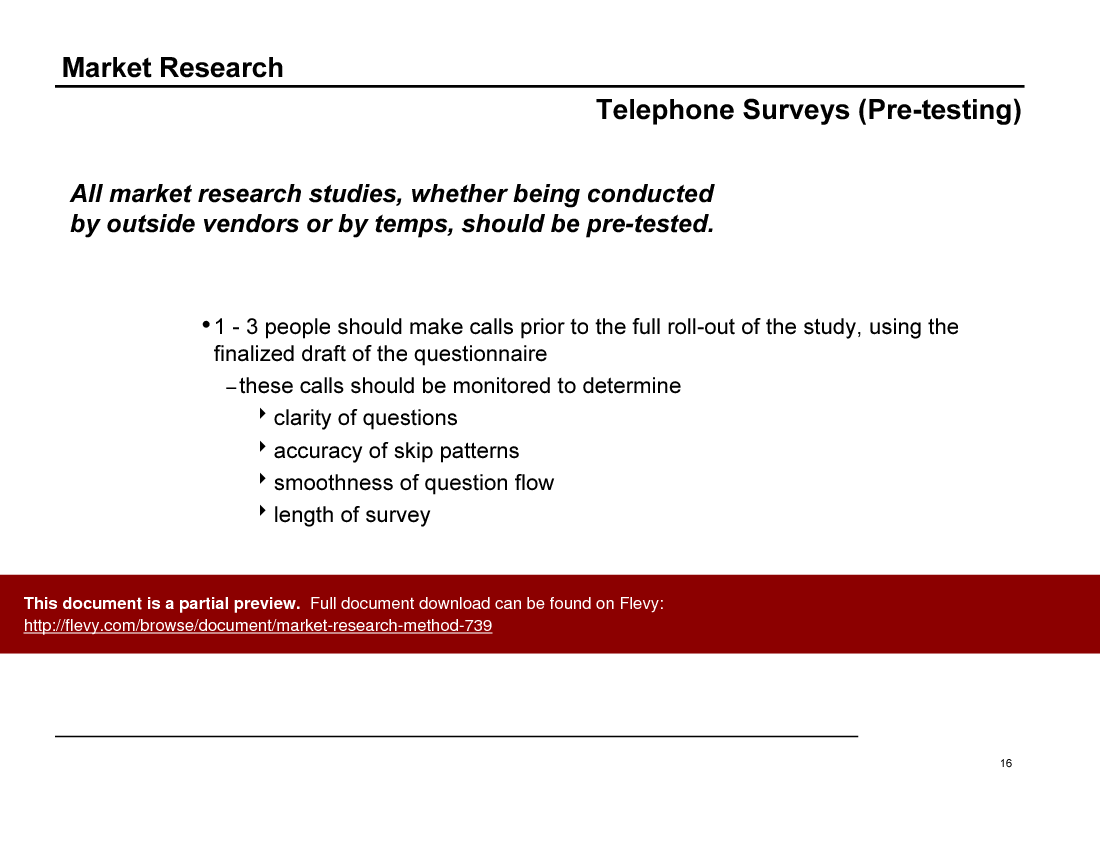
A significant portion of the presentation is dedicated to the intricacies of conducting telephone surveys. It compares in-house versus out-of-house options, highlighting the strengths and weaknesses of using market research vendors, case team members, and temps. The emphasis on pre-testing surveys ensures that the final rollout is smooth and effective. This section also covers the operational aspects, such as managing and training temps, ensuring quality control, and handling data entry and tabulation.
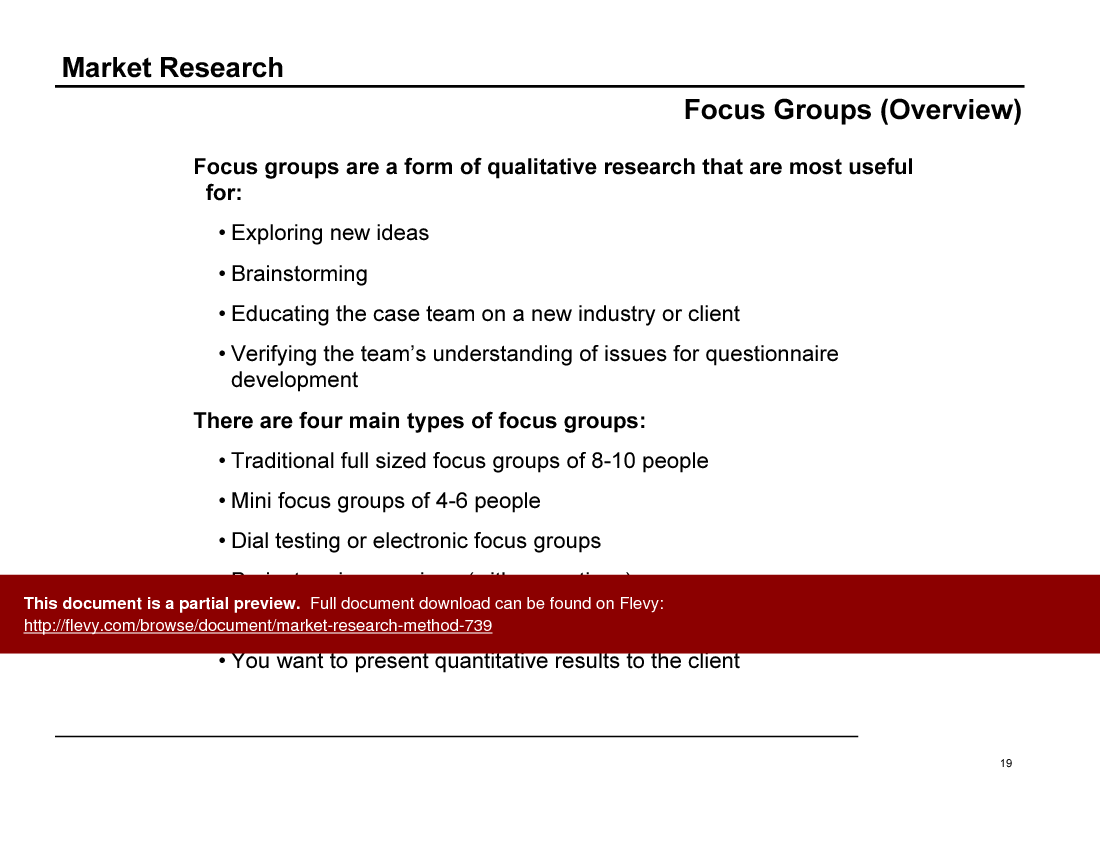
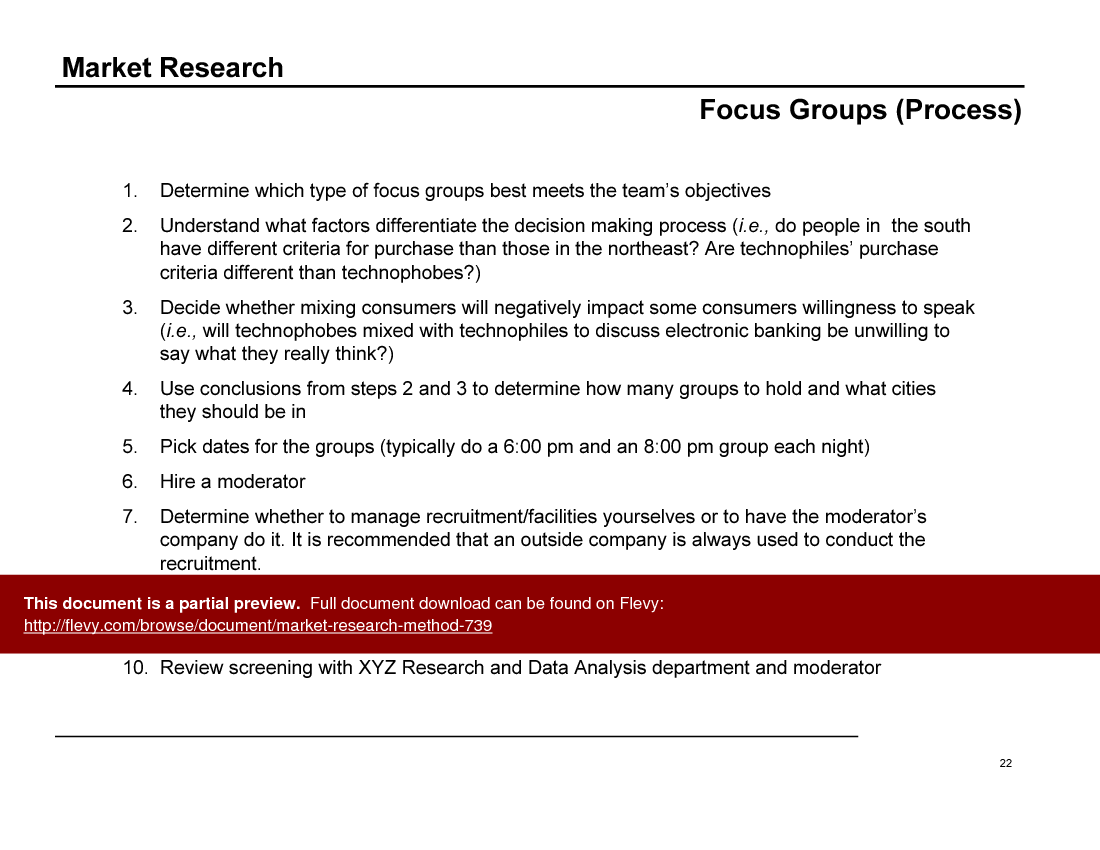
Focus groups are another critical area covered in this presentation. It outlines the different types of focus groups and their specific uses, from exploring new ideas to verifying team understanding of questionnaire development. The step-by-step process for conducting focus groups is detailed, including recruitment, moderation, and data analysis. This structured approach ensures that you can gather deep qualitative insights while maintaining a high level of rigor and reliability in your research findings.
Got a question about the product? Email us at support@flevy.com or ask the author directly by using the "Ask the Author a Question" form. If you cannot view the preview above this document description, go here to view the large preview instead.
MARCUS OVERVIEW
This synopsis was written by Marcus [?] based on the analysis of the full 109-slide presentation.
Executive Summary
The "Market Research Method" presentation is a consulting-grade resource designed to equip corporate executives and consultants with essential market research techniques. This deck, reflecting the quality of McKinsey, Bain, or BCG, provides a comprehensive overview of methodologies, sample types, and data analysis strategies. Users will learn to effectively design and conduct market research, ensuring they can gather actionable insights to inform business decisions.
Who This Is For and When to Use
• Market researchers and analysts seeking to enhance their research methodologies
• Corporate executives aiming to understand consumer behavior and market dynamics
• Consultants advising clients on market entry or product development strategies
• Product managers needing to validate concepts through consumer feedback
Best-fit moments to use this deck:
• When initiating a new market research project
• During the development of new products or services
• To refine existing market strategies based on consumer insights
• In preparation for stakeholder presentations on research findings
Learning Objectives
• Define key market research methodologies and their appropriate applications
• Develop a comprehensive research plan tailored to specific business objectives
• Design effective questionnaires that elicit valuable consumer insights
• Analyze data using appropriate statistical tools to derive actionable conclusions
• Understand the role of qualitative and quantitative research in decision-making
• Identify and select suitable market research vendors for specific needs
Table of Contents
• First Steps (page 4)
• Types of Research Methodology (page 7)
• Telephone Surveys (page 11)
• Focus Groups (page 18)
• Consumer Intercepts (page 32)
• Mail Surveys (page 36)
• Consumer Panels (page 41)
• Omnibus Studies (page 44)
• Types of Samples (page 47)
• Market Research Vendors (page 51)
• Temps as Phone Interviewers (page 57)
• Questionnaire Design (page 66)
• Data Analysis (page 86)
• Research and Data Analysis Department (page 108)
Primary Topics Covered
• First Steps - Initial actions include reviewing secondary research and defining specific research objectives to avoid duplication and ensure clarity.
• Types of Research Methodology - A detailed overview of methodologies including telephone surveys, focus groups, and consumer intercepts, each with unique advantages and disadvantages.
• Telephone Surveys - A method for gathering primary data through direct questioning, emphasizing speed and control while noting potential biases.
• Focus Groups - Qualitative discussions that provide in-depth insights into consumer perceptions and behaviors, useful for brainstorming and idea validation.
• Consumer Intercepts - In-person interviews conducted at points of purchase, capturing immediate consumer feedback and behaviors.
• Mail Surveys - Cost-effective surveys that allow for detailed responses, but may suffer from low return rates and sample biases.
• Consumer Panels - Ongoing groups providing periodic feedback, ideal for tracking changes over time and understanding consumer trends.
• Omnibus Studies - Cost-effective surveys that allow multiple clients to share research costs while obtaining specific consumer insights.
• Types of Samples - Various sampling methods including client lists, random digit dialing, and purchased lists, each with distinct advantages and limitations.
• Market Research Vendors - Guidance on selecting appropriate vendors based on project complexity and required expertise.
• Temps as Phone Interviewers - Best practices for managing temporary interviewers to ensure quality data collection.
• Questionnaire Design - Key principles for crafting effective questionnaires that yield reliable data.
• Data Analysis - Techniques for analyzing data, including statistical tools and methods for interpreting results.
Deliverables, Templates, and Tools
• Market research plan template outlining objectives, methodologies, and timelines
• Questionnaire design template for structured data collection
• Sample tracking and management tools for overseeing interview processes
• Data analysis framework for interpreting survey results and generating insights
• Vendor selection checklist to ensure alignment with research objectives
• Reporting template for presenting findings to stakeholders
Slide Highlights
• Overview of research methodologies with pros and cons for each approach
• Detailed breakdown of telephone survey advantages, including speed and control
• Focus group process flowchart illustrating key steps from planning to execution
• Data analysis tools overview, highlighting statistical techniques for segmentation and significance testing
• Sample management guidelines for effective tracking and quality control
Potential Workshop Agenda
Market Research Method Overview (60 minutes)
• Introduction to market research methodologies
• Discuss the importance of defining research objectives
• Overview of types of samples and their implications
Questionnaire Design Workshop (90 minutes)
• Hands-on session to develop effective questionnaires
• Review common pitfalls and best practices
• Group feedback on draft questionnaires
Data Analysis Techniques (120 minutes)
• Introduction to statistical tools and their applications
• Case studies on interpreting market research data
• Group exercises on data analysis scenarios
Customization Guidance
• Tailor the research plan to specific business objectives and target demographics
• Adjust questionnaire formats to align with the preferred data collection method
• Incorporate company-specific terminology and branding into survey materials
• Modify sample sizes based on project scope and available resources
Secondary Topics Covered
• Ethical considerations in market research
• The role of technology in data collection and analysis
• Best practices for managing vendor relationships
• Techniques for enhancing response rates in surveys
• Strategies for integrating qualitative and quantitative findings
Topic FAQ
What are the key steps in conducting market research?
Core steps are to define clear research objectives, review secondary research, select appropriate methodologies, design questionnaires or discussion guides, collect primary data, and analyze results using statistical tools. These steps are commonly summarized as defining objectives, selecting methodologies, designing questionnaires, collecting data, and analyzing results.
How do I choose between focus groups and telephone surveys for a consumer study?
Choose focus groups when you need qualitative, in-depth exploration of perceptions, idea generation, or concept refinement. Choose telephone surveys when you need faster, controlled quantitative data from a broader sample, but should account for potential telephone biases. Focus groups and telephone surveys serve different qualitative versus quantitative needs.
What sampling methods are commonly used and how do they differ?
Common sampling methods include using client lists (targeted existing contacts), random digit dialing (probability-based phone sampling), and purchased lists (third-party contact lists). Each has trade-offs in representativeness, cost, and ease of access; client lists, random digit dialing, and purchased lists offer different advantages and limitations.
How should I design questionnaires to improve response quality?
Design questionnaires with clear objectives, concise wording, appropriate screener questions, logical flow, and pre-testing to identify problems. For mail surveys, improve response rates with concise design, personalized cover letters, and incentives. Key practices include using screener questions and pre-testing to validate items.
What should I look for when selecting a market research vendor?
Select a vendor based on project complexity, required methodological expertise, timeline capacity, and experience with your target audience. Evaluate in-house versus out-of-house options and consider quality control processes for data collection. A vendor selection checklist helps ensure alignment with project complexity and required expertise.
How much do market research templates and toolkits typically cost and what value do they provide?
Costs vary by provider and package; specific pricing is not included here. Templates and toolkits provide structured materials such as a market research plan template, questionnaire design template, sample tracking tools, data analysis framework, vendor selection checklist, and reporting template to standardize planning and execution.
I need to run a quick concept test before product launch — which method should I use?
For speed and quantitative feedback, use telephone surveys; for immediate in-context reactions, use consumer intercepts at points of purchase; for depth, use focused qualitative groups. Choose based on required speed, sample representativeness, and depth of insight; telephone surveys or consumer intercepts are common quick options.
How can I ensure quality when using temporary interviewers for phone surveys?
Ensure quality by providing thorough training, using pre-tested questionnaires, monitoring calls in real time, and conducting regular quality checks and data audits. Operational practices should cover training, call monitoring, and regular quality checks to maintain data integrity.
Document FAQ
These are questions addressed within this presentation.
What are the key steps in conducting market research?
The key steps include defining objectives, selecting methodologies, designing questionnaires, collecting data, and analyzing results.
How do I choose the right research methodology?
Consider the research objectives, target audience, budget, and timeline when selecting the appropriate methodology.
What are the advantages of focus groups?
Focus groups provide in-depth insights through interactive discussions, allowing for exploration of new ideas and consumer perceptions.
How can I improve response rates for mail surveys?
Use personalized cover letters, include incentives, and ensure the survey is concise and engaging to encourage participation.
What statistical tools are commonly used in data analysis?
Common tools include regression analysis, cluster analysis, and significance testing methods like T-tests and ANOVA.
How do I ensure the quality of data collected by temporary interviewers?
Implement thorough training, monitor calls, and conduct regular quality checks to maintain data integrity.
What is the purpose of a consumer panel?
Consumer panels provide ongoing feedback from a representative group, allowing for tracking changes in consumer behavior over time.
How do omnibus studies differ from traditional surveys?
Omnibus studies allow multiple clients to share costs while obtaining specific insights, making them a cost-effective option for targeted questions.
Glossary
• Market Research - The process of gathering, analyzing, and interpreting information about a market.
• Qualitative Research - Research that focuses on understanding consumer behavior through non-numerical data.
• Quantitative Research - Research that involves the collection and analysis of numerical data.
• Focus Group - A moderated discussion with a group of participants to gather insights on specific topics.
• Telephone Survey - A method of data collection where respondents are interviewed over the phone.
• Consumer Panel - A group of consumers who provide feedback on products and services over time.
• Omnibus Study - A survey that includes questions from multiple clients, allowing for shared costs.
• Sampling - The process of selecting a subset of individuals from a population to represent the whole.
• Data Analysis - The process of inspecting, cleansing, transforming, and modeling data to discover useful information.
• Questionnaire - A set of written questions used for gathering information from respondents.
• Statistical Analysis - The application of statistical methods to analyze data and draw conclusions.
• Vendor - A company or individual that provides services or products, in this case, related to market research.
• Interceptors - Individuals conducting in-person surveys at specific locations to gather immediate consumer feedback.
• Incidence - The percentage of individuals contacted who qualify for a survey.
• CATI - Computer-Assisted Telephone Interviewing, a method for conducting telephone surveys using computer software.
• Screener Questions - Questions used to determine if a respondent qualifies for participation in a survey.
• Statistical Tools - Techniques used to analyze data, including regression, ANOVA, and cluster analysis.
• Perceptual Mapping - A visual representation of consumer perceptions of brands or products relative to each other.
• CHAID - Chi-squared Automatic Interaction Detection, a statistical method for identifying significant relationships in data.
• Conjoint Analysis - A statistical technique used to understand consumer preferences and the value of product features.
• Response Rate - The percentage of respondents who complete a survey compared to the total number of surveys distributed.
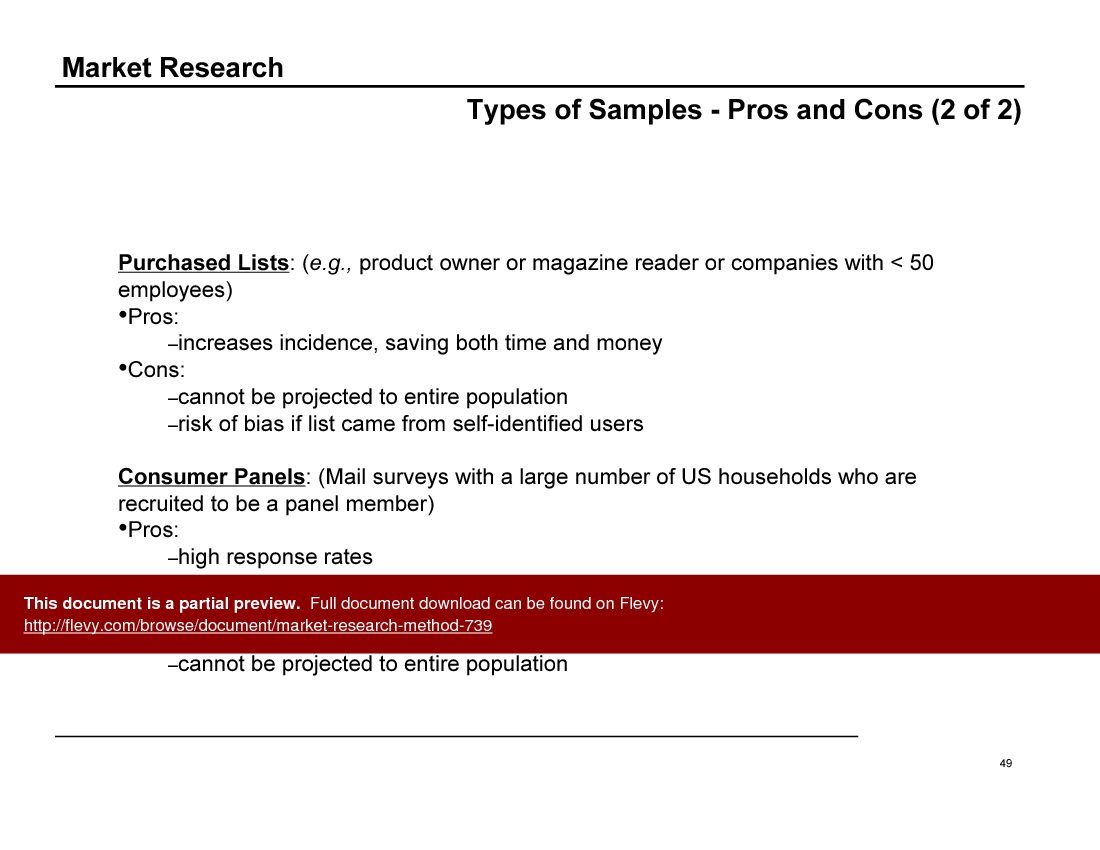
XYZ utilizes 4 distinct sources for generating survey samples:
1. Client Lists: Clients provide their own customer lists, including behavioral data like post-spending habits, enhancing survey sample targeting.
2. Random Digit Dialing: This method randomly selects phone numbers from specific geographic areas, ensuring a diverse respondent pool and broader demographic capture.
3. Purchased Lists: Lists acquired from vendors like Survey Sampling, Inc. consist of curated names and phone numbers based on specific behaviors, such as technology ownership, allowing targeted outreach.
4. Consumer Panels: Surveys conducted with recruited U.S. households provide ongoing insights for longitudinal studies and trend analysis.
Each method has unique strengths and weaknesses that impact the quality and applicability of research findings.
This PPT slide presents a framework for selecting market research vendors, categorized into Full Service, Mid-sized, and Field and Tab vendors. The choice of vendor depends on factors such as research complexity, specialized skills, timing, and budget. Field and Tab vendors are ideal for execution-only tasks like interviews and data entry, offering cost-effective solutions for straightforward needs. Full Service and Mid-sized vendors provide assistance with complex survey design, while Full Service vendors excel in statistical analysis, including market sizing and significance testing. Experience in the client’s industry is a key consideration, with Full Service vendors offering extensive expertise. Both Full Service and Mid-sized vendors can manage complex quotas, indicating their capability to handle intricate project demands.
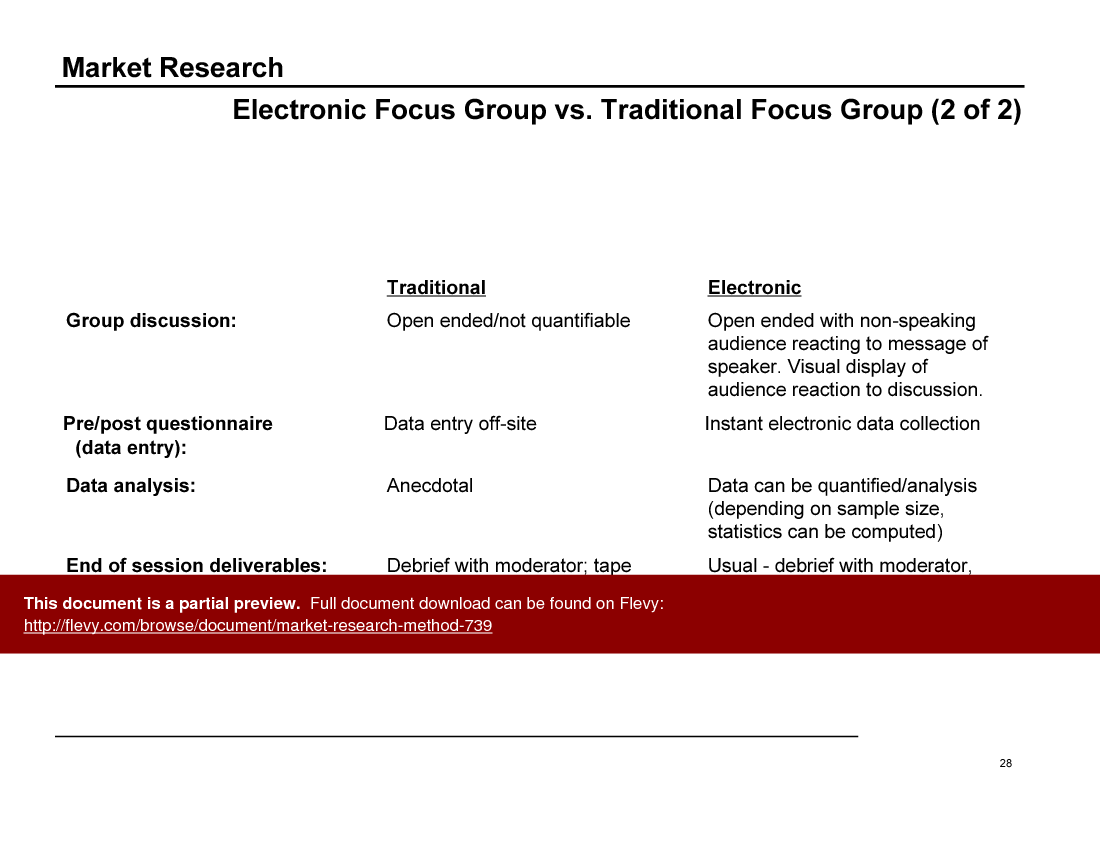
This PPT slide outlines the advantages and disadvantages of focus groups as a market research method. Advantages include rapid research efficiency, enabling quick decision-making, and interactive discussions that yield deeper insights compared to individual interviews. The flexibility of the discussion outline allows moderators to adapt questions based on real-time participant reactions, enhancing relevance. Clients gain direct consumer feedback, improving their understanding of market sentiments, while key comments provide valuable resources for stakeholders. Disadvantages include the qualitative nature of focus group data, which limits quantitative applicability and may lead to misinterpretations. There's a risk of skewed perceptions from vocal participants, and the effectiveness of focus groups heavily depends on the moderator's skill, impacting group dynamics and the quality of insights gathered.
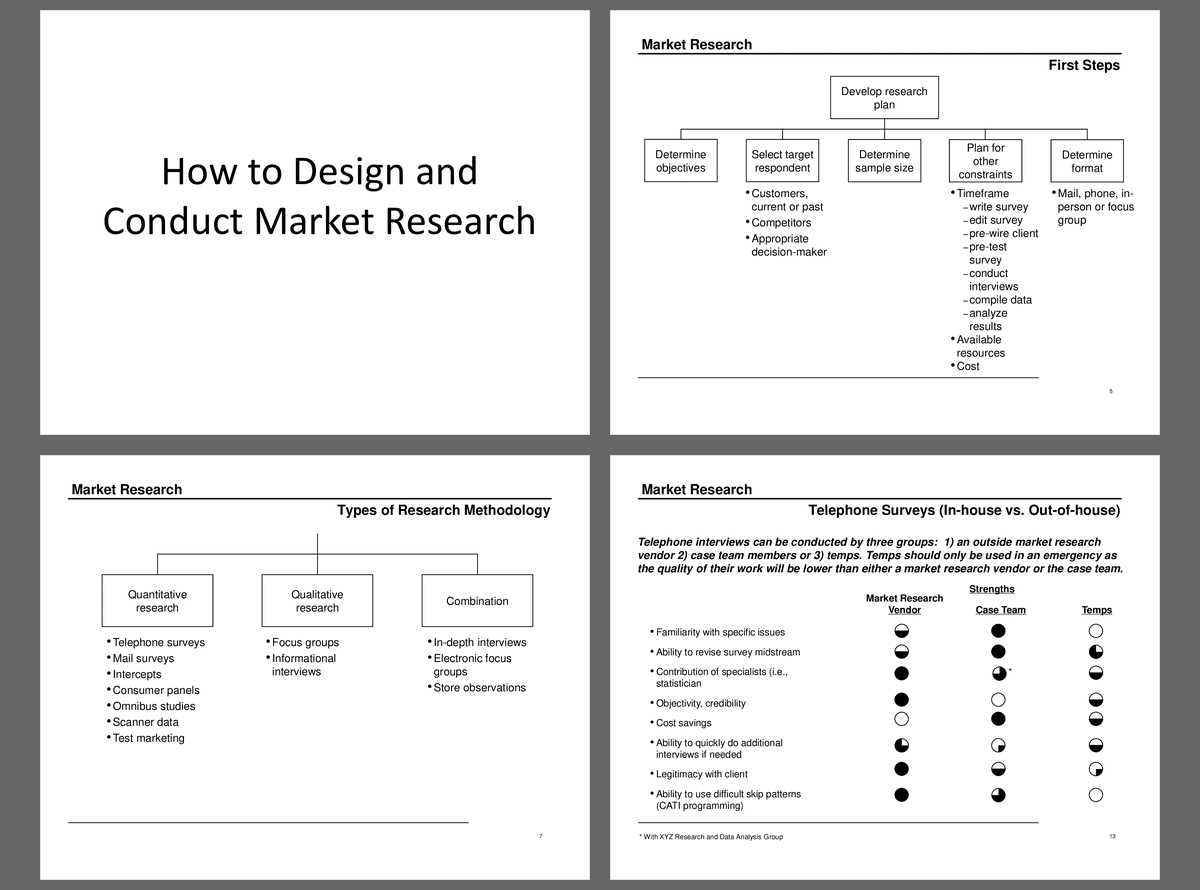
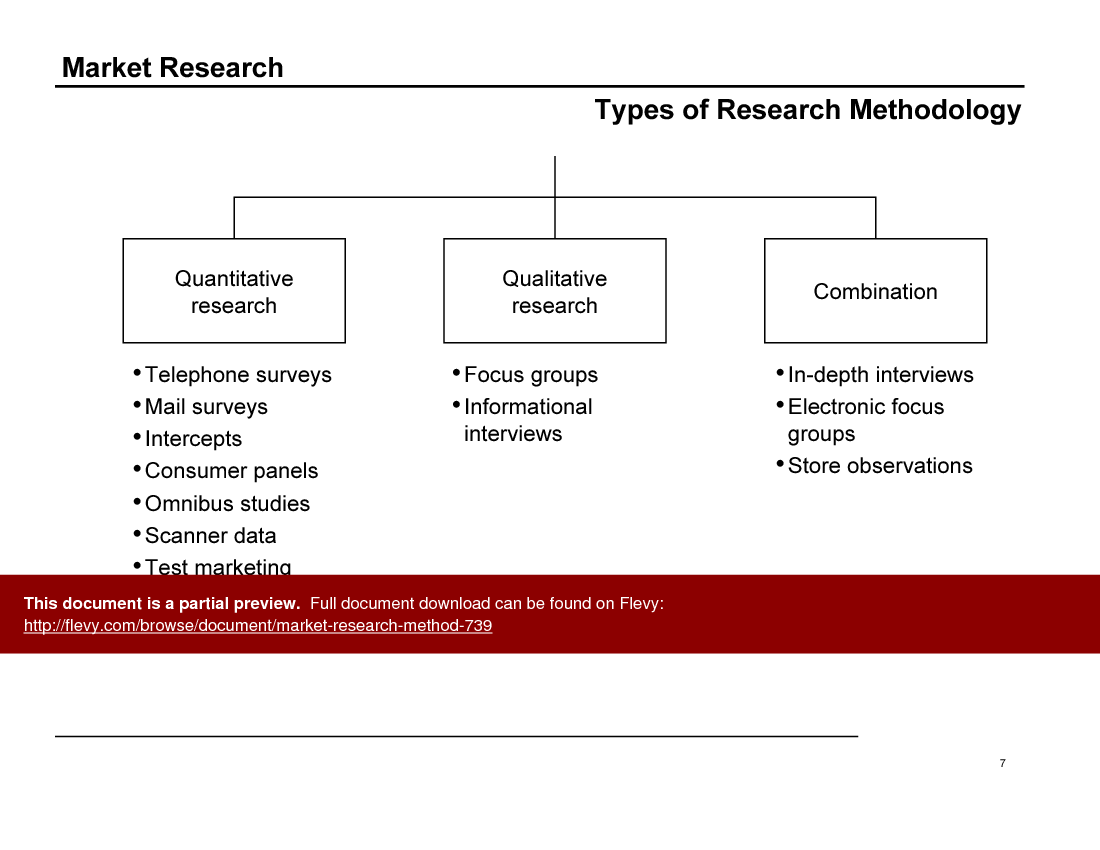
This PPT slide categorizes market research methodologies into 3 types: quantitative research, qualitative research, and a combination of both. Quantitative research relies on numerical data and statistical analysis, utilizing methods such as telephone surveys, mail surveys, consumer panels, and scanner data to gather measurable insights. Qualitative research focuses on consumer attitudes through methods like focus groups and informational interviews, providing deeper understanding beyond numbers. The combination category integrates both approaches, employing in-depth interviews, electronic focus groups, and store observations for comprehensive insights. Selecting appropriate methodologies based on research goals is essential for informed decision-making in strategy development.
This PPT slide presents a perceptual mapping analysis of brands within a specific market. The horizontal axis represents price, from low to high performance, while the vertical axis captures brand attributes like comfort, fashionability, and technological advancement. Brand 1 adopts a value-oriented strategy targeting cost-conscious consumers. Brand 2 focuses on innovation, linked to the latest technology and a higher price point. Brand 3's premium positioning is associated with celebrity endorsements. Brand 4 balances price and perceived value as a quality brand. Brand 5 emphasizes high performance for functionality-seeking consumers. Brand 6 targets a younger demographic with a fashionable, trend-driven approach. The spatial arrangement of brands reveals consumer perceptions and market positioning, guiding strategic decisions in product development and marketing.
This PPT slide outlines a structured approach to market research using conjoint analysis. The primary objectives are to assess the relative importance of car features from a consumer perspective and to create a predictive model estimating market share based on these features. The process begins with developing car descriptions through statistical techniques that simulate feature combinations, allowing researchers to gauge consumer preferences. Targeted interviews with potential car buyers follow, where participants evaluate car descriptions and indicate purchase likelihood. The analysis quantifies the value assigned to each feature by calculating variance in likelihood percentages, revealing drivers of purchasing decisions. Finally, the "likely share" model synthesizes data to predict market share based on consumer spending patterns and perceived feature value, providing actionable insights for product development and marketing strategies.
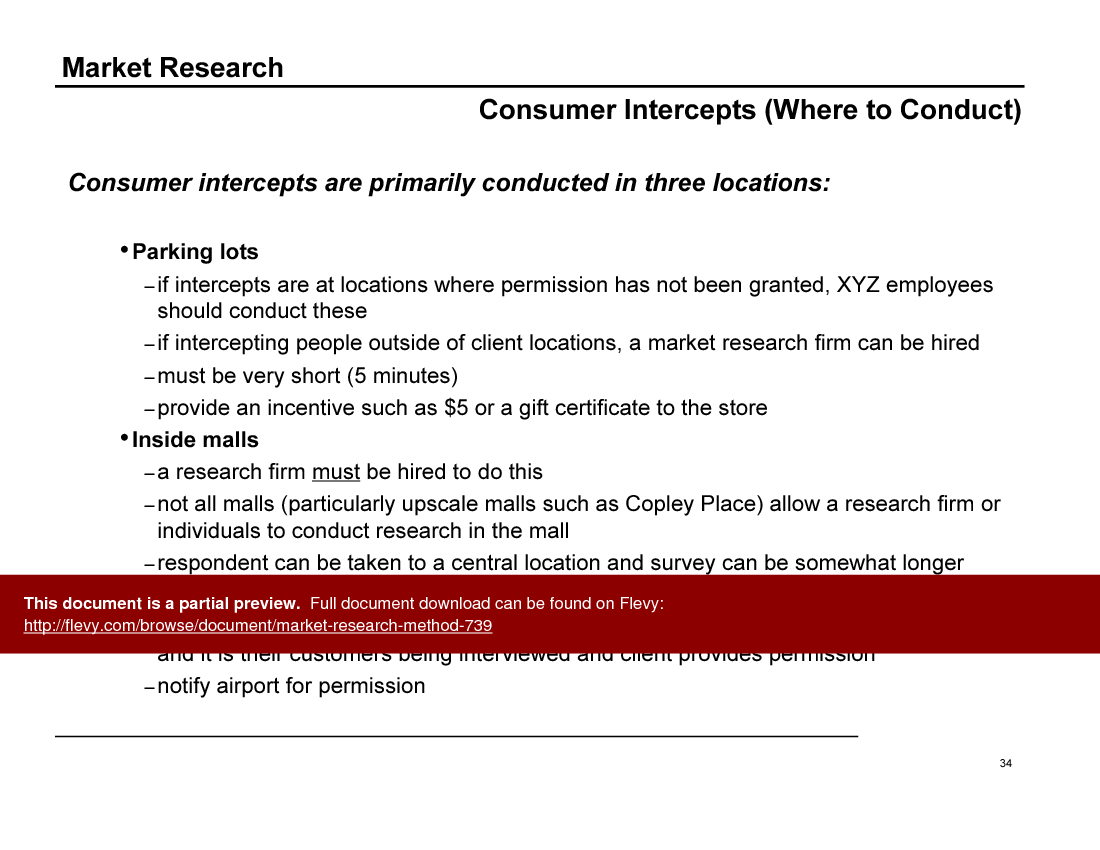
This PPT slide outlines key locations for consumer intercepts: parking lots, malls, and airports. In parking lots, obtaining permission is essential, and hiring a market research firm is recommended for external locations. Interactions should be brief, ideally under 5 minutes, with incentives like monetary rewards to boost participation. Malls require hiring a research firm, as not all venues permit research; upscale malls may impose restrictions. If allowed, respondents can be escorted to a central location for extended surveys. Airports necessitate engaging a market research firm unless the client, such as a car rental company or airline, has secured permission. Notifying airport authorities is crucial for regulatory compliance. This structured approach emphasizes the importance of location, permissions, and professional involvement for effective data collection.
This PPT slide analyzes market size and profitability for family clothing retailers using CHAID (Chi-squared Automatic Interaction Detector) analysis. Market size, defined by town population, is the most critical determinant of profitability. Stores over 200 km from shopping areas show an average contribution margin of 15%, while those within 60 km yield only 6%. Additionally, stores with 3 or more competitors have a 15% contribution margin, compared to 8% for those with fewer competitors, highlighting the significant role of competition. Smaller stores (under 10,000 sq. ft.) typically exhibit lower contribution margins than larger ones. Strategic location selection and market size are essential for planning new store openings.
This PPT slide provides an overview of statistical tools in market research, categorized under "Data Analysis Tools." The first category, "Significance Testing," includes T-Tests, ANOVA, and Chi-Square, essential for determining statistically significant differences between groups. "Segmentation" encompasses CHAID, Factor Analysis, and Cluster Analysis, crucial for identifying distinct market groups and tailoring strategies. The "Explanatory Relationships" category features Regression, Correlation, and Perceptual Mapping, which help understand variable relationships and predict outcomes. Lastly, "Product Design/Price Sensitivity" includes Conjoint Analysis, a tool for assessing consumer preferences and price sensitivity, guiding product development and pricing strategies.
This PPT slide outlines foundational steps for effective market research. Key steps include determining research objectives to align with strategic goals, selecting target respondents such as current customers, competitors, and decision-makers to enhance data relevance, and determining sample size for statistical validity. Planning for constraints involves establishing a realistic timeframe for writing, pre-testing, and analyzing results while considering resource and budget limitations. Finally, choosing the research format—mail, phone, in-person interviews, or focus groups—should align with research objectives and target respondents. These components create a robust market research strategy that yields actionable insights.
This PPT slide presents a structured questionnaire designed to assess market dynamics in the book retail sector. It utilizes a grid format to capture metrics on consumer behavior and brand awareness across competitors, including Barnes & Noble and independent bookstores. Columns Q1 through Q6 represent specific questions on unaided purchase recall, aided awareness, store visitation, frequency of visits, purchase habits, and total spending. This data provides insights into customer loyalty and shopping patterns, allowing for easy comparison across competitors. The findings can inform strategic decisions for marketing, inventory management, and customer engagement initiatives, aiding stakeholders in understanding market positioning and consumer preferences in the book retail industry.
This PPT slide outlines essential steps after selecting a market research vendor. First, obtain a finalized written agreement detailing costs and timing to clarify financial and temporal commitments. Next, have the vendor sign a confidentiality agreement to protect sensitive information. Send the finalized survey to the vendor to ensure alignment with research objectives. For Computer-Assisted Telephone Interviewing (CATI), closely check the vendor's programming to address technical issues before data collection. For paper surveys, proof the reformatted version to confirm accurate question and skip pattern transfer, impacting data quality. Finally, provide the vendor project manager with written and verbal instructions on completed interviews and quotas to track progress and ensure research alignment.
This PPT slide provides an overview of data analysis outputs from conjoint analysis, a market research method for understanding consumer preferences. It includes 4 components: attribute ranking, utility levels, purchase likelihood, and market share estimation.
Attribute ranking assesses the importance of specific attributes, such as traction, in consumer decision-making. Utility levels analyze consumer sensitivity to attribute variations like price, showing a downward trend where increased price leads to decreased perceived utility, informing pricing strategies.
Purchase likelihood evaluates the probability of product purchase based on configuration, aiding in sales forecasting. Market share estimation quantifies preference shares among products, illustrating competitive positioning through graphs that depict market share distribution.
These outputs from conjoint analysis guide strategic decisions in product development and marketing.
This PPT slide outlines 3 primary methods for questionnaire design to understand purchase decision-making: rating scale, ranking method, and distribution of 100 points. The rating scale, from 1 to 5, asks respondents to evaluate purchase reasons, effective for lists of 5 or fewer criteria. The ranking method requires participants to order reasons by importance, limited to 5 items due to complexity in analysis and quantifying rank differences, which may lead to unreliable data. The distribution of 100 points allows respondents to allocate points based on importance, though it is less effective in phone surveys with more than 4 or 5 criteria. Accuracy in calculations is crucial to mitigate human error and enhance data quality.
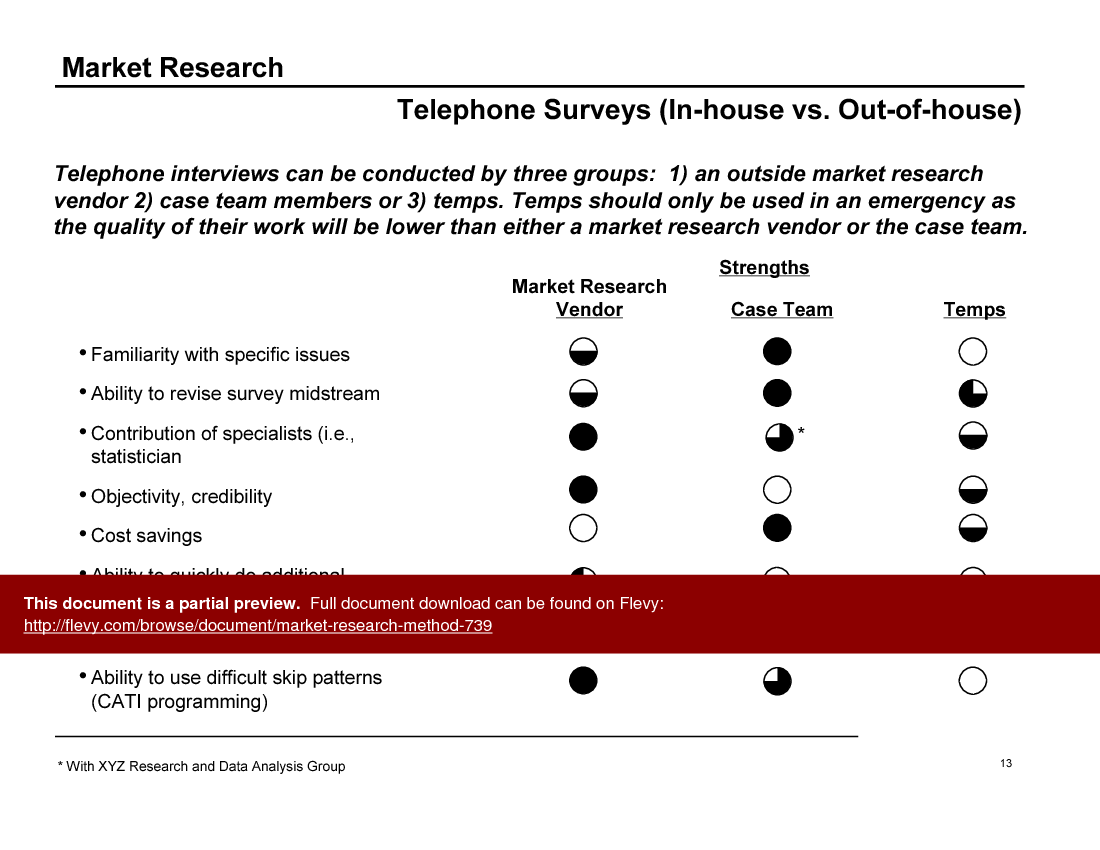
This PPT slide presents a comparative analysis of telephone survey methodologies: market research vendors, case teams, and temporary staff. Market research vendors offer strengths such as familiarity with specific issues, midstream survey revisions, and contributions from specialists like statisticians. They provide objectivity, credibility, cost savings, and can quickly conduct additional interviews, effectively managing complex skip patterns. Case teams share some strengths with vendors, but offer a tailored approach through direct project involvement. However, their strengths may not fully match those of specialized vendors. Temporary staff should only be used in emergencies due to lower quality output. This analysis aids decision-makers in evaluating options for conducting telephone surveys based on project needs and resources.
Source: Best Practices in Market Research PowerPoint Slides: Market Research Method PowerPoint (PPT) Presentation Slide Deck, Documents & Files
Since 2012, we have provided business templates to over 10,000 businesses and organizations of all sizes, from startups and small businesses to the Fortune 100, in over 130 countries.
"As a consulting firm, we had been creating subject matter training materials for our people and found the excellent materials on Flevy, which saved us 100's of hours of re-creating what already exists on the Flevy materials we purchased."
– Michael Evans, Managing Director at Newport LLC
"FlevyPro has been a brilliant resource for me, as an independent growth consultant, to access a vast knowledge bank of presentations to support my work with clients. In terms of RoI, the value I received from the very first presentation I downloaded paid for my subscription many times over! The
quality of the decks available allows me to punch way above my weight – it's like having the resources of a Big 4 consultancy at your fingertips at a microscopic fraction of the overhead.
"
– Roderick Cameron, Founding Partner at SGFE Ltd
"Flevy is our 'go to' resource for management material, at an affordable cost. The Flevy library is comprehensive and the content deep, and typically provides a great foundation for us to further develop and tailor our own service offer."
– Chris McCann, Founder at Resilient.World
"As a consultant requiring up to date and professional material that will be of value and use to my clients, I find Flevy a very reliable resource.
The variety and quality of material available through Flevy offers a very useful and commanding source for information. Using Flevy saves me time, enhances my expertise and ends up being a good decision."
– Dennis Gershowitz, Principal at DG Associates
"I am extremely grateful for the proactiveness and eagerness to help and I would gladly recommend the Flevy team if you are looking for data and toolkits to help you work through business solutions."
– Trevor Booth, Partner, Fast Forward Consulting
"FlevyPro provides business frameworks from many of the global giants in management consulting that allow you to provide best in class solutions for your clients."
– David Harris, Managing Director at Futures Strategy
"The wide selection of frameworks is very useful to me as an independent consultant. In fact, it rivals what I had at my disposal at Big 4 Consulting firms in terms of efficacy and organization."
– Julia T., Consulting Firm Owner (Former Manager at Deloitte and Capgemini)
"I have used FlevyPro for several business applications. It is a great complement to working with expensive consultants. The quality and effectiveness of the tools are of the highest standards."
– Moritz Bernhoerster, Global Sourcing Director at Fortune 500
Save with Bundles

This document is available as part of the following discounted bundle(s):
Download our free compilation of 50+ Strategy & Transformation slides and templates. Frameworks include McKinsey 7-S, Balanced Scorecard, Disruptive Innovation, BCG Curve, and many more.