Editor's Note: Take a look at our featured best practice, Hotel Development Financial Model (Excel workbook). Financial model presenting a development scenario for a Hotel.
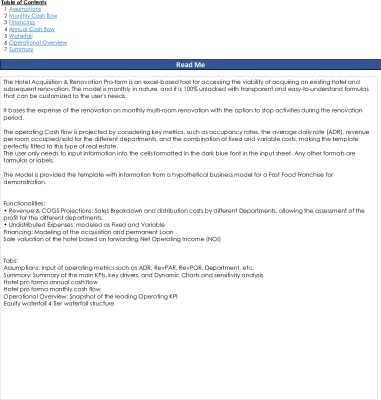
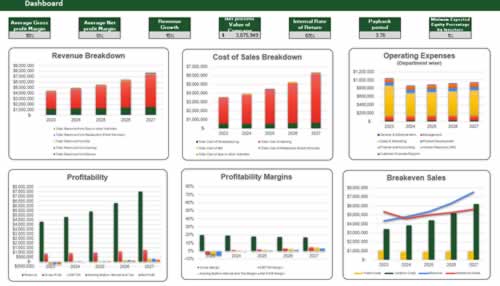
The main purpose of the model is to enable users to get into details of every step of a hotel project from the construction stage, to operating analysis, projection of cash flows and a potential future sale.
The model includes [read more]
* * * *
Price volatility has always existed in hospitality. A major event is announced, flight schedules shift, or unexpected demand hits a destination and suddenly room rates climb fast. Dynamic pricing is a powerful revenue driver, yet without proper control it can create uncomfortable extremes.
This is where surge protection in hospitality enters the conversation. The goal is not to suppress revenue opportunities, but to introduce intelligent guardrails that allow hotels to benefit from demand surges without crossing into price levels that erode guest trust.
Why Unchecked Price Spikes Create Risk
Dynamic pricing systems respond quickly to demand signals. When pickup accelerates or competitor inventory sells out, algorithms raise rates. In theory, this maximizes profit. In practice, unchecked surges can push prices far beyond guest expectations, especially in markets with limited alternatives.
When guests perceive pricing as opportunistic rather than market-aligned, negative sentiment follows. Reviews mention “price gouging,” brand reputation suffers, and repeat booking potential declines.
What Surge Protection in Hospitality Really Means
In hospitality revenue management solutions, surge protection refers to structured pricing boundaries that prevent rates from rising beyond predefined thresholds during extreme demand events. These thresholds can be based on historical price ceilings, brand positioning, guest tolerance data, or strategic revenue objectives.
Rather than flattening pricing, surge protection in hospitality moderates acceleration. It allows rates to climb as demand strengthens, but applies resistance before prices detach from realistic booking behavior or brand perception.
Balancing Revenue Optimization with Guest Trust
Guest trust is an intangible asset. It builds slowly and disappears quickly. Pricing plays a surprisingly large role in that relationship. When guests feel pricing is fair, transparent, and predictable within reasonable market logic, they return. When pricing feels erratic, loyalty erodes.
Surge protection supports consistency. Returning guests who paid one rate last season are less likely to be shocked by a dramatically inflated rate during their next visit. Corporate clients retain confidence in negotiated agreements. Group planners see stability rather than volatility.
How Revenue Management Systems Handle Surge Protection in Hospitality
Modern hotel revenue management software allows hotels to configure surge parameters directly into pricing logic. These parameters may include:
Rate ceilings based on historical peak pricing
Maximum daily rate increases
Occupancy-triggered price caps
Brand-aligned price positioning limits
Once defined, the system continuously monitors pricing outputs. When demand signals recommend aggressive increases, the software applies friction before prices breach set boundaries. Revenue teams maintain oversight, adjusting thresholds as market conditions evolve.
The process remains dynamic, not static. Surge protection in hospitality does not lock rates. It shapes rate behavior. This flexibility allows hotels to capitalize on demand waves while maintaining control over guest-facing outcomes.
Preventing Conversion Drop-Off during High Demand
Another benefit of surge protection is preserving booking conversion rates. Extreme pricing often leads to sudden website abandonment, increased search exits, and reliance on lower-yield channels. Even when demand is strong, overpriced inventory can remain unsold if pricing overshoots guest willingness to pay. By applying surge protection in hospitality, you maintain pricing within realistic purchase thresholds.
Managing Market Perception during Citywide Events
Citywide conferences, festivals, and sporting events create some of the most extreme pricing environments in hospitality. Guests expect higher rates, but only to a point. Excessive premiums can trigger public backlash, regulatory attention, or negative press coverage.
Surge protection provides reputational insurance during these moments. Hotels demonstrate pricing discipline, showing alignment with fair market behavior rather than exploitative practices. This distinction matters increasingly in an online review culture where pricing criticism spreads fast.
Smarter Automation, Not Restrictive Controls
It’s important to note that surge protection does not mean manual micromanagement. The most effective implementations are fully automated, embedded within the revenue management system’s logic. Once thresholds and guardrails are defined, the software executes pricing decisions continuously.
Managers spend less time reacting to sudden pricing anomalies and more time refining strategy. Automation reduces emotional decision-making during high-pressure demand surges. The system applies consistency where humans might overcorrect.
A Competitive Advantage in Guest Experience
Hotels that manage pricing extremes well quietly differentiate themselves. Guests notice fairness. Corporate clients appreciate predictability. Travel planners trust long-term partnerships. These soft benefits translate into measurable financial outcomes through higher repeat business and stronger direct booking performance.
Surge protection in hospitality supports that differentiation. It signals professionalism in revenue management rather than reactive opportunism. Over time, this builds pricing credibility as a brand asset.
Sustainable Revenue through Controlled Acceleration
Dynamic pricing will always be part of hospitality. Demand will always fluctuate. The question is how hotels manage acceleration without losing control. Surge protection in hospitality provides that stability, allowing properties to ride demand waves without wiping out guest confidence. The result is not lower revenue, but steadier, more sustainable revenue.
The Hotel Acquisition & Renovation Pro-form is an excel-based tool for assessing the viability of acquiring an existing hotel and subsequent renovation. The model is monthly in nature, and it is 100% unlocked with transparent and easy-to-understand formulas that can be customized to the user's [read more]
Do You Want to Implement Business Best Practices?
You can download in-depth presentations on Hotel Industry and 100s of management topics from the FlevyPro Library. FlevyPro is trusted and utilized by 1000s of management consultants and corporate executives.
For even more best practices available on Flevy, have a look at our top 100 lists:
These best practices are of the same as those leveraged by top-tier management consulting firms, like McKinsey, BCG, Bain, and Accenture. Improve the growth and efficiency of your organization by utilizing these best practice frameworks, templates, and tools. Most were developed by seasoned executives and consultants with over 20+ years of experience.
Readers of This Article Are Interested in These Resources
A casino hotel is a business that incorporates a casino with short-term accommodation provided in an on-site hotel. Casino hotels are a great attraction to people who want a lodging experience and gambling facilities. Based on the market size, in the accommodation and food services industry, the [read more]
This financial model is designed to evaluate the investment feasibility, operating performance, and return metrics of a hotel development project. This financial model provides a comprehensive 10-year projection of revenues, expenses, and cash flows, structured on a monthly basis with annual [read more]
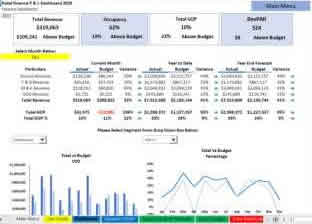
Interactive Hotel P & L Finance Dashboard:
This dashboard will help navigate the financial performance of your hotel with ease. Great visual graphs will aid in seeing key business trends easily and quickly compared to the budget in a flash.
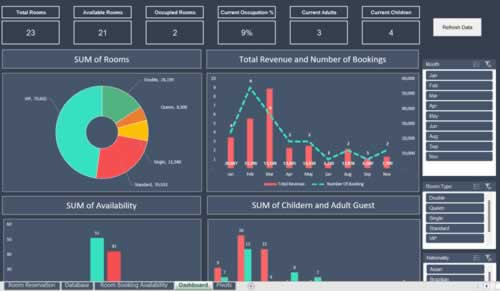
The workbook contains the key below sheets:
1. Main [read more]
1) Sheet - Database:
In this sheet you can record all of your hotel standards and references database that will be automatically reflect in your data, calculations and drop-down lists
1. Starting the in the Database sheet, In Room Types Database list out all room types that you have in your hotel [read more]
 Price volatility has always existed in hospitality. A major event is announced, flight schedules shift, or unexpected demand hits a destination and suddenly room rates climb fast. Dynamic pricing is a powerful revenue driver, yet without proper control it can create uncomfortable extremes.