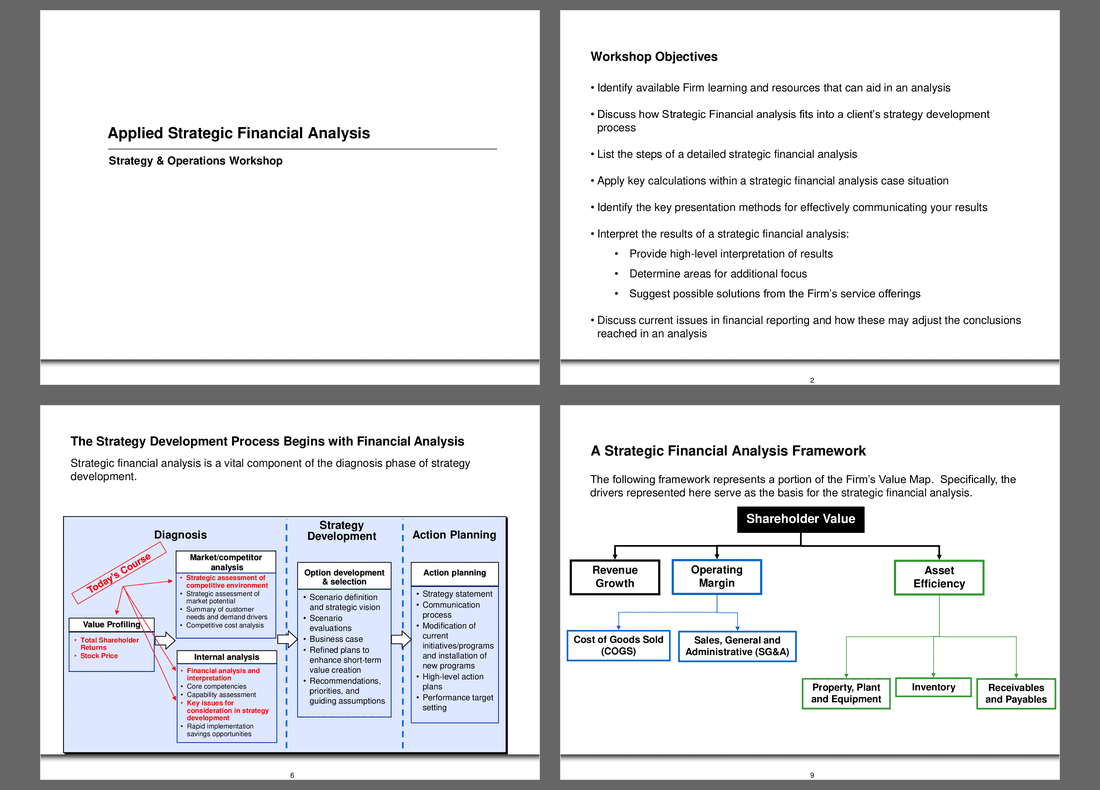
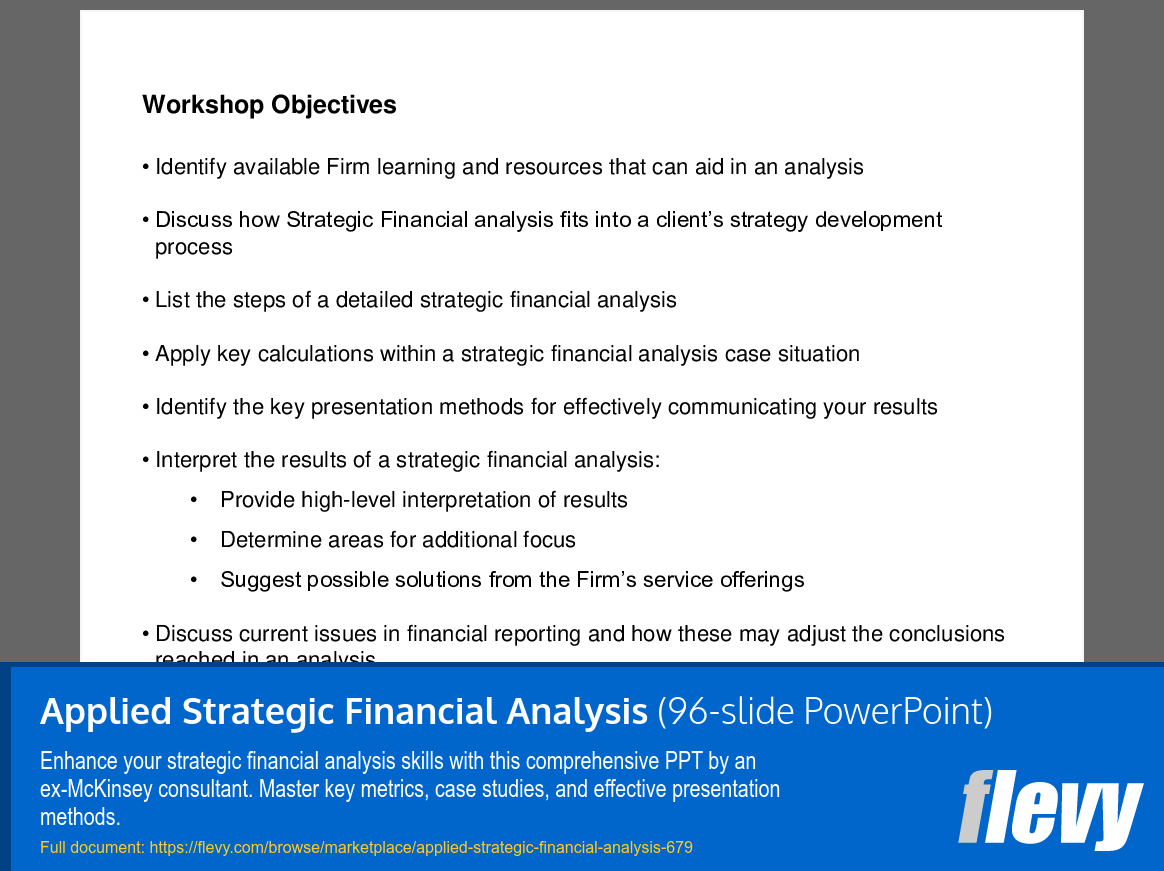

- Identify available Firm learning and resources that can aid in an analysis
• Discuss how Strategic Financial analysis fits into a client?s strategy development process
• List the steps of a detailed strategic financial analysis
• Apply key calculations within a strategic financial analysis case situation
• Identify the key presentation methods for effectively communicating your results
• Interpret the results of a strategic financial analysis:
+ Provide high-level interpretation of results
+ Determine areas for additional focus
+ Suggest possible solutions from the Firm?s service offerings
• Discuss current issues in financial reporting and how these may adjust the conclusions reached in an analysis
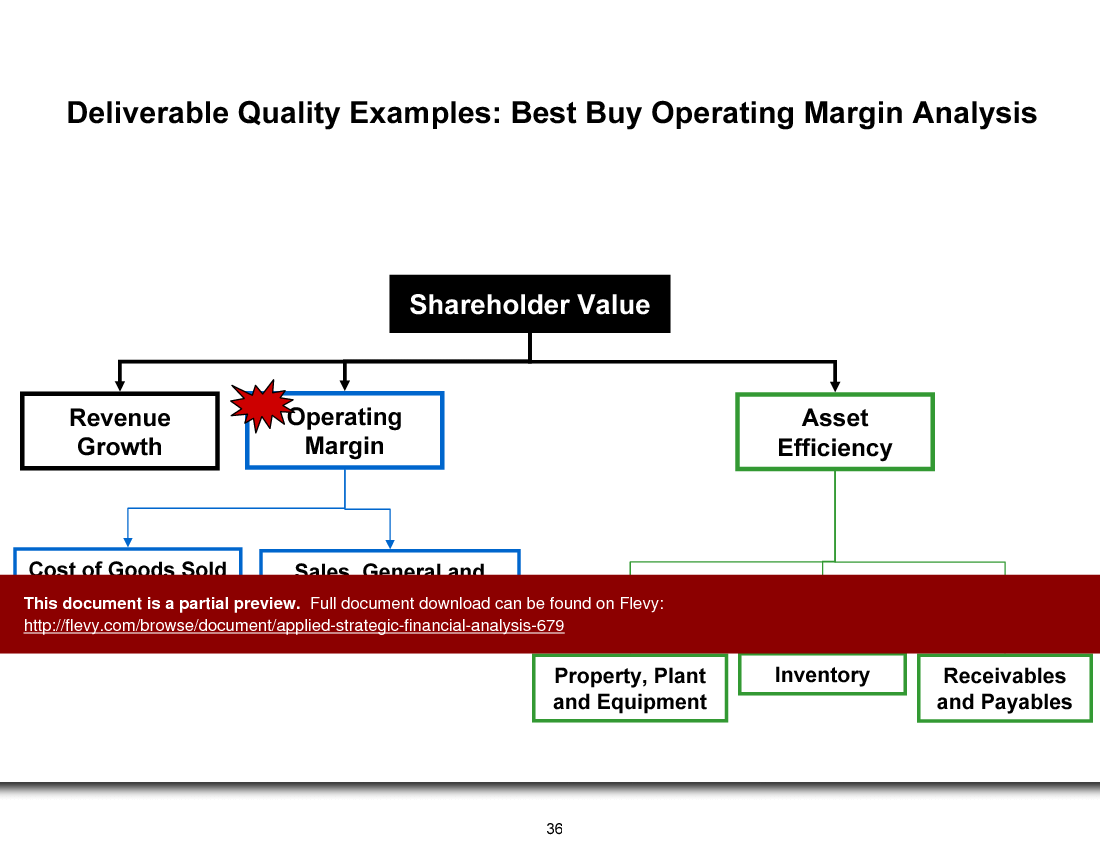
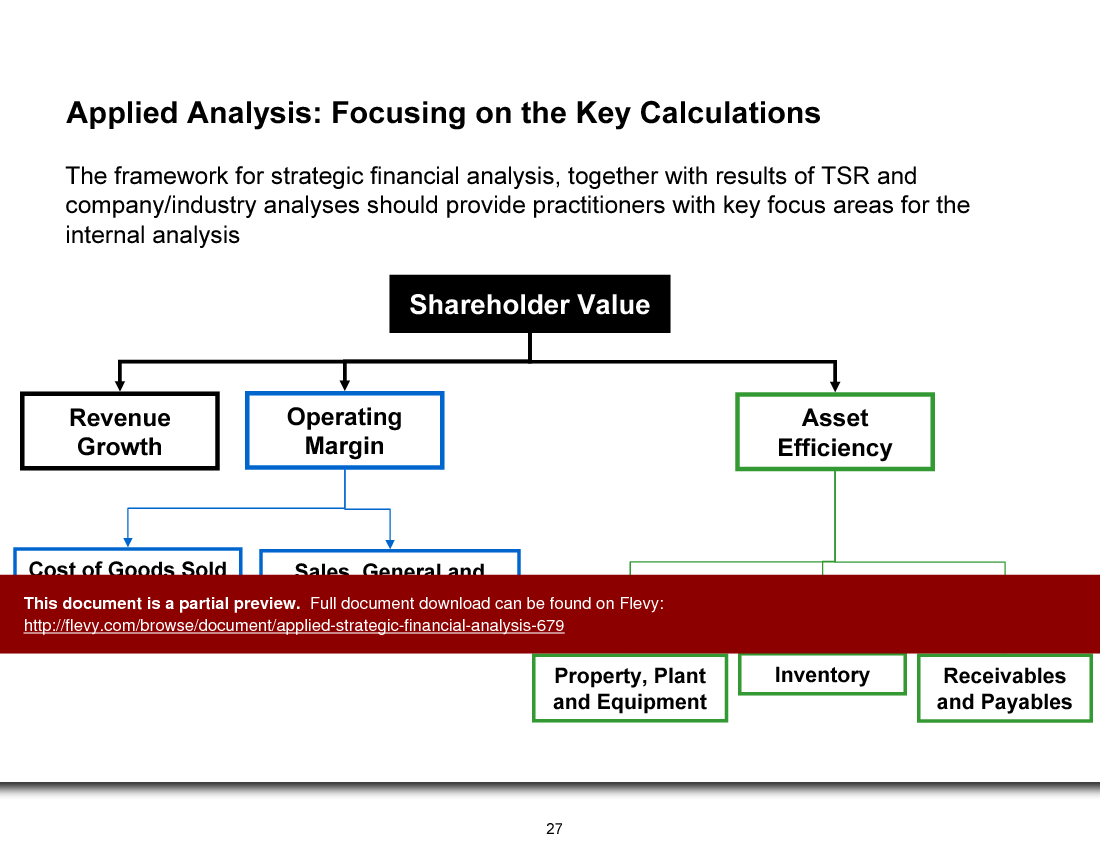
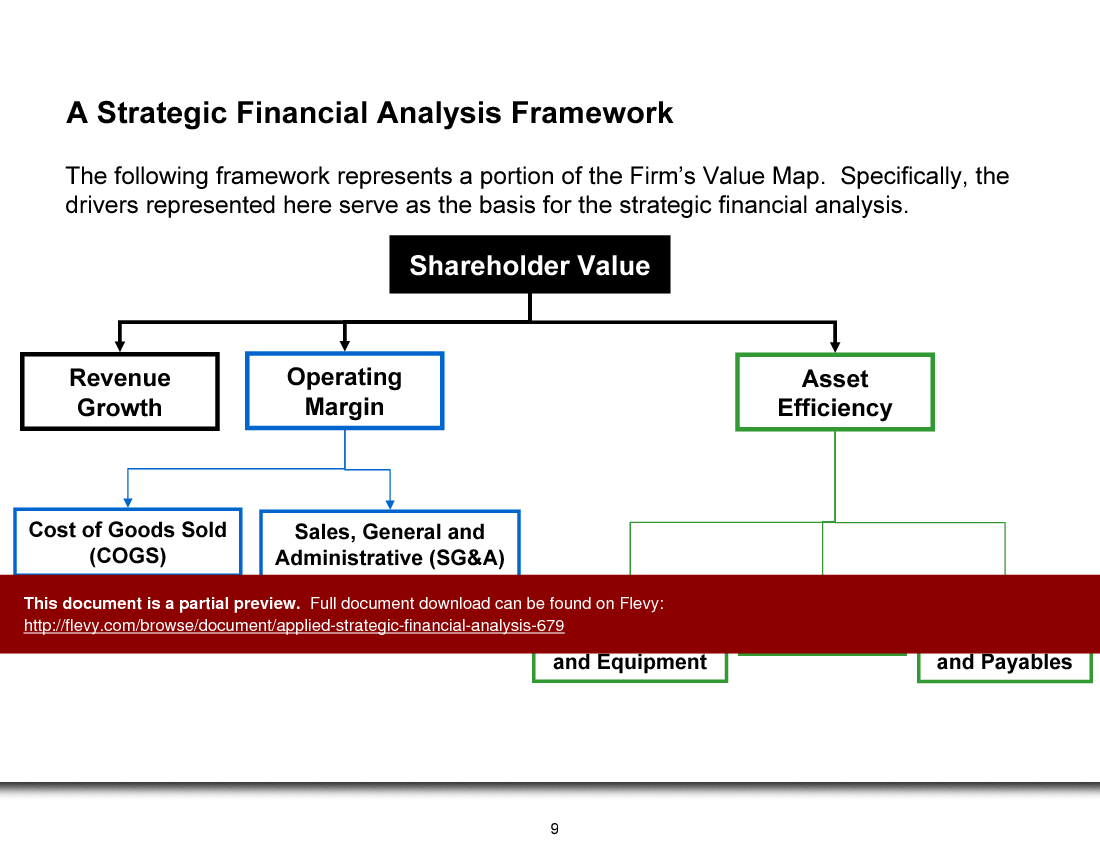
This document dives deep into the strategic financial analysis framework, providing a robust roadmap for evaluating shareholder value through key business drivers like revenue growth, operating margin, and asset efficiency. The framework is designed to help you identify and leverage opportunities for enhancing financial performance, ensuring that your analysis is both comprehensive and actionable.
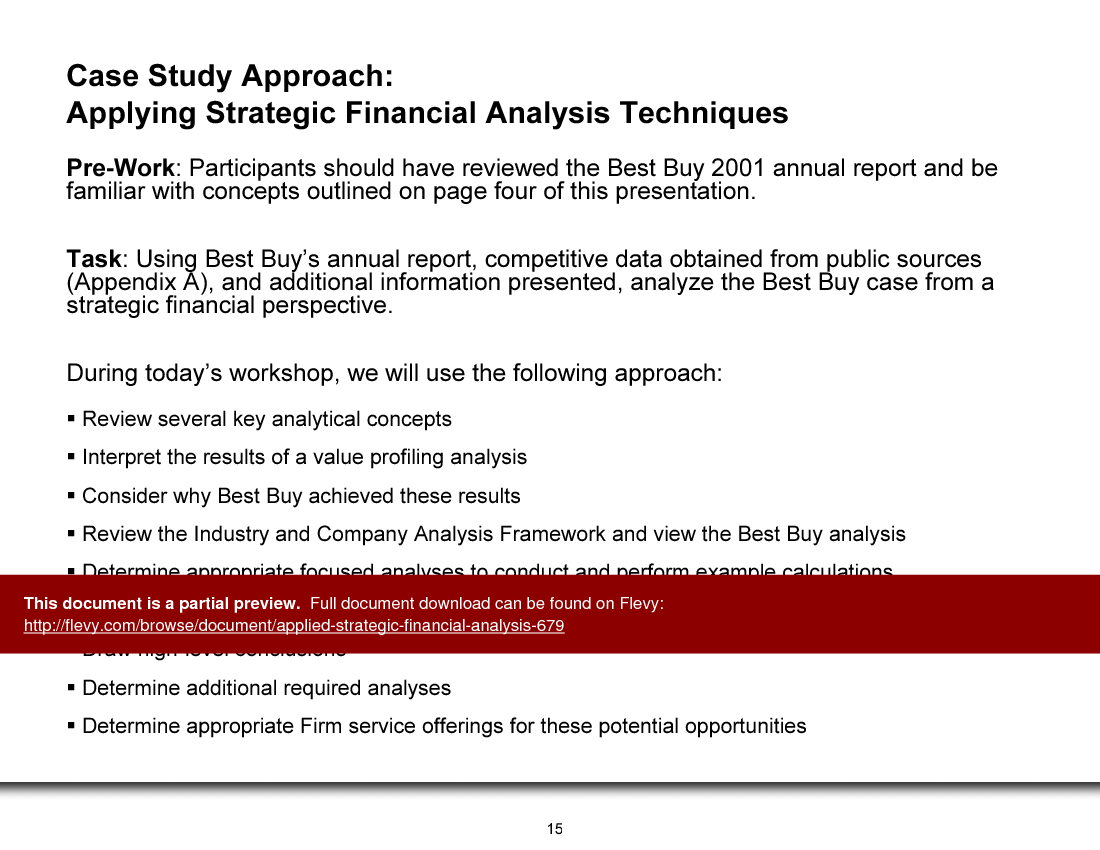
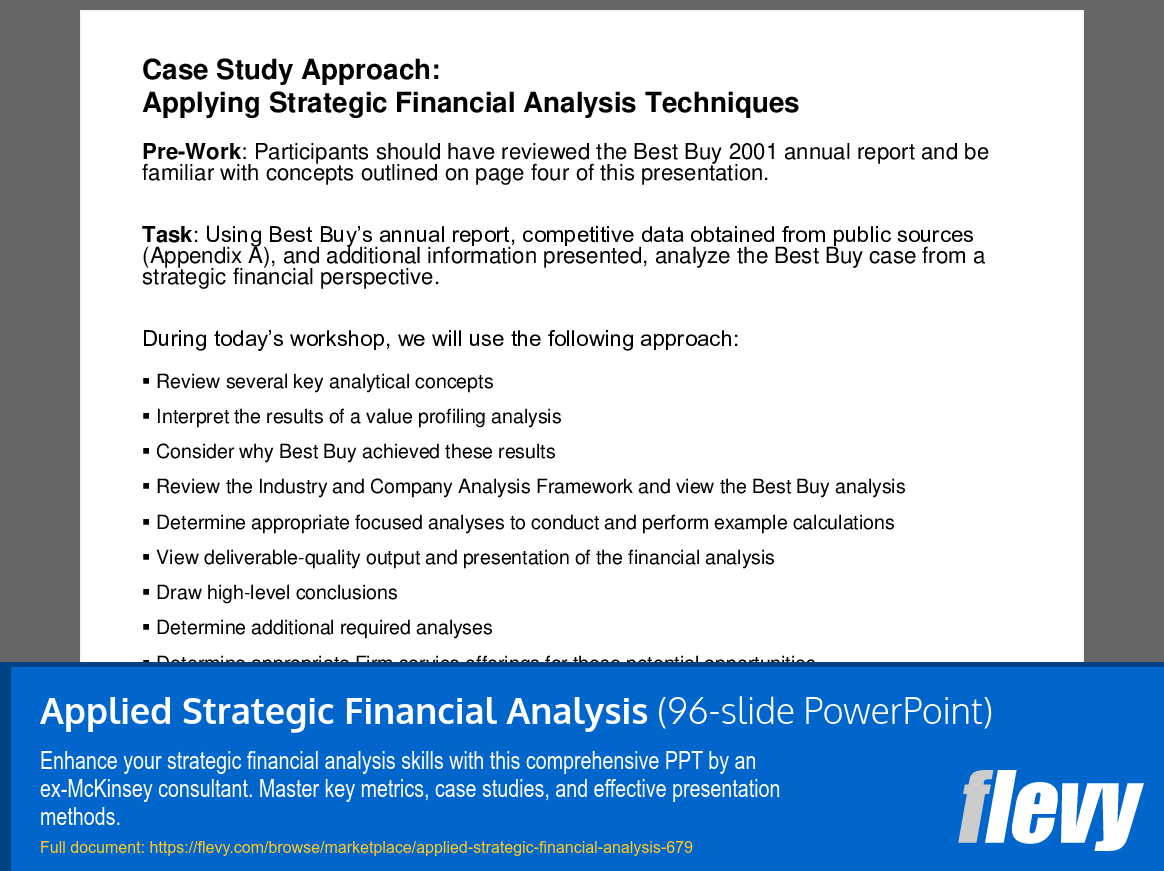
You will also find detailed case studies, such as the Best Buy analysis, which illustrate the application of strategic financial analysis techniques in real-world scenarios. These case studies not only highlight the importance of metrics like Total Shareholder Returns (TSR), but also demonstrate how to interpret and communicate these results effectively.
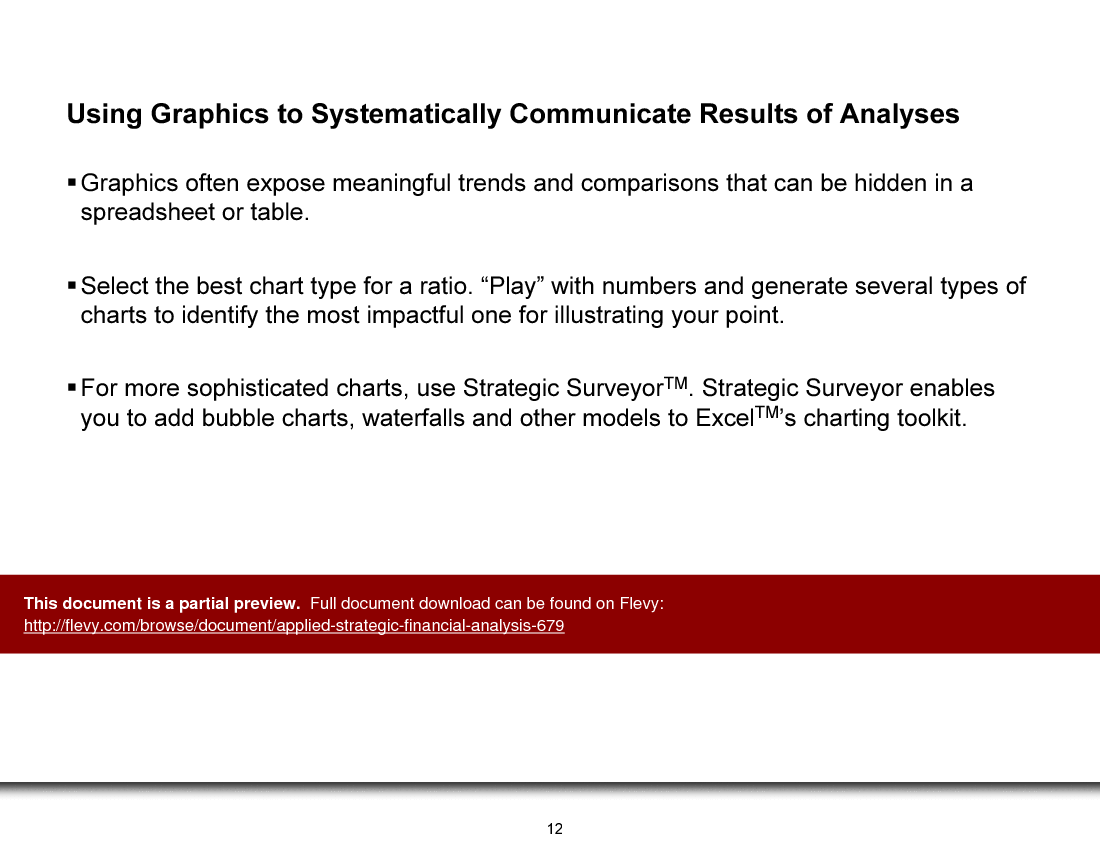
Moreover, the document emphasizes the use of graphics to uncover meaningful trends and comparisons that might be missed in traditional spreadsheets. By selecting the right chart types and utilizing tools like Strategic Surveyorâ„¢, you can present your findings in a way that is both impactful and easy to understand. This approach ensures that your strategic financial analysis is not only thorough, but also compelling to stakeholders.
Got a question about the product? Email us at support@flevy.com or ask the author directly by using the "Ask the Author a Question" form. If you cannot view the preview above this document description, go here to view the large preview instead.
Executive Summary
The Applied Strategic Financial Analysis presentation is designed to equip corporate executives and consultants with essential skills in strategic financial analysis, reflecting the high standards of McKinsey, Bain, or BCG-quality presentations (consulting-grade; not affiliated). This workshop focuses on mastering key financial metrics, conducting comprehensive case studies, and employing effective presentation techniques. Participants will learn to interpret financial data, identify strategic drivers, and suggest actionable insights to enhance client strategies.
Who This Is For and When to Use
• Corporate executives involved in strategic planning and financial analysis
• Consultants seeking to enhance their analytical skills and client offerings
• Financial analysts responsible for interpreting financial data and advising on strategy
• Business development teams looking to align financial analysis with growth initiatives
Best-fit moments to use this deck:
• During strategic planning sessions to integrate financial insights into decision-making
• In client workshops focused on improving financial performance and strategic positioning
• When preparing for presentations that require clear communication of complex financial analyses
Learning Objectives
• Identify available resources for conducting strategic financial analysis
• Discuss the integration of strategic financial analysis into client strategy development
• List the steps involved in a detailed strategic financial analysis
• Apply key calculations in a case study context
• Identify effective presentation methods for communicating results
• Interpret analysis results to highlight areas for focus and suggest solutions
• Discuss current issues in financial reporting and their implications for analysis
Table of Contents
• Introductions, Agenda, and Objectives (page 1)
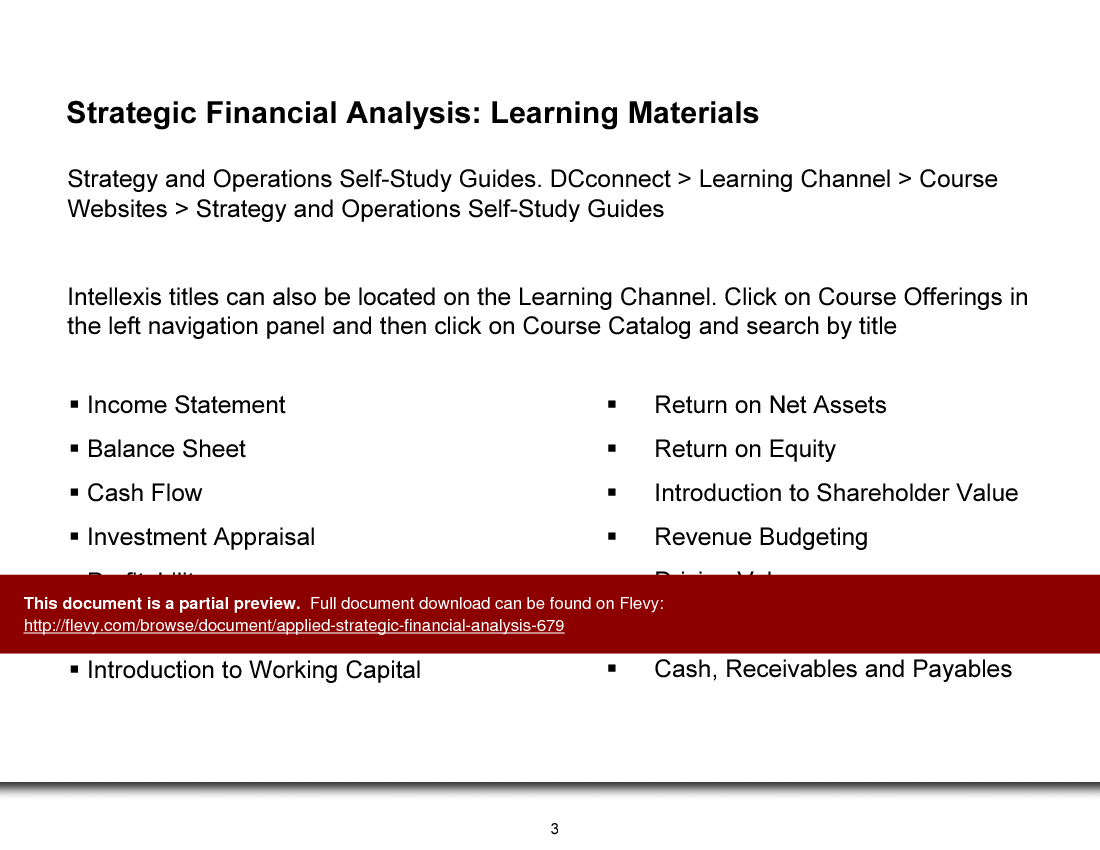
• Learning Resources (page 2)
• Strategy Development (page 4)
• Components of a Strategic Financial Analysis (page 8)
• Case Study: Strategic Financial Analysis (page 13)
• Interpretation of Results (page 58)
• Current Financial Analysis Issues (page 66)
• Workshop Close (page 70)
Primary Topics Covered
• Strategic Financial Analysis Framework - A structured approach to evaluating a client's financial health through various metrics and comparisons against benchmarks.
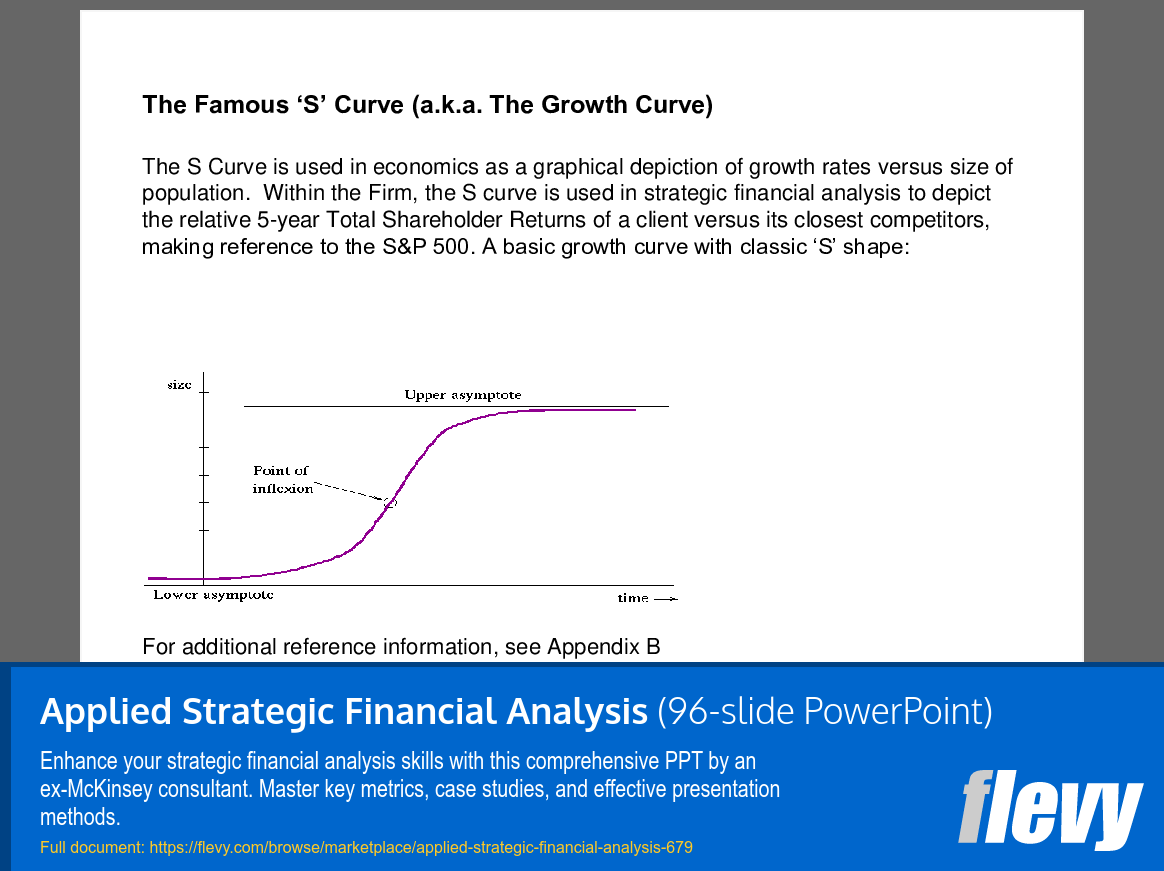
• Value Profiling - Analyzing Total Shareholder Returns (TSR) and stock price trends to assess organizational performance over time.
• Peer Analysis - Comparing financial ratios and performance metrics with industry peers to identify competitive positioning.
• Internal Analysis - Conducting a thorough examination of a client's operational and financial drivers to uncover strengths and weaknesses.
• Interpretation of Results - Drawing high-level conclusions from financial analyses and determining necessary follow-up actions.
• Current Issues in Financial Analysis - Discussing how evolving financial reporting standards impact analysis and interpretation.
Deliverables, Templates, and Tools
• Strategic financial analysis templates for conducting peer and internal analyses
• Case study frameworks for applying strategic financial analysis techniques
• Presentation templates for effectively communicating financial insights
• Learning resource guides for accessing relevant financial data and benchmarks
• Analytical tools for calculating key financial metrics such as TSR and operating margins
• Graphics tools for visualizing financial data trends and comparisons
Slide Highlights
• Overview of the strategic financial analysis framework and its components
• Case study analysis of Best Buy's financial performance and strategic positioning
• Visual representation of Total Shareholder Returns and stock price trends
• Peer comparison analysis showcasing Best Buy's market position relative to competitors
• Interpretation slides that guide participants through drawing actionable conclusions from financial data
Potential Workshop Agenda
Introductions and Objectives (5 min)
• Overview of workshop goals and participant expectations
• Introduction to strategic financial analysis concepts
Learning Resources (5 min)
• Presentation of available tools and materials for analysis
• Discussion on accessing financial data
Strategy Development (10 min)
• Positioning strategic financial analysis within the broader strategy development process
• Overview of key components and objectives
Components of a Strategic Financial Analysis (10 min)
• Detailed explanation of the analysis framework and its significance
• Discussion on value profiling and peer analysis
Case Study: Strategic Financial Analysis (90 min)
• Hands-on analysis of Best Buy's financial performance
• Group work on interpreting results and identifying strategic insights
Interpretation of Results (45 min)
• Guidance on drawing conclusions from financial analyses
• Discussion on next steps and potential service offerings
Current Financial Analysis Issues (45 min)
• Exploration of contemporary challenges in financial reporting
• Discussion on how these issues affect analysis outcomes
Workshop Close (15 min)
• Recap of key learnings and takeaways
• Q&A session to address participant questions
Customization Guidance
• Tailor the case study examples to reflect the specific industry context of the audience
• Adjust the financial metrics and benchmarks based on the client's operational focus
• Incorporate client-specific terminology and frameworks to enhance relevance
• Modify presentation templates to align with the client's branding and communication style
Secondary Topics Covered
• Current trends in financial reporting and analysis methodologies
• The impact of economic conditions on financial performance metrics
• Best practices for leveraging financial analysis in strategic decision-making
• Techniques for enhancing client engagement through effective communication of financial insights
FAQ
What is the purpose of strategic financial analysis?
Strategic financial analysis aims to evaluate a client's financial health, identify strategic drivers, and provide actionable insights to inform decision-making.
How do I apply the concepts learned in this workshop?
Participants can apply the concepts by conducting their own strategic financial analyses, utilizing the provided templates and frameworks to guide their work.
What resources are available for further learning?
The workshop provides access to self-study guides, analytical tools, and case study materials to support ongoing learning and application.
How can I effectively communicate financial analysis results?
Utilize the presentation templates and graphics tools provided in the workshop to create clear and impactful visual representations of your findings.
What are the key metrics to focus on in a strategic financial analysis?
Key metrics include Total Shareholder Returns, operating margins, asset turnover, and revenue growth, among others.
How does current financial reporting impact analysis?
Changes in financial reporting standards can affect the comparability of financial data, necessitating adjustments in analysis methods and interpretations.
What is the significance of peer analysis?
Peer analysis allows for benchmarking against competitors, helping to identify strengths, weaknesses, and opportunities for improvement.
What should I consider when interpreting financial analysis results?
Focus on high-level conclusions, identify additional analyses needed, and consider the services your firm can offer to address identified issues.
Glossary
• Total Shareholder Returns (TSR) - A measure of the performance of a company's stock and dividends over time.
• Operating Margin - A profitability ratio calculated as operating income divided by revenue.
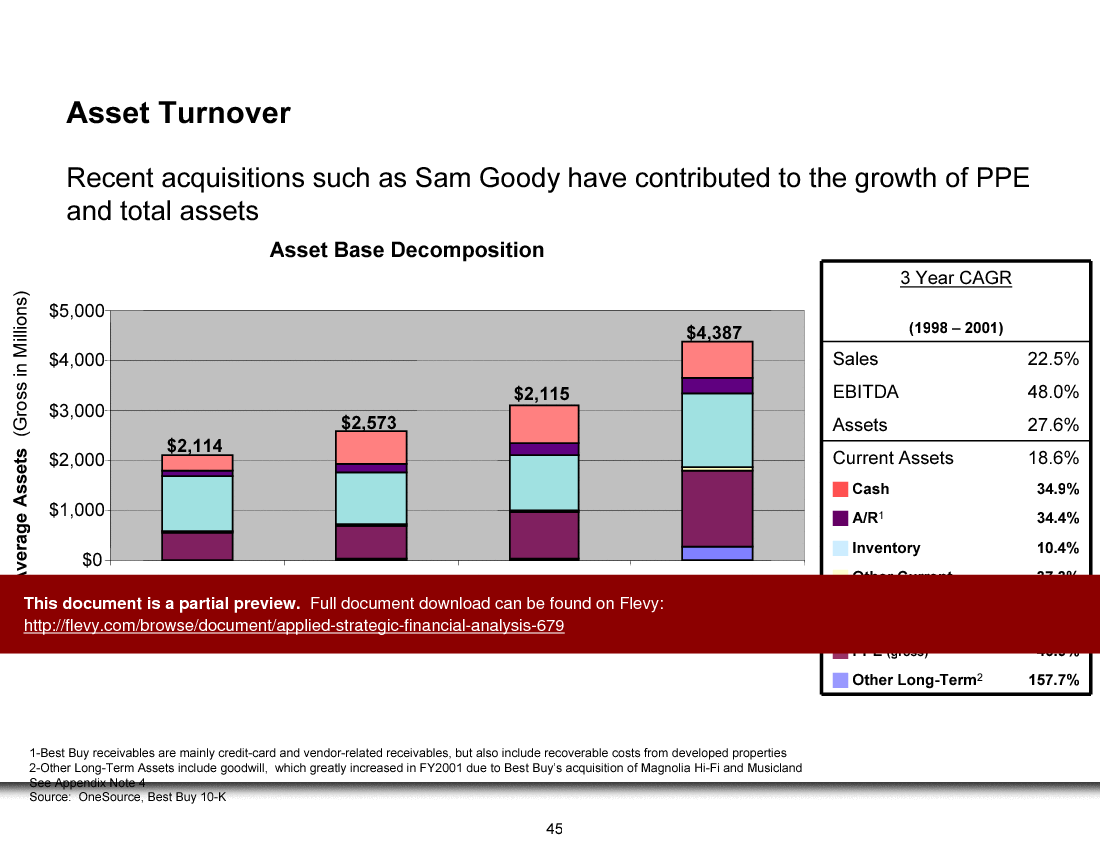
• Asset Turnover - A financial ratio that measures the efficiency of a company's use of its assets in generating sales revenue.
• Value Profiling - The process of assessing a company's performance against market benchmarks.
• Peer Analysis - Comparing a company's financial metrics with those of similar organizations in the industry.
• Internal Analysis - An examination of a company's internal financial and operational metrics to identify strengths and weaknesses.
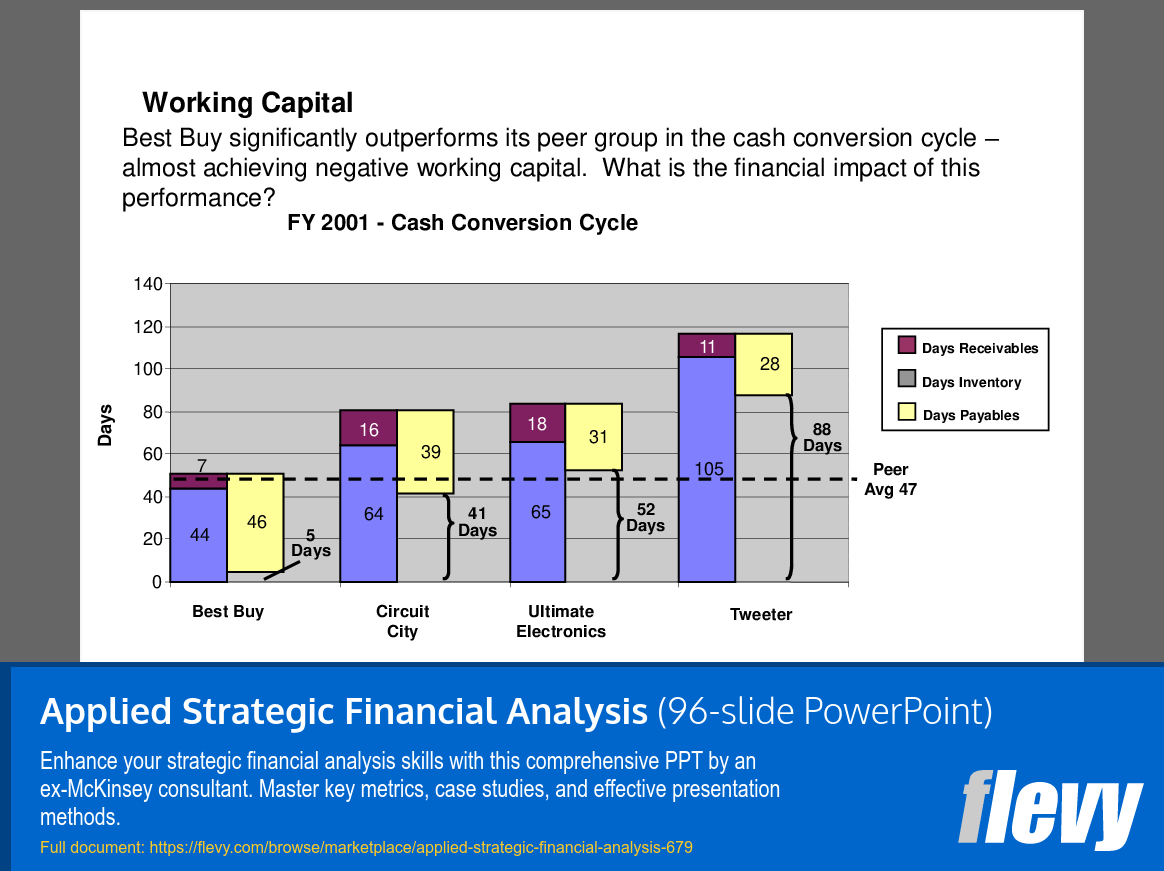
• Cash Conversion Cycle - A metric that measures how long a company takes to convert its investments in inventory and other resources into cash flows from sales.
• SG&A - Selling, General, and Administrative expenses; costs incurred in the sale of products and services.
• Financial Reporting Standards - Guidelines and regulations governing how financial statements are prepared and presented.
• Economic Profit - The difference between a company's total revenue and its total costs, including both explicit and implicit costs.
• Market Capitalization - The total market value of a company's outstanding shares of stock.
• Revenue Growth - The increase in a company's sales over a specified period, often expressed as a percentage.
Source: Best Practices in Financial Analysis PowerPoint Slides: Applied Strategic Financial Analysis PowerPoint (PPT) Presentation Slide Deck, Documents & Files
|
Download our FREE Strategy & Transformation Framework Templates
Download our free compilation of 50+ Strategy & Transformation slides and templates. Frameworks include McKinsey 7-S, Balanced Scorecard, Disruptive Innovation, BCG Curve, and many more. |