
This product (Product Line Profitability Analysis) is a 62-slide PPT PowerPoint presentation slide deck (PPT), which you can download immediately upon purchase.
This presentation is a training document on how to determine the true profitability of a product line. Unlike the traditional accounting, this approach assigns costs to products based on relevant cost drivers that can help management make meaningful decisions about product lines.
The deck has 60 slides, detailing step by step analysis through the use of business examples.
An ideal tool for business consultants, corporate managers, analysts and financial professionals.
This document provides a comprehensive breakdown of how to allocate both direct and indirect costs to product lines, ensuring a more accurate reflection of each product's profitability. It contrasts traditional accounting methods with the XYZ PLP approach, highlighting the limitations of conventional systems in capturing the true cost dynamics. The presentation includes detailed steps for implementing PLP, from understanding current financial systems to making strategic recommendations based on the analysis.
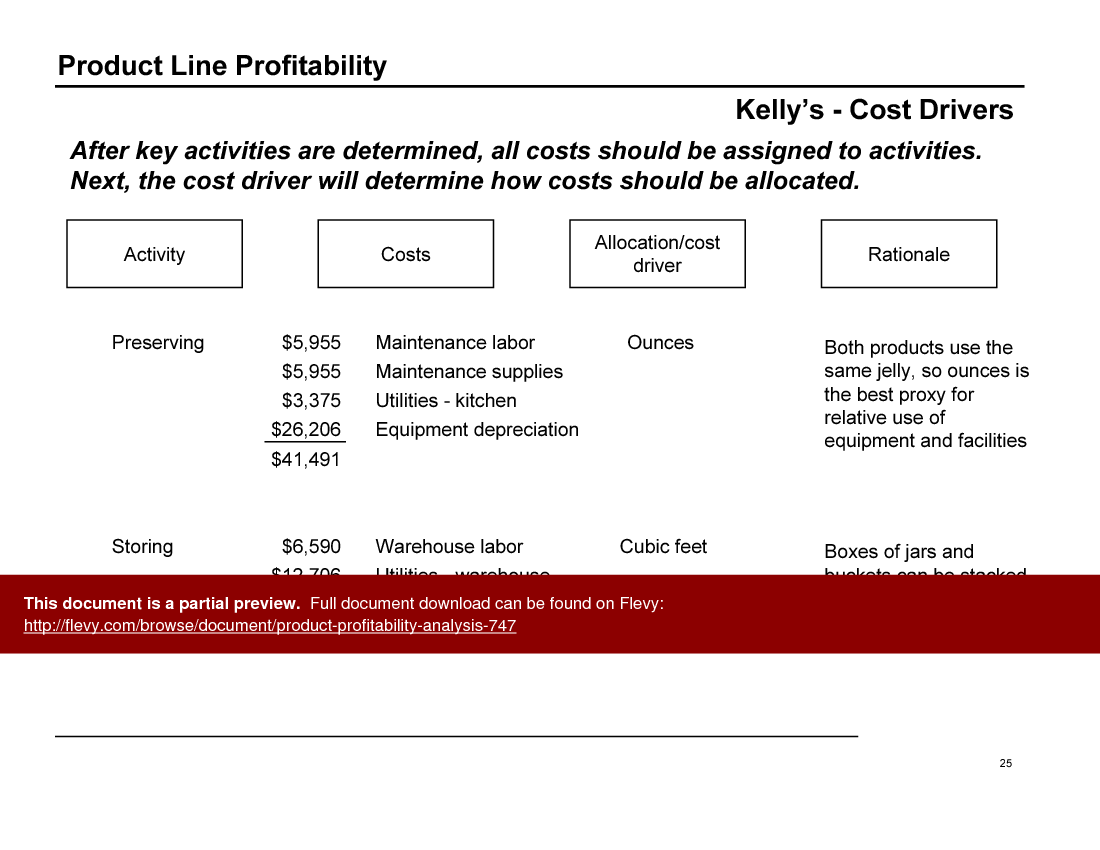
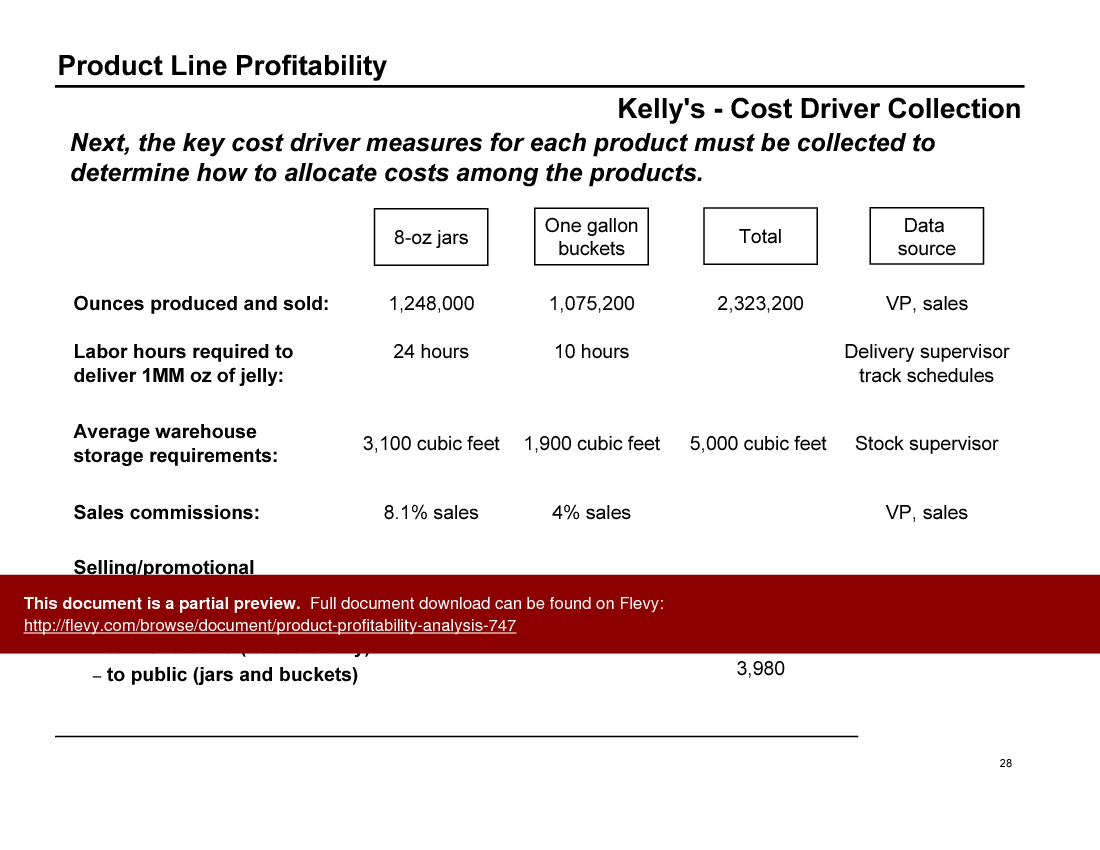
The analysis is supported by real-world examples, such as the case study of an aluminum manufacturer. This case study illustrates how PLP can identify the most and least profitable products, guiding strategic decisions on where to focus resources. The document also delves into the specifics of cost drivers, such as labor hours and storage requirements, providing a granular view of cost allocation.
Key success factors for PLP implementation are outlined, emphasizing the importance of mapping the value chain and tying costs to operations. The document also addresses common challenges, such as capturing all activities that drive costs and reconciling PLP results with overall business profits. These insights are crucial for ensuring the accuracy and effectiveness of the PLP analysis.
The presentation concludes with actionable recommendations for underperforming products, offering alternatives like cost reduction, price increases, and volume growth. These strategies are essential for optimizing product line profitability and making informed business decisions. This document is an invaluable resource for consultants, managers, and financial professionals seeking to enhance their understanding of product line profitability.
Got a question about the product? Email us at support@flevy.com or ask the author directly by using the "Ask the Author a Question" form. If you cannot view the preview above this document description, go here to view the large preview instead.
This PPT slide presents a comparative analysis of product line profitability, focusing on gross margin and operating margin. It highlights the importance of accurately allocating indirect costs to assess the true profitability of different products. The visual representation includes 3 products: T-54, K-93, and J-88, each with their respective pricing, gross margins, and operating margins.
T-54 is priced at $750, with a gross margin of 40% and an operating margin of 29%. K-93, priced at $600, shows a lower gross margin of 33% and an operating margin of 20%. J-88, the least expensive at $450, has the highest gross margin at 44%, but a lower operating margin of 23%. The graph illustrates the cost structure for each product, breaking down costs into categories such as sales and marketing, distribution, and overhead.
The key takeaway is that while J-88 appears most profitable based on gross margin, T-54 is actually the most profitable when all indirect costs are considered. This discrepancy emphasizes the potential pitfalls of relying solely on gross margin figures for decision-making. The note at the bottom reinforces the critical nature of proper cost allocation, suggesting that misjudgments can lead to flawed strategic decisions. Understanding these dynamics is essential for executives aiming to optimize product lines and enhance overall profitability. This analysis serves as a reminder to consider both gross and operating margins for a holistic view of product performance.
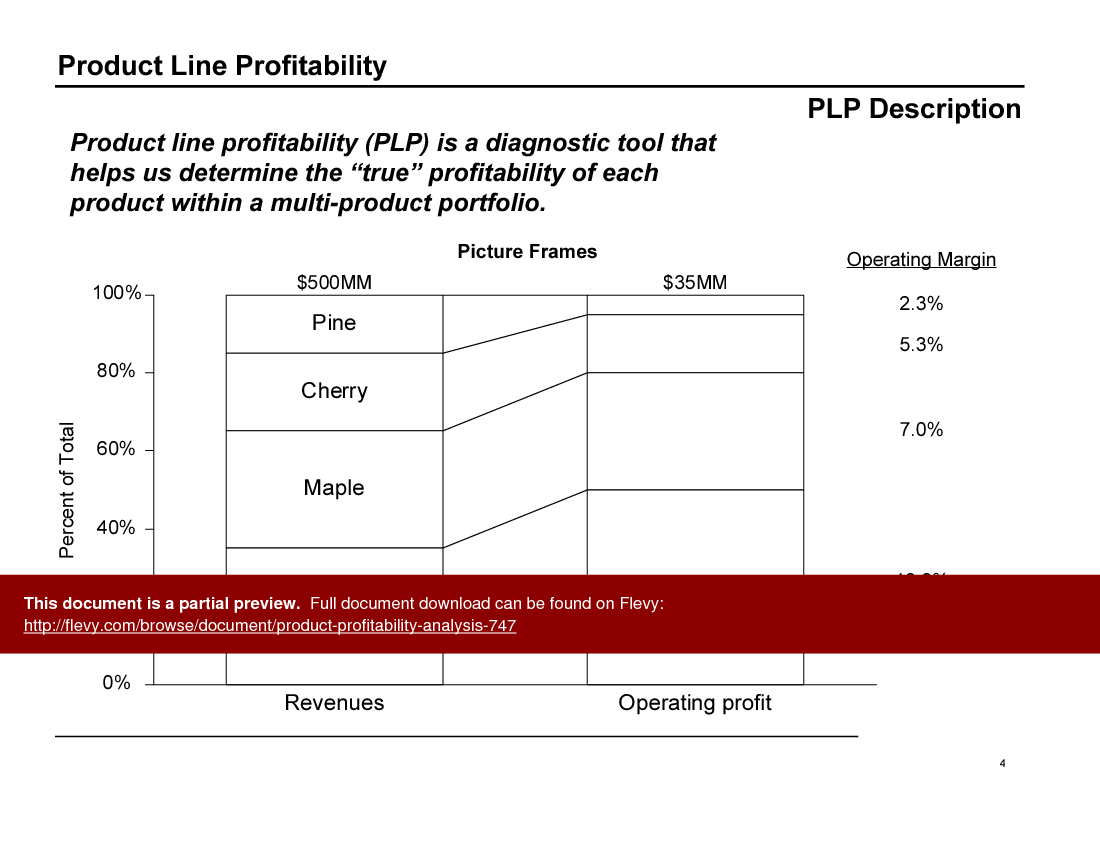
This PPT slide presents a comprehensive overview of product line profitability (PLP) for various types of picture frames. It serves as a diagnostic tool aimed at assessing the profitability of each product within a multi-product portfolio. The data is visually represented through a bar chart that illustrates both revenues and operating margins for 5 distinct product categories: Pine, Cherry, Maple, Oak, and a fifth category that is likely obscured, but can be inferred to be another type of frame.
The left side of the chart displays the revenues, with values ranging from $35 million to $500 million. Each product's contribution to total revenues is depicted in percentage terms, allowing for a clear comparison of their market performance. The operating margins are shown on the right, indicating the profitability of each product after accounting for costs. Notably, Oak leads with a 10% operating margin, followed by Maple at 7%. Cherry and Pine show lower margins at 5.3% and 2.3%, respectively.
This analysis is critical for decision-makers as it highlights which products are not only generating revenue, but also contributing significantly to profitability. The stark contrast in operating margins suggests that while some products may have high sales volumes, they may not be as profitable. This insight can guide strategic decisions regarding resource allocation, product focus, and potential areas for improvement. Understanding these dynamics is essential for optimizing the product portfolio and enhancing overall financial performance.
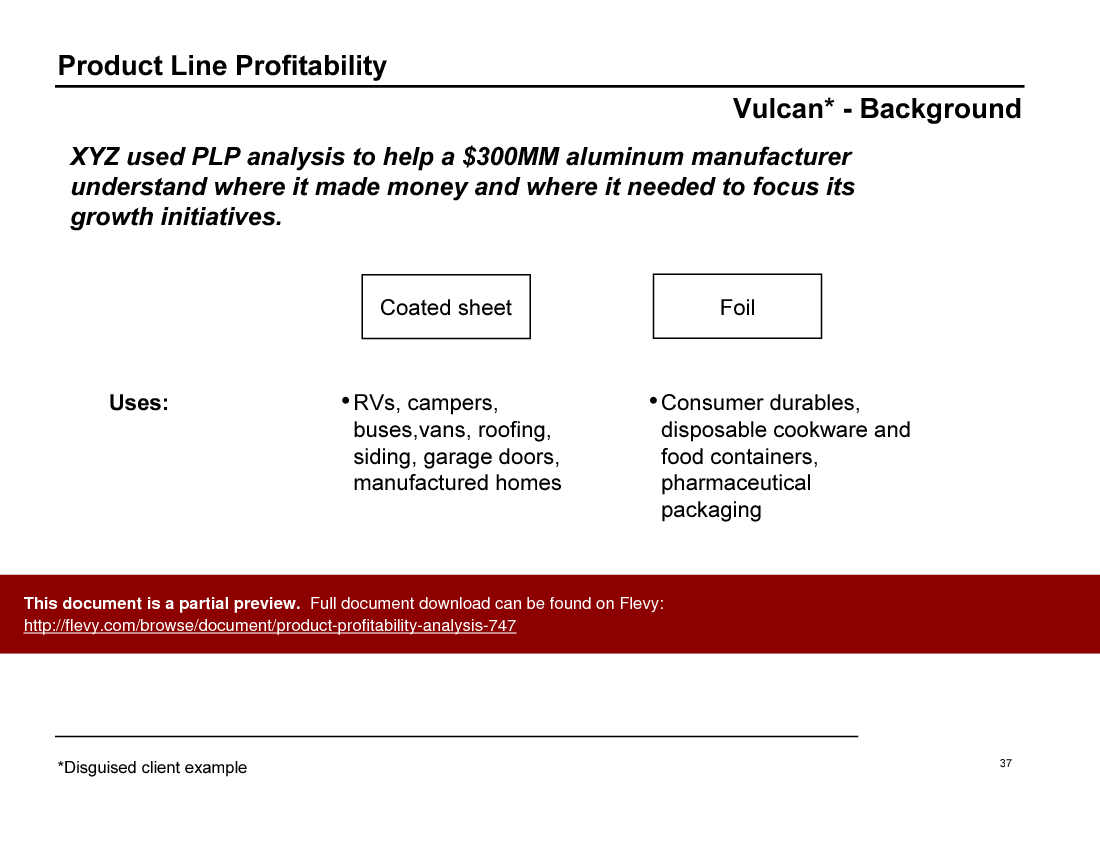
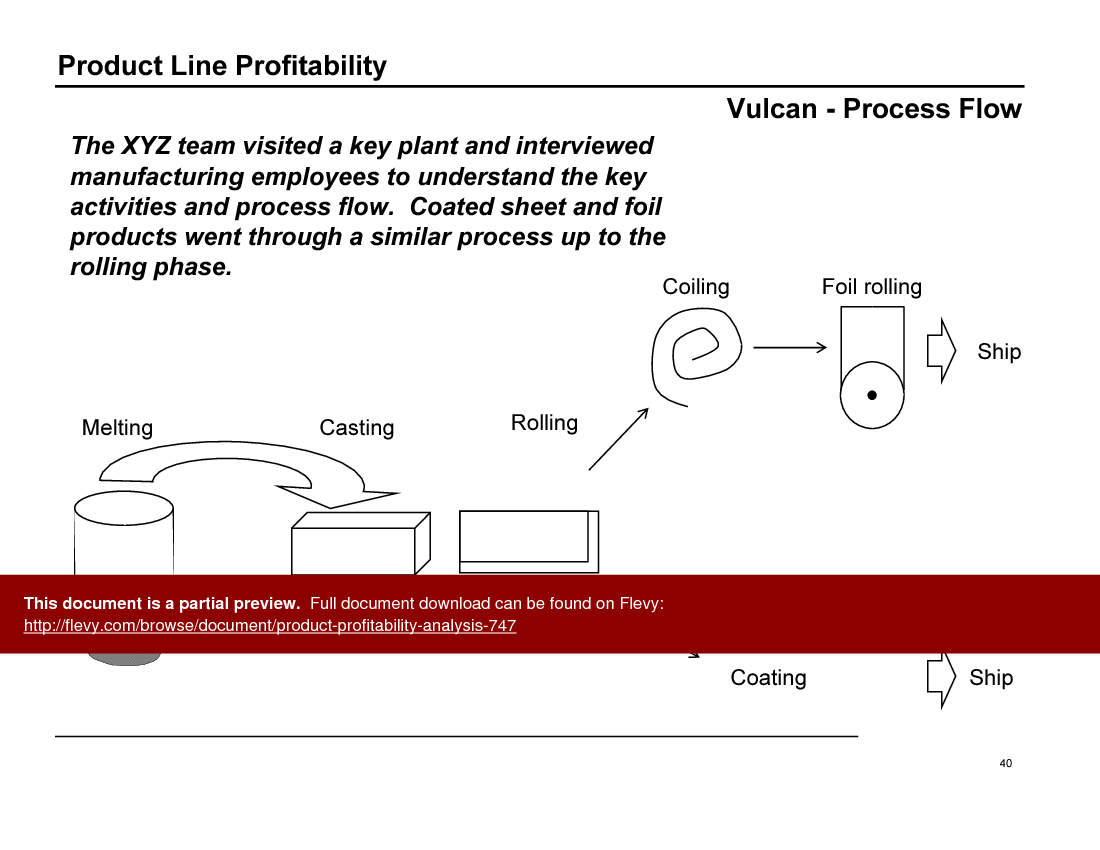
This PPT slide outlines the manufacturing process flow for coated sheet and foil products at a facility referred to as "Vulcan." It begins with the melting phase, where raw materials are transformed into molten metal. This molten metal is then cast into ingots, which serve as the foundational form for subsequent processes.
The process continues with rolling, where these ingots are shaped into thinner sheets or foils. This rolling phase is crucial as it determines the final thickness and quality of the product. After rolling, the material is coiled, indicating a transition to the next stage of production.
Coating is another significant step in this flow, where the rolled products receive a protective or functional layer. This step is essential for enhancing the product's properties, such as durability or aesthetic appeal. Finally, the finished products are prepared for shipping, indicating the completion of the manufacturing cycle.
The slide emphasizes the importance of understanding each stage of this process to assess product line profitability effectively. It highlights that both coated sheets and foils undergo a similar process until the rolling phase, suggesting a streamlined approach to production.
For potential customers, this information is valuable as it provides insight into the operational efficiencies and potential cost drivers within the manufacturing process. Recognizing these stages can help in making informed decisions regarding investments or improvements in the production line.
This PPT slide titled "Product Line Profitability" outlines critical issues faced by multi-product businesses that lack a clear understanding of their products' profitability. It emphasizes that without accurate accounting practices and appropriate allocation of indirect costs, companies risk misjudging their financial health.
The flowchart illustrates 2 main paths leading to low profitability. The first path begins with high gross margin products, which may not yield substantial net profits. These products receive investment capital, leading to the introduction of new product line extensions. However, as the number of SKUs grows, the complexity increases, resulting in higher direct costs. This ultimately perpetuates poor profitability, which can drive up prices and weaken market positioning.
Conversely, the second path highlights low gross margin products that, despite potentially high net profits, are deprived of necessary investment. This lack of capital can stifle growth opportunities for these products, causing their potential to be overlooked. As a result, profitable product lines may also suffer from stagnation.
The slide serves as a cautionary tale for executives, stressing the importance of accurate cost accounting and strategic investment decisions. Failing to grasp the true profitability of products can lead to misguided resource allocation, ultimately harming the company's overall financial performance. Understanding these dynamics is essential for making informed decisions that enhance profitability and market competitiveness.
This PPT slide focuses on key strategies for addressing challenges related to Product Line Profitability (PLP) analysis. It is divided into 2 main sections: Data Issues and Client (People) Issues, each outlining critical considerations for effective analysis.
In the Data Issues section, the slide emphasizes the importance of using multiple years or periods of data to avoid misleading conclusions that may arise from one-time effects or seasonal variations. This approach helps to create a more accurate picture of product performance over time. It also highlights the necessity of understanding that different products will exhibit varying cost behaviors, as indicated by their unique E-curves and XYZ slopes. This means that cost projections must be tailored to each product's characteristics. Lastly, the slide advises dedicating time to analyze every cost component, while prioritizing those that significantly influence the overall profitability outcome.
The Client Issues section addresses the human element involved in PLP analysis. It stresses the need to secure early buy-in from finance managers, who play a crucial role in providing the necessary data. Their involvement is essential to ensure that the analysis is grounded in accurate financial information. Additionally, the slide cautions analysts to be sensitive in their communication, as PLP analysis may reveal that clients have been misinterpreting their financial results for an extended period. This aspect highlights the need for tact and professionalism when presenting findings that could challenge established beliefs.
Overall, the slide serves as a practical guide for executives looking to navigate the complexities of PLP analysis effectively.
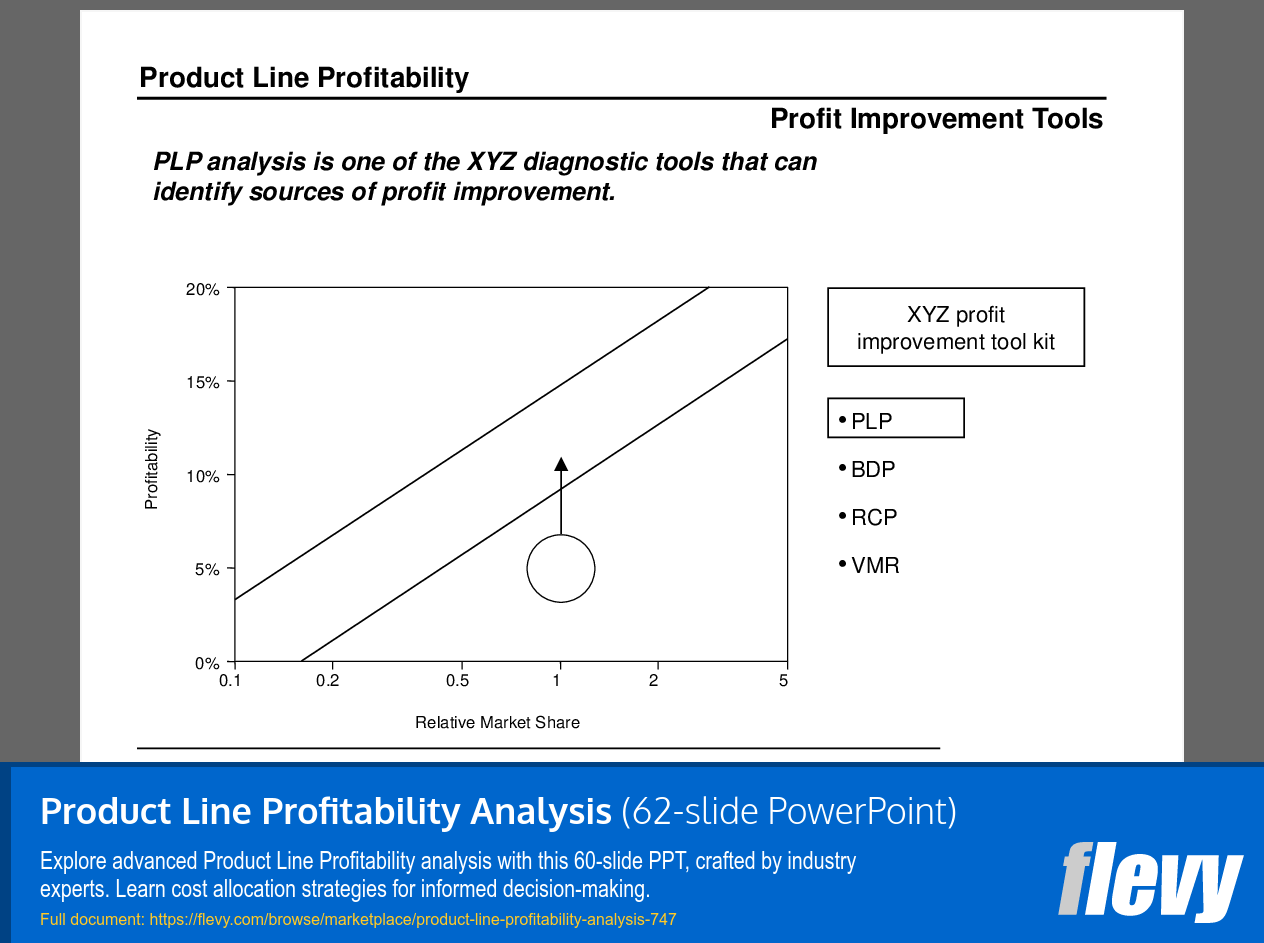
This PPT slide presents an analysis of Product Line Profitability (PLP) as a diagnostic tool for identifying profit improvement opportunities. It features a scatter plot that correlates profitability with relative market share. The vertical axis represents profitability, ranging from 0% to 20%, while the horizontal axis indicates relative market share, extending from 0.1 to 5.
A circular marker on the plot signifies a specific product line's position in relation to its market share and profitability. The upward trend of the lines suggests that as relative market share increases, profitability tends to rise as well. The arrow pointing upward from the circle implies potential for improvement, indicating that the product line could enhance its profitability by increasing its market share.
On the right side, the slide lists various tools within the XYZ profit improvement toolkit, including PLP, BDP, RCP, and VMR. Each of these tools serves a distinct purpose in analyzing and enhancing profitability. The mention of PLP as a key tool emphasizes its importance in the overall strategy for profit enhancement.
This slide effectively communicates the relationship between market positioning and profitability, making it clear that leveraging PLP analysis can guide decision-making for product lines. For executives considering this document, the insights provided here can help in evaluating how to strategically position their offerings in the market to maximize profitability. Understanding these dynamics is crucial for informed decision-making and resource allocation.
This PPT slide outlines the conversion cost methodology used by Vulcan, emphasizing how these costs are influenced by both production and support activities. At the top, the slide presents the concept of "Actual conversion cost," which serves as the foundation for further breakdown.
The production costs are categorized into 2 types: fixed and variable. Specific production entities like "hot mill," "Cold mill 3," "Chester mills," and "Henrico mills" are listed, indicating that these facilities play a crucial role in the overall cost structure. Fixed costs are described as being directly assigned to equipment, suggesting that these costs remain constant regardless of production volume. This could imply a need for careful management of these assets to ensure optimal utilization.
On the right side, the slide addresses support costs, which are also divided into fixed and variable categories. Examples of support functions include "MIS," "Accounting," "Building and grounds," and "Scheduling." The fixed support costs are allocated to part numbers based on fixed cost drivers, hinting at a systematic approach to cost allocation that ensures transparency and accountability.
This structured approach to analyzing conversion costs provides valuable insights for decision-making. It highlights the importance of understanding both production and support activities in managing costs effectively. For potential customers, this slide serves as a clear representation of how Vulcan's methodology can aid in identifying areas for efficiency improvements and cost management, ultimately leading to better financial performance.
This PPT slide presents a structured approach to evaluating product line profitability, specifically targeting products that are either unprofitable or underperforming. It outlines 5 strategic options to consider, each accompanied by critical questions that guide decision-making.
The first option focuses on cost reduction. Key inquiries include assessing the company's relative cost position and identifying areas of disadvantage. This prompts executives to analyze operational efficiencies and cost structures to enhance profitability.
The second option explores the possibility of increasing prices. Here, the slide emphasizes understanding customer price sensitivity and anticipating competitor reactions. This is crucial for determining whether a price hike could be viable without losing market share.
Increasing volume is the third option. It encourages companies to evaluate their penetration in existing accounts and the effectiveness of targeting new customers. This suggests a need for market analysis and sales strategy adjustments to boost product uptake.
The fourth option raises the question of whether to maintain a product as a loss leader. This involves assessing the effectiveness of the product in driving traffic or sales to other more profitable items. It’s a strategic decision that can impact overall brand positioning.
Finally, the slide considers the option of dropping the product altogether. This requires a careful analysis of the potential cost implications on other products and understanding how competitors and customers might react to such a decision.
Overall, the slide serves as a comprehensive decision-making framework for executives, prompting them to critically assess their product lines and make informed choices that align with broader business objectives.
This PPT slide presents a framework for understanding product line profitability through the lens of direct and indirect costs. It highlights a common flaw in traditional accounting systems, which typically allocate only direct costs to products while neglecting indirect costs. This oversight can lead to misrepresentation of a product's profitability.
The left side of the slide categorizes costs into direct and indirect. Direct costs, such as direct labor and ingredients, are those that can be easily traced to the production of a product. Indirect costs, including R&D and advertising, are incurred outside the production process and are harder to attribute to specific products.
The middle section outlines typical accounting allocations for these costs. Indirect costs are often not allocated or are allocated based on sales percentages, which can distort financial insights. Direct costs are tracked using standard accounting practices,, but variances may not always be linked to specific products.
The right side introduces the Product Line Profitability (PLP) allocation method, which aims to rectify these issues. It suggests that all direct costs should be allocated based on actual cost drivers, ensuring a more accurate representation of product profitability. This approach addresses the shortcomings of traditional methods by providing a comprehensive view of all costs associated with a product, including variances.
For executives considering this document, the key takeaway is the importance of a robust cost allocation strategy. By adopting the PLP approach, organizations can gain clearer insights into product performance, enabling more informed decision-making and strategic planning.
This PPT slide presents a detailed analysis of product line profitability for Vulcan, focusing on sales and volume metrics from 1991 to 1997. It highlights a significant decline in sales from a peak in 1994, with a notable recovery in 1997. The sales data is segmented into 2 categories: intra-company and customer sales.
For intra-company sales, the compound annual growth rate (CAGR) from 1991 to 1994 was 3.1%, which dropped to 9.8% from 1994 to 1997. Customer sales, however, experienced a more dramatic decline, with a CAGR of -17.5% during the same period, followed by a modest recovery of 1.4%. This stark contrast indicates that while intra-company sales have stabilized, customer sales have struggled significantly.
The volume metrics mirror the sales trends, with intra-company volume showing a CAGR of 6.1% from 1991 to 1994, declining to 8.3% from 1994 to 1997. Customer volume faced a severe downturn of -32.3% in the earlier period, improving to 20.5% later.
These insights suggest that while there are signs of recovery in 1997, the overall trajectory remains concerning, particularly for customer sales and volume. The data underscores the need for strategic interventions to enhance customer engagement and drive sales growth. Understanding these trends is crucial for stakeholders looking to make informed decisions regarding resource allocation and strategic focus.
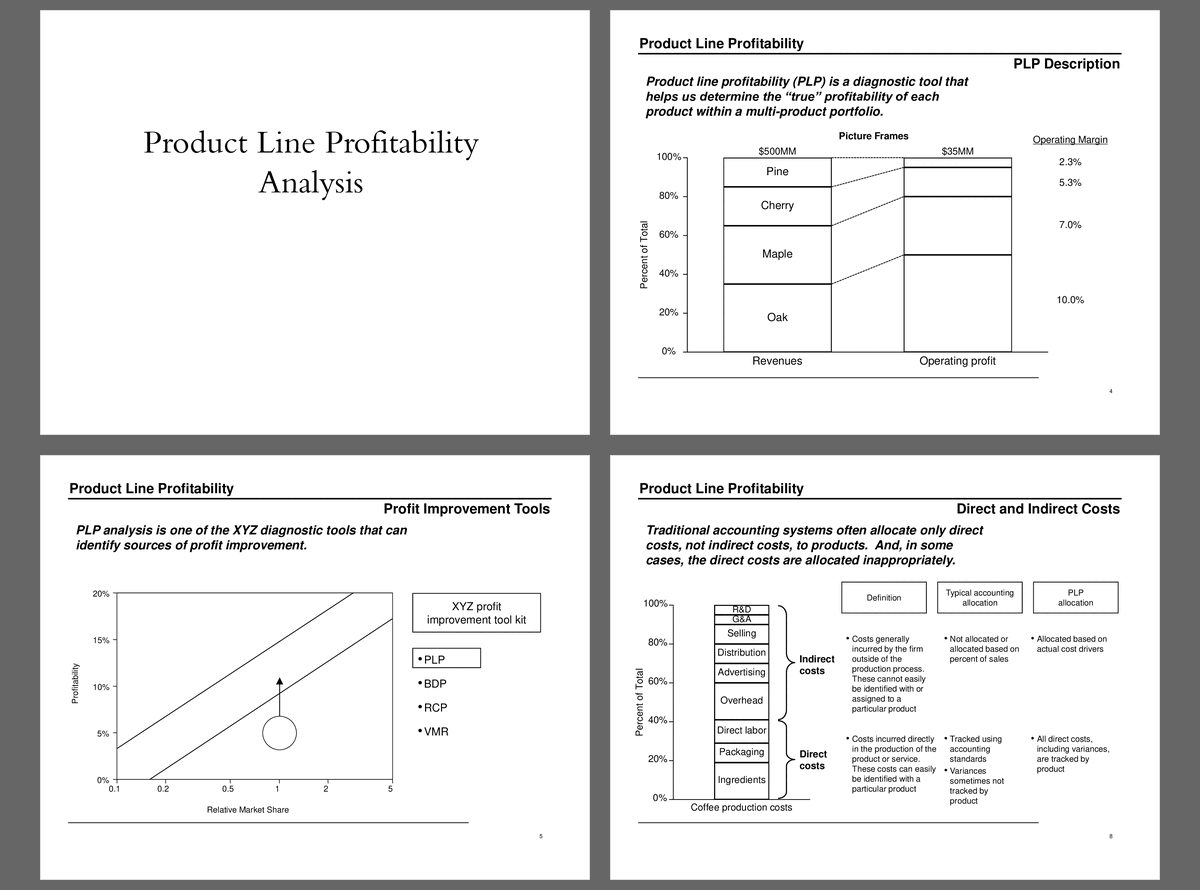
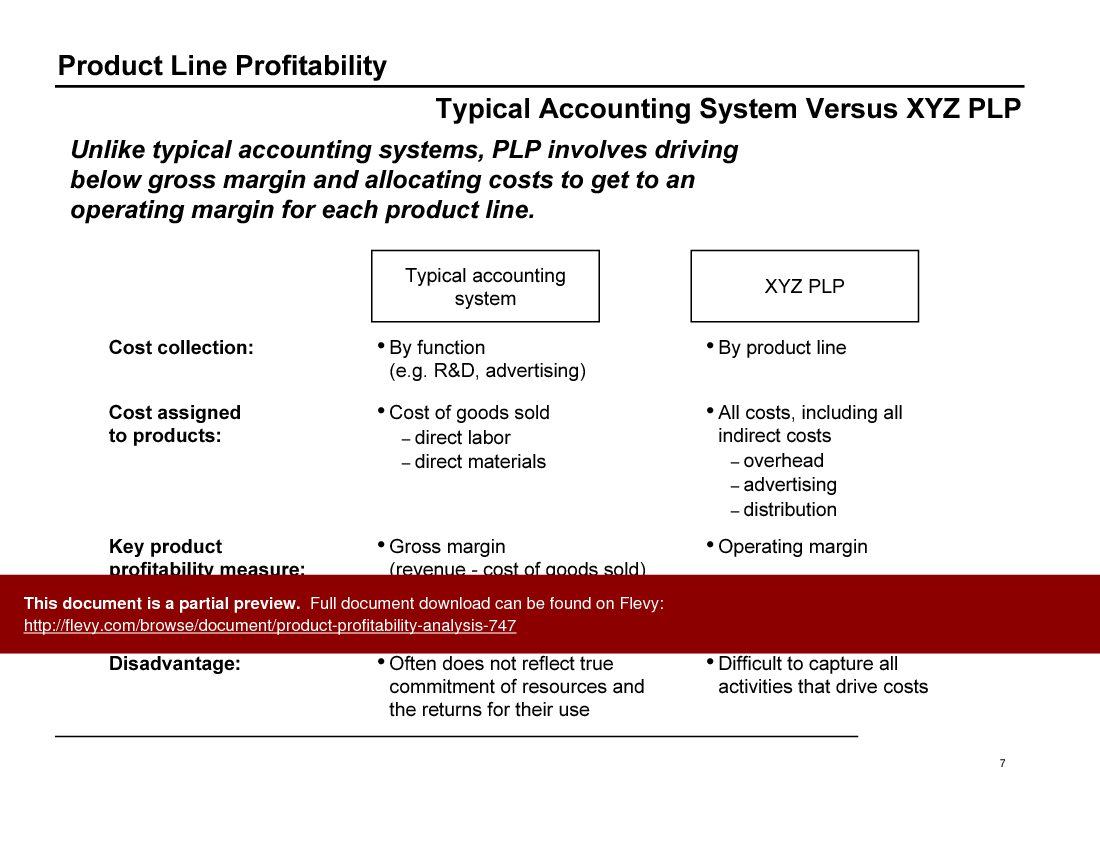
This PPT slide presents a detailed comparison between a typical accounting system and the XYZ Product Line Profitability (PLP) approach, focusing on cost allocation and profitability measurement. The upper section outlines the PLP description, showcasing a bar graph that illustrates the operating margins of various picture frame products, including Pine, Cherry, Maple, and Oak. The operating margins range from 2.3% for Pine to 10.0% for Oak, highlighting significant disparities in profitability across product lines.
The middle section delves into direct and indirect costs, defining these terms and contrasting typical accounting practices with the PLP method. It emphasizes that indirect costs are often not allocated based on actual cost drivers in traditional systems, leading to potential inaccuracies in profitability assessments. The PLP allocation method, however, allocates costs based on actual drivers, providing a more precise understanding of product profitability.
The lower part of the slide outlines potential paths to low profitability, indicating that improper accounting standards and misallocation of indirect costs can lead to poor investment decisions. It suggests that high gross margins may not always correlate with profitable products, as new product extensions and complexities can obscure true profitability. The slide warns that overlooking these factors can result in inflated prices and misaligned positioning against competitors.
Overall, this slide serves as a crucial resource for executives seeking to understand the implications of different accounting systems on product profitability. It underscores the importance of accurate cost allocation and the potential risks associated with traditional accounting methods.
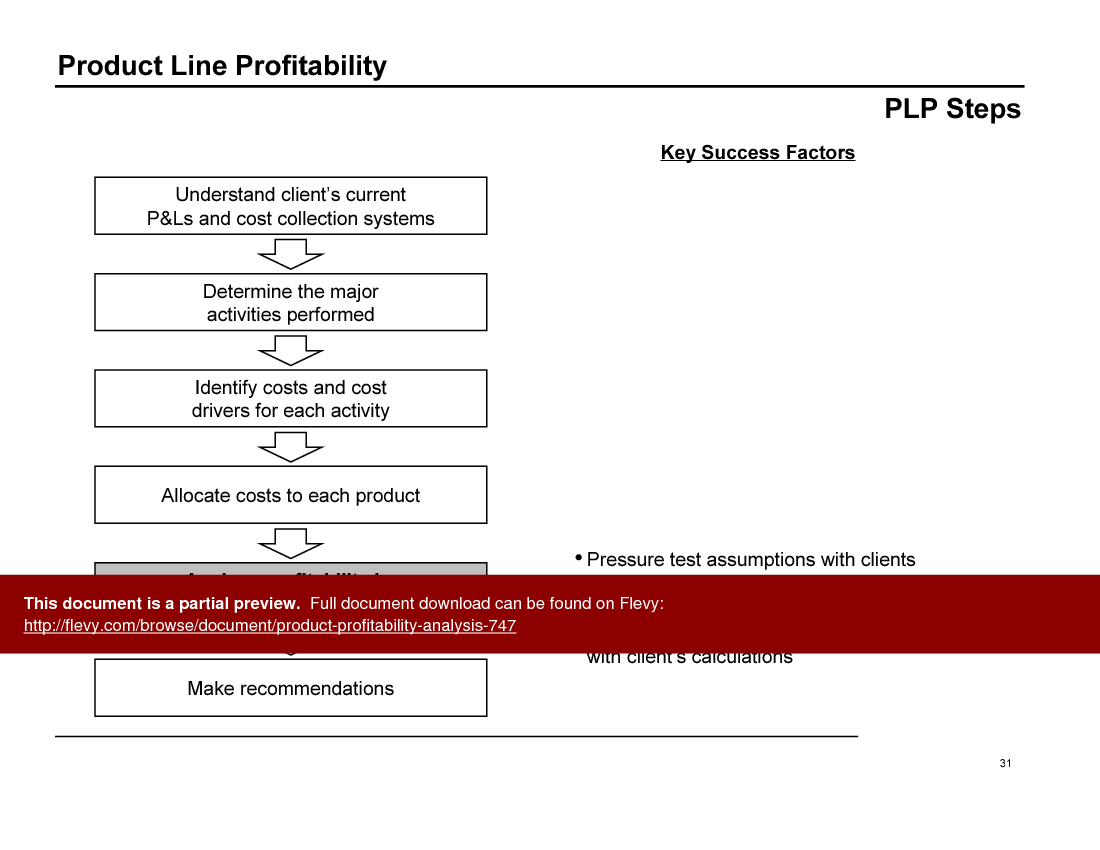
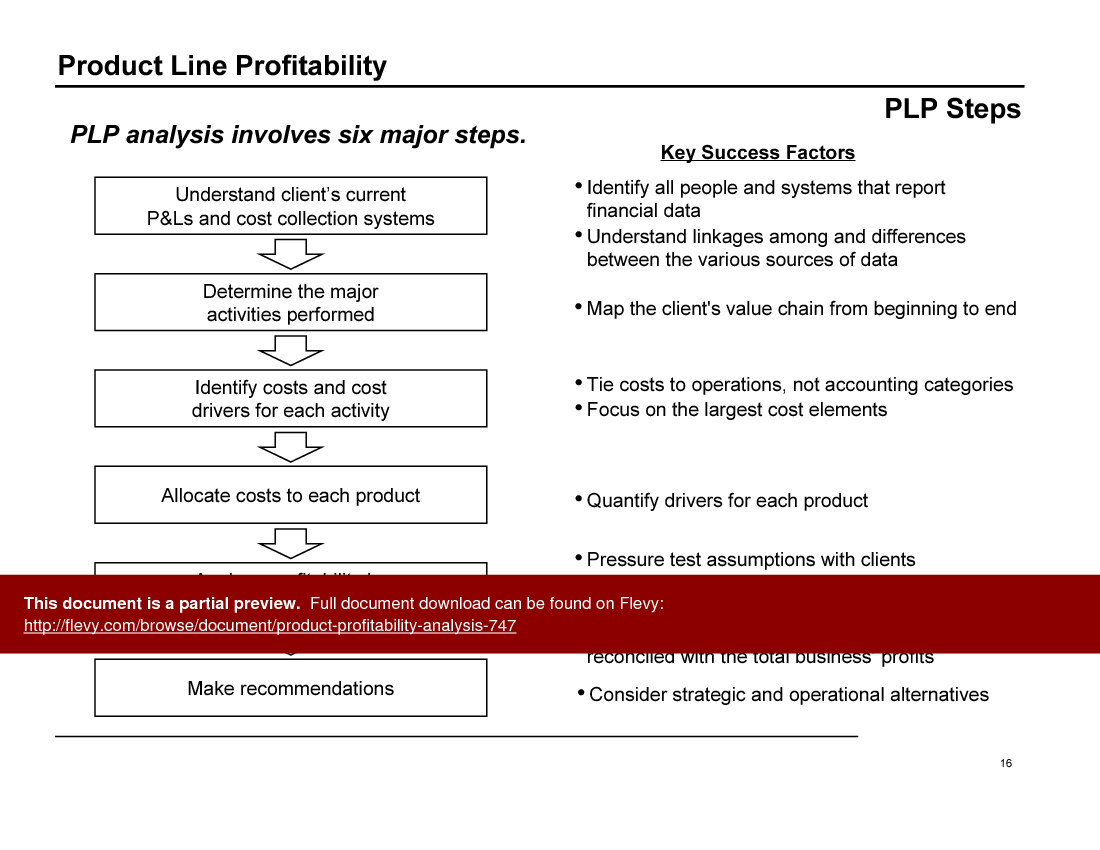
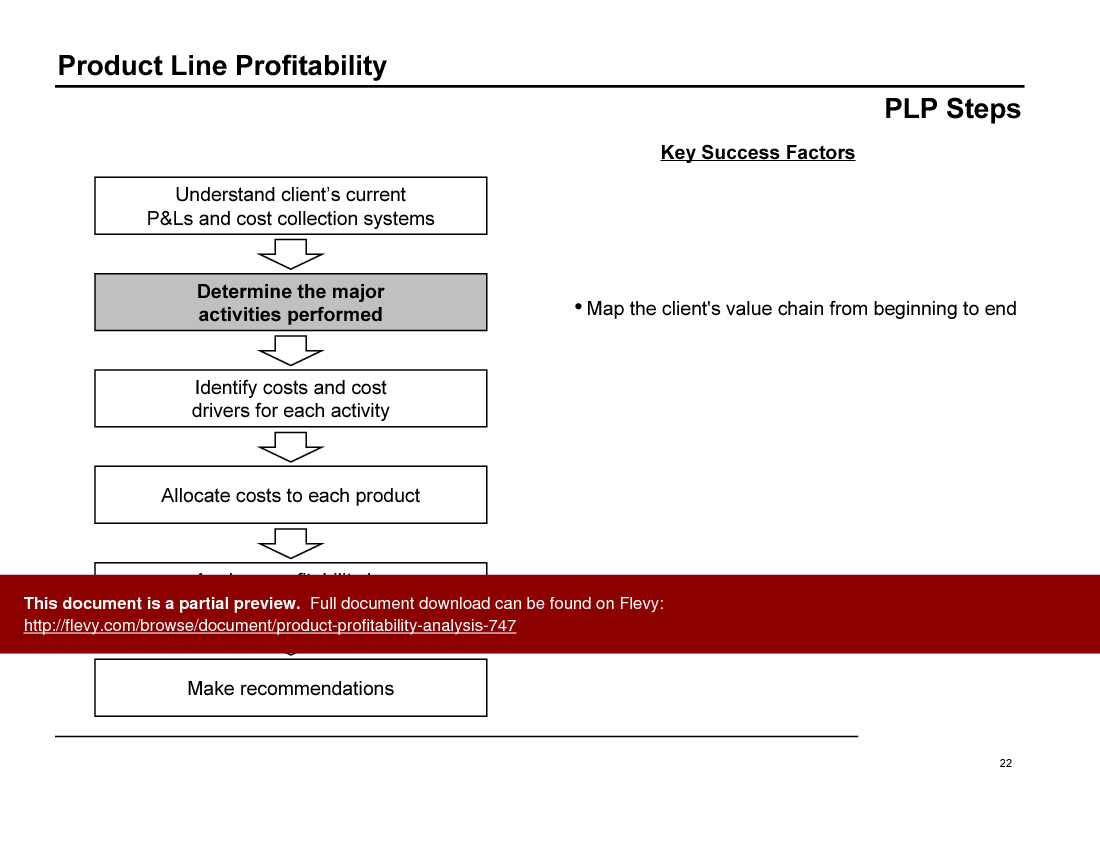
This PPT slide outlines a structured approach to analyzing product line profitability, emphasizing a systematic methodology. It begins with the critical step of understanding the client’s current profit and loss statements alongside their cost collection systems. This foundational knowledge is essential for accurate analysis.
Next, the slide details a sequence of steps. First, it suggests determining the major activities performed within the organization. This step is crucial as it sets the stage for identifying costs associated with each activity. After understanding these costs, the focus shifts to identifying cost drivers, which will help in allocating costs to specific products accurately.
The allocation of costs to each product is a pivotal step, as it directly impacts the analysis of profitability. Following this, the slide emphasizes the need to analyze profitability by individual products or groups of products. This analysis will provide insights into which products contribute positively to the bottom line and which may be underperforming.
Finally, the slide concludes with the recommendation phase, where actionable insights are derived from the analysis. This structured approach not only aids in identifying profitable products, but also helps in making informed decisions regarding resource allocation and strategic focus.
The key success factors listed highlight the importance of identifying all personnel and systems involved in financial reporting and understanding the interconnections between various data sources. This ensures that the analysis is comprehensive and reliable, ultimately leading to better decision-making. Overall, the slide serves as a roadmap for organizations aiming to enhance their understanding of product line profitability.
MARCUS OVERVIEW
This synopsis was written by Marcus [?] based on the analysis of the full 62-slide presentation.
Executive Summary
The Product Line Profitability (PLP) Analysis presentation is a comprehensive 60-slide deck designed to equip corporate executives and consultants with a robust framework for evaluating the profitability of individual products within a multi-product portfolio. This consulting-grade presentation, crafted with precision akin to McKinsey, Bain, or BCG-quality standards (not affiliated), provides actionable insights into cost allocation strategies and profit improvement opportunities. By leveraging PLP analysis, organizations can make informed decisions on pricing, cost reduction, and product line management, ultimately enhancing overall profitability.
Who This Is For and When to Use
• Finance executives responsible for product profitability analysis
• Product managers seeking to optimize product lines
• Strategic planners focusing on cost management and pricing strategies
• Consultants advising clients on profitability improvement
• Operations leaders aiming to align costs with product performance
Best-fit moments to use this deck:
• During strategic planning sessions to assess product line performance
• When evaluating pricing strategies and cost reduction initiatives
• In workshops aimed at improving operational efficiency and profitability
• For annual reviews of product line performance and profitability metrics
Learning Objectives
• Define the concept of Product Line Profitability and its significance in multi-product environments
• Build a comprehensive cost allocation model that reflects true product profitability
• Establish key performance indicators for assessing product line performance
• Analyze profitability by product or product group to inform strategic decisions
• Make data-driven recommendations for pricing, cost management, and product development
• Identify potential paths to improve profitability for underperforming products
Primary Topics Covered
• PLP Overview - An introduction to Product Line Profitability as a diagnostic tool for determining true product profitability within a multi-product portfolio.
• Cost Allocation Methods - A comparison of traditional accounting systems versus PLP methodologies, emphasizing the importance of allocating both direct and indirect costs.
• Profit Improvement Tools - An overview of tools, including PLP, that identify sources of profit improvement across product lines.
• Client Case Studies - Real-world applications of PLP analysis, showcasing how organizations have leveraged insights to enhance profitability.
• Key Success Factors - Essential elements for successful PLP implementation, including data accuracy and stakeholder engagement.
• Challenges in PLP Analysis - Common obstacles faced during PLP analysis and strategies to overcome them.
Deliverables, Templates, and Tools
• PLP analysis framework template for evaluating product profitability
• Cost allocation model to assign direct and indirect costs to products
• Profitability analysis report template for summarizing findings and recommendations
• Case study examples illustrating successful PLP applications
• Key performance indicator (KPI) dashboard for tracking product line performance
• Recommendations checklist for underperforming products
Slide Highlights
• Overview of PLP and its significance in multi-product profitability
• Detailed comparison of traditional accounting systems and PLP methodologies
• Case study results from Kelly's Gourmet Jellies demonstrating the impact of PLP analysis
• Insights from Vulcan's PLP analysis revealing profit contributions by product line
• Key takeaways summarizing the importance of accurate cost allocation
Potential Workshop Agenda
Introduction to Product Line Profitability (30 minutes)
• Overview of PLP and its importance
• Discussion of key concepts and terminology
PLP Analysis Steps (60 minutes)
• Detailed walkthrough of the PLP analysis process
• Group activity: Identify cost drivers for selected products
Case Study Review (45 minutes)
• Presentation of Kelly's Gourmet Jellies and Vulcan case studies
• Group discussion on insights and lessons learned
Action Planning (30 minutes)
• Develop action plans for implementing PLP in participants' organizations
• Identify next steps and assign responsibilities
Customization Guidance
• Tailor the PLP analysis framework to reflect specific industry characteristics and cost structures
• Adjust case study examples to align with the participant's business context
• Incorporate company-specific financial data and metrics into the analysis templates
• Modify the agenda to fit the time constraints and objectives of the workshop
Secondary Topics Covered
• The role of indirect costs in product profitability
• Strategies for managing underperforming product lines
• The impact of pricing strategies on overall profitability
• Best practices for data collection and analysis in PLP
• Techniques for engaging stakeholders in the PLP process
FAQ What is Product Line Profitability (PLP)?
PLP is a diagnostic tool that determines the true profitability of each product within a multi-product portfolio by allocating all costs based on the activities that drive those costs.
How does PLP differ from traditional accounting methods?
Traditional accounting often only allocates direct costs to products, providing a limited view of profitability. PLP includes both direct and indirect costs, offering a more accurate assessment of product performance.
What are the key steps in conducting a PLP analysis?
The PLP analysis involves understanding current P&Ls, determining major activities, identifying costs and drivers, allocating costs, analyzing profitability, and making recommendations.
How can PLP analysis improve decision-making?
By providing a clearer picture of product profitability, PLP analysis enables organizations to make informed decisions regarding pricing, cost reduction, and product line management.
What challenges might arise during PLP analysis?
Common challenges include data accuracy, stakeholder buy-in, and the complexity of cost allocation. Addressing these issues early can enhance the effectiveness of the analysis.
Can PLP analysis be applied across different industries?
Yes, PLP analysis is versatile and can be adapted to various industries, helping organizations understand product profitability regardless of their specific market.
What are some common applications of PLP analysis?
PLP analysis can be used for pricing strategy development, cost reduction initiatives, product line optimization, and performance tracking.
How often should PLP analysis be conducted?
Regular PLP analysis is recommended, especially during strategic planning cycles or when significant changes occur in product lines or market conditions.
What tools are available to assist with PLP analysis?
Various templates and frameworks are available to facilitate PLP analysis, including cost allocation models and profitability reporting templates.
How can organizations ensure successful PLP implementation?
Engaging finance managers early, ensuring data accuracy, and focusing on key cost drivers are critical for successful PLP implementation.
Glossary
• Product Line Profitability (PLP) - A method for assessing the true profitability of products within a multi-product portfolio.
• Cost Allocation - The process of assigning costs to products based on activities that drive those costs.
• Direct Costs - Expenses that can be directly attributed to the production of a specific product.
• Indirect Costs - Expenses that are not directly tied to a specific product and must be allocated based on cost drivers.
• Gross Margin - Revenue minus the cost of goods sold, expressed as a percentage of revenue.
• Operating Margin - A measure of profitability that accounts for both direct and indirect costs.
• Key Performance Indicators (KPIs) - Metrics used to evaluate the success of an organization in achieving its objectives.
• Activity-Based Costing - A costing method that assigns costs to products based on the activities required to produce them.
• Cost Drivers - Factors that cause changes in the cost of an activity.
• Profit Improvement - Strategies and actions taken to enhance the profitability of products or services.
• Stakeholder Engagement - The process of involving individuals or groups who have an interest in the outcome of a project or analysis.
• Data Accuracy - The degree to which data is correct and reliable for decision-making purposes.
• Financial Reporting - The process of producing statements that disclose an organization's financial status to management and external stakeholders.
• Strategic Planning - The process of defining an organization's direction and making decisions on allocating resources to pursue that direction.
• Cost Reduction - Efforts made to decrease expenses while maintaining product quality and service levels.
• Market Positioning - The process of establishing a brand or product in the minds of consumers relative to competitors.
• SKU (Stock Keeping Unit) - A unique identifier for each distinct product and service that can be purchased.
• Revenue Enhancement - Strategies aimed at increasing sales and overall revenue.
• Operational Efficiency - The ability to deliver products or services in the most cost-effective manner without compromising quality.
• Value Chain - The full range of activities that businesses engage in to bring a product or service from conception to delivery.
Source: Best Practices in Product Strategy PowerPoint Slides: Product Line Profitability Analysis PowerPoint (PPT) Presentation Slide Deck, Documents & Files
Since 2012, we have provided best practices to over 10,000 businesses and organizations of all sizes, from startups and small businesses to the Fortune 100, in over 130 countries.
"I have found Flevy to be an amazing resource and library of useful presentations for lean sigma, change management and so many other topics. This has reduced the time I need to spend on preparing for my performance consultation. The library is easily accessible and updates are regularly provided. A wealth of great information."
– Cynthia Howard RN, PhD, Executive Coach at Ei Leadership
"I have used Flevy services for a number of years and have never, ever been disappointed. As a matter of fact, David and his team continue, time after time, to impress me with their willingness to assist and in the real sense of the word. I have concluded in fact
that it is not at all just a repository of documents/resources but, in the way that David and his team manage the firm, it is like dealing with consultants always ready to assist, advise and direct you to what you really need, and they always get it right.
I am an international hospitality accomplished senior executive who has worked and lived during the past 35 years in 23 countries in 5 continents and I can humbly say that I know what customer service is, trust me.
Aside from the great and professional service that Flevy's team provide, their wide variety of material is of utmost great quality, professionally put together and most current.
Well done Flevy, keep up the great work and I look forward to continue working with you in the future and to recommend you to a variety of colleagues around the world.
"
– Roberto Pelliccia, Senior Executive in International Hospitality
"As a consulting firm, we had been creating subject matter training materials for our people and found the excellent materials on Flevy, which saved us 100's of hours of re-creating what already exists on the Flevy materials we purchased."
– Michael Evans, Managing Director at Newport LLC
"Flevy is our 'go to' resource for management material, at an affordable cost. The Flevy library is comprehensive and the content deep, and typically provides a great foundation for us to further develop and tailor our own service offer."
– Chris McCann, Founder at Resilient.World
"Flevy is now a part of my business routine. I visit Flevy at least 3 times each month.
Flevy has become my preferred learning source, because what it provides is practical, current, and useful in this era where the business world is being rewritten.
many challenges and there is the need to make the right decisions in a short time, with so much scattered information, we are fortunate to have Flevy. Flevy investigates, selects, and puts at our disposal the best of the best to help us be successful in our work.
"
– Omar Hernán Montes Parra, CEO at Quantum SFE
"The wide selection of frameworks is very useful to me as an independent consultant. In fact, it rivals what I had at my disposal at Big 4 Consulting firms in terms of efficacy and organization."
– Julia T., Consulting Firm Owner (Former Manager at Deloitte and Capgemini)
"FlevyPro has been a brilliant resource for me, as an independent growth consultant, to access a vast knowledge bank of presentations to support my work with clients. In terms of RoI, the value I received from the very first presentation I downloaded paid for my subscription many times over! The
quality of the decks available allows me to punch way above my weight – it's like having the resources of a Big 4 consultancy at your fingertips at a microscopic fraction of the overhead.
"
– Roderick Cameron, Founding Partner at SGFE Ltd
"As a niche strategic consulting firm, Flevy and FlevyPro frameworks and documents are an on-going reference to help us structure our findings and recommendations to our clients as well as improve their clarity, strength, and visual power. For us, it is an invaluable resource to increase our impact and value."
– David Coloma, Consulting Area Manager at Cynertia Consulting
Save with Bundles

This document is available as part of the following discounted bundle(s):
Download our free compilation of 50+ Strategy & Transformation slides and templates. Frameworks include McKinsey 7-S, Balanced Scorecard, Disruptive Innovation, BCG Curve, and many more.