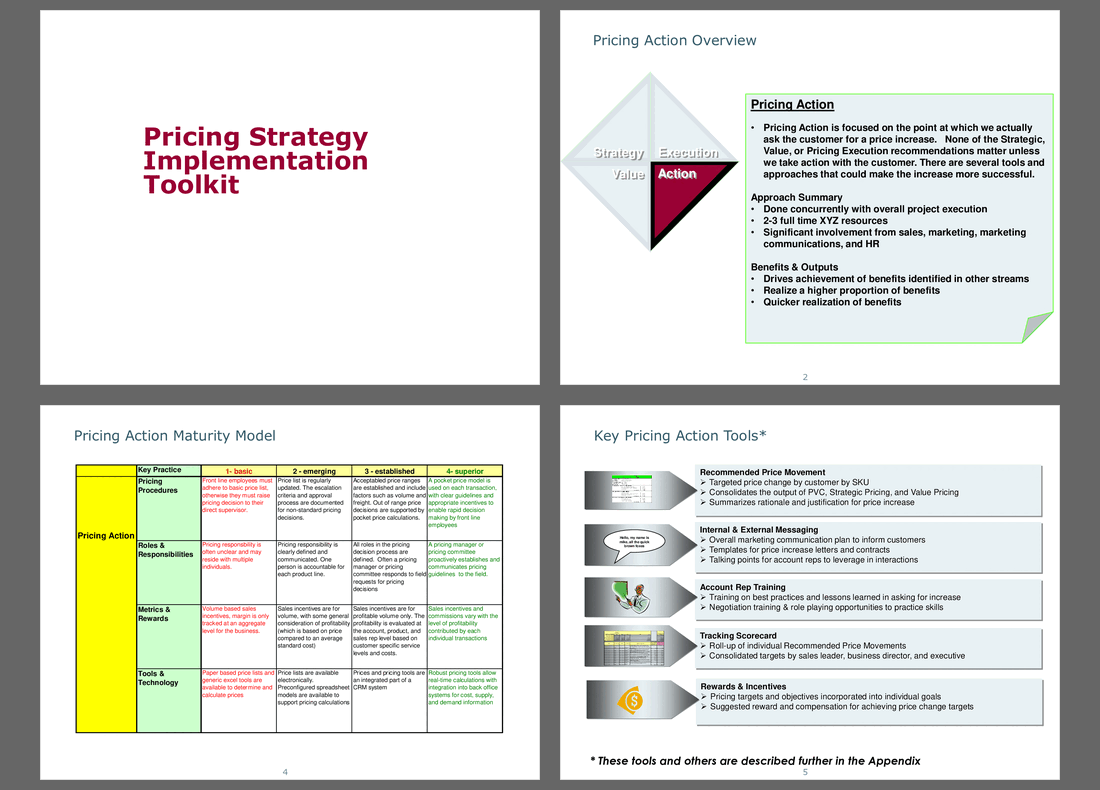

This toolkit is focused on the point at which we actually ask the customer for a price increase. None of the strategic value of a pricing recommendation matters unless we take action with the customer. There are several tools and approaches that could make the increase more successful.
This presentation has 63 slides, covering the following sections:
• Pricing action overall issues &obstacles
• Pricing action Maturity Model
• key pricing action tools, including:
• recommended price movement
• internal &external messaging
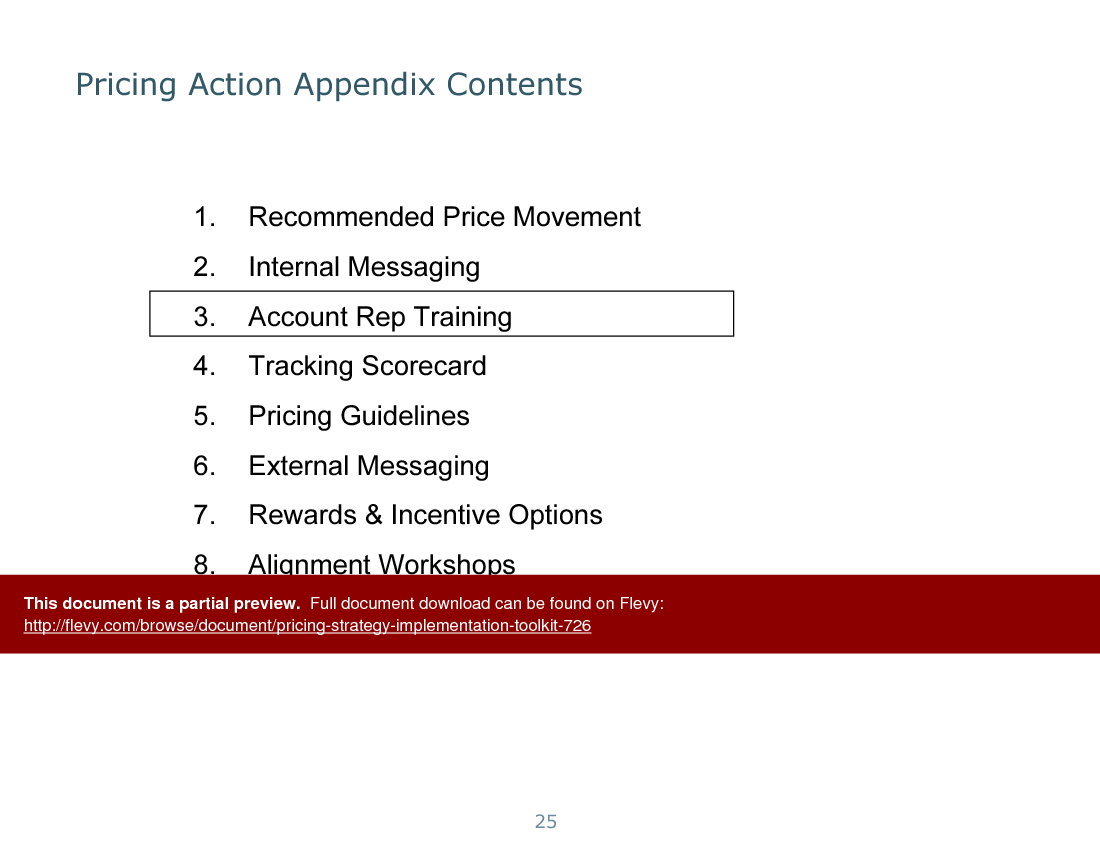
• account rep training
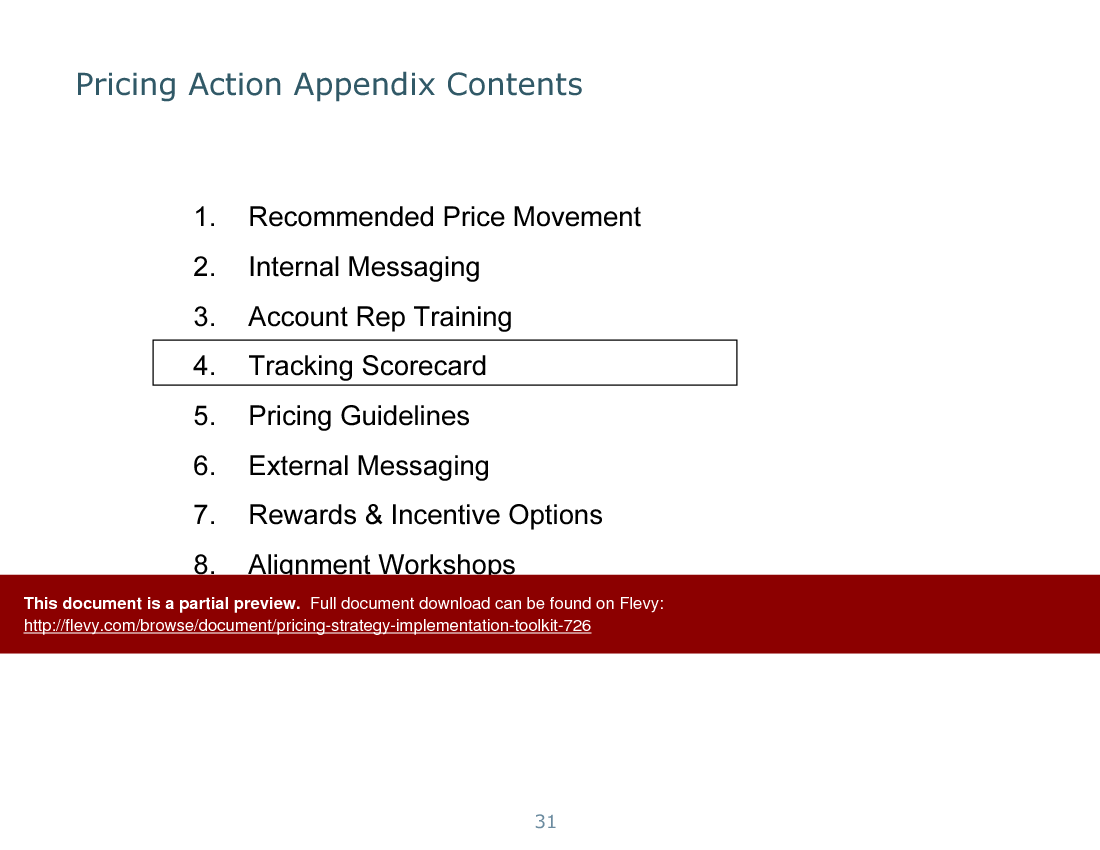
• tracking scorecard
• incentive and rewards
• List of deliverables (supported by 10+ templates embedded in the presentation)
• Roles of project team
• Project work plan
See also "Pricing Strategy Workshop"
See also "Spare Parts Pricing Strategy"
See also "Solutions Pricing Workshop"
See also "Best Practices in Price Increase Execution"
See also "Best Practices in Direct Material Procurement"
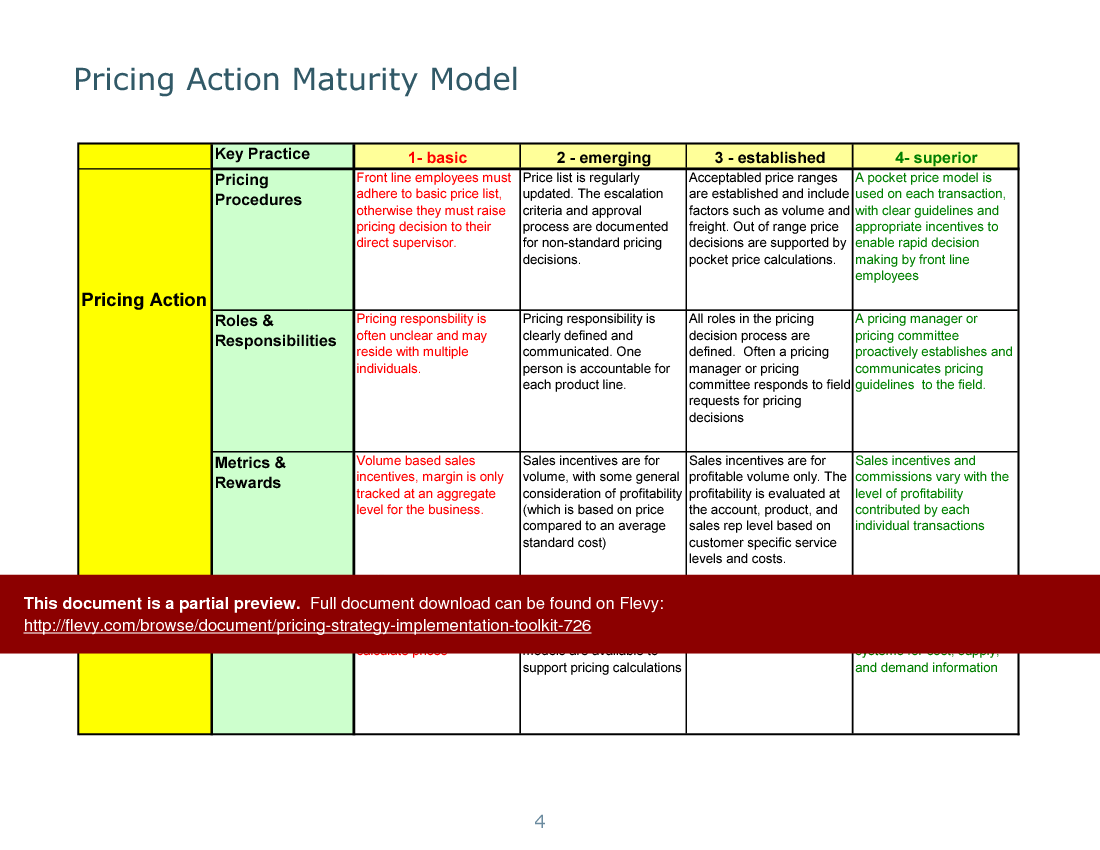
The Pricing Strategy Implementation Toolkit also includes a comprehensive Pricing Action Maturity Model, which outlines the progression from basic to superior pricing practices. This model helps organizations identify their current maturity level and provides clear steps to advance their pricing capabilities. The toolkit emphasizes the importance of defined roles and responsibilities, metrics and rewards, and standardized pricing procedures to ensure a structured approach to pricing actions.
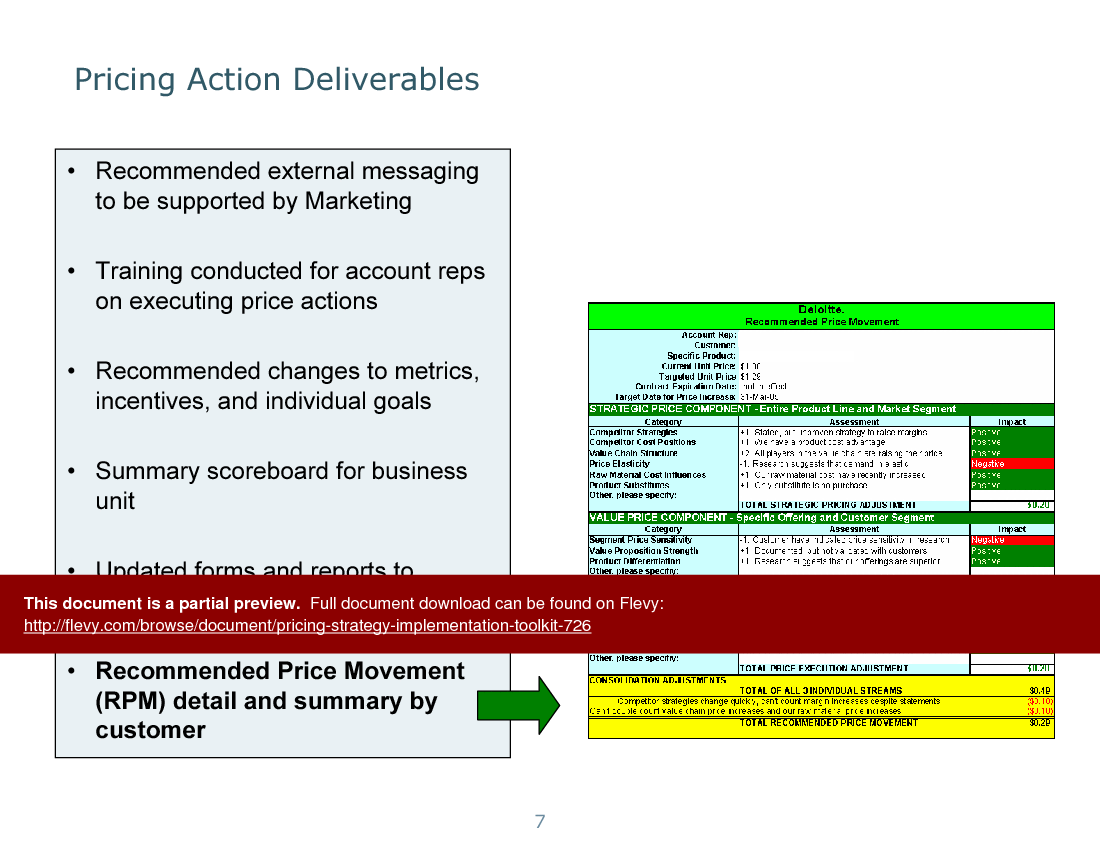
In addition, the toolkit offers detailed guidance on Pricing Action Deliverables, such as recommended external messaging, account rep training, and changes to metrics and incentives. It includes practical tools like a tracking scorecard and a recommended price movement summary, enabling organizations to monitor and evaluate the effectiveness of their pricing strategies. By integrating these deliverables into their pricing processes, companies can achieve more consistent and profitable pricing outcomes.
Got a question about the product? Email us at support@flevy.com or ask the author directly by using the "Ask the Author a Question" form. If you cannot view the preview above this document description, go here to view the large preview instead.
Executive Summary
The Pricing Strategy Implementation Toolkit is a consulting-grade presentation designed to enhance your pricing actions and strategies, ensuring effective execution and communication of price increases. Crafted with the rigor of McKinsey, Bain, or BCG-quality frameworks (not affiliated), this toolkit equips corporate executives and consultants with actionable insights and tools to drive pricing initiatives. Users will be able to identify pricing opportunities, train account representatives, and implement a structured approach to price changes that maximizes revenue and minimizes internal resistance.
Who This Is For and When to Use
• Pricing Managers responsible for developing and executing pricing strategies
• Sales Leaders looking to enhance their team's effectiveness in communicating price changes
• Marketing Teams tasked with crafting messaging around price adjustments
• HR Professionals involved in aligning compensation structures with pricing objectives
Best-fit moments to use this deck:
• When preparing for a significant price increase across product lines
• During the rollout of new pricing strategies or adjustments
• In training sessions for account representatives on effective negotiation techniques
Learning Objectives
• Define the key components of a successful pricing action strategy
• Build a comprehensive plan for executing price increases
• Establish metrics and rewards that align with pricing objectives
• Develop effective internal and external messaging for price changes
• Train account representatives on best practices for negotiating price increases
• Create a tracking scorecard to measure the success of pricing actions
Table of Contents
• Pricing Action Overview (page 2)
• Common Issues & Obstacles (page 3)
• Pricing Action Maturity Model (page 4)
• Key Pricing Action Tools (page 5)
• Pricing Action Deliverables (page 7)
• Stand Alone Workplan (page 9)
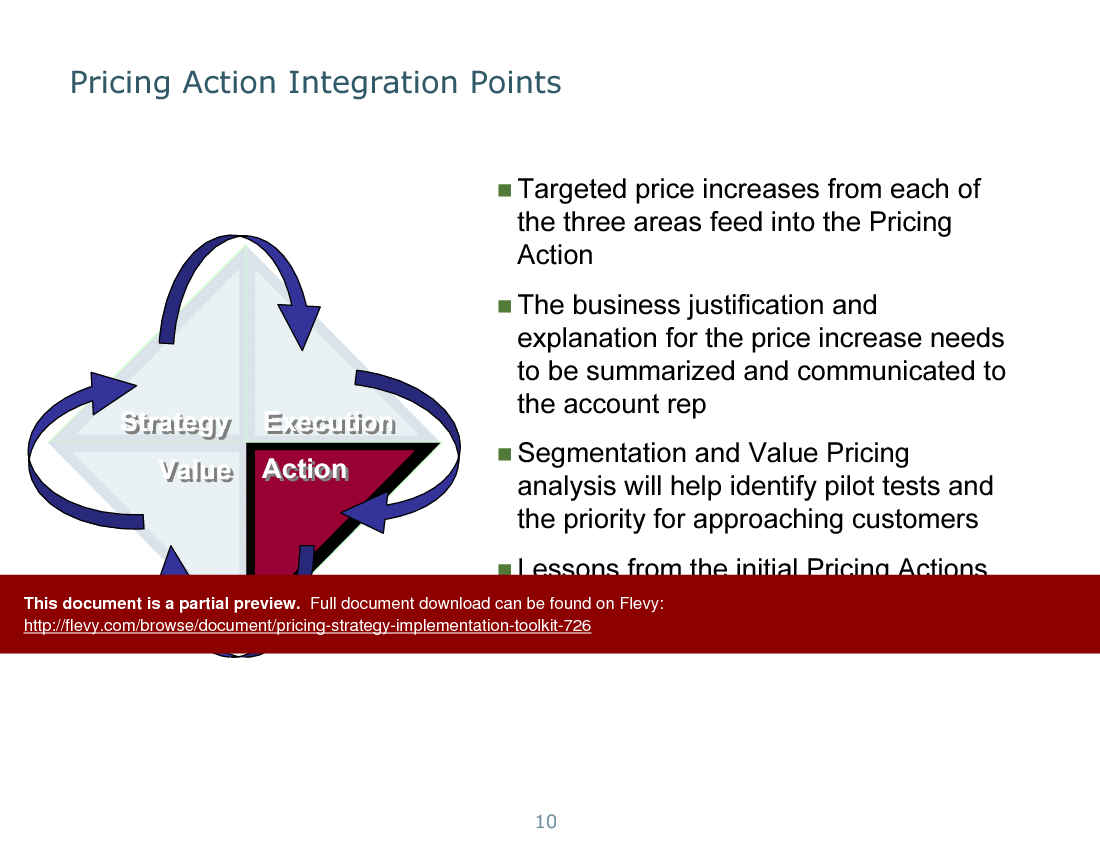
• Pricing Action Integration Points (page 10)
• Appendix Contents (page 11)
Primary Topics Covered
• Pricing Action Overview - Focuses on the critical moment of asking customers for price increases, emphasizing the need for effective execution.
• Common Issues & Obstacles - Identifies typical barriers to successful pricing actions, such as fear of competitive threats and lack of clarity in pricing responsibilities.
• Pricing Action Maturity Model - Outlines the progression from basic pricing procedures to superior pricing practices, detailing roles, responsibilities, and metrics.
• Key Pricing Action Tools - Lists essential tools for implementing pricing actions, including templates for price movements and training resources for account representatives.
• Pricing Action Deliverables - Describes the outputs expected from the pricing action initiative, including messaging, training, and tracking scorecards.
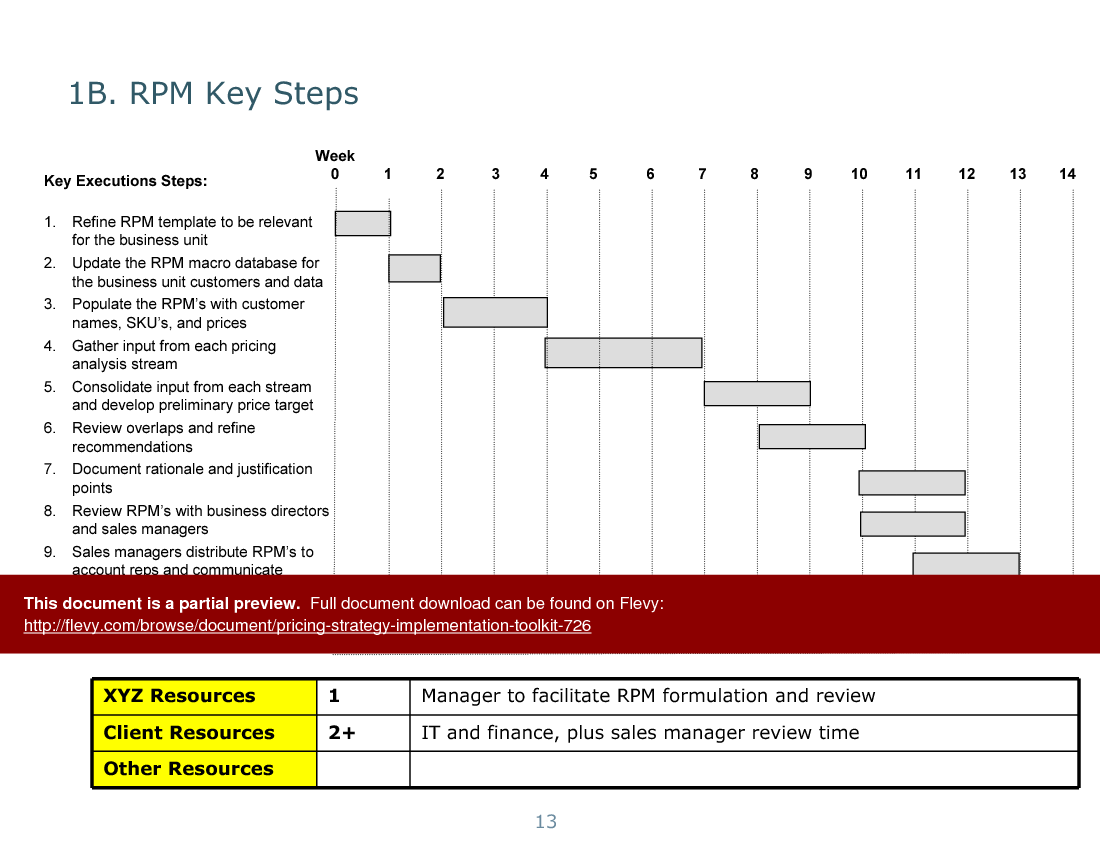
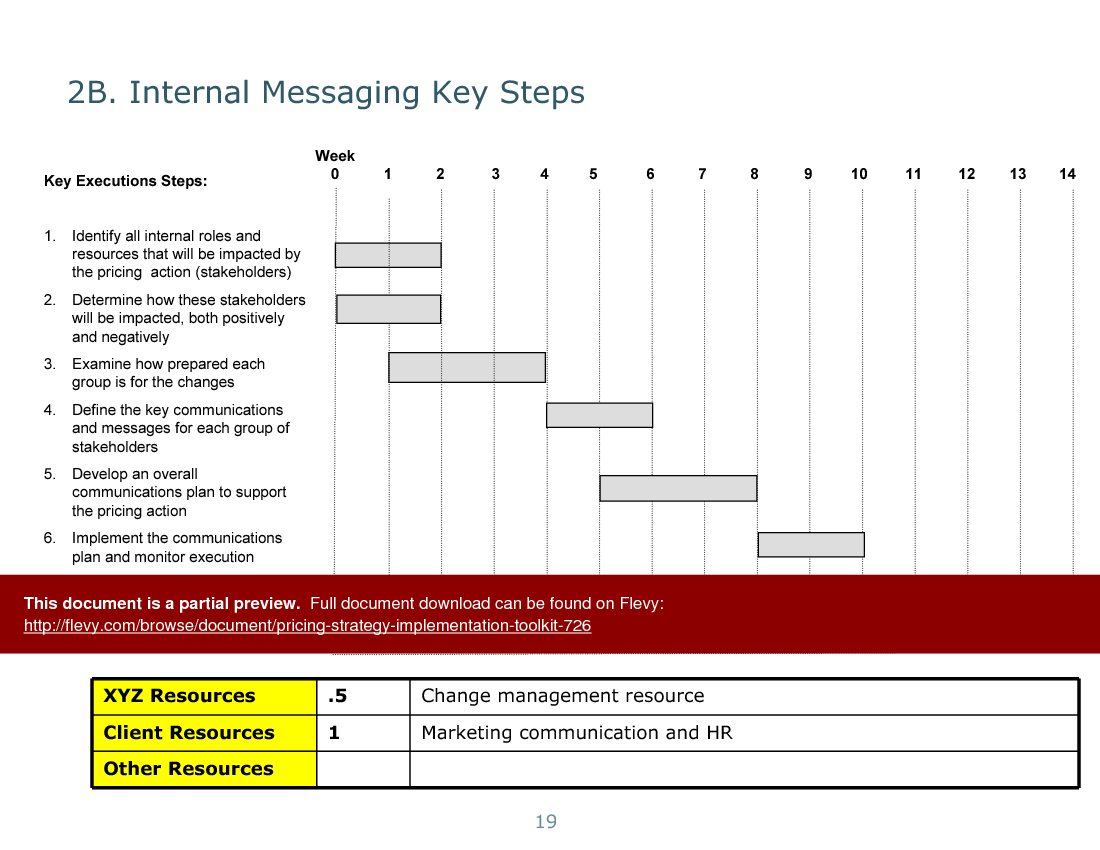
• Stand Alone Workplan - Provides a timeline for executing pricing actions, detailing key steps from stakeholder engagement to external communication.
Deliverables, Templates, and Tools
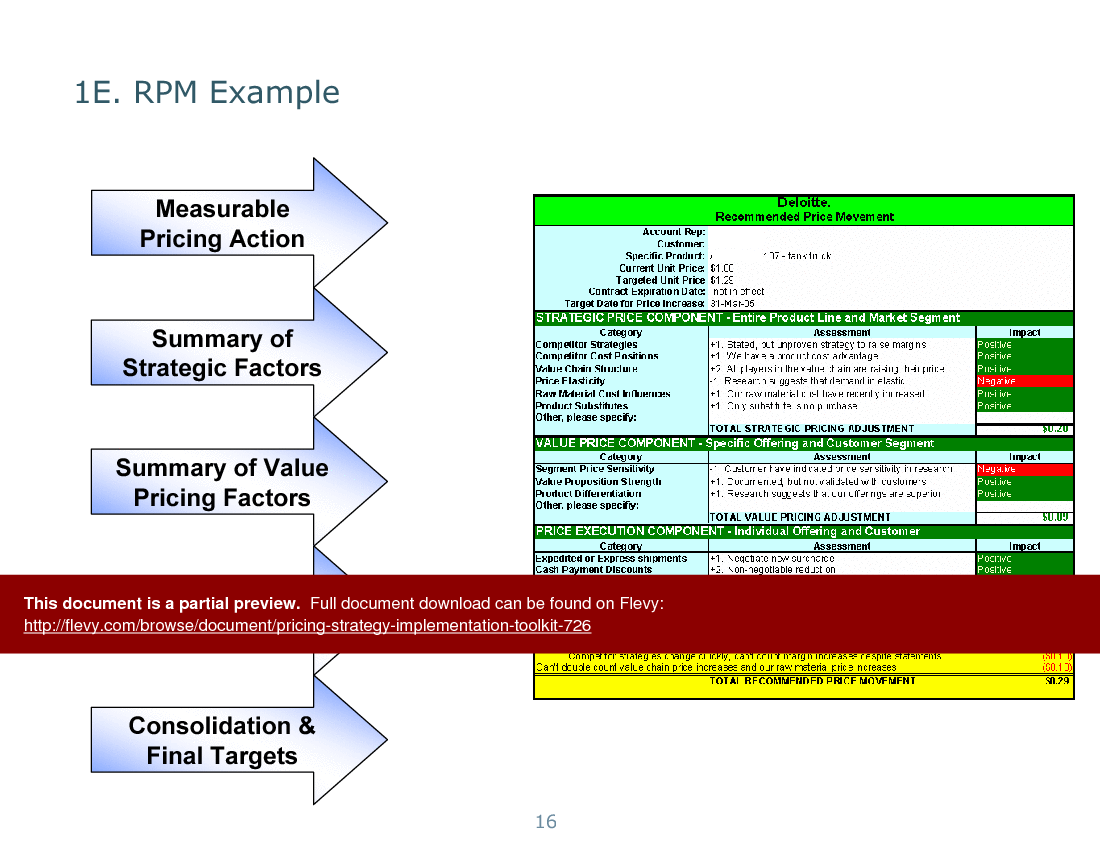
• Recommended Price Movement (RPM) template for setting target price increases
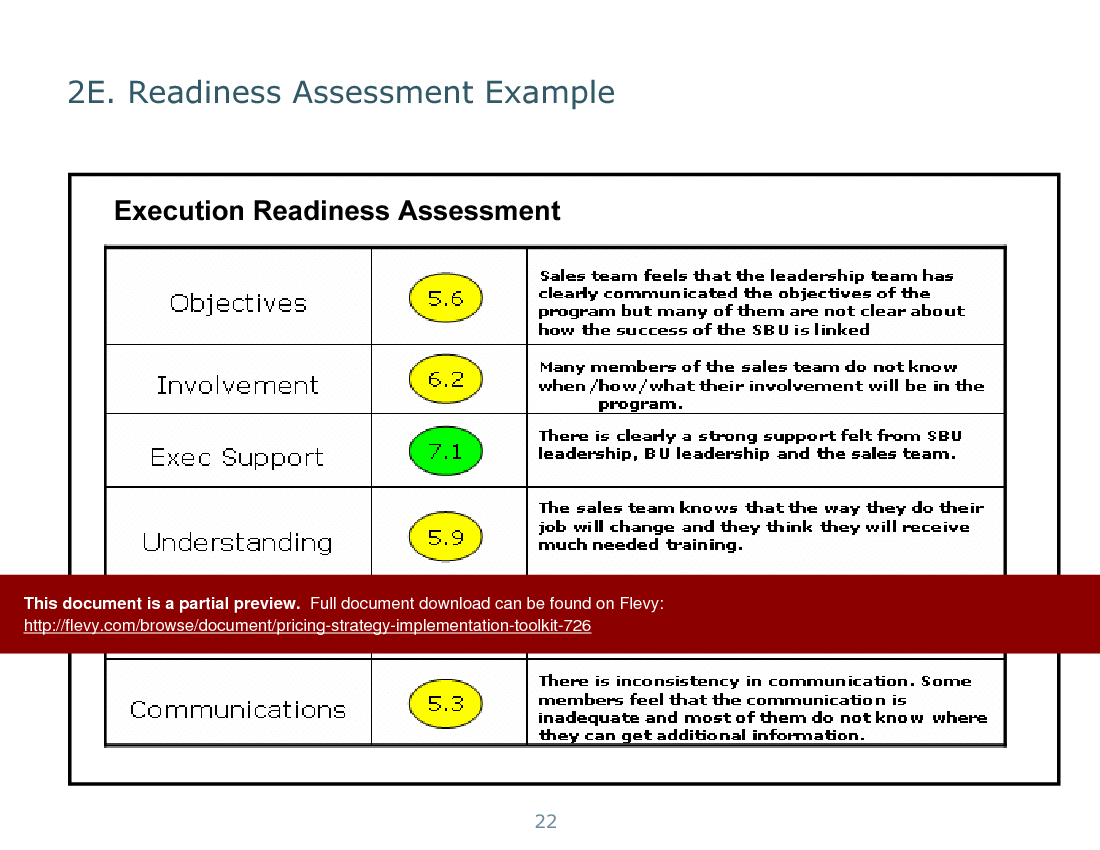
• Internal messaging framework to prepare sales teams for price changes
• Training materials for account representatives on negotiation techniques
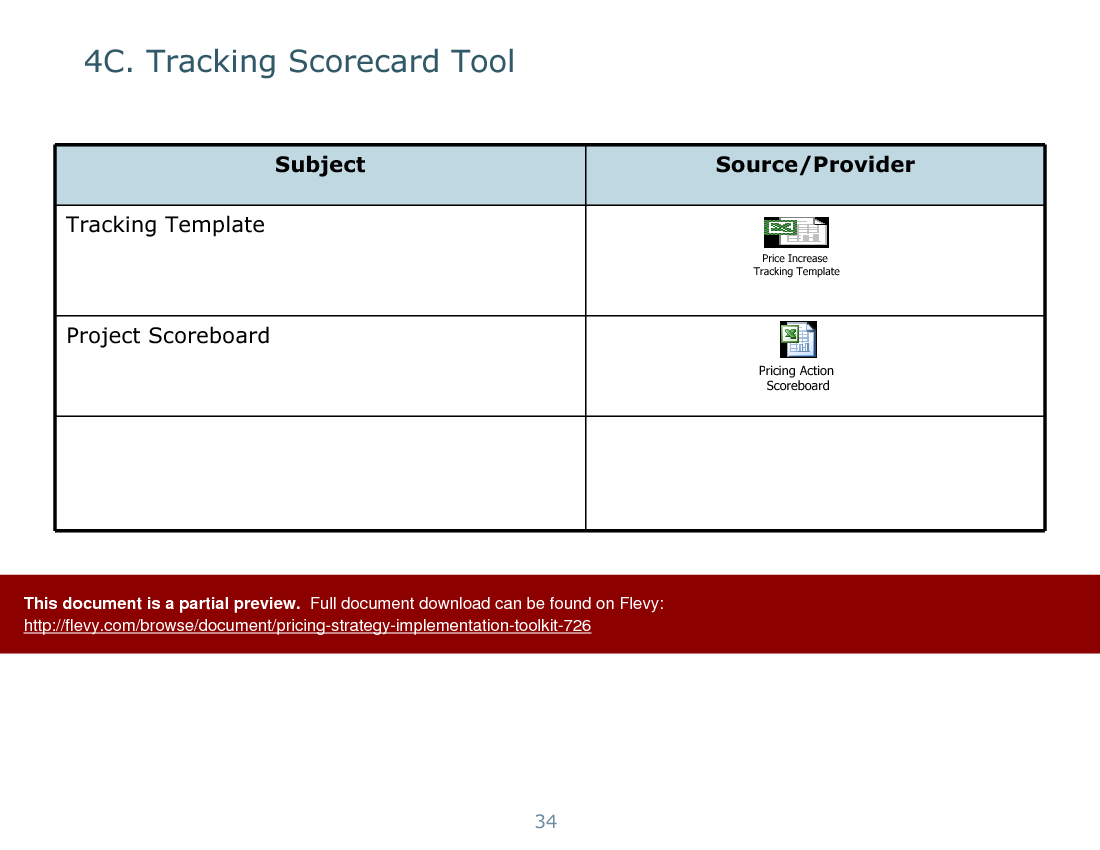
• Tracking scorecard for monitoring price increase execution and results
• Pricing guidelines document to standardize pricing decisions across teams
• External messaging templates for communicating price increases to customers
Slide Highlights
• Overview of common obstacles faced during pricing actions and strategies to overcome them
• Maturity model illustrating the evolution of pricing practices within an organization
• Detailed RPM example showcasing measurable pricing actions and strategic factors
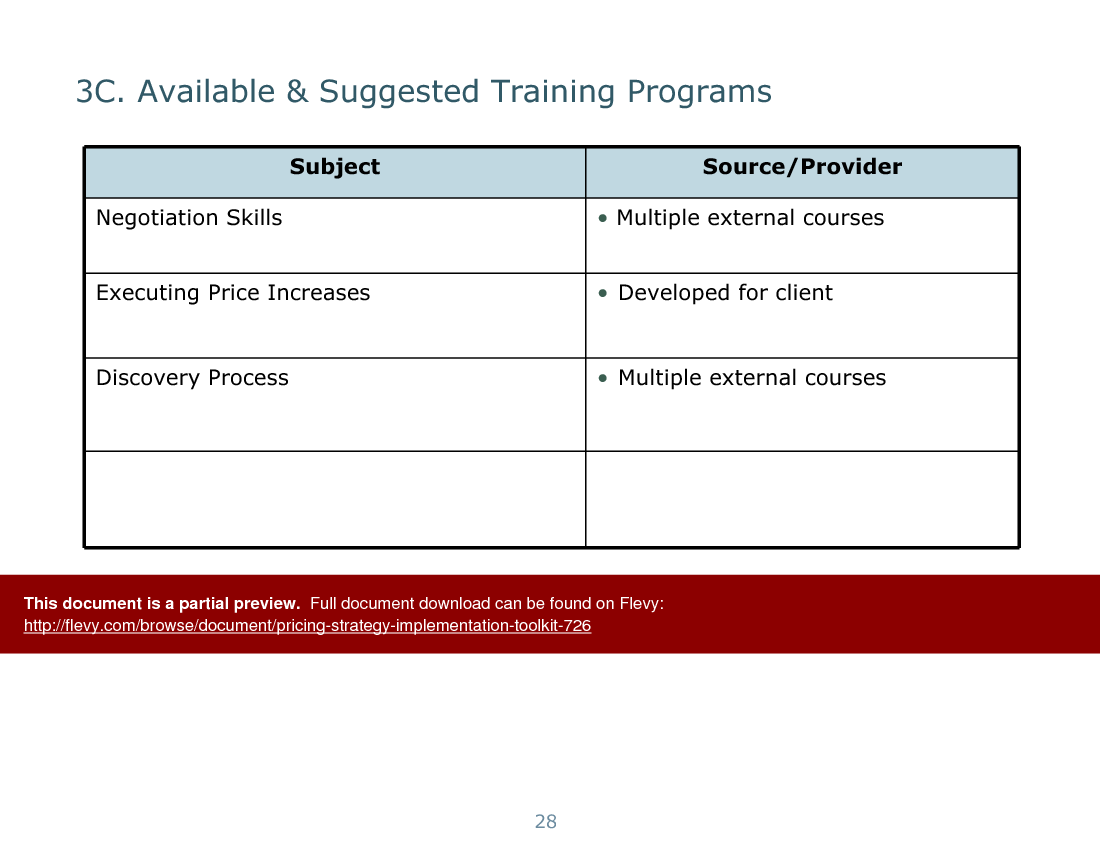
• Comprehensive training agenda for account representatives to enhance their negotiation skills
• Tracking scorecard template designed to consolidate pricing action results at various organizational levels
Potential Workshop Agenda
Pricing Strategy Kickoff (90 minutes)
• Introduce the pricing action framework and objectives
• Discuss common obstacles and strategies to address them
• Review the RPM template and its application
Account Rep Training Session (120 minutes)
• Conduct training on negotiation techniques for price increases
• Role-playing exercises to practice real-world scenarios
• Gather feedback and refine training materials based on participant input
Alignment Workshop (60 minutes)
• Review progress on pricing actions and discuss challenges
• Validate pricing targets and adjust as necessary
• Establish accountability for next steps in the pricing action plan
Customization Guidance
• Tailor the RPM template to reflect specific customer segments and product lines
• Adjust internal messaging to align with organizational culture and communication styles
• Modify training programs to address specific skill gaps identified in account representatives
Secondary Topics Covered
• Strategies for overcoming internal resistance to price increases
• Best practices for crafting compelling value propositions
• Techniques for assessing market conditions and competitive pricing
• Methods for tracking and reporting on pricing action outcomes
FAQ
What is the purpose of the Pricing Action Toolkit?
The toolkit is designed to provide structured guidance and tools for implementing effective pricing actions, ensuring alignment across teams and maximizing revenue potential.
Who should be involved in the pricing action process?
Key stakeholders include pricing managers, sales leaders, marketing teams, and HR professionals, all of whom play a role in executing and supporting pricing initiatives.
What common obstacles might arise during pricing actions?
Obstacles can include fears of competitive backlash, uncertainty about the right price to ask for, and lack of accountability among account representatives.
How can account representatives be trained effectively?
Training should focus on negotiation techniques, business justification for price increases, and role-playing scenarios to build confidence in asking for price adjustments.
What metrics should be tracked to measure pricing action success?
Metrics may include the percentage of successful price increases, revenue growth from price adjustments, and account representative performance in executing pricing actions.
How can internal messaging support pricing actions?
Effective internal messaging prepares sales teams by explaining the rationale behind price increases and highlighting the benefits for both the company and the sales representatives.
What is the Recommended Price Movement (RPM)?
The RPM is a structured document that outlines target price increases for each SKU and customer, providing a clear framework for sales representatives to follow.
How often should pricing guidelines be updated?
Pricing guidelines should be reviewed and updated regularly, ideally on a monthly or quarterly basis, to ensure they remain relevant and effective.
Glossary
• Pricing Action - The process of implementing price changes in response to market conditions and strategic objectives.
• Recommended Price Movement (RPM) - A document outlining target price increases for specific products and customers.
• Maturity Model - A framework for assessing the development of pricing practices within an organization.
• Account Rep - A sales representative responsible for managing customer relationships and executing pricing actions.
• Tracking Scorecard - A tool used to monitor the execution and outcomes of pricing actions across the organization.
• Internal Messaging - Communication directed at internal stakeholders to prepare them for pricing actions.
• External Messaging - Communication aimed at customers to inform them about price changes.
• Training Program - A structured approach to developing the skills of account representatives in negotiating price increases.
• Stakeholder Analysis - A process for identifying and assessing the impact of pricing actions on various internal and external stakeholders.
• Value Proposition - A statement that outlines the unique benefits and value of a product or service to customers.
• Compensation Structure - The framework for determining how account representatives are rewarded for their performance, including pricing actions.
• Alignment Workshop - A meeting designed to review and validate pricing strategies and actions with key stakeholders.
• Communication Plan - A strategy for delivering consistent messaging about pricing actions to internal and external audiences.
• Negotiation Techniques - Skills and strategies used by sales representatives to effectively communicate and justify price increases to customers.
• Market Conditions - The external factors that influence pricing strategies, including competition, demand, and economic trends.
• Sales Leader - A person responsible for guiding and managing the sales team in executing pricing actions.
• Customer Feedback - Insights gathered from customers regarding their perceptions of price changes and value received.
• Performance Metrics - Quantifiable measures used to assess the success of pricing actions and account representatives.
• Pricing Guidelines - Documented procedures and reference prices for account representatives to follow when making pricing decisions.
• Change Management - The process of preparing and supporting individuals and teams in making organizational changes, such as pricing actions.
• Training Needs Assessment - An evaluation of the skills and knowledge required by account representatives to effectively execute pricing actions.
Source: Best Practices in Pricing Strategy, Product Strategy PowerPoint Slides: Pricing Strategy Implementation Toolkit PowerPoint (PPT) Presentation Slide Deck, Documents & Files
This document is available as part of the following discounted bundle(s):
Save %!
Pricing Strategy Toolkit
This bundle contains 4 total documents. See all the documents to the right.
|
Download our FREE Strategy & Transformation Framework Templates
Download our free compilation of 50+ Strategy & Transformation slides and templates. Frameworks include McKinsey 7-S, Balanced Scorecard, Disruptive Innovation, BCG Curve, and many more. |