
Developed by leading experts and best-selling authors of the 2022 ABBA Finalist 'Changing the Game - The Playbook for Leading Business Transformation', drawing on over two-decades advising organisations on strategy and transformation.
Apply a top-tier business transformation playbook to fit your needs.
Utilise 50+ ready-to-use tools and templates to fast-track results in any organisation
Boost your effectiveness with expert insights for using each template.
BUSINESS TRANSFORMATION PPT DESCRIPTION
Explore the Complete Business Transformation Toolkit, crafted by best-selling authors and experts in strategy. Over 50 templates for effective transformation planning. Business Transformation Toolkit is a 91-slide PPT PowerPoint presentation slide deck (PPTX) available for immediate download upon purchase.
Introducing "The Complete Business Transformation Toolkit" – the ultimate collection of PowerPoint templates to plan and execute a transformation in any type of company and situation. Whether you're in a corporate, government, or nonprofit environment, this toolkit is your trusted guide.
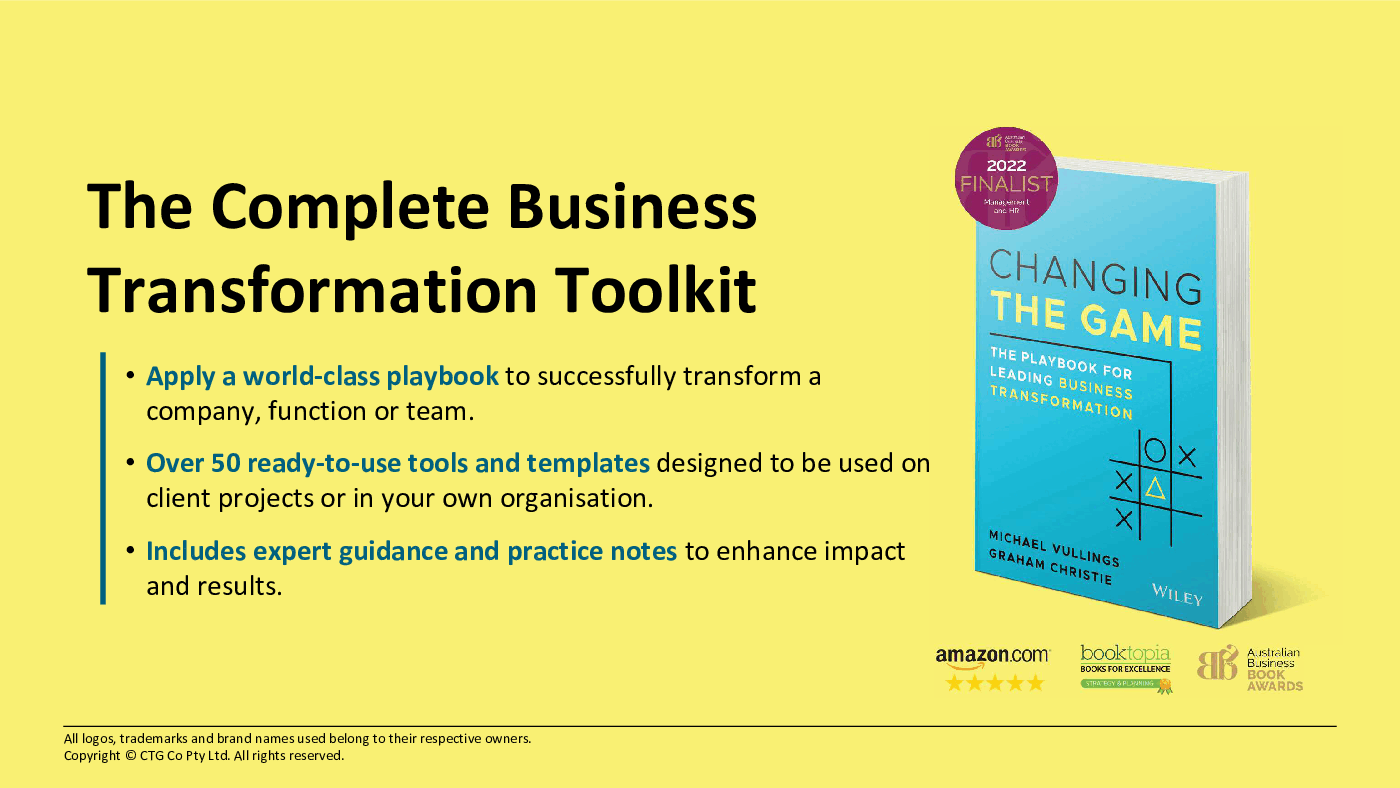
Developed by leading experts, this toolkit contains over 50 templates designed to be used on their own or to accompany the bestselling business book and 2022 ABBA Finalist 'Changing the Game – The Playbook for Leading Business Transformation', published by Wiley.
These indispensable templates provide consultants, executives and managers, with the practical tools and a roadmap for creating a dramatic step-change in company performance, from start to finish. But our toolkit isn't just about templates; it's a treasure trove of wisdom and guidance from those who have successfully navigated the transformation journey before you.
Toolkit Contents:
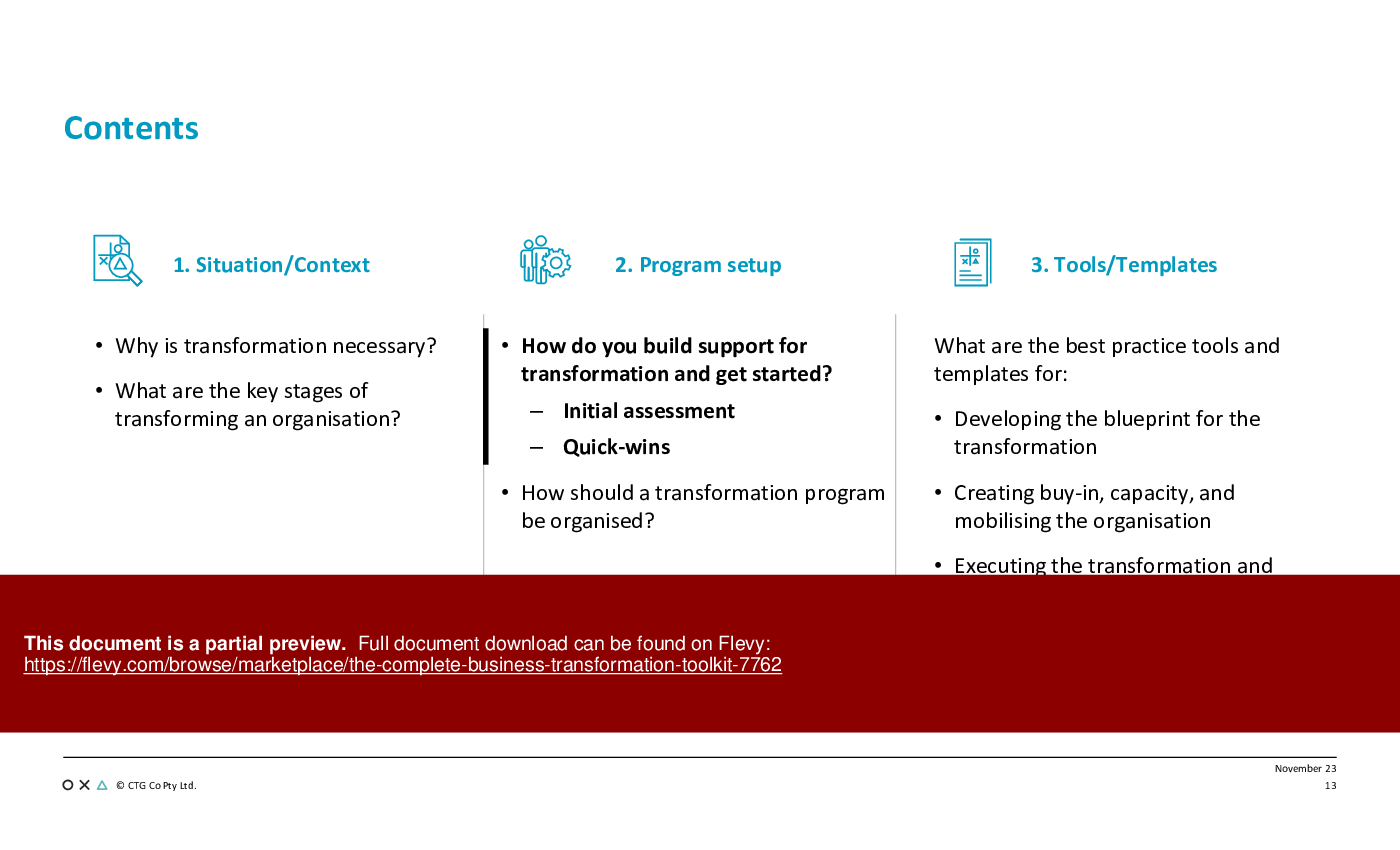
• Why organisations need to transform
• Key stages of transforming an organisation
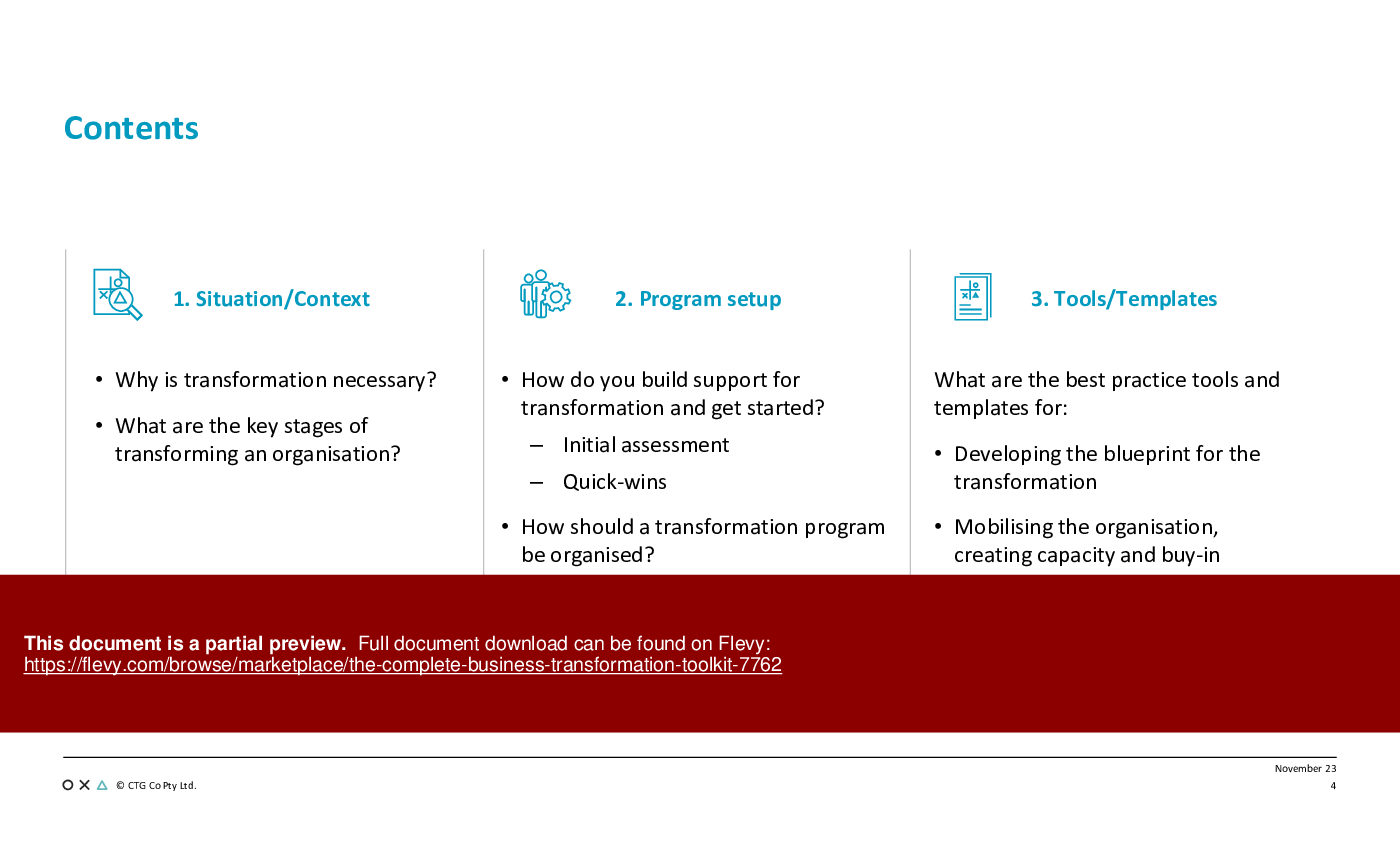
• How to build support for transformation and get started
• How a transformation program should be organised
• Best practice tools and templates for:
• Developing a blueprint for the transformation
• Mobilising the organisation, creating capacity and buy-in
• Executing the transformation and tracking progress
Key Tools, Templates and Frameworks:
• Integrated five stage framework for organisational transformation
• Process for diagnosing performance
• Structural choices for deciding how to setup the transformation team
• Framing the transformation opportunity/challenge
• Work plan for developing the transformation strategy
• Capturing input from staff and management
• Analysis of organisational performance
• Analysis of the organisation's cost evolution
• Analysis of industry/peer comparisons
• Frameworks for prioritising initiatives
• Charter template for capturing initiative details
• Analysis of operating model gaps
• Consolidating the transformation roadmap
• Consolidating the transformation financials
• Consolidating funding requirements
• Setting financial impact, KPIs and targets
• Management dashboard / scorecard
• Initiative progress tracking and reporting templates
Take the first step toward a successful transformation today with "The Complete Business Transformation Toolkit."
The toolkit also includes a detailed framework for developing a robust transformation strategy and a comprehensive work plan for tracking progress. Gain insights from industry-leading benchmarks and ensure your transformation efforts are on the right track.
Got a question about the product? Email us at support@flevy.com or ask the author directly by using the "Ask the Author a Question" form. If you cannot view the preview above this document description, go here to view the large preview instead.
MARCUS OVERVIEW
This synopsis was written by Marcus [?] based on the analysis of the full 91-slide presentation.
Executive Summary
The Complete Business Transformation Toolkit is a consulting-grade resource designed to empower organizations to navigate and execute successful transformations. Developed by leading experts and best-selling authors of the acclaimed book 'Changing the Game - The Playbook for Leading Business Transformation', this toolkit offers over 50 ready-to-use templates and tools. It provides a structured approach to transformation, enabling users to define strategies, mobilize teams, and track progress effectively. This toolkit is crafted to meet the high standards of McKinsey, Bain, or BCG-quality presentations, ensuring that corporate executives, integration leaders, and consultants can drive impactful change within their organizations.
Who This Is For and When to Use
• Corporate executives leading transformation initiatives
• In-house strategy and transformation teams
• Consultants seeking to apply best practices in client projects
• Change management professionals focused on organizational alignment
Best-fit moments to use this deck:
• During initial assessments to identify transformation needs
• When developing a blueprint for organizational change
• To mobilize teams and secure buy-in for transformation initiatives
• In tracking progress and measuring success throughout the transformation journey
Learning Objectives
• Define the necessity and urgency of transformation within an organization
• Build a comprehensive transformation blueprint that outlines key stages and deliverables
• Mobilize stakeholders and create capacity for change
• Execute transformation initiatives while tracking progress and benefits
• Identify and implement quick-win initiatives to build momentum
• Establish governance structures to support ongoing transformation efforts
Table of Contents
• Situation/Context (page 3)
• Program Setup (page 5)
• Tools/Templates (page 10)
• Quick-Win Initiatives (page 17)
• Organizing for Transformation (page 19)
• Creating the Mandate (page 22)
• Mapping the Journey (page 46)
• Executing and Tracking (page 81)
Primary Topics Covered
• Situation Analysis - Understanding the current state of the organization and the need for transformation.
• Program Setup - Structuring the transformation program to align with strategic objectives.
• Tools and Templates - Utilizing best practice tools for effective execution and tracking.
• Quick-Win Initiatives - Identifying and implementing initiatives that deliver immediate value.
• Governance Structures - Establishing oversight and accountability for transformation efforts.
• Execution and Tracking - Monitoring progress and ensuring alignment with strategic goals.
Deliverables, Templates, and Tools
• Transformation blueprint template for outlining key stages and deliverables
• Stakeholder engagement plan to mobilize support for transformation
• Quick-win initiative identification template for generating early momentum
• Governance framework template to establish oversight and accountability
• Execution tracking dashboard for monitoring progress and benefits realization
• Communication strategy template to align messaging across the organization
Slide Highlights
• Overview of the necessity for transformation in today’s economic climate
• Framework for mapping the transformation journey with key milestones
• Visual representation of quick-win initiatives and their expected impact
• Governance structure diagram illustrating roles and responsibilities
• Execution tracking dashboard showcasing key performance indicators
Potential Workshop Agenda
Transformation Kickoff Session (90 minutes)
• Introduce the toolkit and its objectives
• Discuss the current state and urgency for transformation
• Identify quick-win initiatives and assign ownership
Stakeholder Engagement Workshop (60 minutes)
• Develop a stakeholder engagement plan
• Align on communication strategies and messaging
Execution Planning Session (120 minutes)
• Map the transformation journey with key milestones
• Establish governance structures and roles
Customization Guidance
• Tailor the templates with your organization’s branding and color schemes
• Adjust the quick-win initiatives based on specific organizational needs
• Modify the governance framework to fit your organizational structure
• Incorporate relevant metrics and KPIs that align with your strategic goals
Secondary Topics Covered
• Best practices for stakeholder engagement
• Techniques for effective communication during transformation
• Methods for tracking and measuring transformation success
• Strategies for overcoming common transformation challenges
FAQ What is the purpose of the Complete Business Transformation Toolkit?
The toolkit is designed to provide organizations with a structured approach to successfully navigate and execute transformation initiatives, offering practical tools and templates for effective implementation.
Who developed the toolkit?
The toolkit was developed by leading experts and best-selling authors of the book 'Changing the Game - The Playbook for Leading Business Transformation'.
How can I customize the templates?
Templates can be fully customized with your organization’s logo and color schemes to align with your branding.
What types of tools are included in the toolkit?
The toolkit includes over 50 templates, including transformation blueprints, stakeholder engagement plans, and execution tracking dashboards.
When should I use the toolkit?
The toolkit is best used during initial assessments, when developing transformation strategies, and throughout the execution and tracking phases of transformation initiatives.
What are quick-win initiatives?
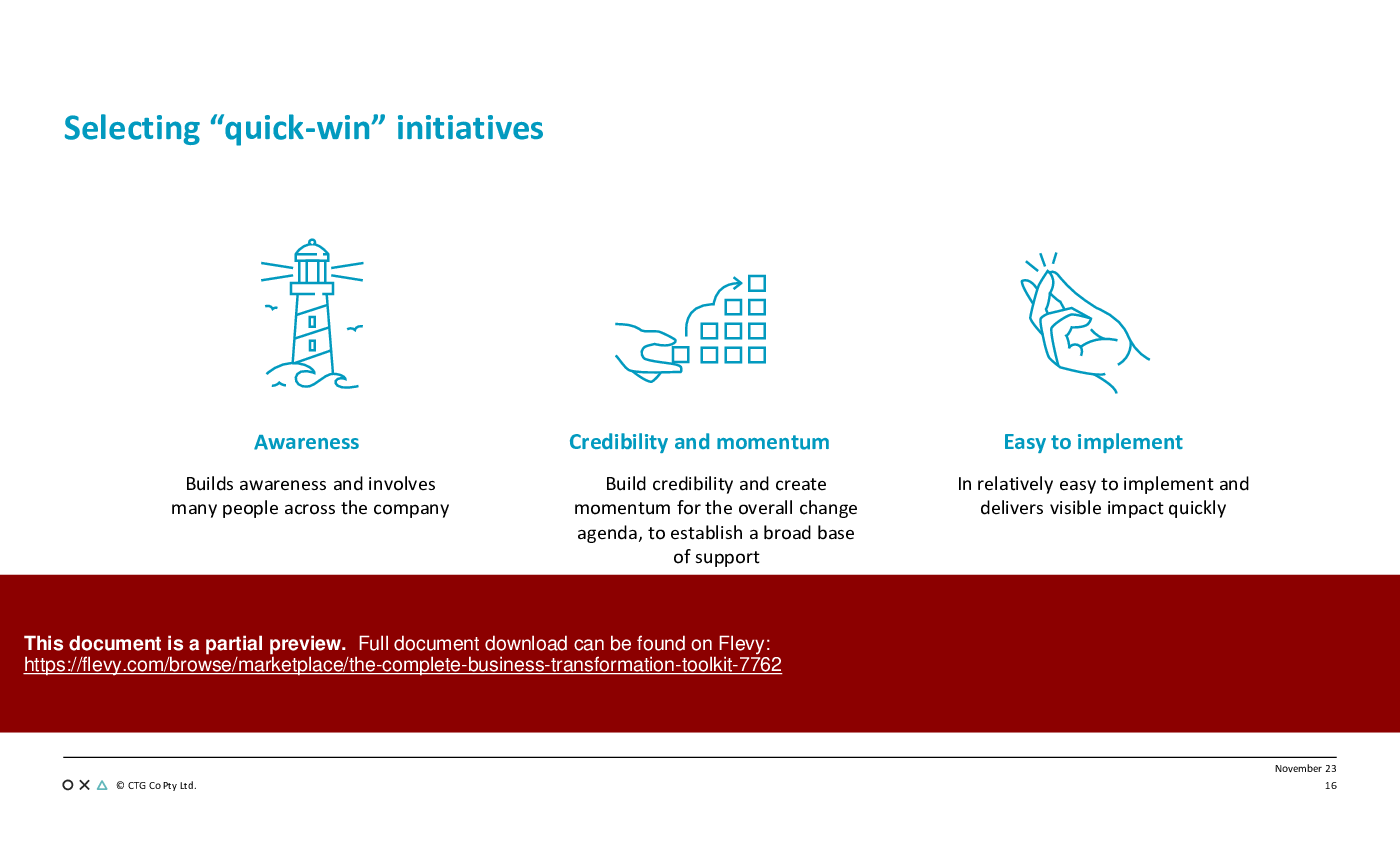
Quick-win initiatives are easily implementable actions that deliver immediate value and help build momentum for larger transformation efforts.
How does the toolkit support governance?
The toolkit provides a governance framework template to establish oversight and accountability for transformation efforts, ensuring alignment with strategic objectives.
Can the toolkit be used for digital transformation?
Yes, the toolkit is designed to support various types of transformations, including digital transformation initiatives.
What is the expected outcome of using the toolkit?
Users can expect to effectively plan, execute, and track transformation initiatives, leading to improved organizational performance and alignment with strategic goals.
Glossary
• Transformation Blueprint - A structured plan outlining the key stages and deliverables of a transformation initiative.
• Quick-Win Initiatives - Actions that can be implemented quickly to generate immediate value and support for transformation efforts.
• Governance Framework - A structure that defines roles, responsibilities, and oversight mechanisms for managing transformation initiatives.
• Stakeholder Engagement - The process of involving key individuals and groups in the transformation journey to secure support and alignment.
• Execution Tracking Dashboard - A tool for monitoring progress and measuring the success of transformation initiatives against established KPIs.
• Communication Strategy - A plan for effectively conveying messages related to the transformation to stakeholders across the organization.
• Program Setup - The process of structuring and organizing the transformation program to align with strategic objectives.
• Performance Indicators - Metrics used to assess the success and impact of transformation initiatives.
• Change Management - The discipline of managing the people side of change to ensure successful transformation outcomes.
• Organizational Alignment - The process of ensuring that all parts of the organization are working towards the same goals and objectives during transformation.
• Capacity Building - Developing the skills and resources necessary to support transformation initiatives.
• Transformation Challenges - Common obstacles organizations face during transformation efforts, such as resistance to change or lack of resources.
• Strategic Priorities - Key focus areas identified to drive the transformation and achieve desired outcomes.
• Stakeholder Analysis - A process for identifying and assessing the interests and influence of individuals or groups involved in the transformation.
• Project Management Office (PMO) - A centralized team responsible for overseeing and coordinating transformation initiatives.
• Business Case - A document that outlines the rationale, costs, and benefits of a proposed transformation initiative.
• Implementation Plan - A detailed roadmap for executing transformation initiatives, including timelines and responsibilities.
• Feedback Mechanism - A system for collecting and analyzing input from stakeholders to inform and improve transformation efforts.
• Cultural Change - The process of shifting organizational values, beliefs, and behaviors to support transformation initiatives.
• Resource Allocation - The process of distributing resources effectively to support transformation initiatives.
• Continuous Improvement - An ongoing effort to enhance processes, products, or services to achieve better outcomes during transformation.
This PPT slide outlines a structured approach to project evaluation using multiple filters. The first filter identifies projects deferred or halted by business owners, ensuring alignment with strategic objectives. The next filter assesses projects against specified criteria, allowing only those that meet essential requirements for further evaluation. It also accounts for projects already committed, emphasizing existing obligations in the assessment of new initiatives. The final section lists prioritized projects, reflecting the organization's strategic focus and resource allocation decisions. This methodology aids executives in streamlining project selection and aligning initiatives with organizational goals.
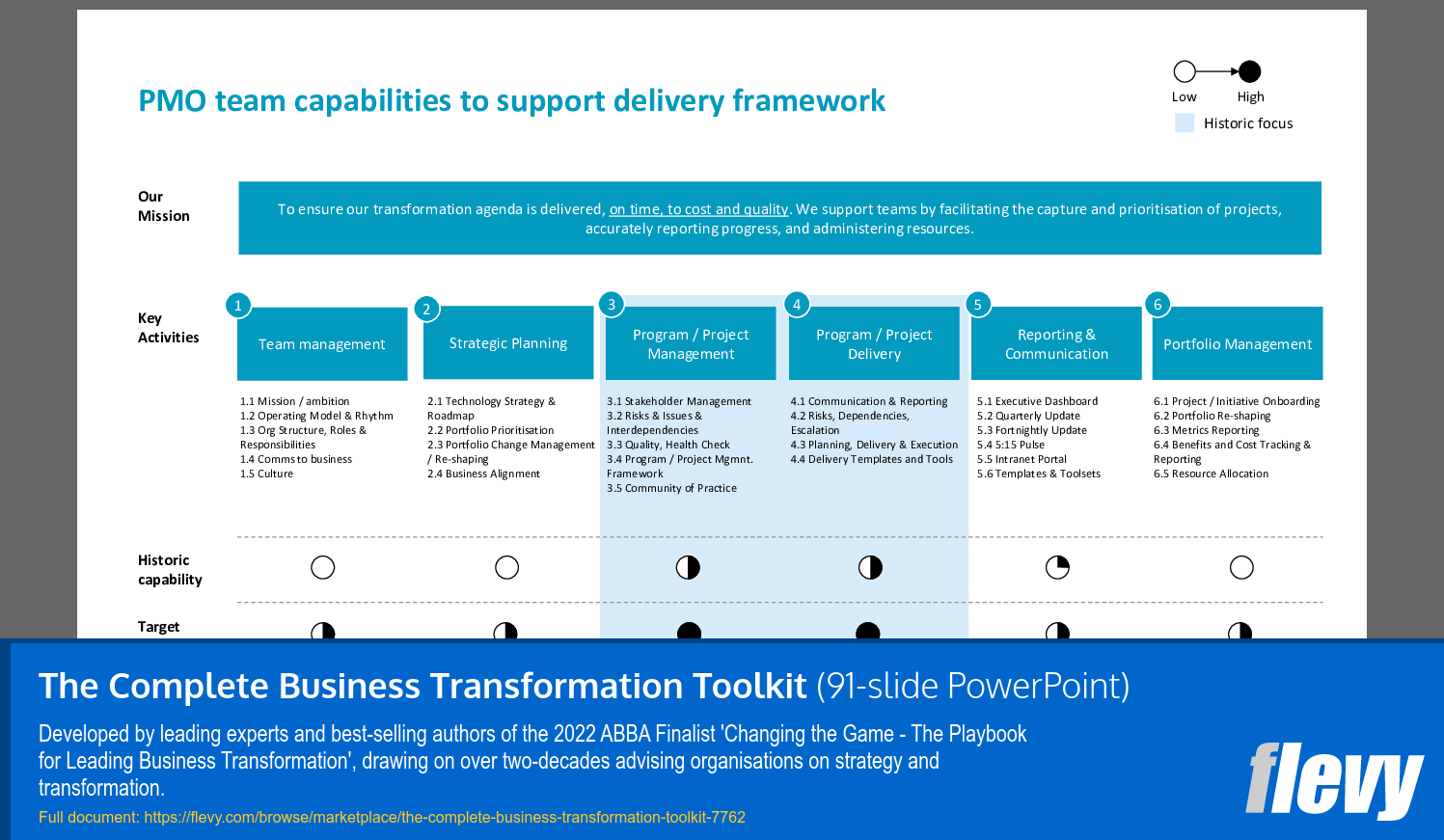
The PMO (Project Management Office) supports delivery frameworks by ensuring transformation agendas are delivered on time, within budget, and with quality. Key activities are categorized into 6 areas:
1. Team Management focuses on mission definition, operating model, organizational structure, and communication culture.
2. Strategic Planning encompasses technology strategy, portfolio prioritization, and business alignment.
3. Program/Project Management and Delivery involve stakeholder management, risk assessment, quality checks, and communication strategies.
4. Reporting & Communication emphasizes transparency and regular updates via dashboards and intranet portals.
5. Portfolio Management addresses project onboarding, resource allocation, and metrics reporting.
These capabilities illustrate how the PMO drives successful project outcomes and supports organizational transformation.
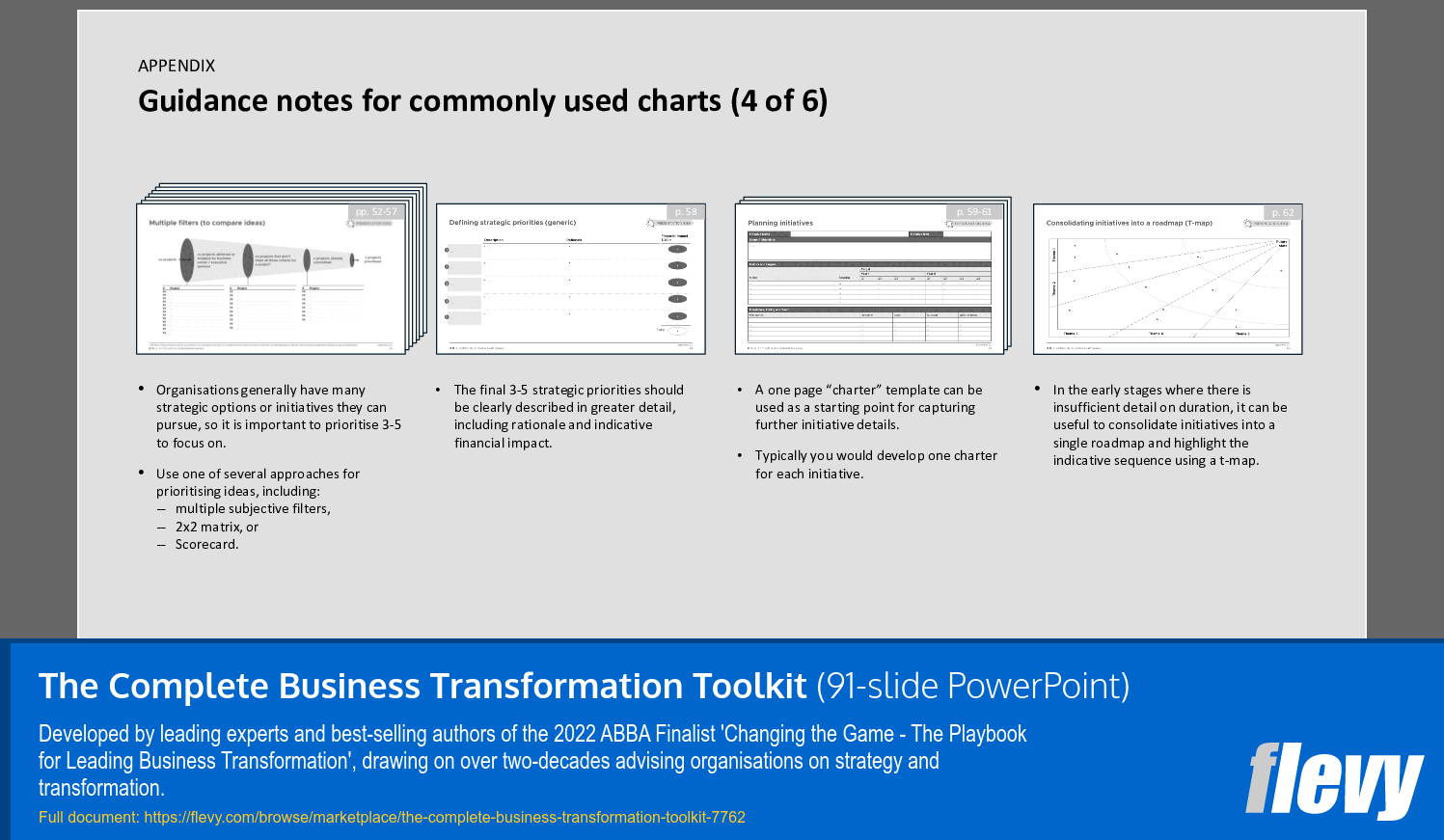
This PPT slide provides guidance on utilizing various charts to streamline strategic decision-making. Organizations should narrow strategic options to 3-5 priorities for clarity and alignment. Methods for prioritizing initiatives include multiple subjective filters, a 2x2 matrix, and a scorecard approach, which evaluate and rank initiatives based on specific criteria for informed resource allocation. Selected priorities must be articulated with rationale and potential financial impact to ensure stakeholder understanding. A one-page "charter" template is introduced as a tool for detailing initiatives, with one charter typically developed per initiative for structured planning. Additionally, consolidating initiatives into a roadmap aids in strategic alignment and execution planning, especially when timelines are unclear.
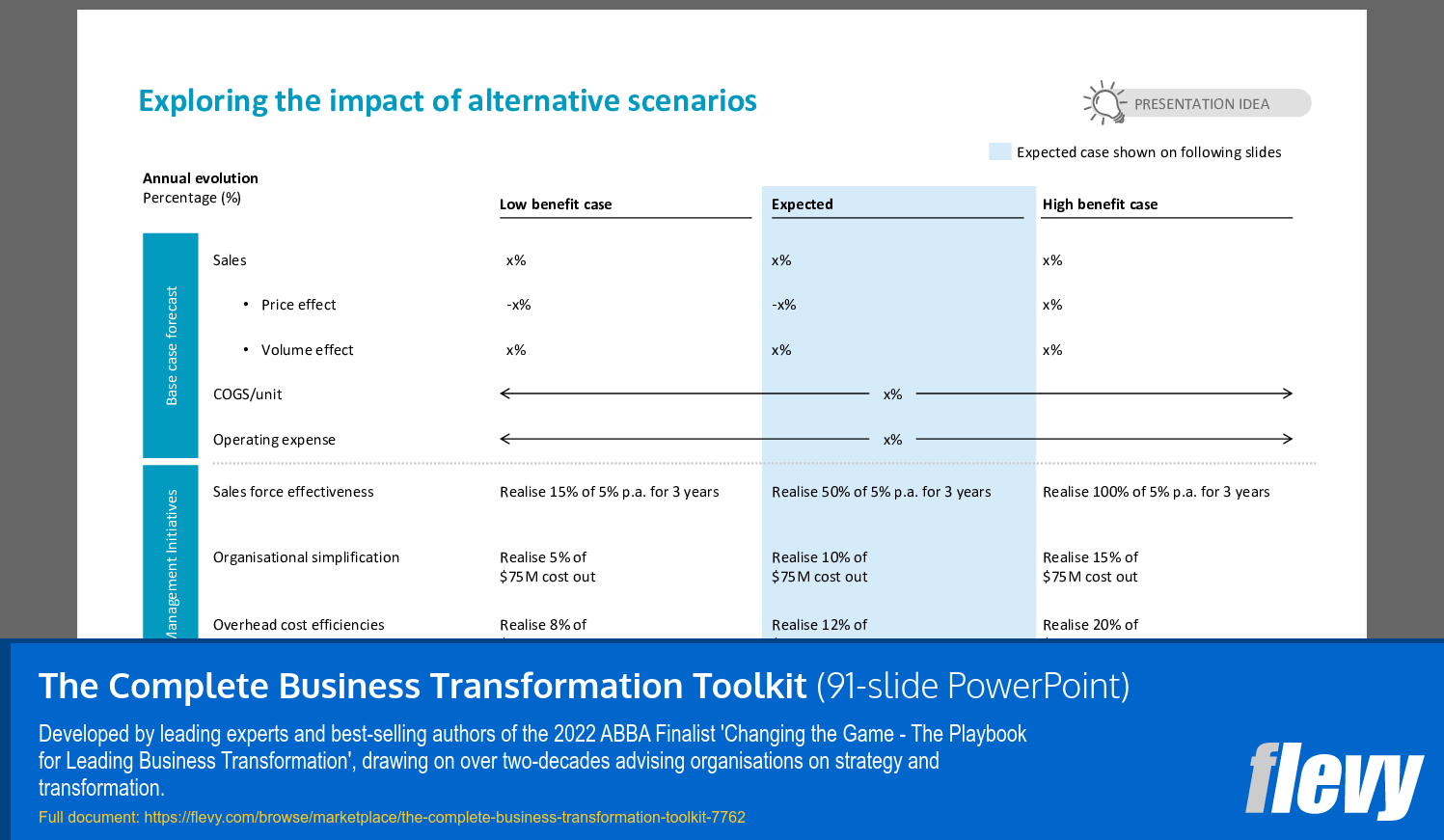
This PPT slide analyzes potential financial outcomes through scenario planning, divided into 3 sections: base case forecast, low benefit case, expected case, and high benefit case. The base case highlights key financial metrics, including sales, cost of goods sold (COGS) per unit, and operating expenses, with a focus on price and volume effects. The low benefit case suggests a 15% realization of a 5% annual improvement in sales effectiveness over 3 years. The expected case projects a 50% realization of similar improvements, while the high benefit case illustrates a 100% realization of sales effectiveness and greater cost reductions. This tiered approach enables executives to evaluate risks and opportunities in financial forecasting.
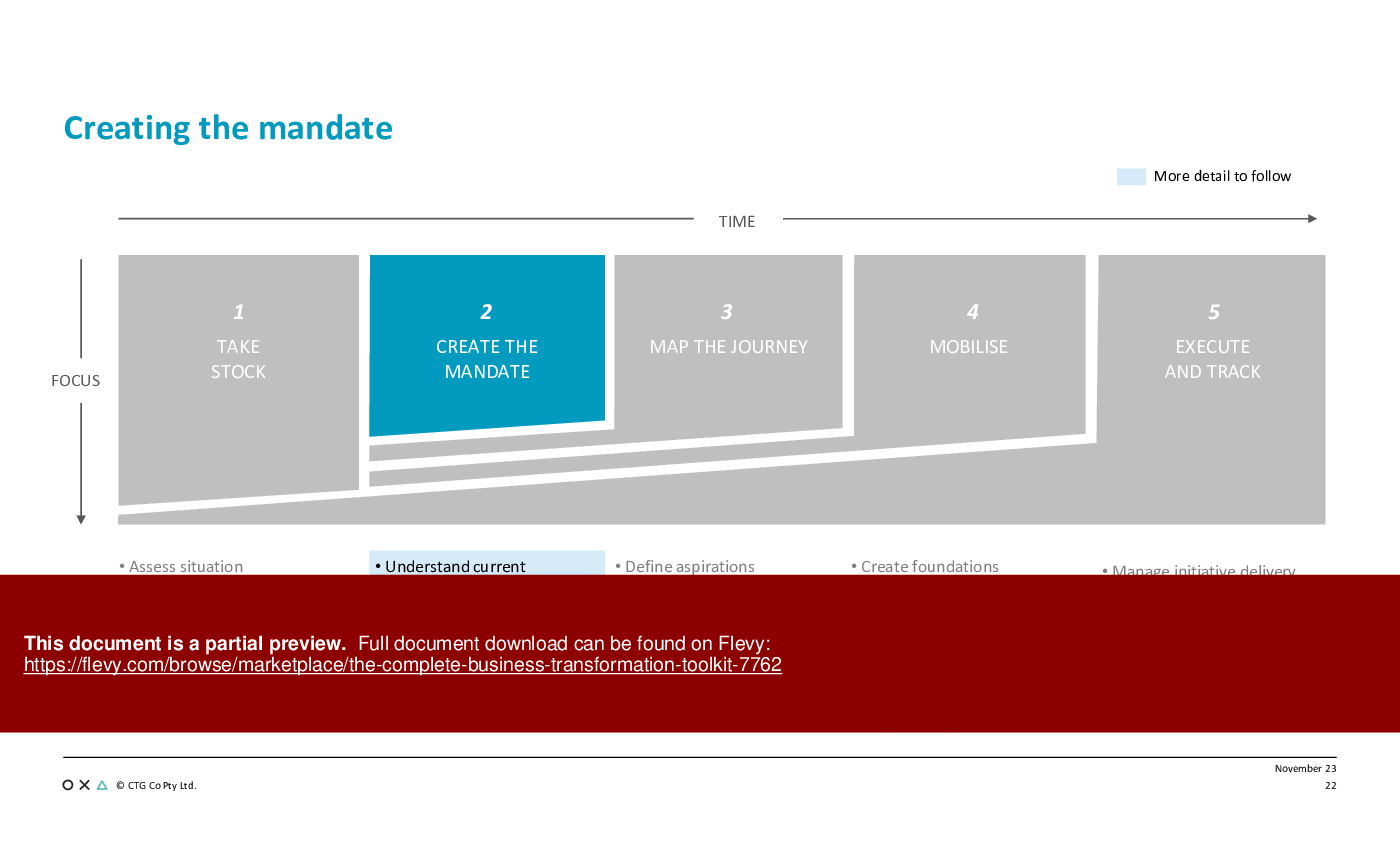
This PPT slide outlines a structured approach to business transformation through a "compressed transformation" cycle, consisting of 5 key steps: Take Stock, Create the Mandate, Map the Journey, Mobilise, and Execute and Track.
"Take Stock" assesses the current situation, ensuring funding and securing early wins. "Create the Mandate" involves understanding the current situation, evaluating external impacts, and setting strategic priorities.
"Map the Journey" develops a roadmap outlining initiatives and their financial impacts. "Mobilise" establishes governance structures and a Project Management Office (PMO) to coordinate change.
Finally, "Execute and Track" focuses on managing initiative delivery, conducting pilots, and measuring transformation impact against targets. This framework provides organizations with a clear path for navigating complex transformations efficiently.
This PPT slide outlines 3 essential organizational roles for managing business transformation: "Monitor & Support," "Architect-Mobiliser," and "Operator."
In the "Monitor & Support" role, the CEO oversees delivery progress and financial outcomes, intervening only when necessary, while the CTO provides strategic advice and transformation frameworks.
The "Architect-Mobiliser" role involves the CEO collaborating with the executive team to design and validate transformation initiatives, with the CTO leading cross-functional efforts to ensure timely delivery.
The "Operator" role focuses on day-to-day management during significant changes, where the CEO and CTO initiate and lead transformation efforts, making key financial and operational decisions.
These roles collectively facilitate effective transformation through monitoring, planning, and operational execution.
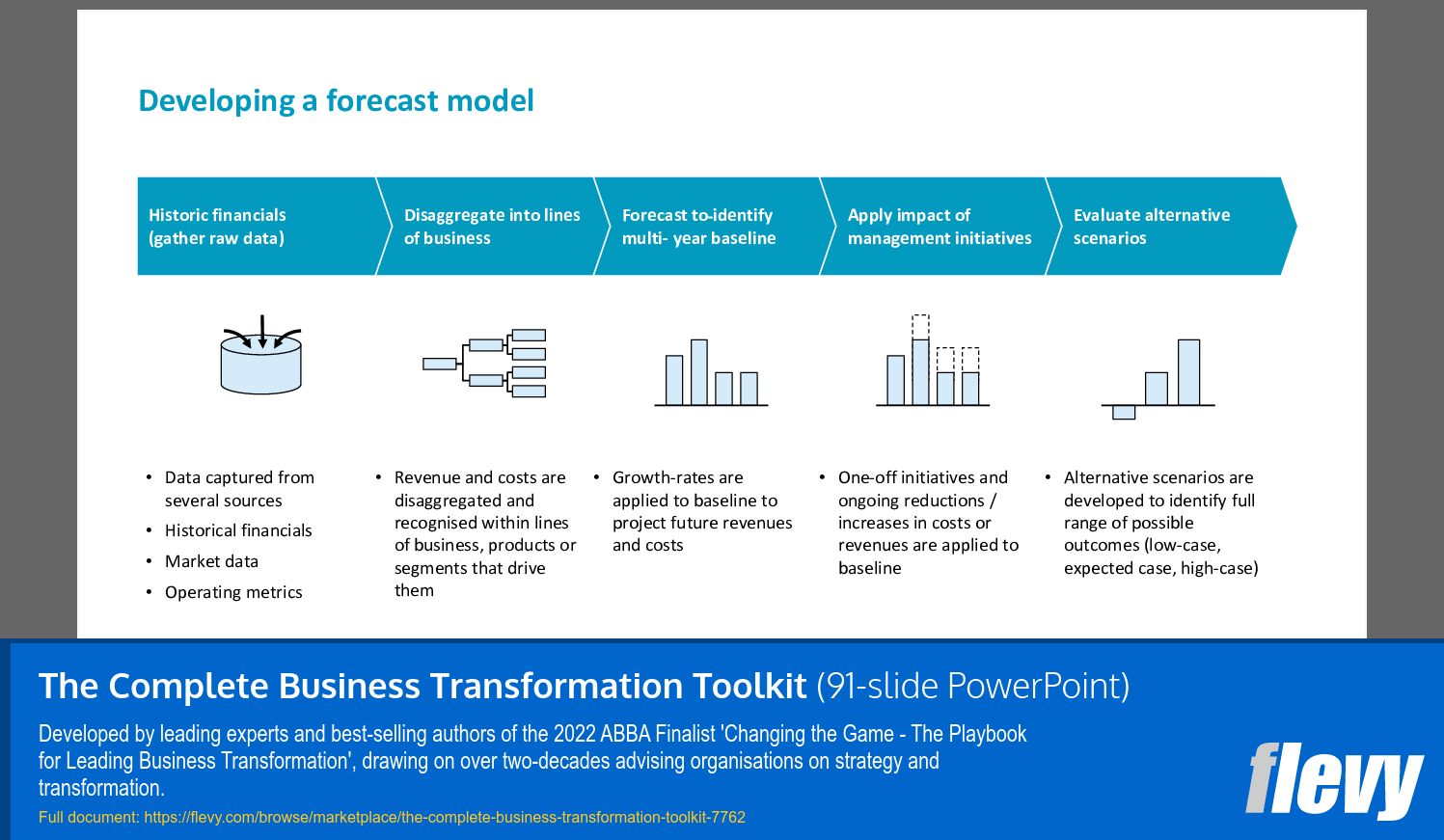
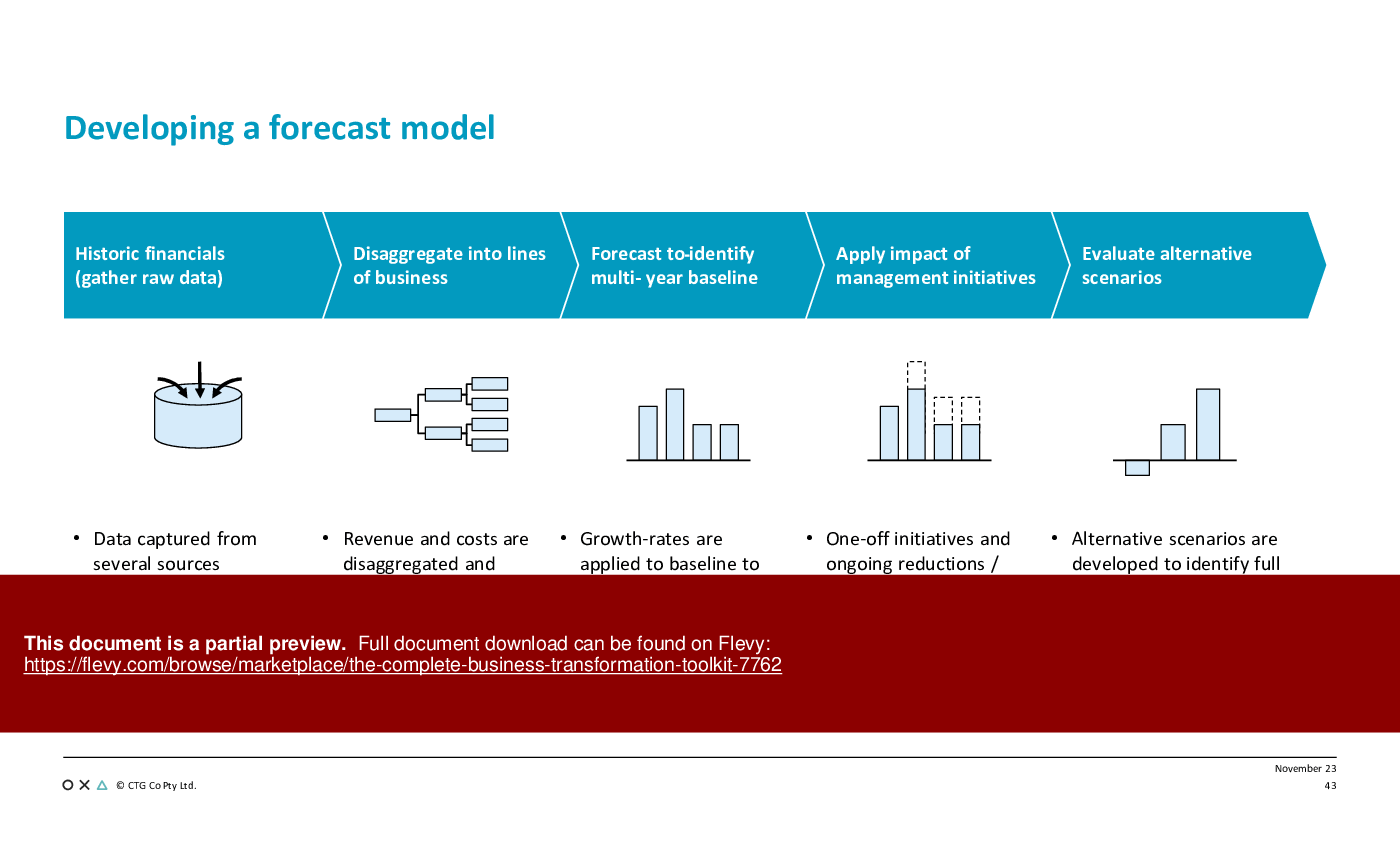
This PPT slide outlines a structured approach to developing a forecasting model through 5 key stages. The first stage involves gathering historic financial data from financial statements, market data, and operational metrics, ensuring a comprehensive dataset for accuracy. The second stage disaggregates this data into specific lines of business, breaking down revenue and costs to identify significant performance segments. The third stage applies growth rates to the baseline for forecasting future revenues and costs, aiding in realistic financial goal setting. The fourth stage assesses the impact of management initiatives on the financial baseline, providing insights into how strategic decisions affect performance. Finally, the evaluation of alternative scenarios—low-case, expected case, and high-case—prepares organizations for varying market conditions and enhances risk management.
The management dashboard monitors key performance indicators (KPIs) relevant to organizational success. It categorizes KPIs into focus areas: bottom line metrics, growth capture, risk management, optimization programs, and organizational upgrades.
Critical financial indicators under "Bottom line" include Net Income, Return on Equity (RoE), and Cost-to-Income Ratio (CIR). The "Capture retail growth" section highlights lending volumes and net interest income (NII) as a percentage of liabilities, reflecting retail banking performance.
For small and medium enterprises (SMEs), the dashboard tracks lending volumes and NII metrics, supporting strategic initiatives for economic growth. Risk management metrics include Cost of Risk (CoR) and capital adequacy ratio, assessing financial risk management capabilities.
Operational metrics in the "Implement optimization program" section include the number of branches and total operational expenditures, crucial for efficiency assessments. Milestones for organizational upgrades emphasize structural improvements and IT strategy development, facilitating informed decision-making through quick visual assessments of actual versus target performance.
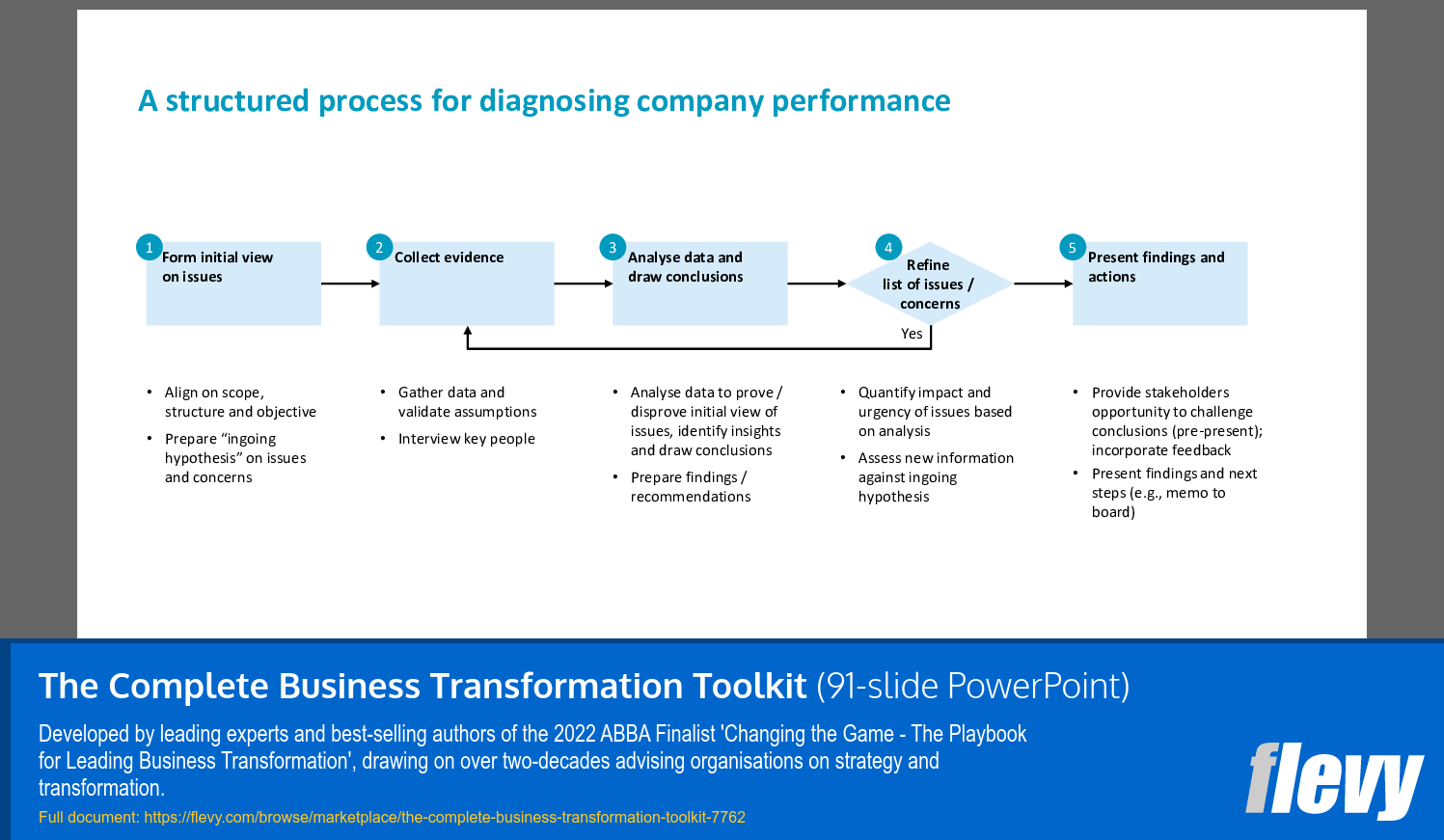
This PPT slide outlines a systematic approach for diagnosing company performance in 5 key steps. The first step involves forming an initial view on issues, emphasizing alignment on scope, structure, and objectives, while preparing a hypothesis regarding potential concerns. The second step focuses on collecting evidence, gathering relevant data, and validating assumptions through interviews with key personnel. The third step analyzes the collected data to prove or disprove the initial view, identifying insights and preparing actionable recommendations. The fourth step refines the list of issues by quantifying their impact and urgency, adjusting the understanding based on new information. The final step presents findings and actions, incorporating stakeholder feedback and communicating next steps effectively, often through a memo to the board. This structured process enhances clarity and fosters stakeholder engagement throughout the diagnostic journey.
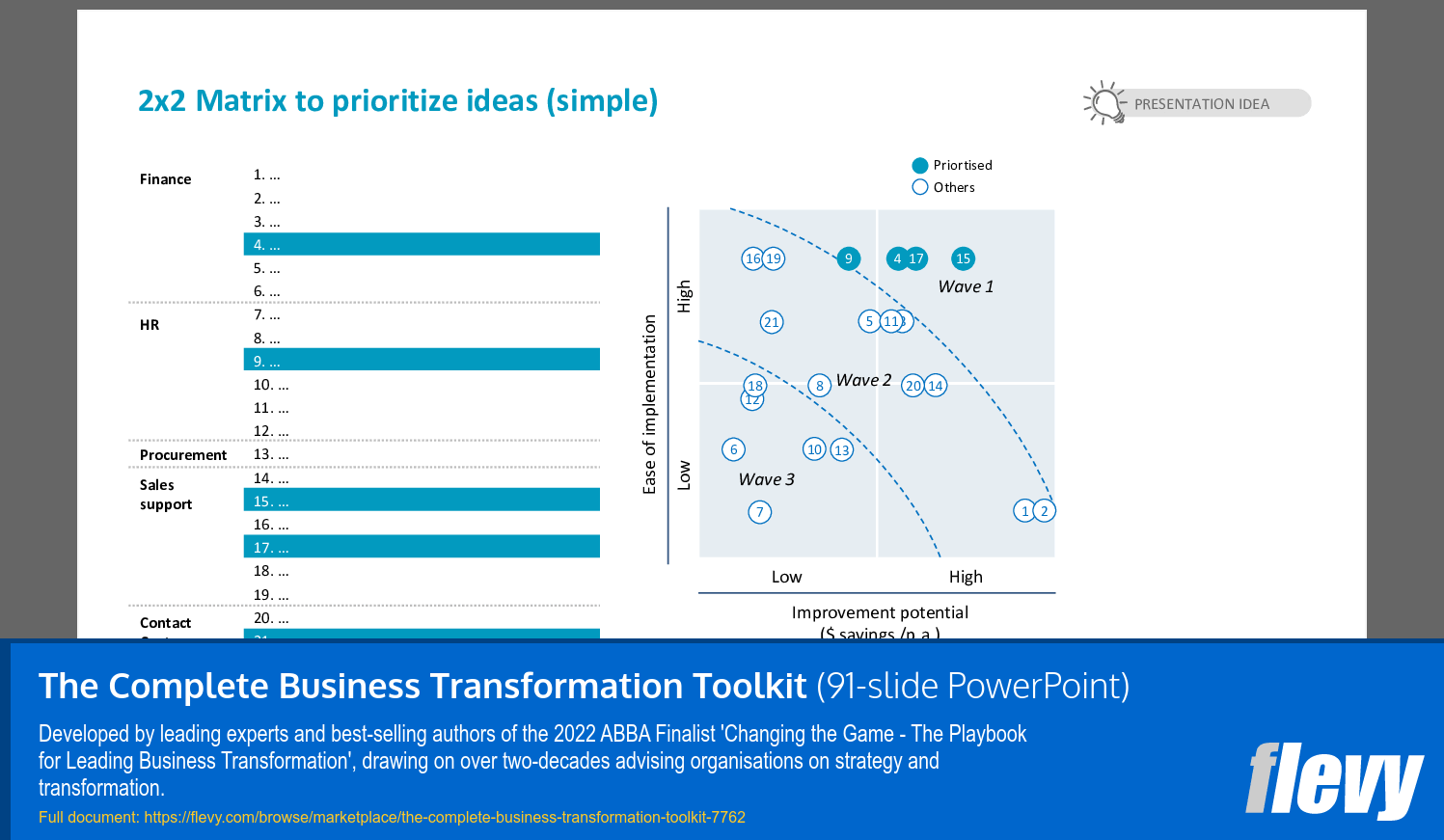
This PPT slide presents a 2x2 matrix prioritizing ideas based on ease of implementation and improvement potential. The vertical axis measures ease of implementation, while the horizontal axis assesses improvement potential. Ideas are plotted as circles, with prioritized initiatives marked in a darker hue for quick identification. The matrix is divided into 3 waves: Wave 1 features ideas that are easy to implement with high improvement potential, making them ideal for immediate action; Wave 2 includes initiatives requiring more effort, but offering significant benefits; Wave 3 consists of harder-to-implement ideas with lower returns, suggesting they should be considered later. This structured visualization aids decision-makers in aligning resources with strategic priorities, optimizing transformation efforts effectively.
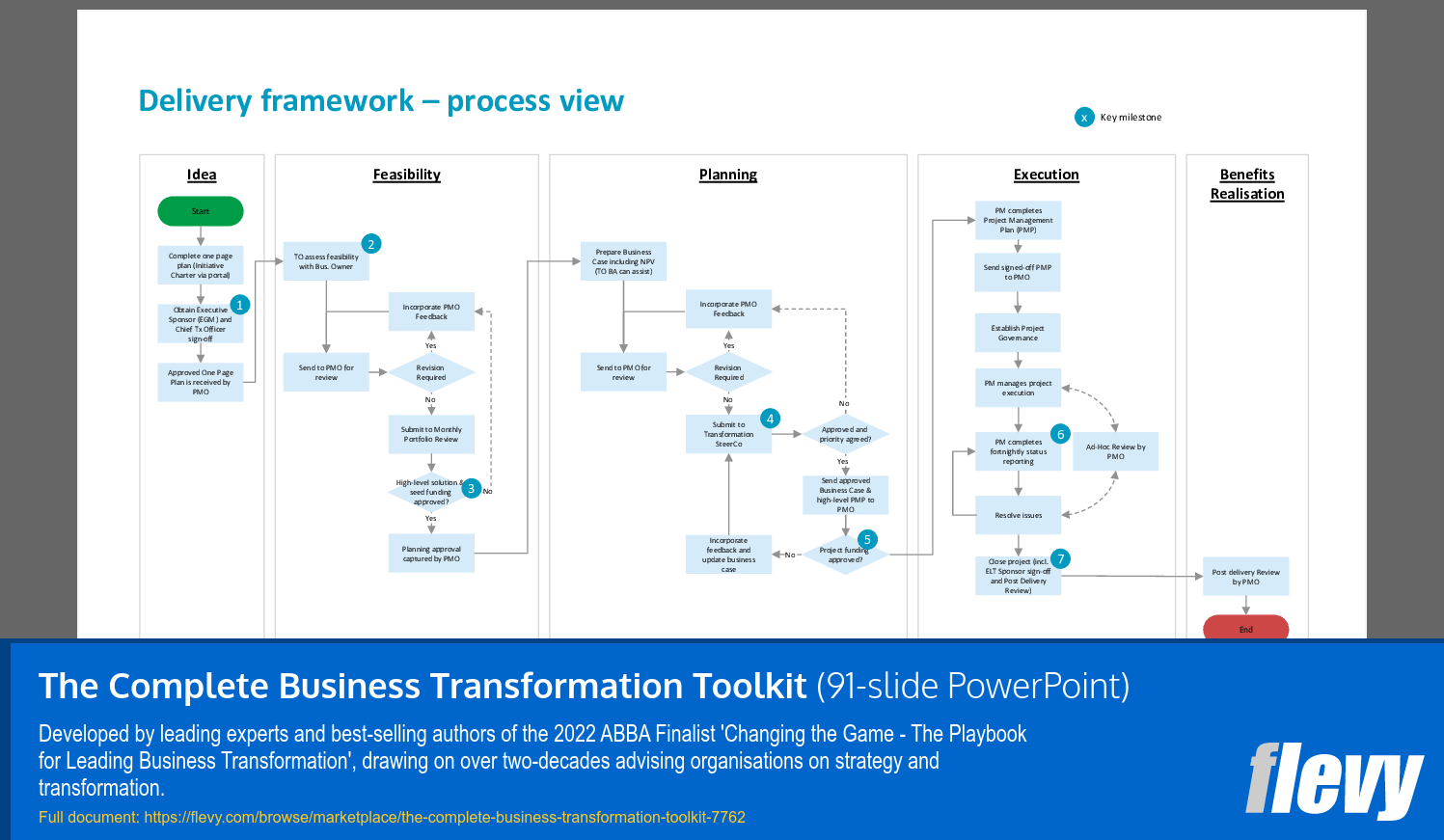
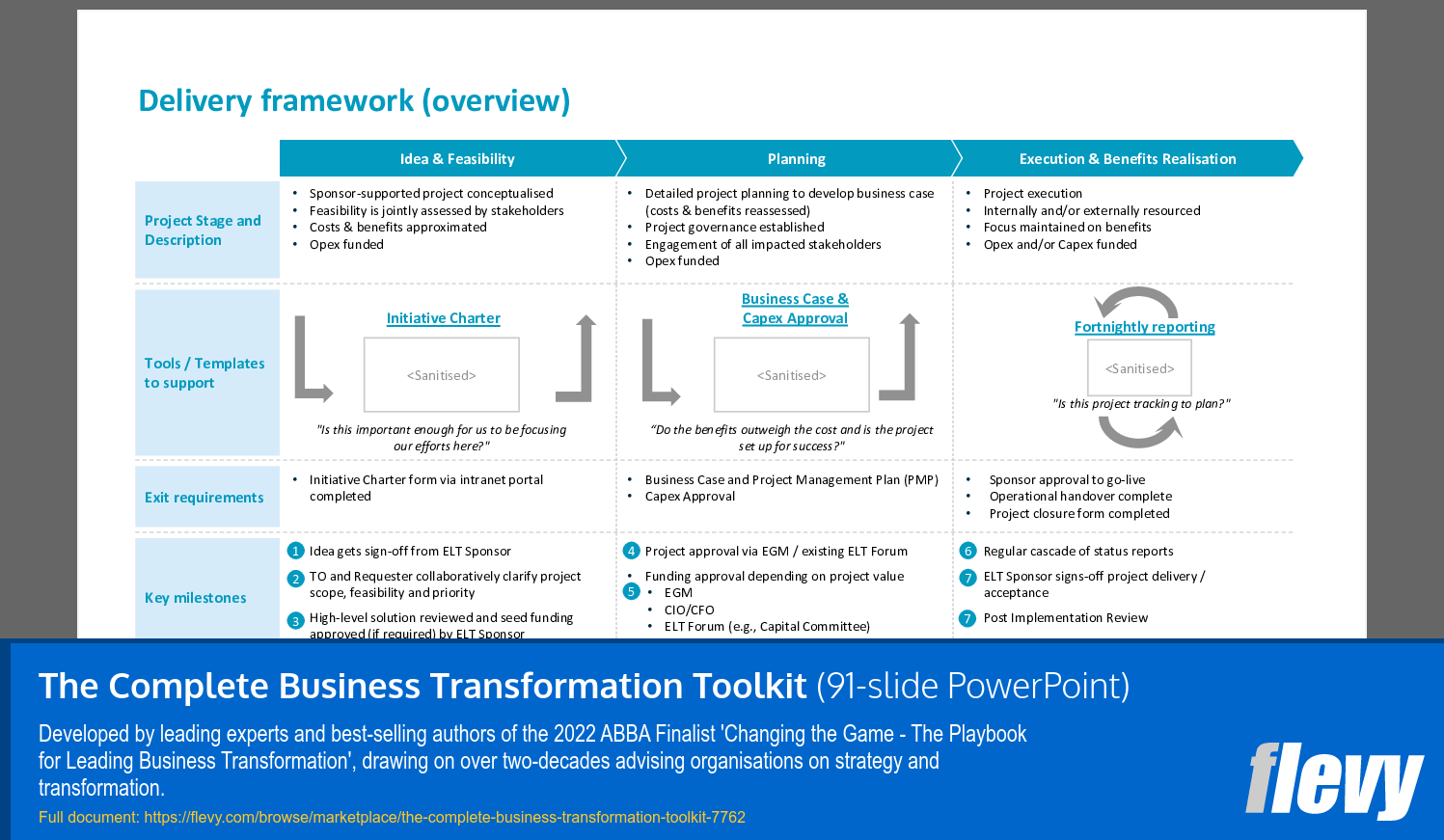
This PPT slide outlines a structured delivery framework for project management, divided into 4 sections: Idea, Feasibility, Planning, Execution, and Benefits Realization. The process begins with the Idea phase, requiring a one-page plan and executive sponsorship for approval. The Feasibility phase assesses project viability and incorporates PMO feedback, with funding approval if necessary. The Planning phase focuses on creating a comprehensive business case, including financial metrics like NPV, and further PMO revisions. In the Execution phase, the Project Management Plan (PMP) is finalized, and project governance is established. Finally, the Benefits Realization section emphasizes post-delivery reviews to evaluate project success, ensuring alignment with organizational goals and enhancing confidence in consulting services.
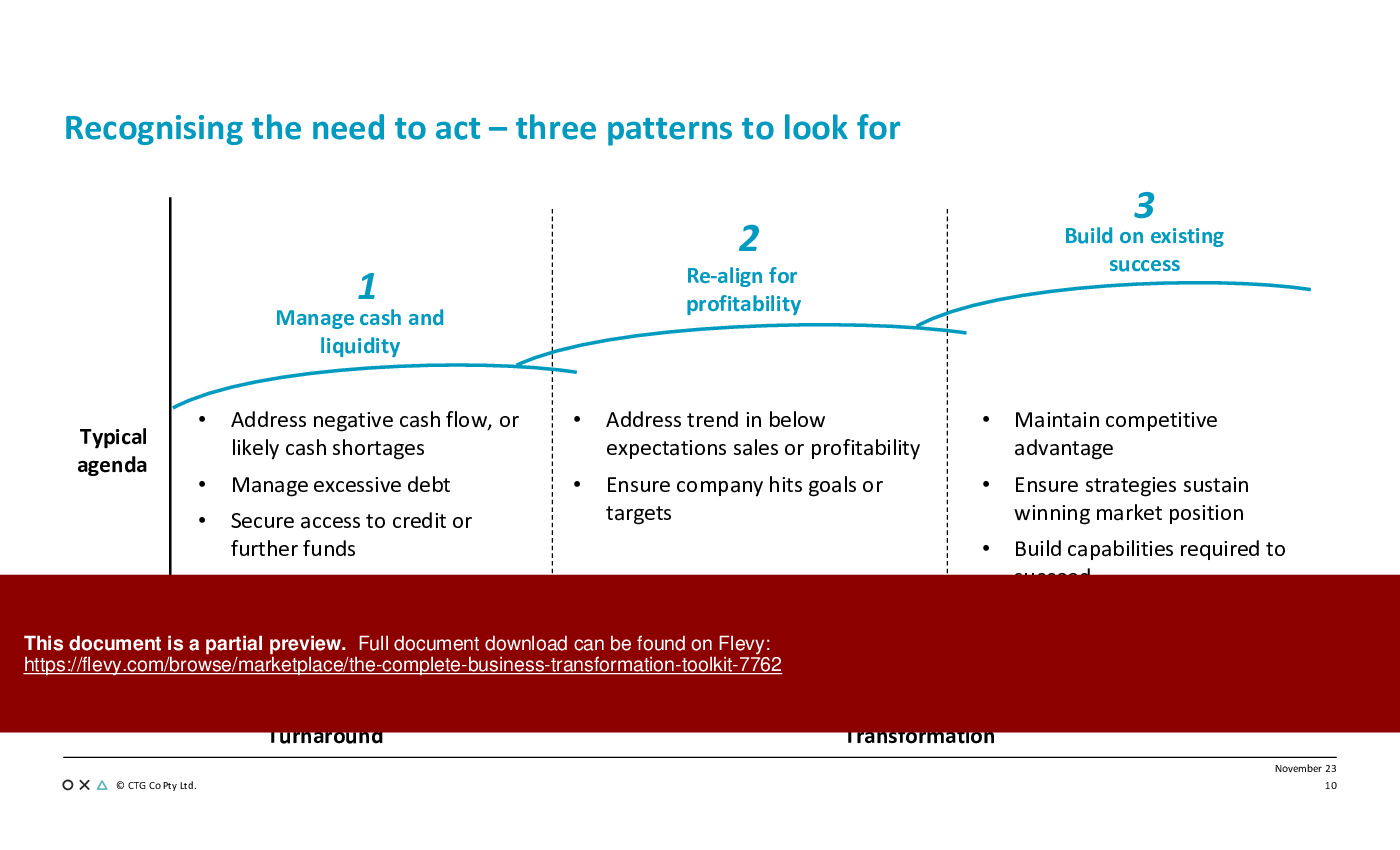
This PPT slide outlines 3 critical patterns for organizations to address operational and financial challenges: managing cash and liquidity, realigning for profitability, and building on existing success.
The first pattern highlights managing cash flow and liquidity, emphasizing the need to tackle negative cash flow, reduce excessive debt, and secure access to credit.
The second pattern focuses on realigning for profitability, urging leaders to respond to below-expectation sales and ensure operational efficiency to meet organizational goals.
The third pattern stresses building on existing success by maintaining market position and developing capabilities for future growth.
These patterns provide a framework for evaluating financial stability and operational effectiveness.
This PPT slide outlines a structured delivery framework segmented into 4 key phases: Idea & Feasibility, Planning, Execution & Benefits Realization. In the Idea & Feasibility phase, projects begin with a sponsor-supported concept, where stakeholders assess feasibility and approximate costs and benefits, emphasizing operational expenditure (Opex) funding. The Planning phase develops a comprehensive business case, establishes governance structures, and engages stakeholders, culminating in an Initiative Charter and securing Capex approval. Execution & Benefits Realization focuses on project implementation, maintaining a benefits-oriented approach, and includes regular reporting mechanisms, leading to operational handover and project closure. This framework enhances project management capabilities and drives successful outcomes.
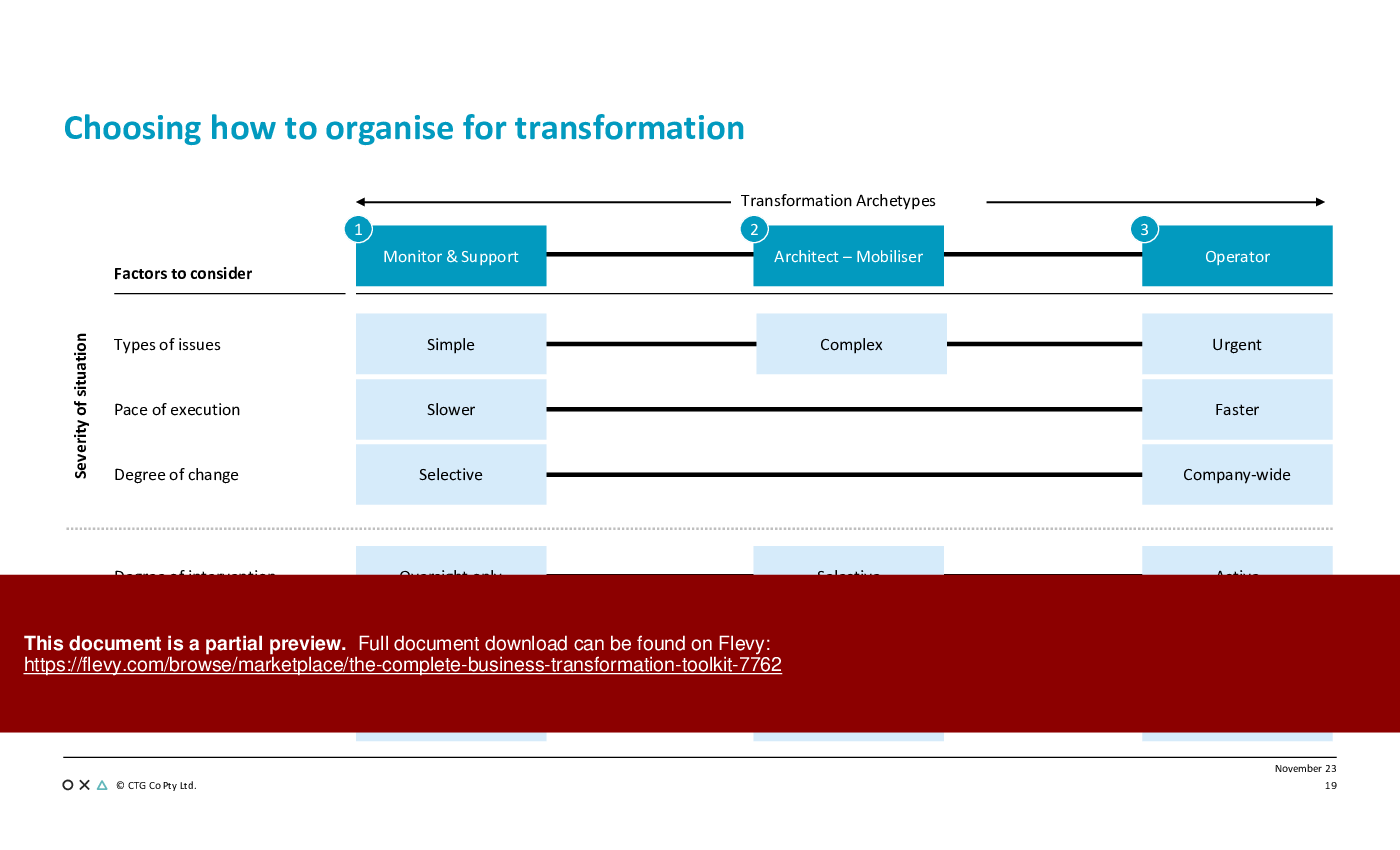
This PPT slide outlines a framework for organizing transformation efforts within an organization, categorized by 2 axes: "Severity of situation" and "Ability to manage." The horizontal axis features 3 transformation archetypes: "Monitor & Support," "Architect – Mobiliser," and "Operator," each reflecting different complexity and urgency levels. Under "Severity of situation," key factors include types of issues, pace of execution, and degree of change, indicating that simpler issues may require a "Monitor & Support" approach, while complex issues necessitate an "Operator" strategy. The vertical axis addresses the organization's management capability, including intervention degree and decision-making approach, aligning oversight needs with the appropriate archetype. This framework aids executives in assessing their situation and selecting an effective organizational structure for transformation initiatives.
This PPT slide provides a quantitative breakdown of components contributing to a net impact measurement. Component 1 has the highest contribution at 4.0, followed by Component 2 at 3.0. Subsequent components show diminishing returns: Component 3 at 2.0, Component 4 at 1.8, and both Component 5 and Component 6 at 1.2. The net impact, calculated at 4.4, reflects the overall effect of these components combined. This hierarchical representation allows for a clear visual assessment of which components drive the most value, guiding resource allocation and strategic decision-making.
This PPT slide outlines 5 critical lenses for assessing an organization's current situation:
1. Recent performance evaluates overall performance metrics, budget target achievement, and performance trends to identify strengths and weaknesses.
2. Contribution of components dissects performance to pinpoint specific areas driving results, clarifying organizational contributions and shifts over time.
3. Cost structure analyzes fixed and variable expenses, essential for understanding the economic framework and identifying cost optimization opportunities.
4. Benchmarking compares key performance measures against peers, identifying performance gaps and best practices for improvement.
5. Existing plans clarifies ongoing or planned initiatives, assessing their timing and expected outcomes to evaluate potential impact on performance.
These lenses provide a structured approach to developing a fact base that informs strategic decision-making and enhances organizational effectiveness.
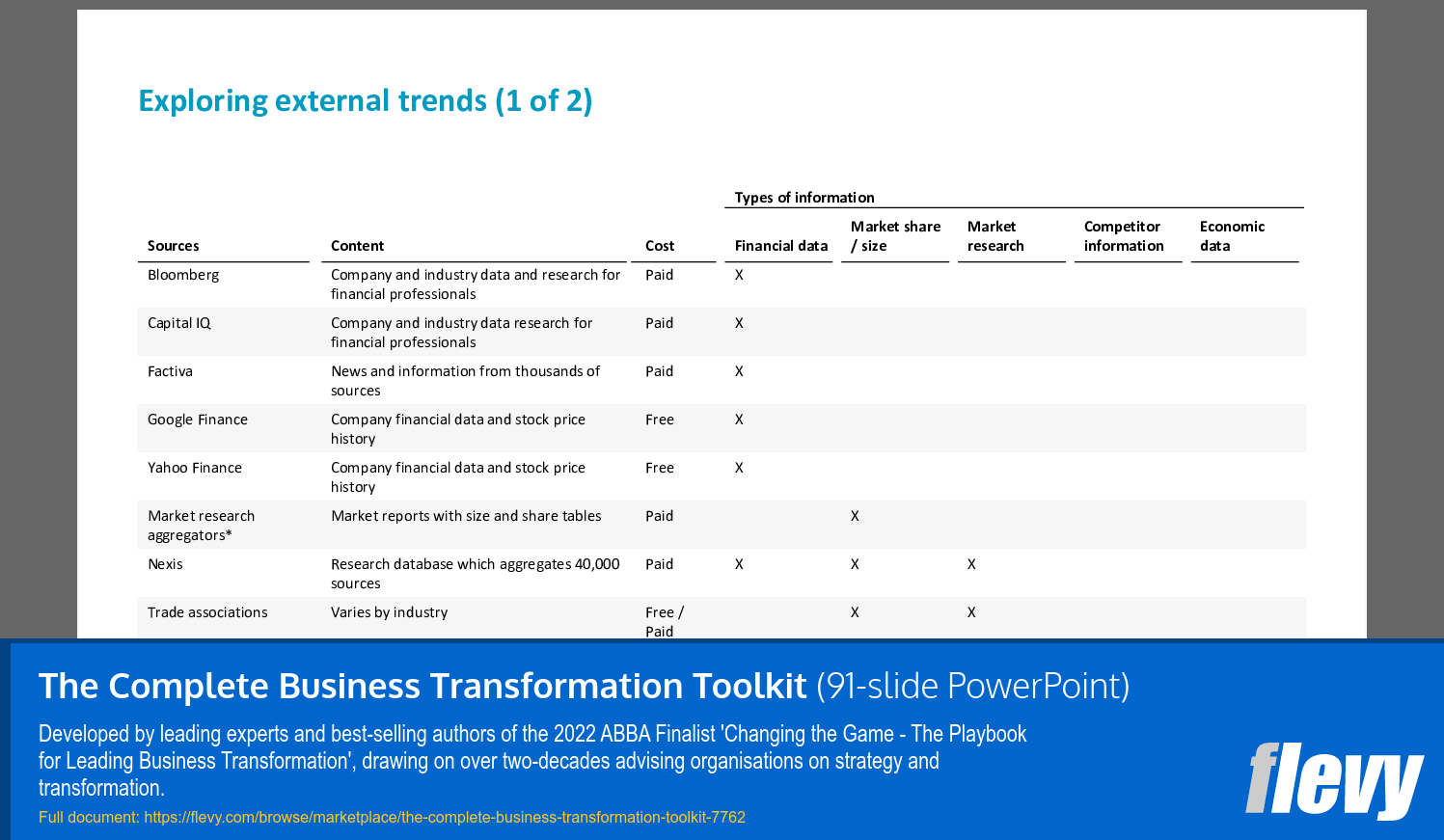
This PPT slide categorizes sources for external trend analysis by information type and cost. Paid platforms like Bloomberg, Capital IQ, and Factiva provide tailored company and industry data for financial professionals, emphasizing the importance of high-quality data for decision-making. Free resources such as Google Finance and Yahoo Finance offer essential financial data and stock price history, presenting cost-effective tools for preliminary analysis. Market research aggregators provide paid reports with size and share tables, crucial for understanding market dynamics. Nexis aggregates a vast number of sources for comprehensive research, while trade associations offer variable information by industry. Checkmarks indicate the types of information available, including financial data, market share, market research, competitor information, and economic data, facilitating quick assessments for specific informational needs.
Strategies for generating short-term funding focus on key financial metrics: return on equity, return on assets, and financial leverage. Levers influencing these metrics include sales, cost of goods sold (COGS), and operating expenses. Sales initiatives aim to drive short-term revenue, while procurement efficiency enhances gross profits. Expense management through austerity measures optimizes operating expenses. Current asset management emphasizes asset turnover, cash reserves, and working capital, with recommendations for improving cash management to shorten the cash conversion cycle. Inventory management strategies include reducing excess materials and streamlining work-in-progress. Capital investment strategies involve optimizing capital expenditures and considering non-core asset sales. Financial structuring options include refinancing debts and securing near-term credit facilities, leading to enhanced liquidity and operational efficiency.
Source: Best Practices in Business Transformation PowerPoint Slides: Complete Business Transformation Toolkit PowerPoint (PPTX) Presentation Slide Deck, ChangingTheGame
Developed by leading experts and best-selling authors of the 2022 ABBA Finalist 'Changing the Game - The Playbook for Leading Business Transformation', drawing on over two-decades advising organisations on strategy and transformation.
Changing the Game (CTG Co) is a specialist consulting company that partners with functional/divisional leaders, CxOs, and their teams to drive transformative results.

We provide expert strategy and advisory services, which cover all elements of the transformation lifecycle, from strategy to initiatives' piloting and implementation.
The average daily rate of a McKinsey consultant is $6,625 (not including expenses). The average price of a Flevy document is $65.
Trusted by over 10,000+ Client Organizations
Since 2012, we have provided best practices to over 10,000 businesses and organizations of all sizes, from startups and small businesses to the Fortune 100, in over 130 countries.
Read Customer Testimonials
"Flevy is our 'go to' resource for management material, at an affordable cost. The Flevy library is comprehensive and the content deep, and typically provides a great foundation for us to further develop and tailor our own service offer."
– Chris McCann, Founder at Resilient.World
"The wide selection of frameworks is very useful to me as an independent consultant. In fact, it rivals what I had at my disposal at Big 4 Consulting firms in terms of efficacy and organization."
– Julia T., Consulting Firm Owner (Former Manager at Deloitte and Capgemini)

"I have found Flevy to be an amazing resource and library of useful presentations for lean sigma, change management and so many other topics. This has reduced the time I need to spend on preparing for my performance consultation. The library is easily accessible and updates are regularly provided. A wealth of great information."
– Cynthia Howard RN, PhD, Executive Coach at Ei Leadership
"I have used Flevy services for a number of years and have never, ever been disappointed. As a matter of fact, David and his team continue, time after time, to impress me with their willingness to assist and in the real sense of the word. I have concluded in fact
that it is not at all just a repository of documents/resources but, in the way that David and his team manage the firm, it is like dealing with consultants always ready to assist, advise and direct you to what you really need, and they always get it right.
I am an international hospitality accomplished senior executive who has worked and lived during the past 35 years in 23 countries in 5 continents and I can humbly say that I know what customer service is, trust me.
Aside from the great and professional service that Flevy's team provide, their wide variety of material is of utmost great quality, professionally put together and most current.
Well done Flevy, keep up the great work and I look forward to continue working with you in the future and to recommend you to a variety of colleagues around the world.
"
– Roberto Pelliccia, Senior Executive in International Hospitality
"FlevyPro provides business frameworks from many of the global giants in management consulting that allow you to provide best in class solutions for your clients."
– David Harris, Managing Director at Futures Strategy
"One of the great discoveries that I have made for my business is the Flevy library of training materials.
As a Lean Transformation Expert, I am always making presentations to clients on a variety of topics: Training, Transformation, Total Productive Maintenance, Culture, Coaching, Tools, Leadership Behavior, etc. Flevy
It is well worth the money to purchase these presentations. Sure, I have the knowledge and information to make my point. It is another thing to create a presentation that captures what I want to say. Flevy has saved me countless hours of preparation time that is much better spent with implementation that will actually save money for my clients.
"
– Ed Kemmerling, Senior Lean Transformation Expert at PMG
"[Flevy] produces some great work that has been/continues to be of immense help not only to myself, but as I seek to provide professional services to my clients, it gives me a large "tool box" of resources that are critical to provide them with the quality of service and outcomes they are expecting."
– Royston Knowles, Executive with 50+ Years of Board Level Experience
"As a small business owner, the resource material available from FlevyPro has proven to be invaluable. The ability to search for material on demand based our project events and client requirements was great for me and proved very beneficial to my clients. Importantly, being able to easily edit and tailor
the material for specific purposes helped us to make presentations, knowledge sharing, and toolkit development, which formed part of the overall program collateral. While FlevyPro contains resource material that any consultancy, project or delivery firm must have, it is an essential part of a small firm or independent consultant's toolbox.
"
– Michael Duff, Managing Director at Change Strategy (UK)
Download our free compilation of 50+ Strategy & Transformation slides and templates. Frameworks include McKinsey 7-S, Balanced Scorecard, Disruptive Innovation, BCG Curve, and many more.