Editor's Note: Take a look at our featured best practice, Ecommerce Financial Model (Excel workbook). Model Options:
This template is a detailed and user-friendly financial model that considers an e-commerce business's specifics.
By Taking into account key assumptions such as traffic from different sources, conversion rates, the average purchase value for different product categories, and the [read more]
* * * *
 As we stand on the cusp of 2026, the landscape of ecommerce is poised for a dramatic transformation. The rapid pace of technological advancements, shifting consumer behaviors, and global economic changes are converging to reshape the way we buy and sell online. This article delves into the key trends and innovations that are set to define the future of ecommerce in 2026.
Artificial Intelligence (AI) and Machine Learning: The Backbone of Personalization
In 2026, AI and machine learning algorithms will be at the heart of ecommerce operations. These technologies will enable hyper-personalized shopping experiences, predicting customer preferences with uncanny accuracy. Virtual shopping assistants, powered by sophisticated AI, will guide customers through their purchasing journey, offering tailored product recommendations and answering complex queries in real-time. This level of personalization will not only enhance customer satisfaction but also significantly boost conversion rates and customer loyalty.
Augmented Reality (AR) and Virtual Reality (VR): Bridging the Gap Between Digital and Physical
The integration of AR and VR technologies in ecommerce will reach new heights by 2026. Customers will be able to virtually try on clothes, test furniture in their homes, or experience products in immersive 3D environments before making a purchase. This technology will drastically reduce return rates and increase customer confidence in online shopping. Major retailers will invest heavily in creating virtual showrooms and AR-enhanced mobile apps, making the online shopping experience more interactive and engaging than ever before.
Voice Commerce: The New Frontier of Convenience
With the proliferation of smart speakers and voice-activated devices, voice commerce will become a mainstream shopping method by 2026. Consumers will effortlessly order products, compare prices, and track shipments using voice commands. This hands-free approach to shopping will particularly appeal to busy professionals and multitasking parents, driving a significant portion of ecommerce transactions through voice-enabled platforms.
Blockchain and Cryptocurrency: Revolutionizing Transactions and Supply Chains
Blockchain technology will play a crucial role in enhancing the security and transparency of ecommerce transactions in 2026. Cryptocurrencies will become widely accepted payment methods on major ecommerce platforms, offering faster, cheaper, and more secure international transactions. Moreover, blockchain will revolutionize supply chain management, providing end-to-end visibility and traceability of products from manufacturer to consumer, thus building greater trust and authenticity in online purchases.
Sustainable and Ethical Ecommerce: A Priority for Conscious Consumers
By 2026, sustainability and ethical practices will be non-negotiable factors in ecommerce. Consumers will increasingly favor brands that demonstrate genuine commitment to environmental conservation and social responsibility. Ecommerce platforms will prominently feature eco-friendly products, provide detailed information on sustainability practices, and offer carbon-neutral shipping options. The circular economy will gain traction, with more platforms facilitating the buying and selling of second-hand goods and promoting product recycling programs.
Amazon FBA: A Growing Power in the Ecommerce Ecosystem
Amazon’s Fulfillment by Amazon (FBA) program will continue to play a central role in the ecommerce landscape in 2026. With the growing number of third-party sellers utilizing FBA, Amazon will further solidify its dominance by offering logistics solutions that enable businesses to scale rapidly. Sellers will leverage Amazon’s global fulfillment network, taking advantage of its fast shipping options, customer service, and returns management. Additionally, working with an Amazon marketing agency will become increasingly important as businesses seek specialized expertise to optimize their presence on the platform, run effective ad campaigns, and maximize their product visibility.
5G and IoT: Enabling Seamless Omnichannel Experiences
The widespread adoption of 5G technology and the Internet of Things (IoT) will enable truly seamless omnichannel shopping experiences. Physical stores will be seamlessly integrated with online platforms, allowing customers to effortlessly switch between digital and physical shopping environments. Smart devices and IoT sensors will provide real-time inventory updates, personalized in-store recommendations, and frictionless checkout processes, blurring the lines between online and offline commerce.
Social Commerce: Where Shopping Meets Social Media
Social media platforms will evolve into full-fledged ecommerce ecosystems by 2026. Live streaming shopping events, influencer-curated marketplaces, and in-app purchasing features will dominate the social commerce landscape. These platforms will leverage user-generated content and peer recommendations to create highly engaging and interactive shopping experiences, particularly appealing to younger demographics.
As we look towards 2026, it’s clear that the future of ecommerce is bright, dynamic, and full of possibilities. The convergence of advanced technologies, changing consumer expectations, and innovative business models will create a shopping landscape that is more personalized, convenient, and sustainable than ever before. Businesses that embrace these changes and adapt quickly to the evolving ecommerce ecosystem will be well-positioned to thrive in this exciting new era of digital commerce.
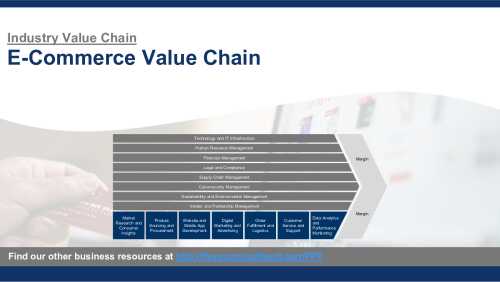
33-slide PowerPoint presentation
An Industry Value Chain is a visual representation of the series of steps an organization in a specific industry takes to deliver a product or service to the market. It captures the main business functions and processes that are involved in delivering the end product or service, illustrating how
[read more]
Do You Want to Implement Business Best Practices?
You can download in-depth presentations on Ecommerce and 100s of management topics from the FlevyPro Library. FlevyPro is trusted and utilized by 1000s of management consultants and corporate executives.
For even more best practices available on Flevy, have a look at our top 100 lists:
These best practices are of the same as those leveraged by top-tier management consulting firms, like McKinsey, BCG, Bain, and Accenture. Improve the growth and efficiency of your organization by utilizing these best practice frameworks, templates, and tools. Most were developed by seasoned executives and consultants with over 20+ years of experience.
Readers of This Article Are Interested in These Resources

27-slide PowerPoint presentation
Growth Hacking is neither "scoring some quick wins to kick-start growth" nor "breaking into something one should not." Growth Hacking actually involves a consistent, scientific process to work towards business growth.
Growth Hacking is valuable for large enterprises, but more so for small
[read more]
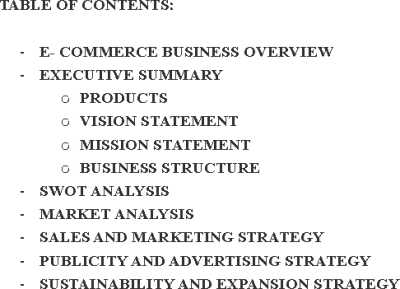
13-page Word document
This e-commerce business plan is a detailed roadmap that will guide you in starting a successful e-commerce business. It has pre-written content, including important sections like market research, product offerings, marketing strategies, and financial projections.
You can use this sample plan as
[read more]

Excel workbook
Financial technology (better known as fintech) is used to describe new technology that seeks to improve and automate the delivery and use of financial services. At its core, fintech is utilized to help companies, business owners, and consumers better manage their financial
[read more]
Excel workbook
An e-commerce platform for physical products is a digital solution that enables businesses to sell tangible goods online. It provides tools for listing products, managing inventory, processing payments, handling shipping, and tracking orders. Customers can browse, purchase, and review items through
[read more]