Editor's Note: Take a look at our featured best practice, Ecommerce Financial Model (Excel workbook). Model Options:
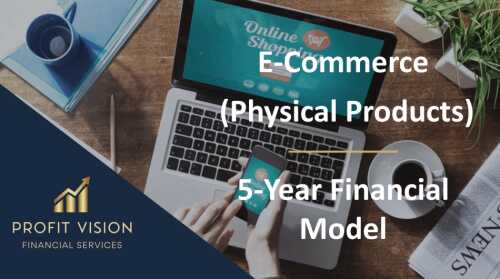
This template is a detailed and user-friendly financial model that considers an e-commerce business's specifics.
By Taking into account key assumptions such as traffic from different sources, conversion rates, the average purchase value for different product categories, and the [read more]
* * * *
Opening an online store generates equal parts enthusiasm and trepidation. Success hinges on ensuring you secure a position in search engines. A new store can use a more formulaic method that increases the likelihood of making search engine pages near the top. A simple structure used by SEO specialists working with e-commerce helps new sites to flourish. This guide walks through each of those key steps with actionable instructions for those looking to score high rankings.
Thorough Keyword Research
Correct keyword selection is a key to search optimization. Experts begin by conducting extensive research to identify the search phrases buyers use to find their offerings. They look at search volume, buyer intent, and competition per term. They have the ideal roadmap for content creation by clustering keywords into topics. Their work sets the foundation for improved visibility since such groundwork ensures that every single page targets high-value queries. Choosing an e-commerce SEO expert ensures your store builds a scalable SEO foundation that drives long-term growth.
Competitor Analysis
However, if your competitors are succeeding, consider their strategies. Analysts examine rival outlets for strengths and weaknesses. They analyze what keywords competitors rank, which content is likely to convert the most, and how product pages are typically designed. It’s in this process that you discover gaps and areas of opportunity. Armed with this knowledge, new shops can provide different value, ultimately giving them an improved chance at being discovered in search.
On-Page Optimization
However, we need to have proper optimization on each product and category page. This includes writing clear, concise titles and meta descriptions that incorporate target keywords. They ensure that product descriptions provide useful information while avoiding content duplication from other sites. They format their pages with informative headers to make them more scannable and increase search intent relevance.
Technical SEO Foundations
Great technology makes for a seamless user experience. Experts ensure that the site is fast and works perfectly across all devices. They establish an organized framework with sensible classifications and easy navigation. SSL/TLS secured connections (HTTPS) have been part of best practice for some time now. These ensure that search engines can index all pages with their XML sitemaps and neat URLs. Audits are done regularly, and they reduce technical debt, which can lower your search rankings if you wind up with too many errors.
Content Development
Good content goes beyond just product listings to bring in visitors and create trust. Blog posts, buying guides, and frequently asked questions not only meet customer needs but also demonstrate expertise. The content should address the most common questions, provide helpful information, and focus on the issues that buyers are experiencing. This will help increase the duration of visits and facilitate scheduling an appointment to link your site. Publishing regularly is how you become an authority in the long run.
Building Trust through Backlinks
Links from reputable websites signal trust to search engines. Experts pursue opportunities for mentions from industry publications, review sites, or relevant blogs. They might offer helpful resources or collaborate on content to earn these endorsements. Quality always outweighs quantity. A few links from respected sources often prove more valuable than many from unrelated places. Monitoring the link profile ensures continued growth and guards against harmful associations.
Monitoring and Adjustment
Evaluation and modification are the keys in SEO. Specialists measure progress by tracking rankings, traffic, and sales. They analyze the data to learn which strategies work and which they need to change. This may involve modifying content, improving keyword usage, or correcting technical problems. This process of tracking and tweaking allows the store to keep performing better and better as time goes on.
Local SEO Considerations
Local search is crucial for shops with local presence or local focus. Displaying a business listing that is optimized using location-based keywords, getting positive feedback from customers, and completing proper contact information increases visibility in the relevant area. It focuses on local audience needs, which boosts relevancy for place-based searches and cements stronger bonds with them.
Conclusion
Ranking a new store in search engines takes time, planning, and marketing. Use this time-tested framework, and owners will gradually strengthen their search position. And particularly such elements as careful planning, constant optimization, and high quality create a solid foundation for long-term results. One step leads into the next, taking new shops to a trusted online destination from the day they launch.
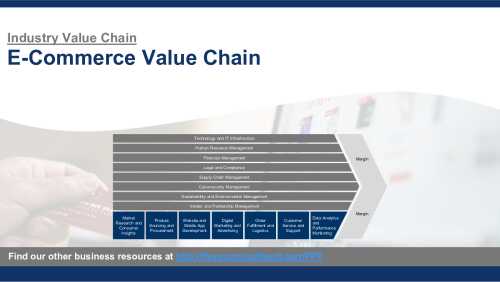
An Industry Value Chain is a visual representation of the series of steps an organization in a specific industry takes to deliver a product or service to the market. It captures the main business functions and processes that are involved in delivering the end product or service, illustrating how [read more]
Do You Want to Implement Business Best Practices?
You can download in-depth presentations on Ecommerce and 100s of management topics from the FlevyPro Library. FlevyPro is trusted and utilized by 1000s of management consultants and corporate executives.
For even more best practices available on Flevy, have a look at our top 100 lists:
These best practices are of the same as those leveraged by top-tier management consulting firms, like McKinsey, BCG, Bain, and Accenture. Improve the growth and efficiency of your organization by utilizing these best practice frameworks, templates, and tools. Most were developed by seasoned executives and consultants with over 20+ years of experience.
Readers of This Article Are Interested in These Resources
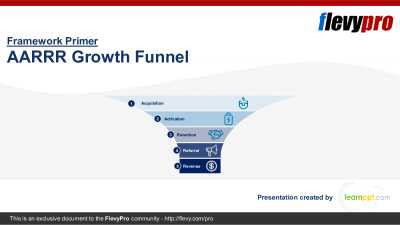
Growth Hacking is neither "scoring some quick wins to kick-start growth" nor "breaking into something one should not." Growth Hacking actually involves a consistent, scientific process to work towards business growth.
Growth Hacking is valuable for large enterprises, but more so for small [read more]
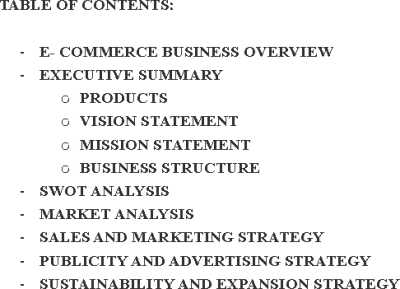
This e-commerce business plan is a detailed roadmap that will guide you in starting a successful e-commerce business. It has pre-written content, including important sections like market research, product offerings, marketing strategies, and financial projections.
You can use this sample plan as [read more]
Financial technology (better known as fintech) is used to describe new technology that seeks to improve and automate the delivery and use of financial services. At its core, fintech is utilized to help companies, business owners, and consumers better manage their financial [read more]
An e-commerce platform for physical products is a digital solution that enables businesses to sell tangible goods online. It provides tools for listing products, managing inventory, processing payments, handling shipping, and tracking orders. Customers can browse, purchase, and review items through [read more]
 Opening an online store generates equal parts enthusiasm and trepidation. Success hinges on ensuring you secure a position in search engines. A new store can use a more formulaic method that increases the likelihood of making search engine pages near the top. A simple structure used by SEO specialists working with e-commerce helps new sites to flourish. This guide walks through each of those key steps with actionable instructions for those looking to score high rankings.