
This product (Shareholder Value Analysis) is a 53-slide PPT PowerPoint presentation slide deck (PPT), which you can download immediately upon purchase.
This presentation introduces a Shareholder Value Analysis approach of a leading consulting firm, using a global auto maker as an example.
The presentation begins by analyzing the auto maker's historical performance and improvement opportunities, and then conducts competitive benchmarking, identifies its future growth strategies and puts forward an action plan for growth.
The document also introduces a Value Creation Framework that aligns a company's Total Shareholder Return (TSR) with its value drivers to identify value creation opportunities. It is an illustrative presentation of how to apply the framework to strategic analysis. See another posting at this website – Value Creation Framework.
The slides can be adapted for use with other organizations.
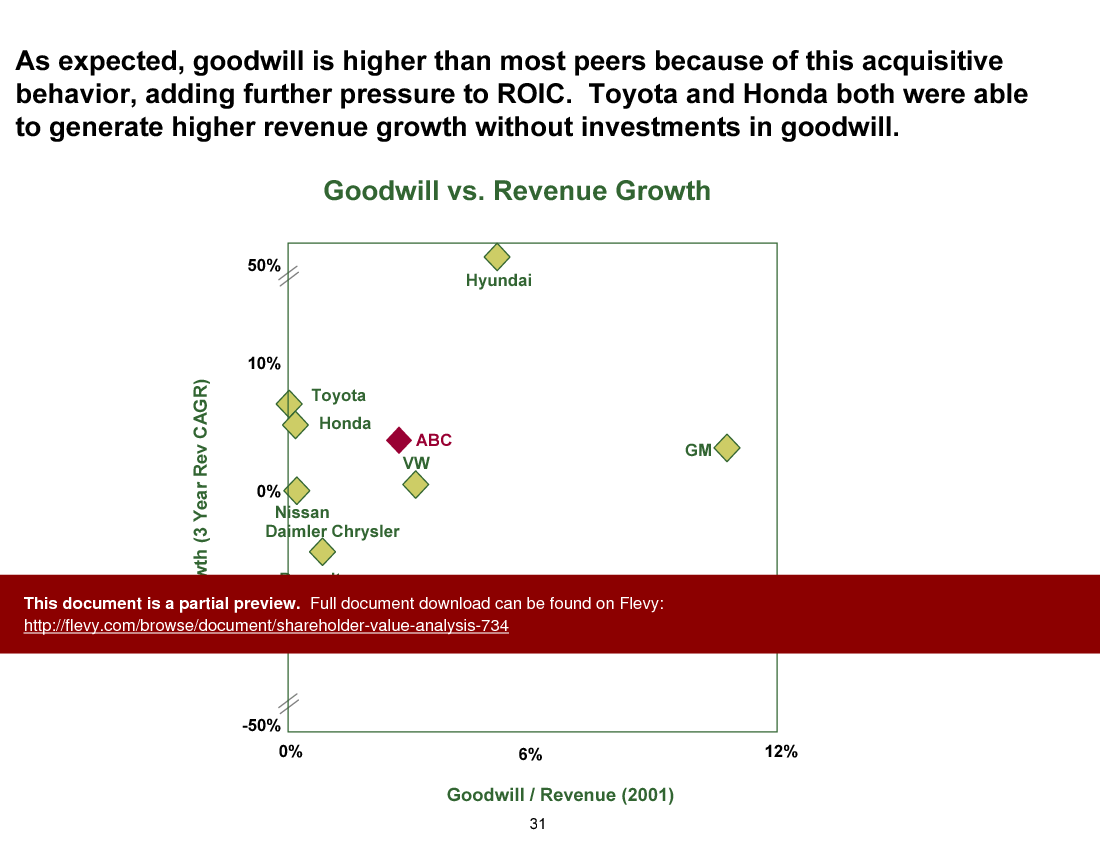
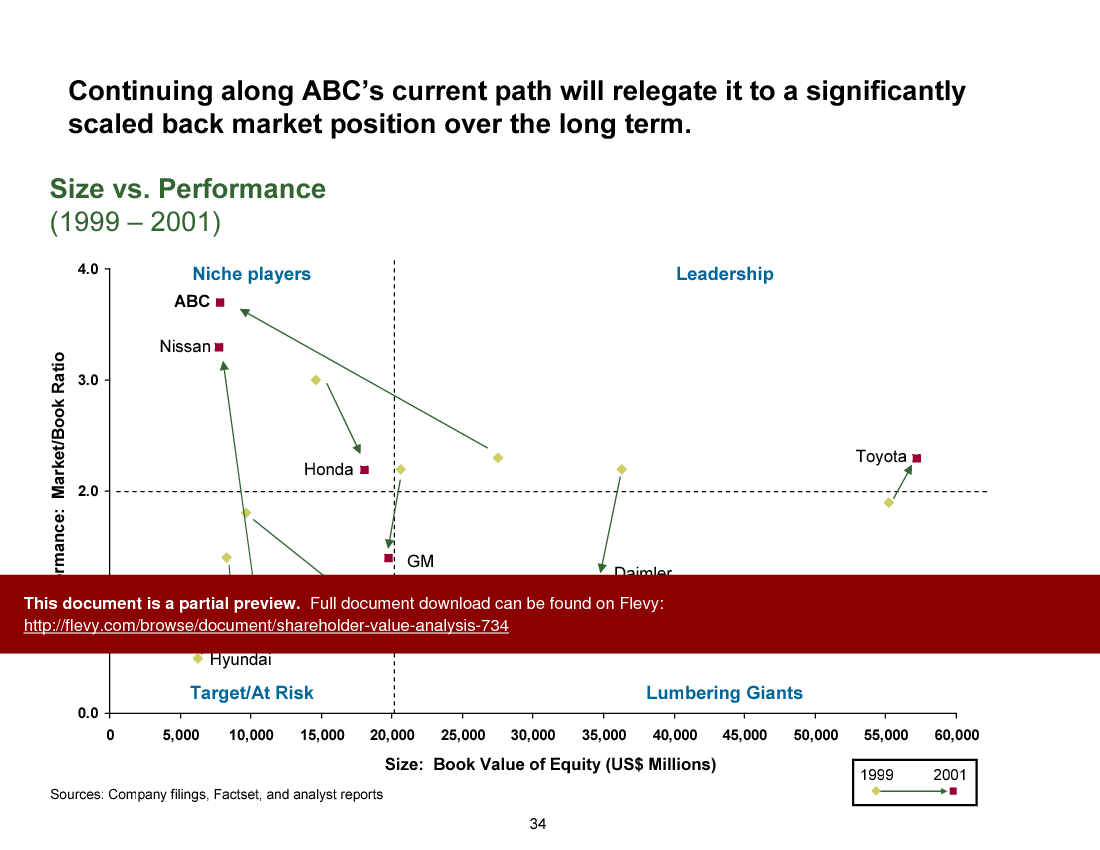
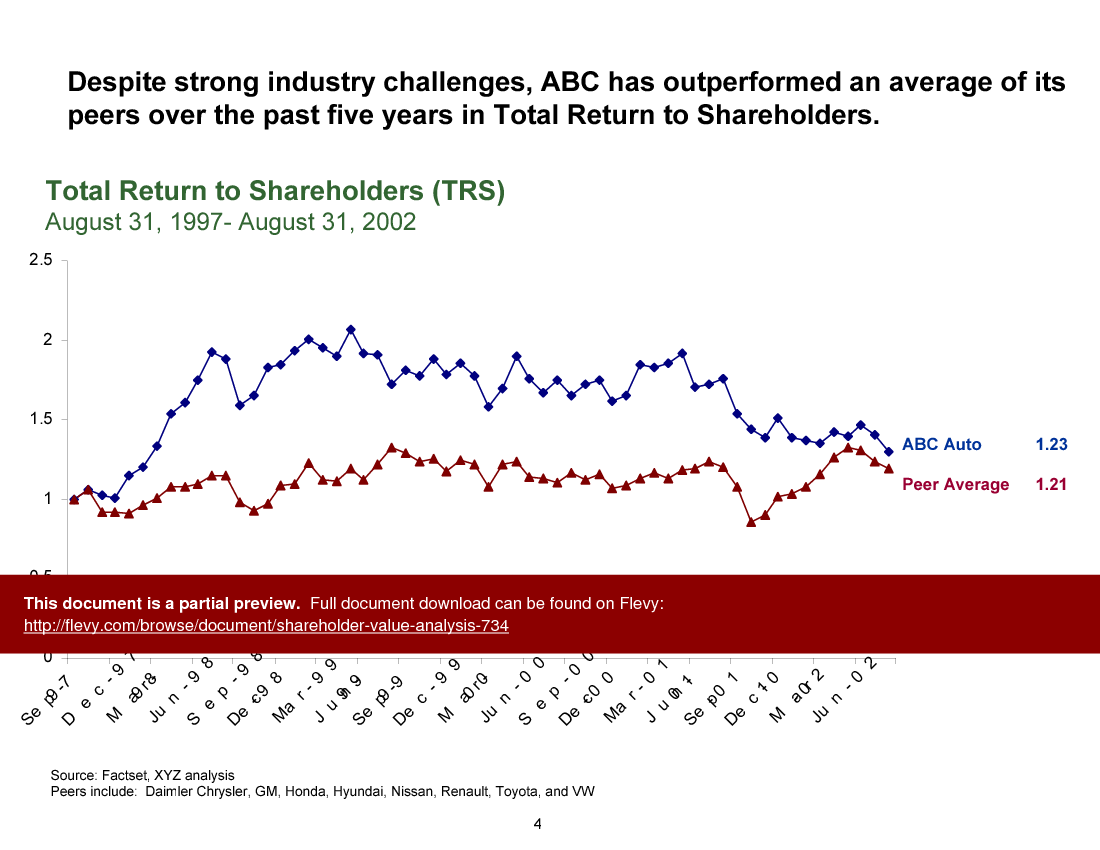
The document provides a detailed analysis of ABC Auto's performance relative to its peers, highlighting its ability to outperform in Total Return to Shareholders (TRS) despite industry challenges. The analysis spans a five-year period, offering insights into the company's strategic positioning and competitive edge. It also contrasts ABC Auto's performance with that of other major players like Toyota, Honda, and VW, emphasizing the company's strengths and areas needing improvement.
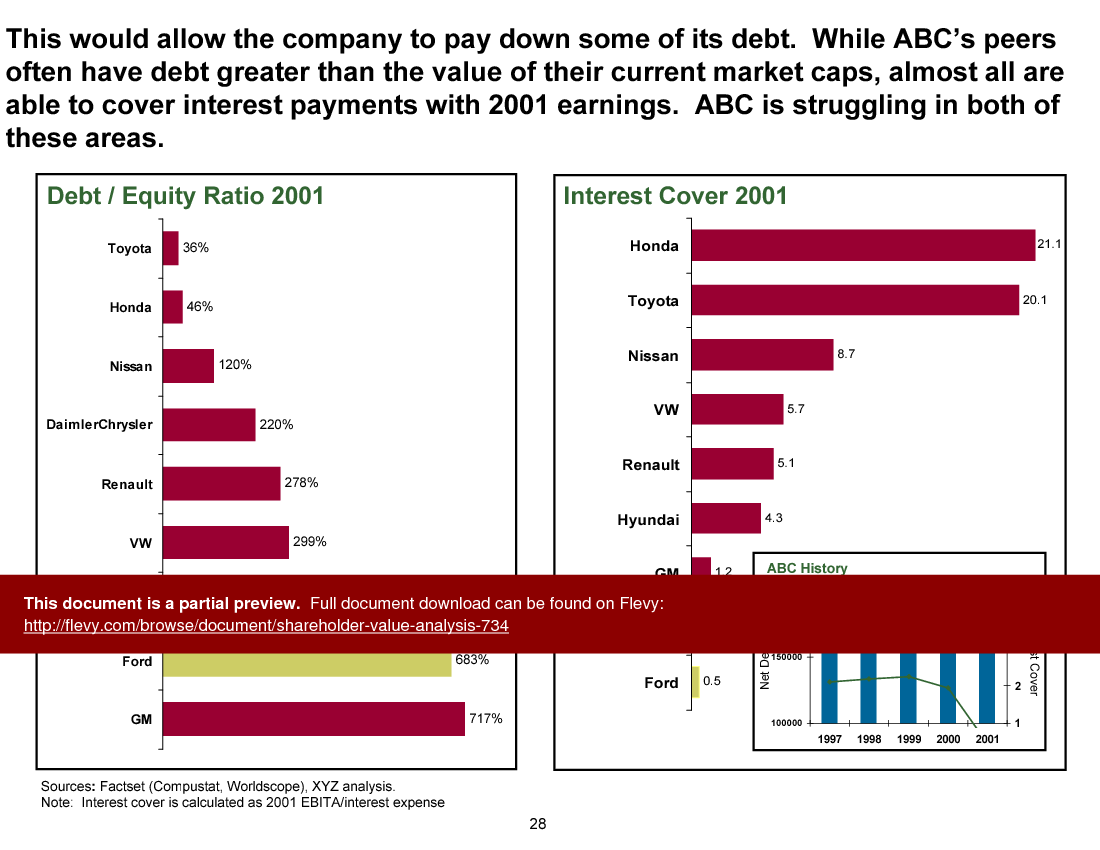
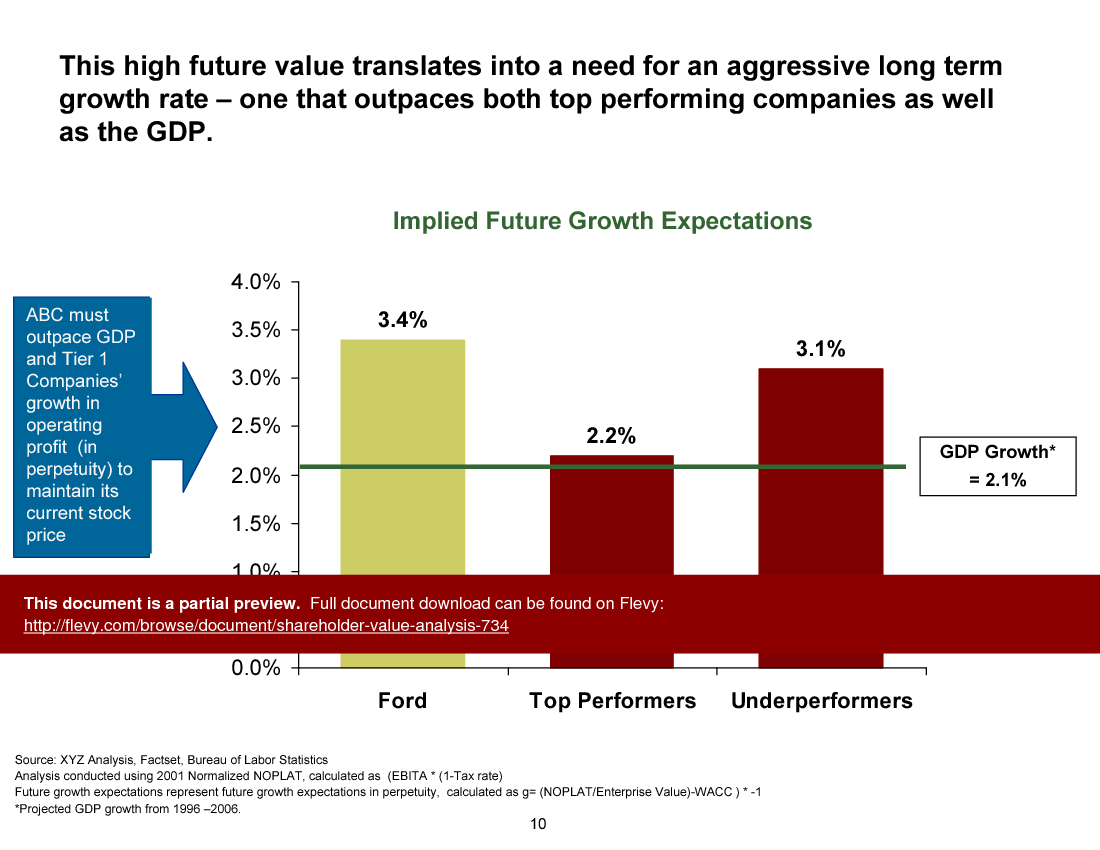
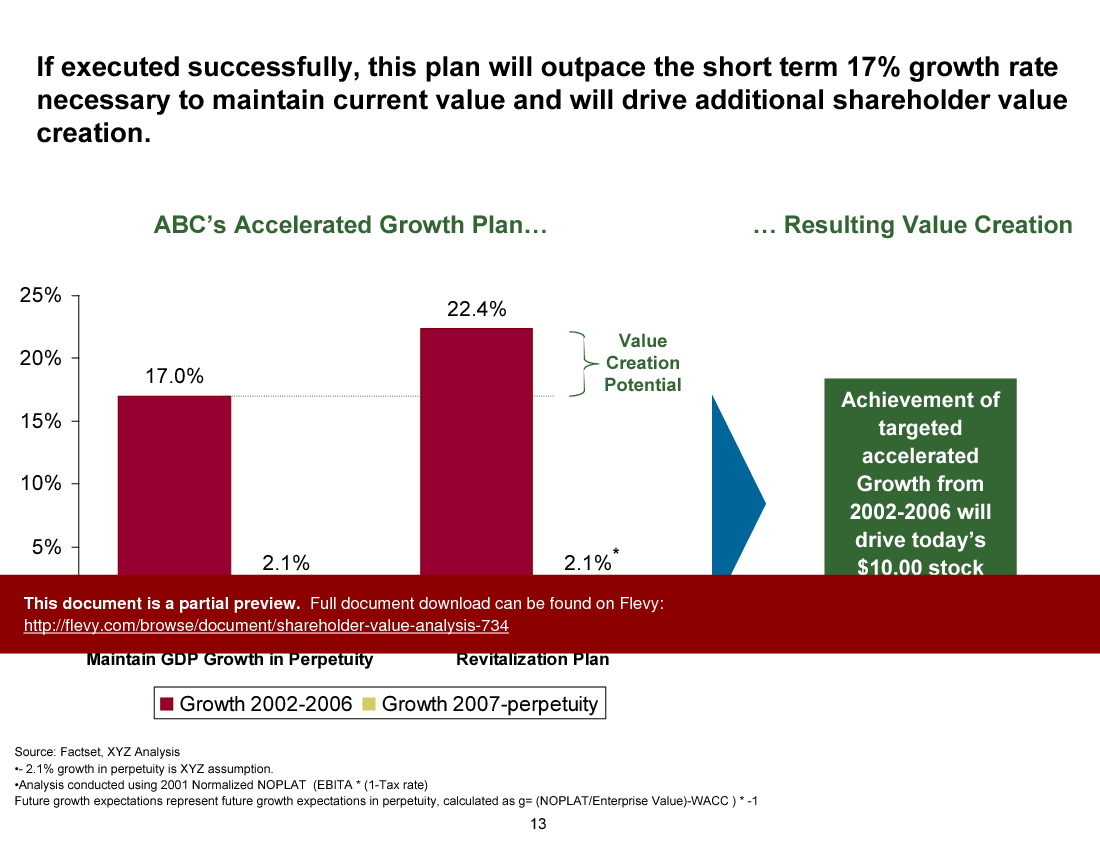
The presentation delves into the company's growth expectations, stressing the need for an aggressive long-term growth rate to maintain its current stock price. It outlines the implications of these growth expectations on ABC Auto's future strategies and operational focus. The document also examines the company's working capital management, identifying net receivables as a significant driver of its high working capital ratio.
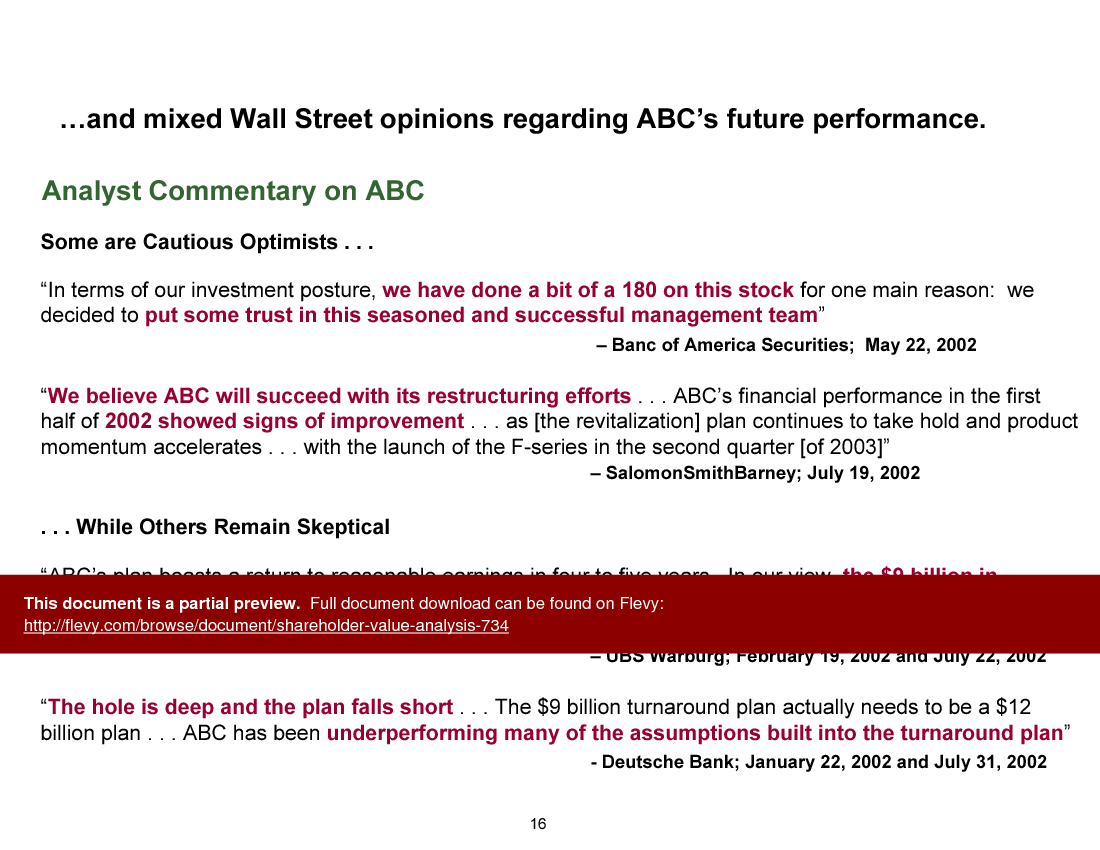
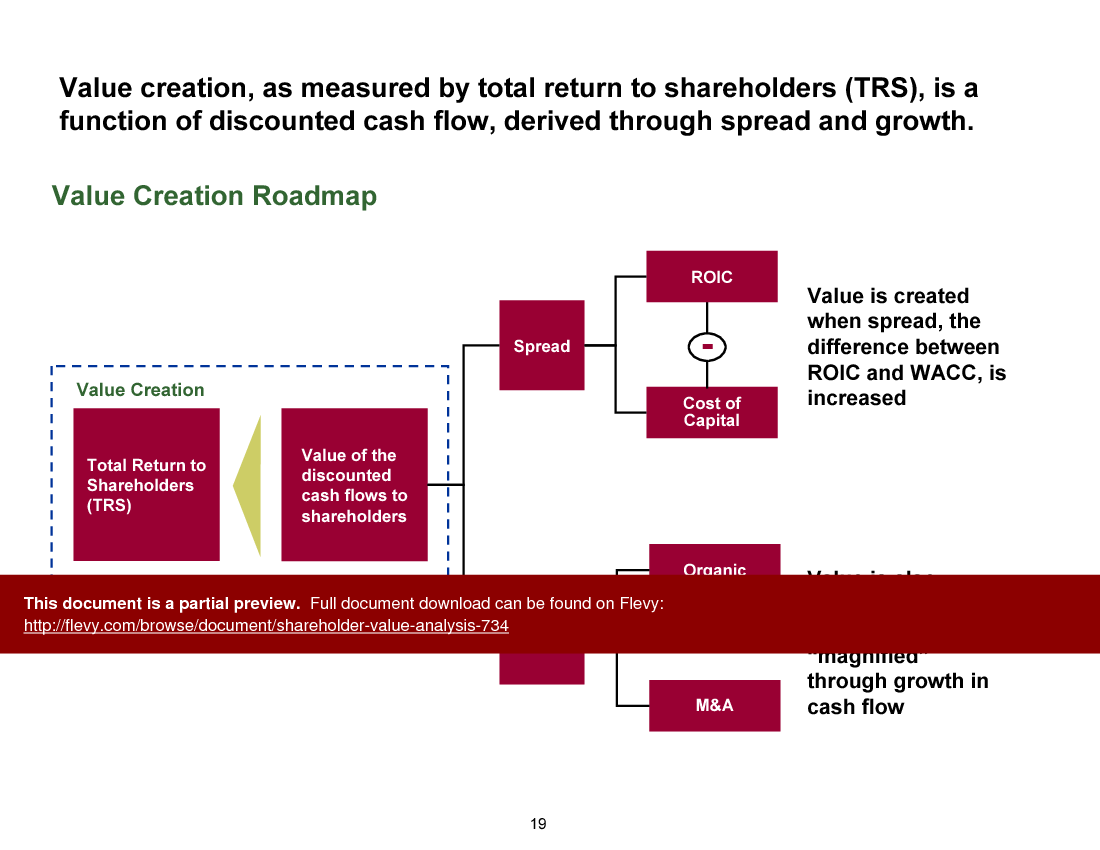
In addition, the presentation addresses the mixed opinions from Wall Street analysts regarding ABC Auto's future performance. Some analysts express cautious optimism about the company's restructuring efforts, while others remain skeptical about its ability to achieve a turnaround. The document concludes with a comprehensive Value Creation Roadmap, linking TRS with key value drivers and offering actionable insights for enhancing shareholder value.
Got a question about the product? Email us at support@flevy.com or ask the author directly by using the "Ask the Author a Question" form. If you cannot view the preview above this document description, go here to view the large preview instead.
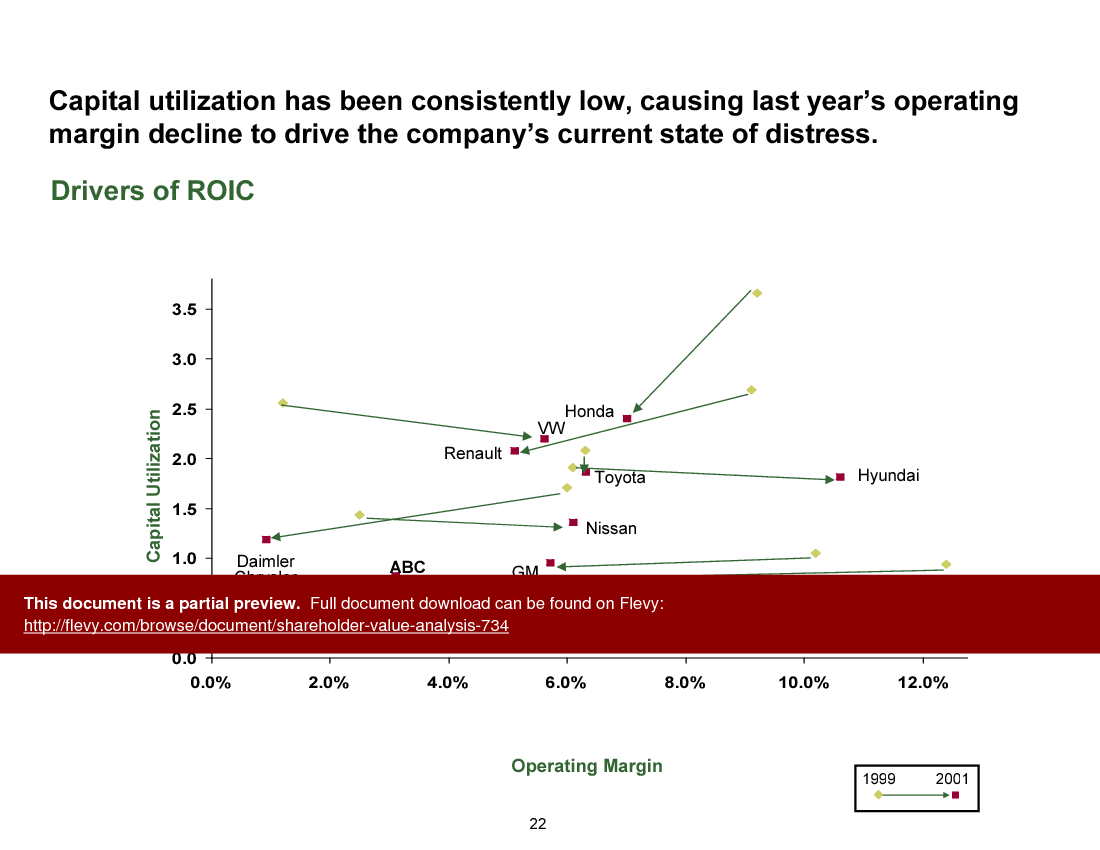
This PPT slide presents a detailed analysis of ABC's Return on Invested Capital (ROIC) performance, highlighting significant issues impacting its financial health. The central theme is the company's declining pre-tax ROIC, which is illustrated through a structured ROIC tree.
The slide begins with a clear statement regarding the poor spread performance attributed to low pre-tax ROIC figures. It shows a downward trend from 11.7% in 1999 to 2.6% in 2001, with comparisons to average figures and peer groups. This decline is alarming and suggests systemic issues within the organization.
Operational margin data is also provided, indicating fluctuations over the years. The operational margin decreased from 12.4% in 2000 to 5.3% in 2001, which raises concerns about cost management and pricing strategies.
The slide further breaks down the components affecting ROIC, including Cost of Goods Sold (COGS) as a percentage of revenue, administrative expenses, and depreciation rates. Notably, COGS rose significantly in 2001, reflecting poor capacity utilization, while administrative and R&D expenses have increased as a percentage of revenue, indicating inefficiencies.
Capital utilization metrics reveal a decline in efficiency, with the capital utilization ratio dropping from 0.94 in 1999 to 0.89 in 2001. This suggests that the company is not leveraging its assets effectively.
Overall, the slide serves as a critical diagnostic tool for stakeholders, indicating that immediate strategic interventions are necessary to address the declining ROIC and improve overall financial performance. The insights provided can guide decision-making processes for potential investors or management teams looking to revitalize ABC's operations.
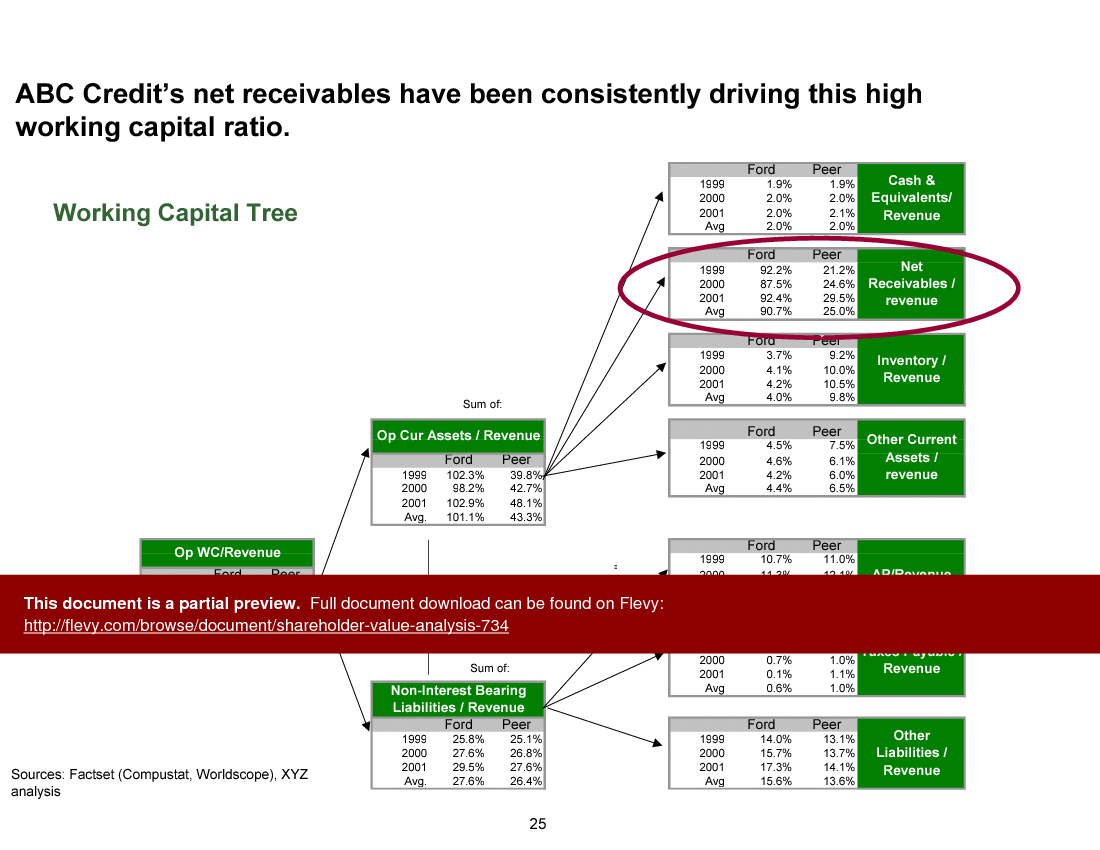
This PPT slide presents a detailed analysis of ABC Credit's net receivables and their impact on the working capital ratio. It highlights the performance of Ford in comparison to its peers over the years 1999 to 2001. The key takeaway is the consistent strength of Ford's net receivables, which have significantly outperformed peer averages during this period.
The "Working Capital Tree" structure visually breaks down the components of operational working capital as a ratio of revenue. It shows that Ford's net receivables as a percentage of revenue were notably higher than those of its peers, with averages of 90.7% compared to 25.0%. This suggests that Ford has effectively managed its receivables, allowing for a more robust working capital position.
Further analysis of operational current assets reveals that Ford's overall operational asset ratio has remained strong, peaking at 102.9% in 2001, while its peers lagged behind. The slide also includes metrics for inventory and other current assets, indicating that Ford maintains a balanced approach to asset management.
The data points for non-interest bearing liabilities and accounts payable further illustrate the financial health of Ford, showing lower ratios compared to peers. This indicates a more efficient use of capital, which is crucial for maintaining liquidity and operational flexibility.
Overall, the slide serves as a compelling illustration of Ford's financial strategy, particularly in managing receivables and working capital. For potential customers, this analysis underscores the importance of effective receivables management in driving financial performance and operational efficiency.
This PPT slide presents a detailed analysis of ABC Automotive's financial performance, particularly focusing on operational margins and capital utilization over the years 1999 to 2001. It highlights a significant decline in operational margins from 11.0% in 1999 to 10.0% in 2000, and further down to 8.0% in 2001, which is notably below the average of its peers. This decline is attributed to the company's inability to maintain pricing power and market share during a challenging period.
The Pre-Tax Return on Invested Capital (ROIC) is also examined, showing a drop from 22.0% in 1999 to 11.0% in 2000, with a recovery to 18.1% in 2001. However, this figure still lags behind the peer average. The analysis indicates that while Japanese competitors achieved better margins and capital efficiency, ABC's product pipeline is underperforming, resulting in only marginal profitability despite high production levels.
The slide identifies key trends affecting ABC Automotive, such as the aggressive moves by GM to gain a cost advantage and the need for ABC to implement variable costs to improve its financial standing. It suggests that the company should focus on revitalizing its R&D pipeline to boost product demand and enhance profitability. Additionally, there is a recommendation for better management of working capital, particularly through reducing inventory and receivables. This analysis serves as a critical assessment for stakeholders considering strategic adjustments to improve ABC's market position and financial health.
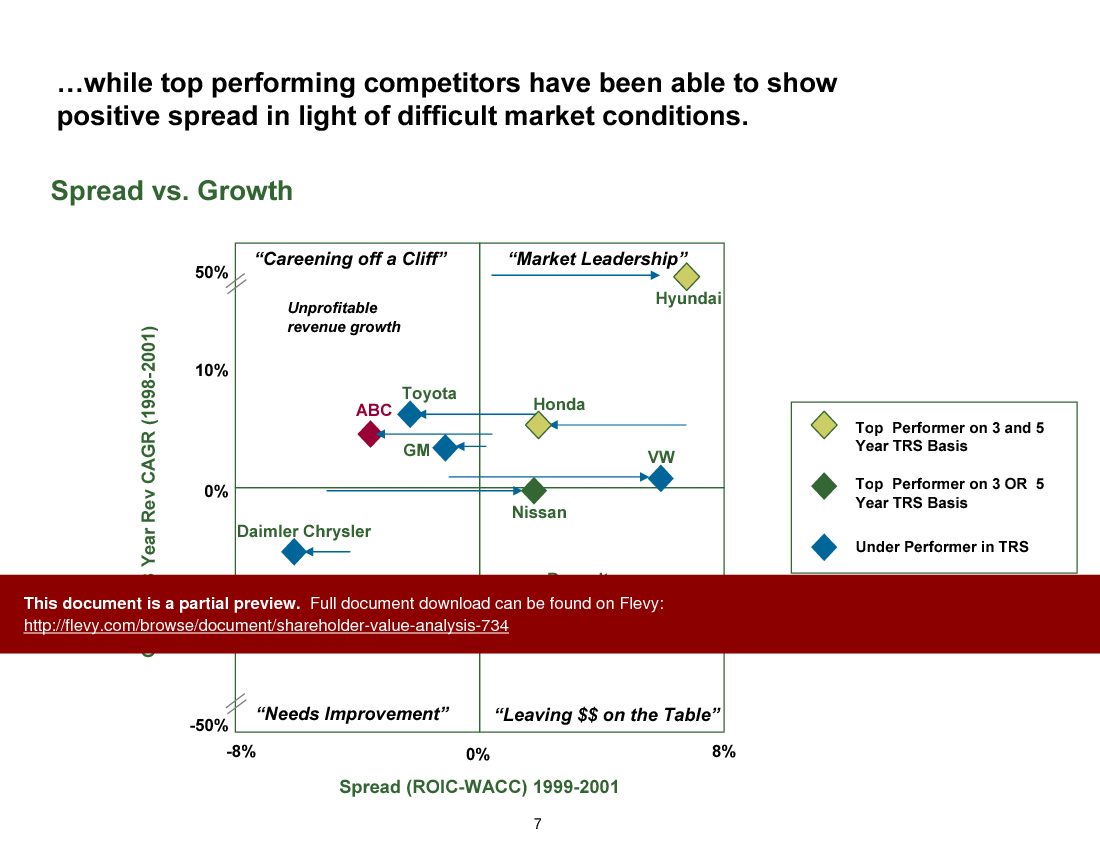
This PPT slide presents a visual analysis of various automotive companies, focusing on their growth rates and revenue spread during a challenging market period. The vertical axis indicates the compound annual growth rate (CAGR) of revenue over 3 years, while the horizontal axis categorizes companies based on their performance, ranging from "Careening off a Cliff" to "Market Leadership."
Notably, the positioning of companies like Toyota and GM suggests they are navigating the market with varying degrees of success. Toyota is highlighted as a top performer, indicating a strong balance of growth and profitability. In contrast, the company labeled "ABC" appears to be struggling, positioned in the lower left quadrant, which signifies unprofitable revenue growth. This positioning raises questions about its strategic direction and operational efficiency.
Hyundai and Honda are positioned favorably in the "Market Leadership" quadrant, indicating robust growth and effective revenue management. The inclusion of other competitors like VW, Nissan, and Renault further illustrates the spectrum of performance within the industry. The color-coded legends clarify the performance metrics, distinguishing top performers from those underperforming in total return to shareholders (TRS).
The insights gleaned from this slide are critical for stakeholders considering investment or strategic partnerships. Understanding where a company stands relative to its peers can inform decisions on resource allocation and competitive positioning. The visual representation of performance metrics allows for quick assessment and comparison, making it a valuable tool for executives aiming to navigate complex market dynamics.
This PPT slide presents a detailed analysis of ABC's market value, emphasizing the distinction between current and future value. The total firm value is indicated at $205 billion, with $63 billion attributed to current operations, which accounts for 31% of the total value. The remaining $142 billion represents future value, signifying 69% of the firm's worth. This division highlights the market's expectation of significant growth stemming from ABC's strategic initiatives.
The slide also compares ABC's value metrics against key competitors, showcasing how the market perceives their potential. Notably, Ford's current value stands at 30.7%, with a projected future value of 68.3%. This suggests a strong belief in Ford's growth prospects, although it still lags behind other competitors like Nissan and Toyota, which have higher future value expectations. DaimlerChrysler is presented with a minimal future value of just 0.1%, indicating a lack of confidence in its growth trajectory.
The visual representation of current versus future value for each company provides a clear snapshot of market sentiment. The data suggests that while ABC faces challenges, the expectation for future growth remains robust. This insight is critical for stakeholders considering investments or strategic partnerships, as it underscores the importance of focusing on future initiatives to enhance overall market perception and share price stability. Understanding these dynamics can guide decision-making and strategic planning for potential investors and partners.
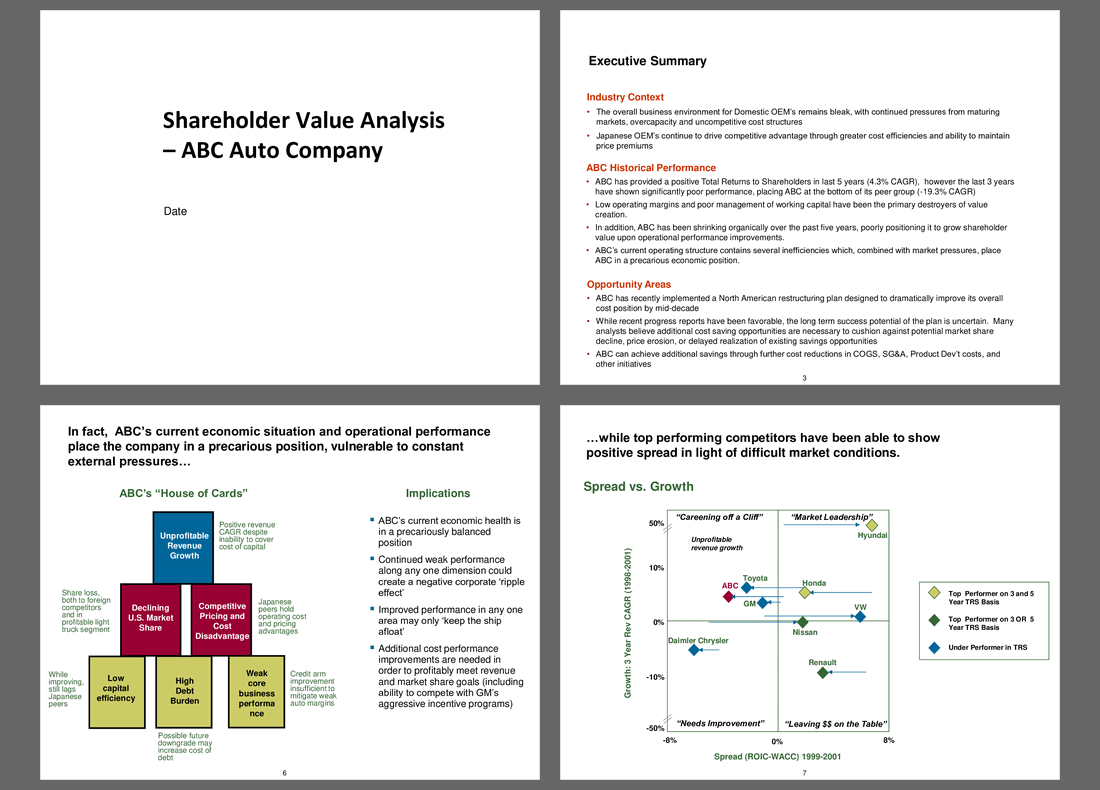
ABC's current economic situation is depicted as precarious, with multiple factors contributing to its vulnerability against external pressures. This PPT slide outlines a framework termed "ABC's House of Cards," illustrating how various operational challenges interconnect to create a fragile overall performance. At the top, "Unprofitable Revenue Growth" indicates that while revenue is growing at a compound annual growth rate (CAGR), it fails to cover the cost of capital, suggesting a fundamental issue with profitability.
The middle section highlights significant concerns, particularly "Declining U.S. Market Share" and "Competitive Pricing and Cost Disadvantage." The company is losing market share to foreign competitors, especially in the light truck segment, which is critical for maintaining a strong market position. The pricing and cost disadvantages relative to Japanese peers further exacerbate the situation, indicating that ABC is struggling to compete effectively on both cost and pricing fronts.
The bottom of the slide reveals additional weaknesses: "Low Capital Efficiency," "High Debt Burden," and "Weak Core Business Performance." These factors collectively hinder ABC's ability to invest in growth and innovation, while the high debt burden restricts financial flexibility. The implications section stresses that continued weak performance in any area could lead to a negative ripple effect throughout the organization. It also notes that improvements in one area may only serve to maintain the status quo rather than drive substantial recovery. Overall, the slide paints a concerning picture of ABC's operational health, emphasizing the urgent need for comprehensive performance improvements across multiple dimensions.
This PPT slide presents a detailed overview of ABC Auto's cash position and its implications for financial management. The graph illustrates total debt over several years, with a notable increase in cash as a percentage of revenue, peaking in 2001. This indicates a strategic shift towards maintaining a healthier cash reserve, which is essential for operational flexibility and financial stability.
The text highlights that in 2001, ABC Auto maintained over 4% of its revenues in cash, equating to a ten-month coverage for interest payments. This suggests a proactive approach to liquidity management, allowing the company to mitigate risks associated with debt servicing. The accompanying bullet points outline various opportunities and benefits stemming from this enhanced cash position.
Utilizing excess cash to pay down outstanding debt is emphasized as a primary strategy, which can lead to substantial reductions in annual interest expenses. This not only improves cash flow, but also strengthens the balance sheet. Reallocating excess cash into marketable securities is another recommended action, as it can enhance returns on idle cash, thus generating interest revenue.
The slide also discusses the advantages of cash pooling with a partner bank, which can streamline short-term debt management. Improved cash flow forecasting is crucial for effective hedging strategies, enabling better management of both currency and debt maturities. Lastly, the automation and integration of treasury processes are highlighted as ways to reduce unnecessary overhead, enhancing operational efficiency.
This slide serves as a compelling case for potential customers considering the financial strategies that can be adopted to optimize cash management and improve overall financial health.
This PPT slide presents a comparative analysis of the cost structures between the Big Three automotive manufacturers and their Japanese counterparts, focusing specifically on R&D expenditures. The data highlights that while the Big Three have a cost advantage in R&D, they are not capitalizing on this benefit as effectively as their Japanese peers. This is evident in the R&D spending figures, where the Big Three's R&D costs are shown to be higher than expected relative to their output.
The table outlines various cost components, including gross price, raw material costs, labor costs, and net income, providing a detailed breakdown of financial performance. The figures indicate that the Big Three have higher gross profits, but also face significant costs in areas like labor and materials. The R&D efficiency quadrant further illustrates the disparity in R&D effectiveness, with companies like Ford and Honda positioned differently based on their average operating income relative to R&D spending.
The analysis suggests that despite a favorable cost structure in R&D, the Big Three are struggling to translate this into improved performance outcomes. The implication is that the current demand issues may not be resolved soon, which could hinder their ability to compete effectively in the market. This slide serves as a critical reminder for stakeholders to reassess their strategies in R&D investment and operational efficiency to better align with market demands and performance expectations.
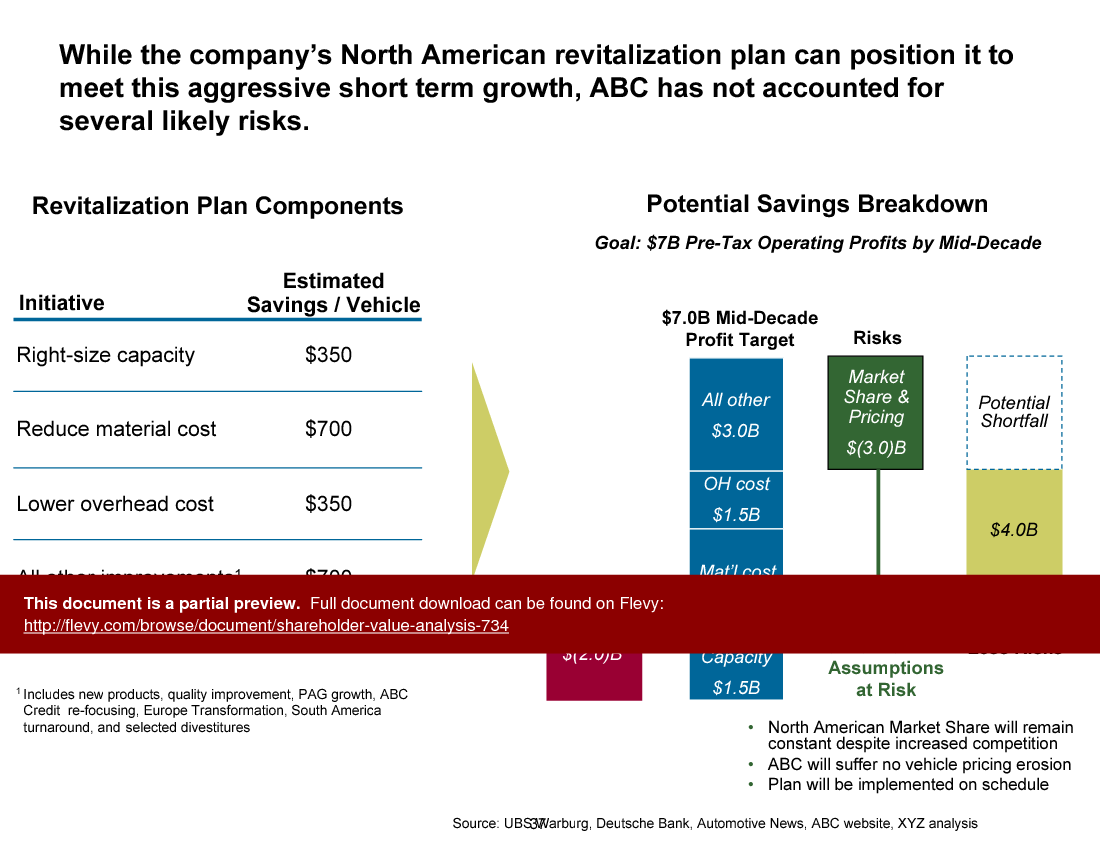
This PPT slide presents a comprehensive revitalization plan aimed at reducing costs and enhancing growth across several critical initiatives. Each initiative is outlined with its estimated savings and specific actions to achieve those savings.
The first initiative, "Right-size Capacity," targets a significant reduction in North American operating capacity by approximately one million units. This is expected to yield savings of $1.5 billion, achieved through the closure of 5 plants and a workforce reduction of 12,000 to 15,000 hourly employees. This approach indicates a strategic shift towards optimizing production capabilities while addressing excess capacity.
Next, the "Reduce Material Cost" initiative aims for $3.0 billion in savings. Key actions include launching a vendor-initiated design savings program, which suggests a focus on collaboration with suppliers to drive down costs. The sharing of savings in a 65% to 35% ratio indicates a structured approach to incentivizing vendor participation.
The "Lower Overhead Cost" initiative also targets $1.5 billion in savings. It involves executing a reduction of 5,000 salaried positions in North America and additional cuts in global workforce and agency costs. This reflects a broader strategy to streamline operations and enhance efficiency.
Lastly, the "All Other Improvements" initiative is projected to save another $3.0 billion. This encompasses a range of actions, including the introduction of 20 new or refreshed products annually in the U.S. market, improvements in vehicle quality, and strategic growth in the Premier Automotive Group.
Overall, the slide encapsulates a multifaceted approach to revitalization, emphasizing both cost reduction and growth through innovation and operational efficiency. The outlined initiatives provide a clear roadmap for stakeholders considering the potential impact of these strategies.
This PPT slide presents a comprehensive overview of ABC Credit’s revitalization strategy in response to various pressures affecting its operations. It identifies key challenges, including higher credit losses, decreasing residual values, increasing bond spreads, and difficulties in making comparisons due to asset-backed securities (ABS) securitization. These pressures highlight the need for a focused and strategic approach to enhance the company’s performance.
The revitalization plan is structured into 3 main areas: financing, operational efficiency, and risk management. The financing strategy emphasizes a commitment to ABC brands by reducing transactions involving non-ABC vehicles and phasing out higher-risk financing options. This shift aims to stabilize the financial foundation by concentrating on core brand offerings.
Operational and capital efficiency is another critical focus. The plan includes restructuring service centers, maximizing synergies across North America, and exploring strategic partnerships in Brazil and other selected markets. These actions are designed to streamline operations and improve overall productivity, which is essential for long-term sustainability.
Risk management is also a significant component of the revitalization plan. It involves enhancing collection tools, refining organizational policies, and redesigning residual management processes. By addressing these areas, ABC Credit aims to mitigate risks associated with credit losses and improve its financial health.
Overall, the slide effectively communicates the challenges faced by ABC Credit and outlines a structured approach to revitalization. It provides a clear roadmap for potential customers looking to understand how ABC Credit plans to navigate its current pressures while positioning itself for future growth.
MARCUS OVERVIEW
This synopsis was written by Marcus [?] based on the analysis of the full 53-slide presentation.
Executive Summary
The Shareholder Value Analysis presentation for ABC Auto Company provides a rigorous examination of the company's operational performance, strategic initiatives, and market positioning, crafted by former McKinsey consultants. This consulting-grade analysis highlights the bleak landscape for domestic OEMs, emphasizing the need for ABC to enhance its cost structure and competitive positioning. The presentation outlines ABC's recent restructuring efforts aimed at achieving significant cost reductions and improving shareholder value. Buyers will gain insights into actionable strategies to bolster performance, mitigate risks, and capitalize on growth opportunities.
Who This Is For and When to Use
• Corporate executives overseeing strategic planning and operational efficiency
• Financial analysts focused on shareholder value and investment potential
• Consultants engaged in automotive industry transformations
• Integration leaders managing restructuring initiatives
Best-fit moments to use this deck:
• During strategic planning sessions to evaluate operational performance and identify improvement areas
• When assessing the impact of restructuring initiatives on shareholder value
• For investor presentations to communicate growth strategies and performance metrics
Learning Objectives
• Define the current operational challenges facing ABC Auto and their implications for shareholder value
• Analyze the effectiveness of ABC's restructuring plan and its potential impact on future performance
• Establish key performance indicators to track progress in cost reduction and market share recovery
• Identify additional cost-saving opportunities within COGS, SG&A, and product development
• Develop strategies to enhance competitive positioning against Japanese OEMs
• Assess the risks associated with market share erosion and pricing pressures
Table of Contents
• Executive Summary (page 3)
• Industry Context (page 4)
• Opportunity Areas (page 5)
• ABC Historical Performance (page 6)
• Value Creation Roadmap (page 19)
• Revitalization Plan Components (page 12)
• Risks and Challenges (page 14)
• Performance Challenges – Automotive (page 41)
• ABC Credit Overview (page 46)
• Conclusion and Recommendations (page 50)
Primary Topics Covered
• Industry Context - Overview of the automotive industry's challenges, including market pressures and competitive dynamics.
• Opportunity Areas - Identification of strategic initiatives for cost reduction and operational efficiency improvements.
• ABC Historical Performance - Analysis of ABC's total return to shareholders and performance metrics relative to peers.
• Value Creation Roadmap - Framework for understanding how shareholder value is generated through spread and growth.
• Revitalization Plan Components - Detailed breakdown of initiatives aimed at achieving significant cost savings and operational improvements.
• Risks and Challenges - Examination of potential risks that could impact the success of the revitalization plan.
Deliverables, Templates, and Tools
• Operational performance assessment template for evaluating cost structures
• Revitalization plan framework outlining key initiatives and expected savings
• Performance tracking dashboard for monitoring shareholder value metrics
• Risk assessment matrix to identify and prioritize potential challenges
• Financial modeling tool for projecting future growth scenarios
Slide Highlights
• Overview of ABC's operational performance metrics compared to industry peers
• Graphical representation of total return to shareholders over the past 5 years
• Detailed analysis of cost structures, highlighting areas for potential savings
• Strategic roadmap outlining the revitalization plan and its components
• Visual depiction of market share trends and competitive positioning
Potential Workshop Agenda
Revitalization Strategy Session (90 minutes)
• Review current operational performance and identify key challenges
• Discuss strategic initiatives for cost reduction and efficiency improvements
• Develop action plans for implementing the revitalization strategy
Market Positioning Analysis (60 minutes)
• Analyze competitive landscape and identify key differentiators
• Assess risks associated with market share erosion and pricing pressures
• Formulate strategies to enhance competitive positioning against peers
Customization Guidance
• Tailor the revitalization plan to align with specific operational goals and market conditions
• Adjust financial projections based on updated market data and performance metrics
• Incorporate company-specific terminology and metrics to enhance relevance
Secondary Topics Covered
• Historical performance trends in total return to shareholders
• Analysis of market share dynamics within the North American automotive sector
• Examination of pricing strategies and their impact on profitability
• Overview of operational challenges faced by ABC's credit division
FAQ What are the primary challenges facing ABC Auto?
ABC Auto faces significant challenges, including declining market share, high operational costs, and competitive pricing pressures from Japanese OEMs.
How does the revitalization plan aim to improve performance?
The revitalization plan focuses on cost reductions, operational efficiencies, and strategic initiatives to enhance market positioning and shareholder value.
What metrics should be used to track progress?
Key performance indicators include total return to shareholders, operating margins, cost of goods sold, and market share trends.
What risks could impact the success of the revitalization plan?
Potential risks include market share erosion, pricing pressures, and the execution timeline of the revitalization initiatives.
How does ABC's performance compare to its peers?
ABC has historically underperformed relative to its peers, particularly in total return to shareholders and operational efficiency metrics.
What opportunities exist for further cost savings?
Additional cost savings can be achieved through further reductions in COGS, SG&A, and product development costs.
What is the expected timeline for the revitalization plan?
The revitalization plan aims for significant improvements by mid-decade, contingent upon successful execution of the outlined initiatives.
How does ABC's credit division impact overall performance?
ABC's credit division has faced challenges related to high credit losses and decreasing residual values, which can affect overall profitability.
What competitive advantages do Japanese OEMs hold?
Japanese OEMs typically benefit from lower operational costs, efficient supply chains, and the ability to maintain price premiums in the market.
What is the significance of total return to shareholders?
Total return to shareholders is a critical measure of a company's financial performance, reflecting stock price appreciation and dividends over time.
Glossary
• Total Return to Shareholders (TRS) - A measure of the return on investment for shareholders, including stock price appreciation and dividends.
• Cost of Goods Sold (COGS) - The direct costs attributable to the production of goods sold by a company.
• Selling, General and Administrative Expenses (SG&A) - The operating expenses incurred in the selling of products and managing the business.
• Return on Invested Capital (ROIC) - A financial metric that measures the efficiency of a company in generating profits from its capital.
• Market Share - The portion of a market controlled by a particular company or product.
• Revitalization Plan - A strategic initiative aimed at improving a company's performance and competitiveness.
• Operational Efficiency - The ability of a company to deliver products or services in the most cost-effective manner without sacrificing quality.
• Competitive Advantage - A condition or circumstance that puts a company in a favorable or superior business position.
• Financial Modeling - The process of creating a numerical representation of a company's financial performance.
• Risk Assessment - The identification and evaluation of potential risks that could negatively impact a project or business.
• Market Positioning - The process of establishing a brand or product in a specific market segment.
• Cost Structure - The types and proportions of costs that a business incurs in its operations.
• Operational Performance - A measure of how efficiently and effectively a company utilizes its resources to produce goods or services.
• Shareholder Value - The value delivered to shareholders as a result of the company's ability to generate earnings, dividends, and stock price appreciation.
• Strategic Initiative - A specific action or project designed to help achieve a company's strategic goals.
• Financial Analysis - The assessment of a company's financial health and performance through the examination of financial statements and metrics.
• Industry Benchmarking - The process of comparing a company's performance metrics to industry standards or best practices.
• Growth Rate - The rate at which a company's revenue or profits increase over a specific period.
• Debt-to-Equity Ratio - A financial ratio indicating the relative proportion of shareholders' equity and debt used to finance a company's assets.
• Cash Flow Management - The process of monitoring, analyzing, and optimizing the net amount of cash receipts minus cash expenses.
• Market Capitalization - The total market value of a company's outstanding shares of stock.
• Operational Turnaround - A strategic effort to improve a company's performance and financial health after a period of decline.
Source: Best Practices in Strategic Plan Example, Value Creation PowerPoint Slides: Shareholder Value Analysis PowerPoint (PPT) Presentation Slide Deck, Documents & Files
Since 2012, we have provided best practices to over 10,000 businesses and organizations of all sizes, from startups and small businesses to the Fortune 100, in over 130 countries.
"If you are looking for great resources to save time with your business presentations, Flevy is truly a value-added resource. Flevy has done all the work for you and we will continue to utilize Flevy as a source to extract up-to-date information and data for our virtual and onsite presentations!"
– Debbi Saffo, President at The NiKhar Group
"As a niche strategic consulting firm, Flevy and FlevyPro frameworks and documents are an on-going reference to help us structure our findings and recommendations to our clients as well as improve their clarity, strength, and visual power. For us, it is an invaluable resource to increase our impact and value."
– David Coloma, Consulting Area Manager at Cynertia Consulting
"As a small business owner, the resource material available from FlevyPro has proven to be invaluable. The ability to search for material on demand based our project events and client requirements was great for me and proved very beneficial to my clients. Importantly, being able to easily edit and tailor
the material for specific purposes helped us to make presentations, knowledge sharing, and toolkit development, which formed part of the overall program collateral. While FlevyPro contains resource material that any consultancy, project or delivery firm must have, it is an essential part of a small firm or independent consultant's toolbox.
"
– Michael Duff, Managing Director at Change Strategy (UK)
"As an Independent Management Consultant, I find Flevy to add great value as a source of best practices, templates and information on new trends. Flevy has matured and the quality and quantity of the library is excellent. Lastly the price charged is reasonable, creating a win-win value for
the customer, Flevy and the various authors. This is truly a service that benefits the consulting industry and associated clients. Thanks for providing this service.
"
– Jim Schoen, Principal at FRC Group
"[Flevy] produces some great work that has been/continues to be of immense help not only to myself, but as I seek to provide professional services to my clients, it gives me a large "tool box" of resources that are critical to provide them with the quality of service and outcomes they are expecting."
– Royston Knowles, Executive with 50+ Years of Board Level Experience
"I am extremely grateful for the proactiveness and eagerness to help and I would gladly recommend the Flevy team if you are looking for data and toolkits to help you work through business solutions."
– Trevor Booth, Partner, Fast Forward Consulting
"I have used Flevy services for a number of years and have never, ever been disappointed. As a matter of fact, David and his team continue, time after time, to impress me with their willingness to assist and in the real sense of the word. I have concluded in fact
that it is not at all just a repository of documents/resources but, in the way that David and his team manage the firm, it is like dealing with consultants always ready to assist, advise and direct you to what you really need, and they always get it right.
I am an international hospitality accomplished senior executive who has worked and lived during the past 35 years in 23 countries in 5 continents and I can humbly say that I know what customer service is, trust me.
Aside from the great and professional service that Flevy's team provide, their wide variety of material is of utmost great quality, professionally put together and most current.
Well done Flevy, keep up the great work and I look forward to continue working with you in the future and to recommend you to a variety of colleagues around the world.
"
– Roberto Pelliccia, Senior Executive in International Hospitality
"I have found Flevy to be an amazing resource and library of useful presentations for lean sigma, change management and so many other topics. This has reduced the time I need to spend on preparing for my performance consultation. The library is easily accessible and updates are regularly provided. A wealth of great information."
– Cynthia Howard RN, PhD, Executive Coach at Ei Leadership
Save with Bundles

This document is available as part of the following discounted bundle(s):
Download our free compilation of 50+ Strategy & Transformation slides and templates. Frameworks include McKinsey 7-S, Balanced Scorecard, Disruptive Innovation, BCG Curve, and many more.