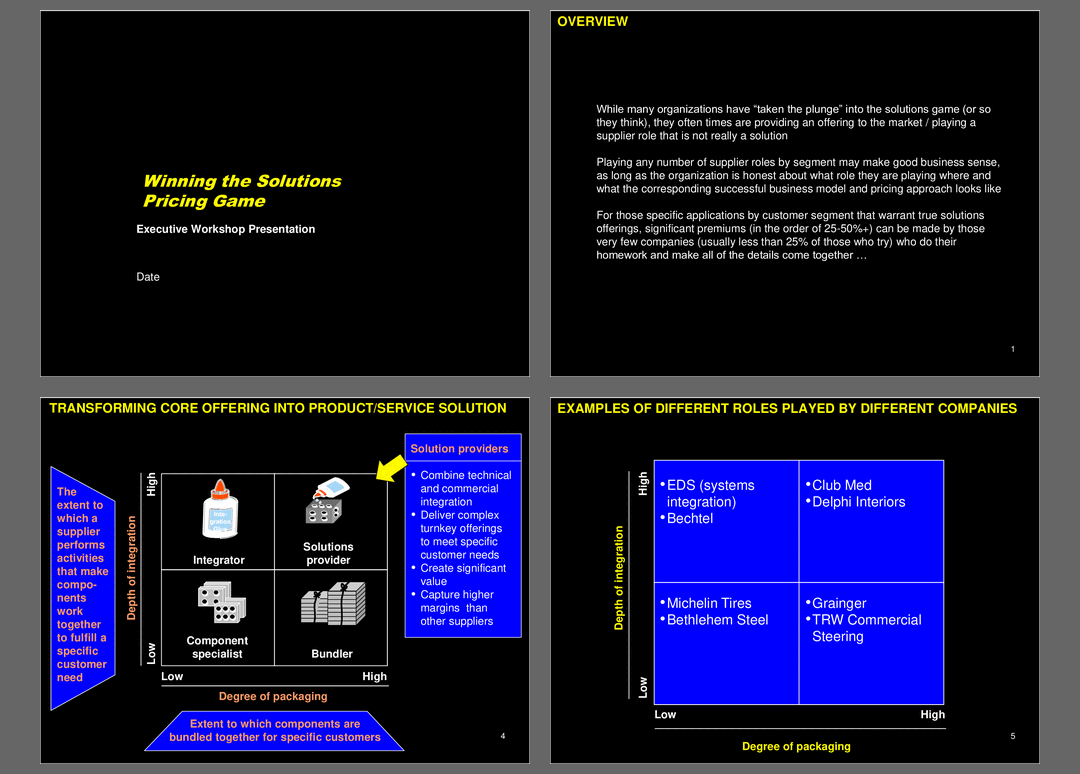

While many organizations have "taken the plunge" into the solutions game (or so they think), they often times are providing an offering to the market / playing a supplier role that is not really a solution.
This presentation is a workshop material used by a leading strategy firm on how to win a solutions pricing game. It discusses a framework used to price solution, the key success factors and case examples.
The deck has 34 slides.
See also "Pricing Strategy Workshop"
See also "Spare Parts Pricing Strategy"
See also "Pricing Strategy Implementation Toolkit"
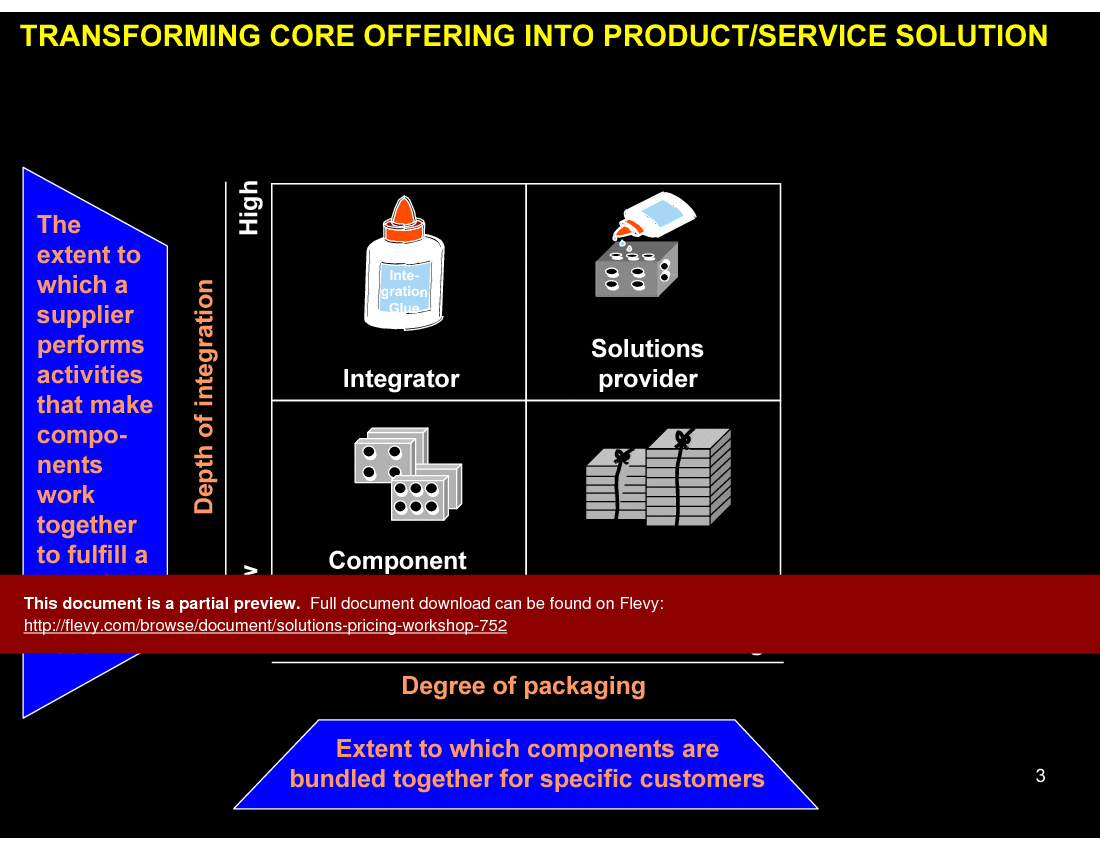
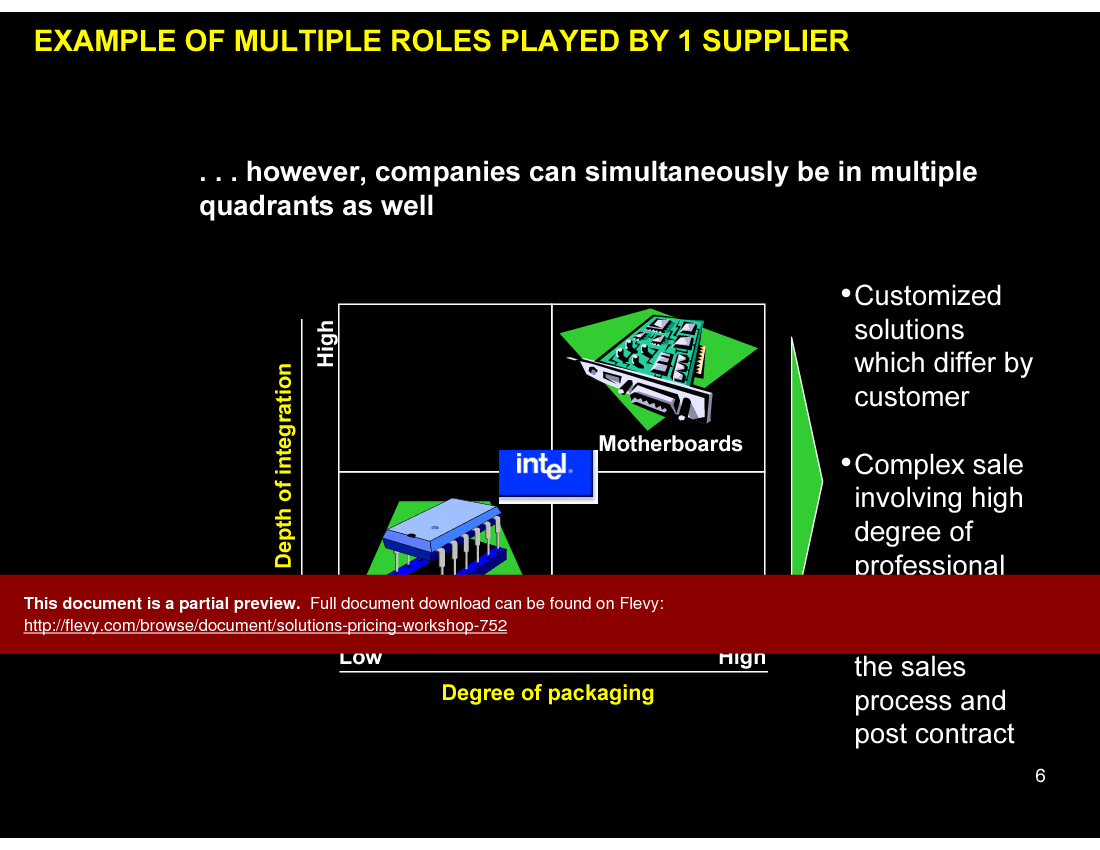
This workshop dives deep into the transformation of core offerings into comprehensive product/service solutions. It provides a detailed analysis of how suppliers can bundle components to meet specific customer needs, ensuring a higher depth of integration and packaging. The material also explores the multiple roles a single supplier can play, highlighting the complexity and customization required for different customer segments.
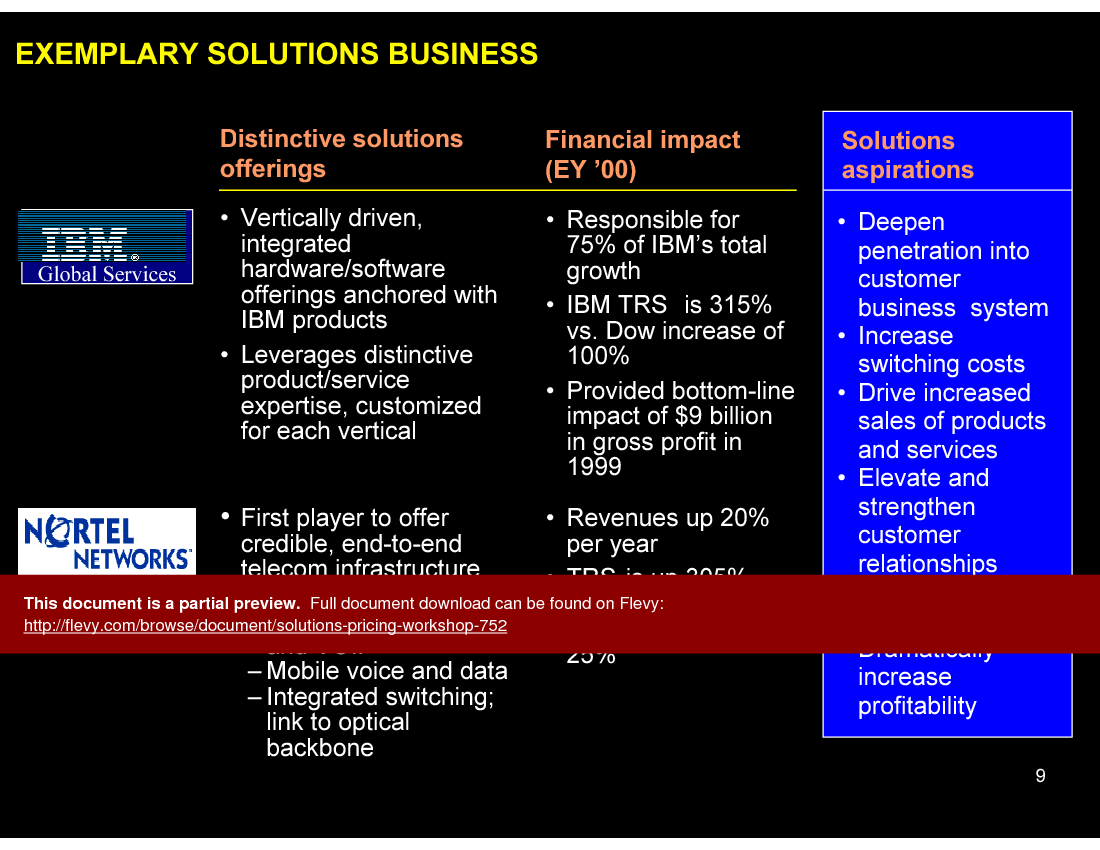
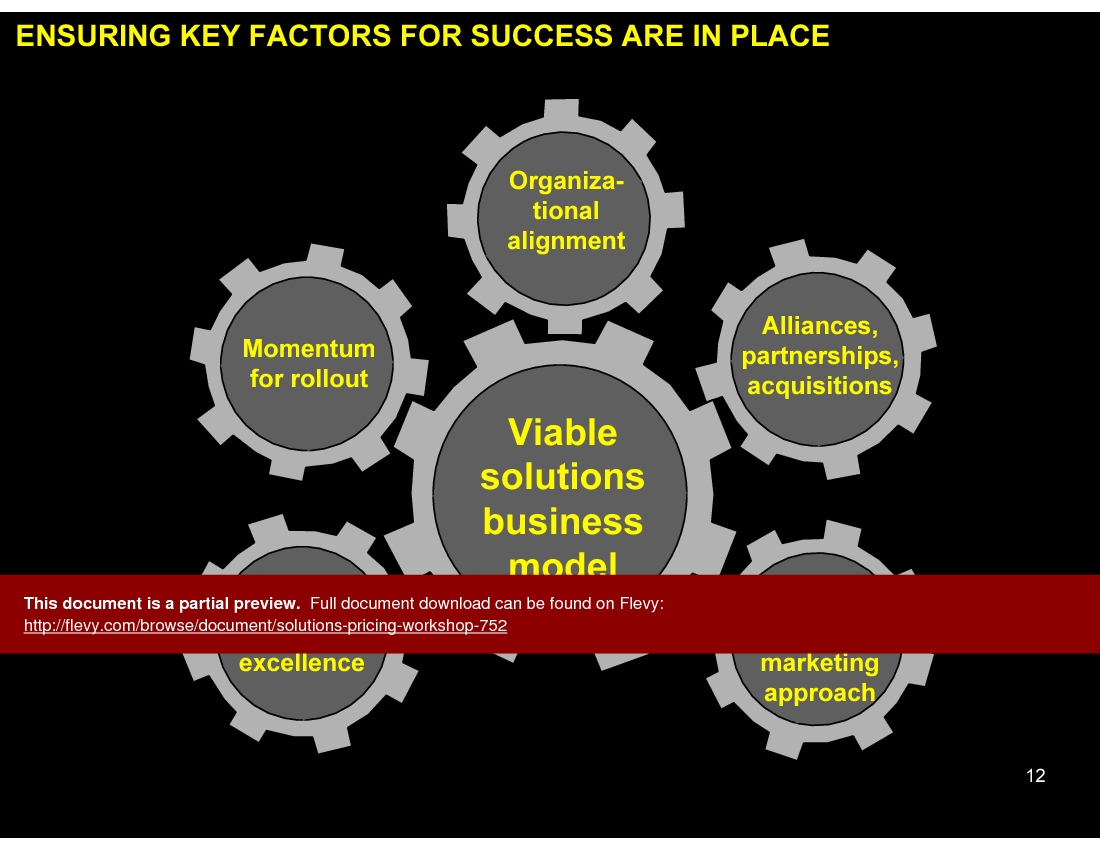
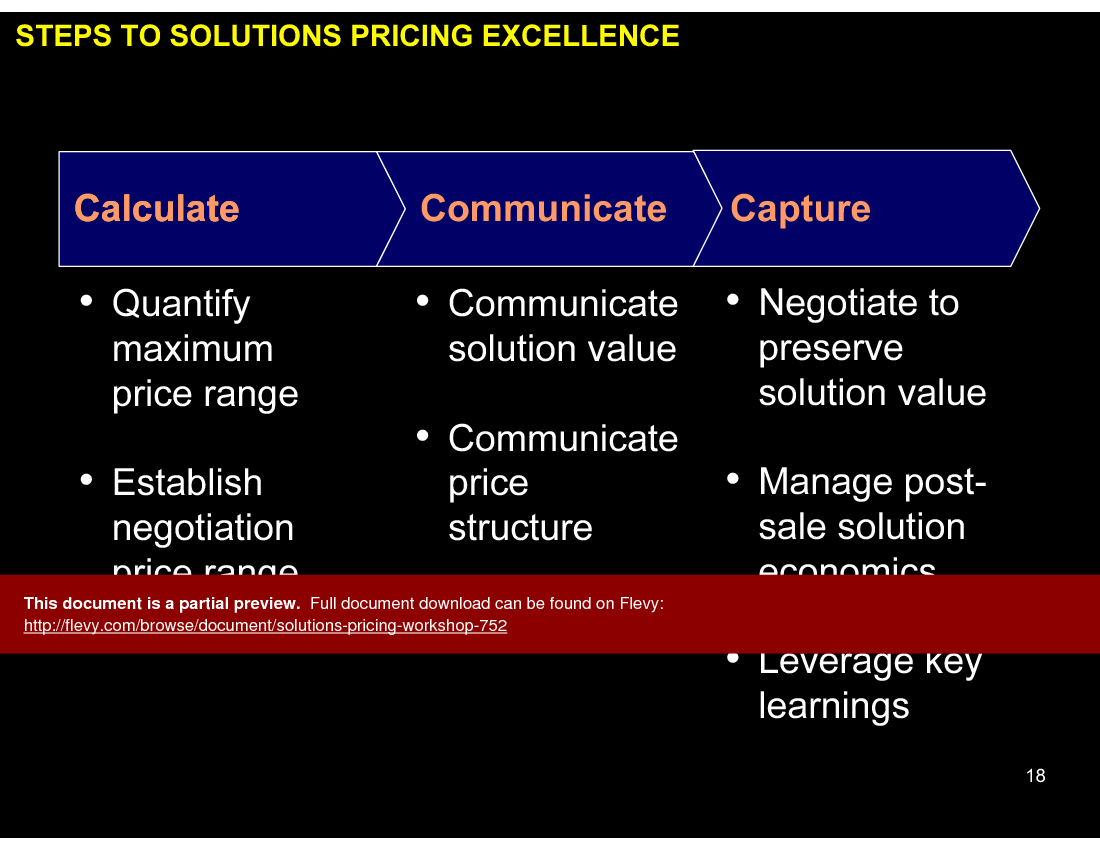
The workshop includes exemplary case studies from leading companies like IBM and Nortel Networks, showcasing their distinctive solution offerings and the significant financial impacts achieved. It emphasizes the importance of organizational alignment, strategic partnerships, and a robust marketing approach to ensure a viable solutions business model. The steps to achieving solutions pricing excellence are clearly laid out, focusing on calculating maximum price ranges, communicating solution value, and capturing value through effective negotiation and post-sale management.
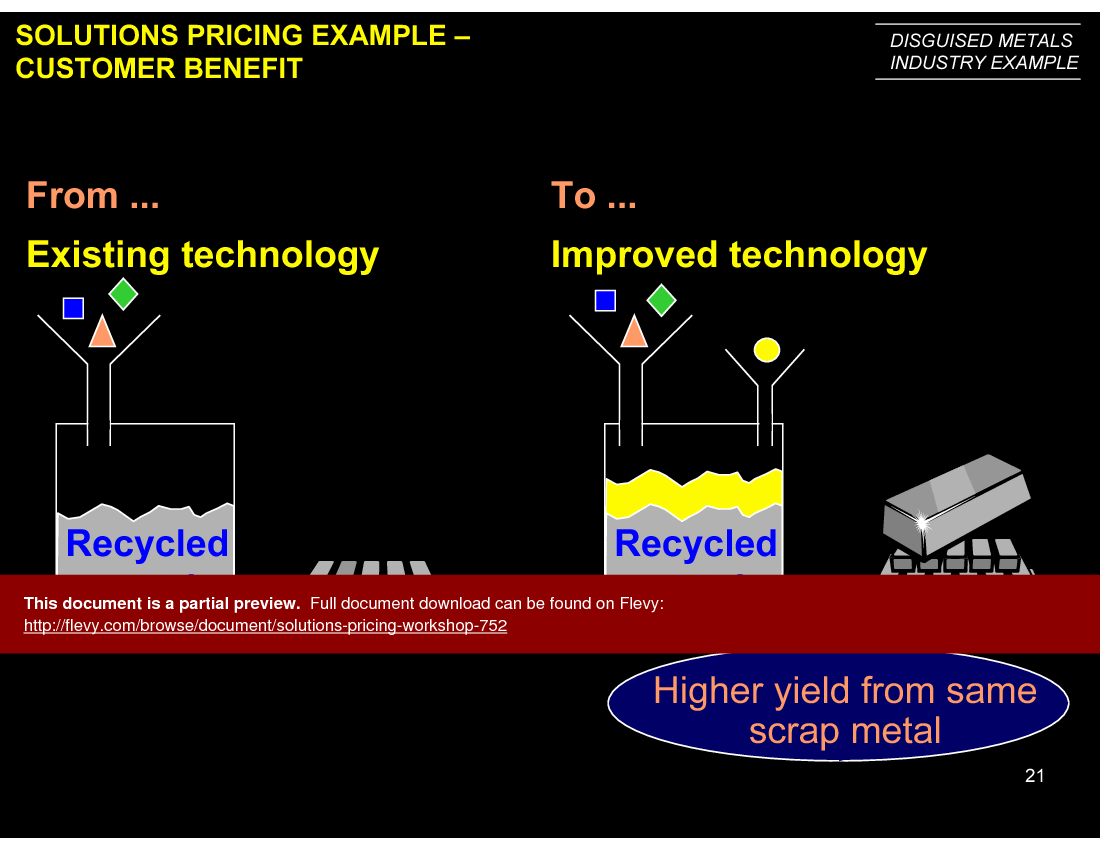
Real-world examples illustrate the tangible benefits of improved technology and higher yield from existing resources. The document also warns of the potential pitfalls of not providing integrated solutions, using industry-specific scenarios to underscore the lost opportunities. This comprehensive guide is essential for any organization looking to refine its solutions pricing strategy and drive substantial business growth.
Got a question about the product? Email us at support@flevy.com or ask the author directly by using the "Ask the Author a Question" form. If you cannot view the preview above this document description, go here to view the large preview instead.
Executive Summary
This workshop presentation titled "Winning the Solutions Pricing Game" is designed to equip organizations with the insights needed to successfully navigate the complexities of solutions pricing. It reflects the rigor and strategic depth typical of a McKinsey, Bain, or BCG-quality offering (consulting-grade; not affiliated). Attendees will learn how to identify their supplier roles, understand key success factors, and explore case studies from industry leaders like IBM and Nortel. This presentation aims to help organizations transform their core offerings into comprehensive solutions that command premium pricing.
Who This Is For and When to Use
• Corporate executives responsible for pricing strategy and revenue growth
• Product managers looking to enhance their offerings with integrated solutions
• Marketing teams aiming to communicate value effectively to customers
• Sales leaders interested in understanding pricing dynamics in solutions selling
Best-fit moments to use this deck:
• During strategic planning sessions focused on pricing models
• When launching new solution offerings to the market
• For training sales and marketing teams on value-based pricing strategies
Learning Objectives
• Define the different supplier roles in the solutions pricing landscape
• Build a framework for transforming core offerings into integrated solutions
• Establish key success factors for effective solutions pricing
• Analyze case studies to identify best practices and pitfalls
• Create a pricing strategy that reflects the intrinsic value provided to customers
• Develop negotiation tactics to preserve solution value
Table of Contents
• Overview of Solutions Pricing (page 1)
• Today's Discussion Topics (page 2)
• Transforming Core Offerings into Product/Service Solutions (page 3)
• Examples of Different Roles Played by Companies (page 5)
• Lessons Learned from Case Examples (page 11)
• Ensuring Key Factors for Success Are in Place (page 12)
• Steps to Solutions Pricing Excellence (page 18)
• Value Creation Through Solutions (page 25)
Primary Topics Covered
• Supplier Roles - Understanding the various roles organizations play in the solutions market and the implications for pricing strategies.
• Key Success Factors - Identifying critical elements that contribute to successful solutions pricing, such as customer understanding and organizational alignment.
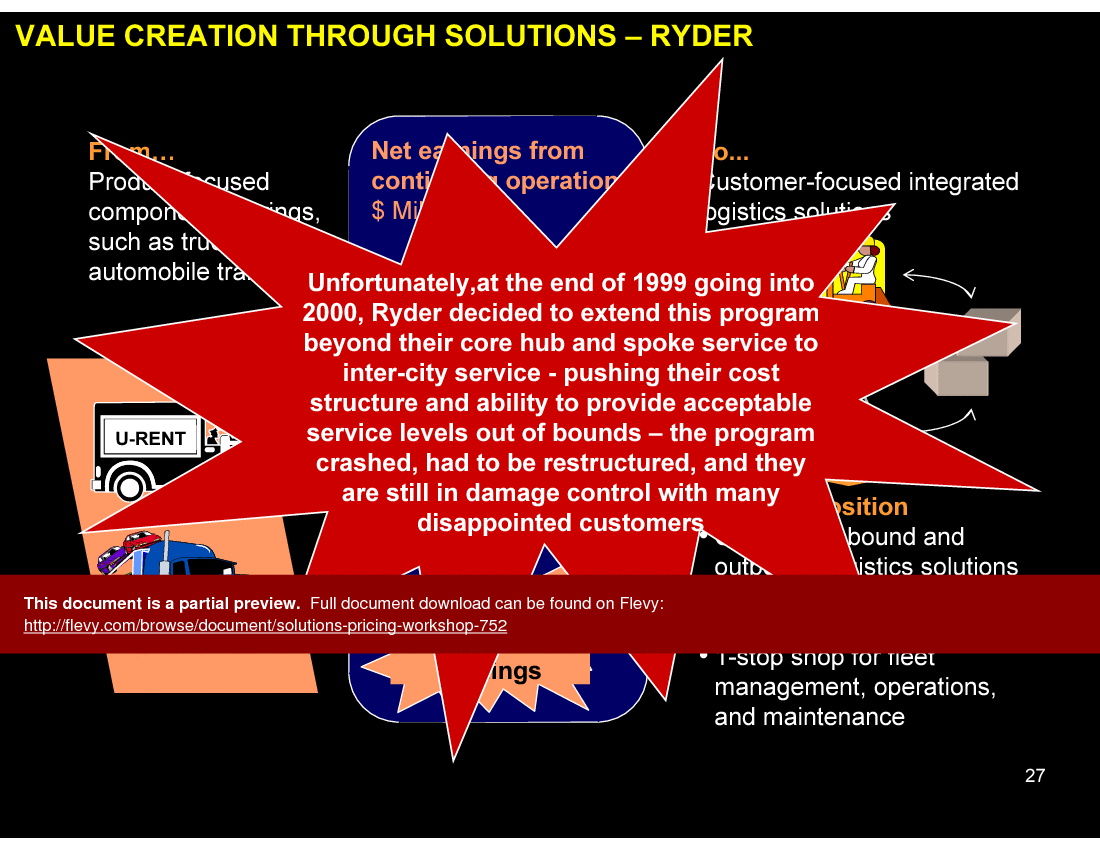
• Case Examples - Analyzing real-world examples from companies like IBM and Ryder to illustrate effective solutions pricing strategies.
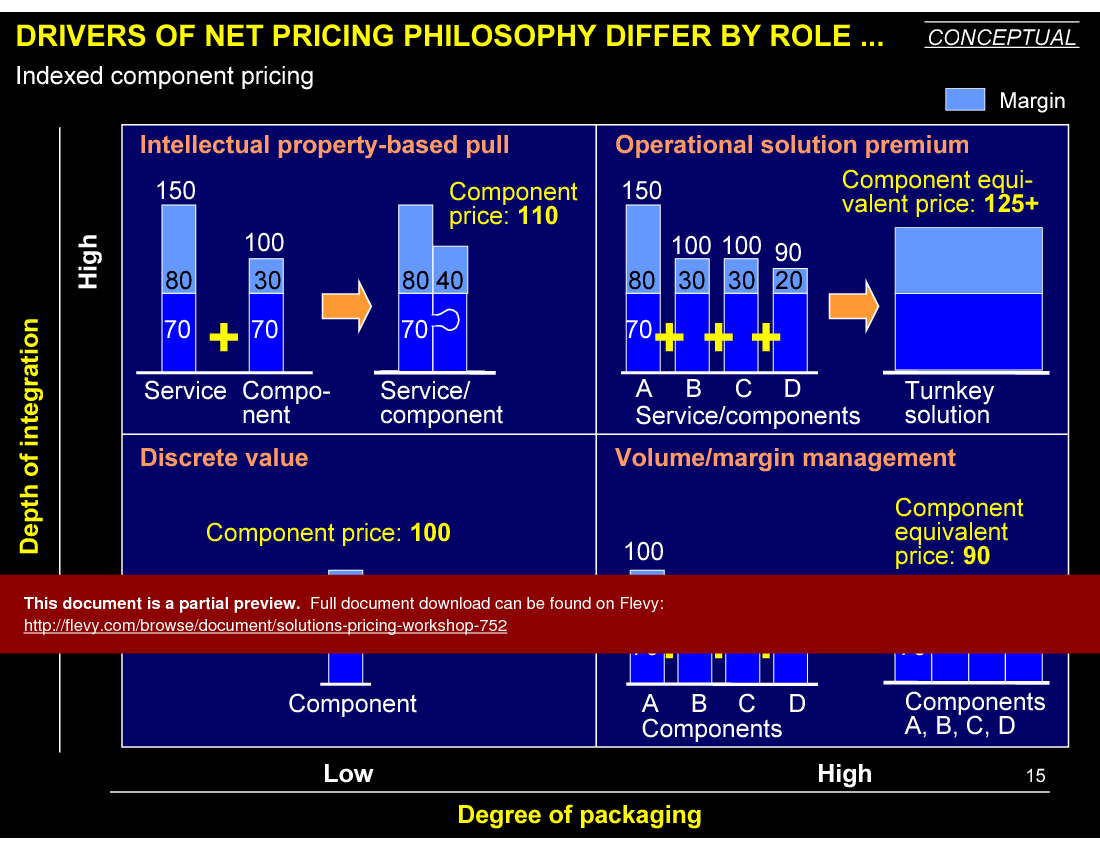
• Pricing Approaches - Differentiating between component pricing and solution pricing, emphasizing the need for value-based pricing models.
• Value Creation - Exploring how integrated solutions can enhance customer value and drive profitability.
• Lessons Learned - Discussing common pitfalls and strategies for avoiding them in solutions pricing efforts.
Deliverables, Templates, and Tools
• Framework for assessing supplier roles in the solutions market
• Template for transforming core offerings into integrated solutions
• Case study analysis format for evaluating past pricing strategies
• Checklist for ensuring key success factors are in place
• Guidelines for developing a value-based pricing strategy
• Negotiation playbook for preserving solution value
Slide Highlights
• Visual representation of different supplier roles and their implications for pricing
• Case study slides detailing successes and failures in solutions pricing
• Framework for transforming core offerings into comprehensive solutions
• Key success factors illustrated through a structured approach
• Comparative analysis of pricing strategies across different companies
Potential Workshop Agenda
Introduction to Solutions Pricing (30 minutes)
• Overview of the solutions pricing landscape
• Discussion of supplier roles and their implications
Transforming Offerings into Solutions (60 minutes)
• Framework for integrating core offerings
• Group activity to identify potential solutions
Case Study Analysis (45 minutes)
• Review of successful and unsuccessful pricing strategies
• Lessons learned and best practices
Developing a Pricing Strategy (60 minutes)
• Workshop to create a value-based pricing model
• Presentation of group findings and feedback
Customization Guidance
• Tailor the framework for assessing supplier roles to fit your organization’s specific context
• Adjust case studies to reflect industry-relevant examples for your team
• Modify the pricing strategy template to align with your existing pricing structures
• Incorporate company-specific metrics and KPIs into the value-based pricing model
Secondary Topics Covered
• Market trends influencing solutions pricing
• Customer segmentation and its impact on pricing strategies
• The role of technology in enhancing solution offerings
• Strategies for building customer trust and credibility
• Best practices for aligning organizational resources with pricing strategies
FAQ
What is the main goal of this workshop?
The workshop aims to equip participants with the knowledge and tools to effectively navigate solutions pricing, transforming core offerings into integrated solutions that command higher premiums.
Who should attend this workshop?
Corporate executives, product managers, marketing teams, and sales leaders will benefit from the insights shared in this workshop.
What are the key success factors for solutions pricing?
Key success factors include a deep understanding of customer needs, organizational alignment, and a viable business model that supports integrated solutions.
How can companies effectively transform their offerings?
Companies can transform their offerings by bundling components into comprehensive solutions that address specific customer needs and create significant value.
What are some common pitfalls in solutions pricing?
Common pitfalls include failing to understand customer-specific solution economics and overestimating customers' willingness to outsource core business elements.
How does value-based pricing differ from component pricing?
Value-based pricing focuses on the total value created for the customer, while component pricing typically sets prices based on individual parts without considering the overall solution value.
What role do case studies play in this workshop?
Case studies provide real-world examples of successful and unsuccessful solutions pricing strategies, offering valuable lessons and insights for participants.
How can organizations ensure they are pricing solutions effectively?
Organizations can ensure effective pricing by assessing intrinsic value, aligning pricing strategies with customer needs, and maintaining transparency in pricing structures.
Glossary
• Supplier Role - The specific function an organization plays in the solutions market, such as integrator or bundler.
• Solutions Pricing - A pricing strategy that reflects the total value created for the customer through integrated offerings.
• Value-Based Pricing - A pricing approach that sets prices based on the perceived value delivered to the customer rather than on costs.
• Case Study - An in-depth analysis of a particular instance of solutions pricing, used to illustrate best practices and lessons learned.
• Customer Segmentation - The process of dividing customers into distinct groups based on shared characteristics to tailor solutions and pricing.
• Integration - The process of combining various components to create a cohesive solution that meets specific customer needs.
• Market Trends - Current patterns and shifts in the market that influence pricing strategies and customer expectations.
• Credibility - The trust and reliability perceived by customers regarding a supplier's ability to deliver value.
• Business Model - The framework that outlines how a company creates, delivers, and captures value through its offerings.
• Turnkey Solutions - Comprehensive solutions that are ready for immediate use and require minimal effort from the customer.
• Profitability - The financial gain achieved from solutions pricing, reflecting the effectiveness of the pricing strategy.
• Customer Needs - The specific requirements and expectations that customers have regarding solutions and their pricing.
• Negotiation - The process of discussing terms and conditions to reach an agreement on pricing and value delivery.
• Value Creation - The process of enhancing the worth of a solution through integration and customer-focused offerings.
• Organizational Alignment - The coordination of resources and objectives within an organization to support effective solutions pricing.
• Market Position - The relative standing of a company in the marketplace, influenced by its pricing strategies and offerings.
• Revenue Growth - The increase in a company's sales and income as a result of effective solutions pricing.
• Customer Trust - The confidence customers have in a supplier's ability to deliver on promises and provide value.
• Competitive Advantage - The unique edge a company has over its competitors, often achieved through effective pricing strategies.
• Sales Strategy - The approach taken by a company to sell its solutions, including pricing tactics and customer engagement.
• Operational Excellence - The pursuit of efficiency and effectiveness in delivering solutions, impacting pricing and profitability.
• Market Penetration - The extent to which a company is able to sell its solutions in a particular market segment.
• Solution Economics - The financial aspects of delivering a solution, including costs, pricing, and value delivered to the customer.
Source: Best Practices in Pricing Strategy PowerPoint Slides: Solutions Pricing Workshop PowerPoint (PPT) Presentation Slide Deck, Documents & Files
This document is available as part of the following discounted bundle(s):
Save %!
Pricing Strategy Toolkit
This bundle contains 4 total documents. See all the documents to the right.
|
Download our FREE Strategy & Transformation Framework Templates
Download our free compilation of 50+ Strategy & Transformation slides and templates. Frameworks include McKinsey 7-S, Balanced Scorecard, Disruptive Innovation, BCG Curve, and many more. |