
This product (Pricing Strategy Workshop) is a 133-slide PPT PowerPoint presentation slide deck (PPT), which you can download immediately upon purchase.
This is a presentation used for conducting a pricing workshop for your organization or a client's. It covers, among others, the following:
• Pricing framework & Implementation
• OEM pricing
• Distributor pricing
• New product pricing
• Bundle pricing
The presentation has 130 slides.
See also "Solutions Pricing Workshop"
See also "Spare Parts Pricing Strategy"
See also "Pricing Strategy Implementation Toolkit"
The Pricing Strategy Workshop document is a comprehensive guide designed to equip your team with the tools and frameworks necessary for effective pricing decisions. It delves into the intricacies of understanding customer value, assessing potential pricing levels, and developing strategies to capture that value. The workshop emphasizes the importance of structured, repeatable processes, ensuring that your pricing strategy is both sustainable and adaptable to market changes.
You'll find detailed sections on OEM pricing, distributor pricing, and new product pricing, each tailored to address specific challenges and opportunities within these areas. The document provides actionable insights into managing price when OEMs have leverage, negotiating long-term agreements, and developing clear bidding strategies for auctions. It also covers the critical aspects of assessing and utilizing customer lifetime value, ensuring that your pricing decisions are grounded in a thorough understanding of customer profitability over time.
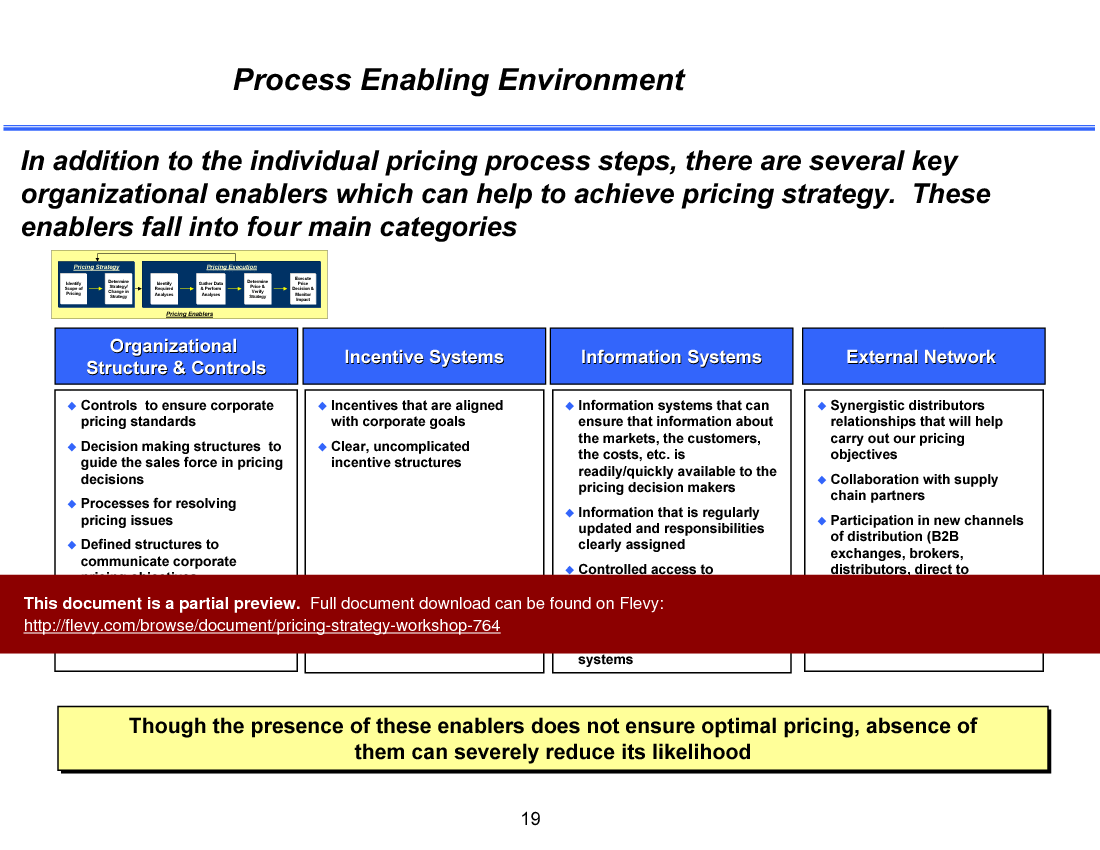
The workshop includes practical case studies and examples, illustrating how leading companies have successfully implemented these strategies. These real-world scenarios provide valuable lessons and best practices that can be applied to your own pricing initiatives. The document also outlines the key organizational enablers that support effective pricing, such as incentive systems, information systems, and external networks, ensuring that your pricing strategy is aligned with your overall business goals.
The document guides you through the process of piloting new pricing strategies, from establishing the imperative to building the necessary enablers and launching the pilot. This step-by-step approach ensures that your team can confidently implement and refine pricing strategies, driving improved profitability and competitive advantage.
Got a question about the product? Email us at support@flevy.com or ask the author directly by using the "Ask the Author a Question" form. If you cannot view the preview above this document description, go here to view the large preview instead.
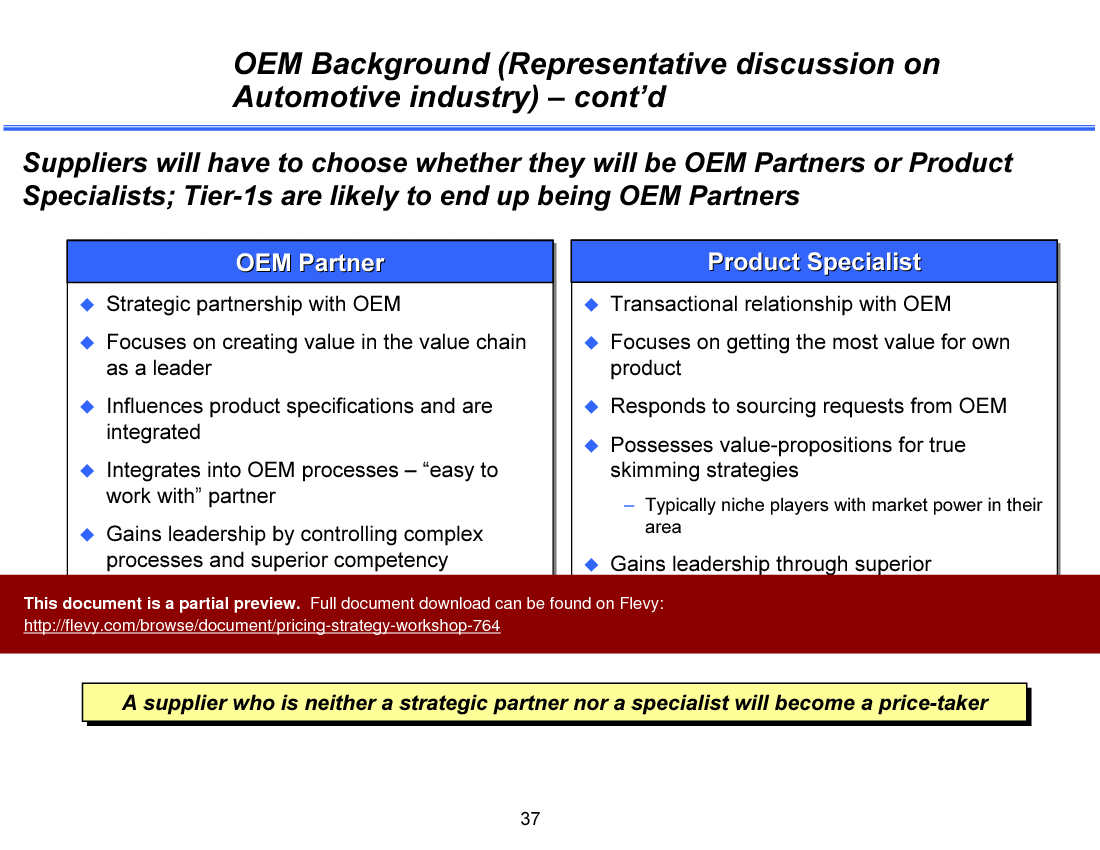
This PPT slide presents a strategic framework for suppliers in the automotive industry, focusing on their positioning based on 2 key dimensions: Product Value and Ability to Execute Complex Activities. The vertical axis represents Product Value, categorized as high or low, while the horizontal axis reflects the Ability to Execute Complex Activities, also divided into high and low.
In the context of this framework, suppliers must clearly define their value propositions. High-value engineered products are highlighted, indicating that suppliers can command a premium due to their unique offerings. The mention of high switching costs for OEMs suggests that suppliers can leverage their specialized products to create barriers for competitors, making it difficult for OEMs to transition to alternative suppliers without incurring significant risks or costs.
The quadrant model illustrates 4 positioning strategies: Strong Position, Average Position, Weak Position, and a central area that likely represents a transitional state. Suppliers in the Strong Position quadrant are characterized by both high product value and high execution ability, suggesting they are well-equipped to meet complex demands. Conversely, those in the Weak Position quadrant may struggle to deliver value or execute effectively, potentially jeopardizing their market share.
The slide emphasizes the importance of superior capabilities in complex collaboration processes, indicating that suppliers who excel in this area can enhance their overall positioning. This framework serves as a guide for suppliers to assess their current standing and identify areas for improvement, ultimately driving strategic decisions that align with market demands.
This PPT slide outlines the critical process of executing pricing decisions and monitoring their impact, structured into 4 key phases: Propose Pricing, Confirm Pricing, Communicate Pricing Internally, and Communicate Pricing Externally. Each phase contains specific actions necessary for effective pricing strategy implementation.
In the Propose Pricing phase, the focus is on developing a comprehensive pricing strategy that includes global and segmented pricing, discount schedules, promotional pricing, and rebate policies. This foundational step ensures that the pricing structure is aligned with market demands and organizational goals.
The Confirm Pricing phase emphasizes the importance of legal compliance and obtaining necessary approvals. This step is crucial to mitigate risks associated with pricing decisions and ensures that all pricing strategies adhere to regulatory standards.
Communicating pricing internally involves updating various internal documents and systems, such as catalogs, brochures, and sales collateral. It’s essential to keep all stakeholders informed about the new pricing to ensure consistency across the organization. This phase also includes updating the company website and informing the sales team about the changes.
The external communication of pricing focuses on conveying the value of the new prices to customers and necessary channel partners. This is vital for maintaining customer relationships and ensuring that distributors and brokers understand the pricing adjustments.
The slide also highlights the importance of measuring performance post-implementation. Key metrics include volume changes, competitive reactions, customer satisfaction, revenue impact, and bid success rates. These metrics provide insights into the effectiveness of the pricing strategy and inform any necessary adjustments moving forward.
Overall, this slide serves as a comprehensive guide for organizations looking to refine their pricing strategies while ensuring thorough monitoring and evaluation.
This PPT slide outlines a structured approach to implementing improvements in pricing strategy over a series of 90-day cycles. It emphasizes the importance of breaking down complex initiatives into manageable segments to ensure faster delivery of results. The vertical axis indicates the relative level of pricing prowess, suggesting that as the cycles progress, organizations can expect to enhance their pricing capabilities significantly.
The central focus is on the "Scoping & Planning of Overall Effort," which serves as a foundational step before diving into specific actions. This phase includes defining improved policies, utilizing targeted analytics tools, and establishing an overall plan for advancing the program. This initial groundwork is critical for setting the stage for subsequent steps.
As the timeline progresses from 90 to 360 days, the slide delineates key activities and outcomes associated with each phase. In the first 90 days, organizations are encouraged to define their pricing strategy and gather high-level information regarding customers, competition, and costs. This stage is pivotal for understanding the market context and aligning internal processes.
By the 180-day mark, the focus shifts to implementing detailed processes and integrating technology enablers. This transition is crucial for operationalizing the defined strategies and ensuring that the organization is equipped to execute effectively.
Finally, by 360 days, the slide indicates that organizations should have comprehensive information about customers, competition, and costs, along with fully implemented processes. This structured timeline not only aids in tracking progress, but also ensures that organizations can adapt their strategies based on real-time insights. Overall, this approach provides a clear roadmap for enhancing pricing strategies in a systematic manner.
This PPT slide presents an analysis of distributor strategies, focusing on the impact of rebates on average contribution margins. The visual representation shows a significant reduction in the average contribution margin per distributor, dropping from $800K to $600K, indicating a $200K decrease attributed to rebate allocations. This data suggests that rebates constitute a notable portion—approximately 25%—of the reported contribution margin, highlighting their substantial effect on profitability.
The analysis section outlines preliminary findings, emphasizing the need for further inquiry into the strategic nature of the distributors involved. Key questions include whether these distributors are indeed strategic partners, the criteria used for rebate allocation, and the potential outcomes of reducing these rebates. These inquiries are crucial for understanding the broader implications of rebate strategies on distributor relationships and overall financial performance.
The key takeaway stresses that rebate strategies should align with product strategy and incorporate clear, measurable methods for allocation. This alignment is essential for ensuring that incentives do not erode margins excessively while still fostering distributor engagement. The insights provided in this slide are valuable for executives considering adjustments to their pricing and incentive frameworks, as they underscore the importance of a balanced approach to distributor incentives.
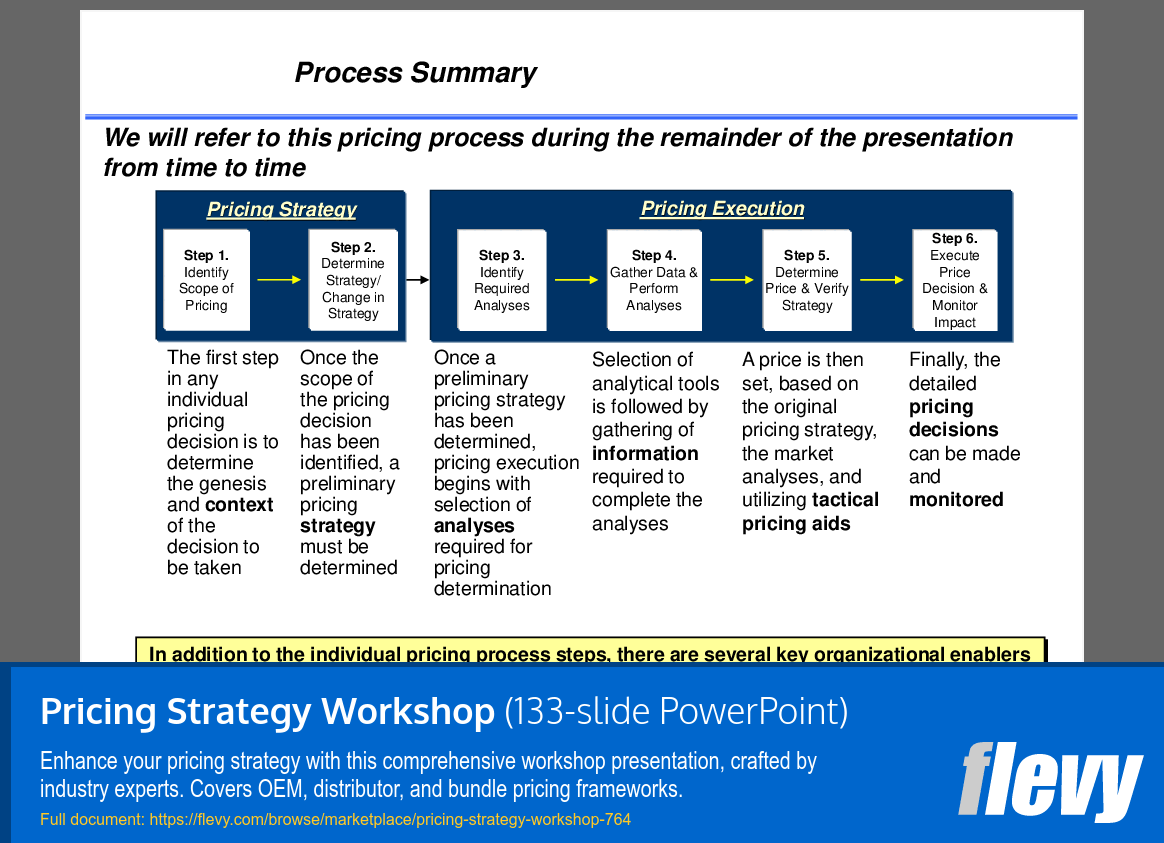
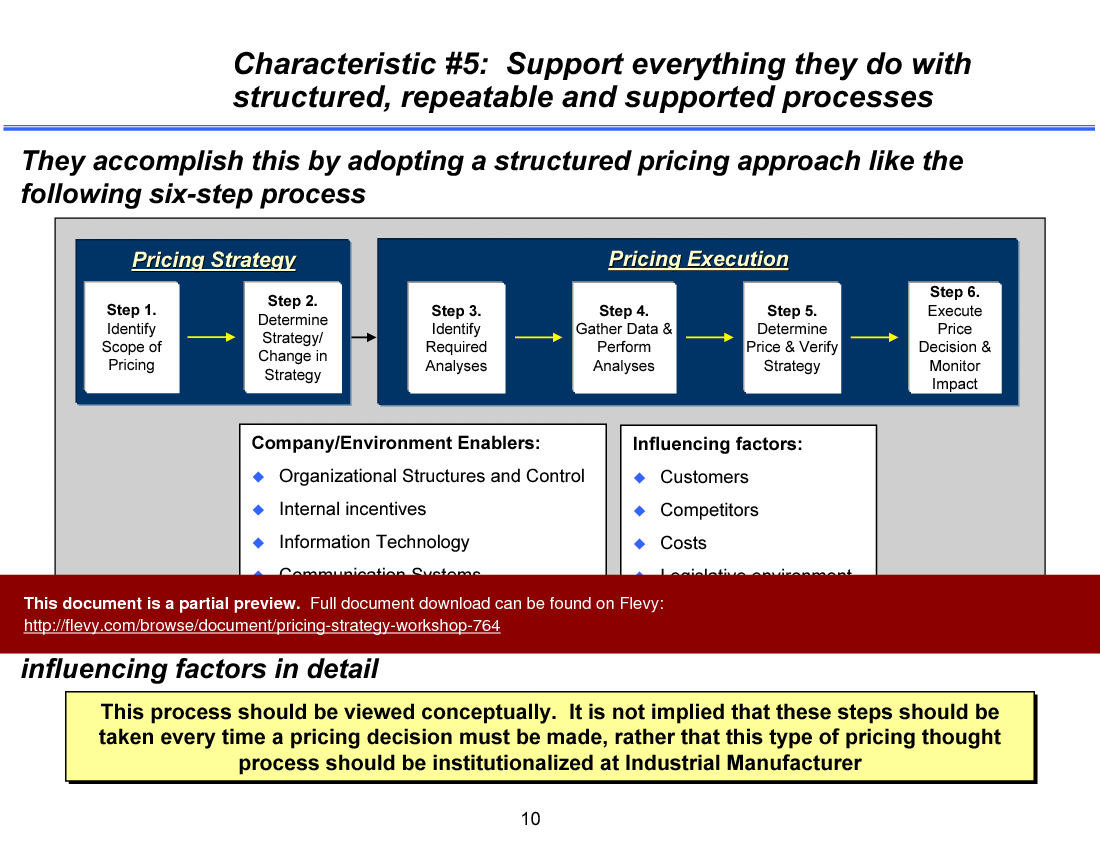
This PPT slide outlines a structured approach to pricing strategy and execution, divided into 6 key steps. The first step emphasizes identifying the scope of pricing, which involves understanding the context and rationale behind the pricing decision. This foundational step is crucial as it sets the stage for subsequent actions.
The second step focuses on determining the pricing strategy or any necessary changes to it. This is where a preliminary pricing strategy is formulated based on the insights gained from the first step. It’s essential to align the strategy with the overall business objectives.
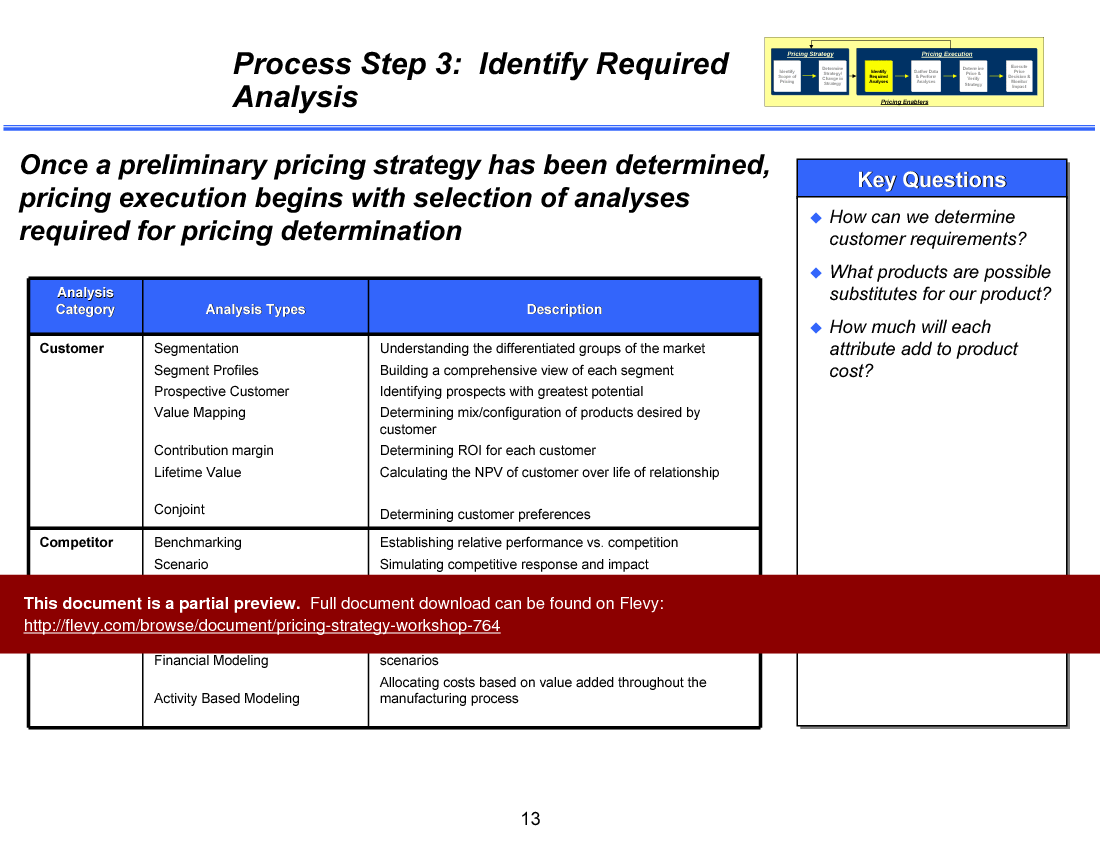
Step 3 transitions into the execution phase, where the required analyses are identified. This involves selecting the appropriate analytical tools that will support the pricing strategy. The importance of this step cannot be overstated, as the right analyses will provide the necessary data to inform pricing decisions.
In step four, data gathering and analysis are conducted. This step is about collecting relevant information that will feed into the analytical processes. The quality and relevance of the data collected here will significantly influence the accuracy of the pricing strategy.
Step 5 involves determining the price and verifying the strategy. Here, the price is set based on the original pricing strategy and market analyses, ensuring that it aligns with the intended objectives.
Finally, step 6 is about executing the price decision and monitoring its impact. This ongoing evaluation is vital for understanding how the pricing decision performs in the market and making adjustments as needed. Each of these steps is interconnected, forming a comprehensive framework for effective pricing management.
This PPT slide titled "OEM Pricing Overview" presents a structured analysis of pricing dynamics within the automotive value chain, focusing on Original Equipment Manufacturers (OEMs) and their suppliers. It highlights the distinct challenges and levers affecting pricing strategies across different tiers of suppliers.
In the "Rough Numbers" section, the slide indicates that OEMs face significant cost pressures and competition, operating in a stagnant market with limited growth. Tier-1 suppliers, in contrast, are exposed directly to OEM pricing pressures, but struggle to pass on these costs to Tier-2 suppliers. This creates a challenging environment where Tier-1 suppliers are increasingly expected to take on responsibilities traditionally held by OEMs. The mention of "100" for Tier-1 suppliers suggests a substantial scale, indicating their critical role in the supply chain.
The "Pricing Challenges" section elaborates on the difficulties faced by each tier. OEMs are grappling with increased cost pressures and a mature market. Tier-1 suppliers face limitations in passing price increases down the chain, while Tier-2 suppliers, who typically supply commodity products, are now feeling the effects of pricing pressures as Tier-1 suppliers attempt to mitigate their own challenges.
The "Pricing Levers" section outlines strategies for managing these pressures. OEMs can control costs through incremental demands for cost reductions from suppliers, leveraging large purchase volumes and robust information systems. This suggests a need for strategic alignment and efficiency across the supply chain to navigate the complex pricing environment effectively.
Overall, this slide serves as a valuable resource for stakeholders looking to understand the intricate pricing dynamics in the automotive sector and the strategic responses required to thrive.
This PPT slide outlines key legislative factors that influence pricing strategies in the U.S. market. It emphasizes the legal restrictions imposed by various laws, which are crucial for executives to understand when formulating pricing policies.
The first section addresses price fixing, detailing both horizontal and vertical price fixing. Horizontal price fixing refers to collusion among competitors to set prices, which is strictly prohibited. Vertical price fixing involves dictating prices to resellers, also deemed illegal. The Sherman Act of 1890 is highlighted as a foundational law that prohibits any agreements that restrain trade, emphasizing the importance of compliance in pricing strategies.
Next, the slide discusses predatory pricing, which is defined as setting prices below variable costs with the intent to eliminate competition. This practice is illegal and poses significant risks for companies that might consider aggressive pricing tactics to gain market share.
The final point covers the Robinson-Patman Act, which addresses price and promotional discrimination. This act stipulates that discriminatory pricing is only illegal if specific conditions are met, including the requirement for contemporaneous sales to multiple customers. This nuance is critical for businesses that engage in varied pricing strategies across different customer segments.
Overall, this slide serves as a vital reminder of the legal frameworks that govern pricing decisions. Understanding these regulations is essential for avoiding legal pitfalls and ensuring sustainable pricing practices that align with market dynamics.
This PPT slide outlines the fourth step in a pricing strategy process, focusing on data gathering and analysis. It is structured into 5 key categories: Market, Product, Customer, Competitor, and Costing. Each category presents critical questions that need addressing, potential sources of information, and the expected outputs from the analysis.
In the Market category, the emphasis is on understanding how pricing impacts market dynamics, including sales volume and market share. Customer surveys and market analyses are suggested as sources to develop product performance and price elasticity models.
The Product section highlights the importance of identifying strategic products and their contribution to overall sales. Interviews with management and finance personnel can yield insights, leading to strategic focus areas and bundling strategies.
For the Customer category, the focus shifts to segment identification and differentiation strategies. Marketing manager interviews and focus groups can provide valuable customer segment data and insights into customer value perceptions.
The Competitor section addresses the competitive environment, questioning the level of competition and its potential changes due to pricing decisions. Industry reports and market analyses are recommended to generate competitive threat assessments and identify opportunities.
Finally, the Costing category seeks to clarify direct and indirect costs associated with products. Interviews with production and sales managers can help break down costs and develop a comprehensive cost-to-serve analysis.
This structured approach ensures that all relevant aspects of pricing strategy are considered, providing a robust foundation for informed decision-making. The key questions listed on the right further guide the analysis, ensuring alignment with customer needs and market positioning.
This PPT slide outlines a structured approach to integrating pricing considerations throughout the product development process. It emphasizes that leading companies incorporate pricing inputs at each stage, from concept evaluation to product introduction. The framework is divided into 5 key stages: Evaluate, Define, Design & Test, Development, and Introduction.
Each stage requires specific pricing inputs, which are detailed in the left column. For instance, during the Evaluate phase, understanding the market's price range for the concept is crucial. The Define stage focuses on price elasticity and conjoint studies that help in estimating potential revenue. As the process progresses to Design & Test, organizations must gather pricing estimates that incorporate market inputs and operational estimates.
The Development phase involves assessing both variable and fixed costs, which are essential for determining the overall financial viability of the product. Finally, the Introduction stage culminates in final price estimates, scenario plans, and strategies for launching the product into the market.
The table also highlights the involvement of various organizational functions, such as Customer, Engineering, Manufacturing, Marketing, Purchasing, R&D, and Sales. Each function plays a role at different stages, ensuring a comprehensive approach to pricing. This collaborative effort underscores the importance of cross-functional engagement in achieving successful product outcomes.
Overall, the slide serves as a guide for organizations aiming to enhance their product development processes by embedding pricing strategies at every phase, ultimately leading to better market alignment and financial performance.
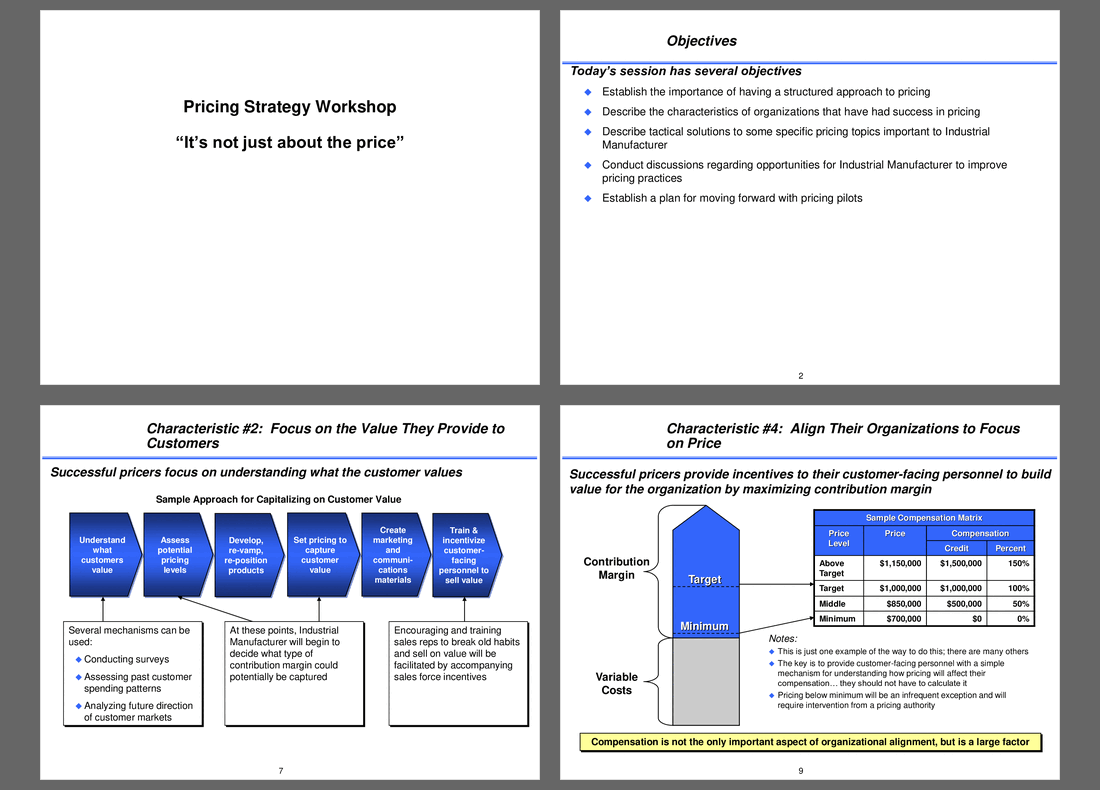
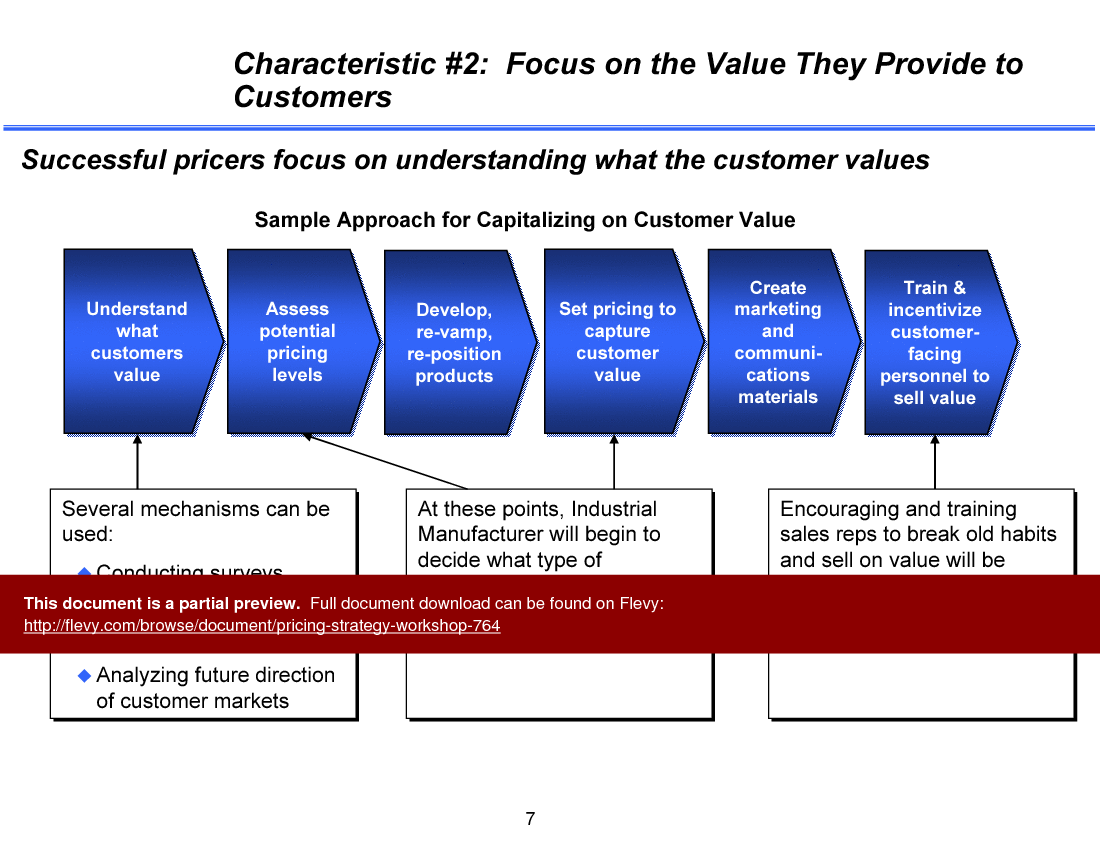
This PPT slide outlines a structured approach for organizations to enhance their pricing strategies by focusing on customer value. It emphasizes the importance of understanding what customers truly value, which is the first step in the process. This understanding can be achieved through various mechanisms such as conducting surveys, analyzing past spending patterns, and assessing future market directions.
Following this, the slide suggests assessing potential pricing levels based on the insights gathered. This step is crucial as it allows businesses to gauge how much customers are willing to pay, aligning their offerings with market expectations. The next phase involves developing, revamping, or repositioning products to better meet customer needs and maximize perceived value.
Setting pricing to capture this value is highlighted as a pivotal step. It suggests that organizations should strategically determine their pricing models to reflect the value delivered to customers, ensuring that they can optimize their contribution margins.
The slide also emphasizes the creation of marketing and communication materials that effectively convey this value proposition to customers. This is essential for ensuring that the target audience understands the benefits of the product or service being offered.
Lastly, the slide discusses the importance of training and incentivizing customer-facing personnel. This training should focus on selling the value rather than just the product features, which can help in breaking old sales habits. The integration of sales force incentives is mentioned as a means to encourage this shift in focus. Overall, the slide provides a comprehensive roadmap for organizations aiming to refine their pricing strategies through a customer-centric lens.
This PPT slide outlines a critical step in pricing strategy, emphasizing the importance of understanding a product's price band to optimize sales volume and margin. It presents a two-dimensional graph where the vertical axis represents customer perception of value, while the horizontal axis indicates competitive intensity. This framework categorizes products into 4 segments: Specialty, Engineered Commodity, Commodity, and a threshold area.
Products classified as Specialty tend to have a high customer perception of value and a wide price band. This suggests that customers are willing to pay a premium for unique features or benefits. In contrast, Commodities are positioned at the lower end of the value perception scale, with a narrow price band, indicating that price competition is fierce and differentiation is minimal.
The slide also illustrates how multiple price points within the price band can enhance both volume and margin. The graph shows a bell curve representing the relationship between price and sales volume, highlighting that as prices increase, additional volume and margin can be achieved within the perceived price band.
Two main causes for price bands are identified: supplier-driven factors, such as cost variations and price structure, and customer-driven factors, including the buying process and competitive intensity. Understanding these dynamics allows companies to strategically position their products within the market, ensuring they capture maximum value while remaining competitive. This slide serves as a valuable tool for executives looking to refine their pricing strategies and enhance overall profitability.
This PPT slide focuses on Conjoint Analysis, emphasizing its complexity beyond mere statistical evaluation. It outlines essential terminology, such as "Profile," which refers to a specific combination of selected levels for various attributes. Attributes are identified as key features of products or services, while Levels denote specific points along these dimensions, measured by their utility or part-worth.
Two primary objectives of Conjoint Analysis are highlighted, based on Hair (1995). First, it aims to ascertain the contributions of predictor variables and their associated utilities to understand consumer preferences. This understanding is crucial for tailoring products to market demands. Second, it seeks to create a reliable model of consumer judgments, which can predict acceptance of various attribute combinations, even those not initially considered by consumers.
The slide also introduces an algorithmic approach to Conjoint Analysis. It mentions the estimation of coefficients known as "utilities" or part-worths for different attribute levels. Additionally, it discusses the concept of "relative importance" among attributes, which helps quantify consumer preferences. This quantitative measurement is vital for businesses aiming to align their offerings with consumer expectations effectively.
Overall, the content provides a foundational understanding of how Conjoint Analysis can be utilized to inform product pricing strategies and enhance decision-making processes. For potential customers, this slide underscores the importance of a structured approach to understanding consumer preferences and the analytical rigor behind effective pricing strategies.
This PPT slide outlines a structured approach to implementing a pricing pilot within an organization, emphasizing the importance of refining pricing strategies before broader application. It begins by highlighting the pilot as a critical opportunity for the organization to test and enhance pricing improvements in a limited scope. This allows for adjustments based on real-world feedback, which is essential for successful scaling.
The framework is divided into 7 steps, starting with "Establish Imperative," which likely focuses on identifying the need for change and securing buy-in from key stakeholders. Following this, "Vision and Target" suggests defining clear goals and objectives for the pricing strategy. The next steps, "Design" and "Build," indicate a focus on developing the pricing model and the necessary infrastructure to support it.
The pilot phase is crucial, as it allows the organization to implement the new pricing strategy in a controlled environment. The slide mentions that all steps from 1 to 5 are prerequisites for executing the pilot, underscoring the need for thorough preparation. After the pilot, "Revise" indicates a phase for refining the approach based on pilot results, ensuring that any lessons learned are integrated into the strategy.
Finally, "Roll Out" suggests a broader implementation across the organization, indicating that the pilot's success will inform the scaling process. The slide also notes that 3 work streams—likely related to people, process, and technology—will be evident throughout the implementation, highlighting the multifaceted nature of pricing transformation. This structured approach provides a clear roadmap for organizations looking to enhance their pricing strategies effectively.
This PPT slide titled "Background – The Inevitability of Bundling" presents a strategic overview of bundling as a business practice. It highlights the rationale behind bundling from the perspective of sellers, emphasizing its role in fostering customer loyalty and enhancing contribution margins. The visual representation features a graph plotting "Contribution Margin Potential - Value" against 3 categories: Parts Suppliers, Assemblers, and Providers of Bundled Solutions.
The graph illustrates a clear upward trend, indicating that as businesses transition from being parts suppliers to assemblers and ultimately to providers of bundled solutions, their potential for contribution margin increases significantly. This suggests that companies can achieve higher profitability by adopting a bundling strategy.
Below the graph, the slide lists typical reasons for bundling. These include creating customer loyalty and reducing competition through differentiated offerings, leveraging economies of scope, lowering overall costs to serve, and providing integrated solutions. Each of these points underscores the strategic benefits of bundling, indicating that it is not merely a pricing tactic, but a comprehensive approach to enhance customer value and operational efficiency.
For potential customers considering this document, the insights provided offer a foundational understanding of how bundling can be leveraged to improve financial performance and customer relationships. The slide effectively communicates that embracing bundling can be a pivotal move for organizations aiming to thrive in competitive markets. Understanding these dynamics is crucial for any executive looking to refine their pricing strategies and enhance their market positioning.
This PPT slide outlines a structured approach to developing pricing and bundling recommendations for a product portfolio. It emphasizes a two-step methodology that begins with initial filtering of a large set of products, specifically 10,000, to narrow down the focus. This initial filtering considers customer purchasing patterns, external competitive levels, and internal categorization, ensuring that the analysis is grounded in relevant market dynamics.
Following the filtering phase, a "deep-drill" analysis is conducted. This phase is critical as it assesses the remaining products on multiple factors. The slide breaks down this analysis into 2 key areas: identifying price change opportunities and identifying bundling opportunities.
For price change opportunities, 5 specific factors are evaluated: the base price of the product, customer segmentation, customer value, competitive positioning, and price elasticity. This comprehensive examination allows for a nuanced understanding of how pricing can be optimized based on market conditions and customer insights.
On the bundling side, the analysis focuses on customer segmentation, commonality of customers, customer needs, value to the customer, and internal capabilities. This approach ensures that any bundling strategy aligns with customer expectations and leverages the company's strengths.
The ultimate goal of this rigorous process is to generate actionable recommendations for pricing and bundling, which are presented at the end of the slide. These recommendations are positioned as essential tools for enhancing market positioning and maximizing revenue potential. The structured methodology provides a clear roadmap for decision-makers looking to refine their pricing strategies.
This PPT slide titled "Pilot Overview" outlines the framework for implementing a pilot program specifically focused on testing a pricing process within an industrial manufacturing context. The primary goal of such a program is to evaluate the pricing strategy in a controlled, real-world environment while minimizing risks.
The left section details the objectives of the pilot program. Key points include the necessity to create, test, and refine the pricing process, ensuring it operates effectively under actual market conditions. Building organizational commitment is highlighted as essential, as it fosters confidence in the proposed design. Demonstrating business value is also critical, as it helps in gaining support from both customers and suppliers. The final objective emphasizes the importance of proving the design's readiness for broader implementation, along with capturing valuable lessons learned during the pilot phase.
On the right side, the slide presents elements that contribute to an effective pilot program. It stresses the need for a manageable scale that allows for controlled experimentation, which is vital for assessing the pricing strategy's impact on the organization. Rapid feedback mechanisms are crucial for making timely adjustments to the pricing approach. Additionally, the slide underscores the importance of demonstrating a genuine commitment from management to facilitate change, which is often a significant factor in the success of such initiatives.
Overall, this slide serves as a strategic guide for organizations looking to implement a pilot program for pricing strategies, emphasizing the importance of structured objectives and essential elements for success. It provides a clear roadmap for executives considering this approach, ensuring they understand both the goals and the necessary components for effective execution.
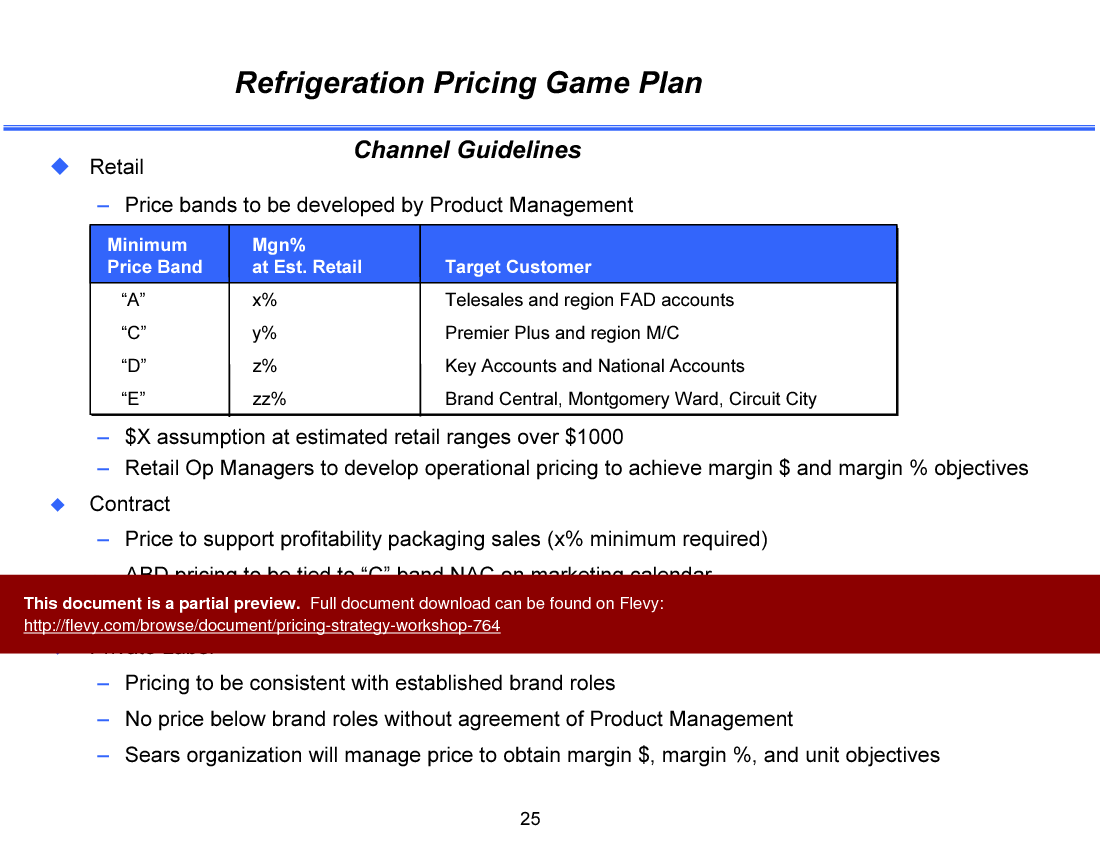
This PPT slide outlines a strategic pricing framework for refrigeration products, segmented into 3 primary channels: Retail, Contract, and Private Label. Each channel has specific guidelines that aim to optimize pricing strategies and ensure alignment with overall business objectives.
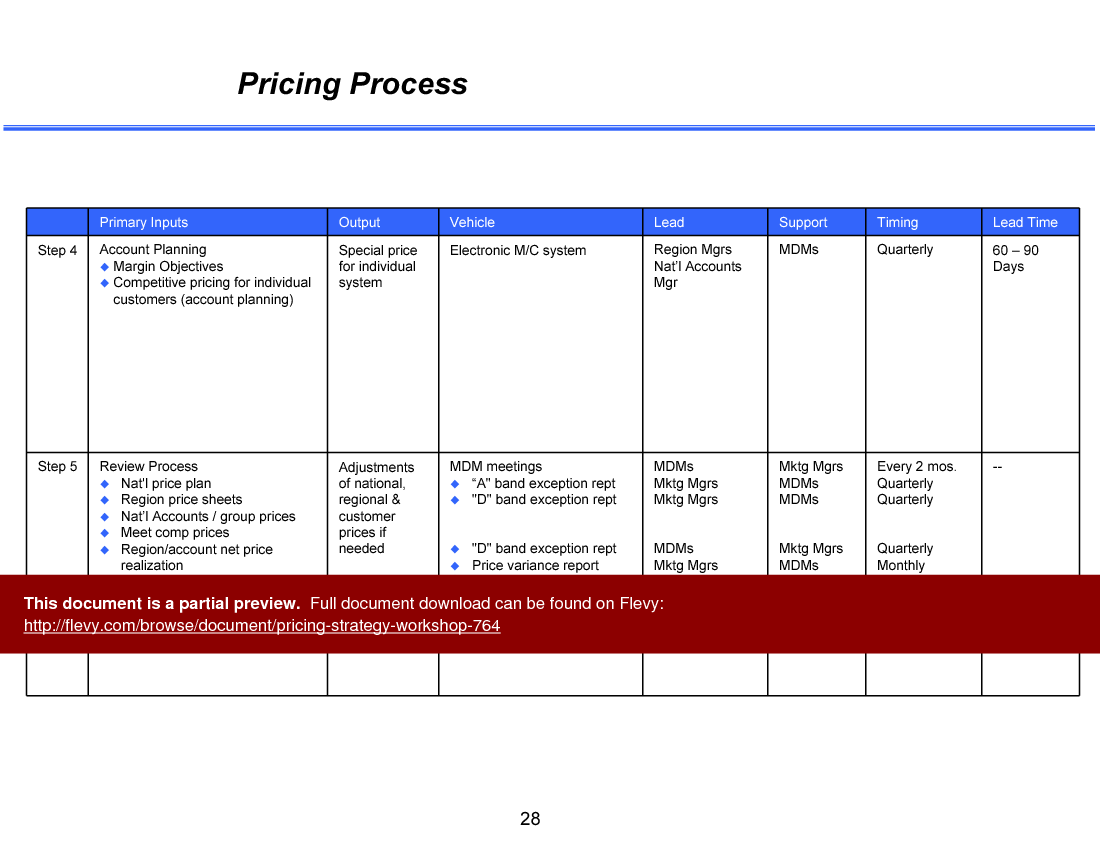
In the Retail section, a table delineates various price bands labeled "A," "C," "D," and "E." Each band is associated with a margin percentage at estimated retail prices, targeting specific customer segments such as telesales, key accounts, and major retailers. The slide emphasizes the importance of developing these price bands through Product Management, suggesting a collaborative approach to pricing strategy. Additionally, it notes a financial assumption regarding retail prices exceeding $1,000, indicating a focus on higher-value transactions.
The Contract section stresses the need for pricing to support profitability in packaging sales, with a minimum margin requirement. It also highlights that certain pricing should be tied to marketing calendars, ensuring that pricing strategies are synchronized with promotional efforts. Region Managers are tasked with setting additional prices, which must meet specified margin and unit objectives.
In the Private Label section, the slide underscores the necessity for pricing consistency with established brand roles. It specifies that no pricing should fall below predetermined thresholds without the explicit agreement of Product Management. This reinforces a structured approach to pricing that aims to maintain brand integrity while achieving financial targets.
Overall, the slide serves as a comprehensive guide for stakeholders involved in pricing decisions, providing clarity on expectations and responsibilities across different channels.
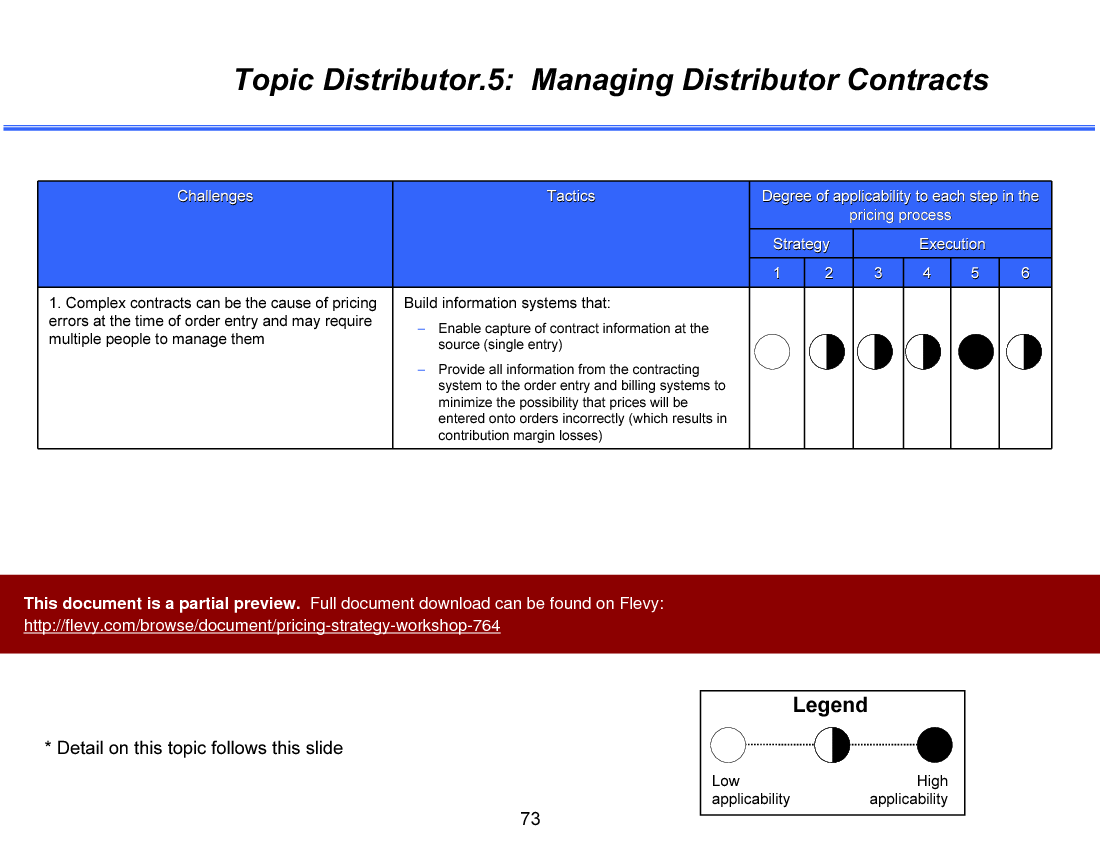
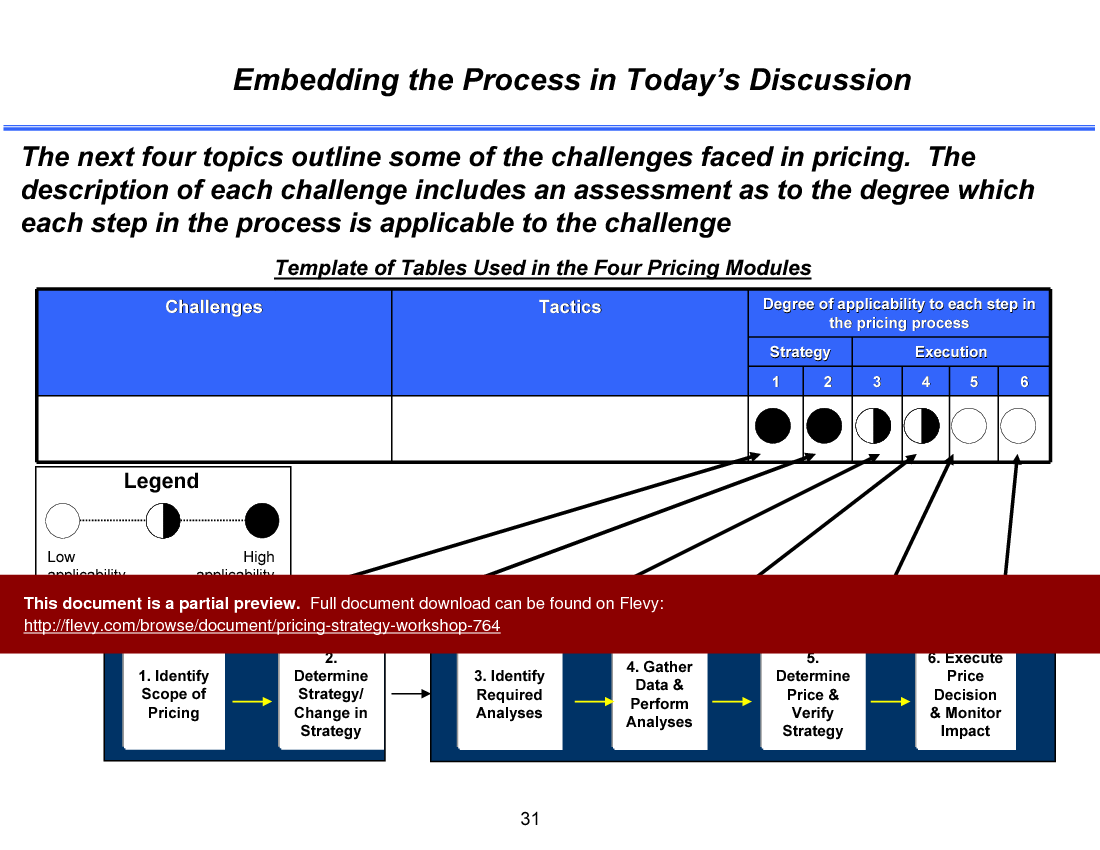
This PPT slide outlines a structured approach to addressing challenges in pricing strategy. It introduces a framework that categorizes various challenges and their corresponding tactics, emphasizing the importance of assessing the relevance of each step in the pricing process. The layout is divided into sections that highlight the challenges faced, the tactics to address them, and a visual representation of applicability.
The left column lists specific challenges that organizations may encounter in their pricing strategies. Adjacent to this, the tactics column suggests potential responses or methods to mitigate these challenges. The degree of applicability is represented through a visual scale, indicating how relevant each tactic is to the identified challenges. This visual cue aids in quickly assessing which strategies may be most effective.
The slide also includes a breakdown of the pricing process into distinct modules: Pricing Planning and Pricing Execution. Each module contains sequential steps, from identifying the scope of pricing to executing price decisions and monitoring outcomes. This structured approach ensures that all aspects of pricing are considered, from strategic formulation to practical execution.
The overall takeaway is that a systematic evaluation of challenges and tactics can significantly enhance pricing effectiveness. By understanding the applicability of each tactic to specific challenges, organizations can make informed decisions that align with their pricing objectives. This slide serves as a foundational tool for discussions on pricing strategy, guiding executives in navigating complex pricing environments.
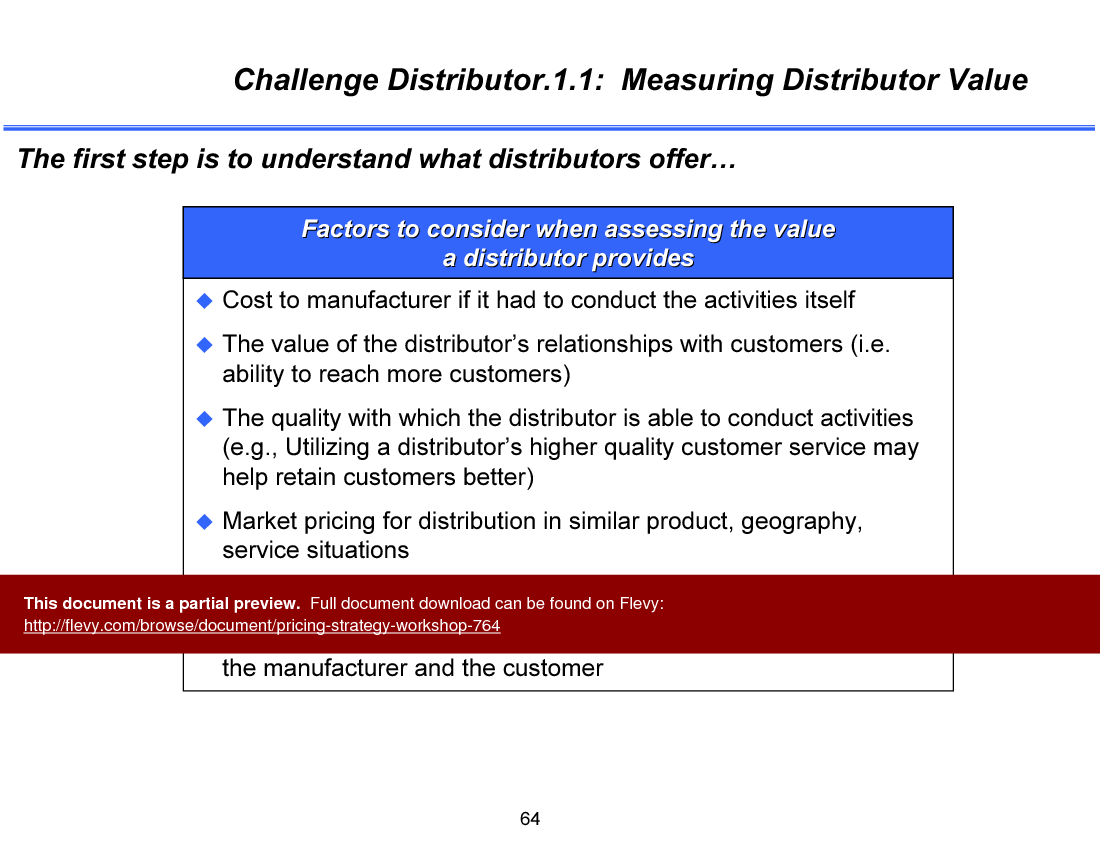
This PPT slide focuses on strategies for negotiating favorable pricing with distributors, highlighting key challenges and corresponding tactics. It outlines 3 main challenges faced by manufacturers. First, there’s the pressure from distributors to lower margins, which necessitates differentiation in offerings or acceptance of lower margins while pushing for higher volumes. The concept of a "walk-away" option is emphasized, suggesting that relationships must be beneficial in terms of contribution margin.
The second challenge pertains to managing distributor relationships that may not be profitable. The slide advises focusing on contribution margin rather than overall profitability, as fixed costs complicate calculations. It suggests strategies to enhance contribution margins on unfavorable deals and encourages walking away from unchangeable agreements.
The third challenge involves deciding on the use of rebates or rollbacks. It points out that rebates provide immediate cash benefits to distributors, which can be more appealing. Conversely, rollbacks are framed as advantageous for manufacturers since they compel distributors to utilize funds specifically for purchasing the manufacturer’s products.
The tactics presented are actionable and tailored to address the outlined challenges. The degree of applicability for each tactic is visually represented, indicating how relevant they are to different stages in the pricing process. This structured approach allows executives to quickly assess which strategies may be most effective in their specific contexts, ultimately leading to more informed decision-making in pricing negotiations with distributors.
This PPT slide addresses a critical challenge faced by distributors in the value chain: accessing reliable customer information. It emphasizes that solid customer insights are essential for effectively selling based on value rather than just price. The diagram illustrates the flow of information and product between manufacturers, distributors, and customers, highlighting the missing link of customer information that can hinder effective sales strategies.
The central message is that having an additional link in the value chain complicates the acquisition of quality customer data. This complexity can lead to gaps in understanding customer needs and preferences, which are vital for tailoring offerings and enhancing customer satisfaction. The slide suggests that without robust customer information, distributors may struggle to position their products effectively in the market.
To mitigate these challenges, the slide outlines several methods for gathering customer information. These include instituting processes, incentives, and IT tools designed to facilitate better information flow. Collaborating with end-consumers and distributors is also recommended to collect insights that can enhance value delivery. Conducting research, such as focus groups, is another strategy mentioned to gain deeper understanding of customer perspectives.
Overall, the slide serves as a call to action for distributors to prioritize the collection and analysis of customer information. By addressing these gaps, they can improve their sales strategies and better meet customer demands, ultimately leading to more effective value propositions in the market.
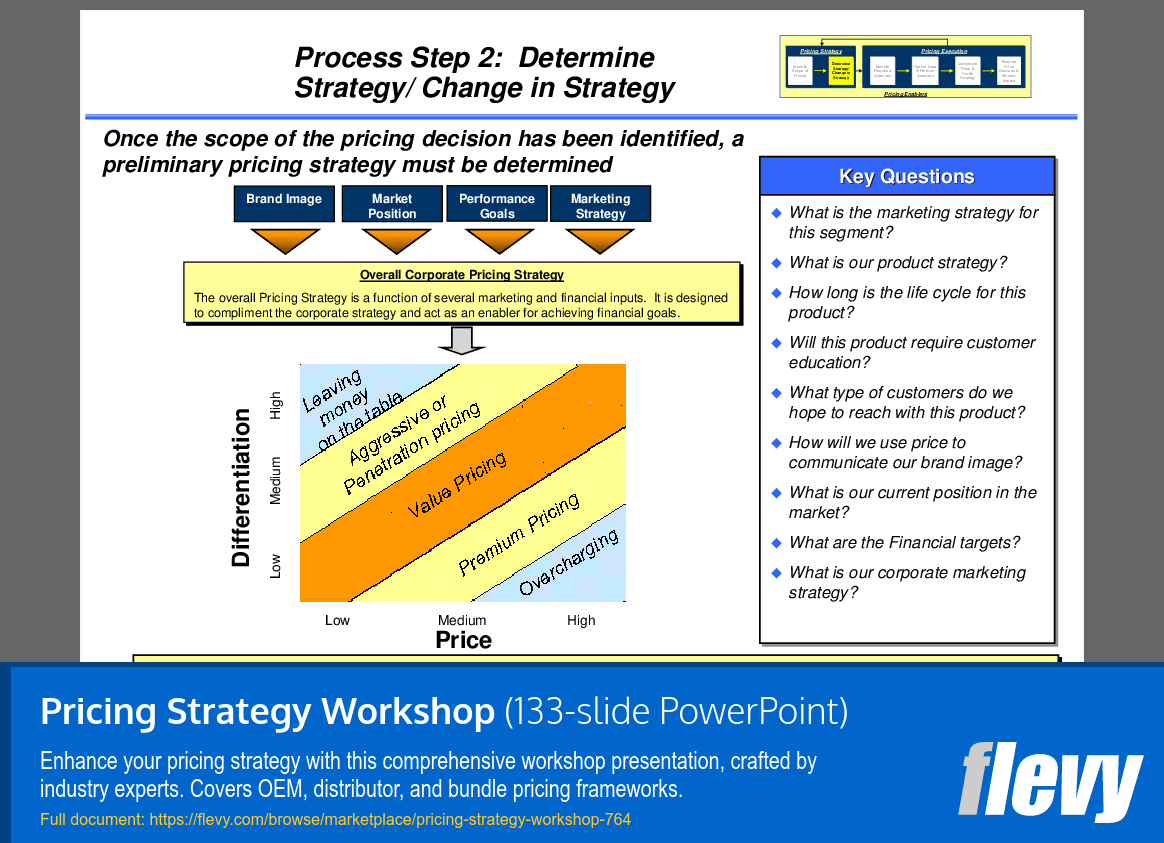
This PPT slide outlines a structured approach to determining a pricing strategy, emphasizing the importance of aligning pricing decisions with broader corporate objectives. It begins by highlighting key factors that influence pricing: Brand Image, Market Position, Performance Goals, and Marketing Strategy. These elements collectively inform the Overall Corporate Pricing Strategy, which is depicted as a function of various marketing and financial inputs. This strategy serves to complement the corporate strategy and is crucial for achieving financial targets.
The visual representation includes a matrix that categorizes pricing strategies based on differentiation and price levels. The matrix ranges from low to high differentiation and low to high price, showcasing various pricing strategies such as Value Pricing, Premium Pricing, and Overcharging. The positioning of these strategies suggests that businesses must carefully consider their market positioning and brand image when selecting a pricing approach. For instance, Value Pricing is situated in the medium range of both differentiation and price, indicating a balanced approach that appeals to a broad customer base.
On the right side, a series of key questions prompts executives to reflect on critical aspects of their pricing strategy. These questions cover marketing strategy, product lifecycle, customer education needs, target customer demographics, brand communication through pricing, current market position, financial targets, and overall corporate marketing strategy. This comprehensive inquiry encourages a thorough evaluation of the pricing strategy in relation to the company's broader objectives, ensuring that decisions are well-informed and strategically sound.
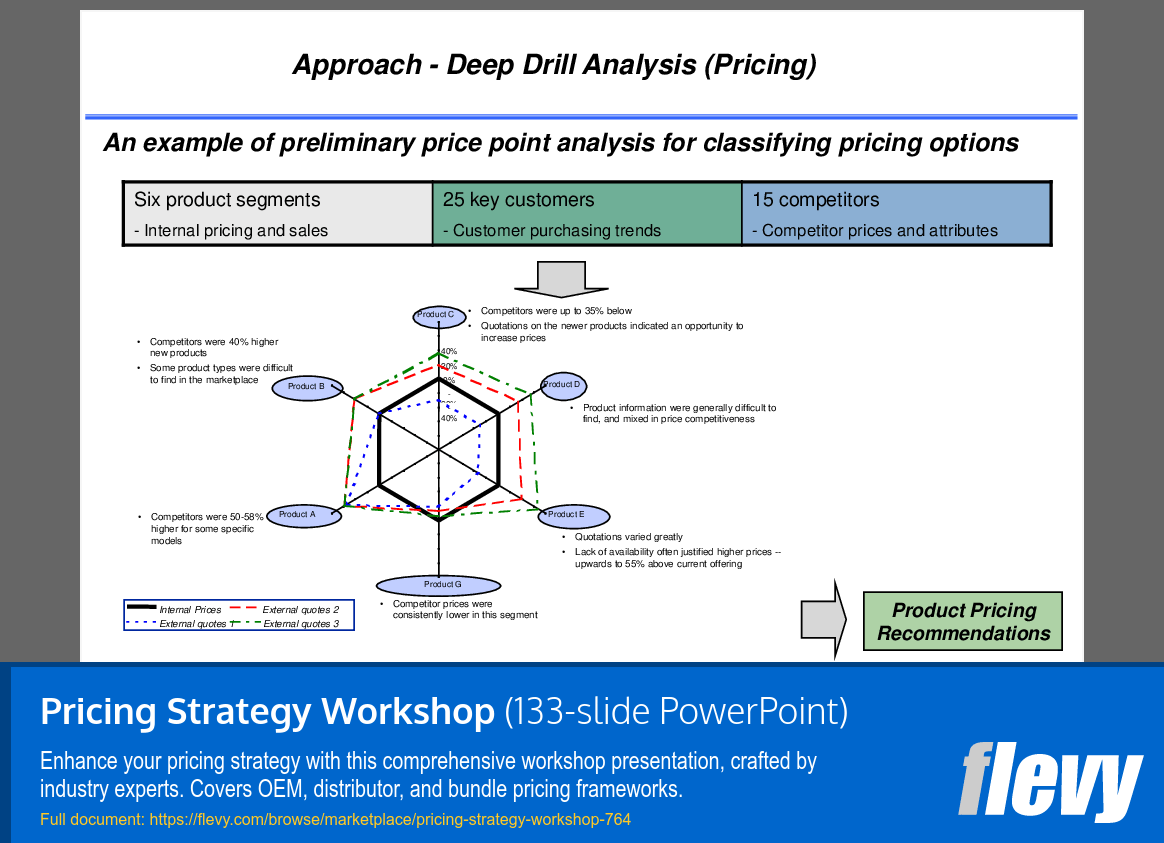
This PPT slide presents a detailed analysis of pricing strategies across various product segments. It highlights 6 distinct product categories, focusing on internal pricing and sales data, insights from 25 key customers regarding purchasing trends, and competitive pricing from 15 competitors. The visual representation, likely a radar chart, illustrates the price positioning of different products against competitors.
Key observations include that competitors' prices for new products are significantly higher, with some being 40% above the analyzed products. It also notes that certain product types are scarce in the marketplace, potentially affecting pricing strategies. For specific models, competitor pricing is reported to be 50-58% higher, indicating a disparity that could be leveraged.
The analysis reveals that competitors' quotations vary widely, with some being up to 35% lower than internal prices. This suggests a potential opportunity for price adjustments on newer products. Additionally, the slide points out that product information is often hard to obtain, leading to inconsistencies in perceived competitiveness.
Overall, the findings suggest that there are gaps in pricing strategies that could be addressed. The recommendations for product pricing are positioned to help refine strategies based on the insights gathered. This analysis serves as a critical tool for decision-makers looking to optimize pricing and enhance market positioning. Understanding these dynamics can lead to more informed pricing decisions and improved profitability.
This PPT slide outlines a strategic approach for organizations to align their pricing strategies with the incentives provided to customer-facing personnel. It emphasizes the importance of maximizing contribution margin through a structured compensation framework. The visual representation includes a compensation matrix that categorizes price levels into 4 distinct tiers: Above Target, Target, Middle, and Minimum. Each tier corresponds to specific price points and associated compensation metrics.
For instance, achieving prices above the target level results in a significantly higher compensation percentage of 150%, while the target price level offers a standard compensation of 100%. The middle tier provides a reduced compensation of 50%, and the minimum price level yields no compensation. This tiered structure is designed to motivate personnel to aim for higher price points, thereby enhancing overall profitability.
The slide also contains notes that clarify the rationale behind this compensation strategy. It highlights that the matrix serves as a straightforward tool for customer-facing personnel to understand how their pricing decisions impact their compensation. The notes suggest that personnel should not be burdened with complex calculations regarding their compensation, reinforcing the need for simplicity in the pricing strategy. Additionally, it mentions that pricing below the minimum threshold is rare and would necessitate intervention from a pricing authority, indicating a structured approach to pricing governance.
Overall, the slide conveys that successful pricing strategies hinge on clear incentives for personnel, thereby driving organizational performance and profitability. This framework can serve as a valuable reference for organizations looking to refine their pricing strategies and align their teams effectively.
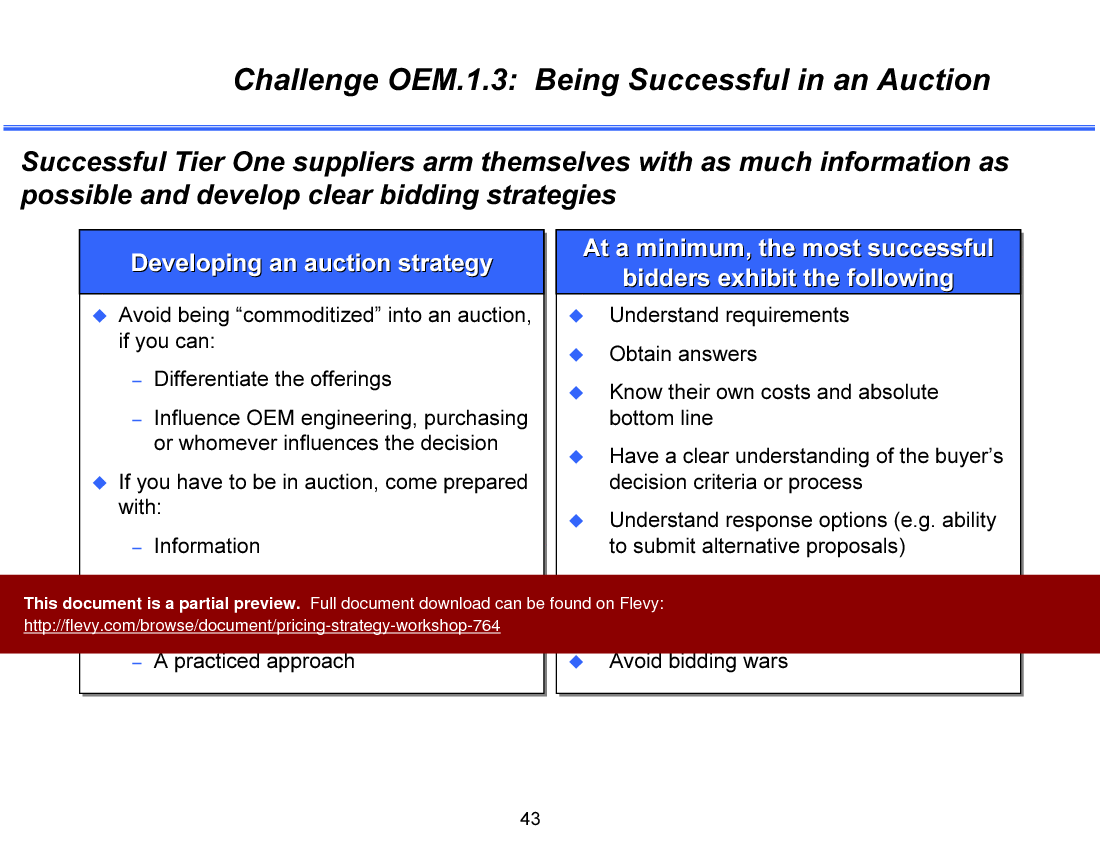
This PPT slide provides an overview of how original equipment manufacturers (OEMs) utilize auctions as a strategic tool to enhance pricing pressure in procurement processes. It distinguishes auctions from traditional negotiation methods by highlighting several key characteristics. Notably, auctions incorporate real-time online bidding, which adds a dynamic element to the negotiation process. The slide notes that products previously considered engineered can be relegated to commodity status, suggesting a shift in how value is perceived in supplier relationships.
The slide also emphasizes the importance of pre-qualifying suppliers to obtain more competitive bids, indicating a strategic approach to supplier selection. Additionally, it mentions the controversial practice of introducing fictitious suppliers, termed "stalking horses," to drive prices lower, which raises ethical considerations in procurement practices.
The right side of the slide categorizes different types of auctions, detailing their characteristics and the frequency with which the lowest bidder is selected. The English Reverse auction is noted as the most common type, where bidders must match the lowest bid in predetermined increments, with a high success rate of 80-90% for selecting the lowest bidder. Dynamic Reverse auctions allow for more supplier creativity, while Multi-variable Bidding introduces complexity through quantifiable variables. Sealed Bids resemble traditional methods, but restrict visibility of leading bids.
This slide serves as a valuable resource for executives considering the implementation of auction strategies in their procurement processes, offering insights into the mechanics and implications of different auction types. Understanding these elements can help in making informed decisions that align with organizational goals.
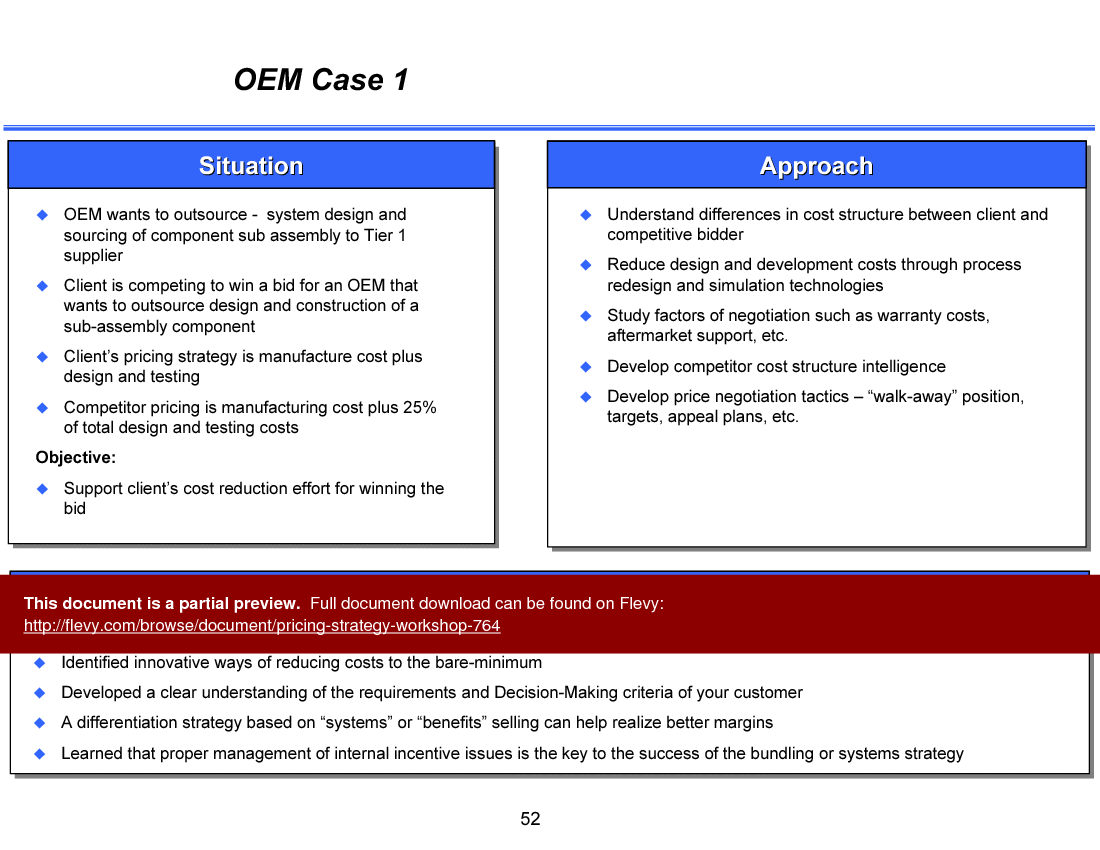
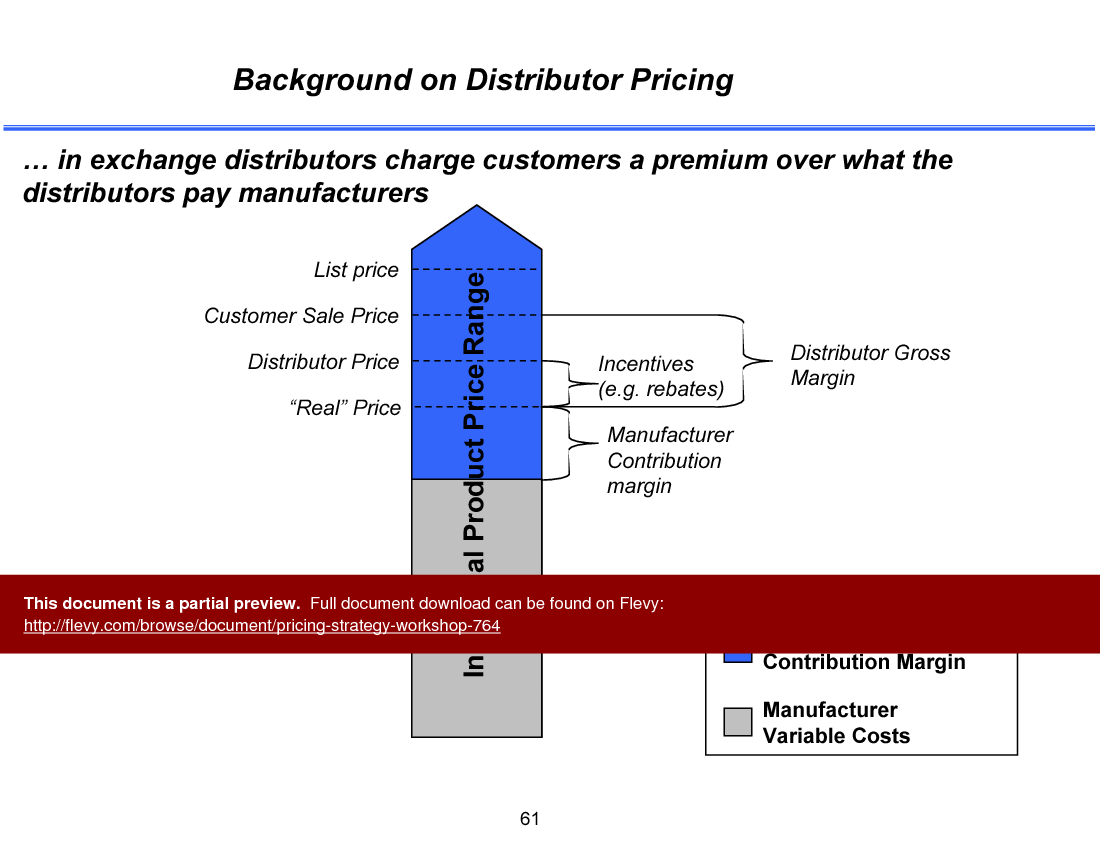
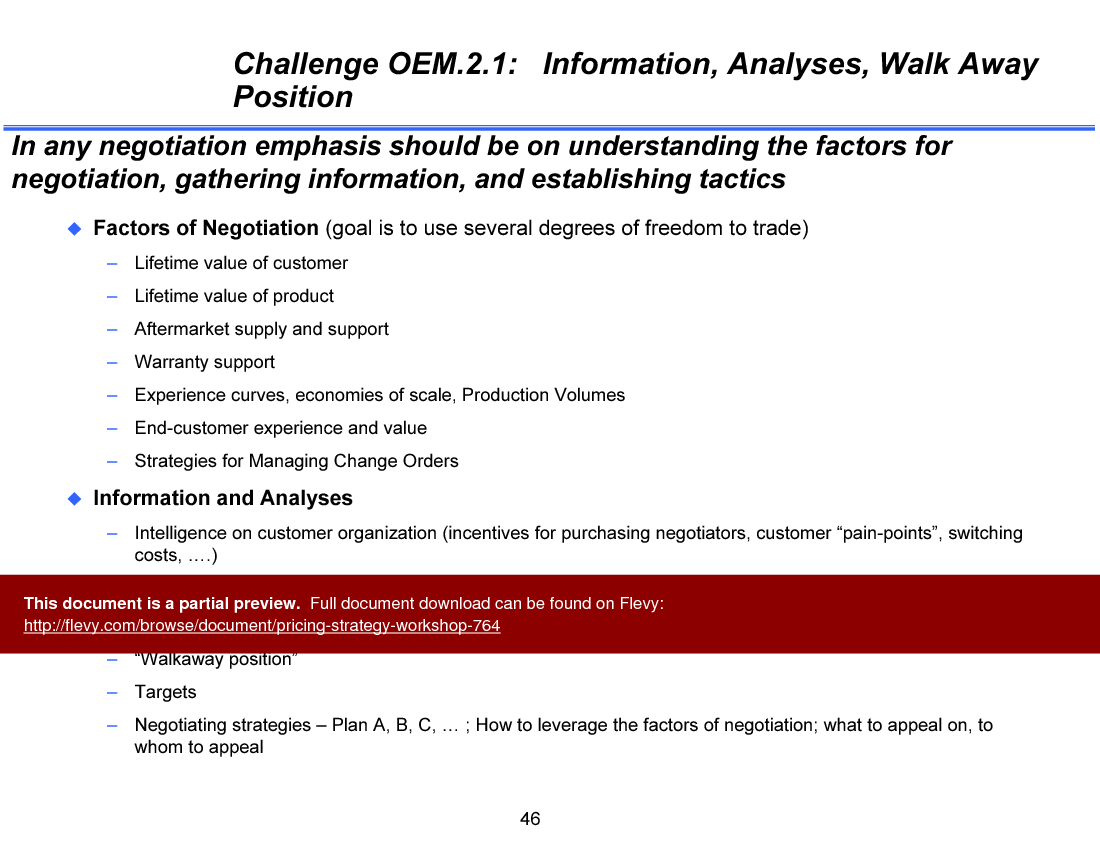
This PPT slide presents a framework for establishing minimum acceptable pricing levels for products, particularly in the context of Original Equipment Manufacturers (OEMs). It emphasizes the importance of understanding the pricing range for each product, which is critical when negotiating deals.
At the center of the slide is the "Individual Product Price Range," which serves as a focal point for pricing strategy. The contribution margin is highlighted, indicating that it plays a vital role in covering fixed costs and generating profits. This suggests that pricing decisions should not only focus on market conditions, but also on internal cost structures to ensure profitability.
Variable costs are also addressed, noted as avoidable if the product is not produced. This points to the need for careful consideration of costs associated with production and how they influence pricing strategies. The relationship between pricing and the overall value of contracts is made clear, as the total pricing along the defined range directly impacts the contract's worth.
The slide concludes with a critical pricing point for the industrial manufacturer, where they neither gain nor lose money on each unit sold. This indicates a break-even point that must be carefully monitored to ensure sustainability in pricing strategies.
Overall, this slide serves as a guide for executives to navigate the complexities of pricing decisions, ensuring that both cost considerations and market dynamics are effectively balanced. Understanding these elements is essential for making informed pricing decisions that align with broader business objectives.
MARCUS OVERVIEW
This synopsis was written by Marcus [?] based on the analysis of the full 133-slide presentation.
Executive Summary
The Pricing Strategy Workshop PPT is a consulting-grade presentation designed to equip organizations, particularly in the industrial manufacturing sector, with a structured approach to pricing. This workshop emphasizes the importance of understanding market dynamics, customer value, and internal cost structures to optimize pricing strategies. Participants will learn to implement effective pricing frameworks, explore various pricing models, and develop actionable plans for pricing pilots. This expert-ready presentation is crafted in a McKinsey, Bain, or BCG-quality format (not affiliated), ensuring rigorous standards and practical insights.
Who This Is For and When to Use
• Pricing managers and analysts focused on enhancing pricing strategies.
• Sales and marketing teams needing to align pricing with customer value.
• Product managers responsible for pricing new product launches.
• Executives seeking to improve overall profitability through pricing optimization.
Best-fit moments to use this deck:
• During strategic planning sessions to align pricing with business objectives.
• When launching new products or entering new markets to establish competitive pricing.
• In workshops aimed at improving existing pricing practices across teams.
Learning Objectives
• Define the key characteristics of successful pricing organizations.
• Build a structured pricing framework tailored to organizational needs.
• Establish effective communication strategies for pricing changes.
• Identify opportunities for improving pricing practices through data analysis.
• Develop a plan for implementing pricing pilots to test new strategies.
• Analyze the impact of pricing decisions on contribution margins.
Primary Topics Covered
• Pricing Framework - A structured approach to pricing that includes market analysis, customer value assessment, and internal cost evaluation.
• OEM Pricing - Strategies for managing pricing in Original Equipment Manufacturer relationships, focusing on value differentiation and negotiation tactics.
• Distributor Pricing - Techniques for quantifying distributor value, negotiating favorable terms, and aligning distributor incentives with organizational goals.
• New Product Pricing - Methods for assessing market appetite, estimating costs, and developing pricing strategies for new product launches.
• Bundle Pricing - Approaches to creating and pricing bundled offerings that enhance customer value and improve contribution margins.
• Pilot - A framework for testing pricing strategies in a controlled environment to refine approaches before broader implementation.
Deliverables, Templates, and Tools
• Pricing framework templates for structured pricing analysis.
• OEM pricing negotiation guides to enhance supplier relationships.
• Distributor performance evaluation tools to assess contribution margins.
• New product pricing models to estimate market potential and costs.
• Bundle pricing calculators to evaluate customer value propositions.
• Pilot program planning templates to guide implementation efforts.
Slide Highlights
• Overview of the 5 characteristics of successful pricing organizations.
• Detailed analysis of OEM pricing strategies and negotiation tactics.
• Framework for quantifying distributor value and aligning incentives.
• Insights into new product pricing processes and market assessments.
• Strategies for effective bundle pricing and customer segmentation.
• Steps for implementing a pricing pilot program and measuring success.
Potential Workshop Agenda
Introduction to Pricing Framework (30 minutes)
• Overview of pricing strategies and objectives.
• Discussion on the importance of structured pricing approaches.
OEM Pricing Strategies (60 minutes)
• Analysis of OEM pricing challenges and tactics.
• Case studies on successful OEM pricing negotiations.
Distributor Pricing Insights (60 minutes)
• Quantifying distributor value and negotiating terms.
• Breakout session on aligning distributor incentives.
New Product Pricing Techniques (60 minutes)
• Identifying market needs and pricing strategies for new products.
• Group discussion on competitor reactions and pricing adjustments.
Bundle Pricing Approaches (60 minutes)
• Exploring customer value in bundled offerings.
• Workshop on developing effective bundle pricing strategies.
Pilot Program Planning (30 minutes)
• Steps for implementing a pricing pilot and measuring outcomes.
• Wrap-up and next steps for pricing strategy implementation.
Customization Guidance
• Tailor the pricing framework to reflect specific organizational goals and market conditions.
• Adjust case studies and examples to align with industry-specific challenges.
• Incorporate company-specific data and metrics into pricing models.
• Modify the workshop agenda to focus on priority pricing topics relevant to the audience.
Secondary Topics Covered
• The role of market research in pricing strategy development.
• Techniques for assessing customer willingness to pay.
• The impact of competitive pricing on market positioning.
• Strategies for managing pricing across different distribution channels.
• The importance of internal alignment in pricing decisions.
FAQ What is the purpose of the Pricing Strategy Workshop?
The workshop aims to provide a structured approach to pricing that enhances organizational profitability through effective pricing strategies.
Who should attend the workshop?
The workshop is designed for pricing managers, sales and marketing teams, product managers, and executives focused on improving pricing practices.
What topics are covered in the workshop?
Key topics include pricing frameworks, OEM and distributor pricing strategies, new product pricing, bundle pricing, and pilot program implementation.
How can organizations customize the workshop content?
Organizations can tailor the content by incorporating specific case studies, adjusting the agenda to focus on priority topics, and using company-specific data in discussions.
What are the expected outcomes of the workshop?
Participants will gain insights into successful pricing practices, develop actionable pricing strategies, and create a plan for implementing pricing pilots.
How does the workshop address the challenges of pricing?
The workshop provides frameworks and tools to analyze pricing challenges, assess market dynamics, and develop strategies that align with organizational goals.
What resources are provided with the workshop?
Participants will receive templates, tools, and case studies to support their pricing strategy development and implementation efforts.
Can the workshop be delivered virtually?
Yes, the workshop can be adapted for virtual delivery, ensuring engagement and interaction through digital platforms.
What is the duration of the workshop?
The workshop can be customized in length, but typically spans a full day, covering all key topics and allowing for interactive discussions.
Glossary
• OEM - Original Equipment Manufacturer, a company that produces parts or equipment that may be marketed by another manufacturer.
• Contribution Margin - The selling price per unit minus the variable cost per unit, used to assess profitability.
• Value Proposition - The promise of value to be delivered to customers, highlighting the benefits of a product or service.
• Bundling - The practice of selling multiple products or services together as a single combined offering.
• Price Elasticity - A measure of how much the quantity demanded of a good responds to a change in price.
• Market Segmentation - The process of dividing a target market into smaller, more defined categories.
• Rebate - A return of part of the purchase price by the seller to the buyer, often used as an incentive.
• Pricing Strategy - A method used by a business to price its products or services effectively.
• Customer Lifetime Value (CLV) - A prediction of the net profit attributed to the entire future relationship with a customer.
• Competitive Analysis - The assessment of competitors' strengths and weaknesses in relation to one's own business.
• Sales Force Incentives - Compensation structures designed to motivate sales personnel to achieve specific sales targets.
• Pilot Program - A small-scale preliminary study conducted to test feasibility, time, cost, and adverse events involved in a pricing strategy.
Source: Best Practices in Pricing Strategy, Workshops PowerPoint Slides: Pricing Strategy Workshop PowerPoint (PPT) Presentation Slide Deck, Documents & Files
Since 2012, we have provided best practices to over 10,000 businesses and organizations of all sizes, from startups and small businesses to the Fortune 100, in over 130 countries.
"The wide selection of frameworks is very useful to me as an independent consultant. In fact, it rivals what I had at my disposal at Big 4 Consulting firms in terms of efficacy and organization."
– Julia T., Consulting Firm Owner (Former Manager at Deloitte and Capgemini)
"As a small business owner, the resource material available from FlevyPro has proven to be invaluable. The ability to search for material on demand based our project events and client requirements was great for me and proved very beneficial to my clients. Importantly, being able to easily edit and tailor
the material for specific purposes helped us to make presentations, knowledge sharing, and toolkit development, which formed part of the overall program collateral. While FlevyPro contains resource material that any consultancy, project or delivery firm must have, it is an essential part of a small firm or independent consultant's toolbox.
"
– Michael Duff, Managing Director at Change Strategy (UK)
"FlevyPro has been a brilliant resource for me, as an independent growth consultant, to access a vast knowledge bank of presentations to support my work with clients. In terms of RoI, the value I received from the very first presentation I downloaded paid for my subscription many times over! The
quality of the decks available allows me to punch way above my weight – it's like having the resources of a Big 4 consultancy at your fingertips at a microscopic fraction of the overhead.
"
– Roderick Cameron, Founding Partner at SGFE Ltd
"One of the great discoveries that I have made for my business is the Flevy library of training materials.
As a Lean Transformation Expert, I am always making presentations to clients on a variety of topics: Training, Transformation, Total Productive Maintenance, Culture, Coaching, Tools, Leadership Behavior, etc. Flevy
It is well worth the money to purchase these presentations. Sure, I have the knowledge and information to make my point. It is another thing to create a presentation that captures what I want to say. Flevy has saved me countless hours of preparation time that is much better spent with implementation that will actually save money for my clients.
"
– Ed Kemmerling, Senior Lean Transformation Expert at PMG
"[Flevy] produces some great work that has been/continues to be of immense help not only to myself, but as I seek to provide professional services to my clients, it gives me a large "tool box" of resources that are critical to provide them with the quality of service and outcomes they are expecting."
– Royston Knowles, Executive with 50+ Years of Board Level Experience
"I have used Flevy services for a number of years and have never, ever been disappointed. As a matter of fact, David and his team continue, time after time, to impress me with their willingness to assist and in the real sense of the word. I have concluded in fact
that it is not at all just a repository of documents/resources but, in the way that David and his team manage the firm, it is like dealing with consultants always ready to assist, advise and direct you to what you really need, and they always get it right.
I am an international hospitality accomplished senior executive who has worked and lived during the past 35 years in 23 countries in 5 continents and I can humbly say that I know what customer service is, trust me.
Aside from the great and professional service that Flevy's team provide, their wide variety of material is of utmost great quality, professionally put together and most current.
Well done Flevy, keep up the great work and I look forward to continue working with you in the future and to recommend you to a variety of colleagues around the world.
"
– Roberto Pelliccia, Senior Executive in International Hospitality
"My FlevyPro subscription provides me with the most popular frameworks and decks in demand in today’s market. They not only augment my existing consulting and coaching offerings and delivery, but also keep me abreast of the latest trends, inspire new products and service offerings for my practice, and educate me
in a fraction of the time and money of other solutions. I strongly recommend FlevyPro to any consultant serious about success.
"
– Bill Branson, Founder at Strategic Business Architects
"As a consulting firm, we had been creating subject matter training materials for our people and found the excellent materials on Flevy, which saved us 100's of hours of re-creating what already exists on the Flevy materials we purchased."
– Michael Evans, Managing Director at Newport LLC
Save with Bundles

This document is available as part of the following discounted bundle(s):
Download our free compilation of 50+ Strategy & Transformation slides and templates. Frameworks include McKinsey 7-S, Balanced Scorecard, Disruptive Innovation, BCG Curve, and many more.