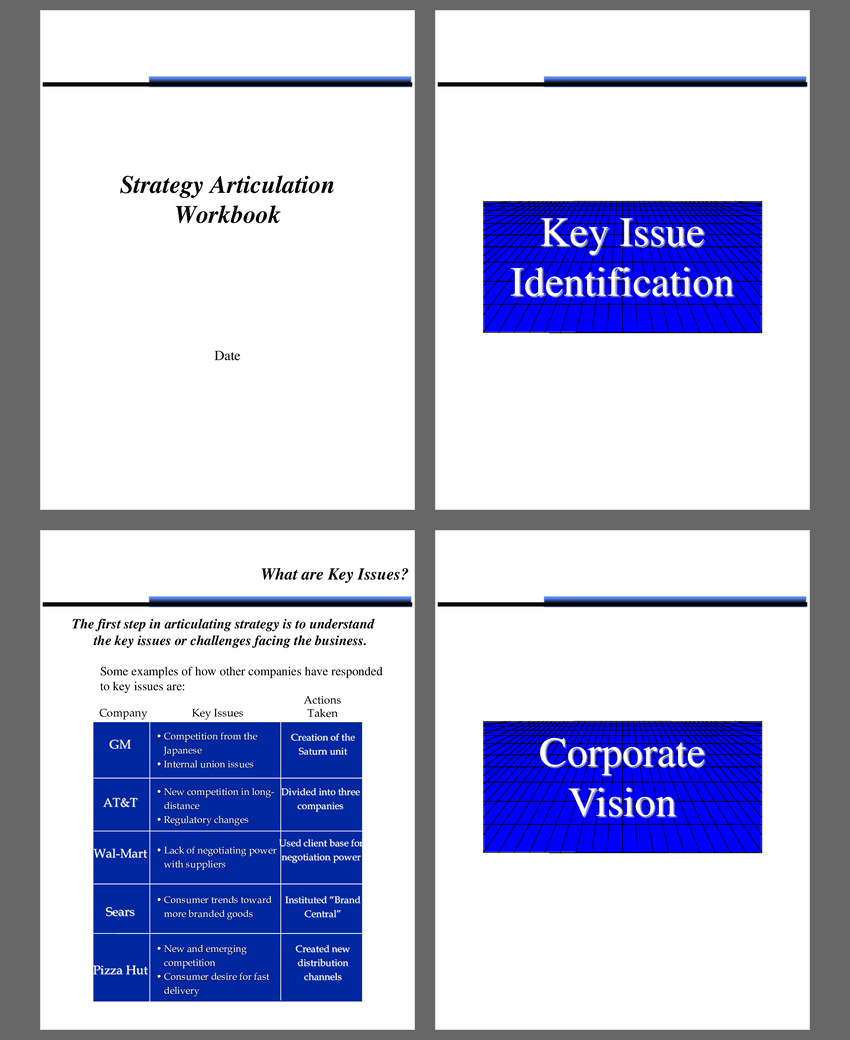

This toolkit is to help companies to articulate its corporate strategy, identify market differentiators and critical business processes, develop key performance indicators, and align all these elements together to achieve its strategic objectives.
It also contains a full set of strategic input sheets for a business function (eg, finance) to develop its own functional strategy, KPIs and action plan.
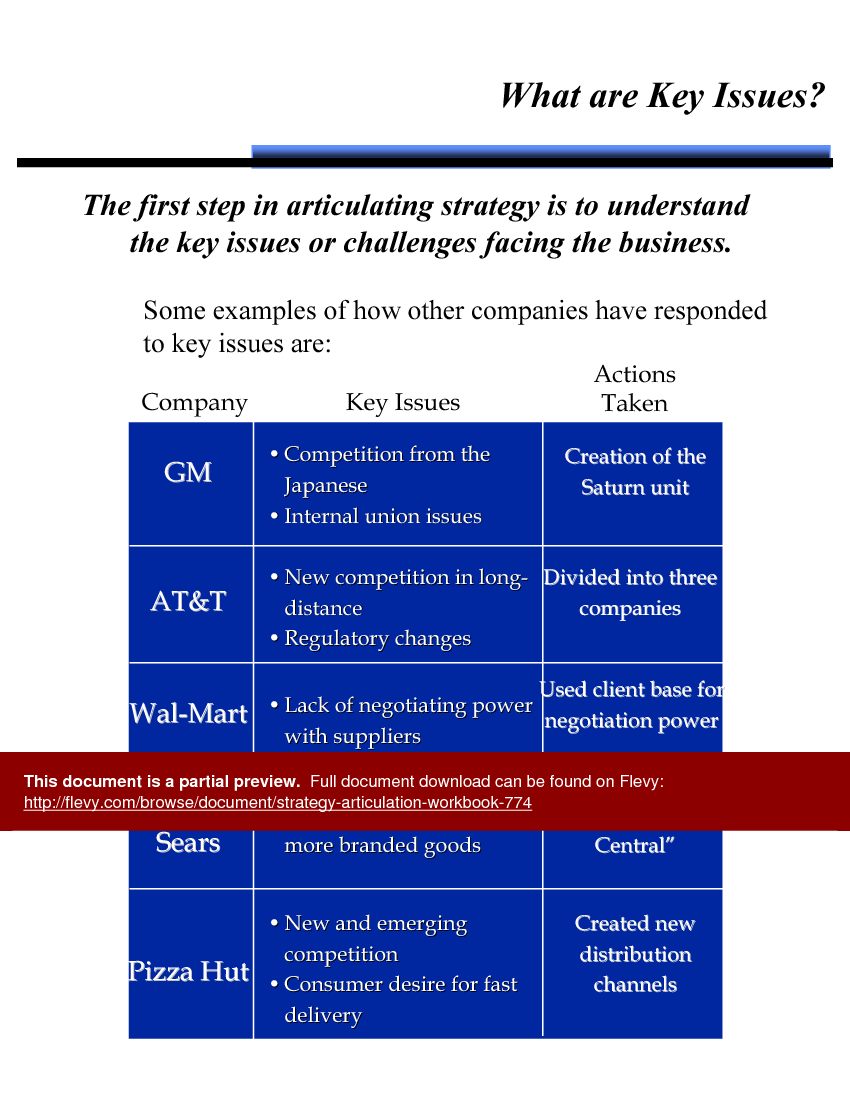
The Strategy Articulation Workbook is a comprehensive guide designed to help organizations pinpoint their key issues and develop actionable strategies. It starts by identifying the core challenges your business faces, using real-world examples from industry leaders to illustrate effective responses. This approach ensures your strategy is grounded in practical, proven methods.
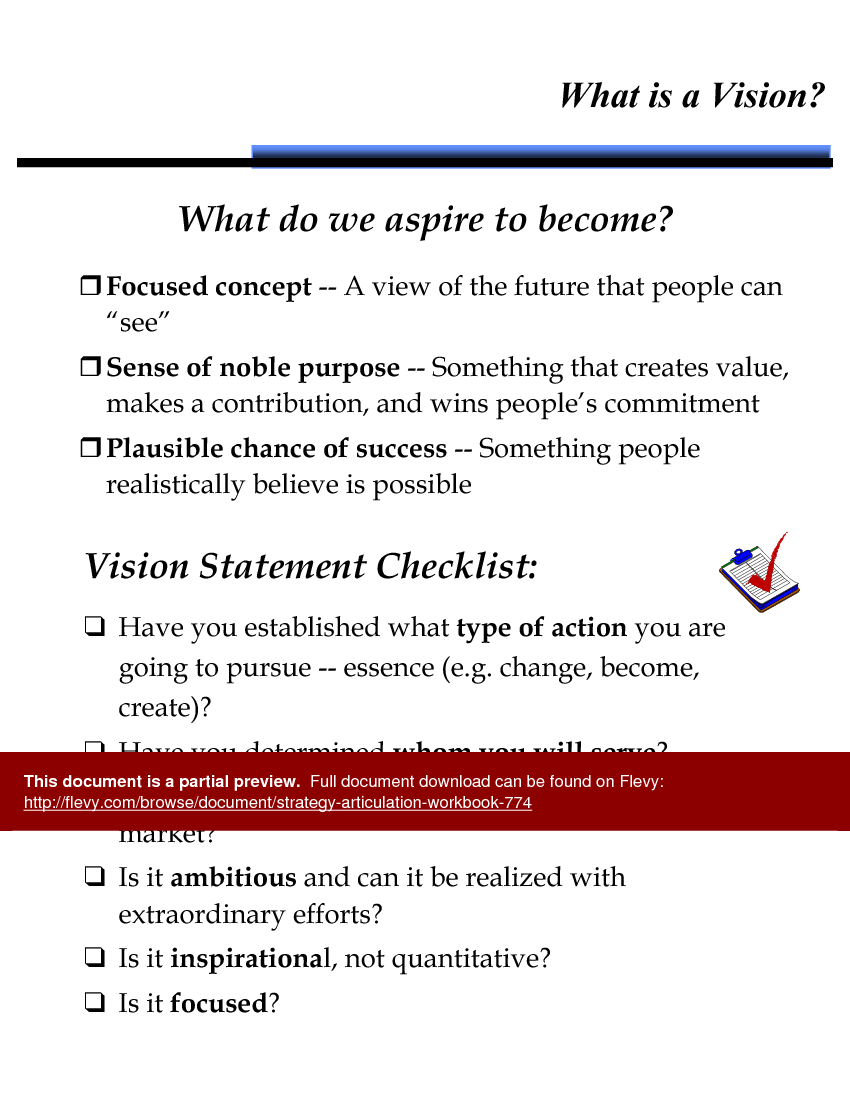
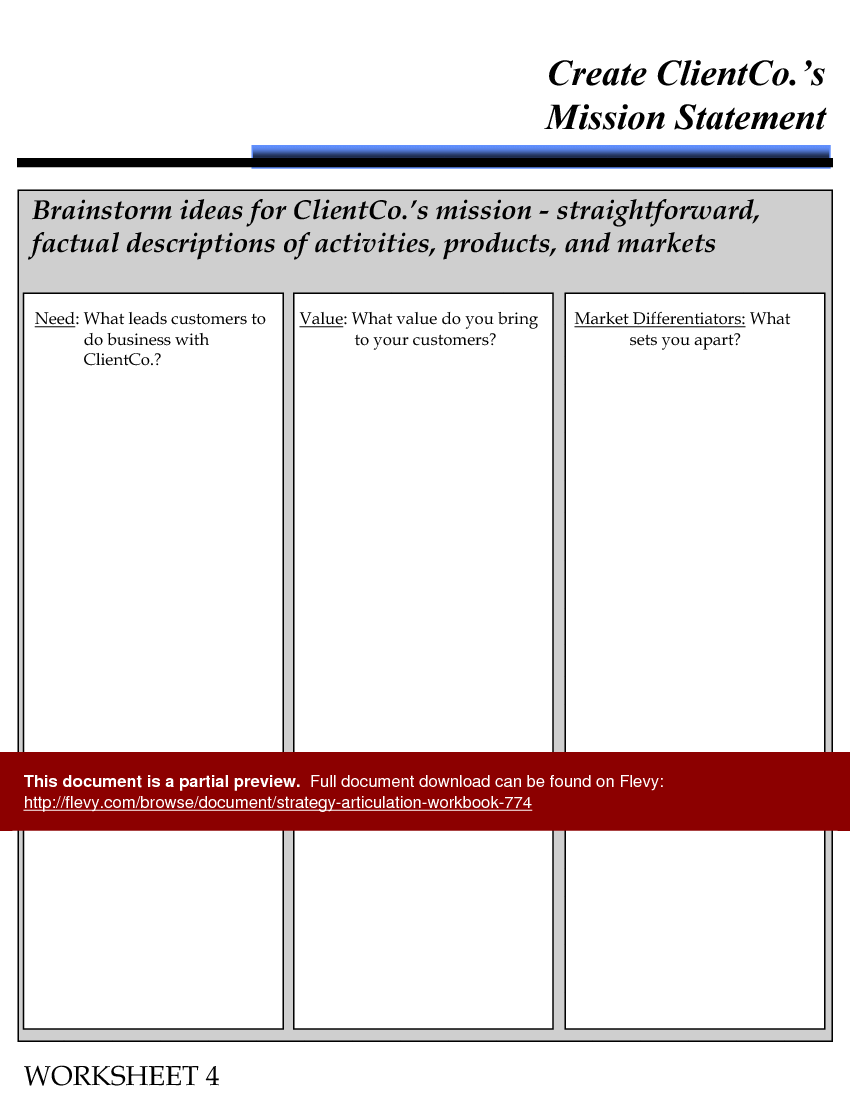
Next, the workbook guides you through crafting a compelling vision and mission statement. It includes a detailed checklist to ensure your vision is focused, purposeful, and realistically achievable. This step is crucial for aligning your team and setting a clear direction for your organization.
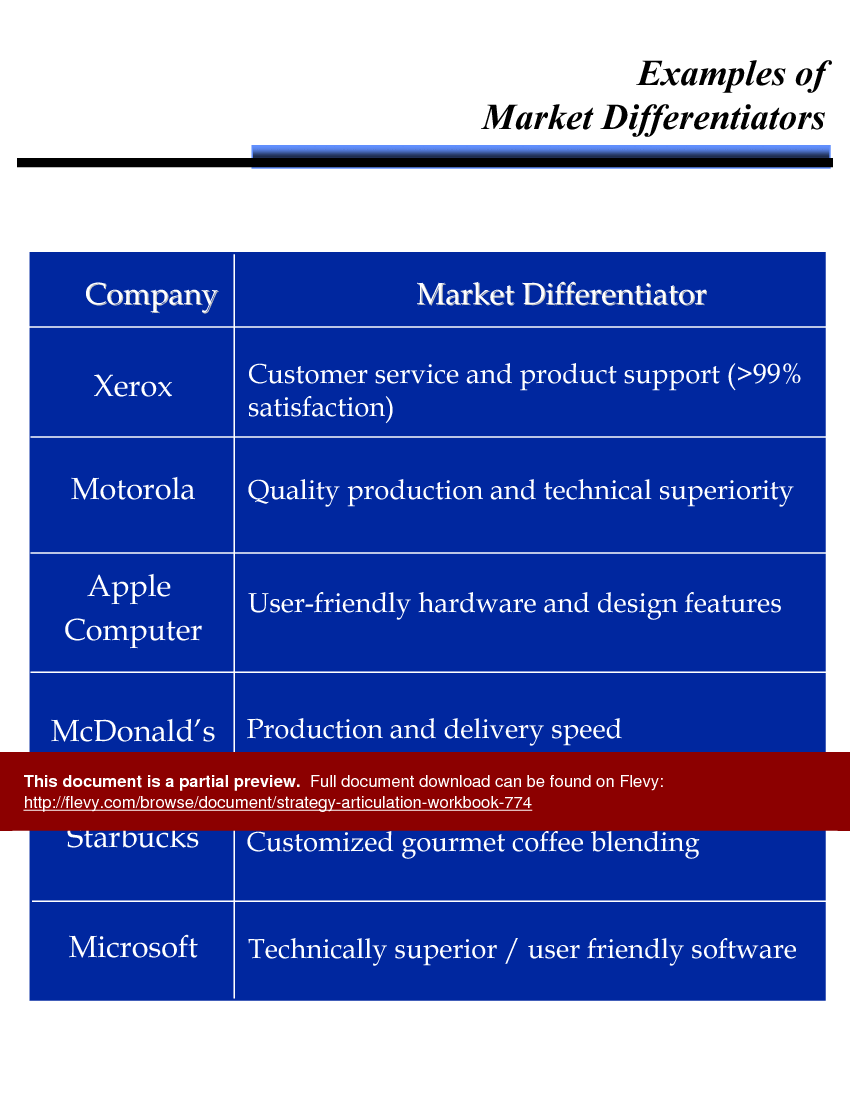
The document also provides a framework for defining your market differentiators. By examining successful companies like Xerox and Apple, you can identify what sets your business apart and leverage these unique strengths to gain a competitive edge. This section is vital for positioning your brand in the market.
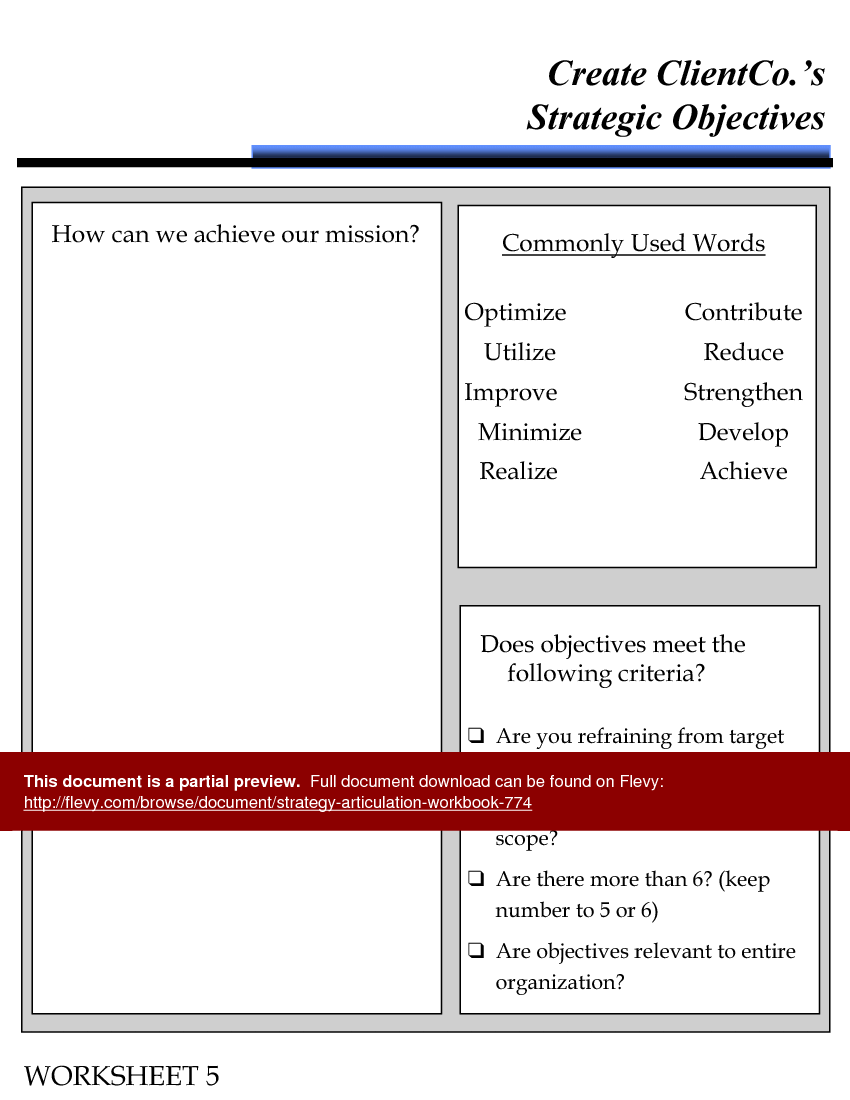
The workbook offers tools for setting strategic objectives and key performance indicators (KPIs). It includes worksheets for brainstorming and validating KPIs to ensure they are actionable and aligned with your strategic goals. This ensures that your performance metrics drive the desired outcomes and support your overall strategy.
Got a question about the product? Email us at support@flevy.com or ask the author directly by using the "Ask the Author a Question" form. If you cannot view the preview above this document description, go here to view the large preview instead.
Executive Summary
The Strategy Articulation Workbook is a structured tool designed to help organizations clearly define and communicate their strategic objectives. By utilizing this workbook, corporate executives and consultants can align their vision, mission, and key performance indicators (KPIs) with operational activities. The workbook guides users through identifying critical processes, market differentiators, and strategic objectives, ultimately facilitating a cohesive strategy that drives value creation.
Who This Is For and When to Use
• Corporate executives aiming to refine their organization’s strategic direction
• Strategy consultants facilitating workshops on strategic planning
• Business leaders responsible for aligning operational activities with strategic goals
• Teams tasked with developing and implementing key performance indicators
Best-fit moments to use this deck:
• During strategic planning sessions to define vision and mission statements
• When conducting workshops focused on identifying market differentiators and critical processes
• In meetings aimed at aligning KPIs with strategic objectives
Learning Objectives
• Define the organization’s vision and mission in operational terms
• Identify key issues affecting business strategy and articulate responses
• Develop a comprehensive set of strategic objectives that align with the organization’s goals
• Create a framework for measuring performance through relevant KPIs
• Establish critical processes that support strategic objectives
• Differentiate the organization in the market through unique value propositions
Table of Contents
• Strategy Articulation Overview (page 2)
• Key Issue Identification (page 3)
• Vision Statement Development (page 6)
• Mission Statement Creation (page 10)
• Market Differentiators (page 14)
• Strategic Objectives (page 18)
• Critical Processes (page 23)
• Performance Measures (page 26)
• KPI Validation and Testing (page 29)
• Strategy Articulation Maps (page 48)
• Action Planning & Debrief (page 68)
Primary Topics Covered
• Key Issues - Identifying and addressing challenges that impact strategic direction is essential for effective strategy articulation.
• Vision and Mission Statements - Crafting clear and inspiring vision and mission statements that guide organizational efforts and stakeholder engagement.
• Market Differentiators - Establishing unique attributes that set the organization apart in the marketplace and resonate with customers.
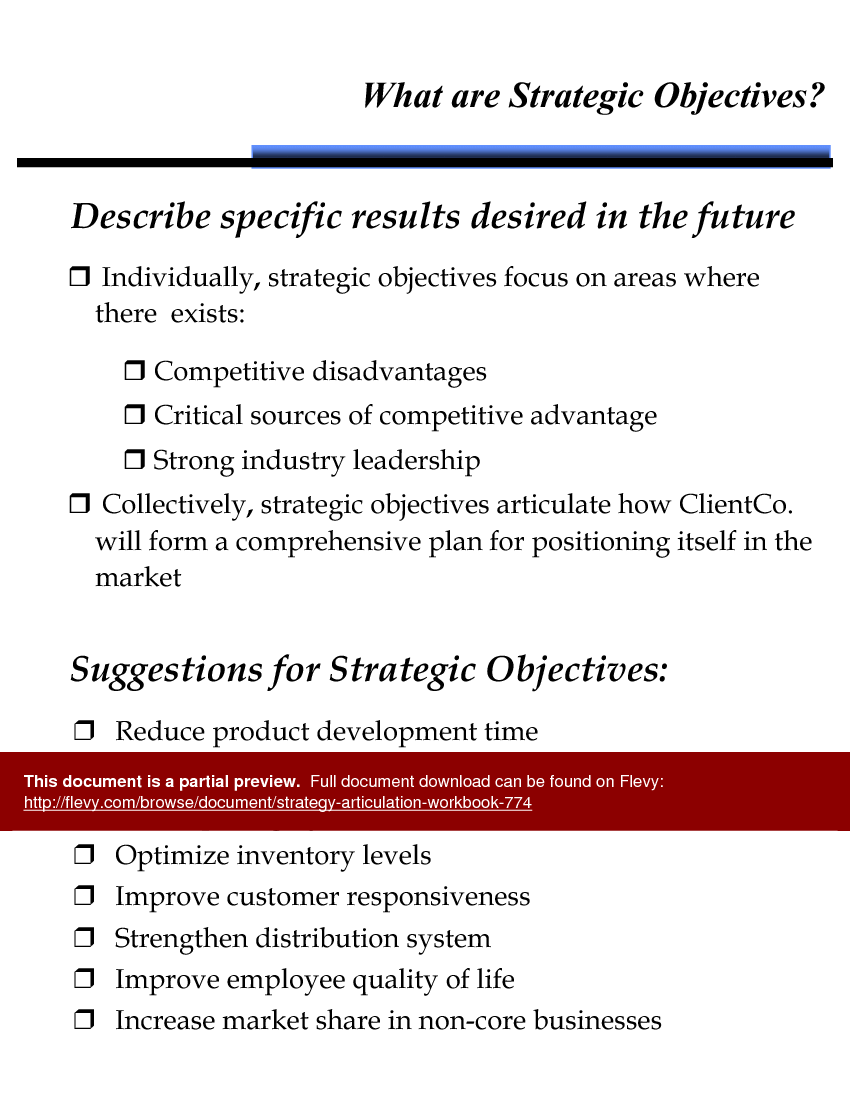
• Strategic Objectives - Defining measurable outcomes that support the overall mission and vision of the organization.
• Critical Processes - Identifying and optimizing key processes that drive performance and align with strategic objectives.
• Performance Measures - Developing KPIs that provide actionable insights into organizational performance and progress toward strategic goals.
Deliverables, Templates, and Tools
• Vision and mission statement templates for clear articulation of organizational aspirations
• Worksheets for identifying key issues and market differentiators
• Strategic objectives framework to guide measurable goal setting
• Templates for critical process mapping to streamline operations
• KPI validation checklist to ensure effective performance measurement
• Action planning matrix to track initiatives and responsibilities
Slide Highlights
• Overview of the Strategy Articulation Map, illustrating the relationship between vision, mission, and strategic objectives
• Examples of effective vision and mission statements from leading organizations
• Framework for identifying and articulating market differentiators
• Checklist for validating KPIs against strategic objectives
• Action planning matrix that outlines initiatives, timelines, and responsible parties
Potential Workshop Agenda
Vision and Mission Development (90 minutes)
• Discuss the importance of vision and mission statements
• Facilitate brainstorming sessions to draft statements
• Review and refine statements for clarity and impact
Market Differentiation and Strategic Objectives (90 minutes)
• Identify key market differentiators through group exercises
• Develop strategic objectives that align with the organization’s vision
• Present and discuss objectives for feedback
KPI Development and Performance Measurement (60 minutes)
• Introduce the concept of KPIs and their importance
• Work in groups to create KPIs linked to strategic objectives
• Validate KPIs using the provided checklist
Customization Guidance
• Tailor vision and mission statements to reflect the unique aspirations of the organization
• Adapt worksheets to include industry-specific challenges and opportunities
• Modify strategic objectives to align with organizational priorities and capabilities
• Customize performance measures to reflect key operational metrics relevant to the organization
Secondary Topics Covered
• Stakeholder engagement strategies for effective communication of the strategy
• Change management considerations in implementing strategic initiatives
• Best practices for continuous improvement in performance measurement
Topic FAQ
Document FAQ
These are questions addressed within this presentation.
What is the purpose of the Strategy Articulation Workbook?
The workbook is designed to help organizations clearly define and communicate their strategic objectives, aligning operational activities with overall goals.
How can this workbook assist in developing KPIs?
It provides a structured approach to identifying relevant KPIs that align with strategic objectives, ensuring they are measurable and actionable.
What types of organizations can benefit from this workbook?
Corporate executives, strategy consultants, and business leaders across various industries can utilize this workbook to enhance their strategic planning efforts.
Can the workbook be customized for specific industries?
Yes, the workbook includes guidance for tailoring content to reflect industry-specific challenges and opportunities.
What are the key components of a vision statement?
A vision statement should be focused, aspirational, and provide a plausible chance of success while inspiring commitment from stakeholders.
How do I identify market differentiators?
The workbook includes worksheets that guide users through identifying unique attributes that provide value to customers and create a sustainable competitive advantage.
What is the importance of critical processes in strategy articulation?
Critical processes are essential for achieving strategic objectives and must be optimized to ensure effective execution of the overall strategy.
How can I ensure that KPIs are effective?
KPIs should be validated against a checklist that includes criteria such as measurability, relevance to strategic objectives, and actionability.
What is the role of action planning in this workbook?
Action planning helps track initiatives, responsibilities, and timelines, ensuring that strategic objectives are met effectively.
Glossary
• Vision - What the organization hopes to become.
• Mission - The organization’s reason for being.
• Strategic Objectives - Performance results desired in the future.
• Critical Processes - Processes that directly impact the achievement of organizational goals.
• Values - The fundamental beliefs of the organization.
• Market Differentiators - Unique attributes that set the organization apart in the marketplace.
• Key Performance Indicators (KPIs) - Quantifiable measures that monitor and communicate desired results.
• Strategy Articulation Map - A visual representation of the organization’s strategic focus, objectives, and performance measures.
• Action Planning Matrix - A tool for tracking strategic initiatives and responsibilities.
• Performance Measures - Metrics used to evaluate the effectiveness of processes and activities.
• Stakeholder Engagement - Strategies for involving stakeholders in the strategic planning process.
• Continuous Improvement - Ongoing efforts to enhance processes, products, or services.
Source: Best Practices in Growth Strategy, Mission, Vision, Values PowerPoint Slides: Strategy Articulation Workbook PowerPoint (PPT) Presentation Slide Deck, Documents & Files
|
Download our FREE Strategy & Transformation Framework Templates
Download our free compilation of 50+ Strategy & Transformation slides and templates. Frameworks include McKinsey 7-S, Balanced Scorecard, Disruptive Innovation, BCG Curve, and many more. |










