
This PowerPoint presentation identifies some key findings regarding Direct Material Procurement and Sourcing:
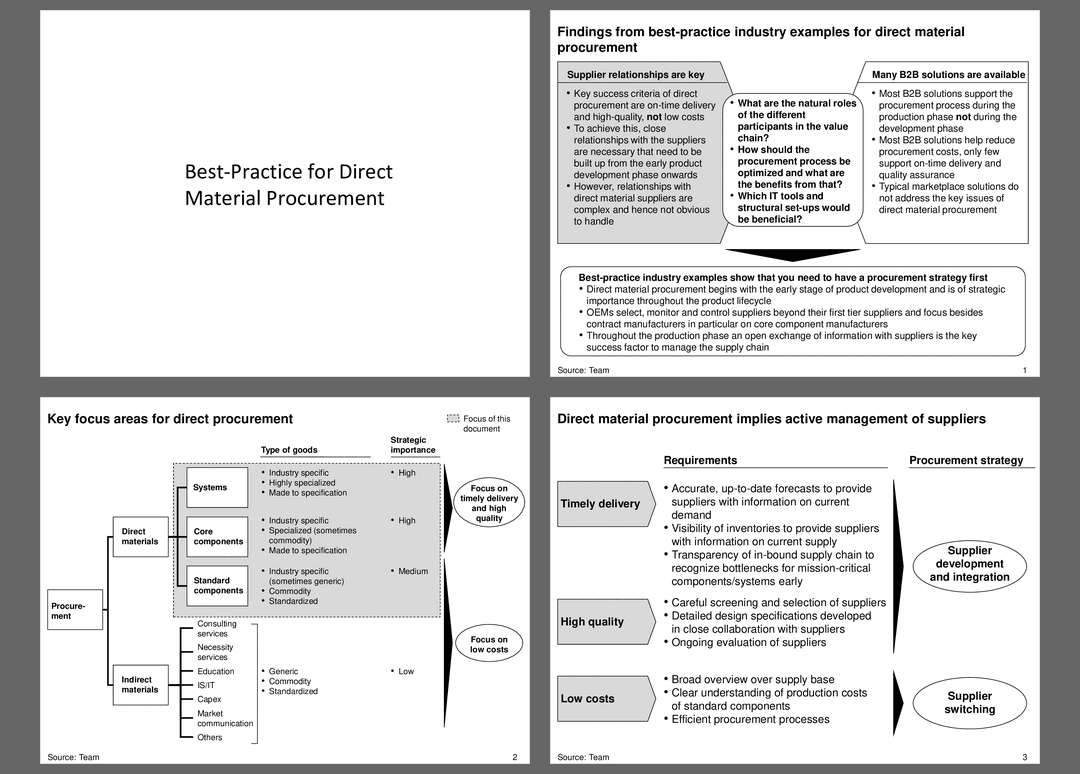
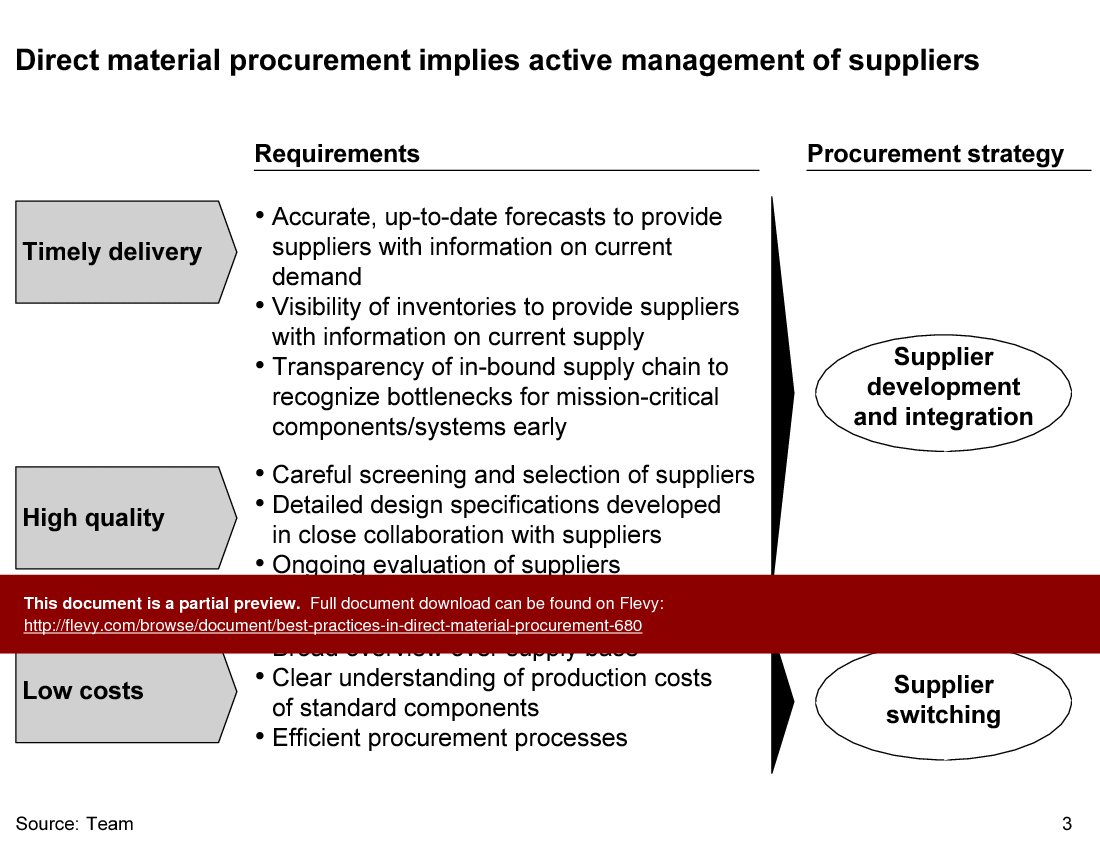
• Key success criteria of direct procurement are on-time delivery and high-quality, not low costs
• To achieve this, close relationships with the suppliers are necessary that need to be built up from the early product development phase onwards
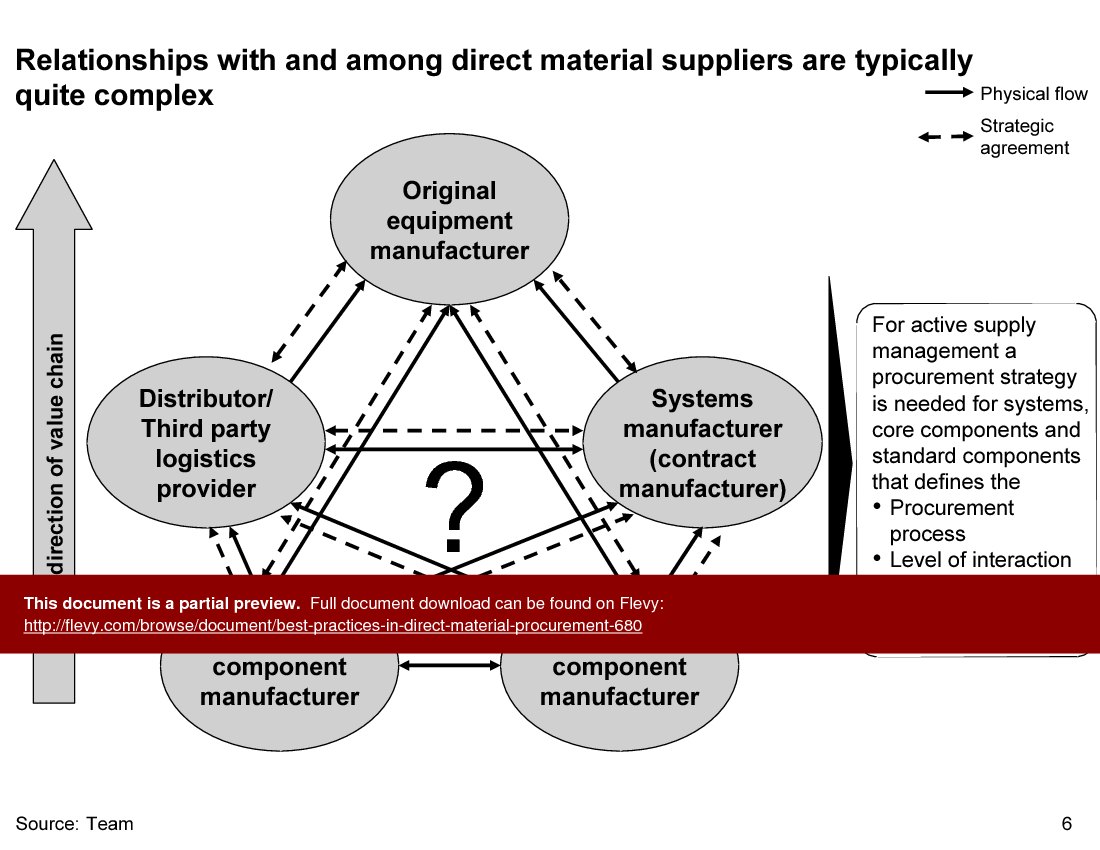
• However, relationships with direct material suppliers are complex and hence not obvious to handle
• Direct material procurement begins with the early stage of product development and is of strategic importance throughout the product lifecycle
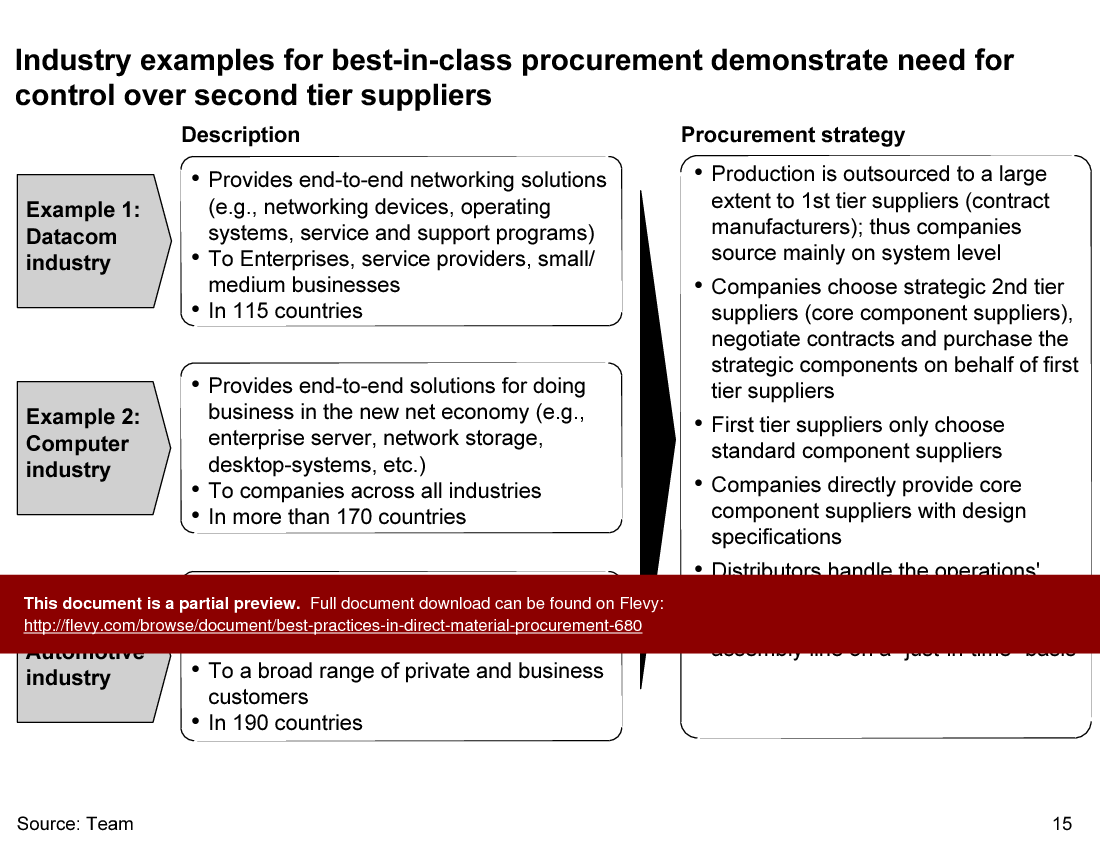
• OEMs select, monitor and control suppliers beyond their first tier suppliers and focus besides contract manufacturers in particular on core component manufacturers
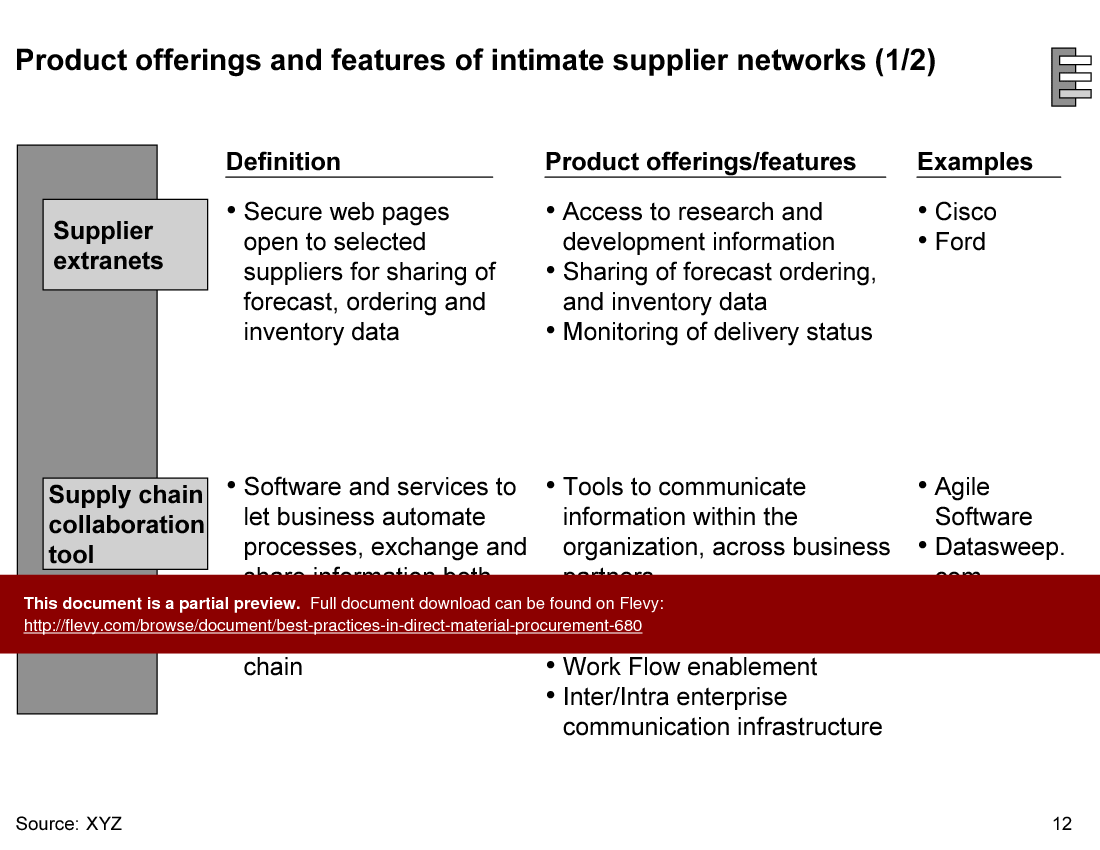
• Throughout the production phase an open exchange of information with suppliers is the key success factor to manage the supply chain
Organizations engage in Direct Material Procurement initiatives for a variety of reasons—foremost, being realizing significant cost reductions. Direct Material Sourcing is often a significant expense for organizations and engaging in Procurement Transformation can help reduce costs through negotiation, supplier consolidation, and procurement process optimization. Additionally, these efforts can provide the benefits of improved supplier relationships, risk management, innovation, strategic alignment, and sustainable procurement.
This presentation delves into the advantages of direct procurement and explain how to manage direct procurement effectively. It also delineates a number of B2B solutions; as well as provides several best practice industry examples in great depth and shows why we need to have a Procurement Strategy first.
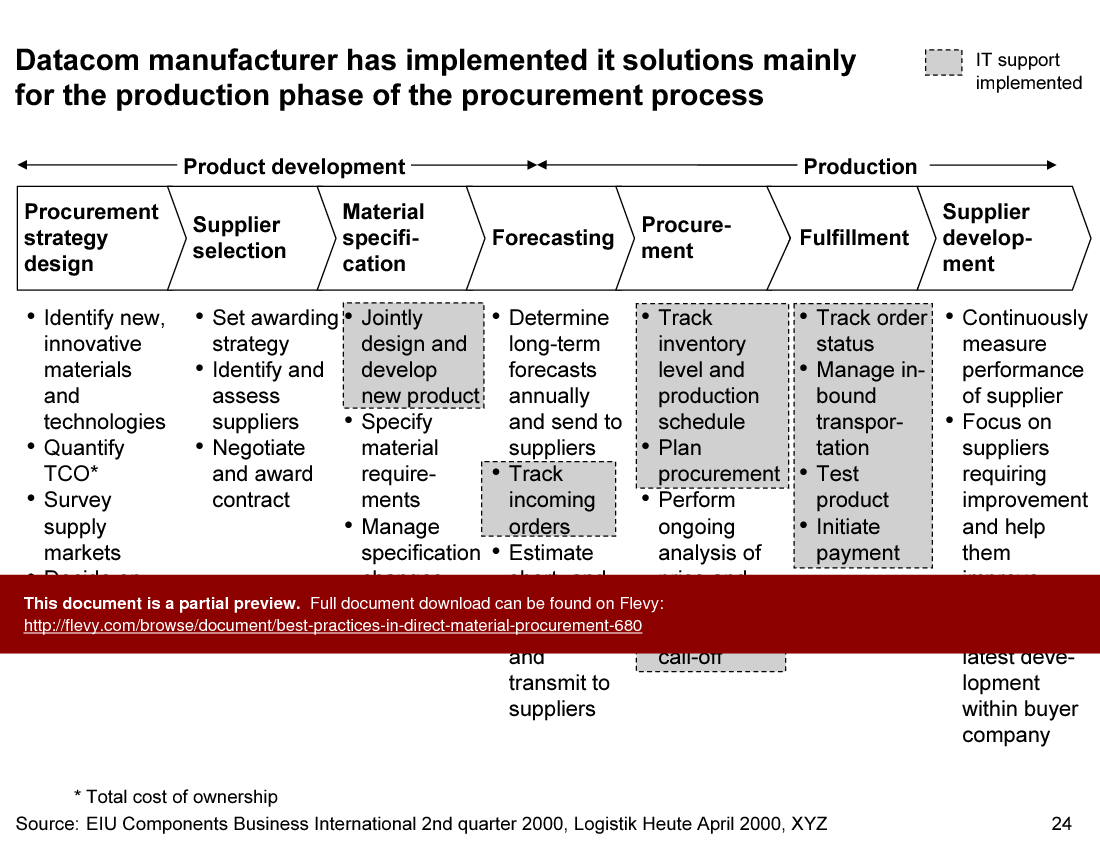
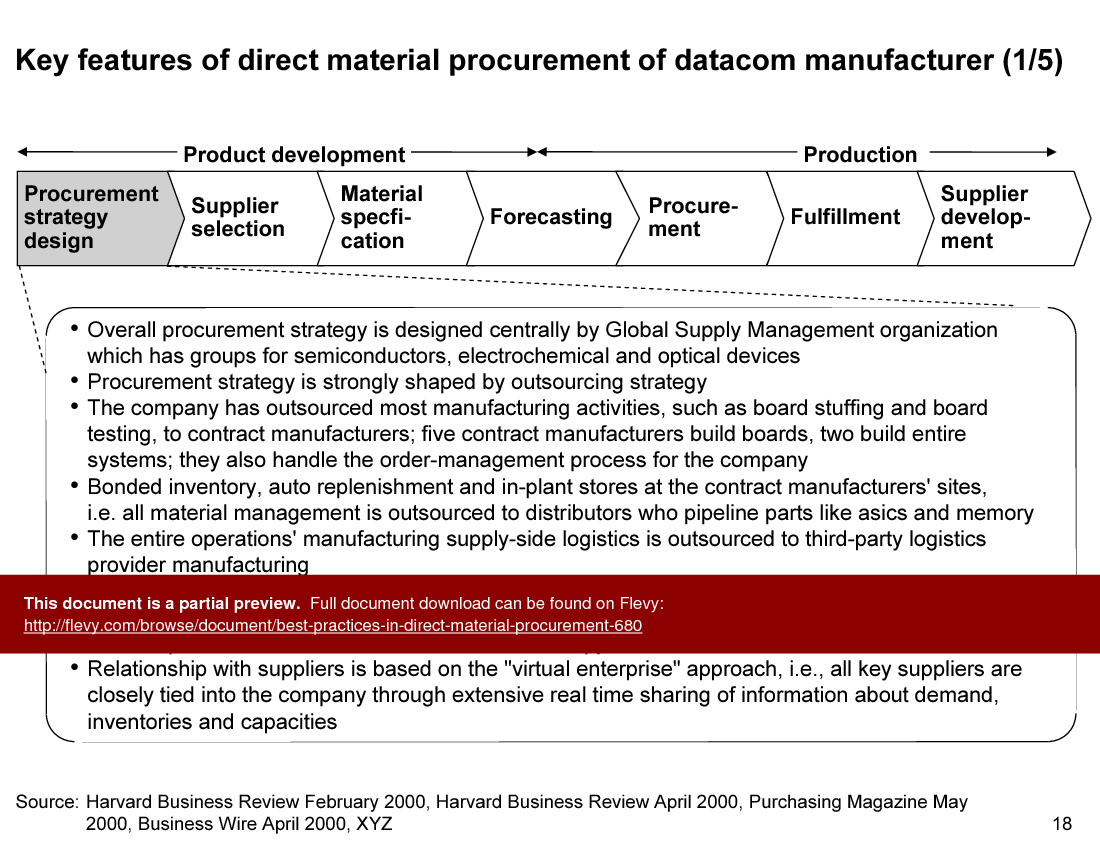
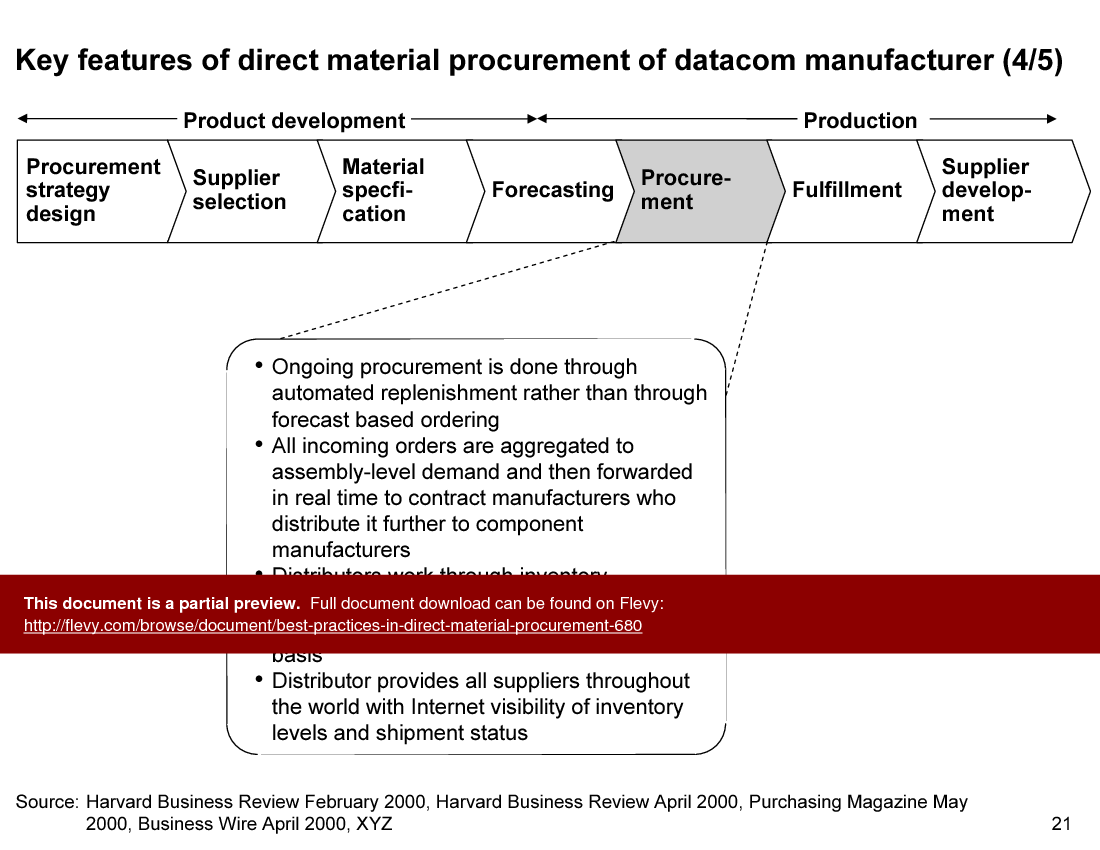
The detailed case study breaks down the 7-phase procurement process that drives successful Procurement Transformation:
1. Procurement Strategy Design
2. Supplier Selection
3. Material Specification
4. Forecasting
5. Procurement
6. Fulfillment
7. Supplier Development
This PowerPoint presentation was developed by a leading global strategy consulting firm. With clear, concise, yet detailed information and engaging business visuals, this presentation is the optimal resource for procurement and sourcing specialists looking to optimize their Direct Procurement Strategies. These direct procurement best practices can be used to manage costs and develop competitive advantages.
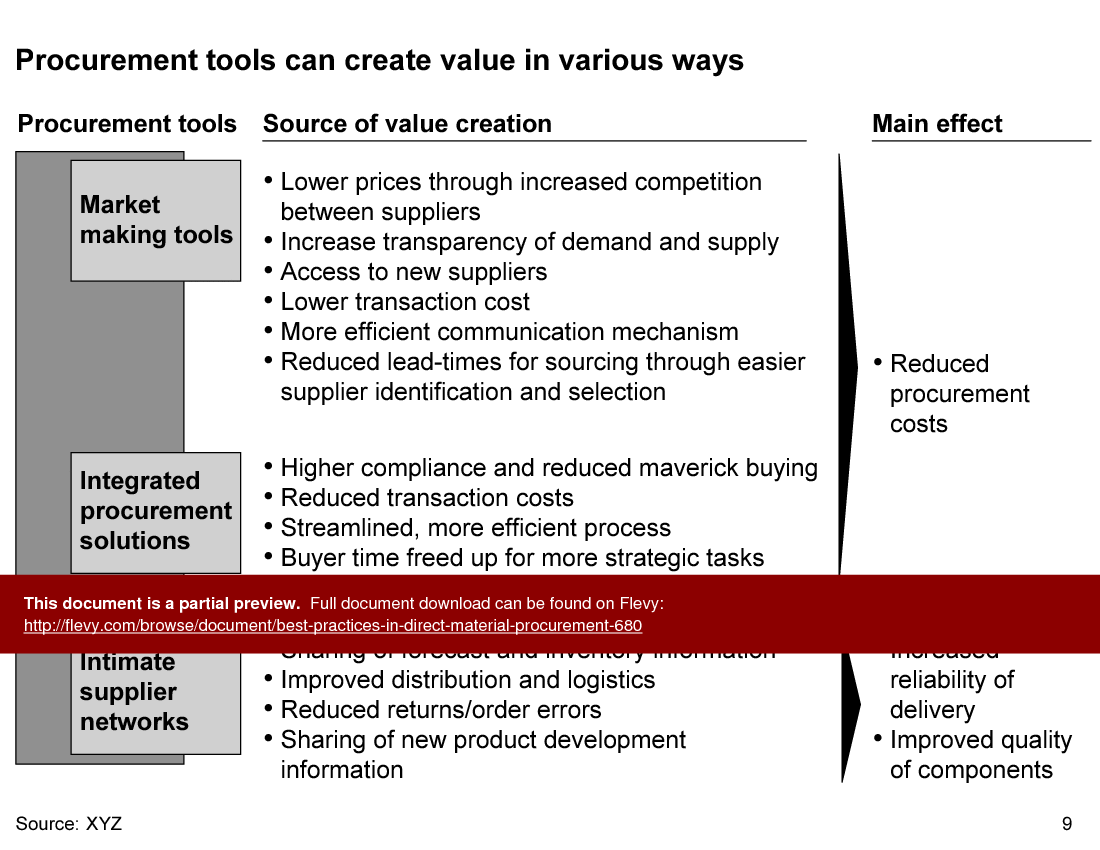
The presentation highlights the importance of accurate forecasting and transparency in supply chains to ensure timely delivery and high-quality standards. It also emphasizes the need for integrated procurement solutions and intimate supplier networks to reduce costs and enhance supplier relationships.
Got a question about the product? Email us at support@flevy.com or ask the author directly by using the "Ask the Author a Question" form. If you cannot view the preview above this document description, go here to view the large preview instead.
Executive Summary
This presentation on Best Practices in Direct Material Procurement is crafted to deliver insights and strategies that align with the rigor and quality you would expect from a McKinsey, Bain, or BCG-quality framework (consulting-grade; not affiliated). It emphasizes the critical role of procurement strategy from the early stages of product development, highlighting the importance of supplier relationships and operational excellence throughout the product lifecycle. Buyers will learn how to enhance supplier selection, optimize procurement processes, and ensure timely delivery and high quality, ultimately driving efficiency and effectiveness in direct material procurement.
Who This Is For and When to Use
• Procurement managers and teams focused on direct material sourcing
• Supply chain leaders responsible for supplier management and optimization
• Product development teams seeking to integrate procurement strategies early in the lifecycle
• Operations executives aiming to enhance quality and delivery performance
Best-fit moments to use this deck:
• During the initial phases of product development to establish procurement strategies
• When assessing and selecting suppliers for direct materials
• In workshops aimed at improving supplier relationships and procurement processes
• For training sessions on best practices in procurement management
Learning Objectives
• Define the strategic importance of direct material procurement in the product lifecycle
• Build effective procurement strategies that prioritize supplier relationships
• Establish processes for timely delivery and high-quality assurance in procurement
• Identify key performance indicators for evaluating supplier performance
• Optimize procurement processes to reduce costs while maintaining quality
• Develop frameworks for ongoing supplier evaluation and relationship management
Table of Contents
• Introduction to Direct Material Procurement (page 1)
• Importance of Procurement Strategy (page 2)
• Supplier Relationship Management (page 3)
• Key Success Factors in Procurement (page 4)
• Procurement Process Overview (page 5)
• Tools and Technologies for Procurement (page 8)
• Industry Best Practices (page 15)
• Case Studies in Direct Material Procurement (page 29)
Primary Topics Covered
• Procurement Strategy - Establishing a comprehensive procurement strategy is essential for managing direct materials effectively throughout the product lifecycle.
• Supplier Relationships - Building and maintaining strong relationships with suppliers is crucial for ensuring timely delivery and high quality.
• Operational Excellence - Mastering both strategic and operational procurement processes is necessary for achieving procurement goals.
• Supplier Evaluation - Implementing ongoing evaluation mechanisms to assess supplier performance against key metrics.
• Technology Integration - Leveraging IT tools to streamline procurement processes and enhance supplier collaboration.
• Cost Management - Understanding the total cost of ownership and implementing strategies to manage procurement costs effectively.
Deliverables, Templates, and Tools
• Procurement strategy template for aligning supplier selection with product development phases
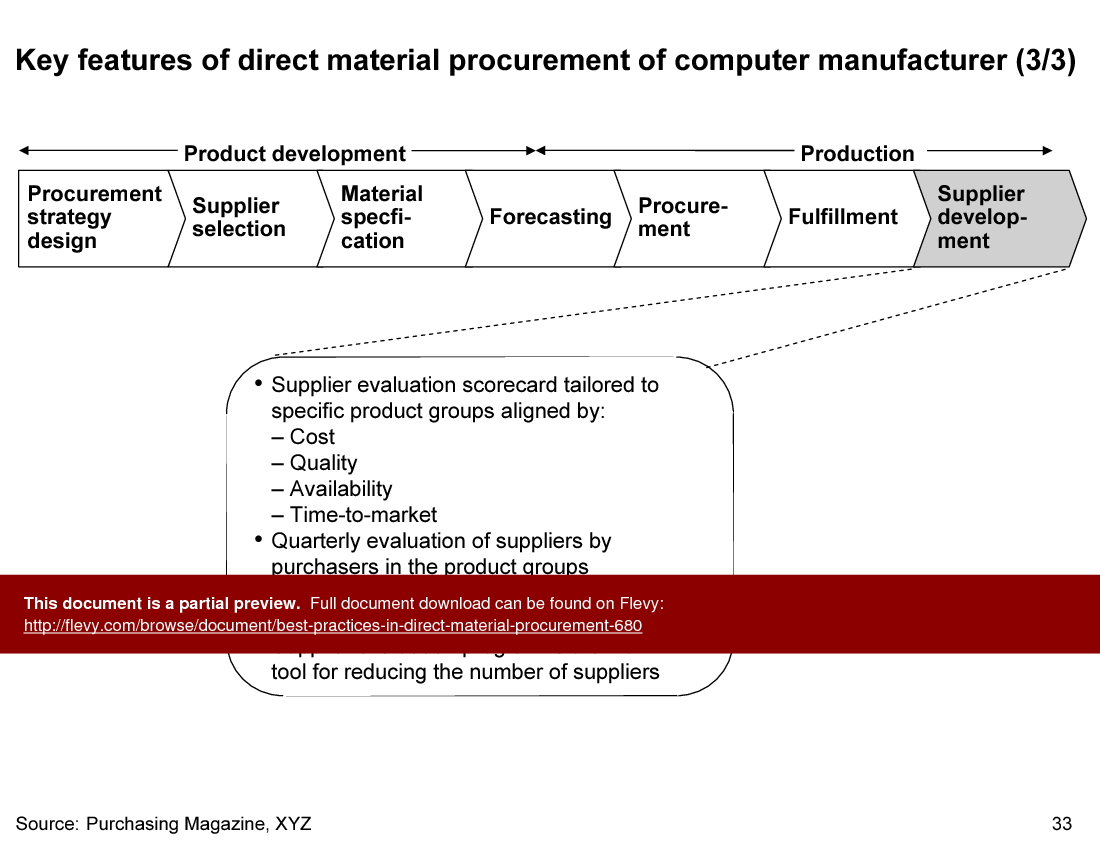
• Supplier evaluation scorecard for assessing performance based on delivery, quality, and cost
• Procurement process flowchart detailing steps from supplier selection to order fulfillment
• IT tool recommendations for enhancing procurement efficiency and supplier collaboration
• Case study examples showcasing successful procurement strategies in various industries
• Best practices checklist for ongoing supplier relationship management
Slide Highlights
• Overview of the procurement lifecycle emphasizing early-stage integration with product development
• Visual representation of supplier relationship dynamics and their impact on procurement success
• Key metrics for evaluating supplier performance and procurement efficiency
• Case studies illustrating best practices from leading industries in direct material procurement
• Tools and technologies that facilitate effective procurement processes and supplier collaboration
Potential Workshop Agenda
Understanding Direct Material Procurement (60 minutes)
• Discuss the strategic importance of procurement in product development
• Identify key success factors for effective supplier relationships
Supplier Selection and Evaluation (90 minutes)
• Review criteria for supplier evaluation and selection
• Develop a supplier evaluation scorecard as a group exercise
Optimizing Procurement Processes (120 minutes)
• Analyze current procurement processes and identify areas for improvement
• Create a roadmap for implementing best practices in procurement
Customization Guidance
• Tailor the procurement strategy template to reflect specific organizational goals and product requirements
• Adjust the supplier evaluation criteria based on industry-specific needs and supplier capabilities
• Incorporate relevant IT tools that align with existing procurement systems and processes
Secondary Topics Covered
• Challenges in managing supplier relationships and strategies to overcome them
• The role of technology in enhancing procurement efficiency
• Industry-specific procurement strategies and their implications
• Trends in direct material procurement and their impact on supply chain management
FAQ
What is the importance of having a procurement strategy?
A procurement strategy is essential for aligning supplier selection with product development, ensuring that materials meet quality and delivery standards throughout the lifecycle.
How can supplier relationships be effectively managed?
Effective management involves open communication, regular performance evaluations, and collaborative problem-solving to build trust and reliability.
What are the key success factors in direct material procurement?
Key success factors include timely delivery, high quality, and strong supplier relationships, rather than solely focusing on cost reduction.
What tools can support the procurement process?
Tools such as supplier evaluation scorecards, procurement management software, and collaborative platforms can enhance efficiency and supplier engagement.
How can procurement processes be optimized?
Optimization can be achieved through process mapping, identifying bottlenecks, and implementing best practices for supplier management and evaluation.
What metrics should be used to evaluate supplier performance?
Metrics should include on-time delivery rates, quality levels, responsiveness, and overall cost performance.
How can technology enhance procurement efficiency?
Technology can streamline processes, improve communication, and provide real-time data for better decision-making in procurement.
What are the challenges in direct material procurement?
Challenges include managing complex supplier relationships, ensuring quality and timely delivery, and adapting to market fluctuations.
Glossary
• Direct Material Procurement - The process of sourcing and acquiring materials directly used in production.
• Supplier Relationship Management - Strategies and practices for managing interactions with suppliers to enhance performance.
• Total Cost of Ownership (TCO) - The comprehensive assessment of all costs associated with purchasing and using a product or service.
• Procurement Strategy - A plan that outlines how an organization will acquire goods and services to meet its operational needs.
• Supplier Evaluation Scorecard - A tool used to assess and rate supplier performance based on predefined criteria.
• Operational Procurement Processes - Day-to-day activities involved in acquiring goods and services.
• Strategic Procurement Processes - Long-term planning and decision-making related to sourcing and supplier management.
• IT Tools - Software applications that support procurement activities and enhance supplier collaboration.
• Market Communication - The process of sharing information about procurement needs and supplier capabilities.
• Supplier Development - Initiatives aimed at improving supplier performance and capabilities.
• Forecasting - The process of predicting future demand for materials based on historical data and market trends.
• Material Specification - Detailed descriptions of the materials required for production, including quality and performance standards.
• Fulfillment - The process of ensuring that ordered materials are delivered on time and meet specified requirements.
• Change Management - The approach to managing changes in material specifications or supplier relationships.
• Inventory Management - The process of overseeing and controlling inventory levels to meet production needs.
• Just-in-Time (JIT) - An inventory strategy that aligns material orders with production schedules to minimize holding costs.
• Contract Manufacturer - A third-party company that produces goods on behalf of another company, often handling procurement of materials.
• Core Component Manufacturer - A supplier that provides essential components critical to the production process.
• Standard Component Manufacturer - A supplier that provides widely used, non-specialized components.
• B2B Solutions - Business-to-business platforms and tools designed to facilitate procurement and supply chain management.
Source: Best Practices in Procurement Strategy PowerPoint Slides: Best Practices in Direct Material Procurement PowerPoint (PPT) Presentation Slide Deck, Documents & Files
|
Receive our FREE presentation on Operational Excellence
This 50-slide presentation provides a high-level introduction to the 4 Building Blocks of Operational Excellence. Achieving OpEx requires the implementation of a Business Execution System that integrates these 4 building blocks. |