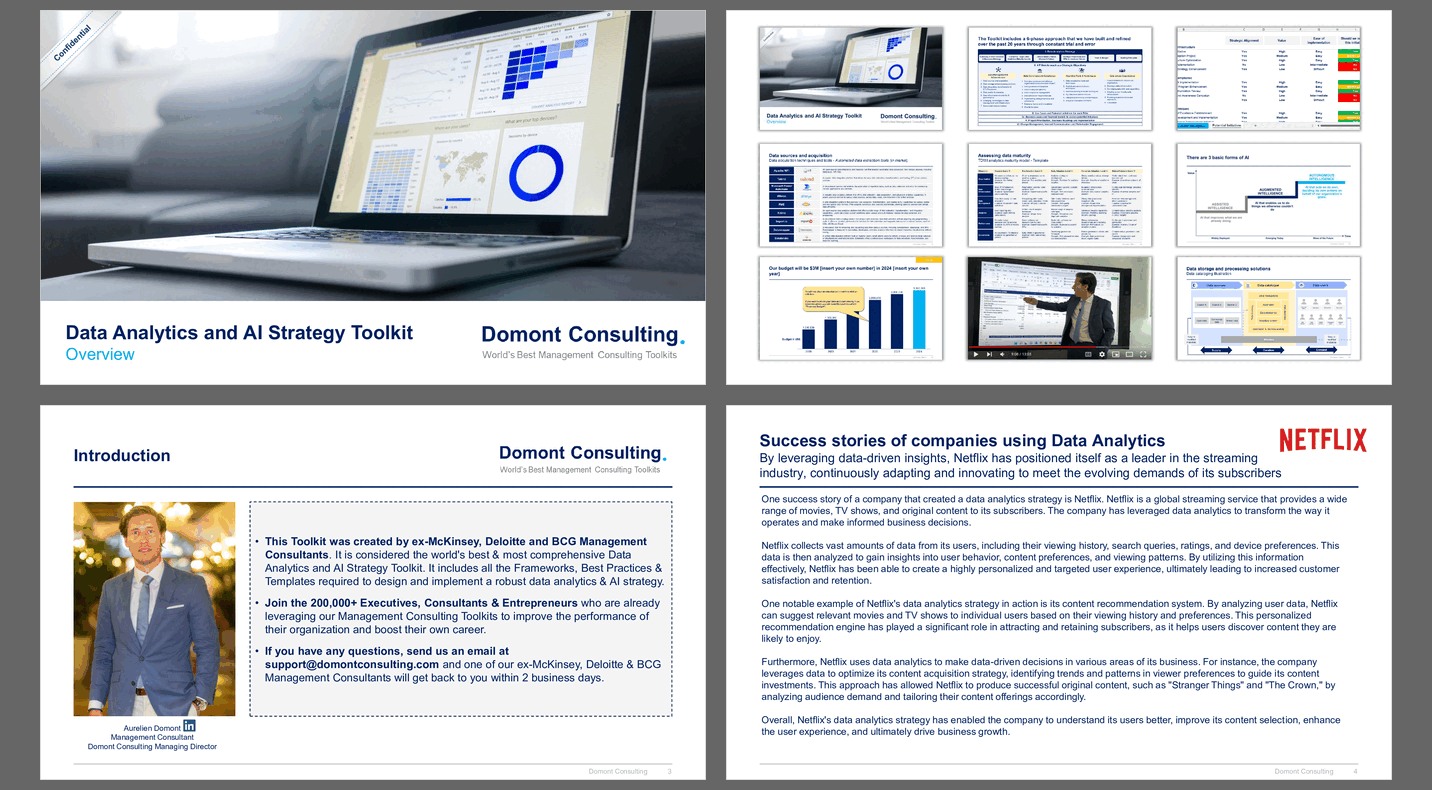
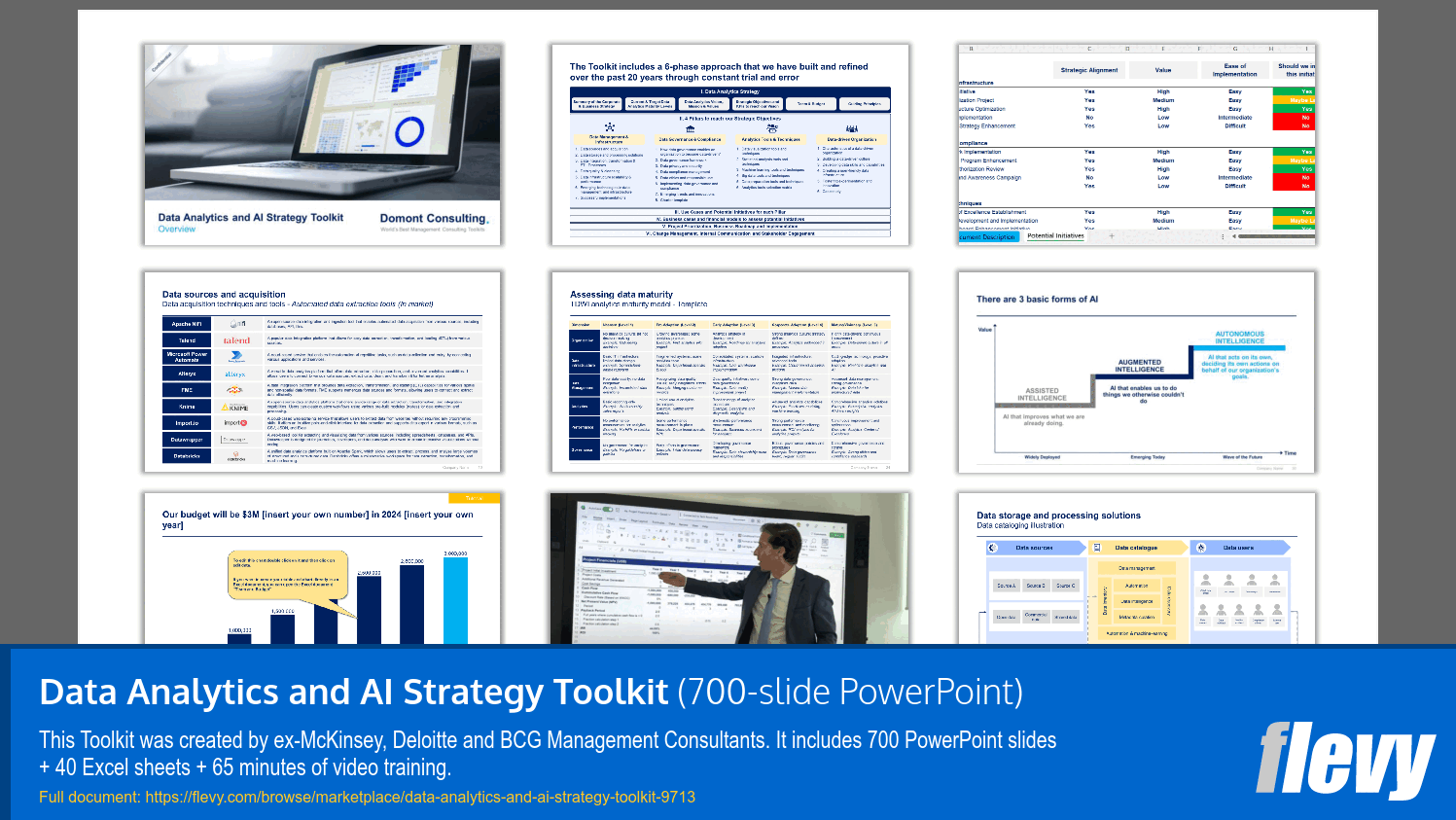
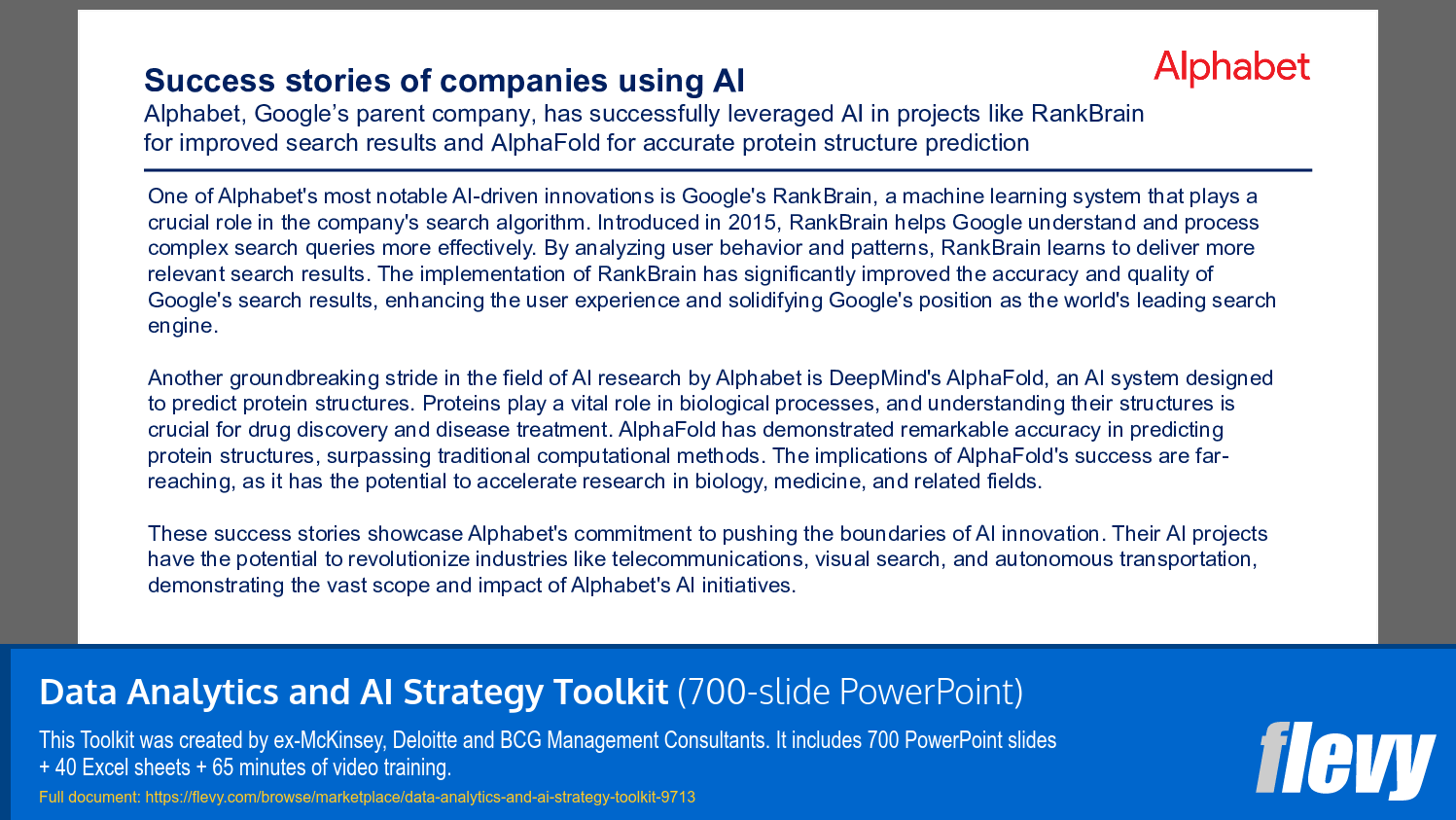
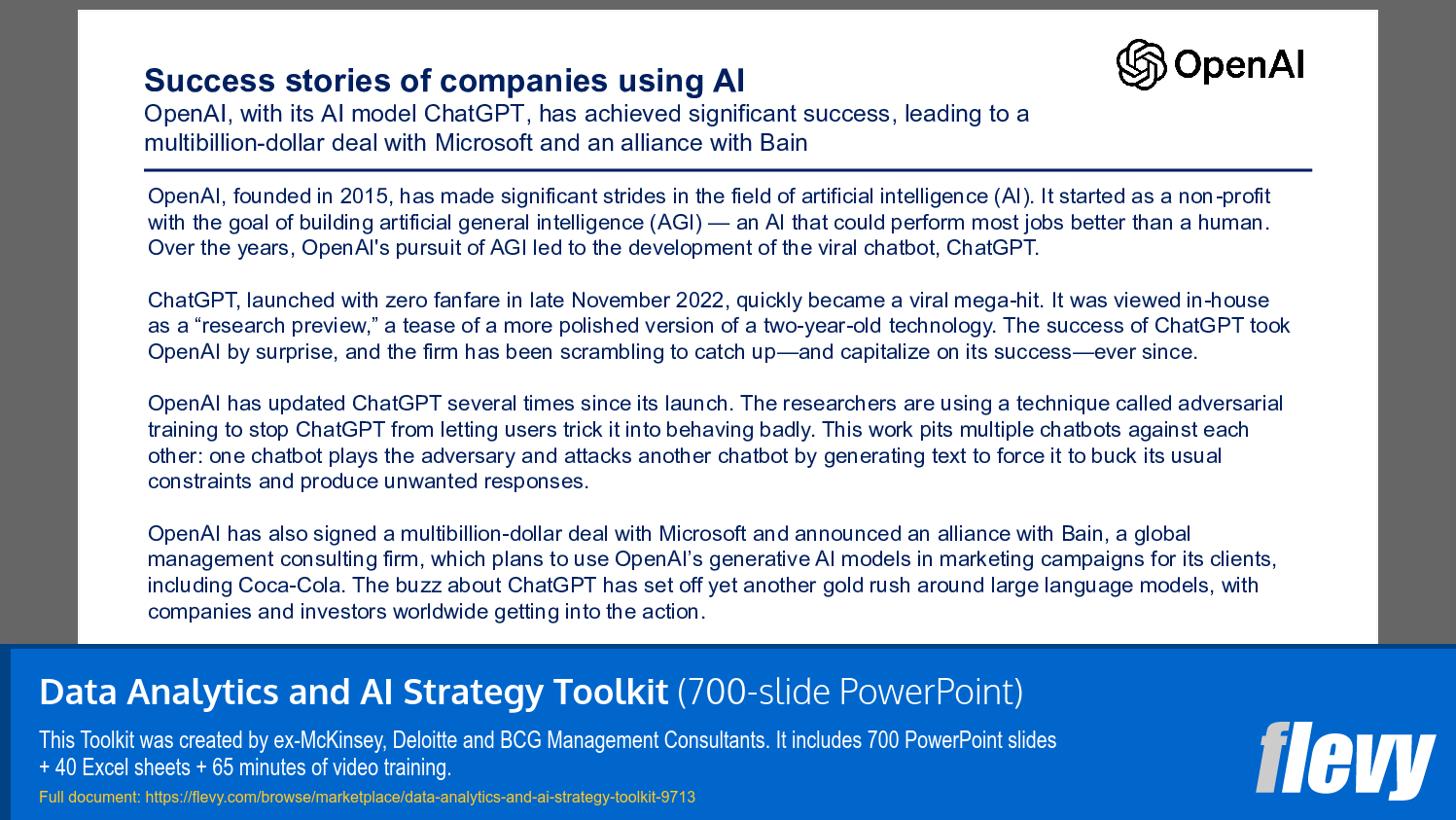

This Toolkit was created by ex-McKinsey, Deloitte and BCG Management Consultants. It is considered the world's best & most comprehensive Data Analytics and AI Strategy Toolkit. It includes all the Frameworks, Best Practices & Templates required to design and implement a robust data analytics & AI strategy.

The Toolkit includes: 700 PowerPoint slides + 40 Excel sheets + 65 minutes of video training.
This Toolkit includes frameworks, tools, templates, tutorials, real-life examples, best practices, and video training to help you:
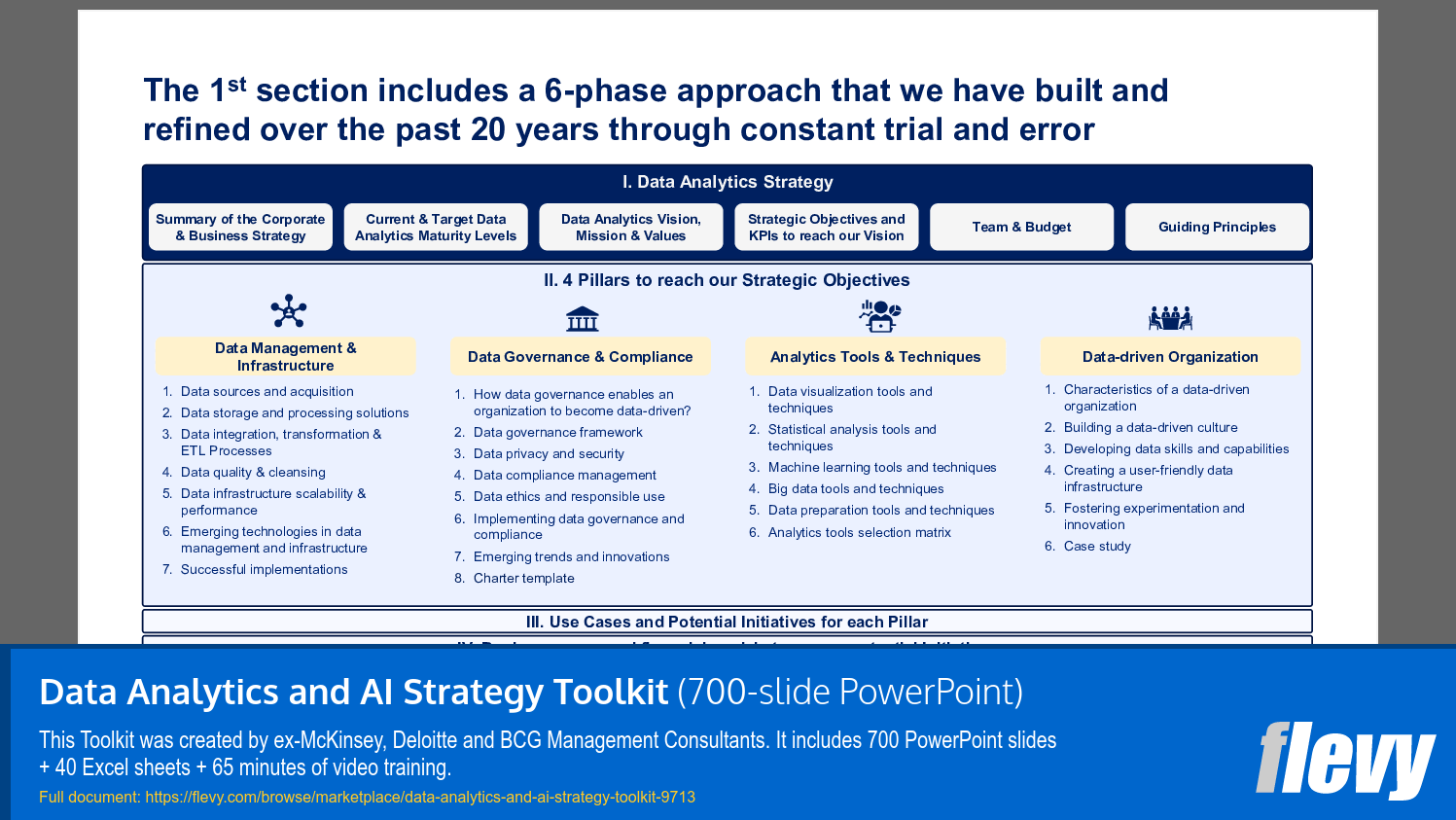
• Define and implement your Data Analytics Strategy: (1) Summary of the Corporate & Business Strategy, (2) Current & Target Data Analytics Maturity Levels, (3) Data Analytics Vision, Mission & Values, (4) Strategic Objectives and KPIs to reach our Vision, (5) Team & Budget, (6) Guiding Principles
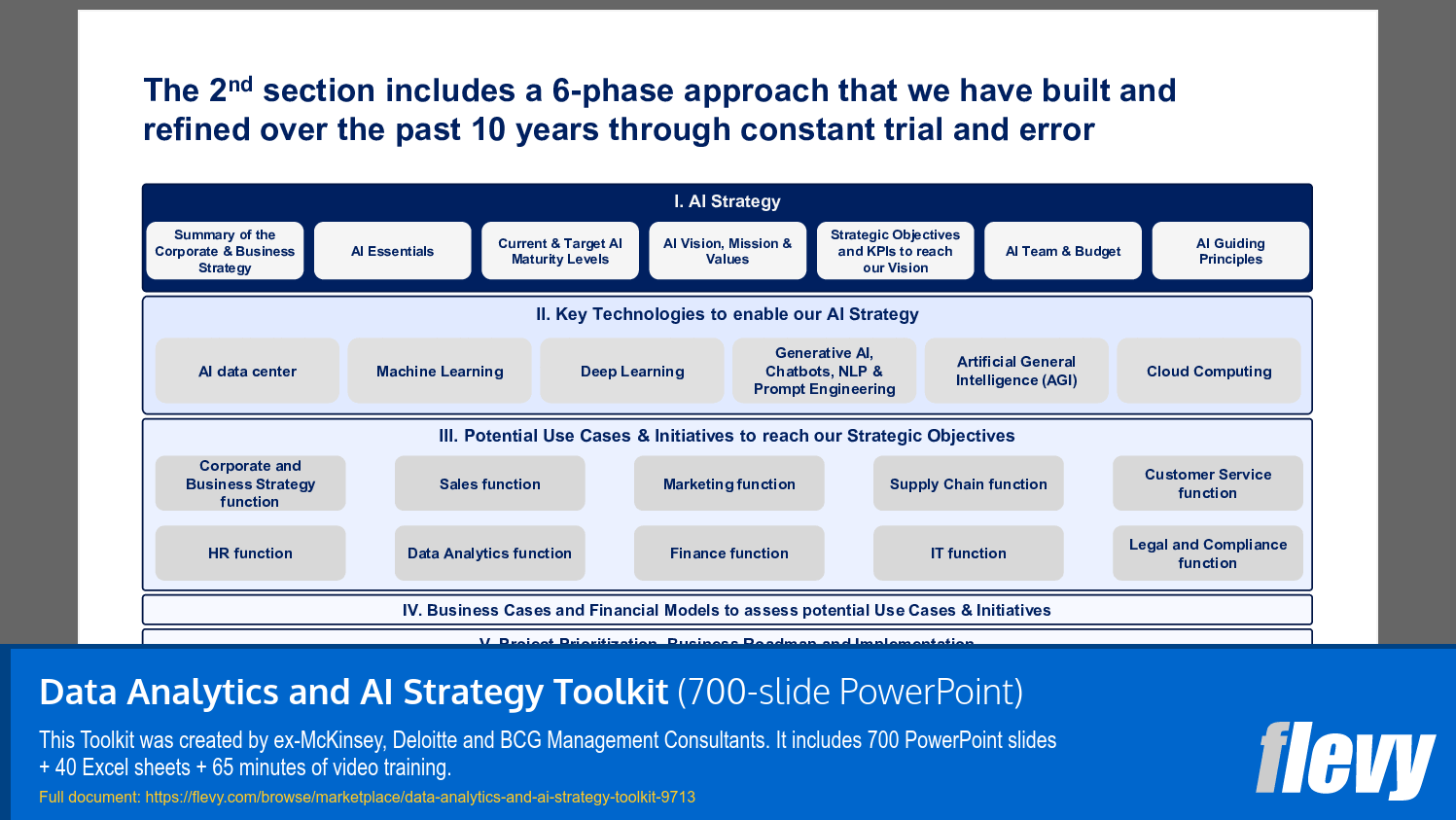
• Define and implement your AI Strategy: (1) Summary of the Corporate & Business Strategy, (2) AI Essentials, (3) Current & Target AI Maturity Levels, (4) AI Vision, Mission & Values, (5) Strategic Objectives and KPIs to reach our Vision, (6) Team & Budget, (7) Guiding Principles
• Build your 4 pillars to reach your Data Analytics Strategic Objectives: (1) Data Management & Infrastructure, (2) Data Governance & Compliance, (3) Analytics Tools & Techniques, (4) Data-driven Organization
• Identify the key Technologies to enable your AI Strategy: (1) AI data center, (2) Machine Learning, (3) Deep Learning, (4) Generative AI Chatbots, NLP & Prompt Engineering, (5) Artificial General Intelligence, (6) Cloud Computing
• Identify Use Cases and Potential Initiatives in Data Analytics and AI
• List your potential initiatives in Data Analytics and AI
• Create your business cases and financial models to assess potential initiatives
• Prioritize, plan and implement your projects: (1) Project prioritization, (2) Business roadmap, (3) Governance, (4) Dashboards, (5) Project implementation: agile methodology, design thinking and traditional methodology, (6) Continuous improvement (7) Post program/projects evaluation and lessons learnt
• Define and implement your change management strategy, internal communication strategy, and stakeholder engagement strategy: (1) Change management strategy, (2) Change management plans, (3) Implementation, tracking and progress management, (4) Effective communication
Got a question about the product? Email us at support@flevy.com or ask the author directly by using the "Ask the Author a Question" form. If you cannot view the preview above this document description, go here to view the large preview instead.
Executive Summary
The Data Analytics and AI Strategy Toolkit is a premier resource developed by ex-McKinsey, Deloitte, and BCG management consultants. This comprehensive toolkit includes 700 editable PowerPoint slides, 40 Excel sheets, and 65 minutes of video training, designed to equip organizations with the frameworks, best practices, and templates necessary to create and implement effective data analytics and AI strategies. Users will gain insights into defining their analytics vision, assessing maturity levels, and prioritizing initiatives to enhance organizational performance.
Who This Is For and When to Use
• Corporate executives looking to enhance data-driven decision-making.
• Consultants seeking structured frameworks for client engagements.
• Data analytics teams aiming to standardize processes and methodologies.
• Business leaders interested in integrating AI into their operations.
Best-fit moments to use this deck:
• During strategic planning sessions to align data analytics and AI initiatives with corporate goals.
• When assessing current data maturity and identifying areas for improvement.
• In workshops focused on developing actionable project roadmaps and governance structures.
Learning Objectives
• Define and implement a comprehensive data analytics strategy aligned with business objectives.
• Assess current and target data analytics maturity levels to identify gaps.
• Develop a robust AI strategy that includes essential technologies and use cases.
• Create business cases and financial models to evaluate potential initiatives.
• Prioritize projects effectively and implement governance frameworks.
• Establish change management and stakeholder engagement strategies to ensure successful adoption.
Table of Contents
• Introduction to Data Analytics and AI Strategy Toolkit (page 3)
• Overview of Data Analytics Strategy (page 12)
• Overview of AI Strategy (page 13)
• Data Management & Infrastructure (page 12)
• Data Governance & Compliance (page 12)
• Analytics Tools & Techniques (page 12)
• Use Cases and Potential Initiatives (page 12)
• Project Prioritization and Implementation (page 12)
• Change Management and Communication Strategies (page 12)
• Video Training Overview (page 19)
• Toolkit Benefits (page 20)
• Client Testimonials (page 21)
Primary Topics Covered
• Data Analytics Strategy - A structured approach to defining and implementing a data analytics strategy that aligns with corporate objectives.
• AI Strategy - Comprehensive guidelines for developing an AI strategy, including essential technologies and use cases.
• Data Management & Infrastructure - Frameworks for managing data sources, storage, and processing to support analytics initiatives.
• Data Governance & Compliance - Best practices for establishing data governance frameworks that ensure compliance and ethical use of data.
• Analytics Tools & Techniques - An overview of tools and techniques for effective data analysis and visualization.
• Project Prioritization - Methods for assessing and prioritizing analytics and AI initiatives based on strategic value and feasibility.
Deliverables, Templates, and Tools
• Editable PowerPoint presentation templates for data analytics and AI strategy development.
• Excel sheets for assessing data maturity and tracking project progress.
• Video training modules for step-by-step guidance on implementing strategies.
• Frameworks for data governance and compliance management.
• Business case and financial model templates for evaluating initiatives.
• Project prioritization matrices to aid in decision-making.
Slide Highlights
• Overview slide detailing the toolkit's components and structure.
• Data maturity assessment framework illustrating evaluation criteria.
• AI strategy development slide outlining key technologies and use cases.
• Change management strategy slide with stakeholder engagement plans.
• Project prioritization matrix highlighting strategic alignment and feasibility.
Potential Workshop Agenda
Data Analytics Strategy Workshop (90 minutes)
• Define organizational data analytics vision and objectives.
• Assess current data maturity and identify gaps.
• Develop a prioritized action plan for analytics initiatives.
AI Strategy Development Session (60 minutes)
• Identify key AI technologies relevant to the organization.
• Discuss potential use cases and their alignment with business goals.
• Create a roadmap for AI implementation and governance.
Customization Guidance
• Tailor the toolkit’s templates to reflect your organization’s specific data analytics and AI goals.
• Update the project prioritization matrix with your unique criteria and initiatives.
• Modify the change management plans to align with your organizational culture and communication preferences.
Secondary Topics Covered
• Emerging trends in data management and analytics.
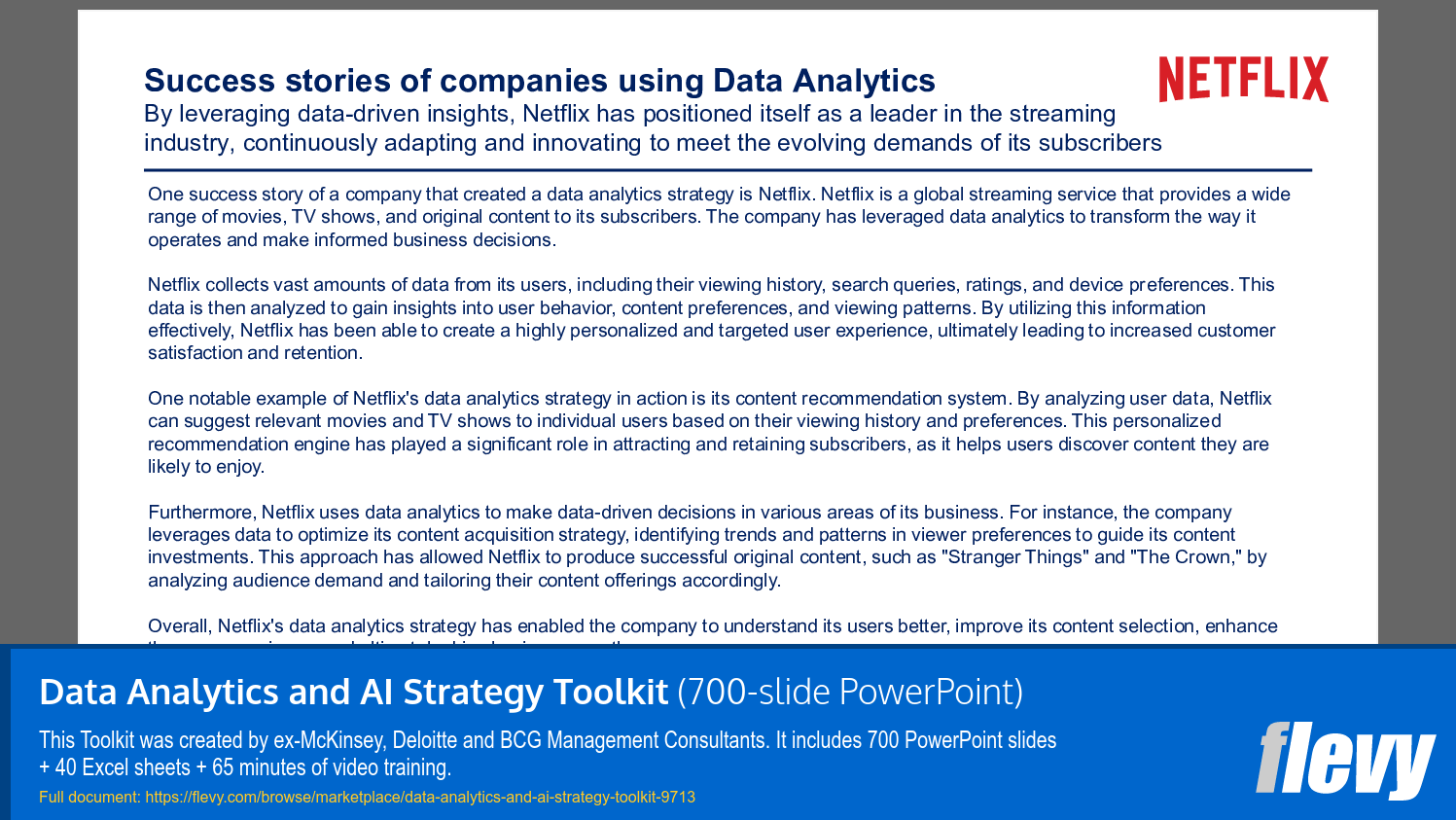
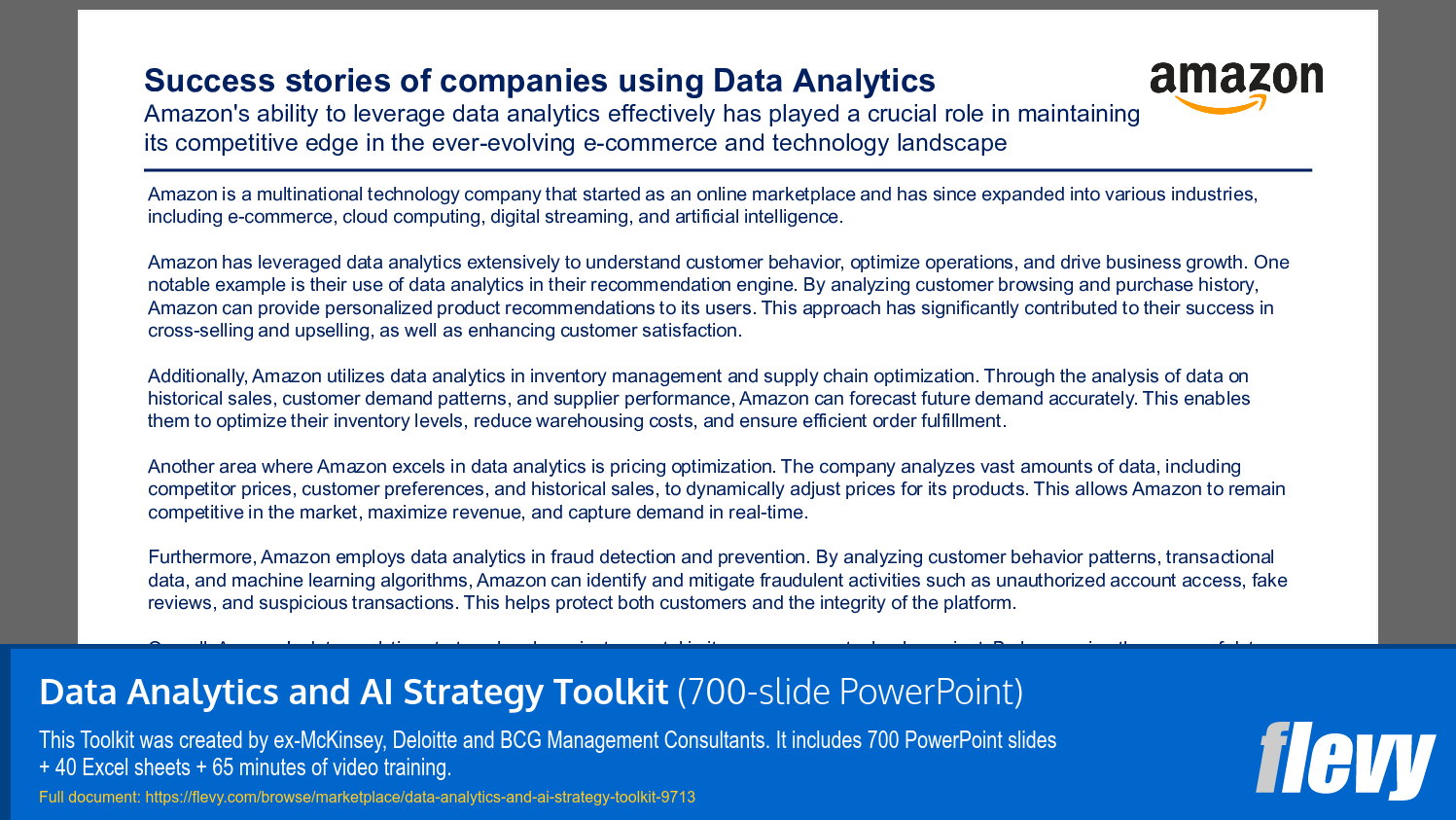
• Case studies of successful data analytics and AI implementations.
• Best practices for fostering a data-driven organizational culture.
• Techniques for measuring the impact of analytics initiatives.
Topic FAQ
Document FAQ
These are questions addressed within this presentation.
What is included in the Data Analytics and AI Strategy Toolkit?
The toolkit includes 700 PowerPoint slides, 40 Excel sheets, and 65 minutes of video training focused on data analytics and AI strategies.
Who developed this toolkit?
The toolkit was created by ex-McKinsey, Deloitte, and BCG management consultants, ensuring high-quality content and frameworks.
How can this toolkit benefit my organization?
It provides structured frameworks and best practices to enhance data-driven decision-making and improve organizational performance.
Is there support available after purchase?
Yes, users can access support from ex-McKinsey, Deloitte, and BCG consultants for guidance on implementing the toolkit.
Can I customize the templates in the toolkit?
Absolutely, all templates are fully editable to fit your organization’s specific needs and objectives.
What types of organizations can benefit from this toolkit?
The toolkit is suitable for corporate executives, consultants, and teams across various industries looking to enhance their data analytics and AI capabilities.
How do I access the video training?
Video training is included in the toolkit and can be accessed immediately after purchase.
What if I need more than one toolkit?
Consider the Gold Access option, which provides access to all toolkits at a discounted rate.
Glossary
• Data Analytics - The process of examining data sets to draw conclusions about the information they contain.
• AI (Artificial Intelligence) - The simulation of human intelligence processes by machines, particularly computer systems.
• Data Governance - The management of data availability, usability, integrity, and security in an organization.
• Maturity Model - A framework for assessing the maturity of an organization's data analytics capabilities.
• Use Case - A specific situation in which a product or service could potentially be used.
• Stakeholder Engagement - The process of involving individuals or groups who may be affected by or can affect a project.
• Change Management - The approach to transitioning individuals, teams, and organizations to a desired future state.
• Project Roadmap - A strategic plan that outlines the steps needed to achieve specific goals.
• Business Case - A document that outlines the justification for a proposed project or initiative.
• Governance Framework - A structure that outlines how decisions are made and how accountability is maintained within an organization.
• Data-Driven Organization - An organization that makes decisions based on data analysis and interpretation.
• Financial Model - A representation of an organization's financial performance, used to forecast future financial outcomes.
• Analytics Tools - Software applications used to analyze data and generate insights.
• ETL (Extract, Transform, Load) - A process used to extract data from various sources, transform it into a usable format, and load it into a destination database.
• Machine Learning - A subset of AI that enables systems to learn from data and improve performance over time without being explicitly programmed.
• Generative AI - AI systems that can create new content or data based on existing data inputs.
• NLP (Natural Language Processing) - A field of AI that focuses on the interaction between computers and humans through natural language.
• Cloud Computing - The delivery of computing services over the internet, allowing for flexible resources and scalability.
• Data Quality - The condition of a dataset based on factors such as accuracy, completeness, reliability, and relevance.
• Data Ethics - The principles and guidelines that govern the responsible use of data.
• Business Roadmap - A strategic plan that outlines the steps needed to achieve business objectives.
• Continuous Improvement - Ongoing efforts to improve products, services, or processes over time.
Source: Best Practices in Artificial Intelligence, Analytics PowerPoint Slides: Data Analytics and AI Strategy Toolkit PowerPoint (PPTX) Presentation Slide Deck, Domont Consulting
|
Download our FREE Digital Transformation Templates
Download our free compilation of 50+ Digital Transformation slides and templates. DX concepts covered include Digital Leadership, Digital Maturity, Digital Value Chain, Customer Experience, Customer Journey, RPA, etc. |