
This presentation was prepared for organizations and individuals who are desirous of learning to write proposals but have no experience in proposal writing. With an emphasis on finding a funder and writing at least part of a mini proposal, and preparing data collection. This presentation includes the following sections:
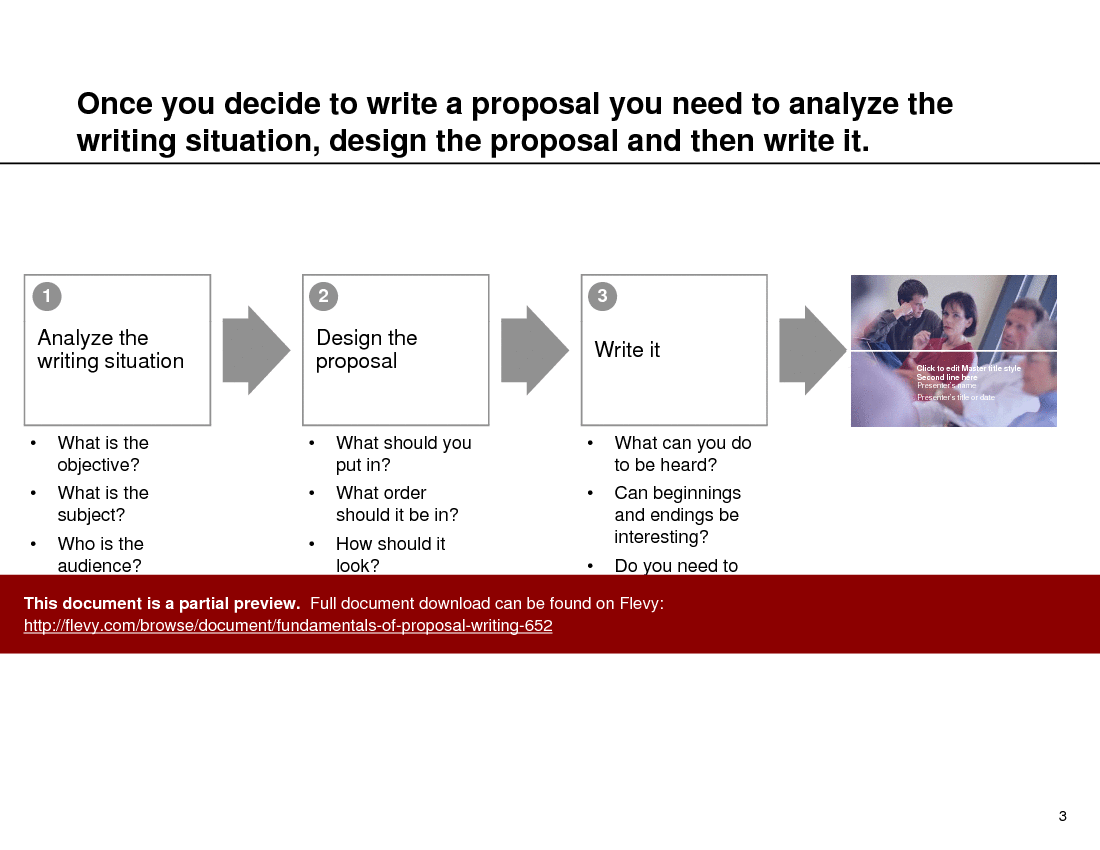
• Analyzing the Writing Situation (What is the objective?; What is the subject?; Who is the audience?)
• Designing the Proposal (What should you put in?; What order should it be in?; How should it look?)
• Writing It (What can you do to be heard?; How can beginnings and endings be interesting?; How do you need to edit?; How to ensure quality of the proposal?)
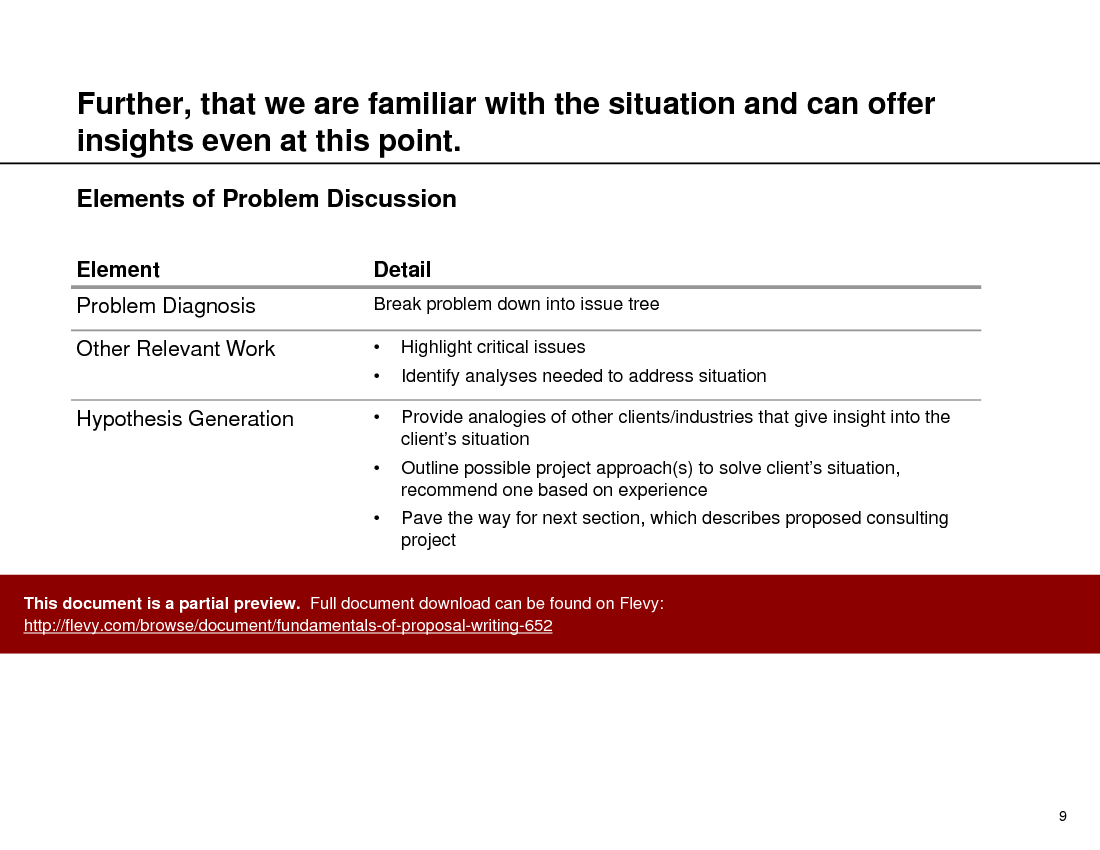
This document delves into the critical elements of proposal writing, including the analysis of the writing situation, audience, and the logical structure of the proposal. It emphasizes the importance of understanding the client's problem and outlining a clear approach to solving it. The document provides a detailed breakdown of each section of a proposal, from the problem diagnosis to the anticipated benefits and project timeline.
The presentation also highlights the necessity of tailoring the proposal to the client's specific needs and expectations. It includes guidelines on how to present your firm's qualifications, relevant project experience, and thought leadership. By following these guidelines, you can ensure that your proposal stands out and effectively communicates your ability to deliver the desired outcomes.
Additionally, the document includes a comprehensive checklist for the proposal process, ensuring that all critical aspects are covered before submission. This includes gathering client input, assessing the business case, and conducting a thorough quality assurance review. This structured approach helps in creating a compelling and professional proposal that meets the client's requirements and expectations.
Got a question about the product? Email us at support@flevy.com or ask the author directly by using the "Ask the Author a Question" form. If you cannot view the preview above this document description, go here to view the large preview instead.
Executive Summary
The "Fundamentals of Proposal Writing" presentation provides a structured approach to crafting effective proposals. It guides users through analyzing the writing situation, designing the proposal, and executing the writing process. By leveraging this resource, corporate executives and consultants will enhance their proposal development skills, ensuring clarity, engagement, and alignment with client expectations. This presentation equips users with the necessary tools to create compelling proposals that resonate with their audience and achieve desired outcomes.
Who This Is For and When to Use
• Corporate executives responsible for strategic decision-making and proposal approvals
• Consultants tasked with developing proposals for client projects
• Project managers seeking to enhance proposal effectiveness
• Business development teams focused on securing new contracts
Best-fit moments to use this deck:
• When initiating a new proposal project
• During proposal development workshops
• For training sessions on effective communication and proposal writing
Learning Objectives
• Define the key components of a successful proposal
• Analyze the writing situation to tailor proposals effectively
• Design a proposal structure that meets client needs
• Write engaging content that captures the audience's attention
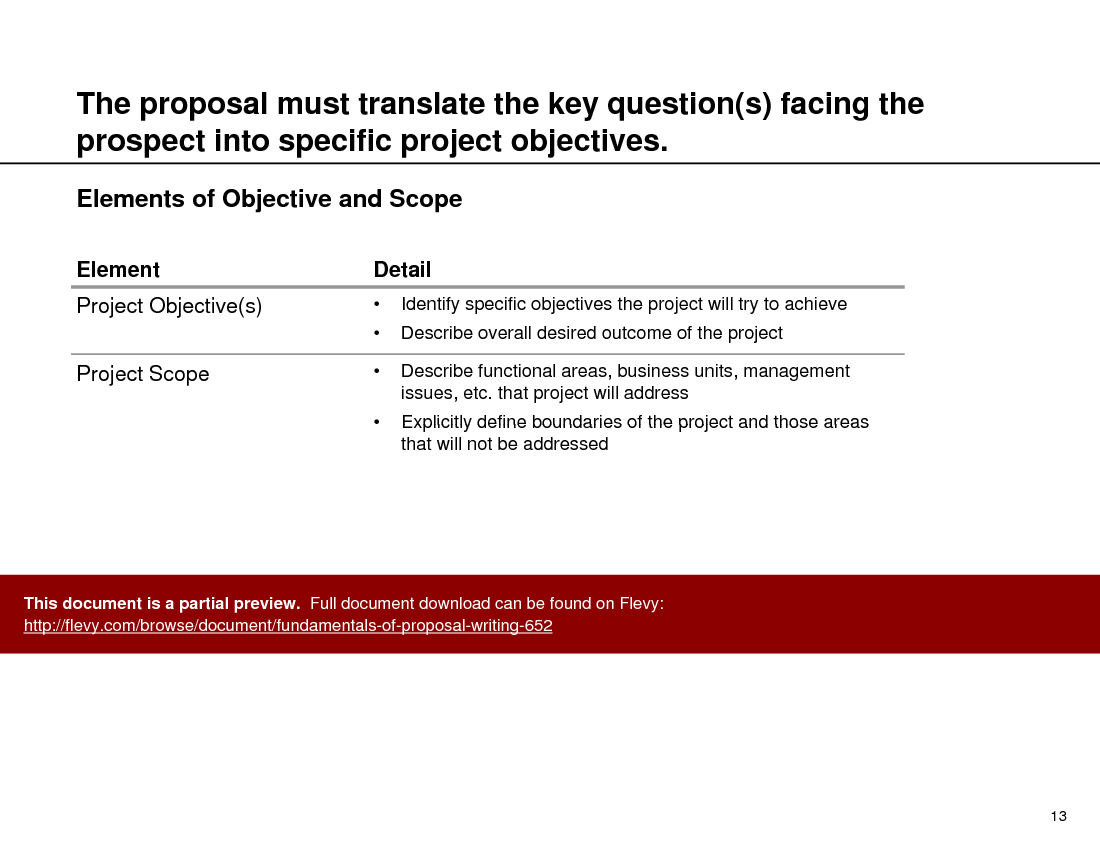
• Identify and articulate project objectives and scope
• Present anticipated benefits clearly and convincingly
Table of Contents
• Analyzing the Writing Situation (page 2)
• Designing the Proposal (page 2)
• Writing It (page 2)
• Objectives of the Proposal (page 4)
• Audience Analysis (page 5)
• Proposal Format Options (page 6)
• Key Elements of Proposals (page 7)
• Approach and Deliverables (page 14)
• Anticipated Benefits (page 18)
• Project Timeline (page 19)
• Staffing Requirements (page 21)
• Qualifications and Differentiators (page 23)
• Quality Assurance Review (page 29)
• Arrangement Letter Elements (page 32)
Primary Topics Covered
• Analyzing the Writing Situation - Understand the proposal's objectives, subject, and audience to tailor the content effectively.
• Designing the Proposal - Choose the appropriate format and structure to present information clearly and logically.
• Writing the Proposal - Craft engaging content that addresses the client's needs and expectations while maintaining clarity and professionalism.
• Objectives and Scope - Clearly define the project's objectives and the scope of work to set expectations.
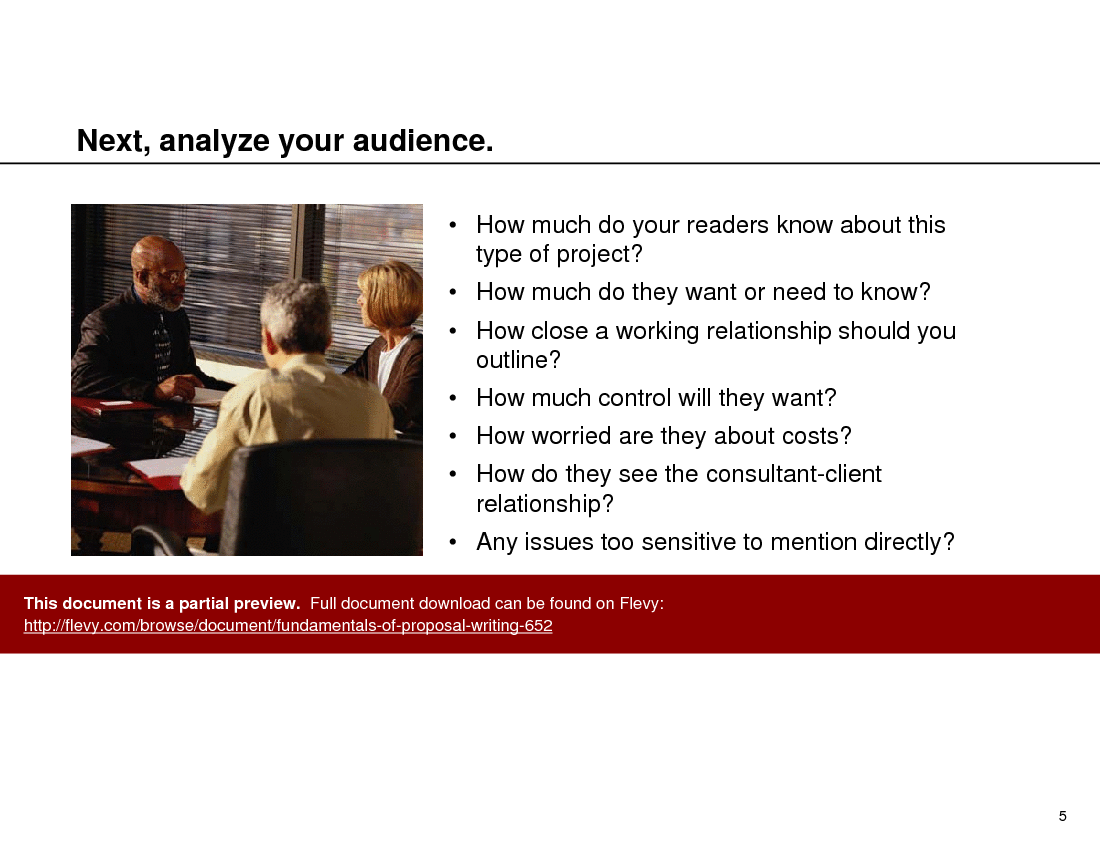
• Audience Analysis - Assess the audience's knowledge and expectations to enhance proposal relevance.
• Approach and Deliverables - Outline the methodology and deliverables to demonstrate how the project will be executed.
Deliverables, Templates, and Tools
• Proposal structure template for consistent formatting
• Audience analysis worksheet to assess client needs
• Project timeline template for scheduling deliverables
• Staffing requirements checklist to outline team roles
• Sample deliverables from previous projects for reference
• Quality assurance review checklist to ensure proposal excellence
Slide Highlights
• Overview of the proposal writing process, emphasizing the importance of analysis and design
• Key elements of effective proposals, including objectives, audience analysis, and anticipated benefits
• Visual representation of project timelines using Gantt charts for clarity
• Examples of successful proposal formats and structures
• Quality assurance review process to ensure proposal effectiveness
Potential Workshop Agenda
Proposal Writing Overview (60 minutes)
• Discuss the importance of proposal writing and its impact on business
• Review the key components of effective proposals
Audience Analysis and Design (90 minutes)
• Conduct audience analysis exercises
• Develop proposal outlines based on audience insights
Writing and Review Session (120 minutes)
• Draft proposal sections based on templates
• Peer review and feedback on proposal drafts
Customization Guidance
• Tailor the proposal format to align with client expectations and industry standards
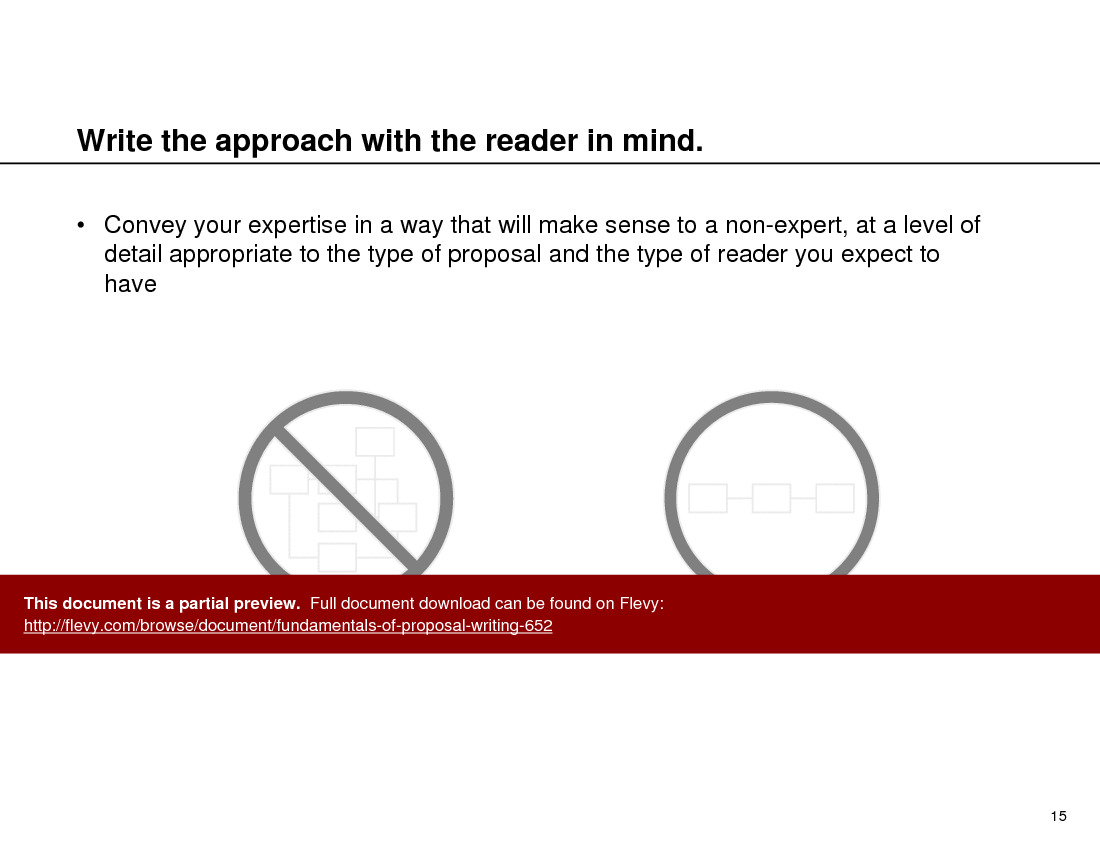
• Adjust the level of detail based on the complexity of the project and audience familiarity
• Incorporate specific client terminology and metrics to enhance relevance
Secondary Topics Covered
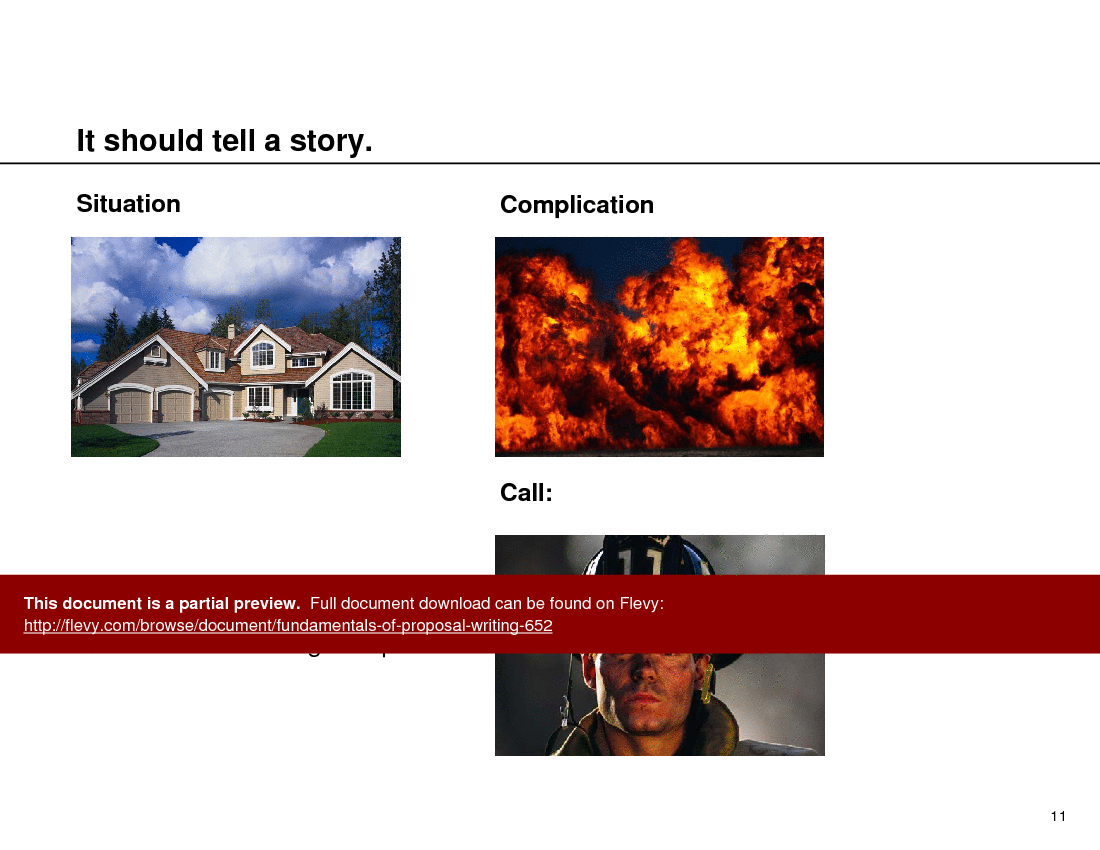
• Importance of storytelling in proposals
• Techniques for engaging openings and impactful conclusions
• Strategies for presenting anticipated benefits effectively
• Differentiating factors that set your proposal apart from competitors
• The role of quality assurance in proposal success
Topic FAQ
Document FAQ
These are questions addressed within this presentation.
What is the primary objective of a proposal?
The primary objective is to record agreement on work to be done, present a work plan, and advocate for hiring the proposing entity.
How should I analyze my audience?
Consider their knowledge level, needs, relationship dynamics, cost concerns, and any sensitive issues that may affect the proposal.
What formats can proposals take?
Proposals can be structured as letters, PowerPoint presentations, detailed reports, or responses to RFPs.
What key elements should be included in a proposal?
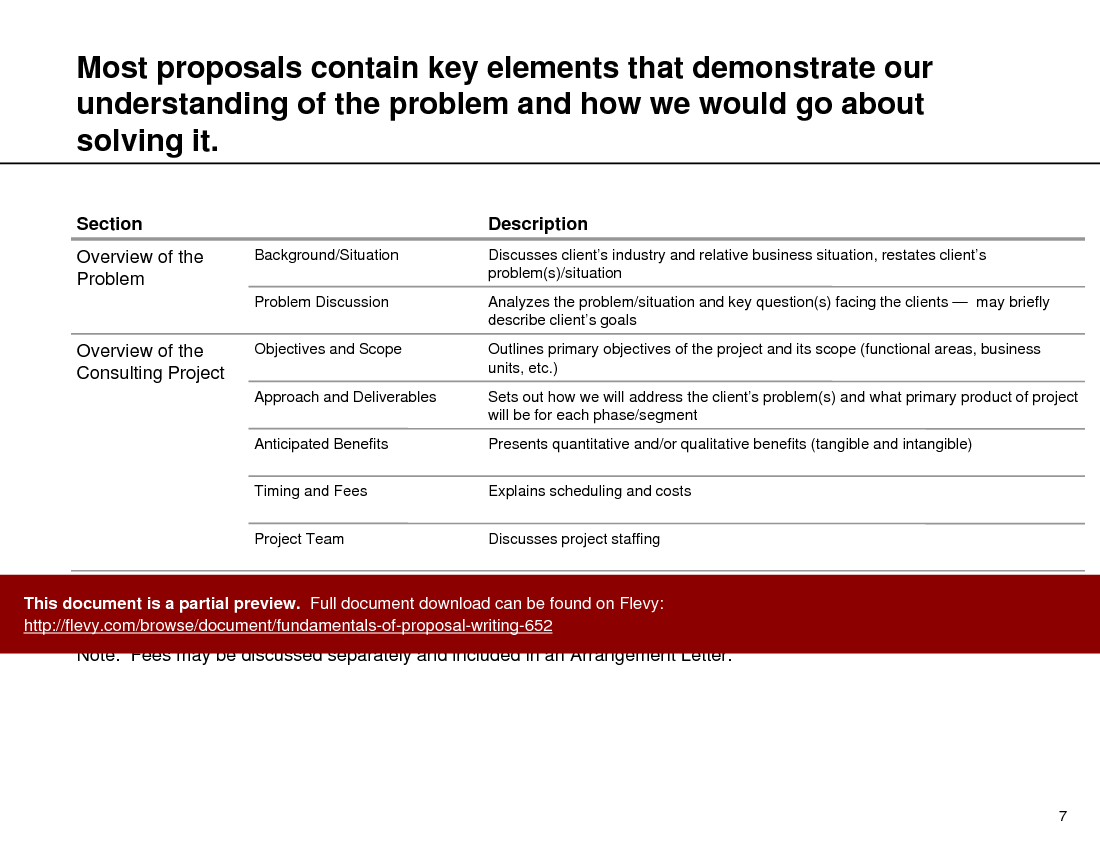
Key elements include an overview of the problem, objectives, approach, anticipated benefits, project timeline, and team qualifications.
How do I present anticipated benefits?
Clearly outline both tangible and intangible benefits, providing quantitative and qualitative insights to demonstrate value.
What is the importance of a project timeline?
A project timeline sets client expectations regarding the duration of activities and helps manage resource allocation effectively.
How can I ensure my proposal is engaging?
Utilize storytelling techniques, clear structure, and compelling language to maintain reader interest throughout the proposal.
What should be included in the quality assurance review?
Confirm project scope, timing, and fees with an independent reviewer to ensure accuracy and alignment with client expectations.
Glossary
• Proposal - A formal document outlining a plan for a project or service.
• Audience Analysis - The process of assessing the knowledge and needs of the proposal's intended readers.
• Deliverables - Specific outputs or results that will be provided as part of the project.
• Gantt Chart - A visual representation of a project timeline, showing tasks and their durations.
• Quality Assurance - A systematic process to ensure the proposal meets established standards and client expectations.
• Scope - The boundaries of the project, including what will and will not be addressed.
• Objectives - Specific goals that the project aims to achieve.
• Anticipated Benefits - The expected positive outcomes resulting from the project.
• Arrangement Letter - A document defining the terms and conditions of the project agreement.
• Stakeholders - Individuals or groups with an interest in the project's outcome.
• Consultant - A professional providing expert advice in a particular area.
• RFP - Request for Proposal, a document soliciting proposals from potential contractors.
• Client - The individual or organization requesting the proposal.
• Engagement - The agreement between a consultant and client to work together on a project.
• Timeline - A schedule outlining when project activities will occur.
• Team Qualifications - The skills and experiences of the project team members relevant to the proposal.
• Differentiators - Unique attributes that set a proposal apart from competitors.
• Stakeholder Engagement - The process of involving stakeholders in the project.
• Feedback Loop - A process for gathering input and making adjustments based on stakeholder responses.
• Proposal Checklist - A list of items to review to ensure a complete and effective proposal.
• Consulting Services Agreement - A formal contract outlining the terms of consulting services provided.
Source: Best Practices in Presentation Development, Proposal Development, Consulting Proposal Development PDF: Fundamentals of Proposal Writing PDF (PDF) Document, Documents & Files
This document is available as part of the following discounted bundle(s):
Save %!
Essential Consulting Skill Builder
This bundle contains 19 total documents. See all the documents to the right.
|
Receive our FREE whitepaper on the Top 101 Consulting Frameworks
Download our 200+ page guide summarizing the Top 101 Management Consulting Frameworks. Each framework provides a structured approach to analyzing and solving a common business problem. |










